Santiago: Big City Life

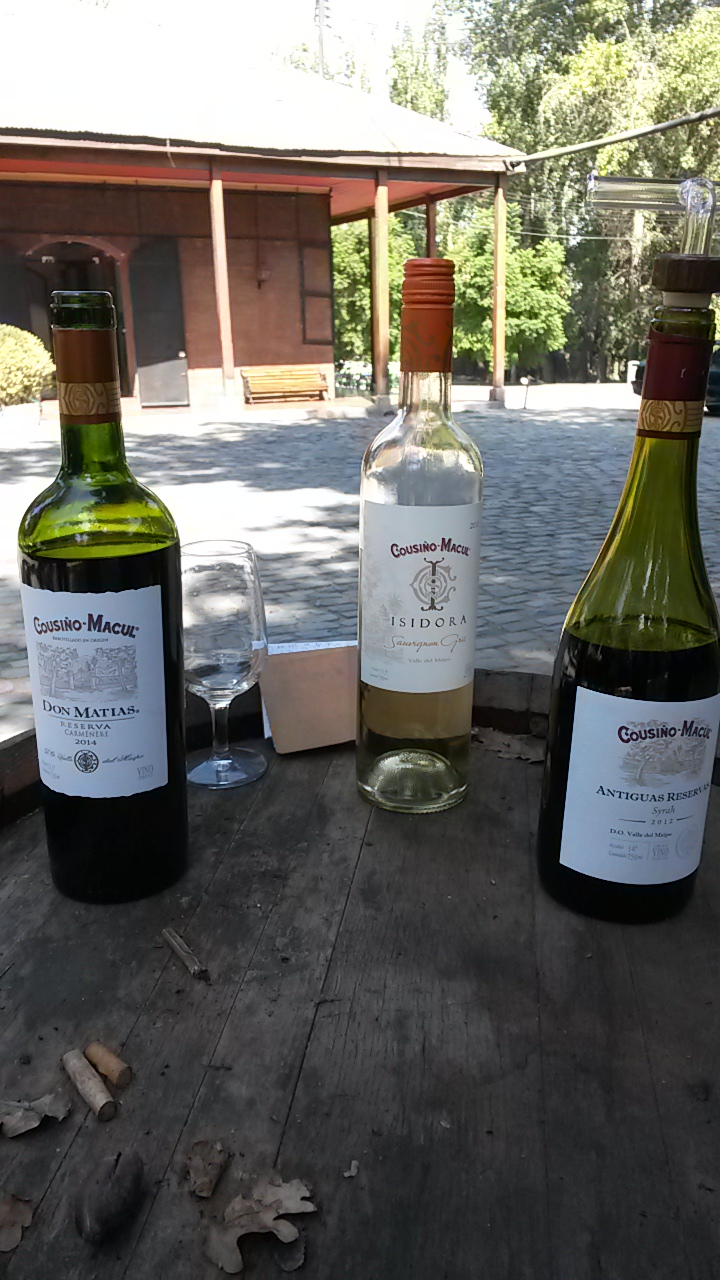
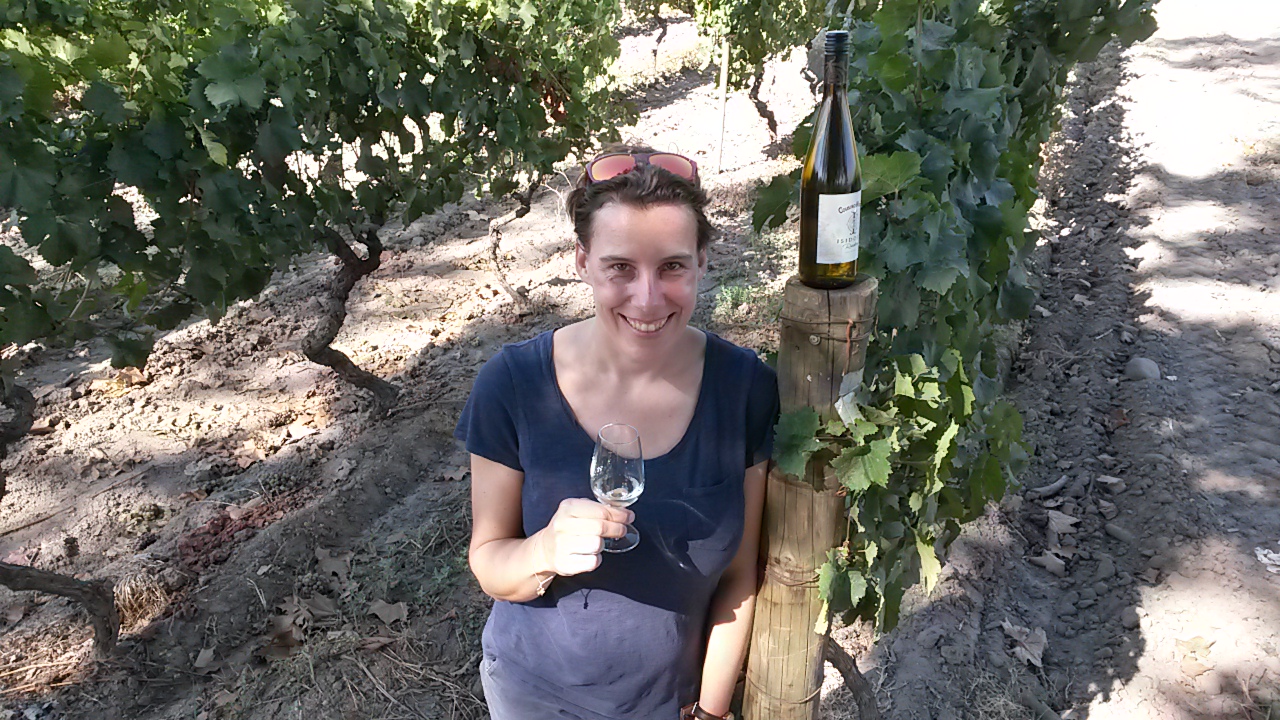
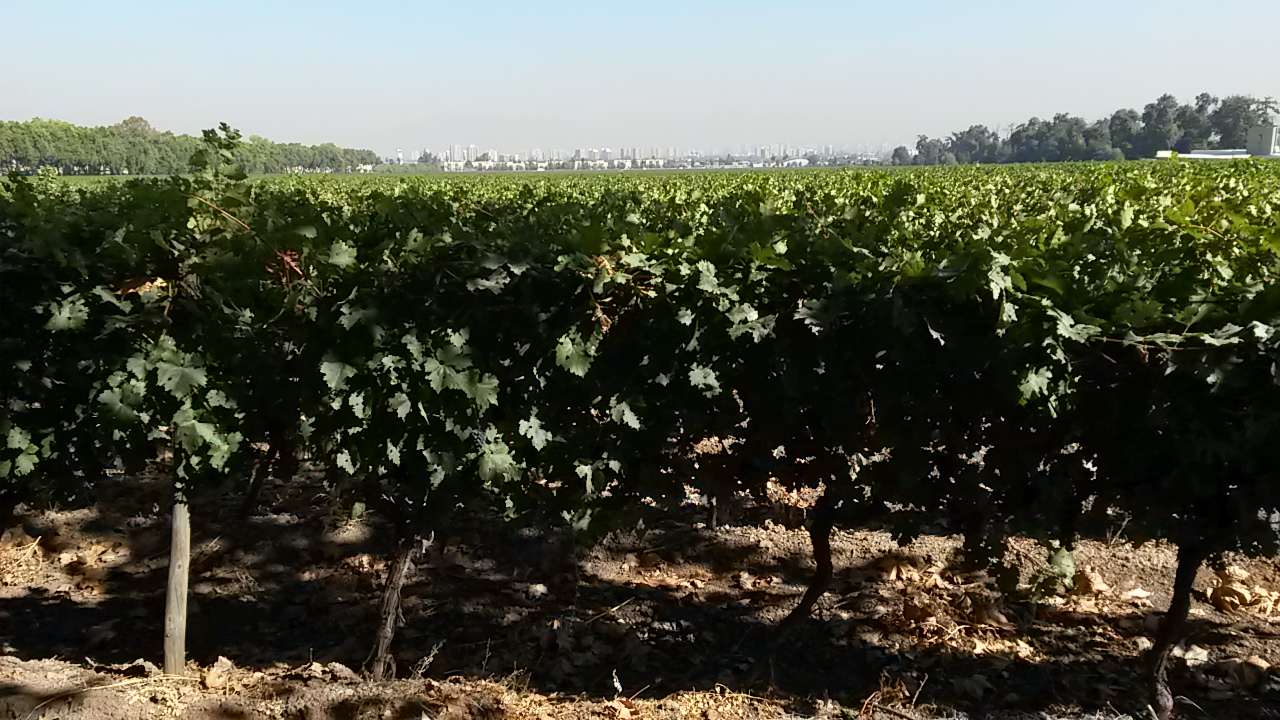
Santiago hit me big time as I hadn’t been in a large city ever since Buenos Aires, which was over a month ago. It is amazing to see the snowcapped Andes from the city. For some reason I hadn’t expected Santiago to be this close to the mountains. It made me realize how narrow this country is. Because Santiago is surrounded by mountains and hills, the city is almost always covered by a cloud of smog. That, the amount traffic and the many people was just too much to handle and thus I escaped the city on my first day for a bike and wine tour at Cousiño Macul on the outskirts of the city. Highly recommended! It does not involve  a lot of cycling, just a short ride to the vineyards. But it includes a wine tasting and an interesting tour around this old winery.

20150331_10595820150331_11222220150331_12281920150331_112938

Plus, you have to get there, which is part of the fun if you take the metro – it is a great place to people watch. I don’t think I have ever seen this many women breastfeeding their babies on public transport!!! It made me realize how conservative we are in Europe. Here it just seems very normal. One three or four year old kid, however, sat on his mothers lap and simply got out the breast himself… I would imagine that being rather unusual,  but who knows?!

Pablo Neruda’s house was a highlight in Santiago20150331_172220, as was the view from San Christóbal, the city’s biggest hill.20150331_182556

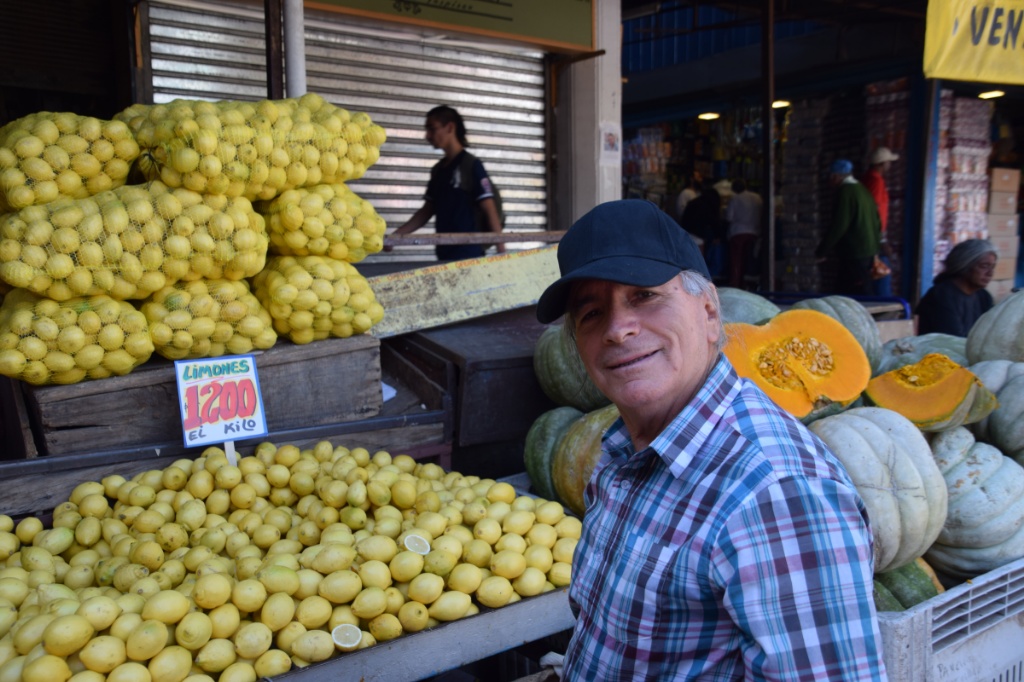
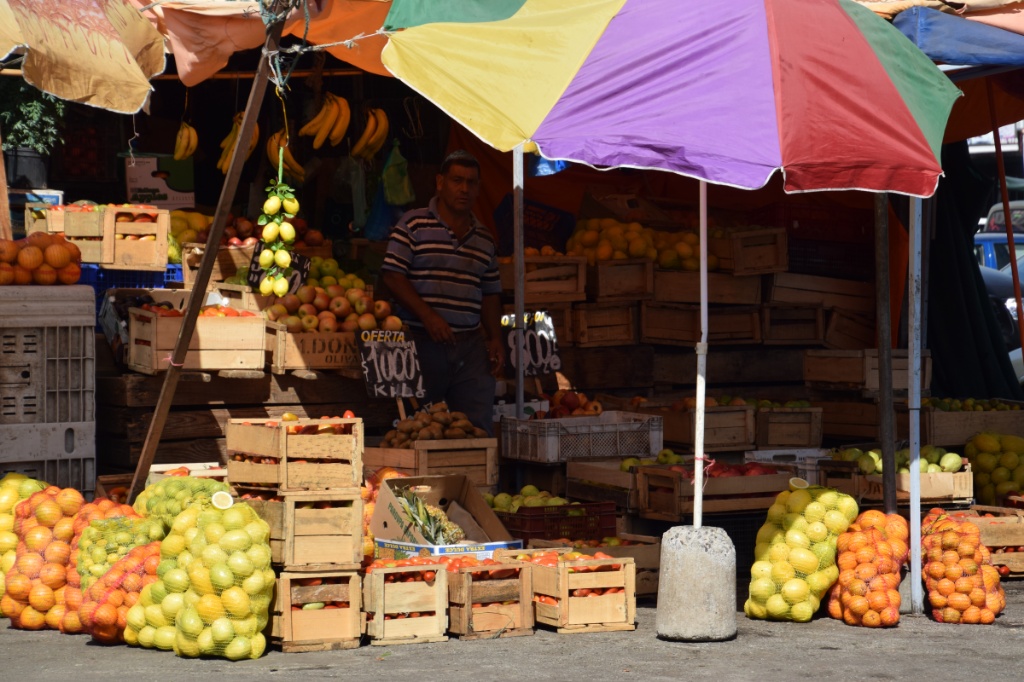
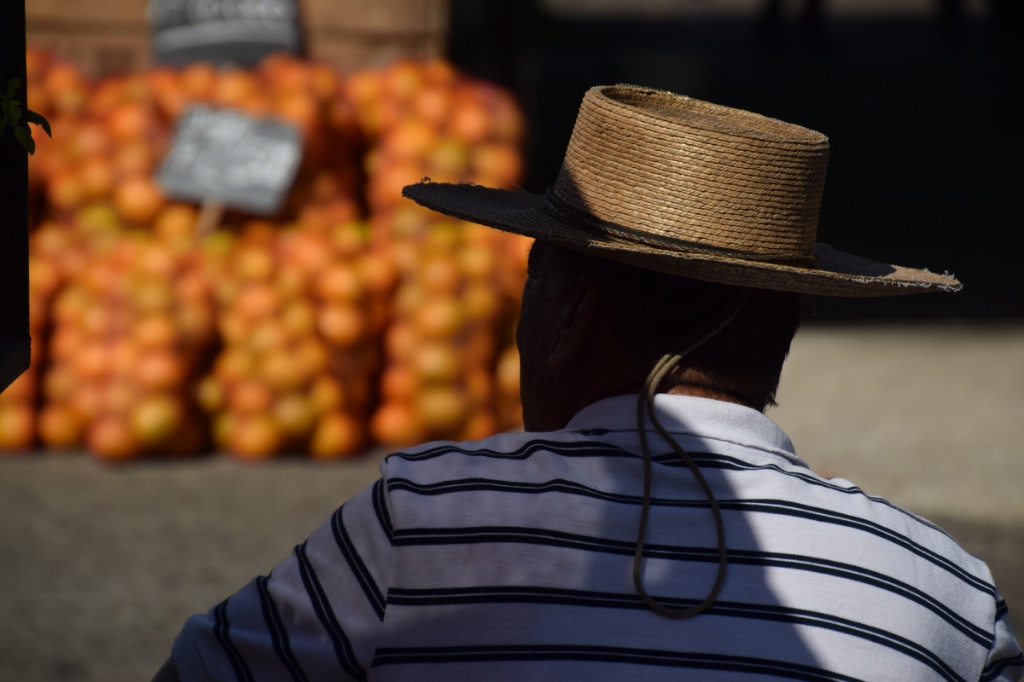
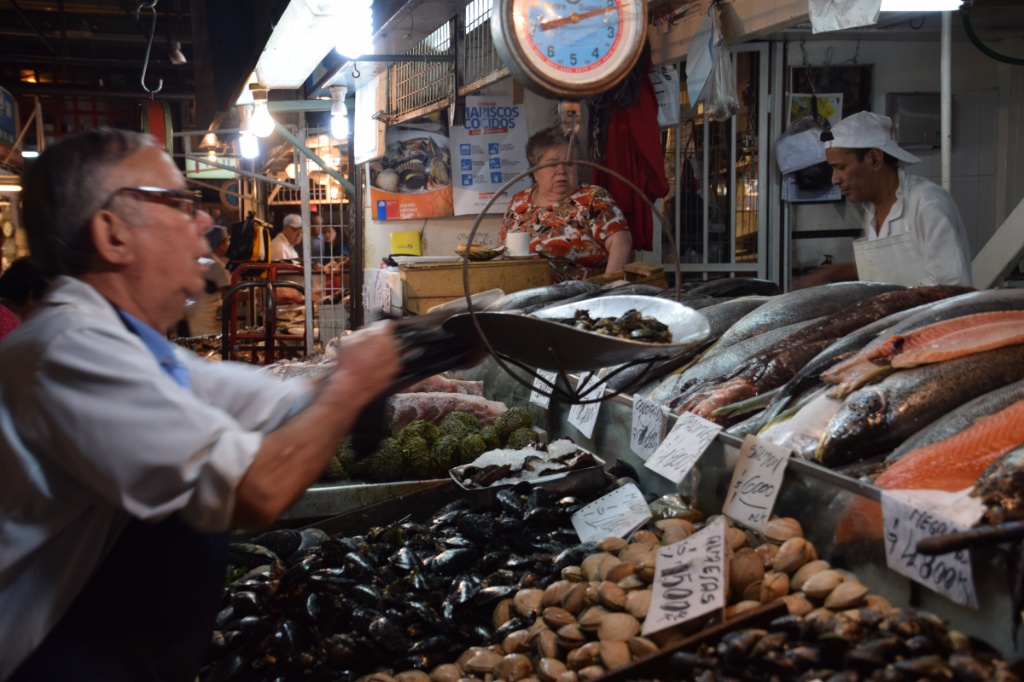
On day two I took the free walking tour (tour for tips), which had been recommended to me by numerous people and I, too, highly recommend it! I especially enjoyed the markets, a Santiago institution, where you can also go for a great meal.
IMG_20150421_083148IMG_20150421_083531IMG_20150421_083605IMG_20150421_083639IMG_20150421_083702IMG_20150421_084207

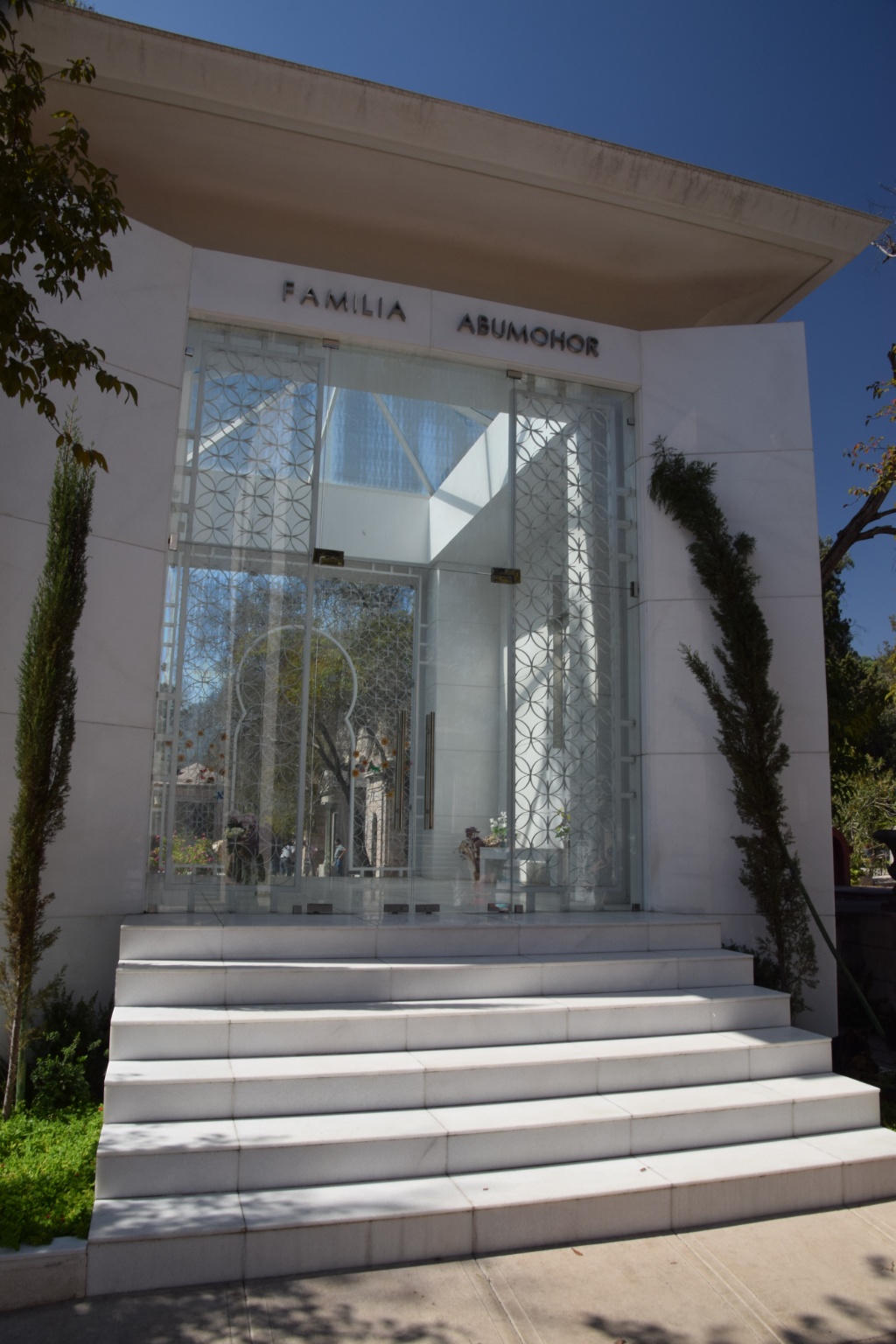
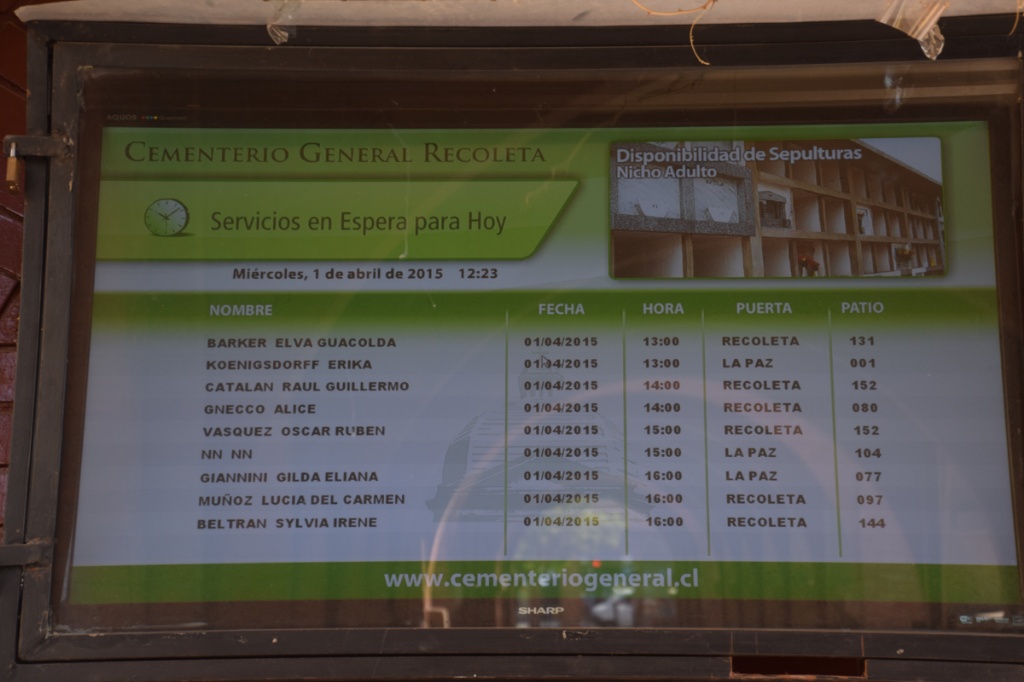
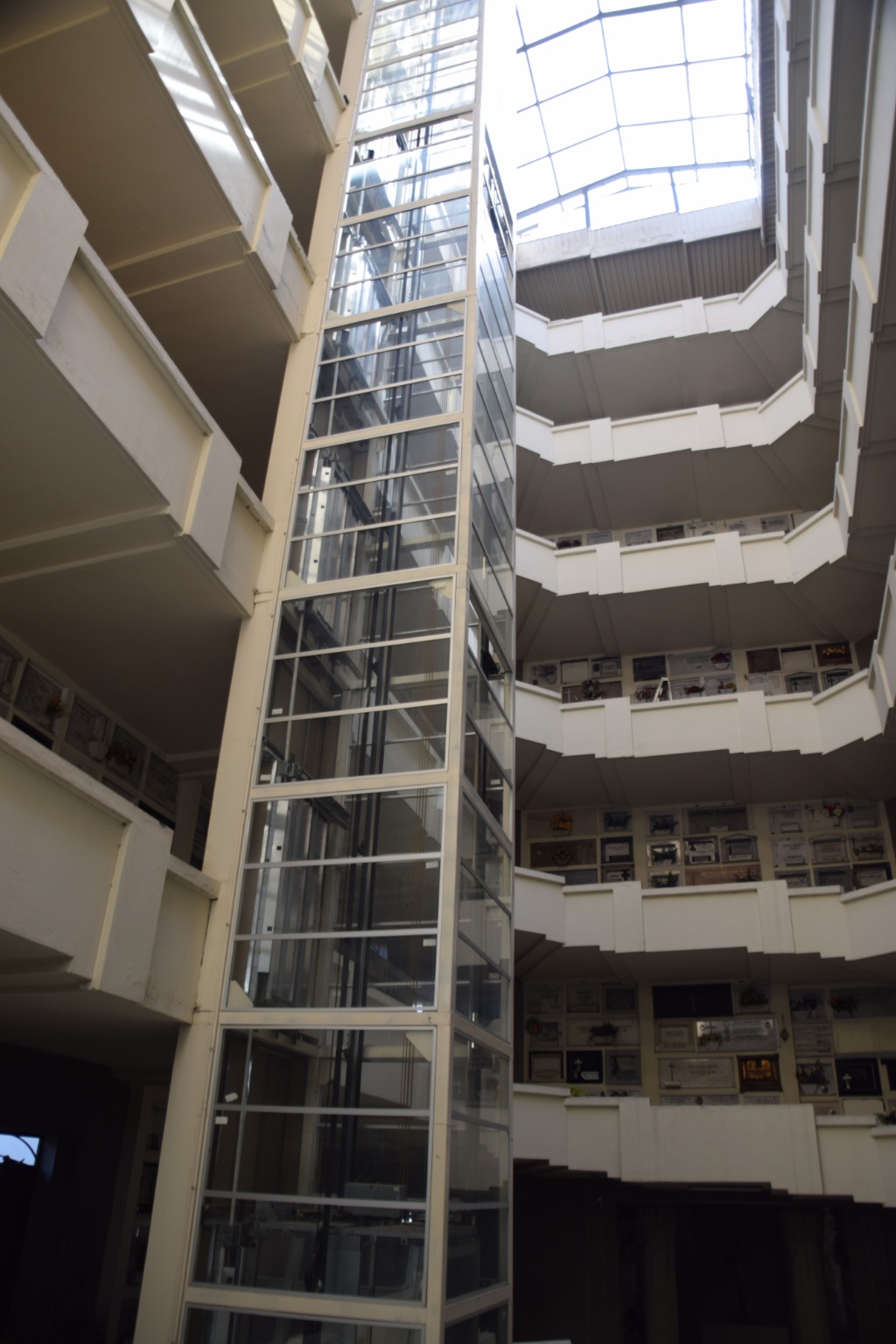
The large cemeterio was nothing like any other cemetery I’ve seen before. It is so big that a sceen at the entrance lists the funerals and their location. IMG_20150421_084234Apart from the usual graves IMG_20150421_084254 there are large buildings, e.g. one designed like an italian shopping mallIMG_20150421_084755, including an elevator, some enormous mausoleums IMG_20150421_084822IMG_20150421_084851and the presidents buried here all have very special graves, too.
This was the point when I finally learned a lot more details about chilean history, i.e. the presidency of Salvador Allende in the early seventies, the 15 year long dictatorship under Pinochet and the turn to democracy in 1989. Chile’s constitution established that at the 1988 plebiscite the voters could accept or reject Pinochet and to Pinochet’s surprise he was rejected by 54,4% – which also shows that the country was basically split into half! Most importantly our sympathetic chilean guide explained to us that the Pinochet era, after 25 years, still divides the country. That is because some people benefited while lots of others suffered, disappeared or were killed. This topic might even split families into half, resulting it to be a tabu at family reunions!

Kuchen and other signs of German Immigrants in (southern) Chile

The lake region in southern Chile is full of signs of German immigrants, which can be a bit scary (at least for a german), as it seems out of place. It just seems weird that there are such strong influences that are still visible. Unlike in Namibia, I rarely heard anyone speak german, though, which came as a relief (that would have been even more awkward). However, a surprising number of Chileans speak quite a bit of german – even if their ancestors were not german speaking – and there seems to be a positive attitude towards germany and the germans in general (something you wouldn’t necessarily encounter in many countries in the world, be it for historical or cultural reasons).

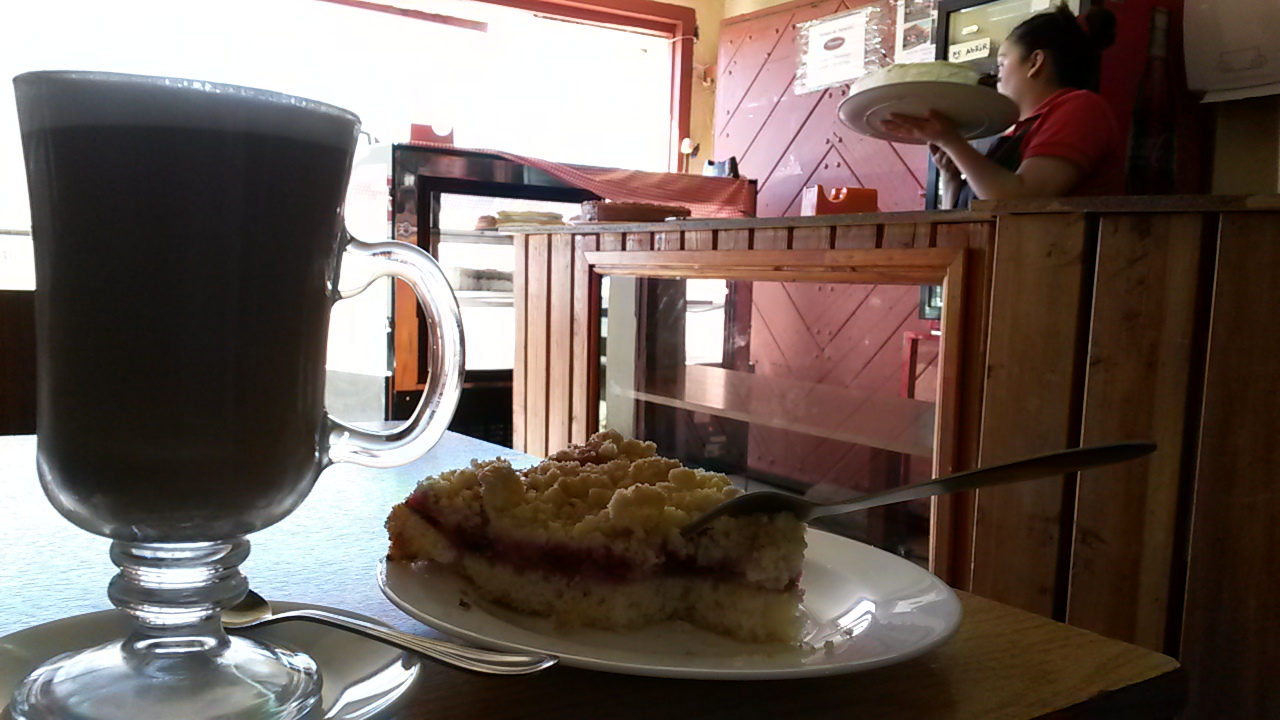
There is one german word that even made it into chilean spanish: “Kuchen” (cake). Chileans LOVE Kuchen and they eat it at any time of the day, even for breakfast (something I have only experienced in parts of southern germany – it is definitely not that common in my home country).20150325_123324

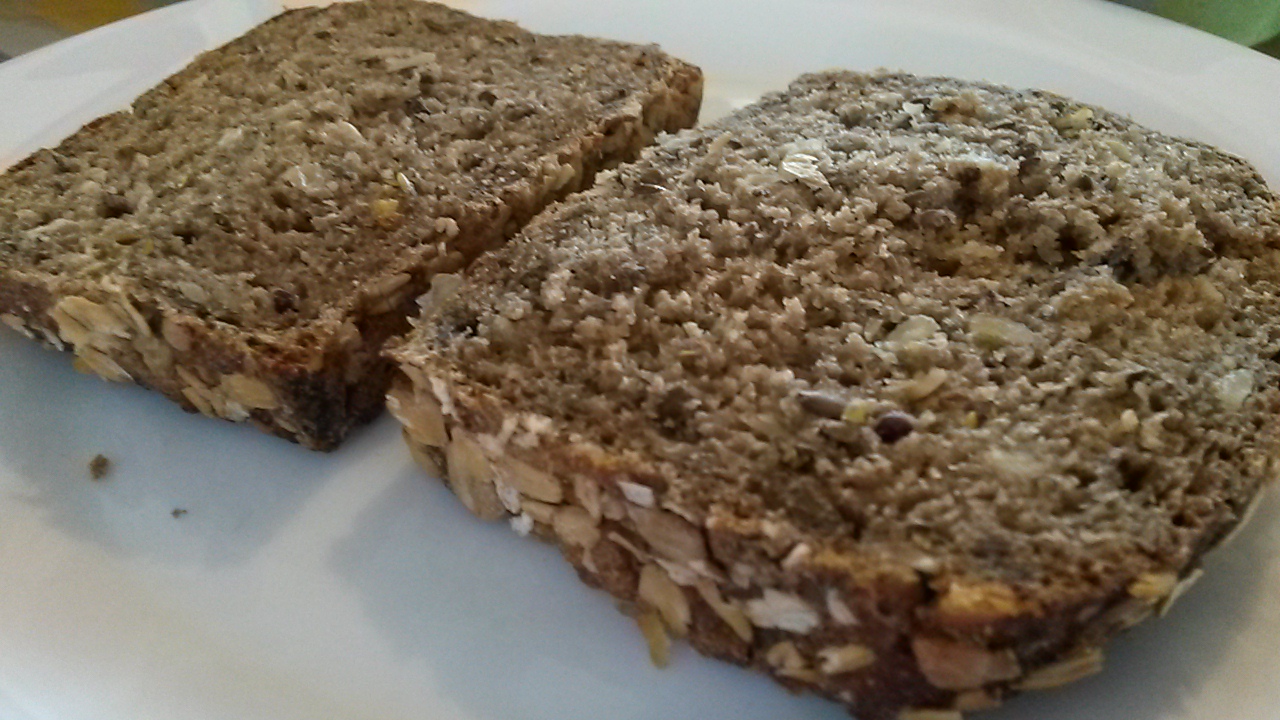
However, if you ask german travellers what they miss most while travelling you will never get Kuchen as an answer. It is always, yes, always, BREAD! Unfortunately the early immigrants either didn’t know how to bake good bread (unlikely, as they knew how to make good Kuchen) or no-one wanted to eat it and it vanished eventually (unthinkable!) or the bread that we are used to nowadays was only introduced in Germany after the emigration wave. If anyone knows, your input is much appreciated! (I only found one bakery, in Pucon, that had amazing german bread and I bought a loaf and inhaled it’s wonderful smell before indulging in the taste – the bakery is called “Rostock”, most certainly after the german city with that same name, and it’s on O’Higgins). 20150326_114723

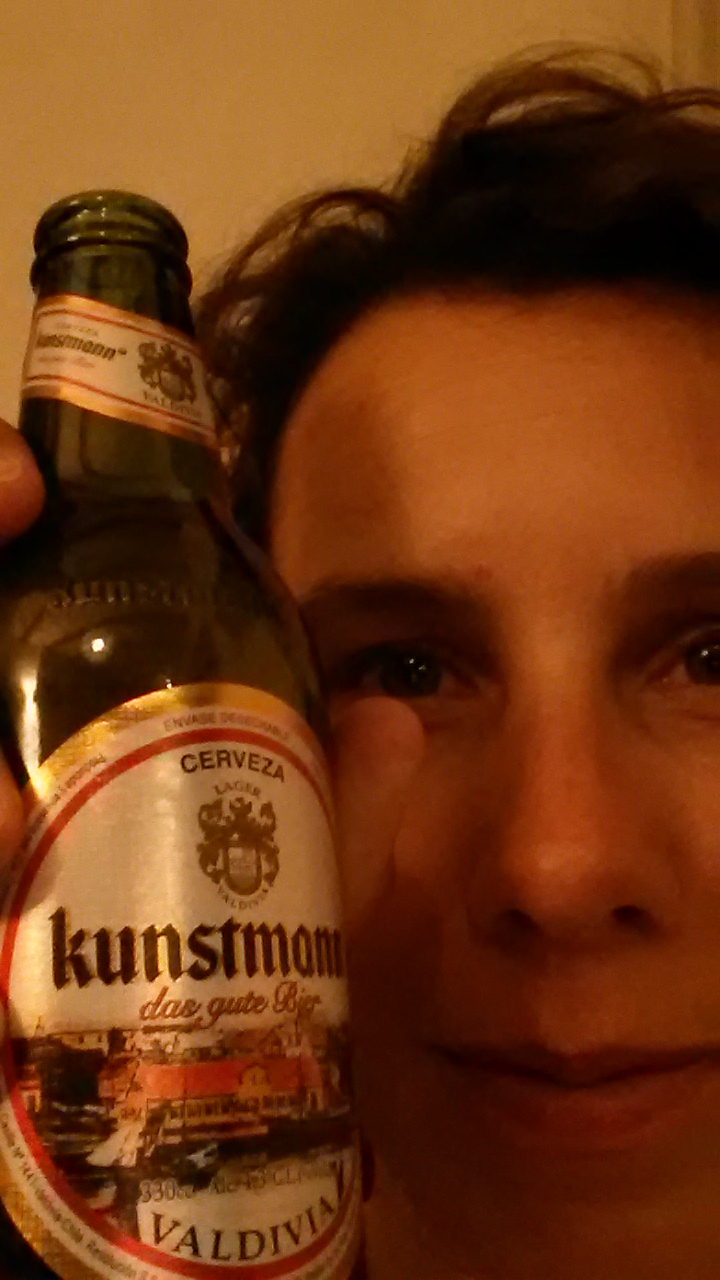
Here is something esle that I much appreciated: beer brewed after the german Reinheitsgebot, meaning it only contains hops, malt, yeast and water. One brewery even uses a german subslogan: “Das gute Bier” (the good beer). 20150325_232608

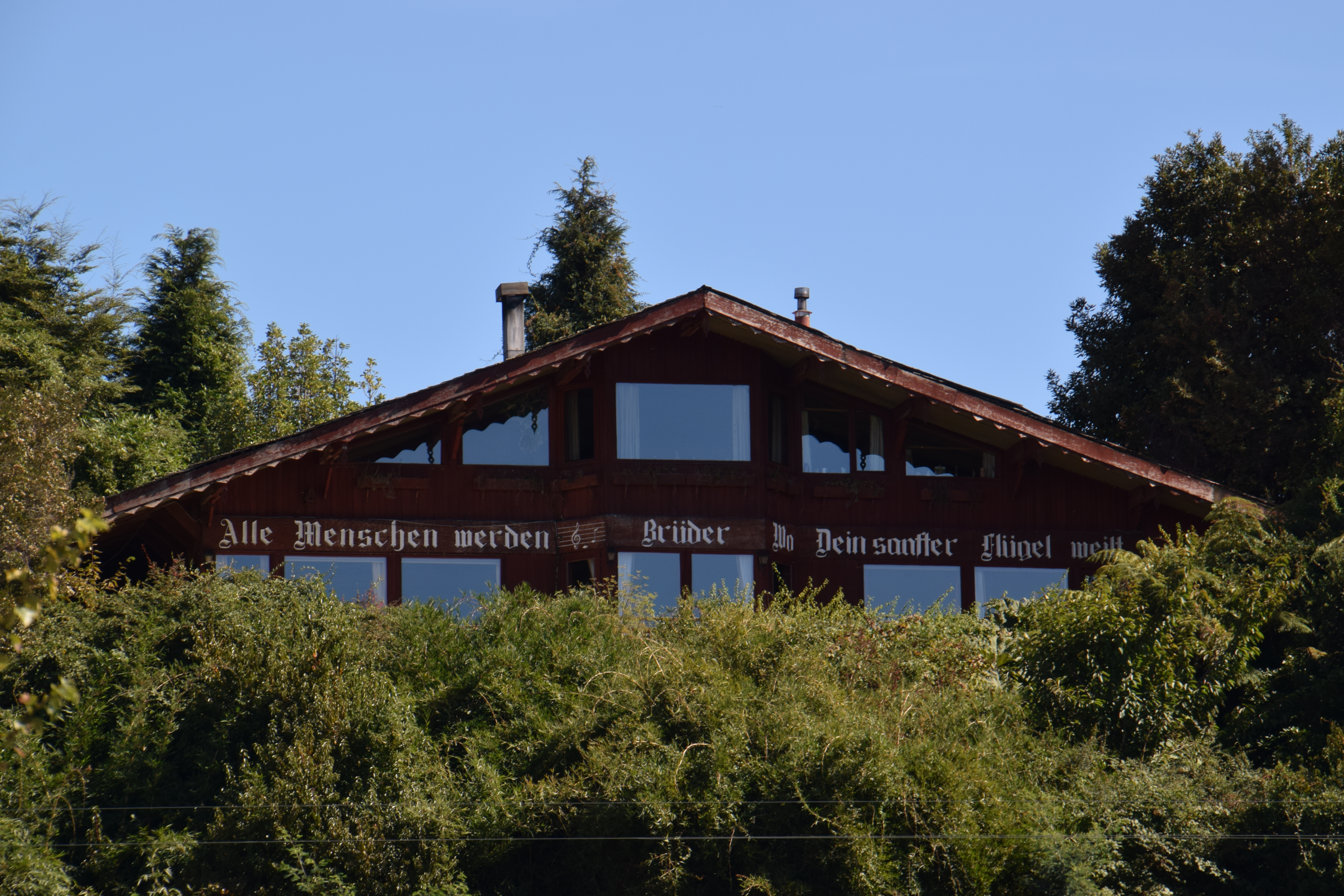
In the region around Puerto Varas and especially in the german colonial town Frutillar all Klischees were confirmed: houses, names, Kuchen, sausage dogs – and fjnally I even found some “Gartenzwerge” (garden gnomes)!

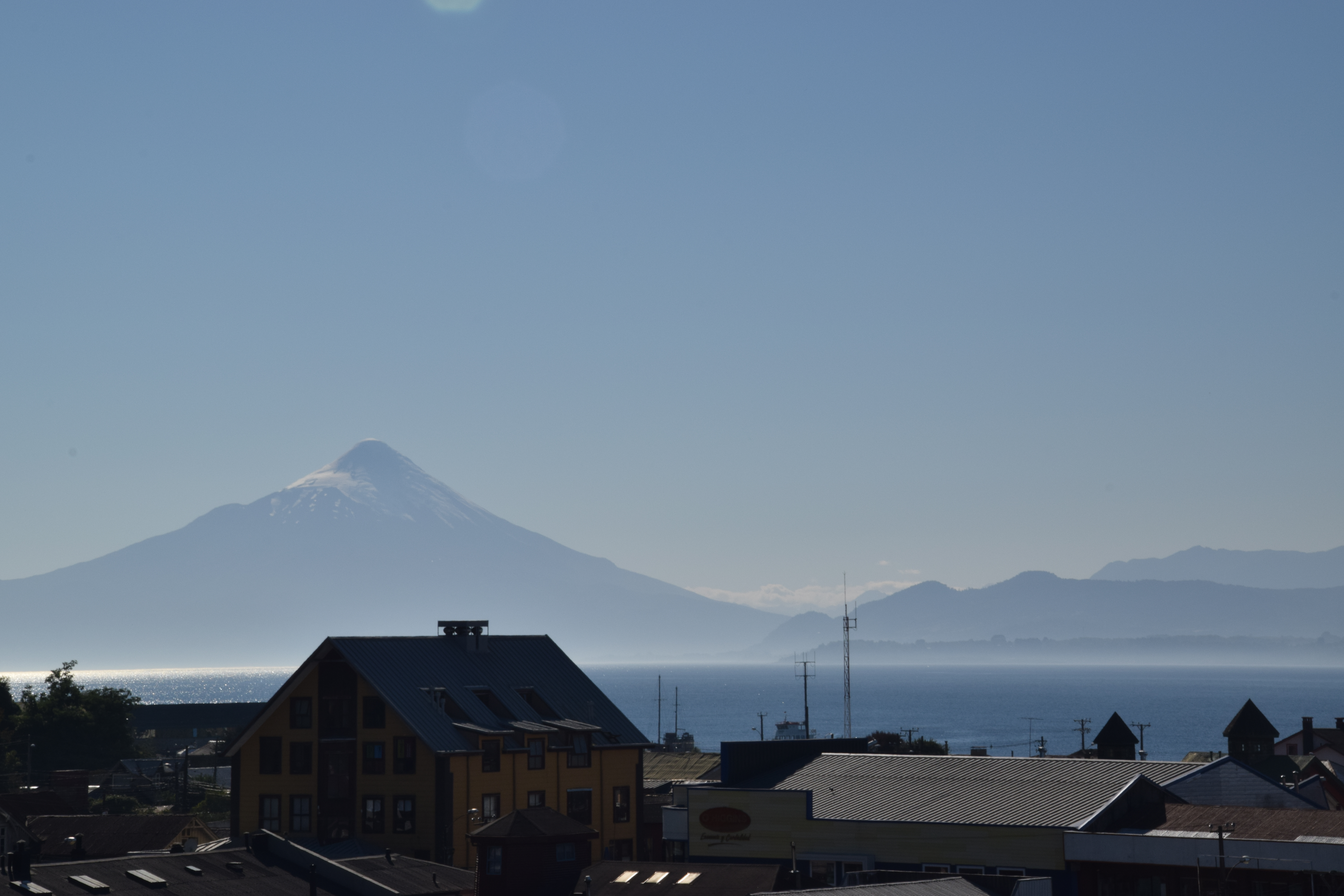
Purto Varas with view of Osorno Volcano and Llanquihue Lake
Church in Frutillar
Church in Frutillar

DSC_1526DSC_1524

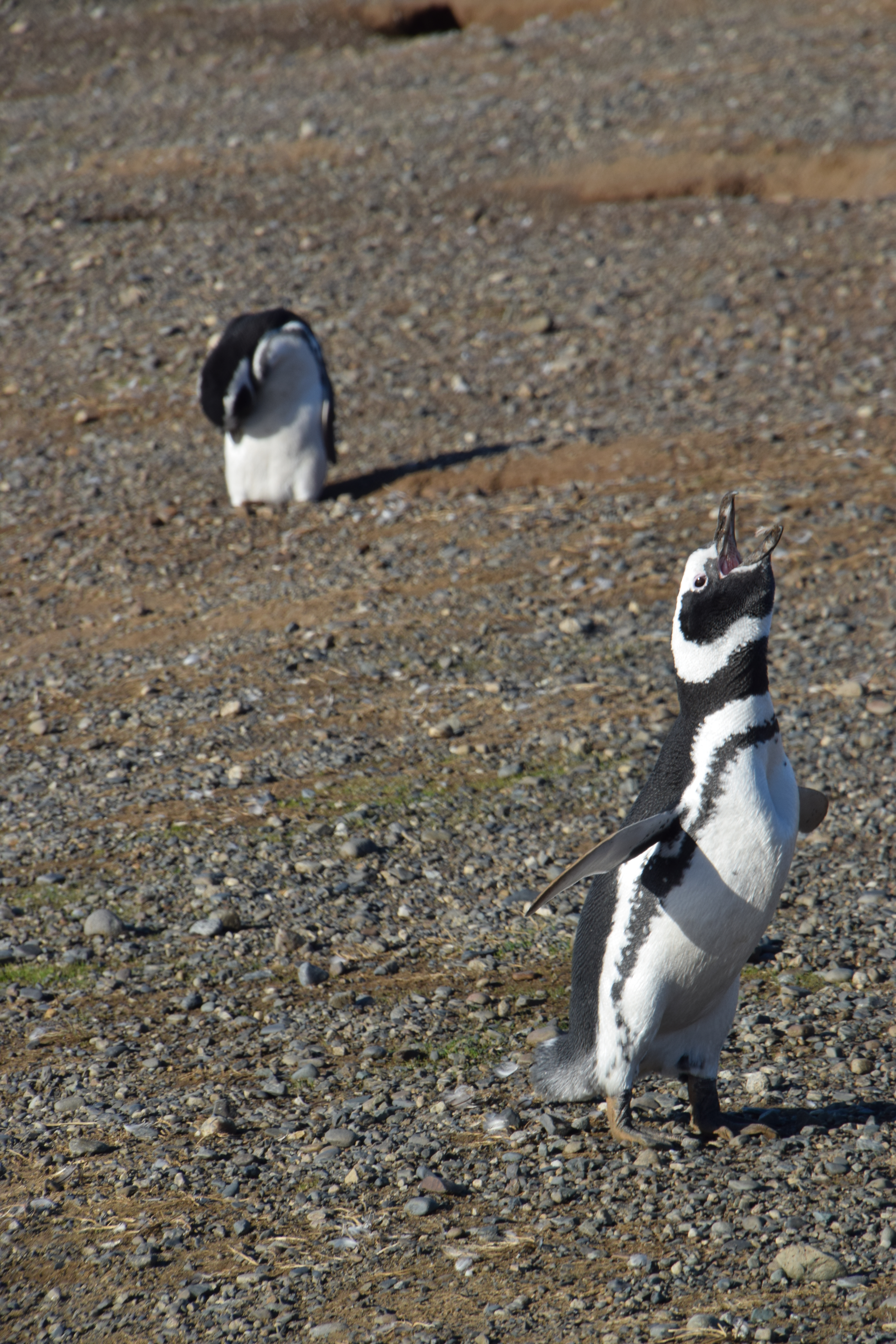
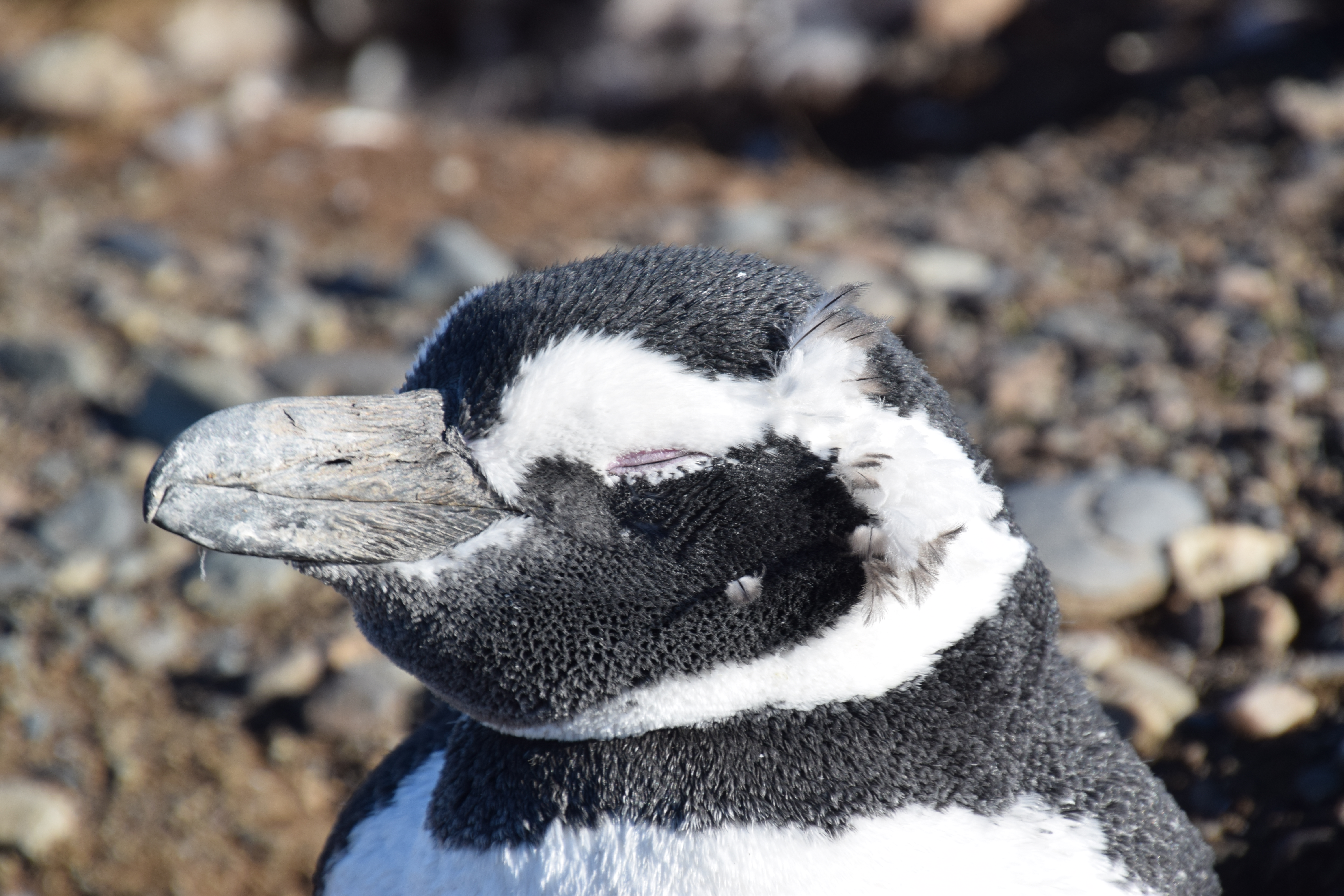
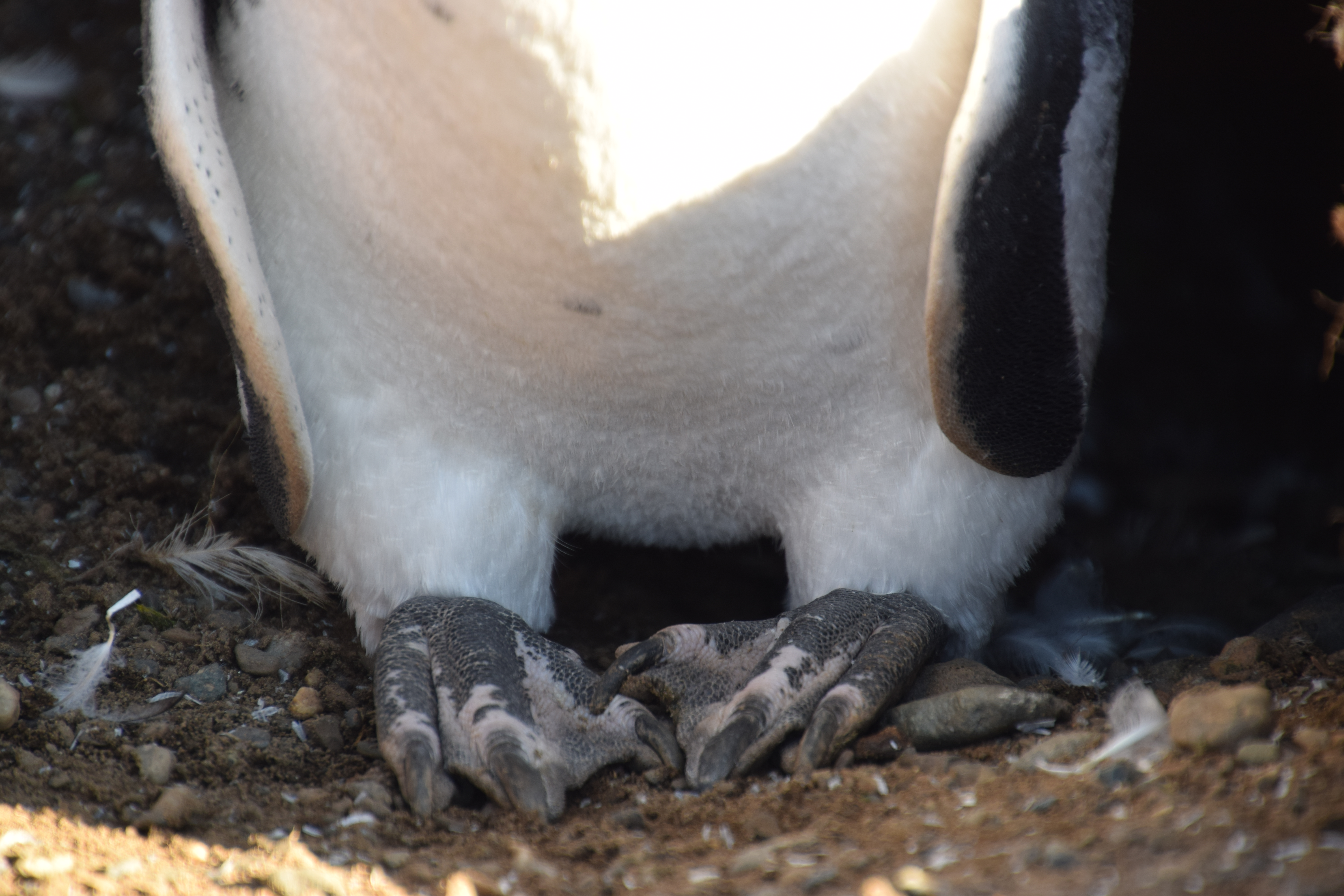
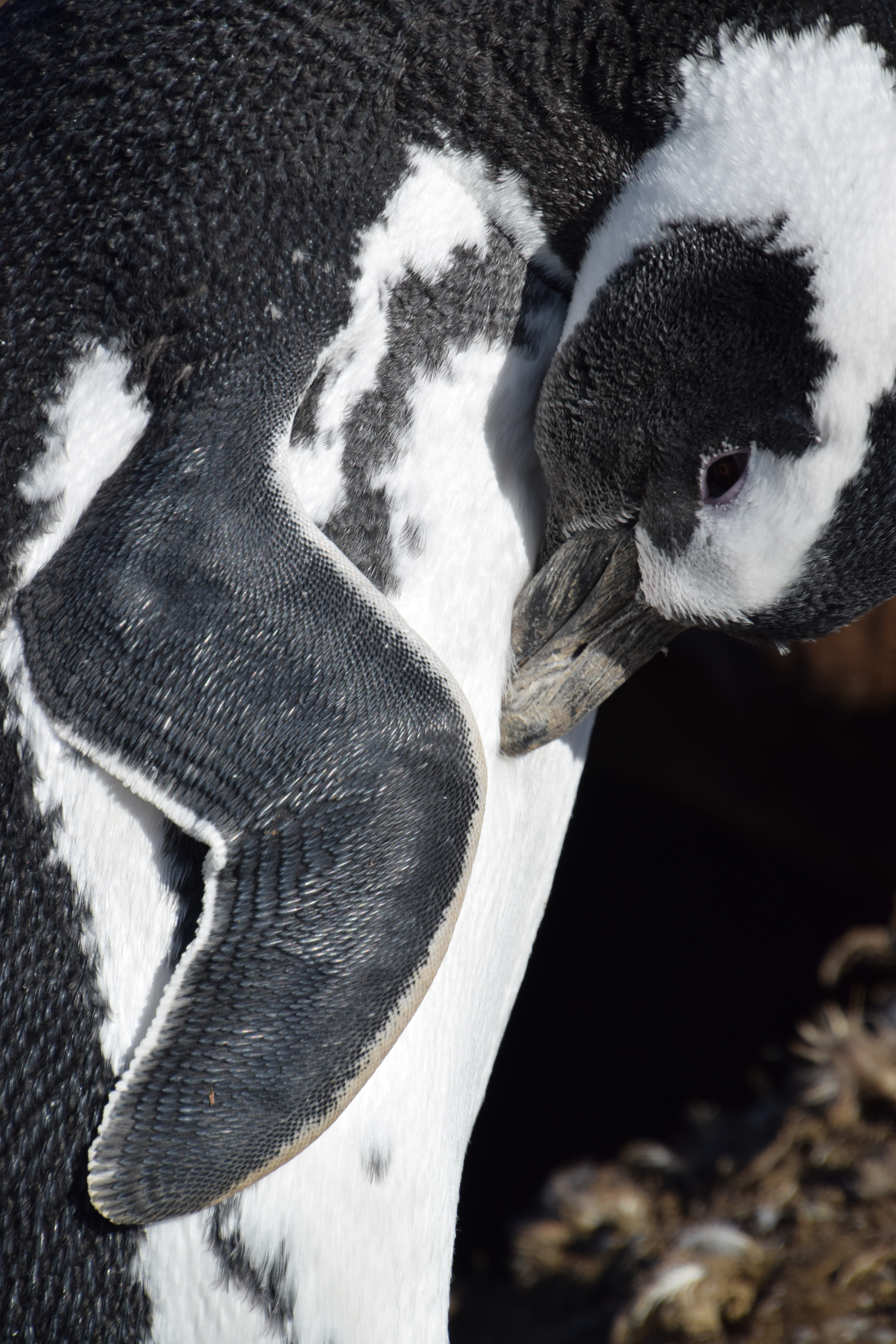
Pingüinos!
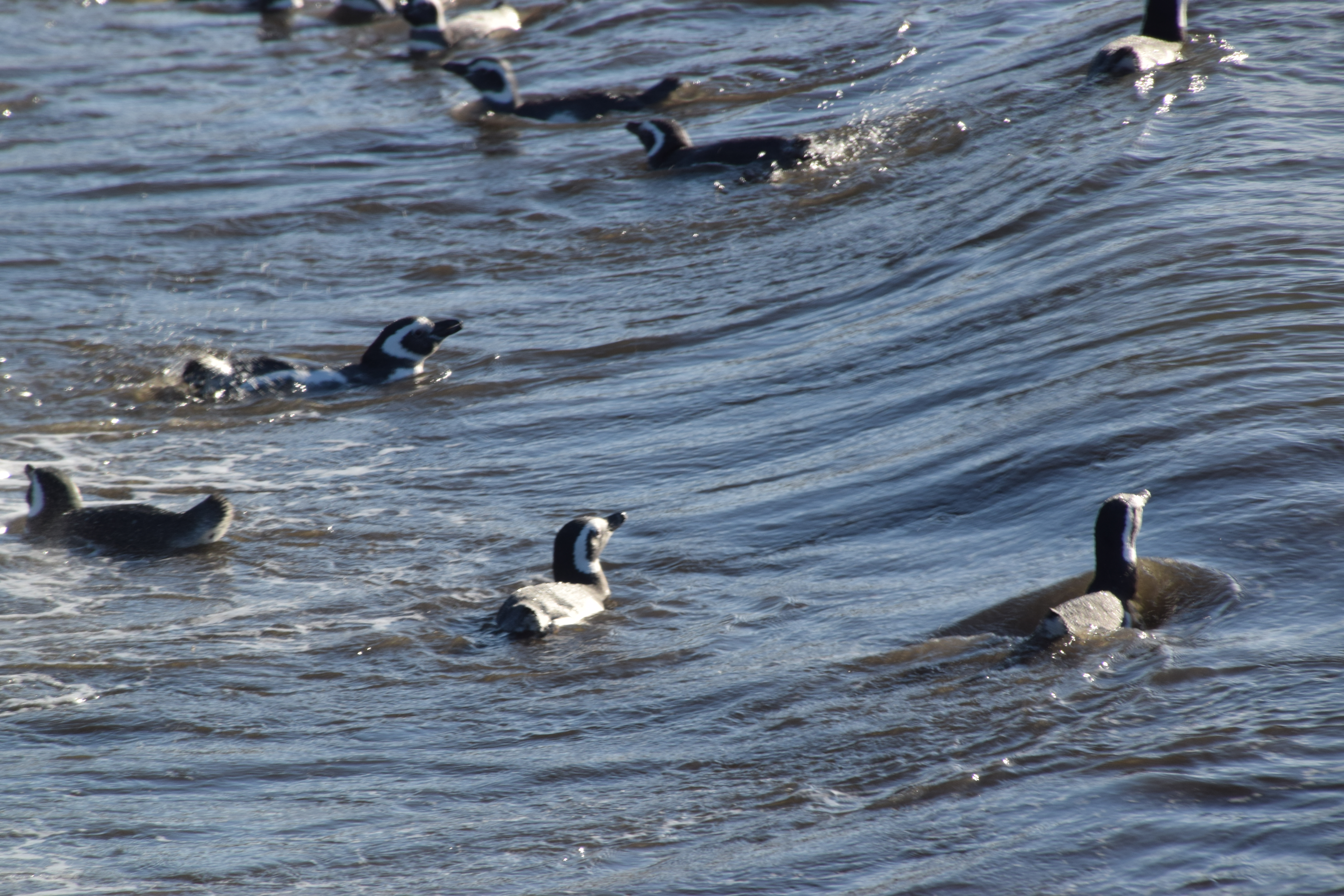
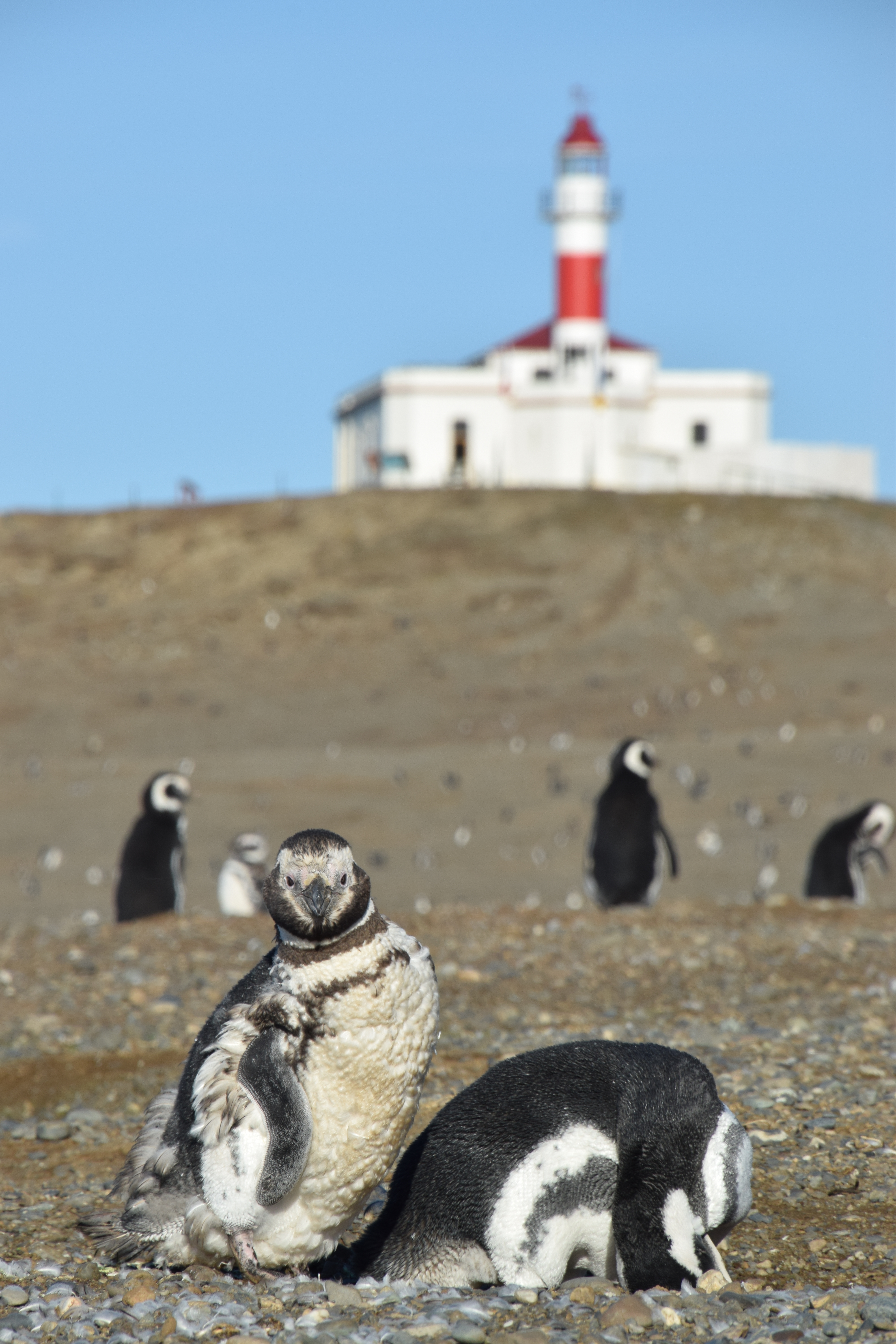
I went to Punta Arenas for two reasons: to catch a flight to Puerto Montt and thus skip a 36 hour busride – and to see the Pengüinos (spanish for Penguins) on Magdalena Island! They were about to change their fur and leave the Island (in fact some already had but there were still hundreds left). Aren’t they the cutest animals!?! See for yourself:
DSC_1437 DSC_1441 DSC_1443 DSC_1449 DSC_1451 DSC_1457 DSC_1473 DSC_1488 DSC_1497

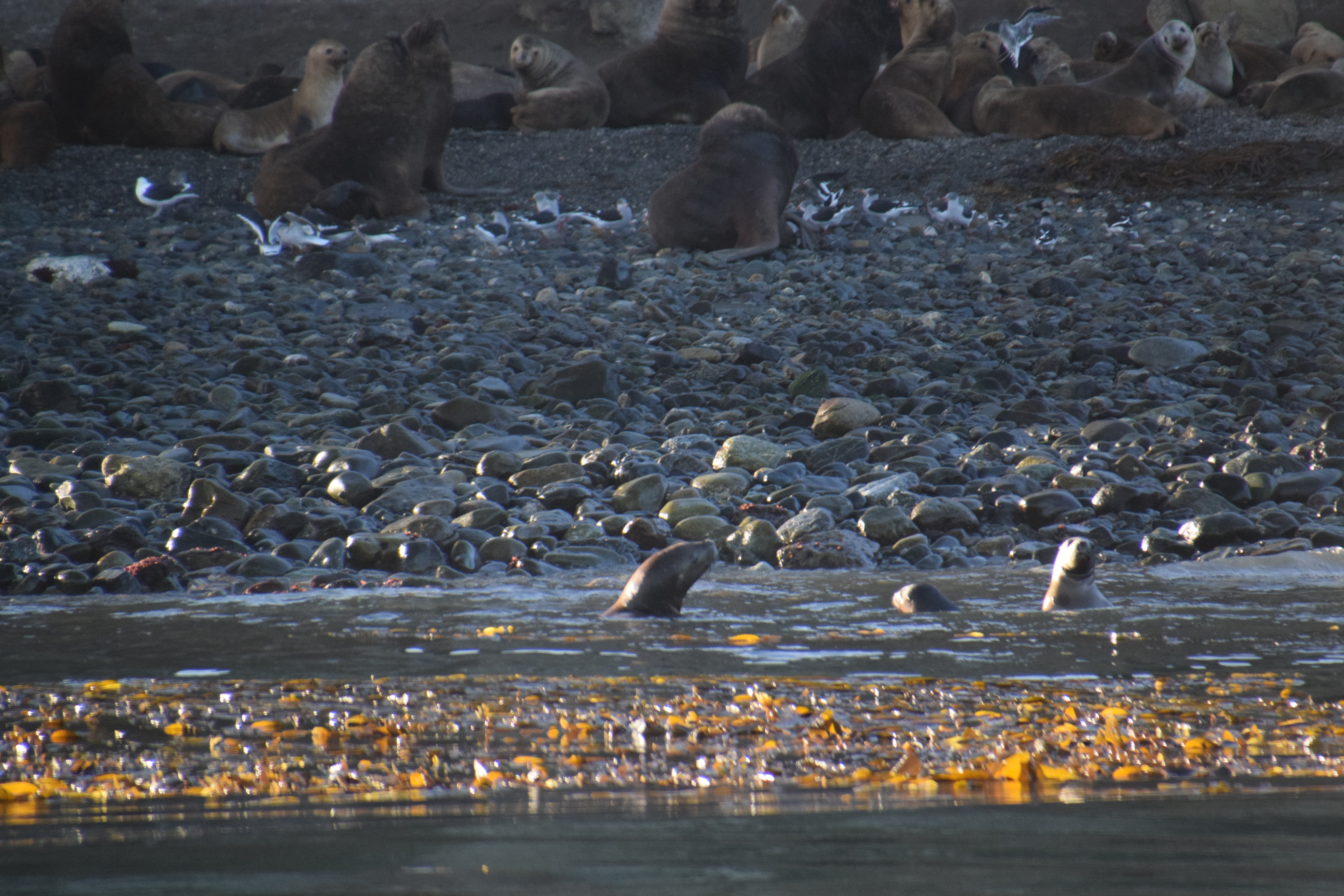
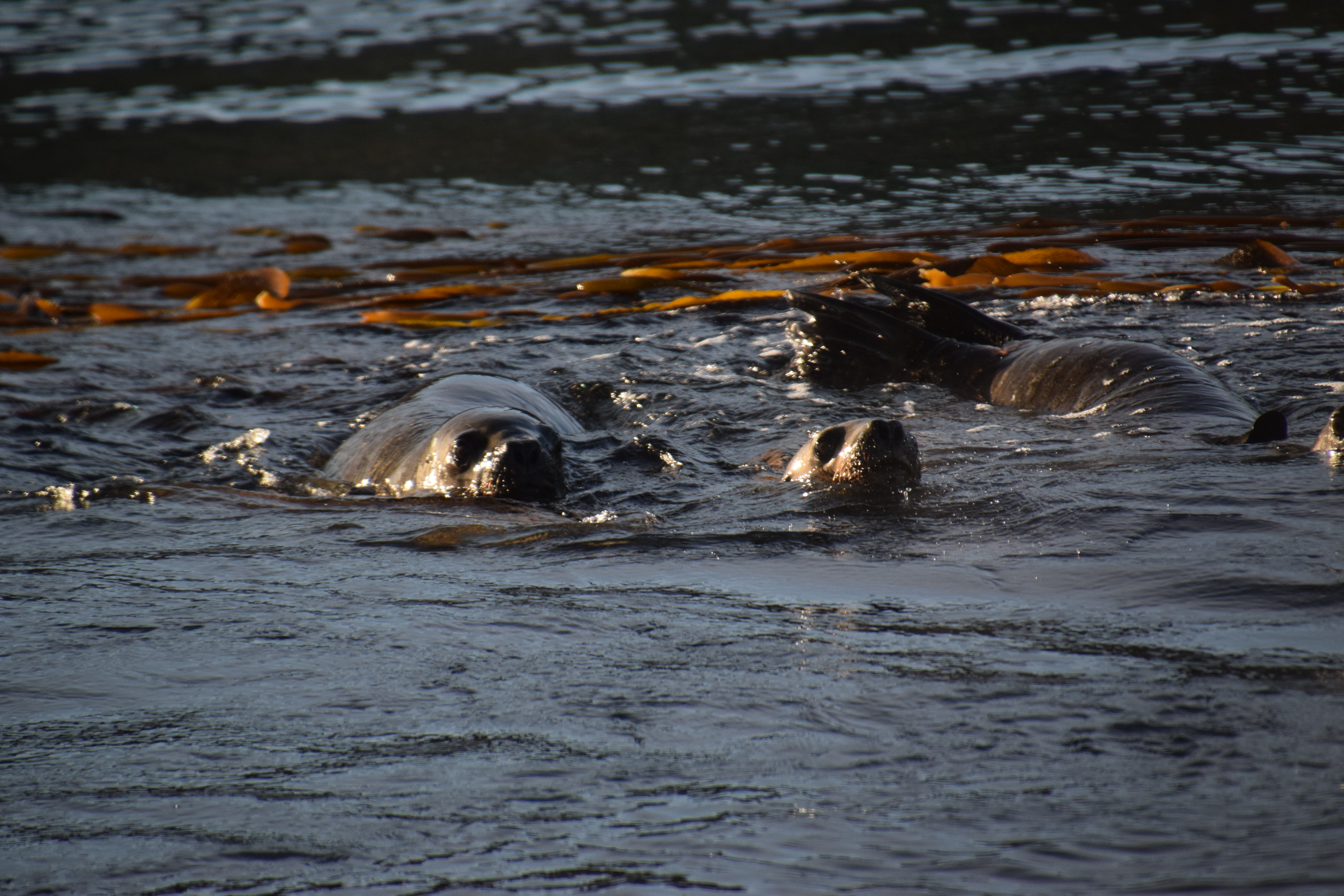
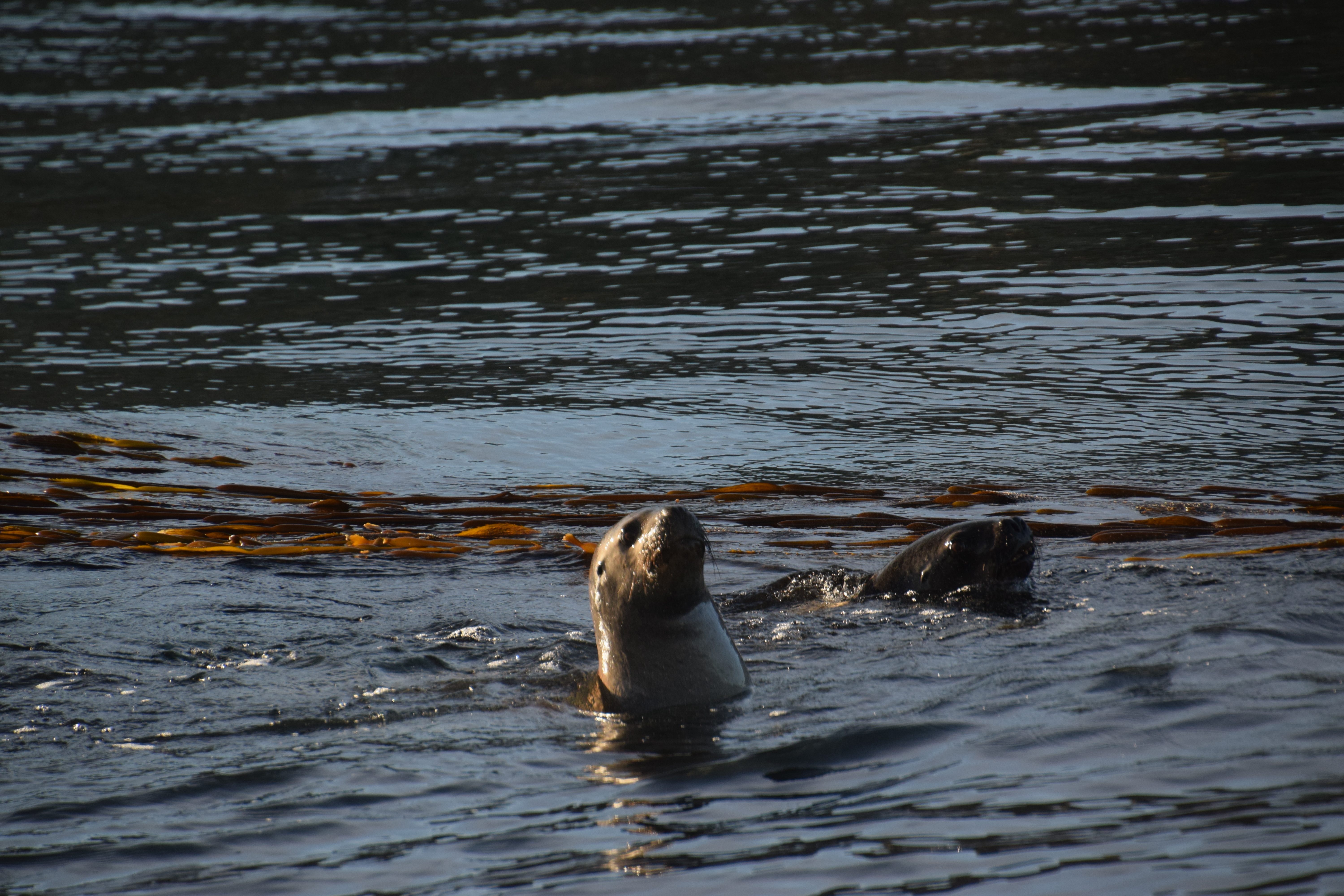
And so are the sea lions on neighbouring Martha Island, even though they hunt the cute little Penguins… DSC_1409 DSC_1411 DSC_1421 DSC_1424 DSC_1427

Torres del Paine – Trekking with THE TEAM

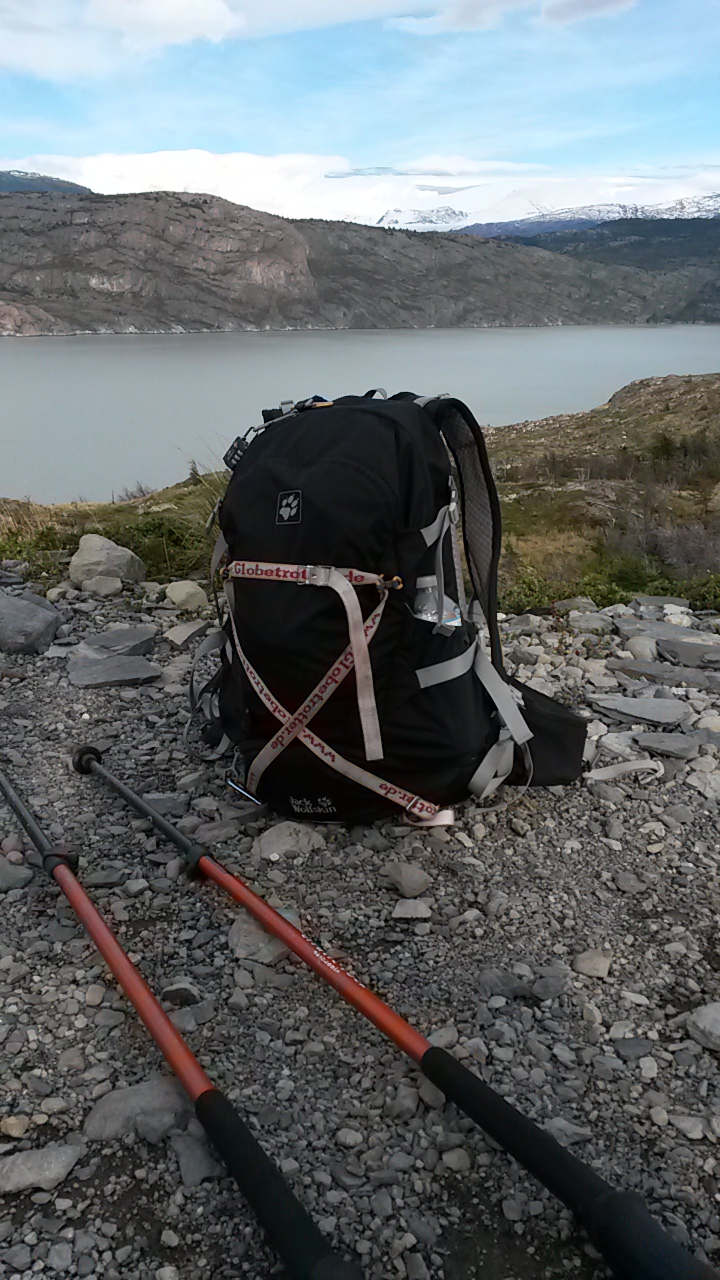
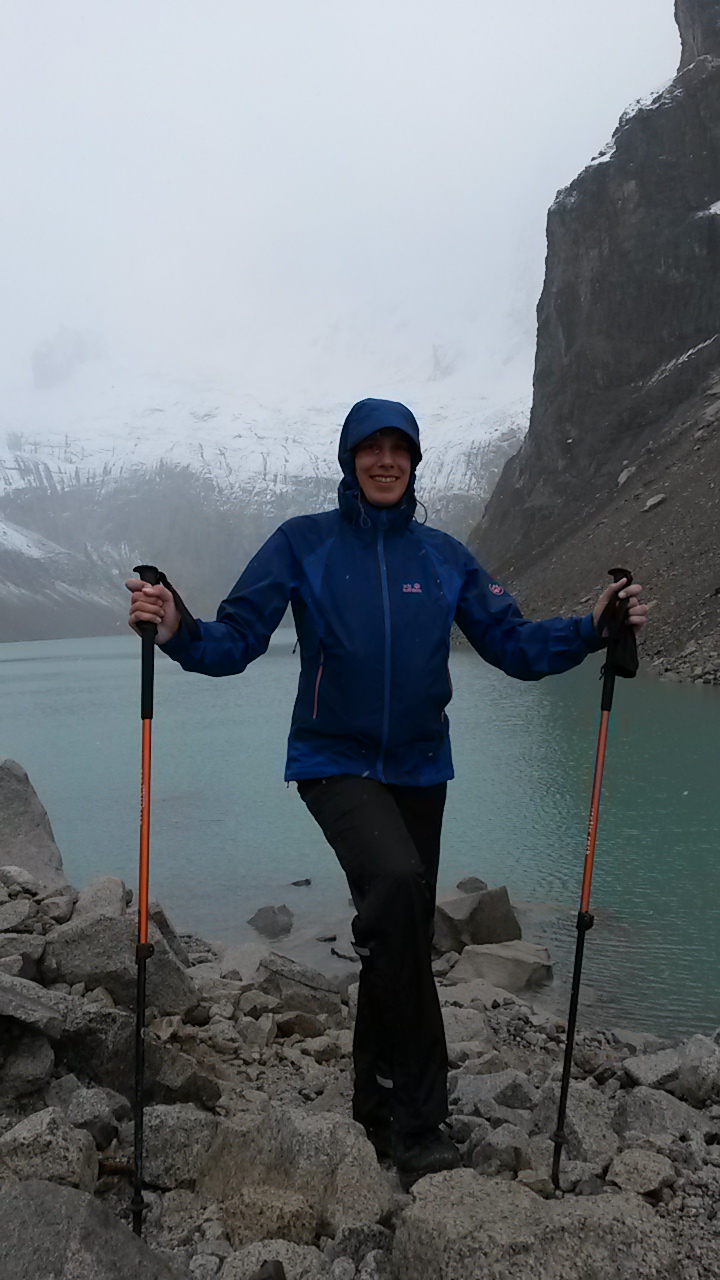
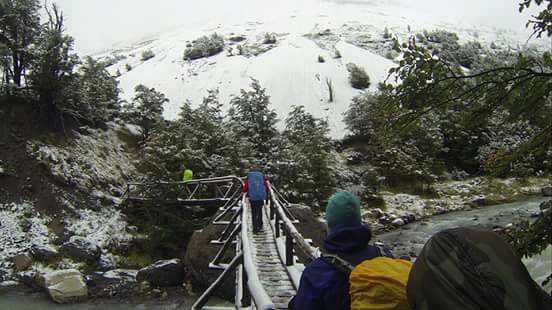
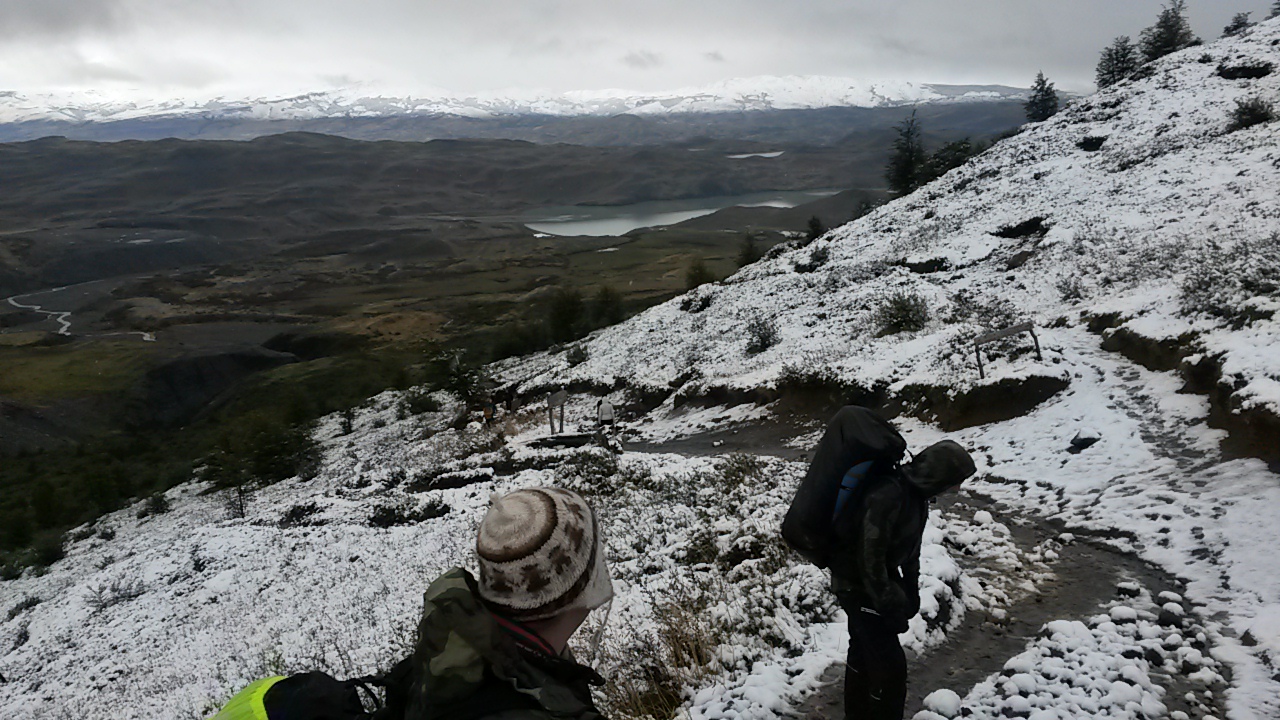
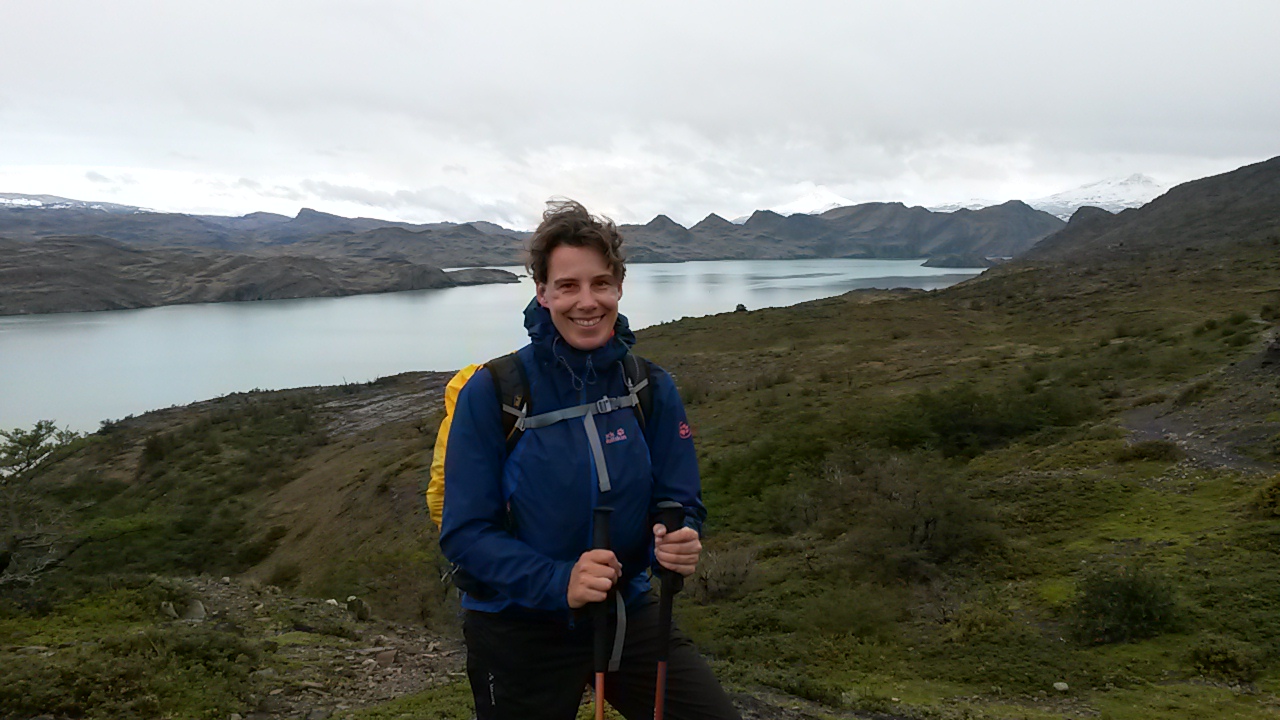
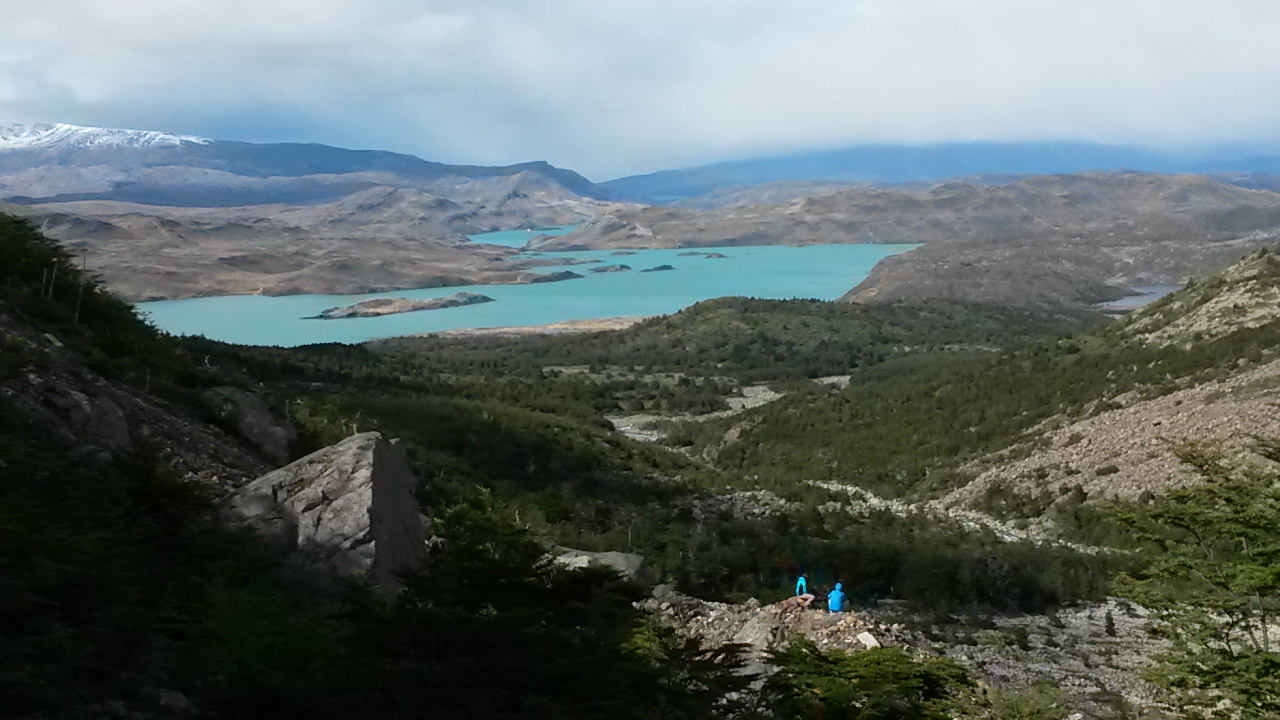
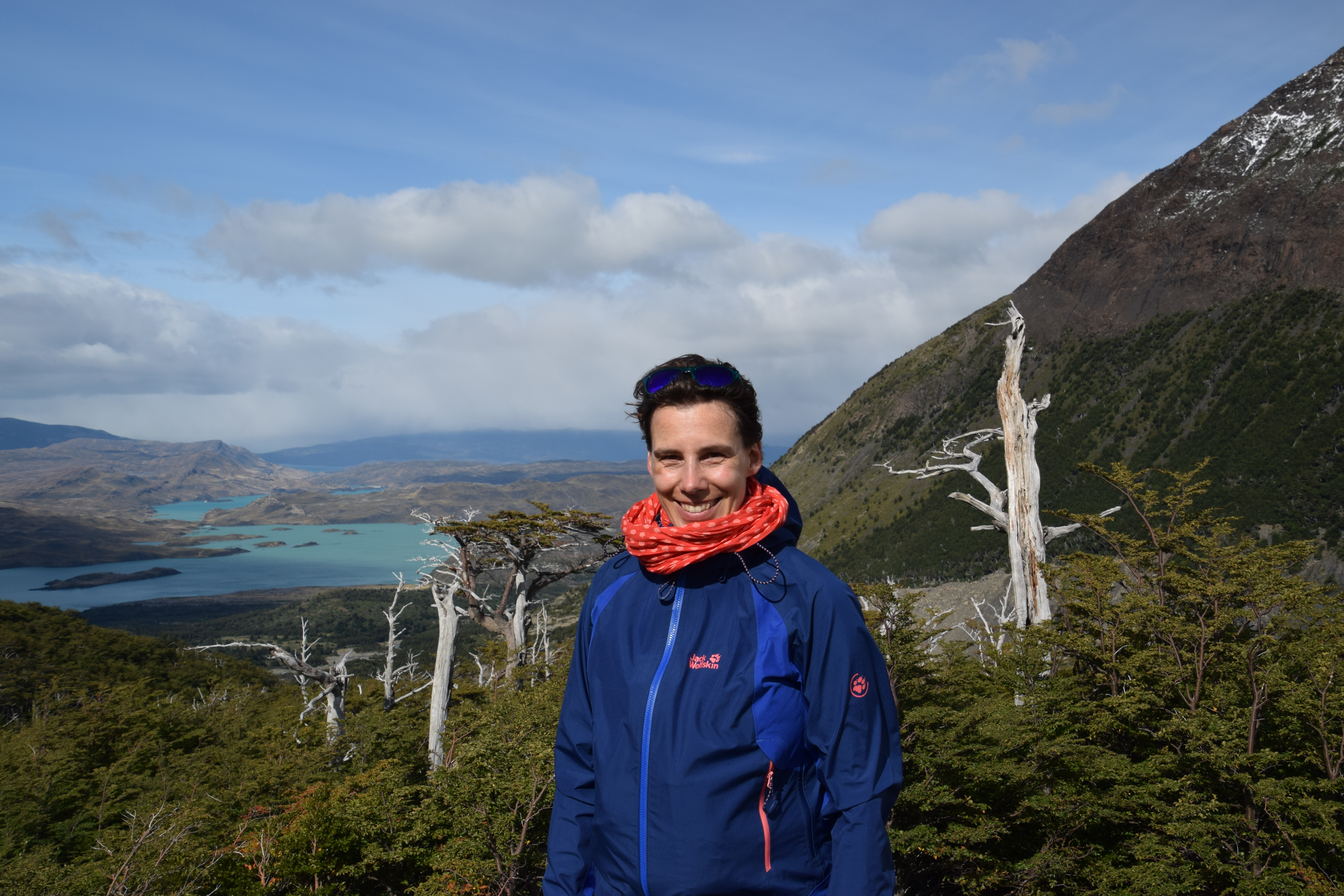
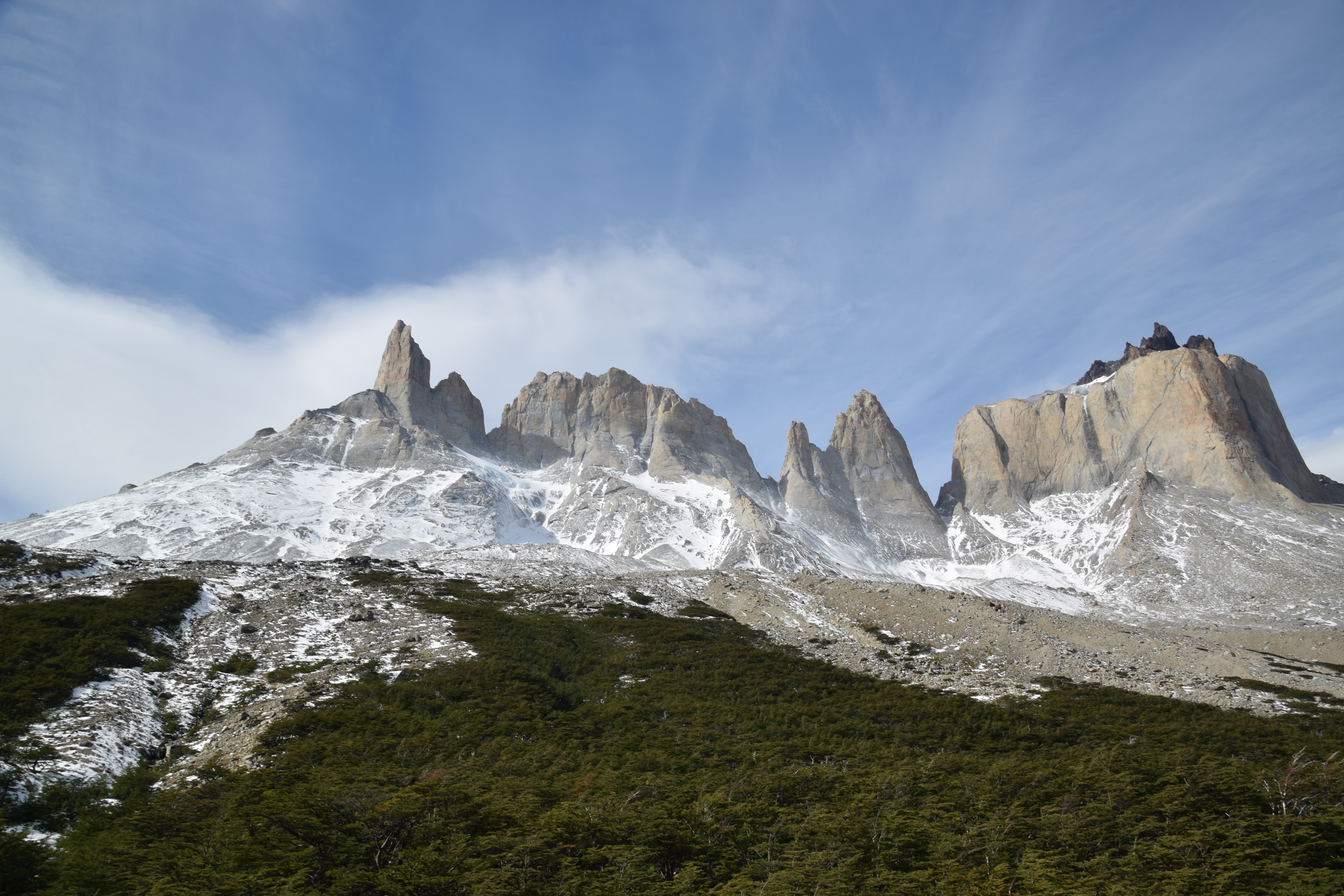
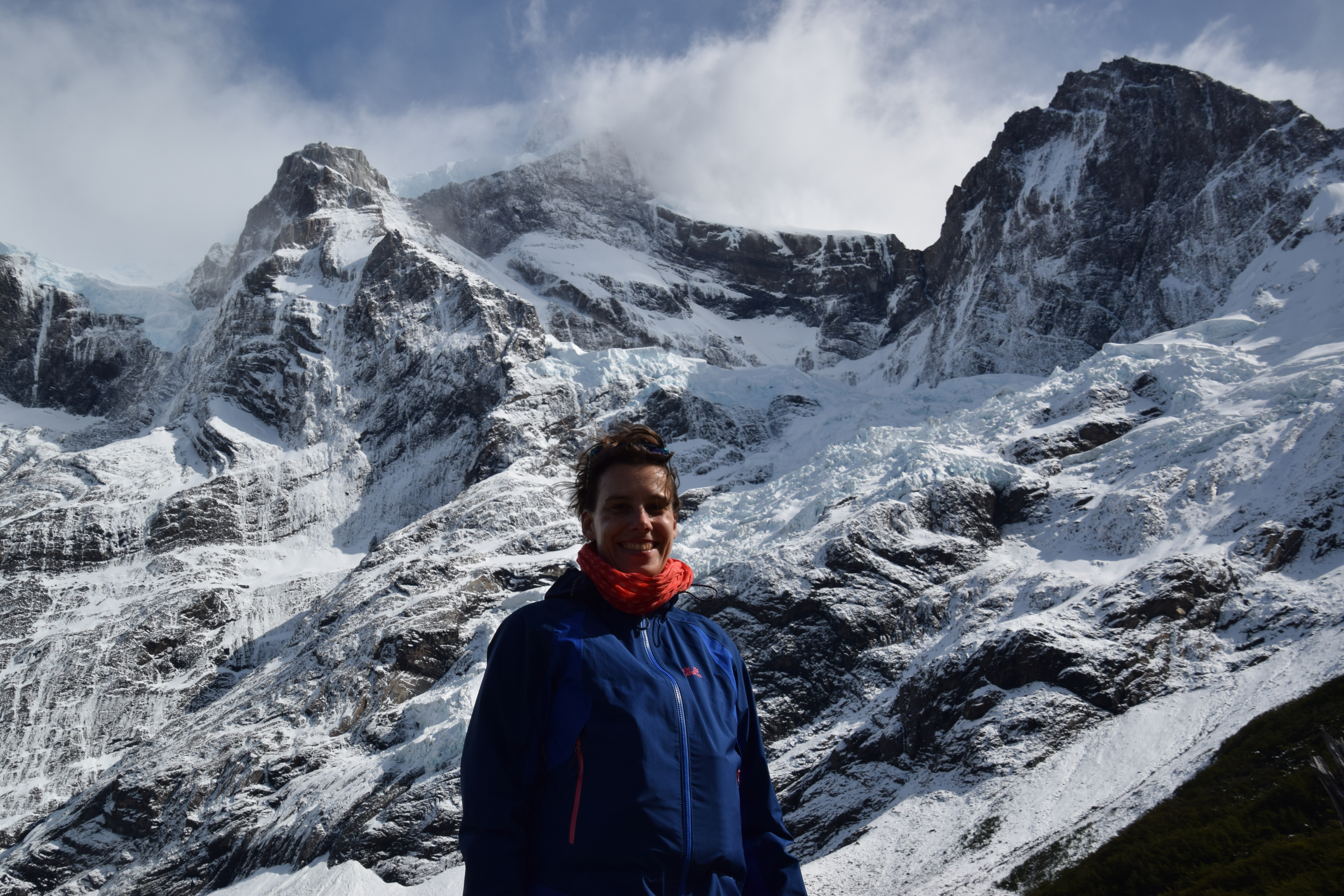
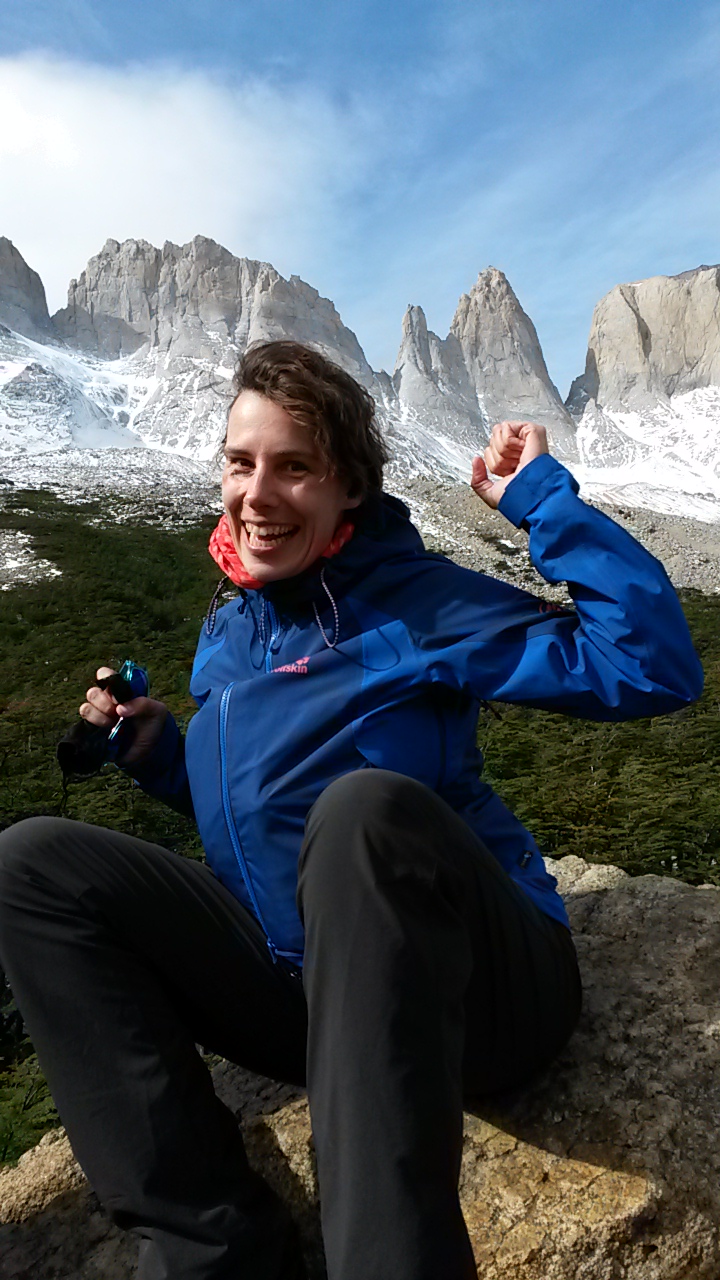
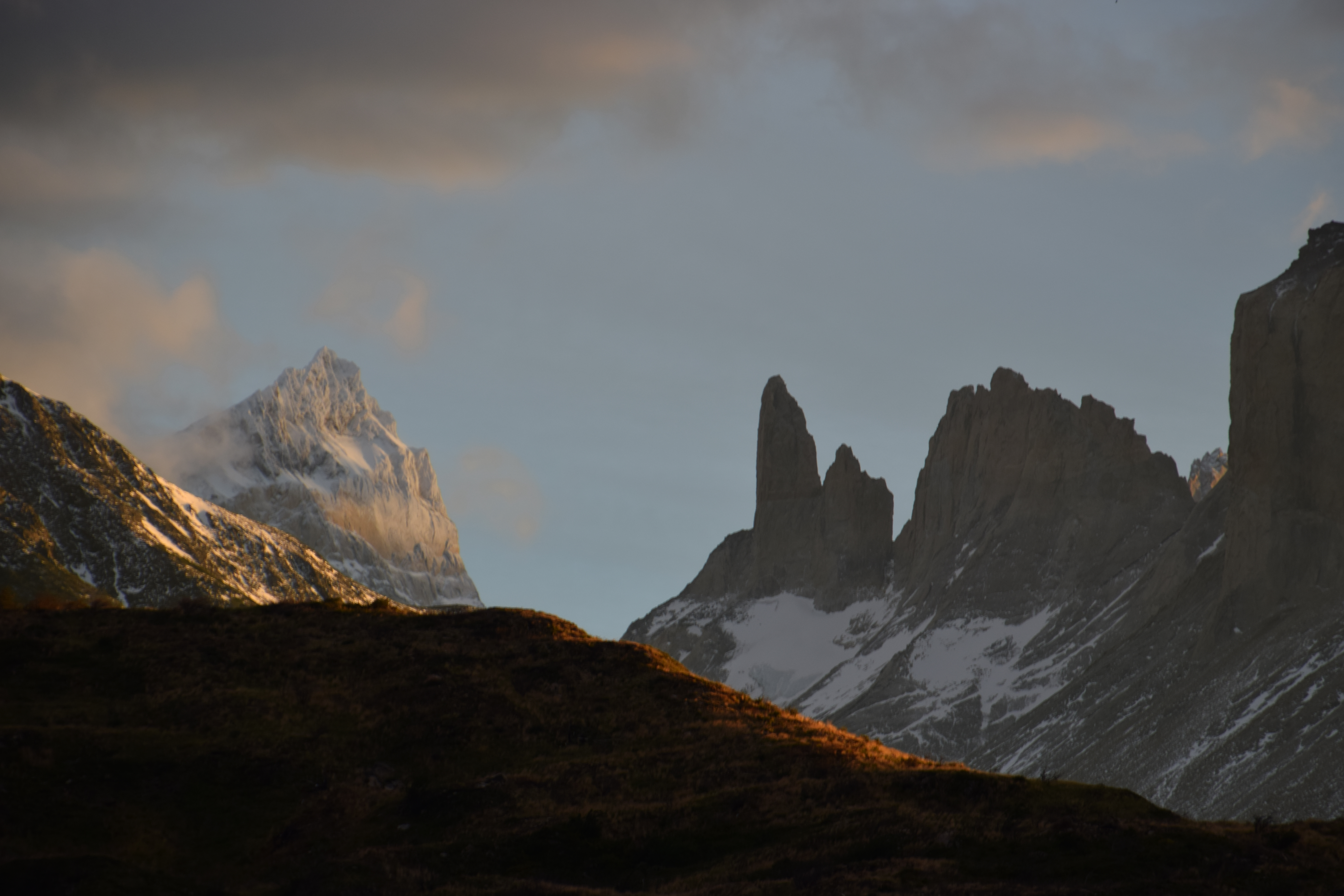
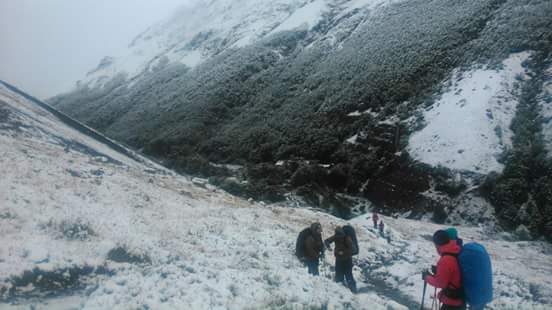
We’ve had it all on the so-called W-Trek: snow, rain, sun, wind! We’ve hiked up and down, crossed rivers and streams and huge mud pools and I was very glad that for the first time in my life I had rented trekking poles! No trekking in the famous Torres del Paine Natinal Park in chilean Patagonia would be complete without experiencing all of this. That said, I wasn’t able to see the Torres up close, as it was first raining and later snowing on that first day in the park. I still went up to Laguna Torres and saw, well, the laguna and… clouds. It happens to the best of us.

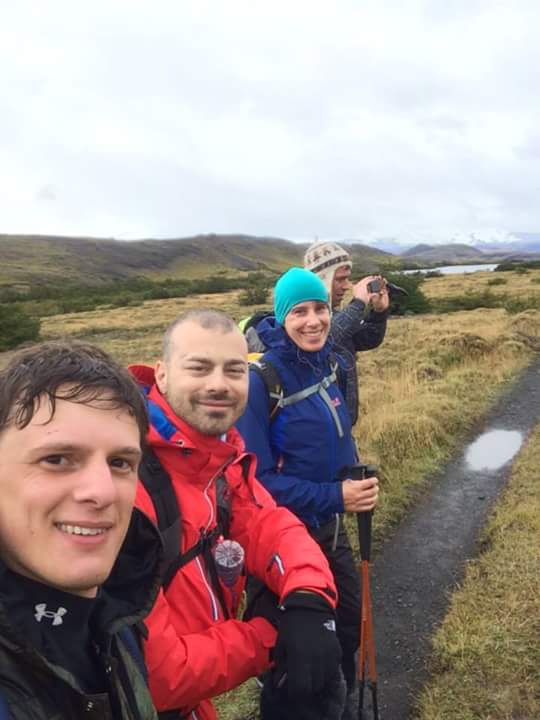
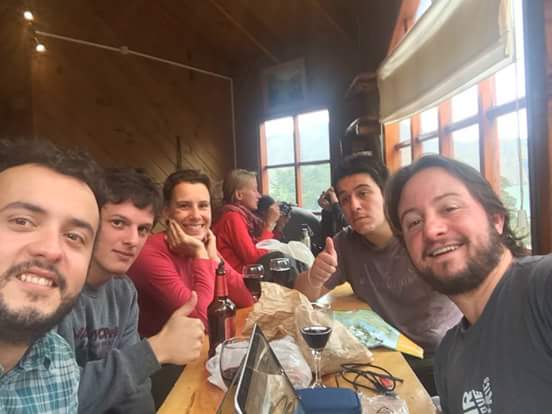
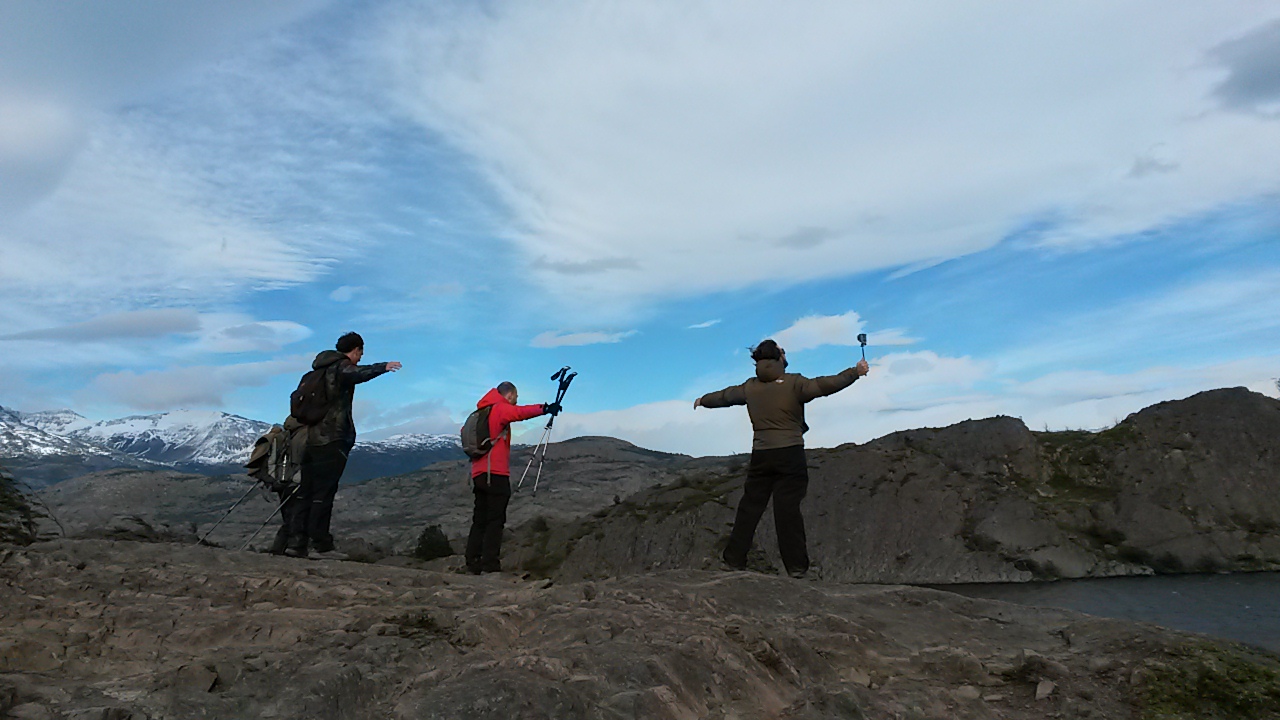
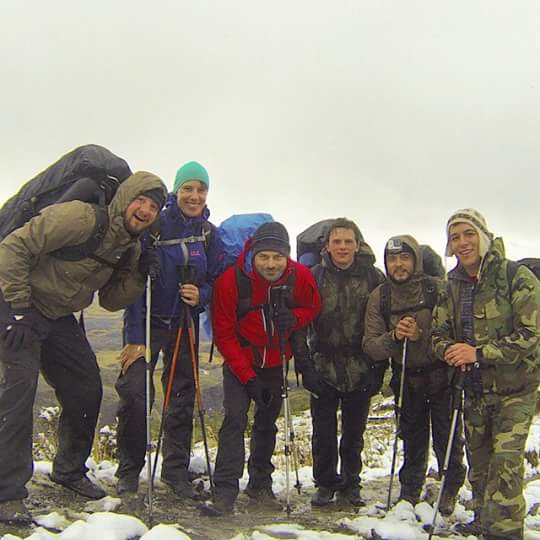
However, that day I also met THE TEAM (in reference to the German MANNSCHAFT during the last world cup)! In fact, I had already shared a dorm with 4 of the guys (Emiliano from Argentina, Christóbal from Chile, and Daniel and Átila from Brazil) in Refugio Torres. And now, in the cozy Refugio el Chileno, we sat together, with Tiziano from Italy, and THE TEAM for the next days evolved. We’ve had loads of fun (at some point when the sun came out I started off an “O sole mio” which Tiziano then sang to us in full, making it our anthem for the trek – music really helps marching on) and pushed each other to our limits (special thanks to Emiliano and Tiziano for pushing me up to Mirador Brittanico) and I am very grateful for this time with all of you guys, you rock!! (Question: why do I always end up in a group of guys? Not that I don’t like it, just wondering…)

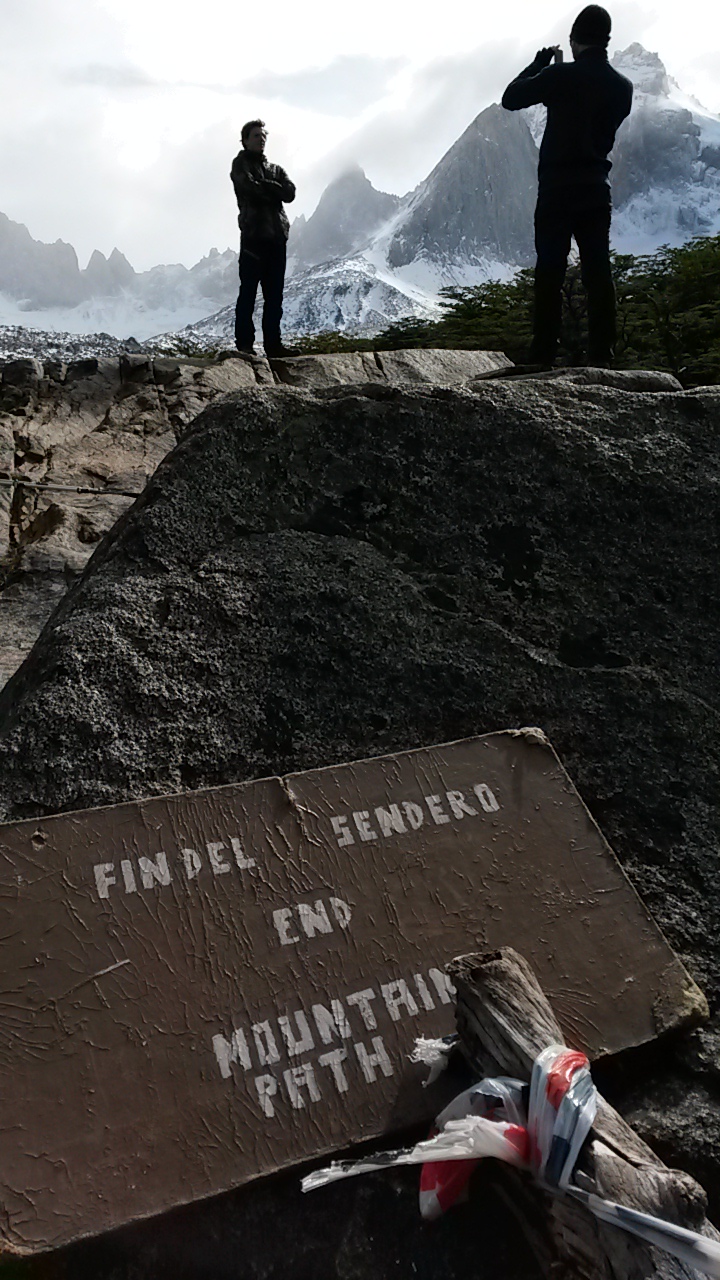
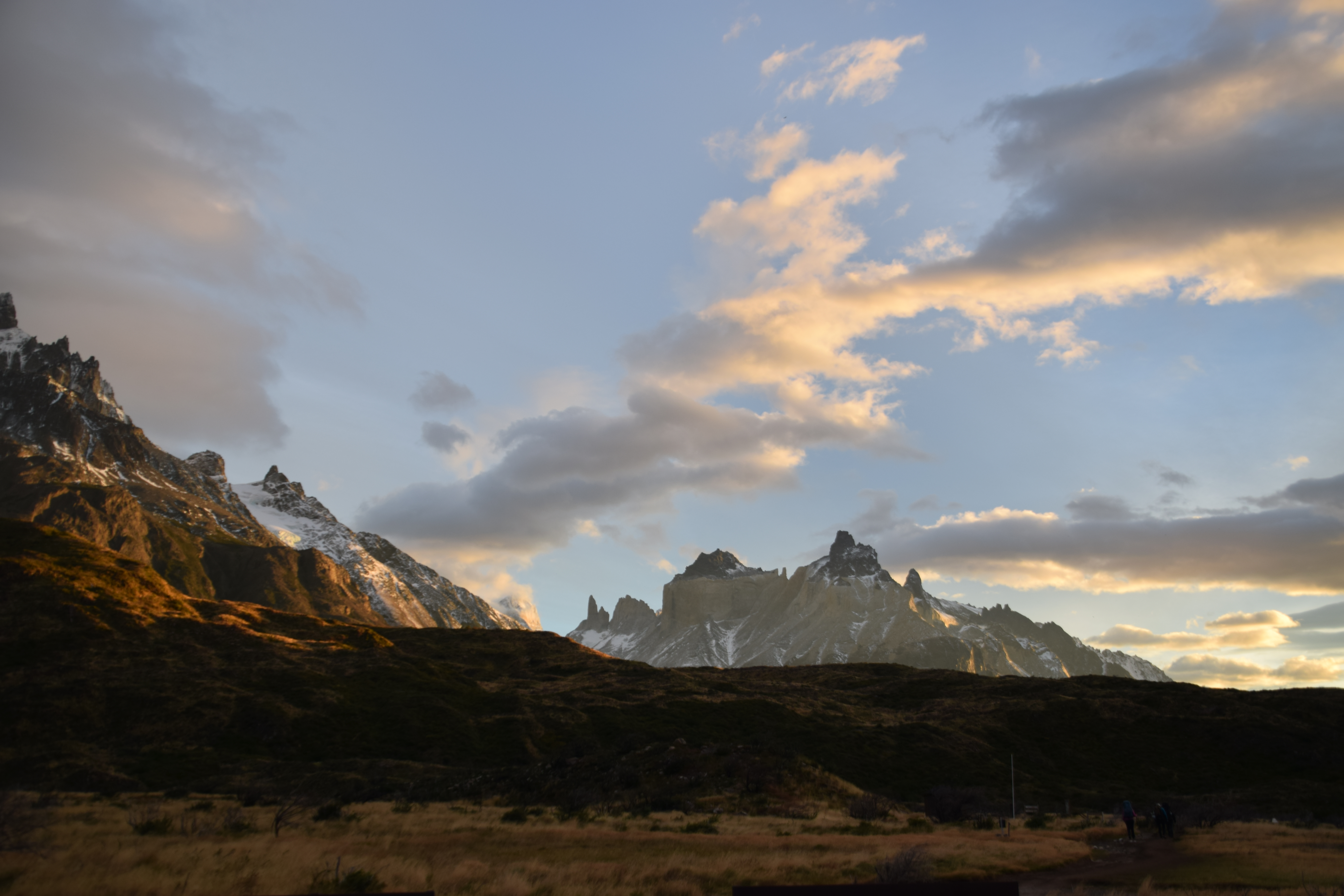
It was amazing, yet strenous (hell, some parts took a lot of will-power), but I’d do it again any time! Not going to go into more details… check out the photos instead:

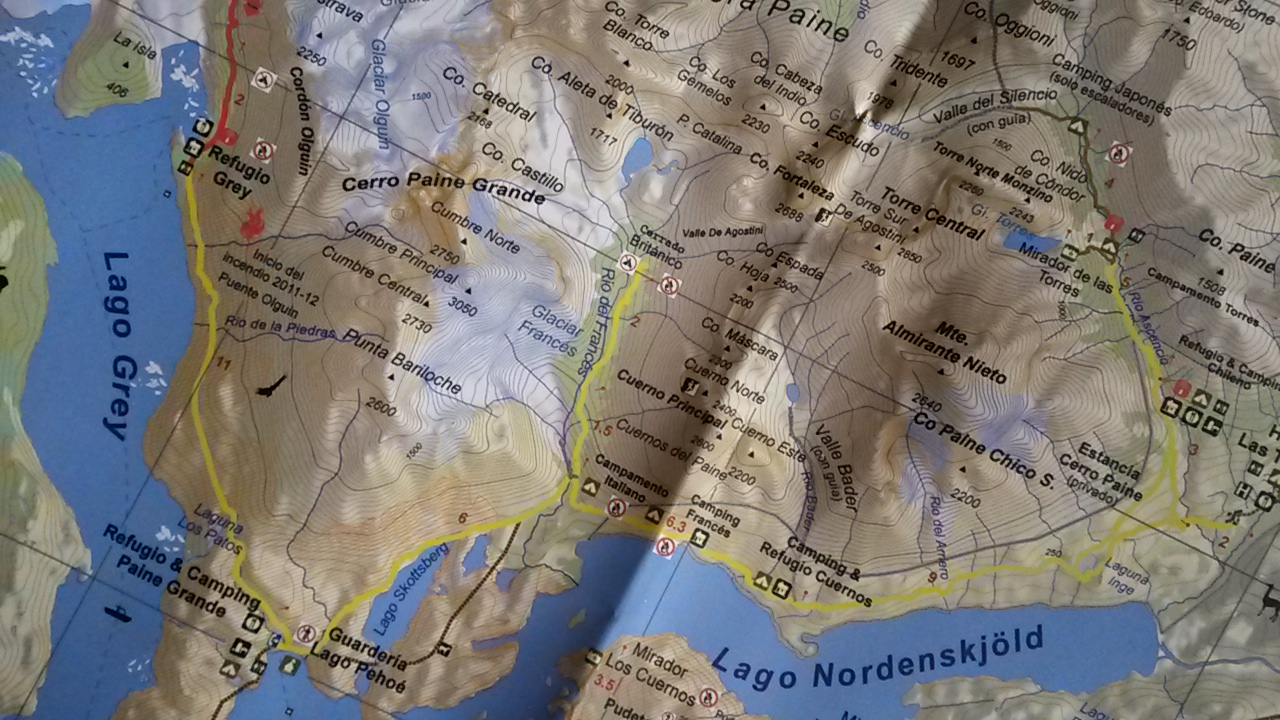
W Trek 20150321_110007

Day 1: Refugio Torres – Laguna Torres – Refugio El Chileno:

Torres in the morning from far away
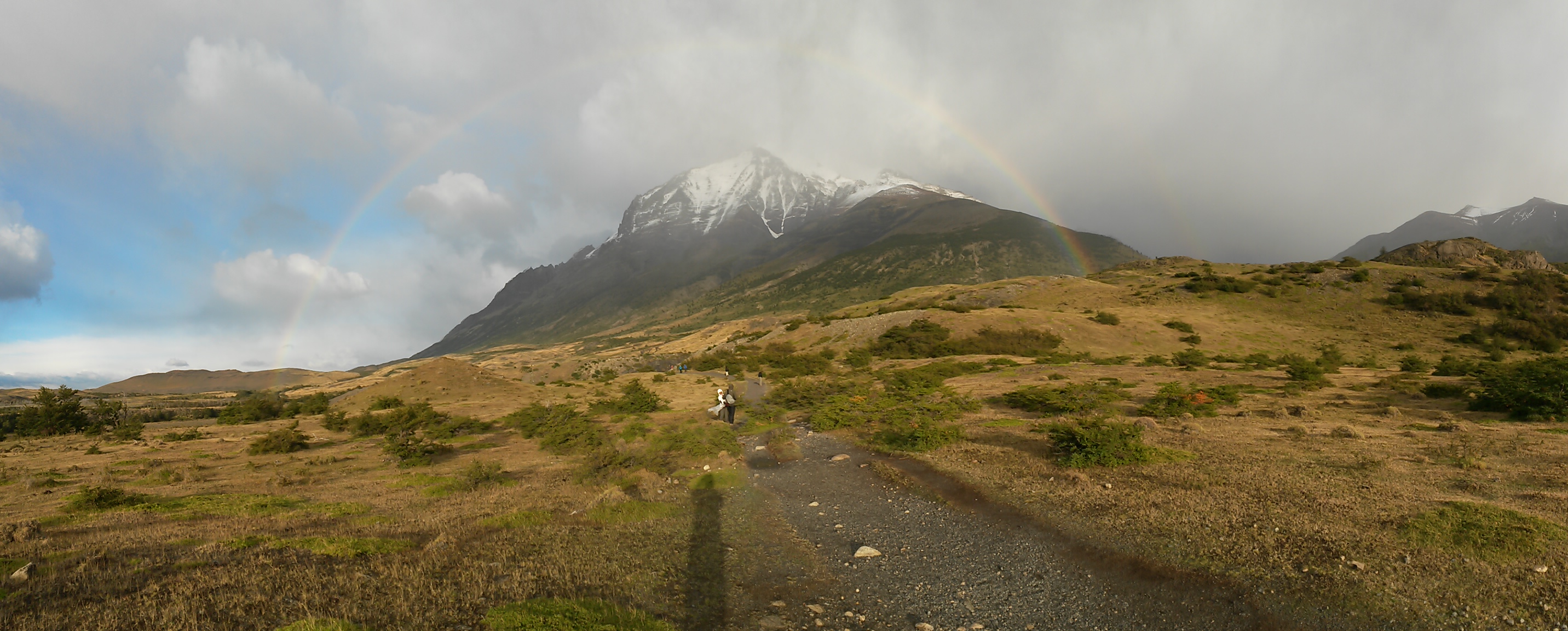
First day - starting with rainbow
First day – starting with rainbow
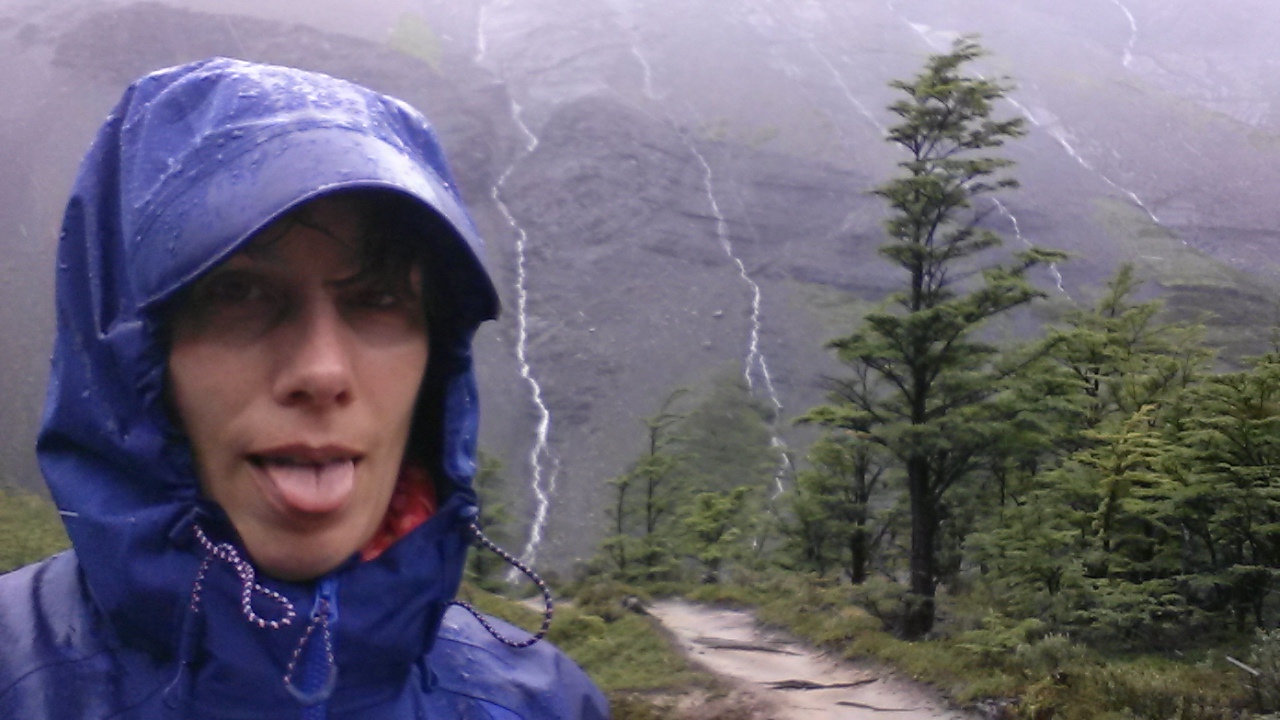
Wet, wet, wet.
Wet, wet, wet.
Laguna de los torres without torres.

20150318_175454

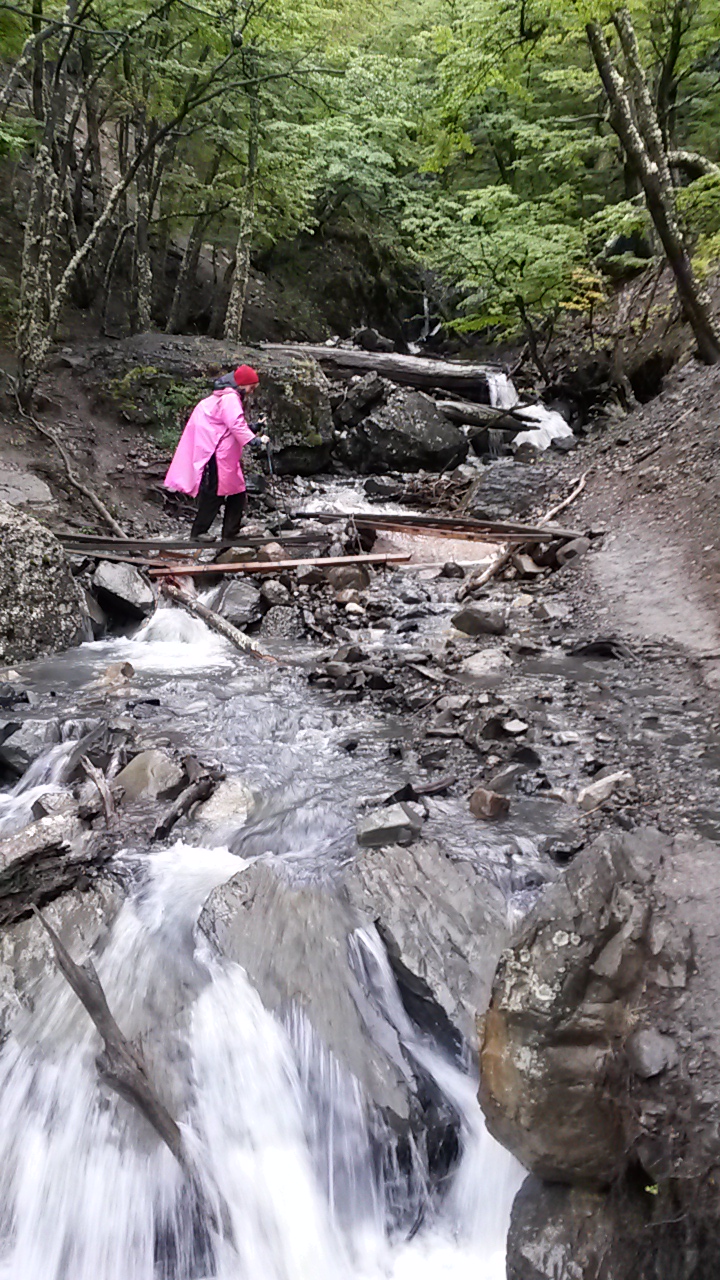
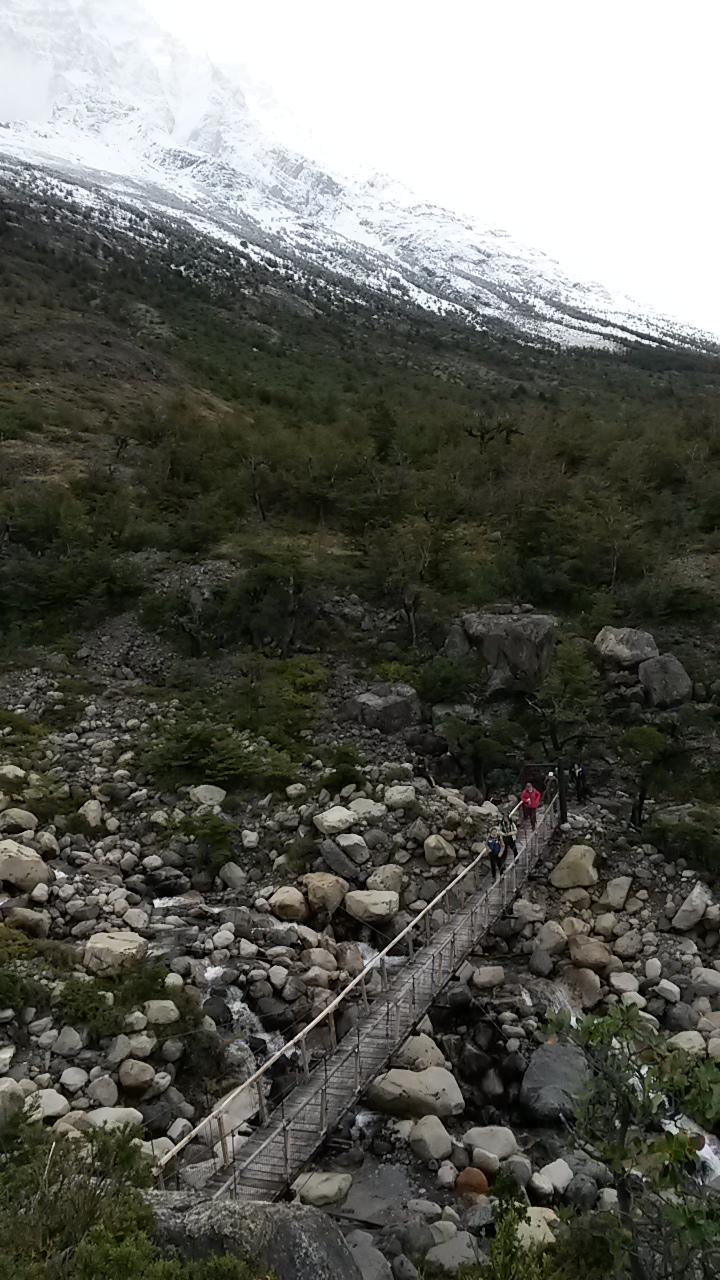
Patagonian "bridges" (nope, that's not me in the pink poncho!)
Patagonian “bridges” (nope, that’s not me in the pink poncho!)

20150319_091234

20150319_091255


Day 2: El Chileno – Los Cuernos

FB_IMG_142776601547520150319_10210420150319_103659FB_IMG_1427310717005FB_IMG_1427765864699FB_IMG_142731049670320150319_120905DSC_1265DSC_1268DSC_1272DSC_127920150319_13121820150319_14594520150319_161622FB_IMG_1427310317430

Day 3: Los Cuernos – Mirador Brittanico – Paine Grande

20150320_112553

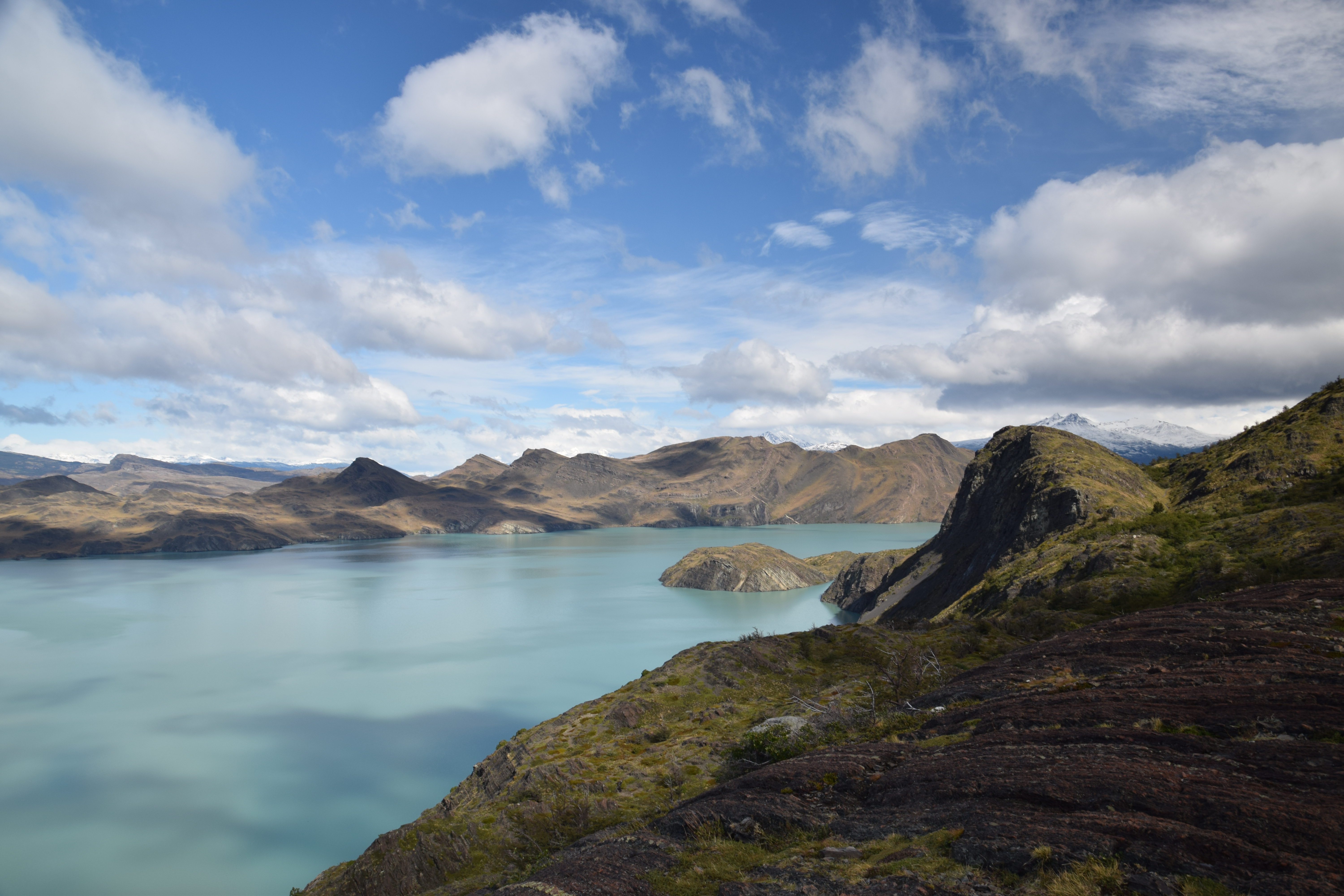
Lago Nordensköld from Mirador Frances

DSC_1310

View from Mirador Brittanico

DSC_1320

DSC_1313

20150320_14424920150320_14485220150320_17043120150320_173245DSC_1325DSC_1327

Day 4: Paine Grande – somewhere on the way to Glaciar Grey -Paine Grande

20150321_141048
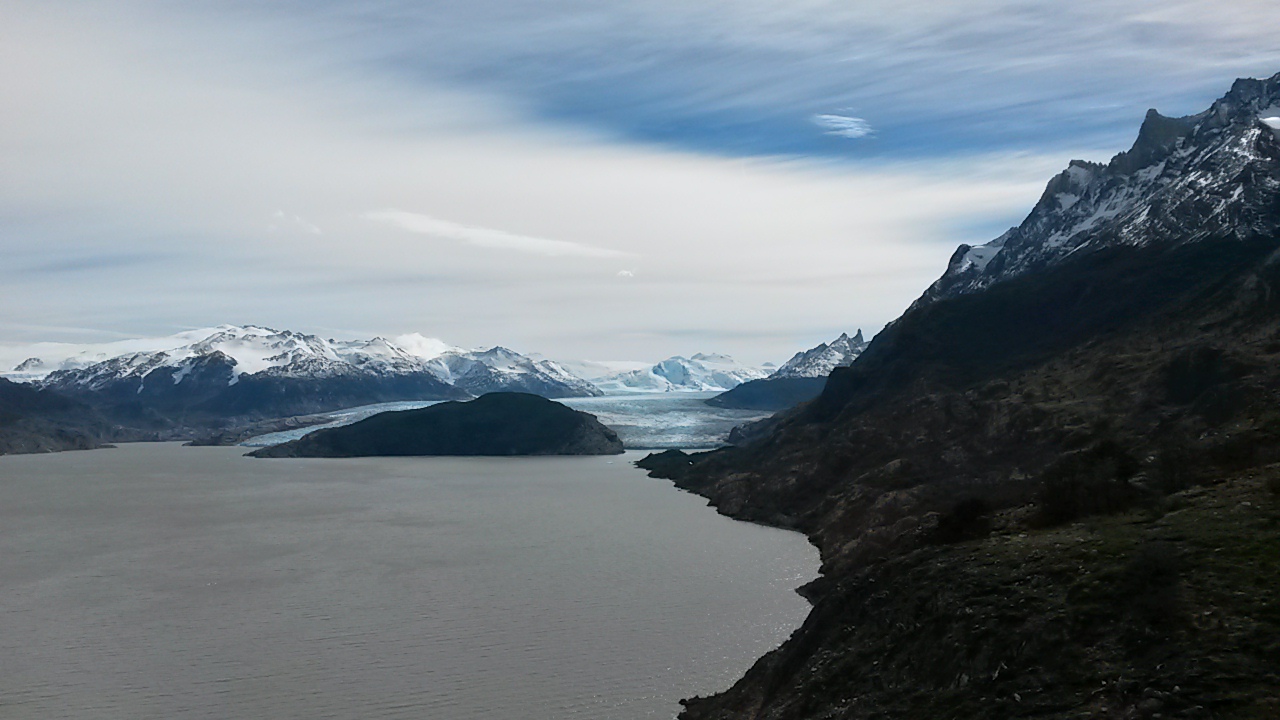
Glacier Grey

20150321_095410

20150321_102349

And check out Daniels and Átilas professional travel blogger photos and videos, if you like:

http://www.mochileirodasmaravilhas.com.br

http://www.voucontigo.com.br

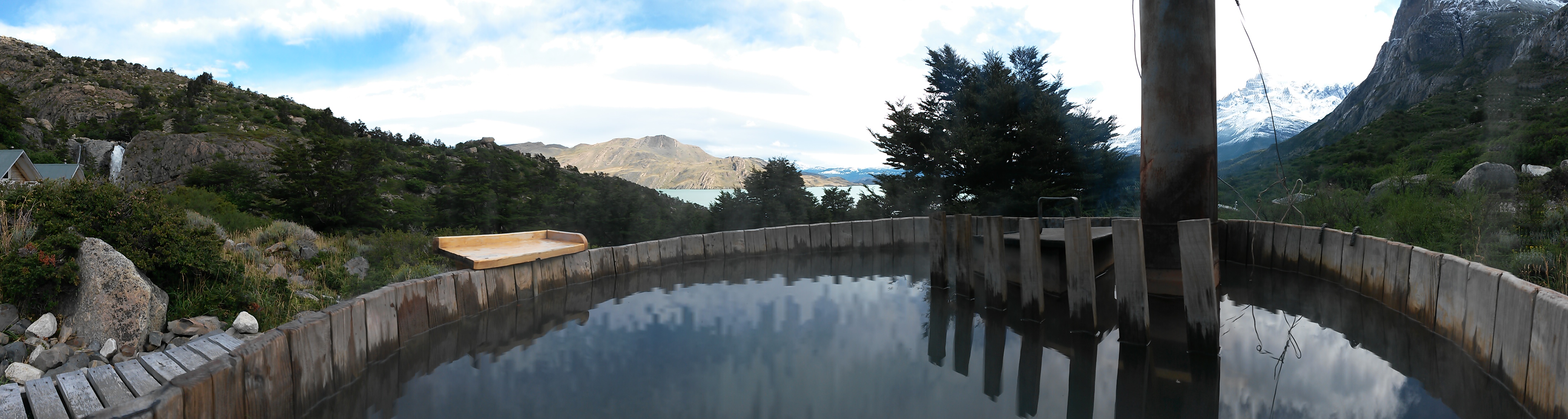
For those of you who’d like to do the W: I’d suggest to book refugios incl. full board, if you can afford it. That way you’ll have to carry less and won’t get wet or cold at night! If coming from the east (start from Laguna Amada) get there in the late afternoon and spend the night at Refugio Las Torres. Start walking the next morning up to Laguna Torres (see Las Torres close if you’re lucky) and either spend the night at the small Refugio El Chileno or make your way down again to the larger and more comfortable Refugio Las Torres (I liked El Chileno for its cozy athmosphere and the fact that I did not have to walk all the way down again. Also, you can shortcut the way on the next day into the direction of Los Cuernos). Spend the third night at Refugio Los Cuernos and get an upgrade to a Cabin with beautiful views of the mountains and the lake and relax in the HOT tub! Alternatively spend that night at Campo Frances in a dome. That way you’ll have to do less walking on the next day! It is a long day, so start early! But the view from Brittanico is worth the effort! Spend the fourth night at Refugio Paine Grande. Consider spending a fifth night at Refugio Grey, as otherwise you’d have to walk a strenous 22 km return and hurry to get the 6pm boat from Paine Grande. Refugio Grey is said to be nice and you could even consider to do a tour onto the glacier – I’d certainly do this next time!

Bookings (incl. bus and boat) can either be done directly through fantastico sur or vertice patagonia (who manage the refugios) or even better through an agent. I recommend to contact Carla Alcayaga (www.australglacier.com, she has a small office in Puerto Natales on Baquedano 695) and discuss your options with her! She’ll  then book for you whatever you like! You can also book any bus and any tour in Patagonia (even in Argentina ) through her.

Easter Island – continued

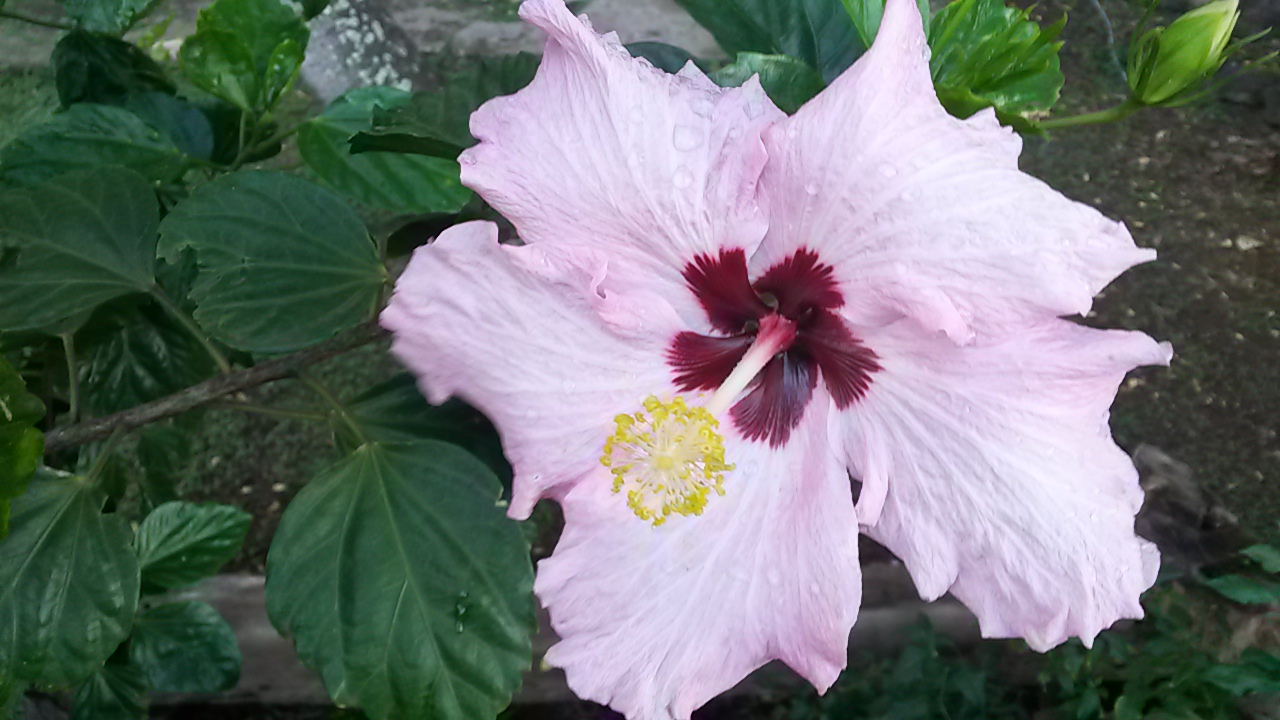
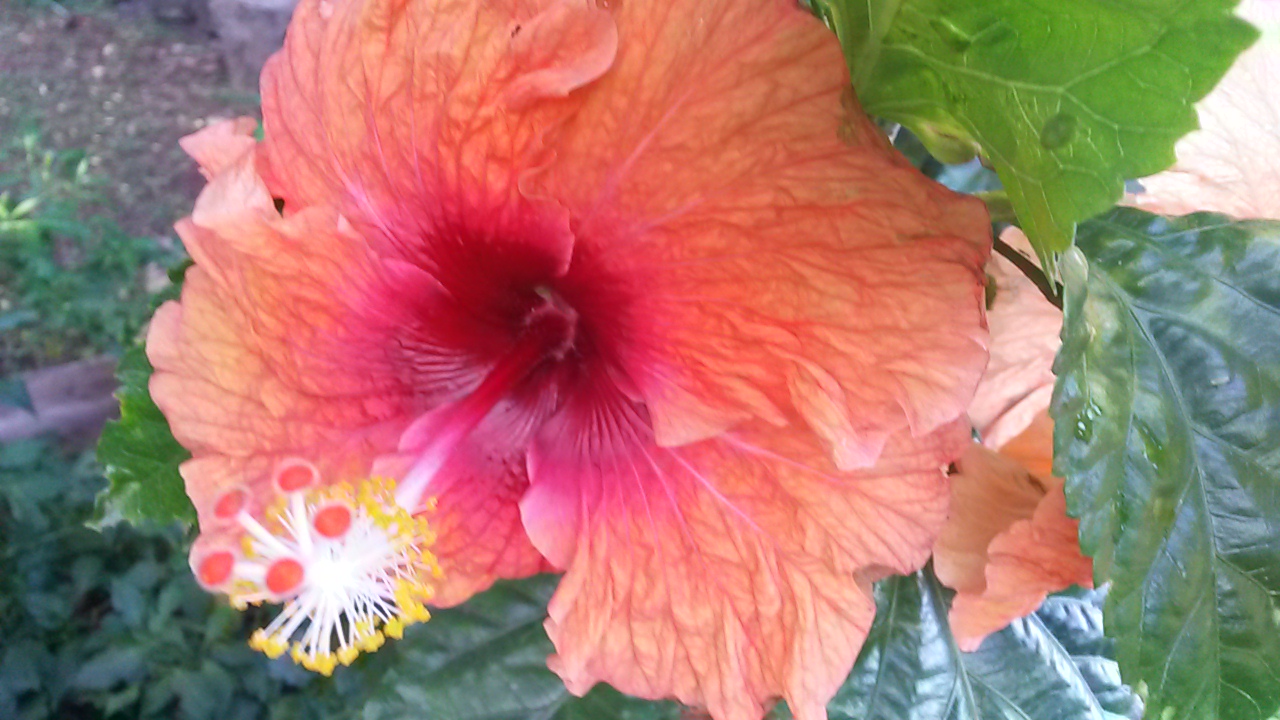
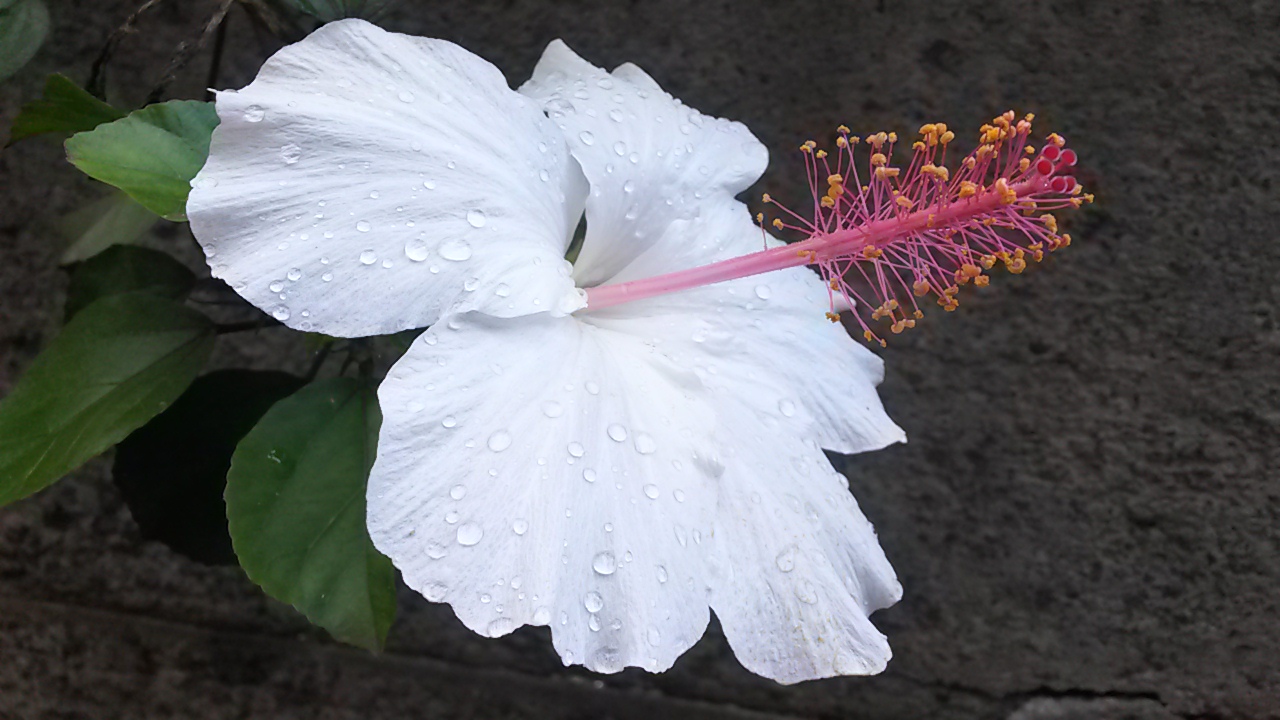
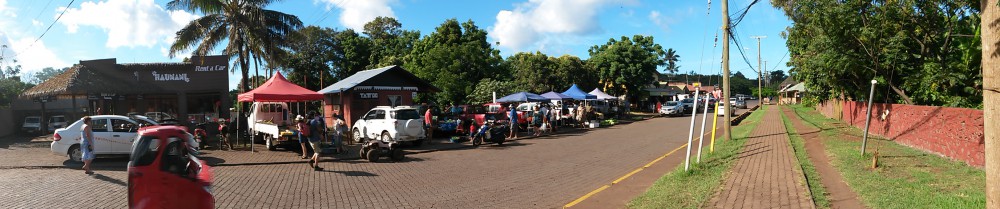
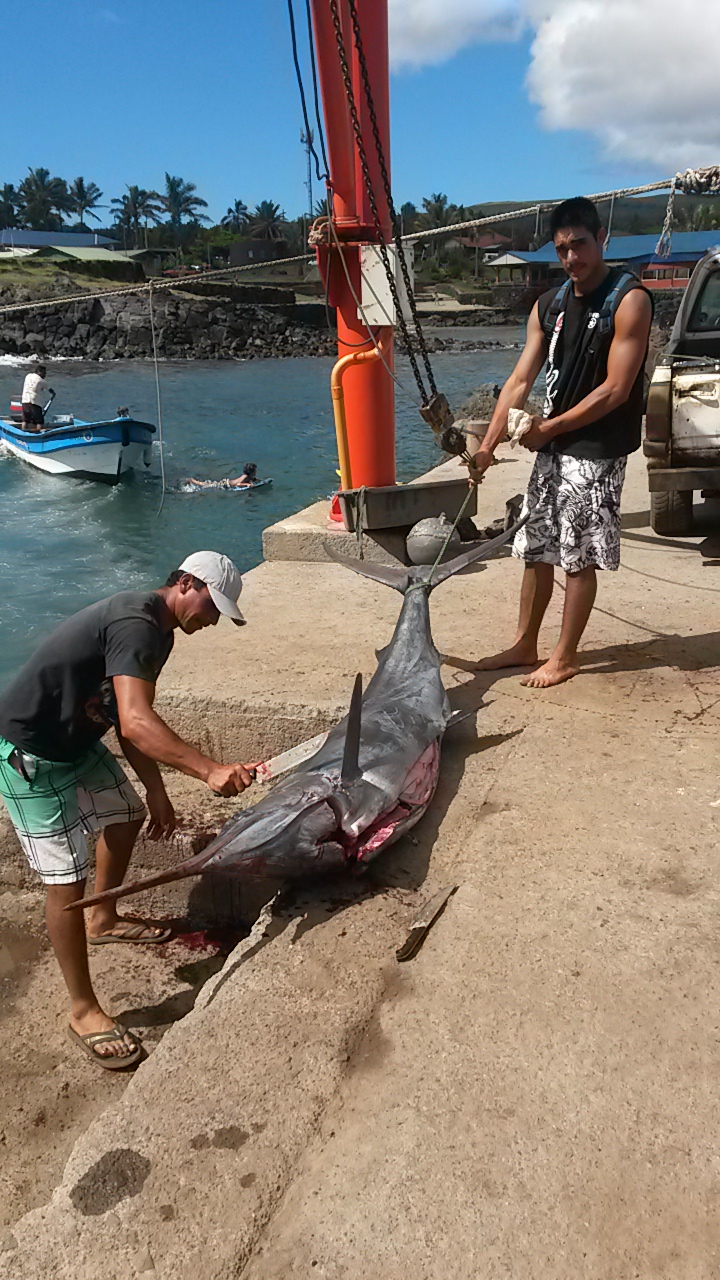
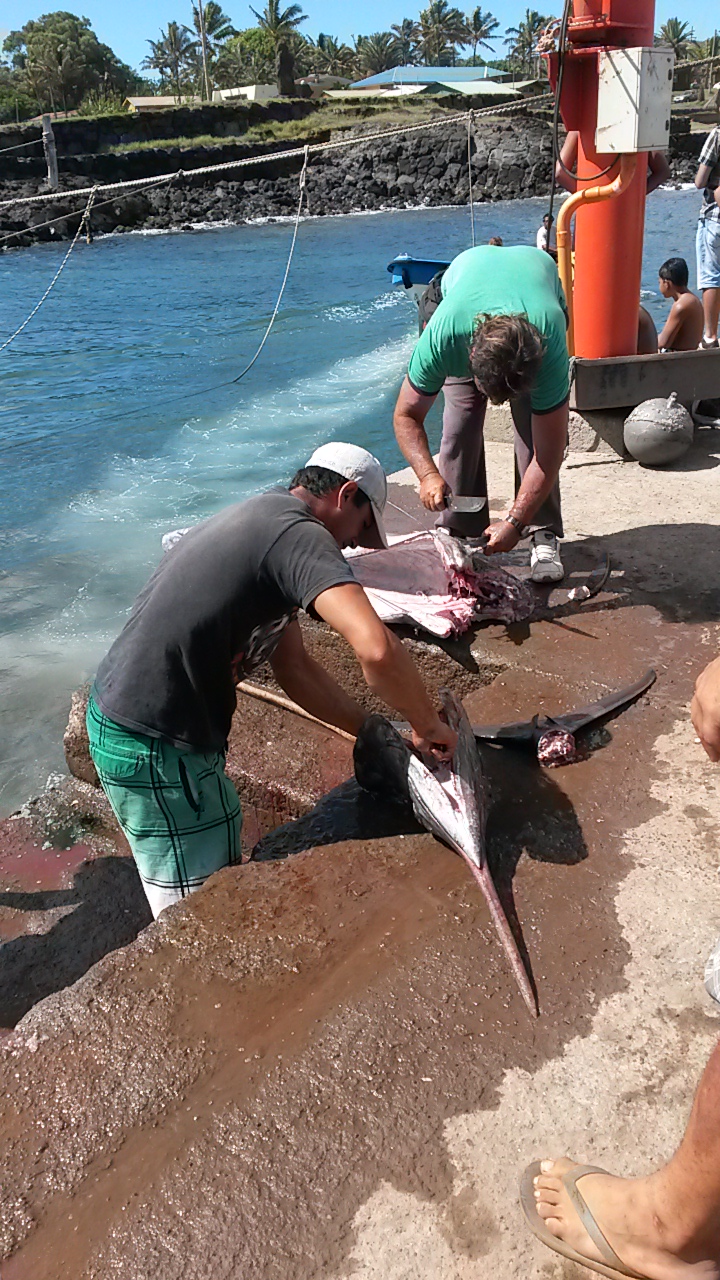
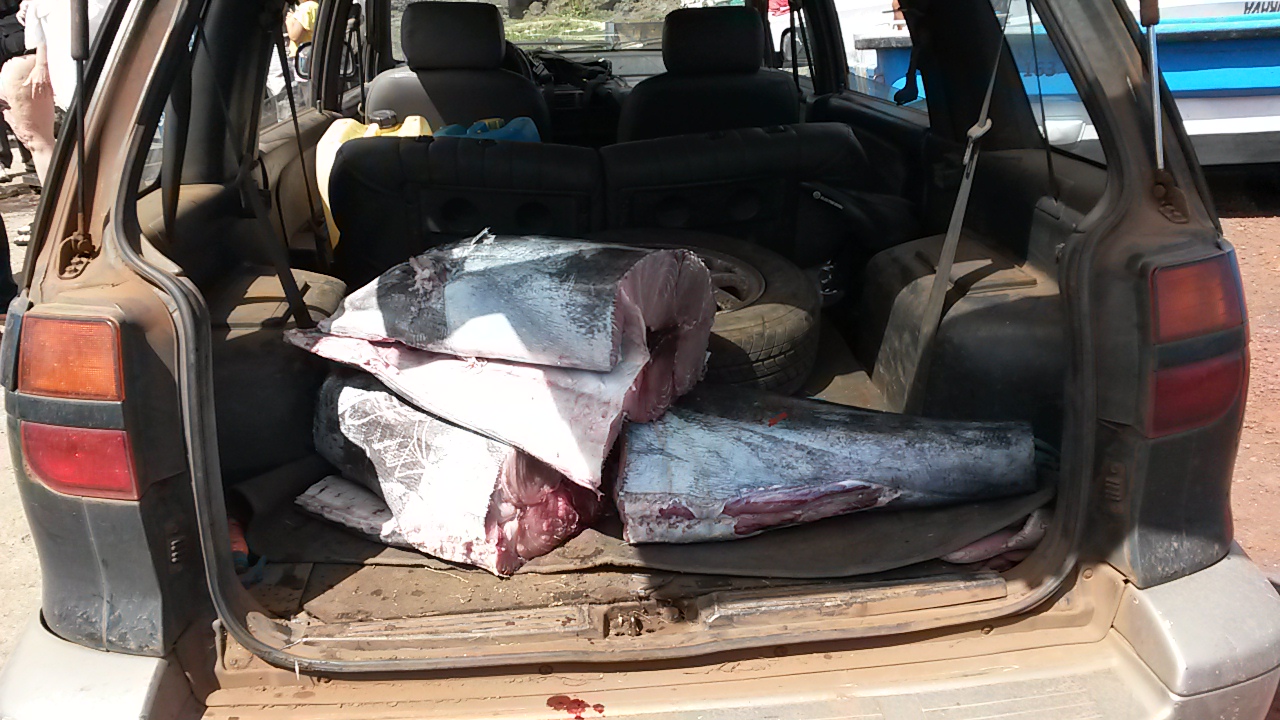
Hanga Roa, the only village of the island, is a small village with one and two storey houses (building higher than that is not allowed anyway) with beautiful gardens rich of 20150228_10363420150227_19180820150227_191819fruit trees and flowers. 20150227_191325At first sight it 20150228_104415reminded me of eastern africa for its red earth and that earthy smell.20150228_103816 Hanga Roa has basically one main street lined with cafés, restaurants and a handful of supermarkets. Not one of them belonging to a chain, the supermarkets tiny and cramped and mostly not showing to the prices for any of the goods. For a foreigner it’s thus impossible to say what things actually cost and  if he’s getting the same price as the locals or if something is being added… Many of the restaurants,  however have biligual menus and a great variety, especially when it comes to seafood. The other day I saw how a huge swordfish was cleaned at the small pier. 20150303_12063920150303_121914A couple of minutes later a guy in a very old car, probably the owner of one of the restaurants, came to a halt with squealing tyres, got out a scale from the trunk, weighed the three huge pieces of fish and stored them in the trunk of his car right next to the spare tyre. 20150303_122959By this time I wondered if it had been a good idea to eat ceviche…

On the streets you always have to watch out for the chicken (that start being noisy around five and don’t stop until late), the dogs (that like to follow people all around town and to howl at the moon at night) and the horses (that are branded, but run around freely on the island. The other day one of them caused a traffic jam on the main street as it was proudly walking down on the middle of the street, making it impossible for the cars to overtake.

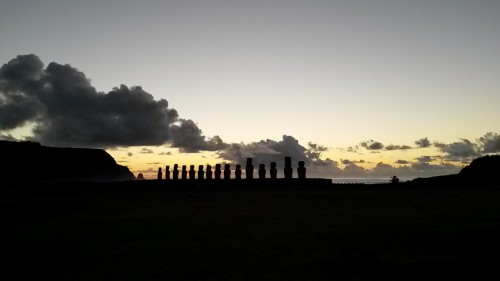
On my last morning I went to see a spectacular sunrise at the other end of the island (thanks to the fact that three awesome people came in and we shared a car): 20150304_080214I was sad to be leaving, even though leaving from Rapa Nui international (!) airport is an experience in itself as you practically walk through “security” and wait outside with a view of the airfield before you cross it to get onto the plane.20150304_125937

Now I’ll only have to visit Hawaii to complete the polynesian triangle (the triangle is formed by New Zealand, Easter Island and Hawaii with the other polynesian islands, e.g. French Polynesia, in the middle between these three)!

“Mana” and the wonders of Easter Island

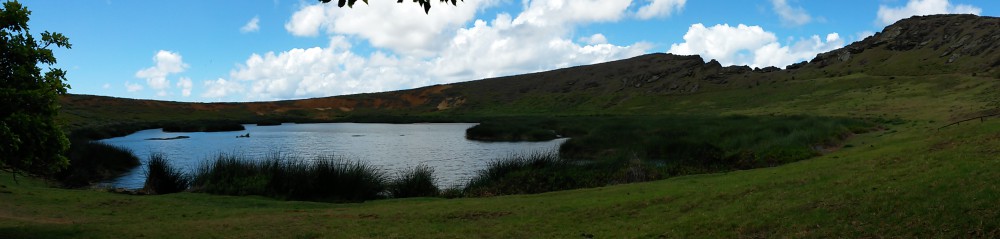
You can feel the “MANA” just about everywhere on this beautiful island, situated in the middle of nowhere in the Pacific Ocean (it is in fact the worlds most remote inhabited island). Mana is what they call the spirits that can evolve from anything, a person, object or nature. The Island’s nature is, despite its small size of only 163 square km, very diverse. The breathtaking view from the edges of  the extinct volcanoes onto the freshwater crater lakes certainly makes you feel the mana of those places!

Rano Raraki
Rano Raraki
20150226_112452
Orongo crater lake

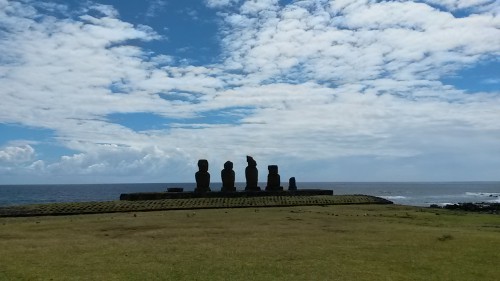
And then there is the “Moai”, massive statues carved at the Rana Raraku Volcano, which were then schlepped and put up in various places on the island. Many of them still lay face down, but a lot have been reerected in the past 60 years and they, too, exude a lot of mana, which is why you’re not allowed to come close to them. 20150225_152745

Now, I can alraedy hear some of you, screaming “now she’s trying to lecture and bore us with Rapa Nui culture and history”! You might just want to stop reading here. I’m far from lecturing anyone with the little I learned, but it’s just too impressive to not mention it.

In short: Some 100 Polynesians arrived with their canoes ages ago and the 12 or so sons of the arriving polynesian chief formed different clans that all lived happily for some hundreds of years in which they created a strong culture based on polynesian beliefs. What is special, though, is that they carved and put up hundreds of Moais, most of them looking inland towards their villages to protect them with mana. These Moais represent respected elders and were created to resemble them. As time went by the Moais created appeared less human and more god-like and they got bigger and bigger. Somewhere along that line the birdman competition evolved, meaning that every chief sent off one warrior to a motu (small island 1km from the western cliffs) in order to bring back the first sooty tern egg laid by the migrating birds. The winner’s chief was declared Birdman (thus having loadsof mana) and his clan took command of the whole island for one year. This cult was probably a result of the failing ecosystem, as the growing population outpaced natures capacity to renew itself.  This also resulted in fights among the tribes, who toppled many of the almost 300 Moai statues. All other statues fell as a result of tsunamis and other natural disasters. The missionaries ended the Birdman cult in the 1860s. Slavery, diseases and other catastrophes led to a decimation of the population to only around 100. Although Easter Island officially belongs to Chile, the Rapa Nui culture is still strongly influenced by its polynesian ancestors, especially the language, music and dances.

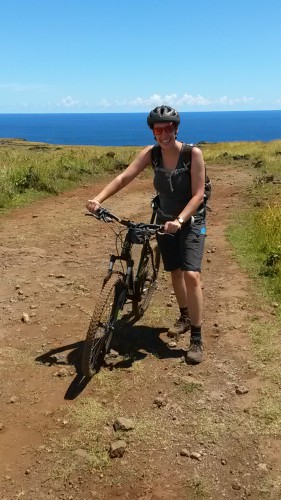
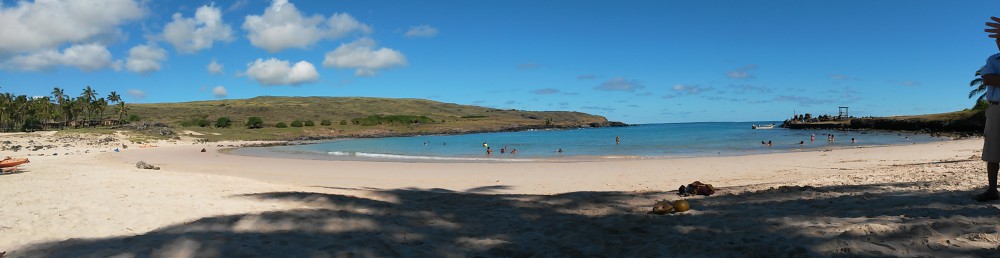
I had plenty of time to explore the island’s volcanoes, quarries, Moais, caves, beaches and the (only) village by foot, bike (really needed to be active again after that lazy week in French Polynesia and luckily the climate is much more pleasant with a high of only 27°C) and with a small group tour (photos to follow). It is amazingly “empty” and you can walk for at least two hours without meeting anyone! They only have 90.000 visitors a year, but tourism is increasing, so you’d better visit this amazing island sooner than later…

20150228_15050720150301_10355820150302_14401120150302_10241120150301_111555

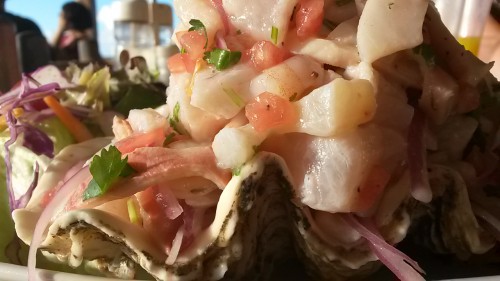
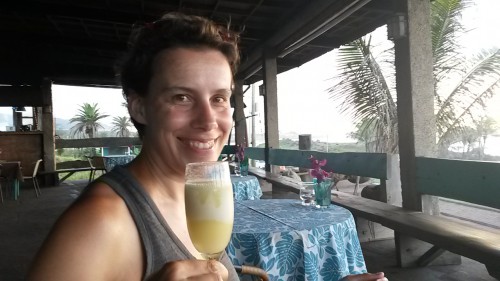
When it comes to food, there is a great Chilean influence: tasty tuna empanadas, Ceviche (raw fish)20150303_192655,  all kinds of seafood, most definitely accompanied by Pisco Sour – love it! 20150227_195054 What’s best though, and this came as a surprise, is Mikafe’s ice cream parlour at the small pier! The ice cream is by far the creamiest and tastiest I have had in ages 20150228_165618 and they have a great variety, e.g. “Piña” made from the small and sweet local pineapple. To die for!

We’re gonna indulge in seafood and icecream again tonight before we’ll watch the sunset!