In the aridness of San Pedro de Atacama

It took me 23 hours to get from Pisco Elqui to San Pedro de Atacama in the north of Chile. That is because I had to change buses twice and because of the delay caused by the road conditions around Copiapó and Antofagasta. A terrible flood had hit this arid region shortly before, as a result of unseasonal heavy rains. Rivers swelled and poured water and thick mud all over the area. To make it worse, the mud that now covers the towns, is contaminated as the water ran through this regions many mines before reaching the cities.

I was lucky that the roads were open again and when I peaked out of the window of my bus at 2 am I saw a ghost city covered in mud where bulldozers were busy cleaning up the streets.

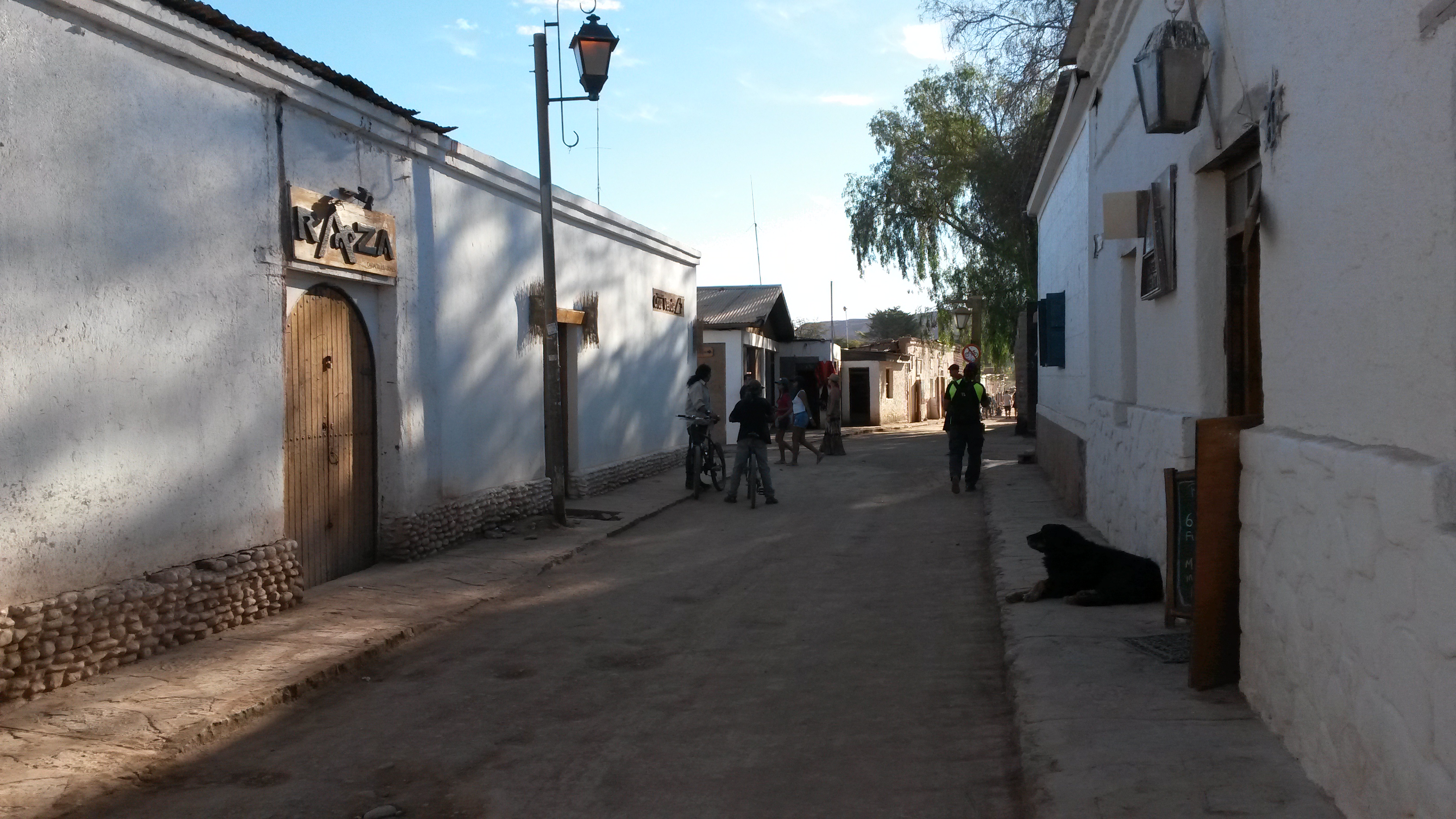
Thankfully, the region’s main tourism spot, the area around San Pedro de Atacama20150408_145336, had not been hit by the floods and the blackout caused by these had been fixed when I got there. San Pedro de Atacama is a pleasant little tourist town 20150408_17525220150408_175905and the gateway to the Atacama desert and tours into Bolivia and its famous Salar de Uyuni.

The Atacama desert is said to be the driest place in the world. You can feel the aridness of this desert region with every pore of your body. Everything instantly becomes dry, your sinuses, your hair, your skin.

Hoewever, the area is stunning:

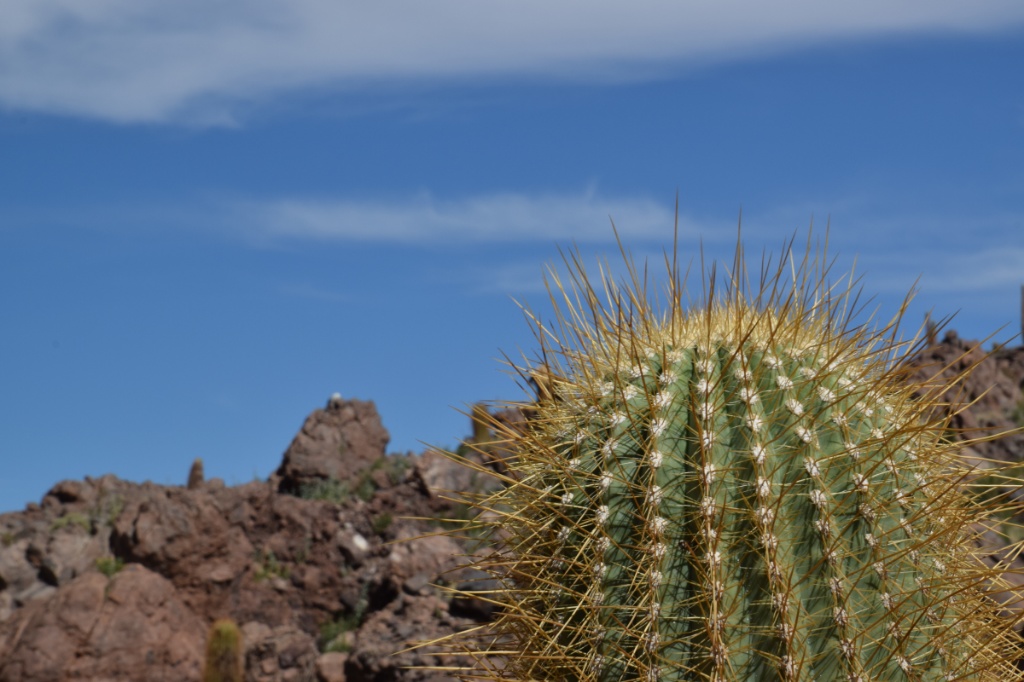
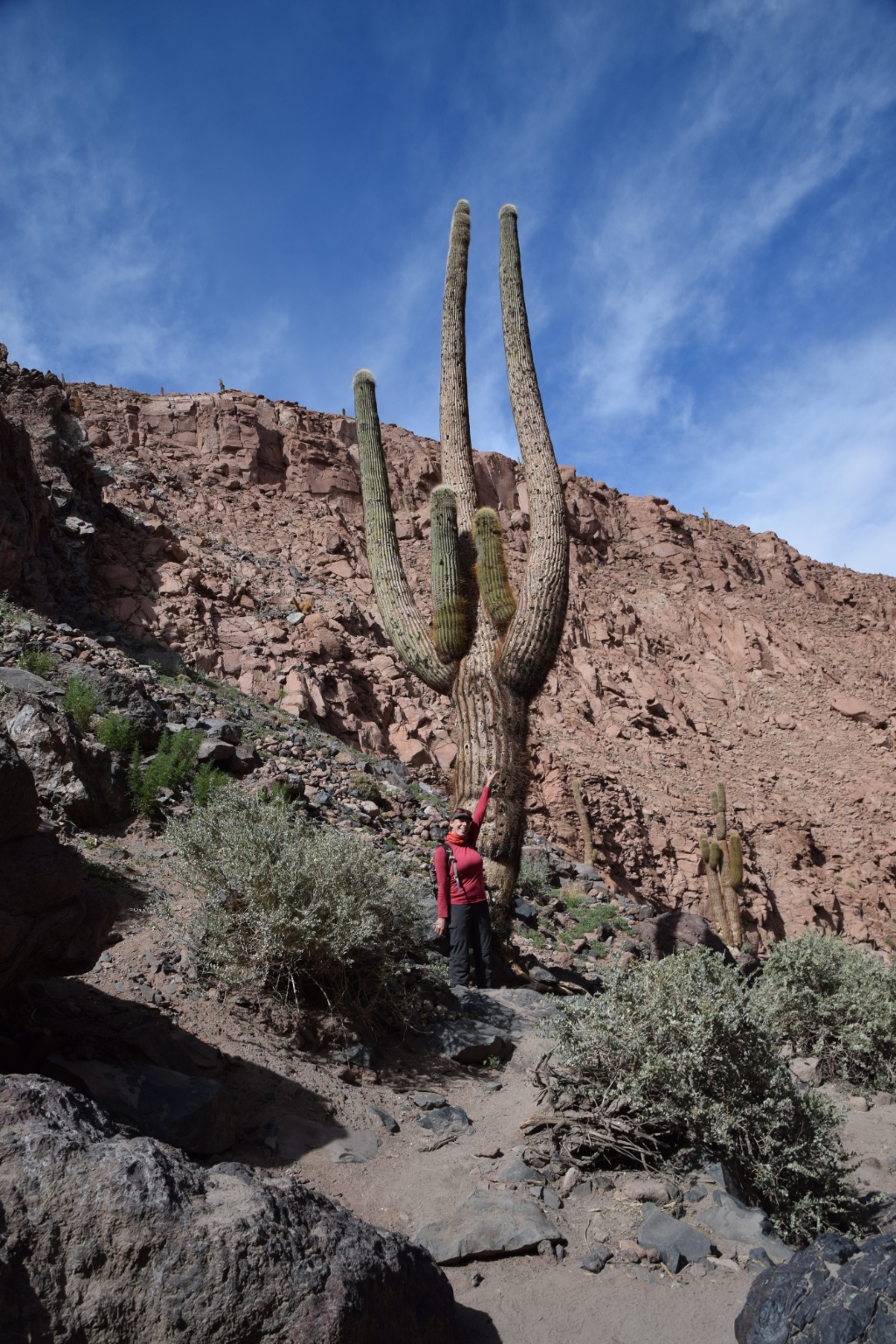
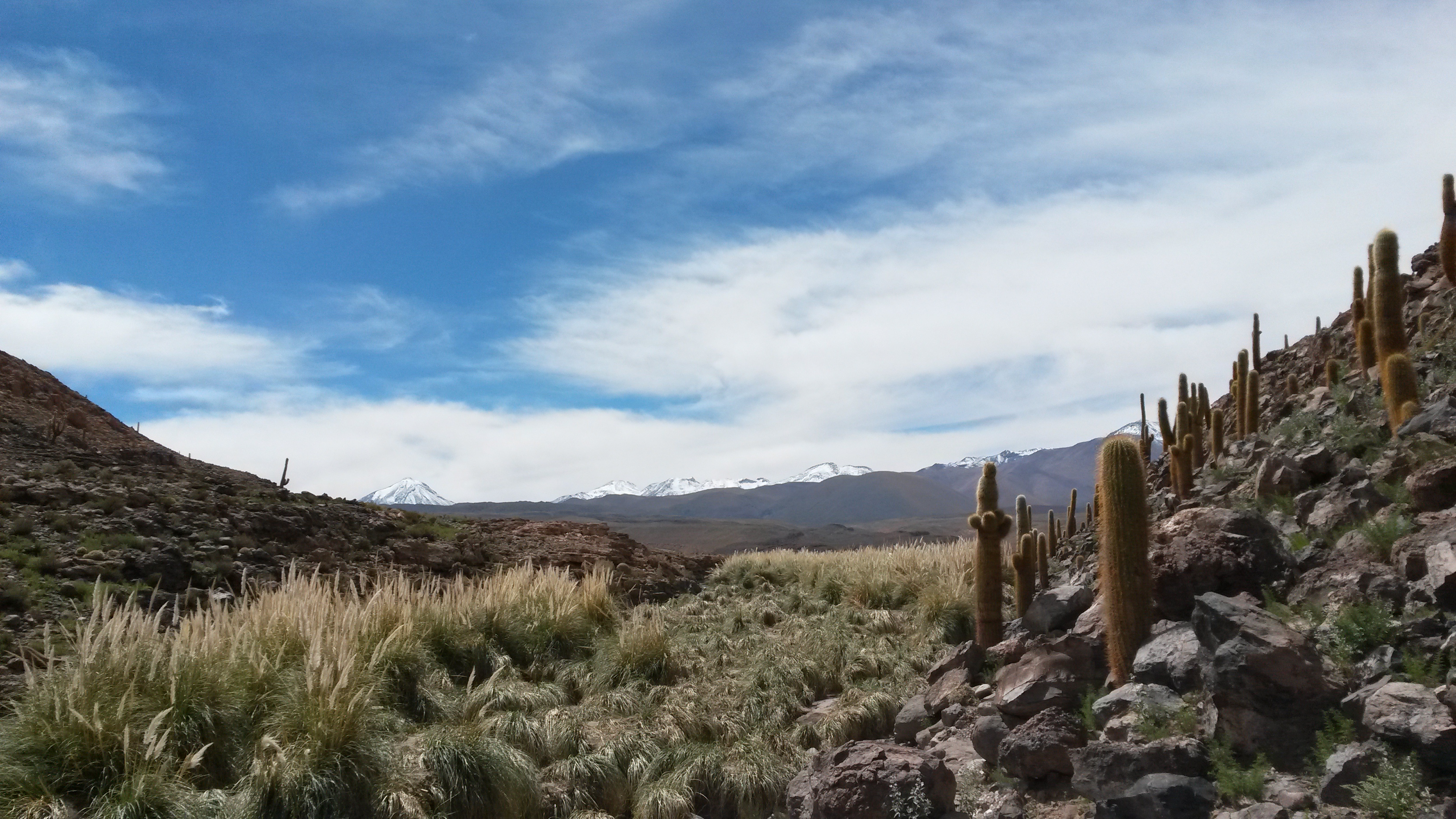
Guatin, aka the Valley of the cactus, is a beautiful valley that boasts the regions biggest cactuses – because they may not be removed here. Many of them are around 100 years old.  IMG_20150426_180710IMG_20150426_180753IMG_20150426_181027IMG_20150426_181057IMG_20150426_181247IMG_20150426_18131920150409_130211

Surprisingly, the inside of a cactus contains very solid and thus valuable wood. This one is worth around 800 USD!IMG_20150426_180934IMG_20150426_181122

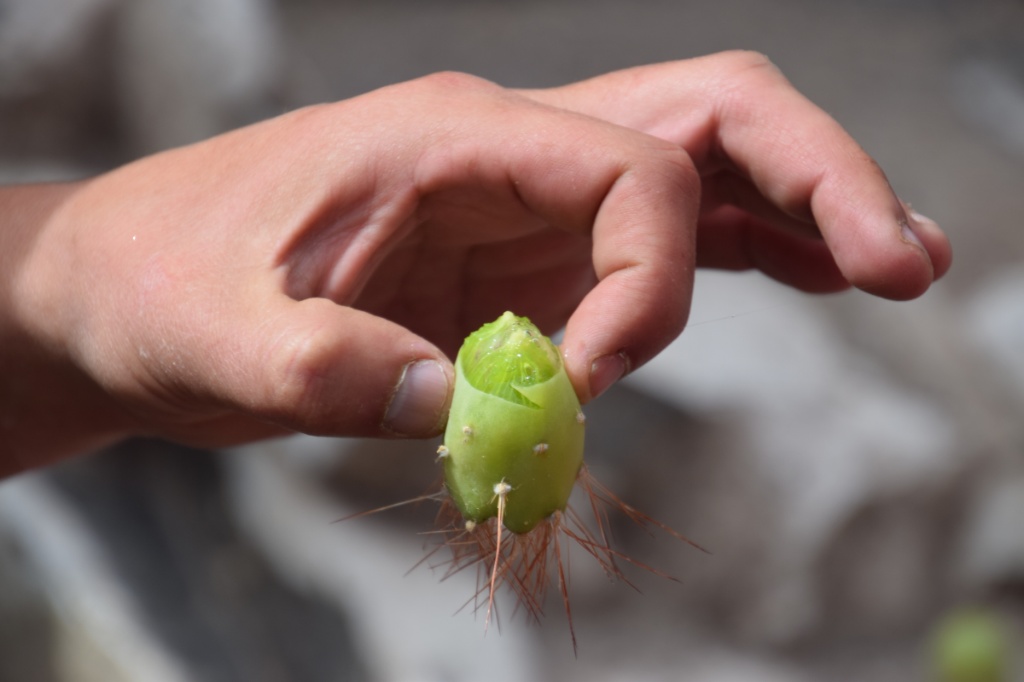
The cactus fruit was a little harder to find as it was not the right season, but we finally got to try some. You’ve got to sqeeze it and you can eat the gluey green mass that is inside. It looks gross, but it’s said to be very healthy and tastes a bit like a sour kiwi.IMG_20150426_181218
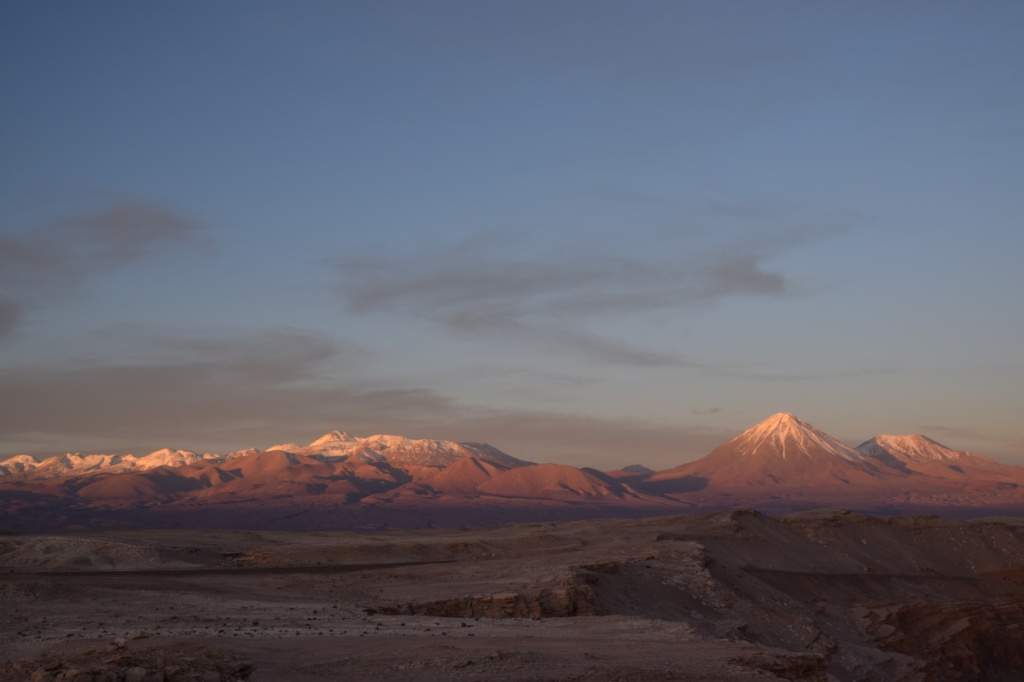
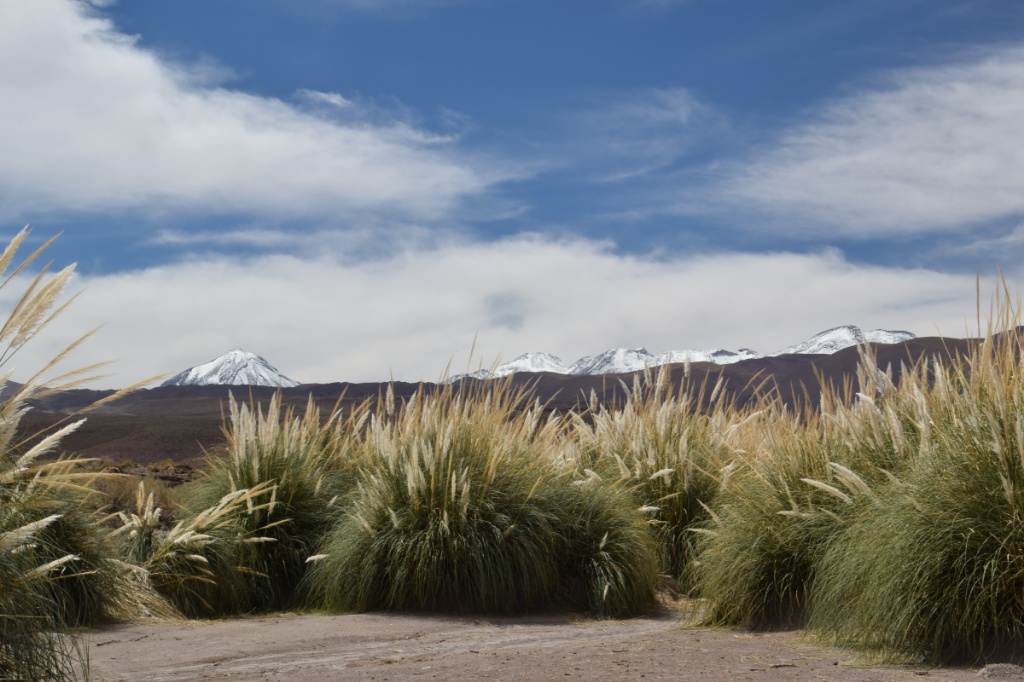
From the upper entrance to the valley, just like from San Pedro and around, you can see the majestic snowcapped volcanoes on the border to Bolivia. IMG_20150426_181351
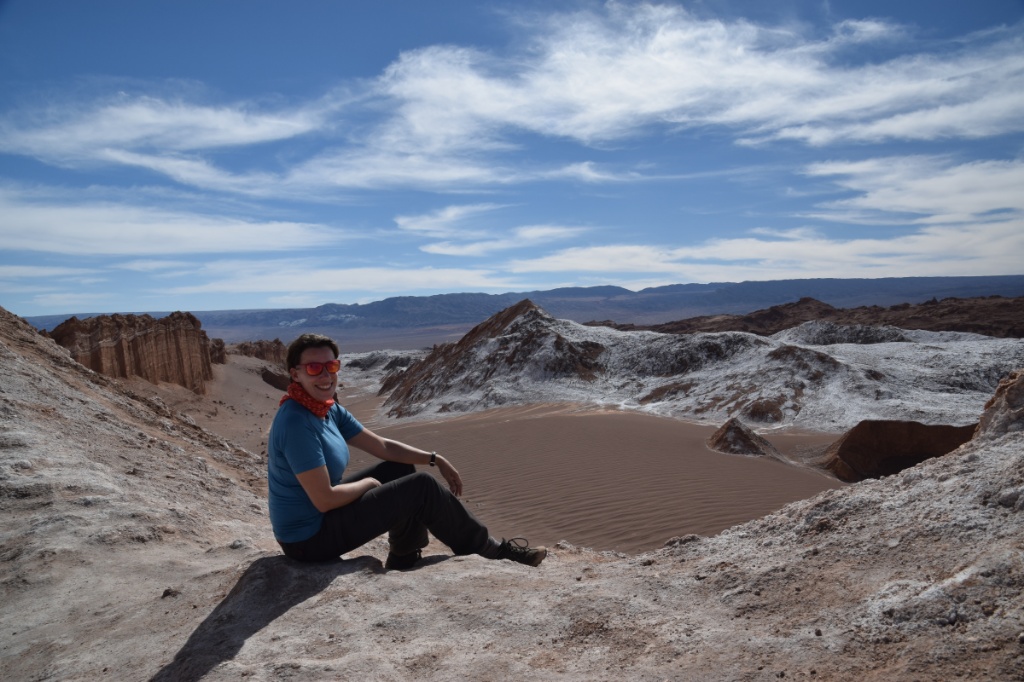
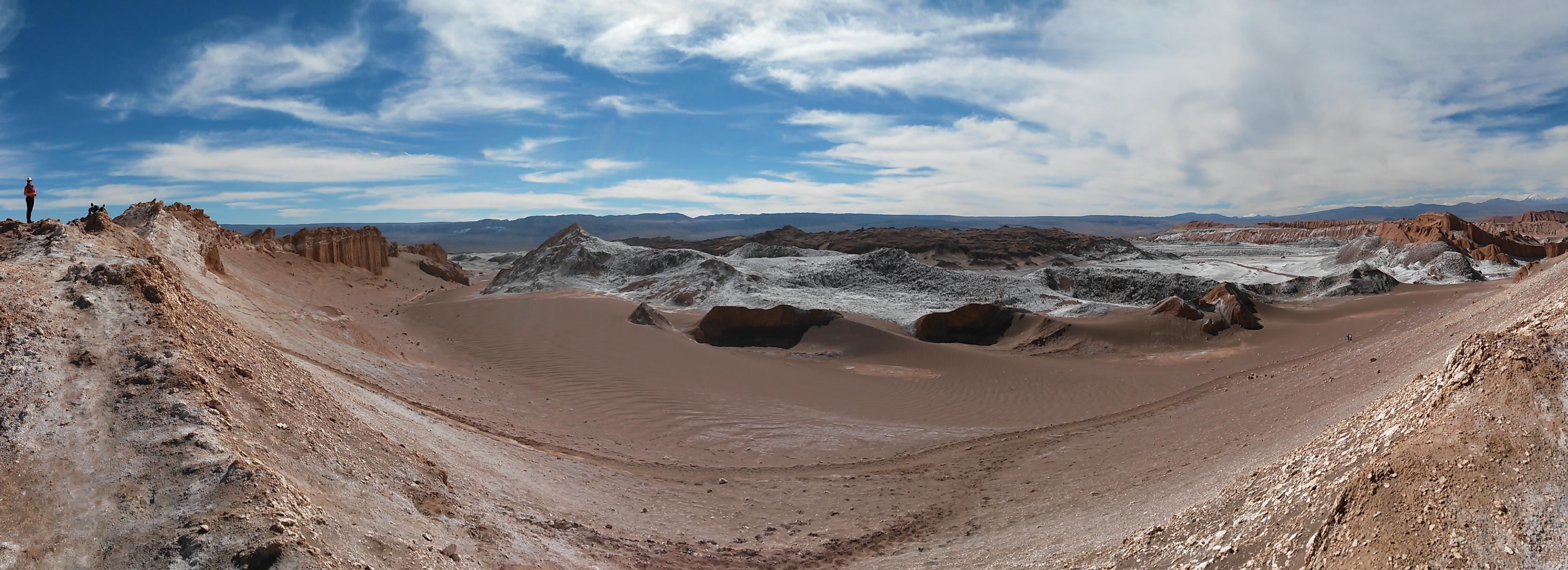
The Valle de la Luna and Valle de la Muerte are two of the most fascinating landscapes around SPdA…:

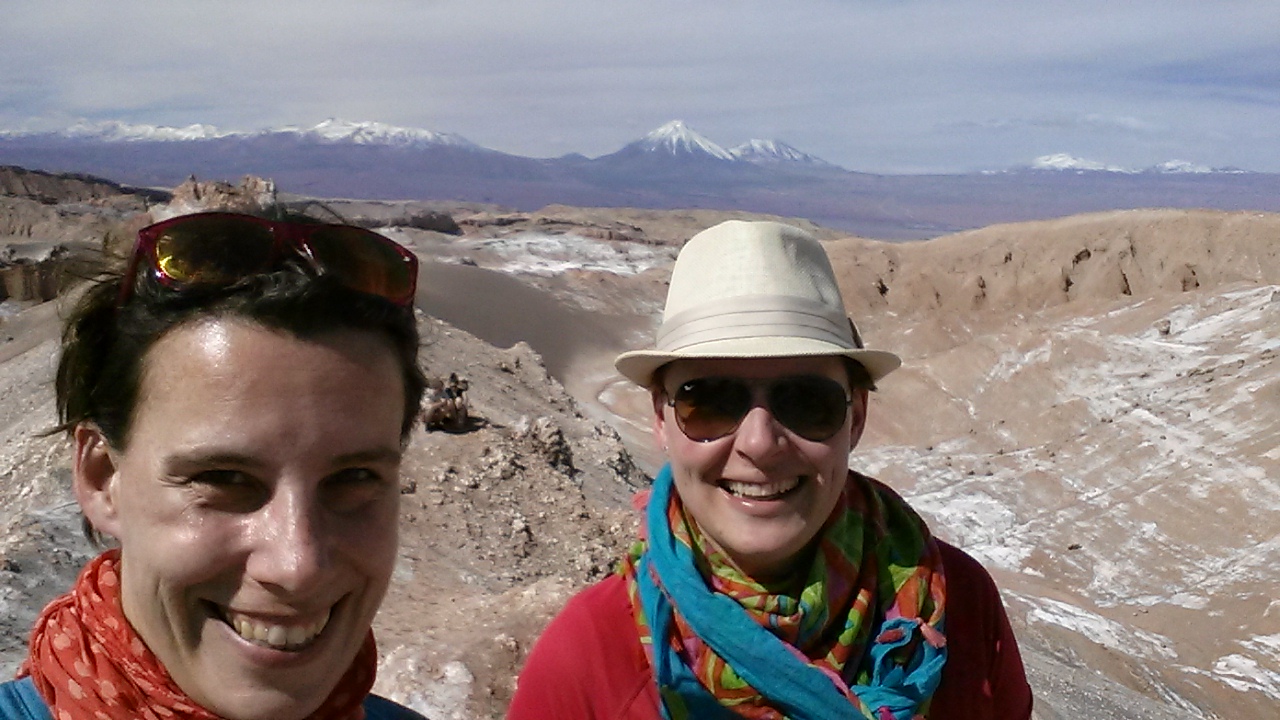
IMG_20150426_195409IMG_20150426_195448IMG_20150426_19553520150409_15542720150409_155535 With my roommate and soon to be travelmate Laura. I am glad you convinced me to leave a day earlier to the “Tour de Uyuni” :-)! Can’t imagine it without you!
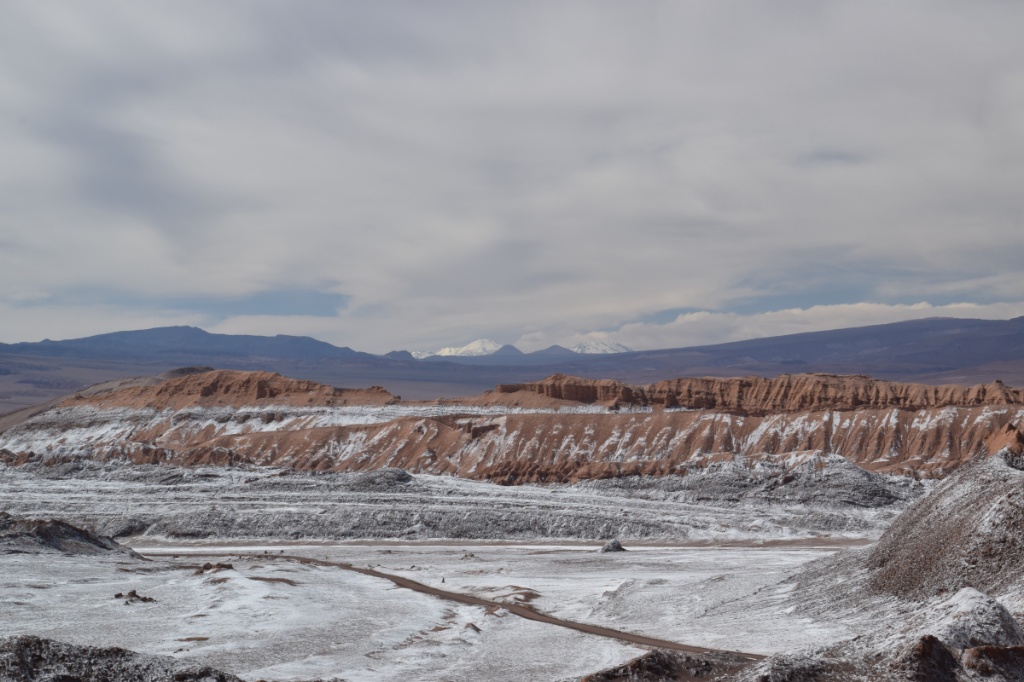
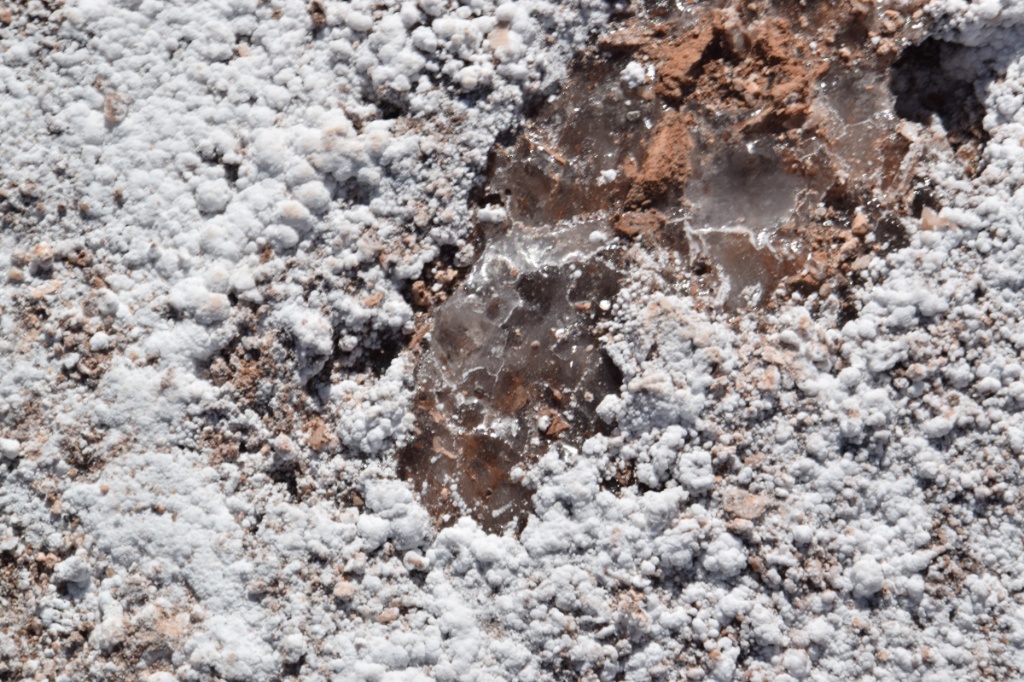
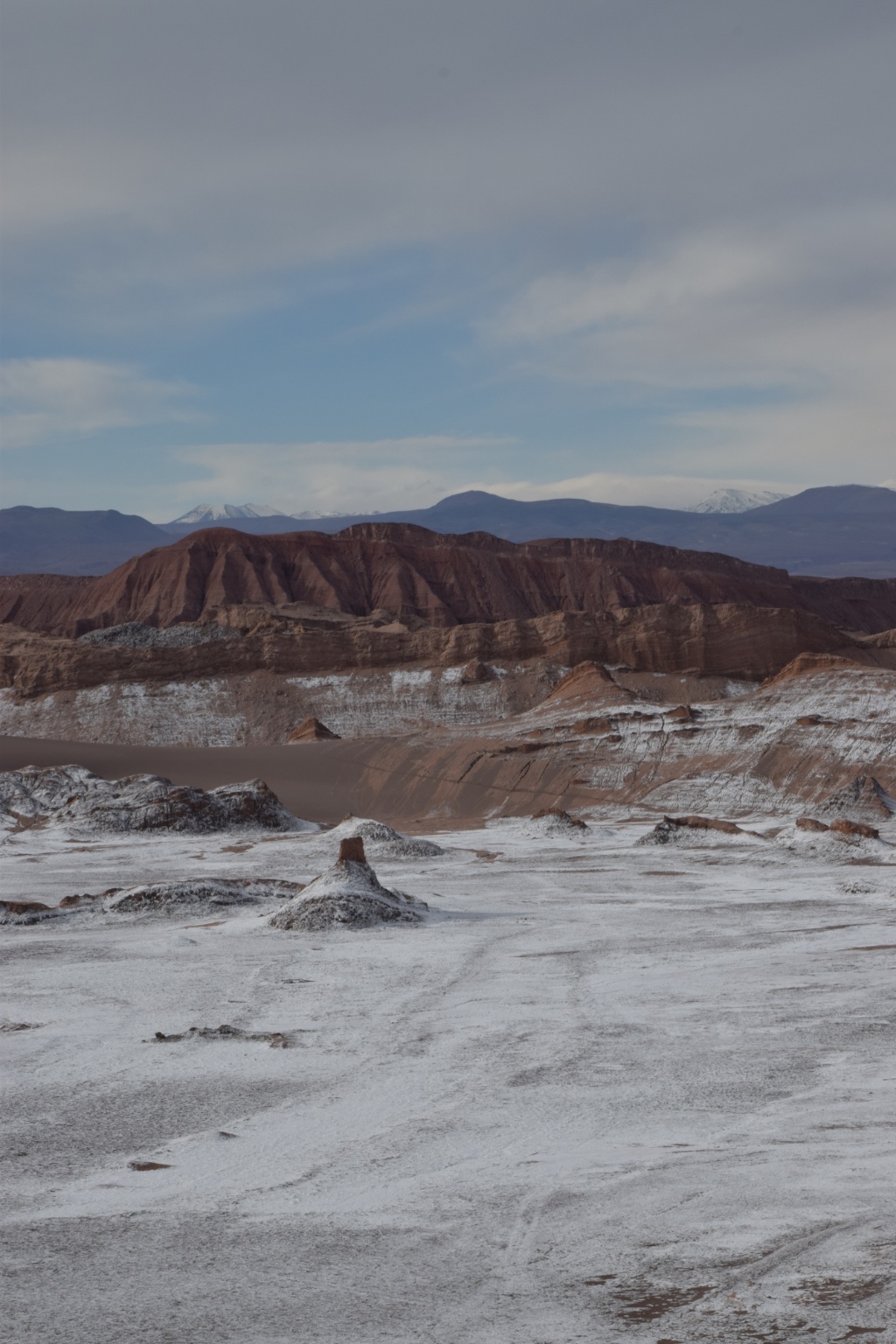
IMG_20150426_195609IMG_20150426_195636IMG_20150426_195743IMG_20150426_195809IMG_20150426_195831IMG_20150426_195900Thanks to the recent rain there were more salt deposits at the surface and the landscape was whiter than usual.

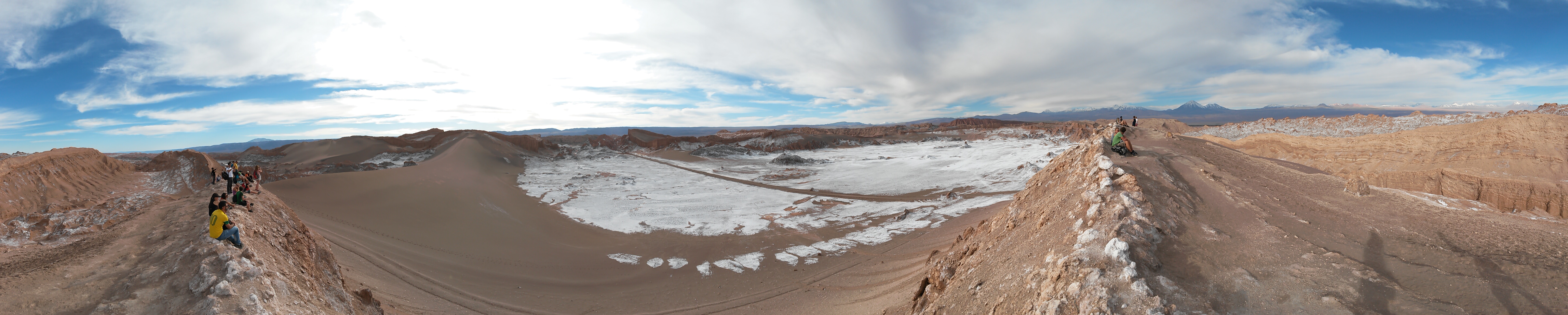
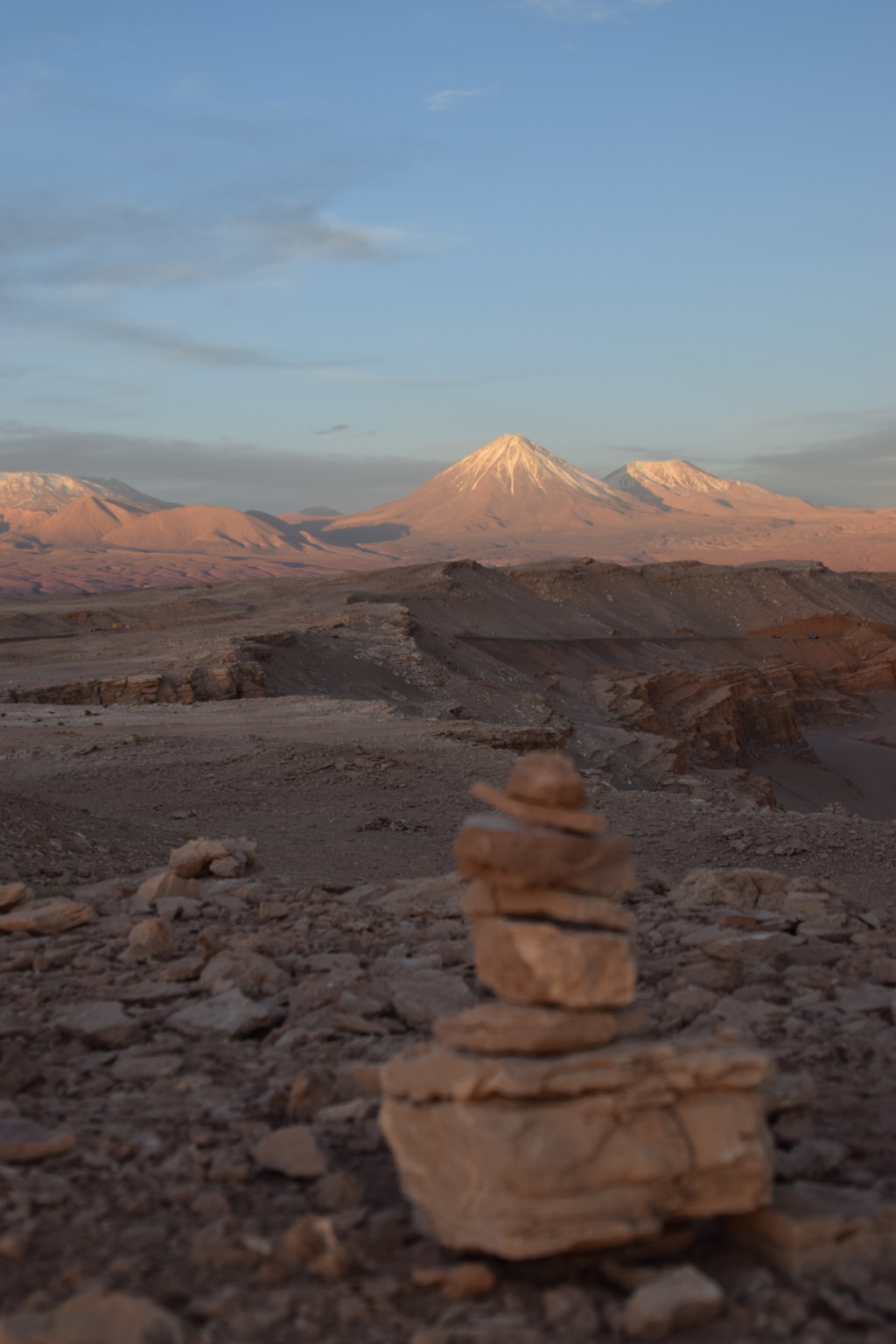
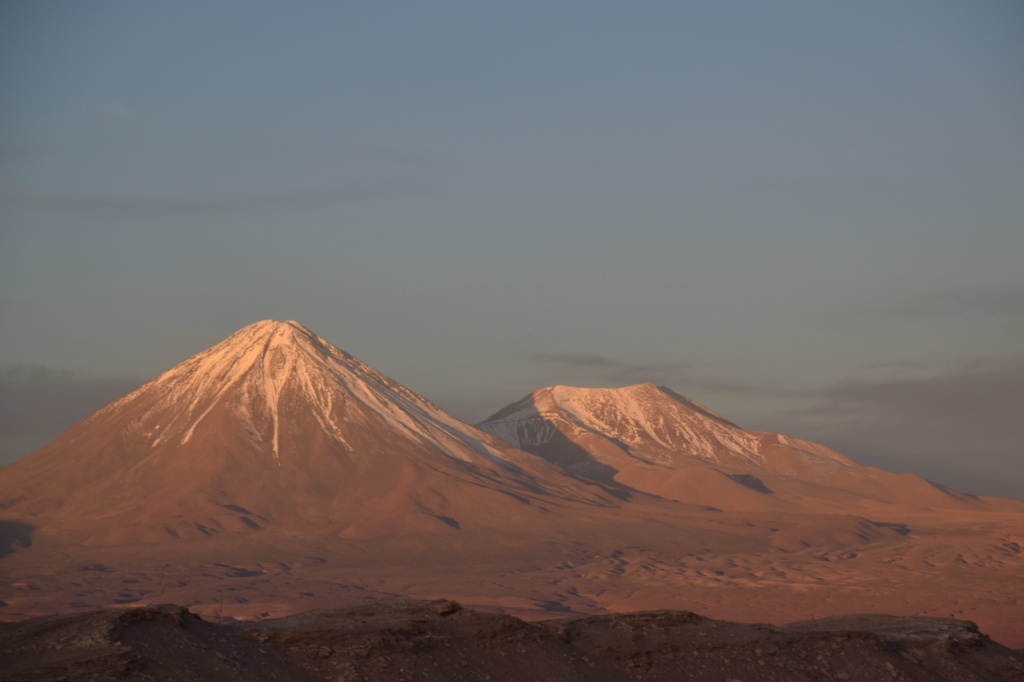
IMG_20150426_19594920150409_174150IMG_20150426_200038IMG_20150426_200419IMG_20150426_200441This most striking Volcano is called Licancabur. Doesn’t  it look just like Mt. Ngauruhoe, aka Mt. Doom?20150409_192414IMG_20150426_200504IMG_20150426_200526

Valpara(d)iso

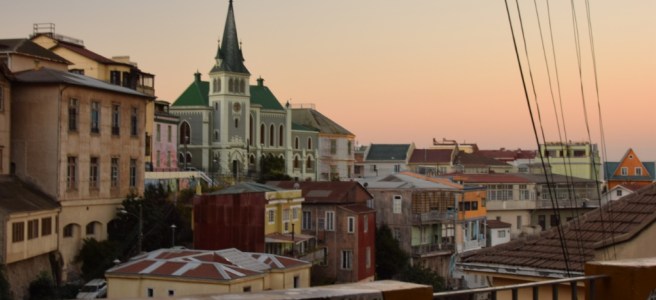
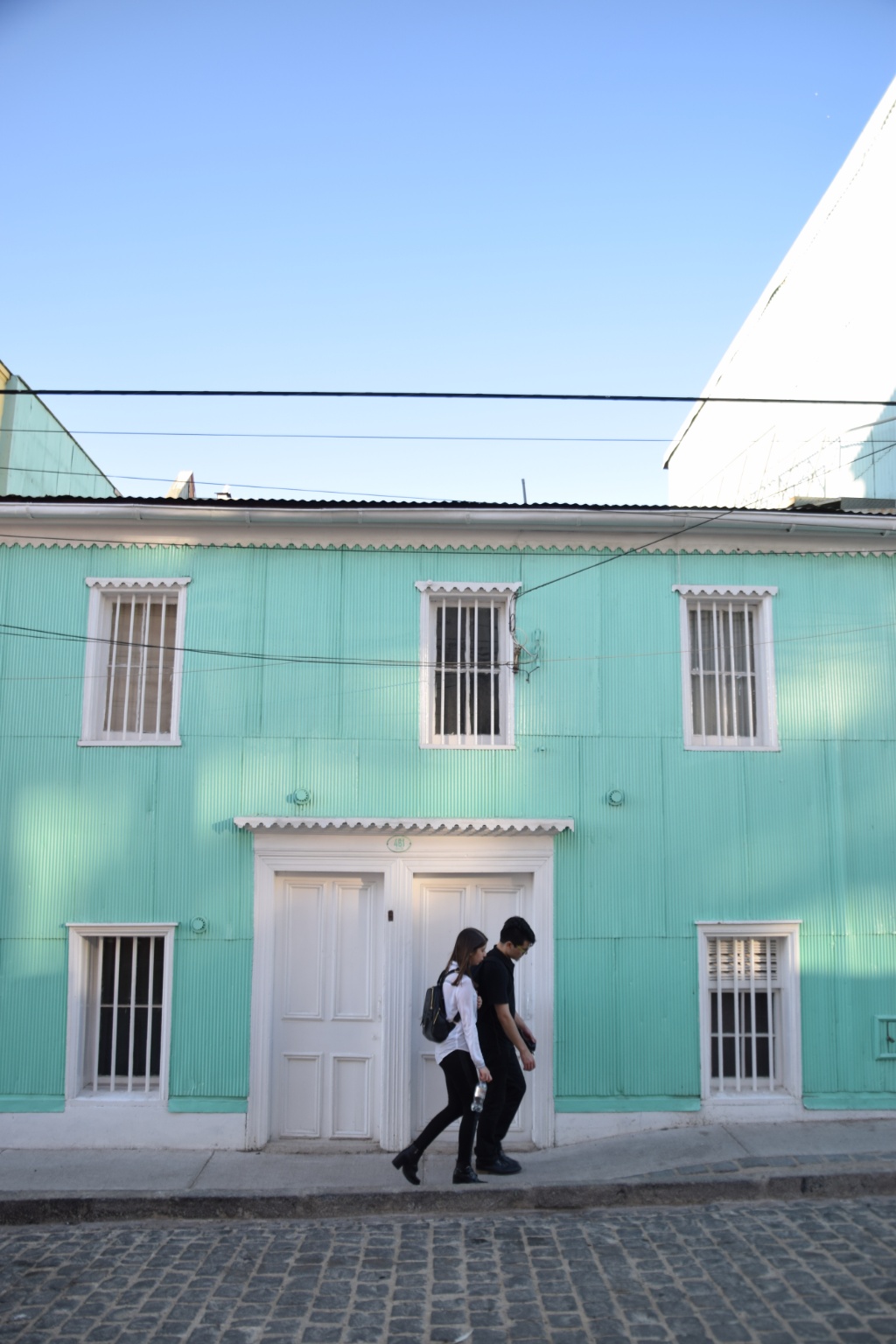
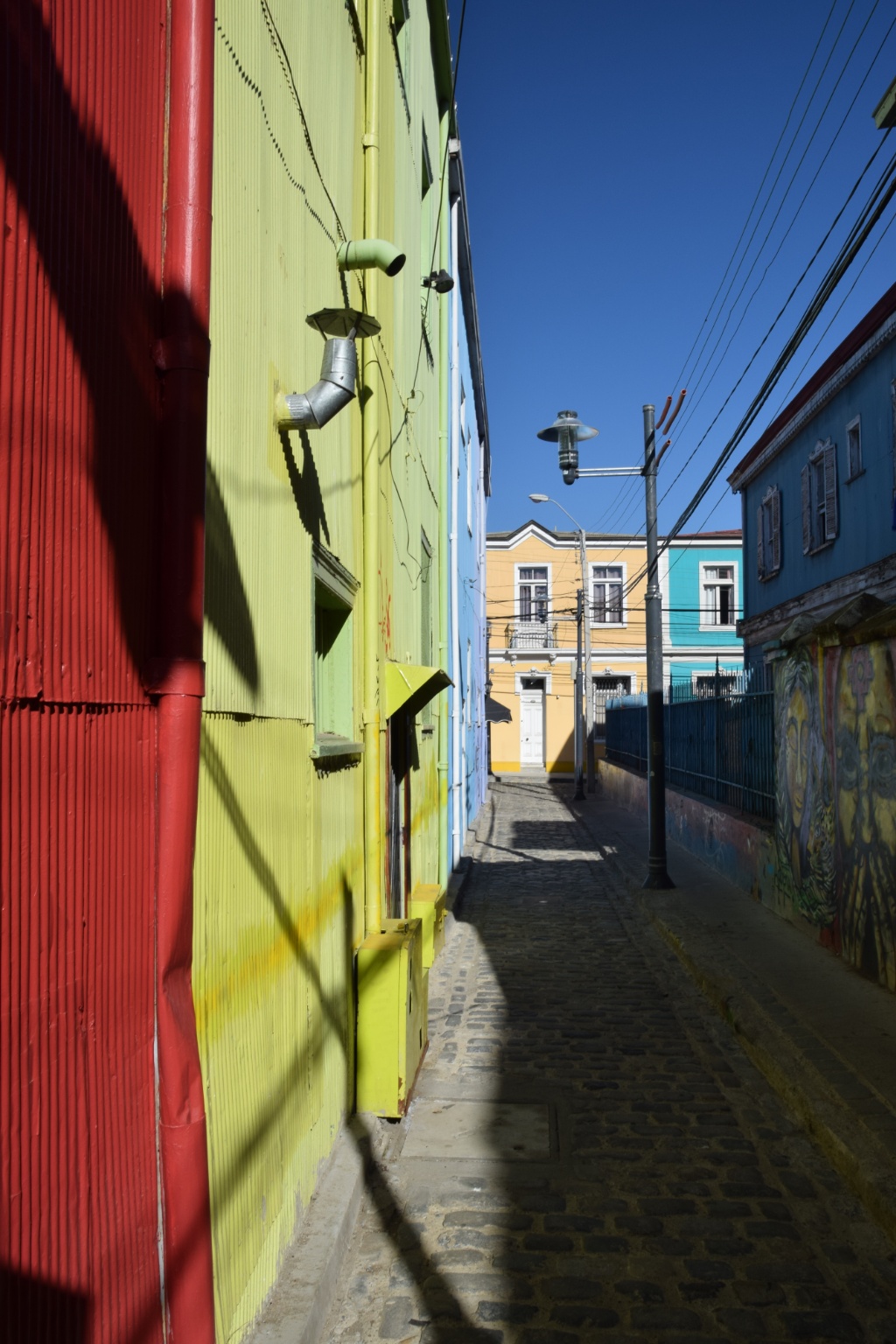
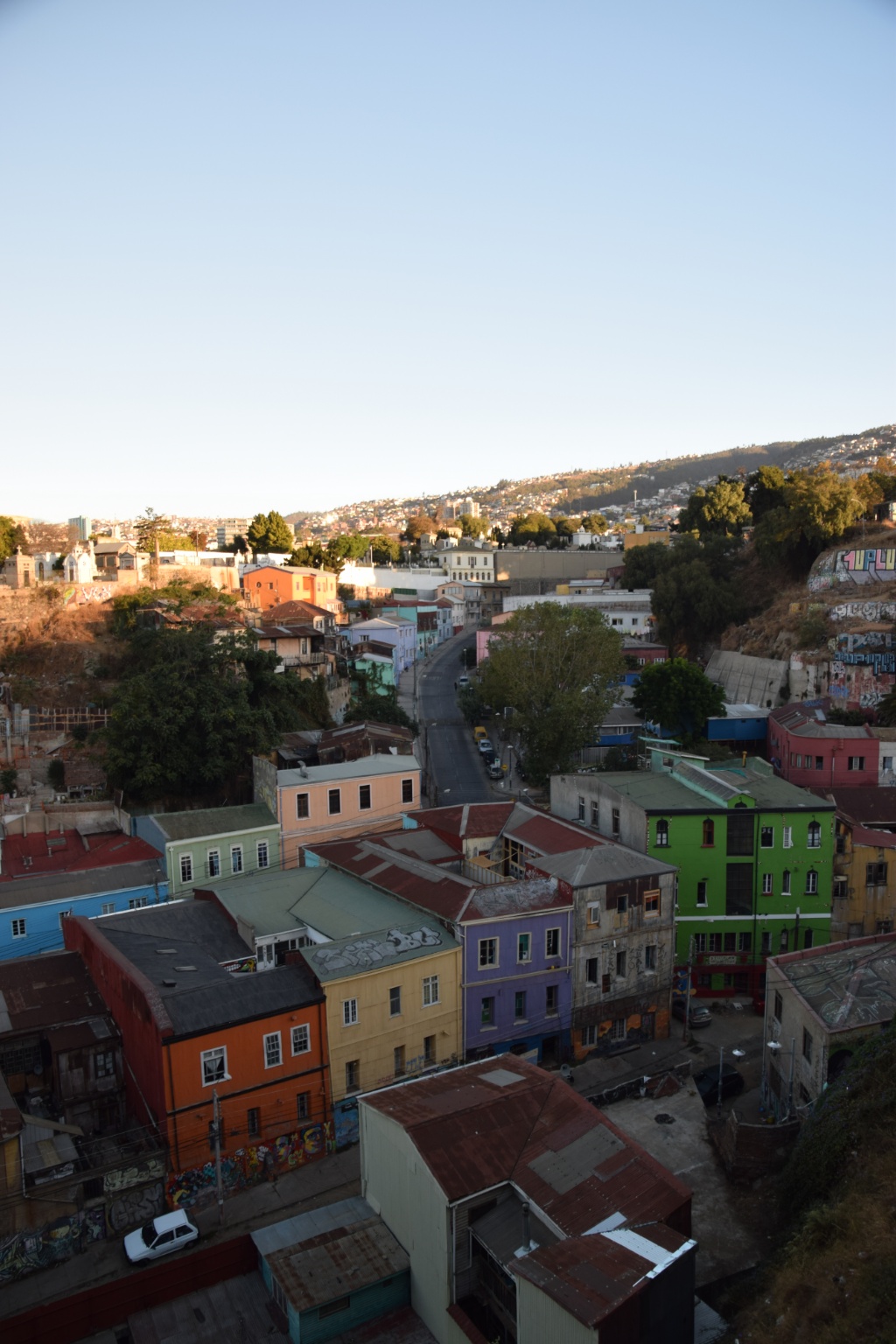
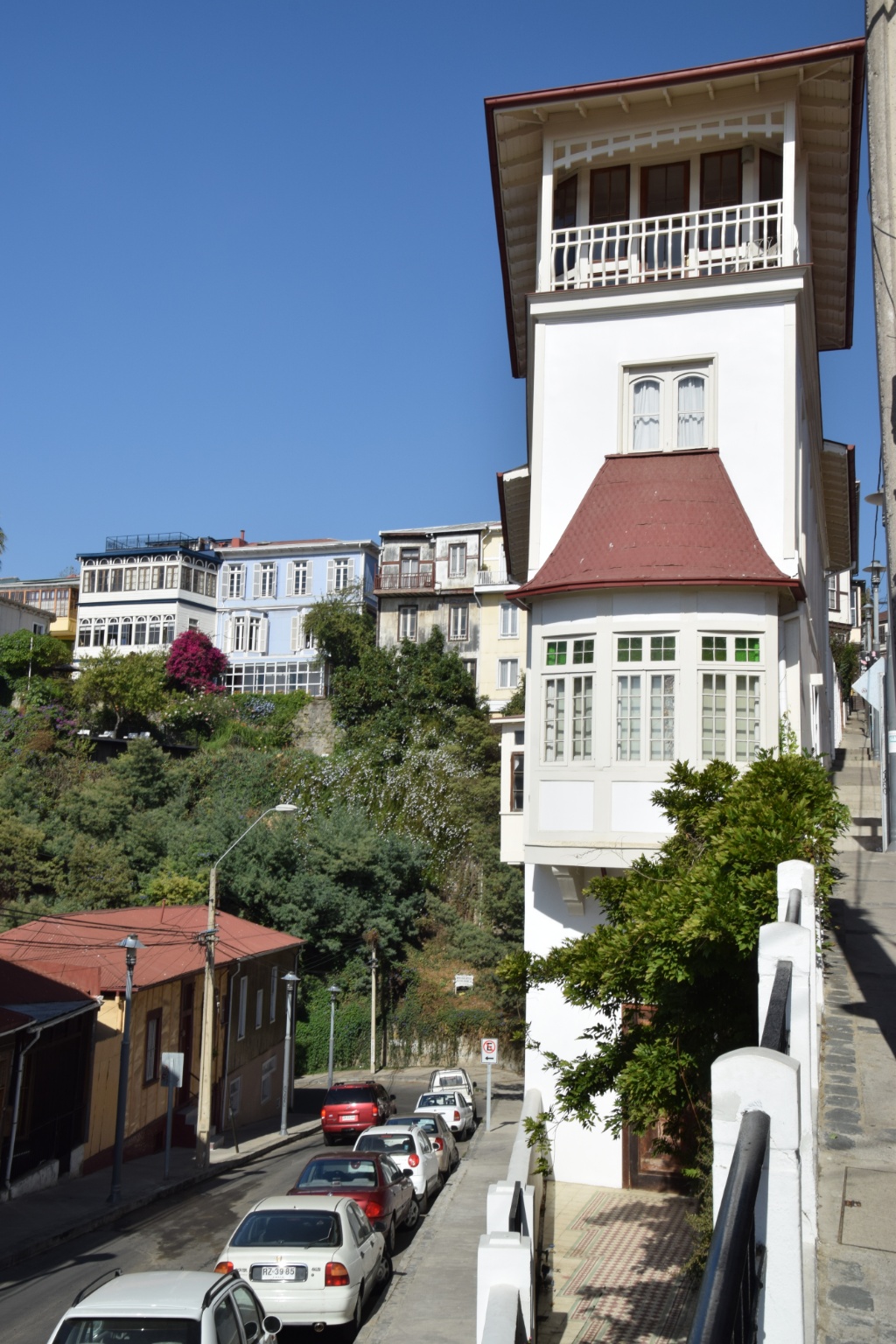
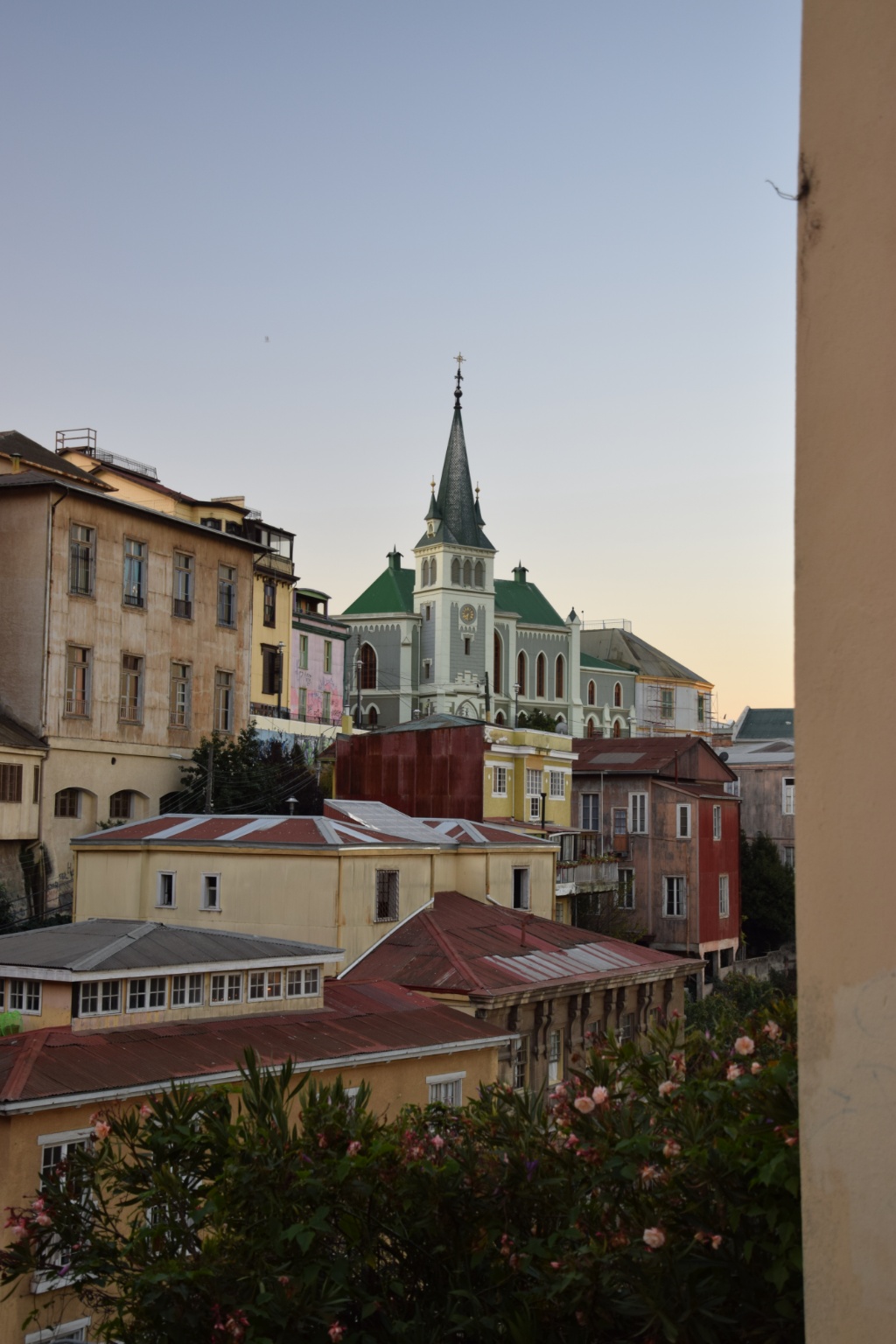
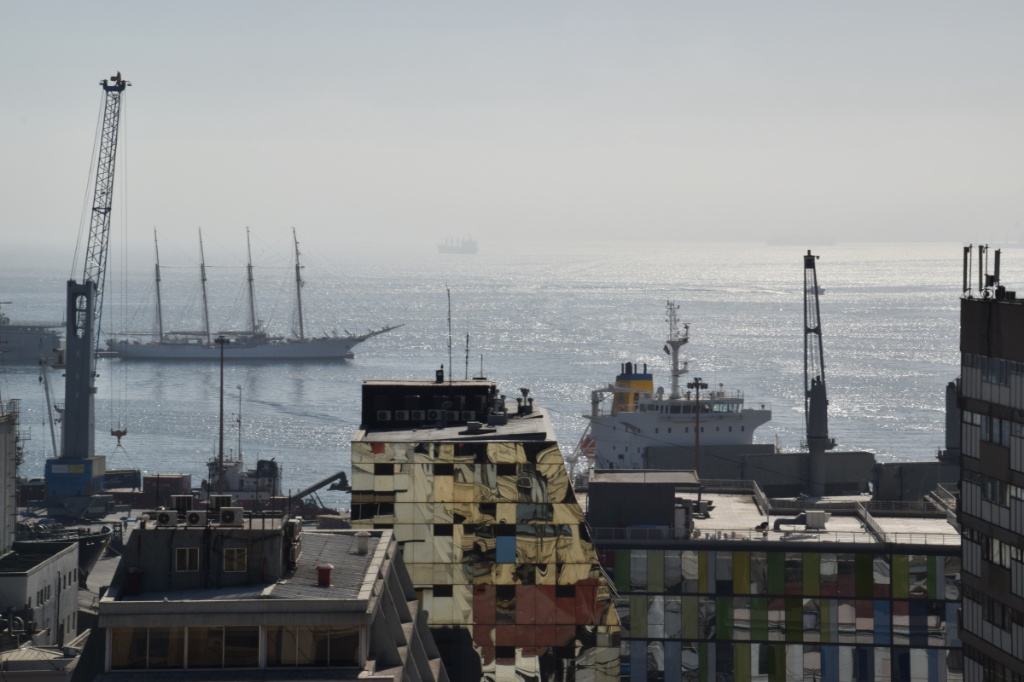
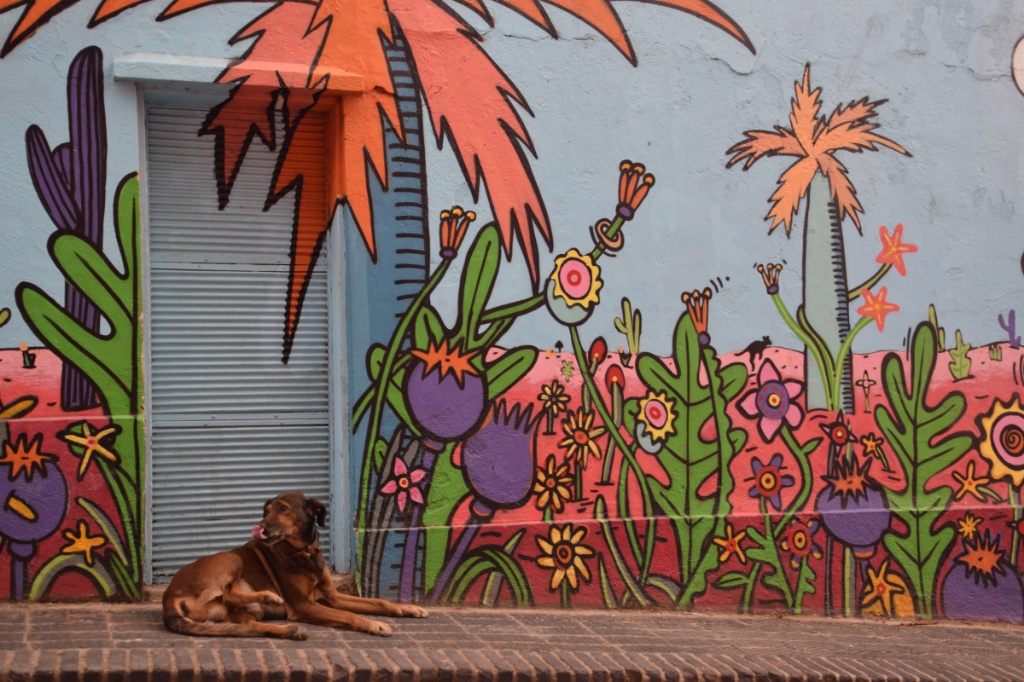
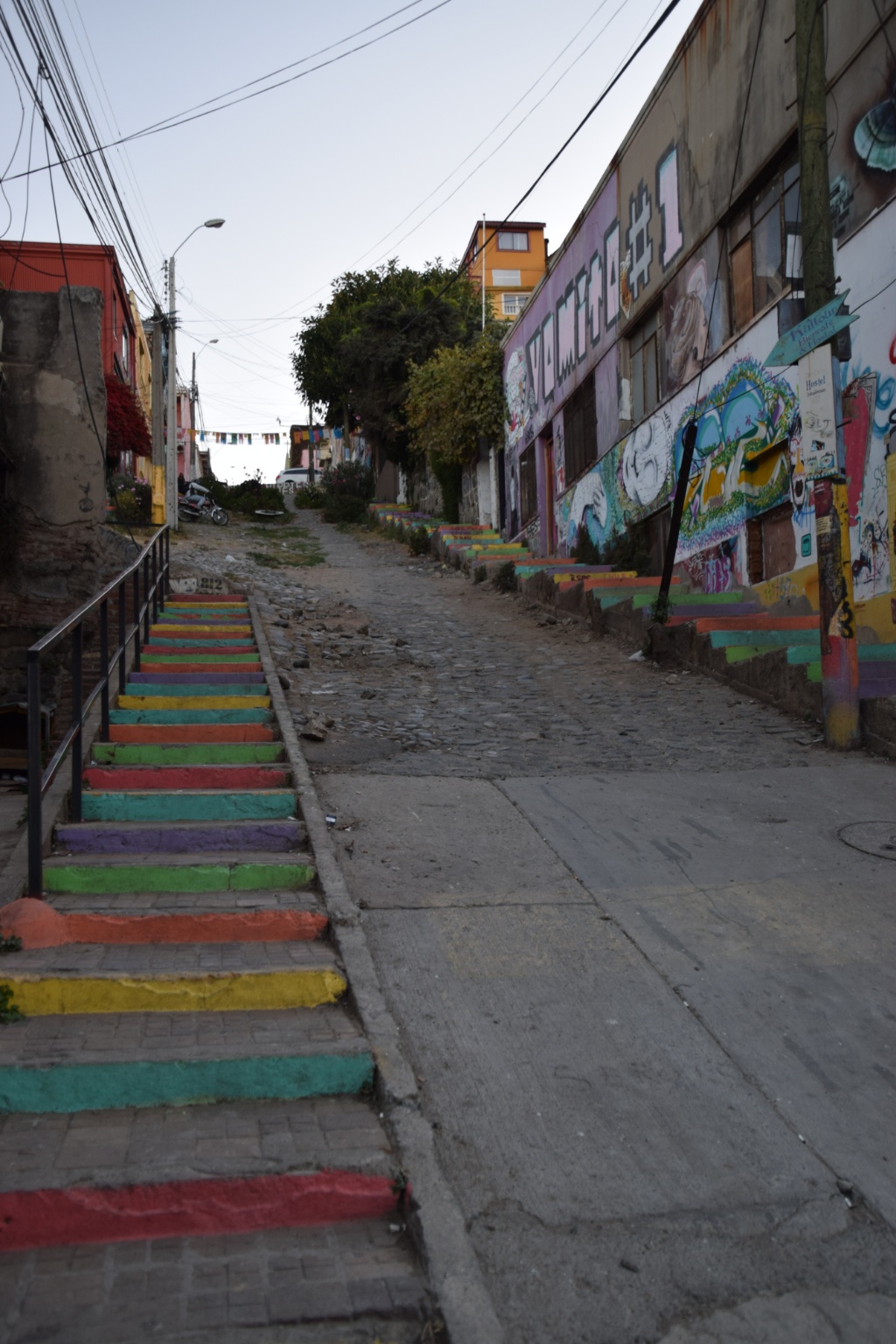
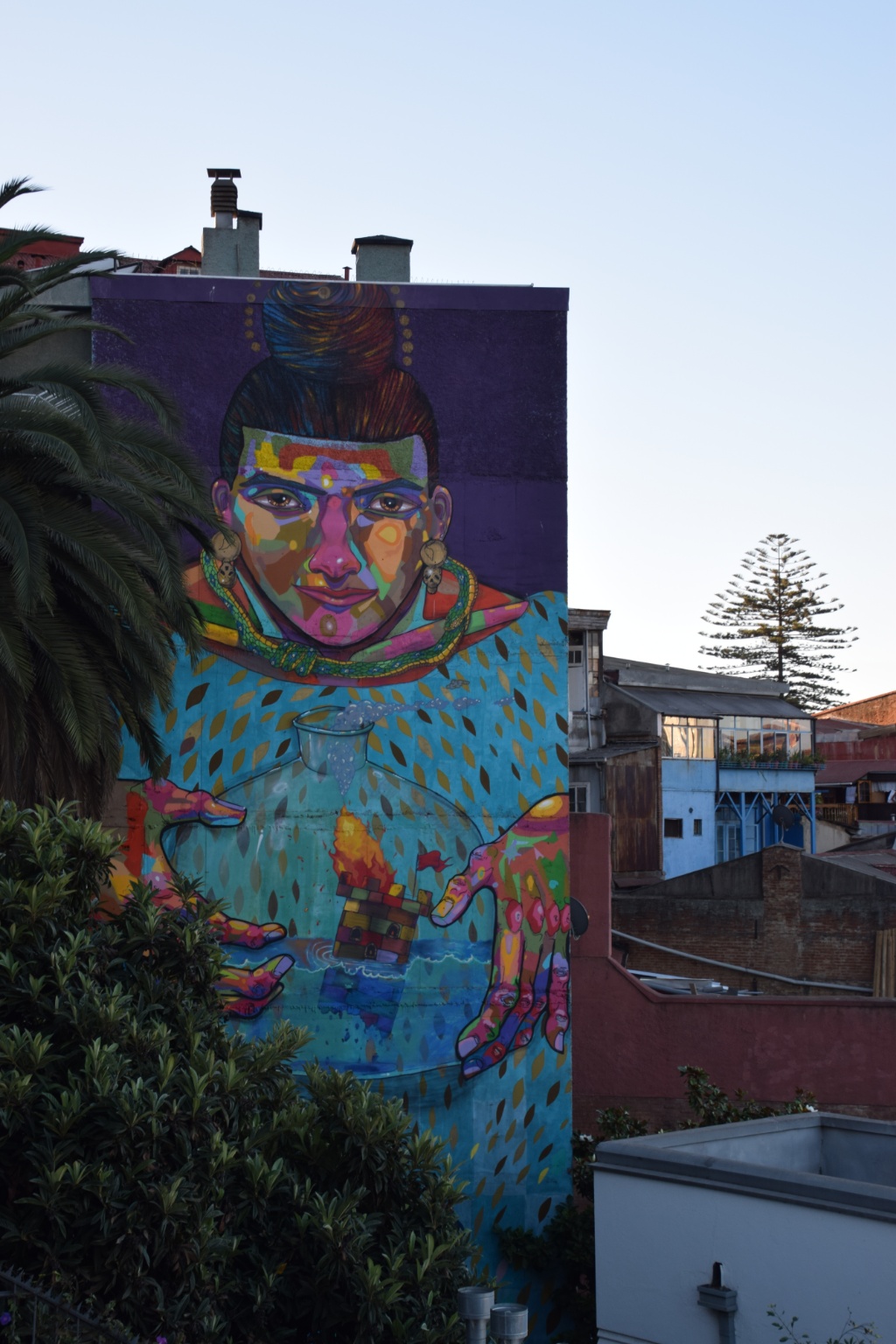
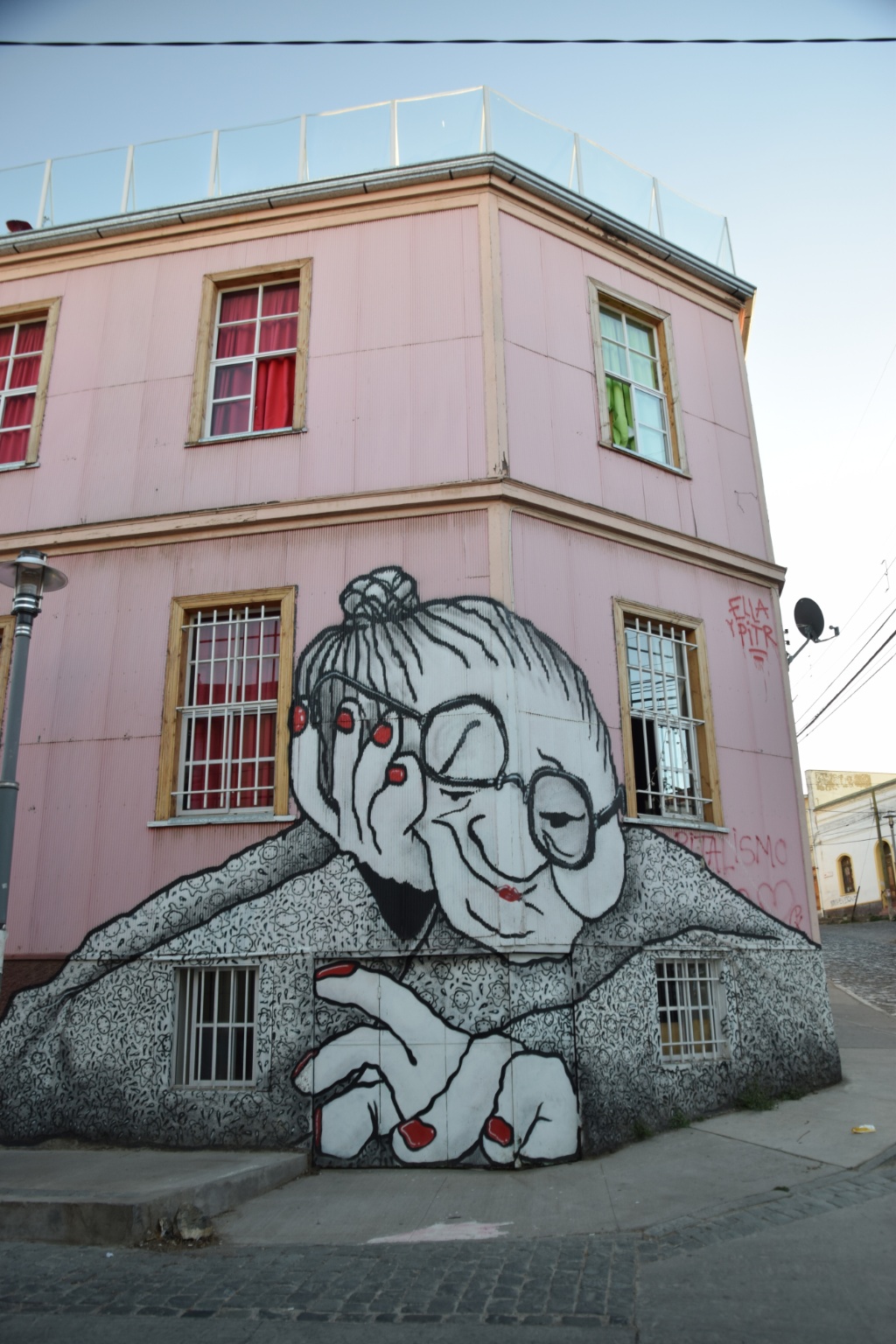
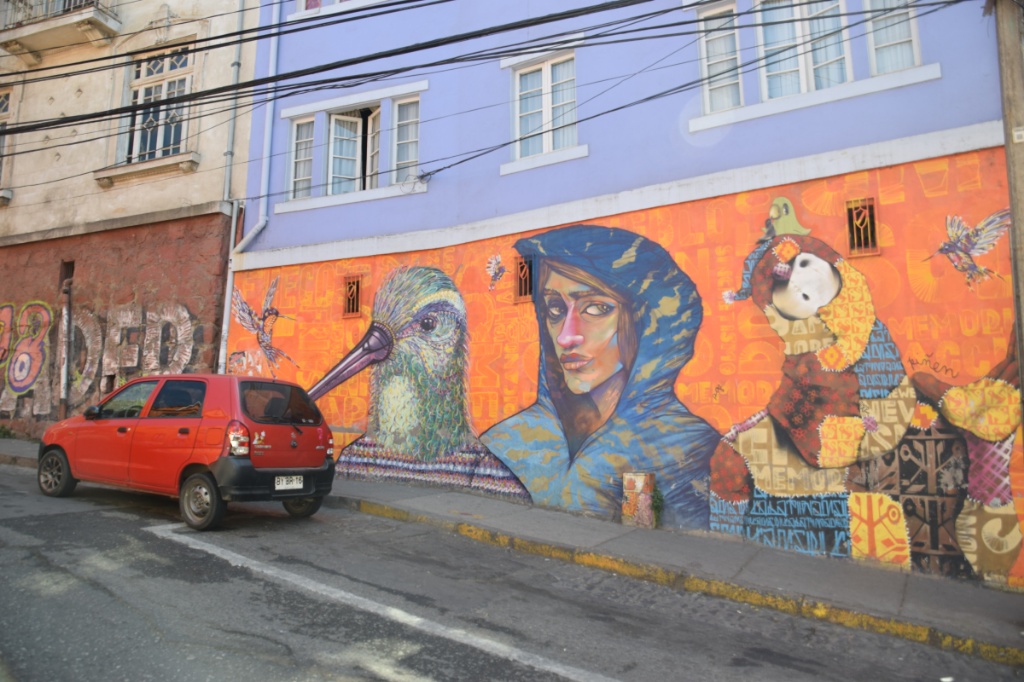
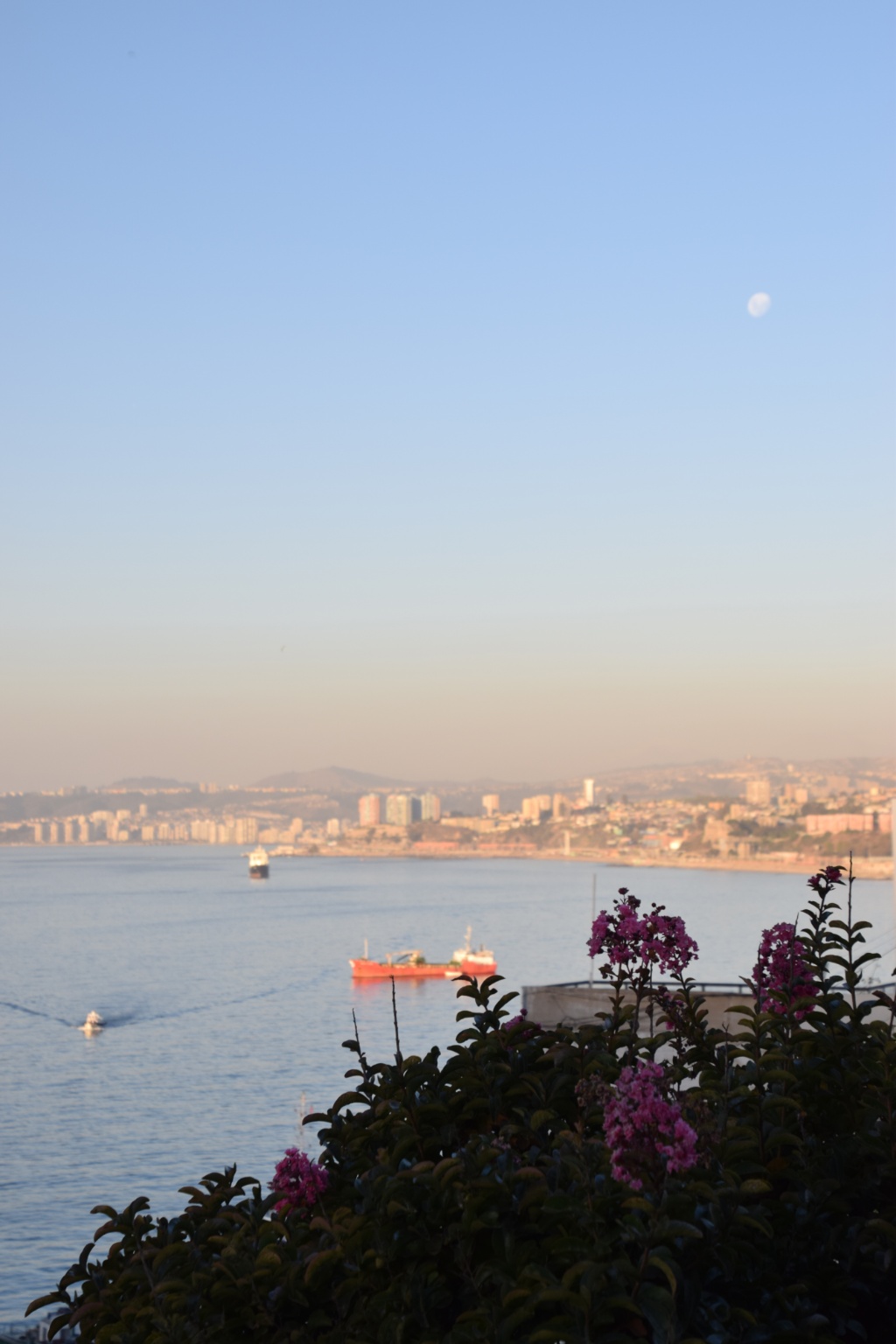
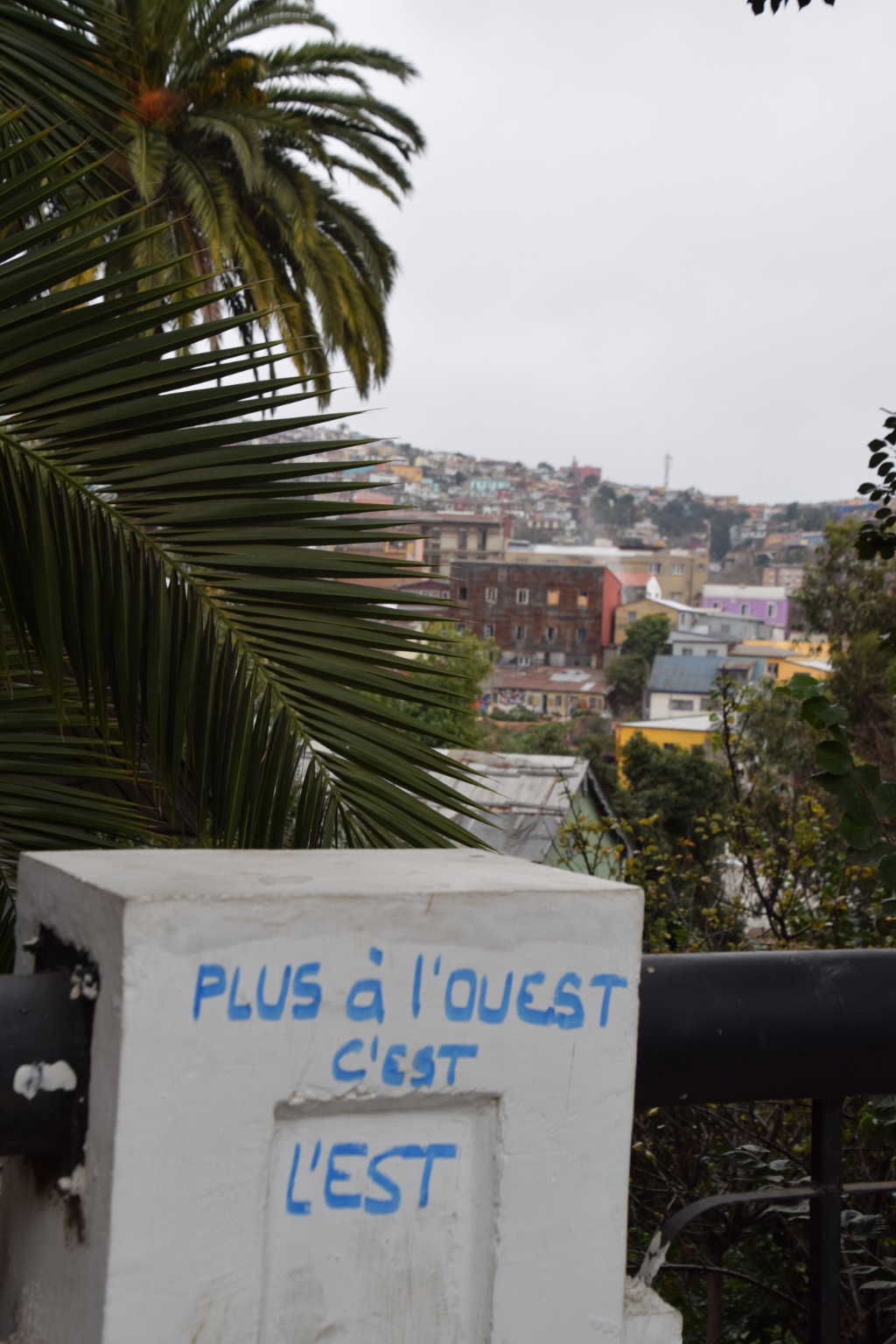
After two days in Santiago I had enough of the big city life and made my way to Valparaiso, which is only a two hour busride away at the coast. I instantly fell in love with this city because of

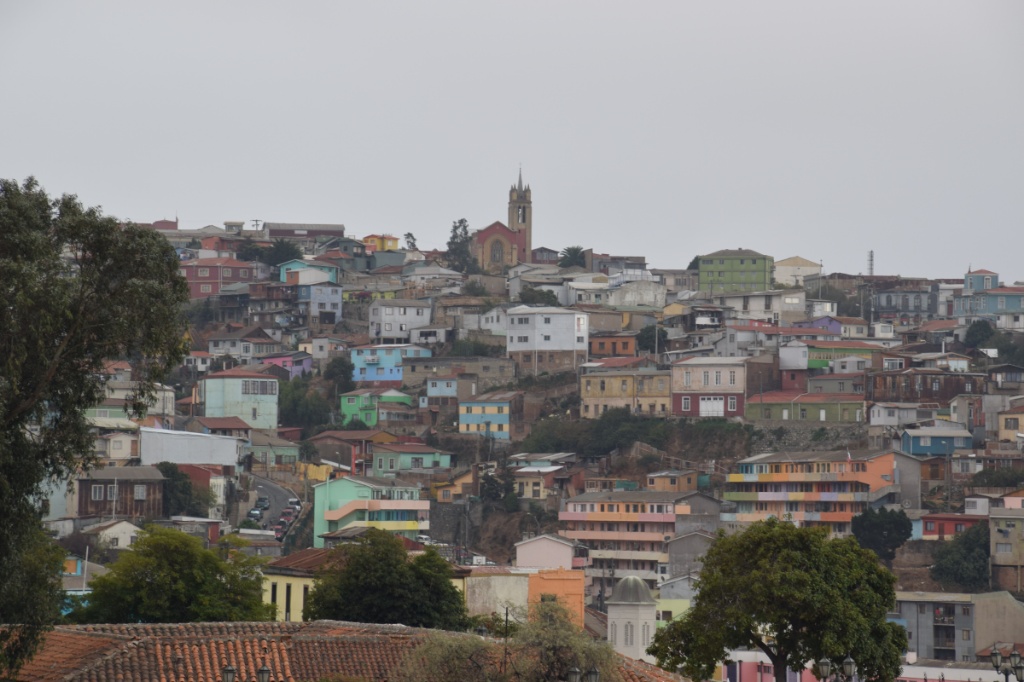
its colorful houses IMG_20150421_123906IMG_20150421_123836IMG_20150421_123929IMG_20150421_124046IMG_20150421_123624IMG_20150421_123531IMG_20150421_123213
,


the harbour,IMG_20150421_123039

IMG_20150421_123504


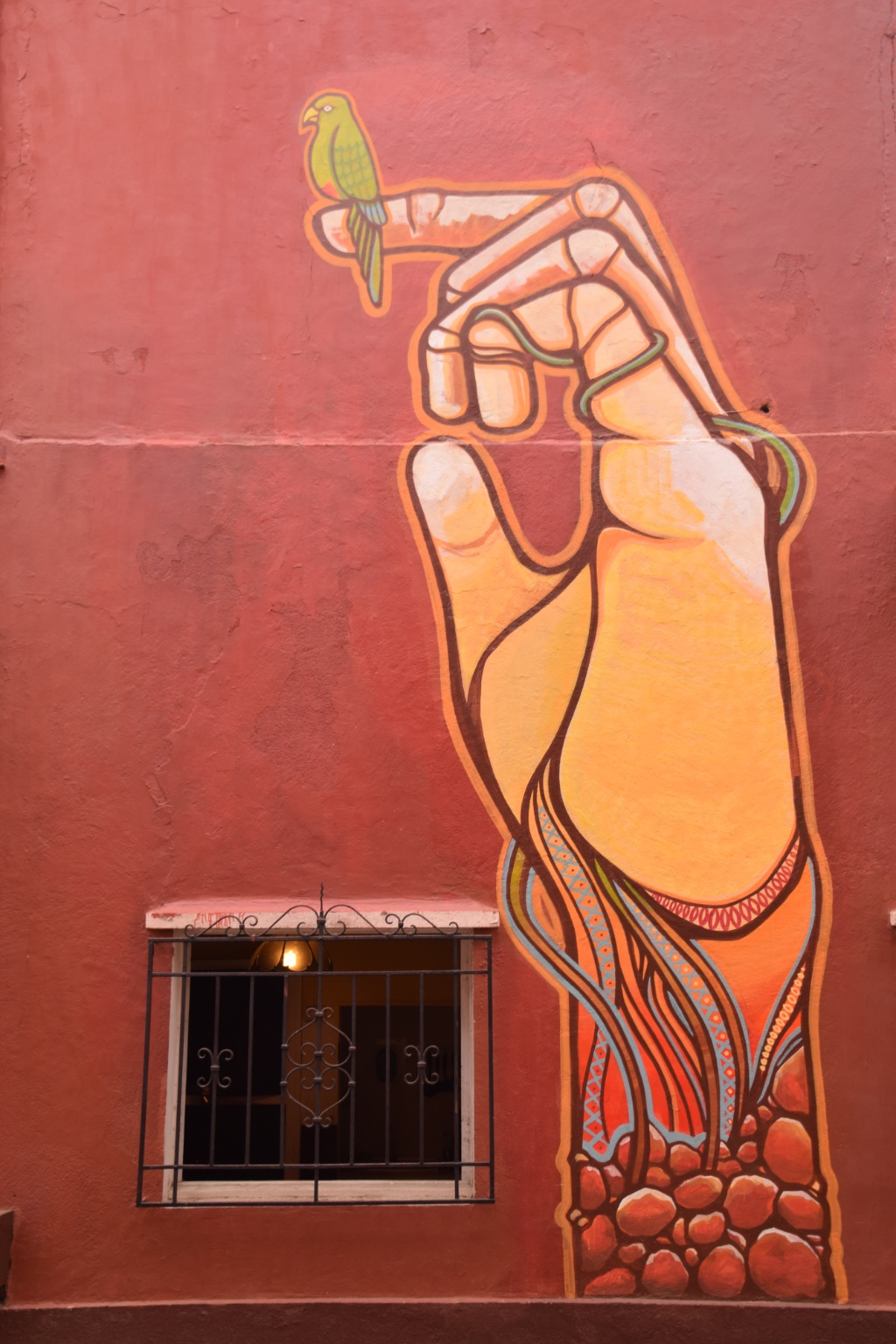
the incredible graffiti paintings,IMG_20150421_124157IMG_20150421_124137IMG_20150421_124020IMG_20150421_123954IMG_20150421_123715IMG_20150421_123647IMG_20150421_124222


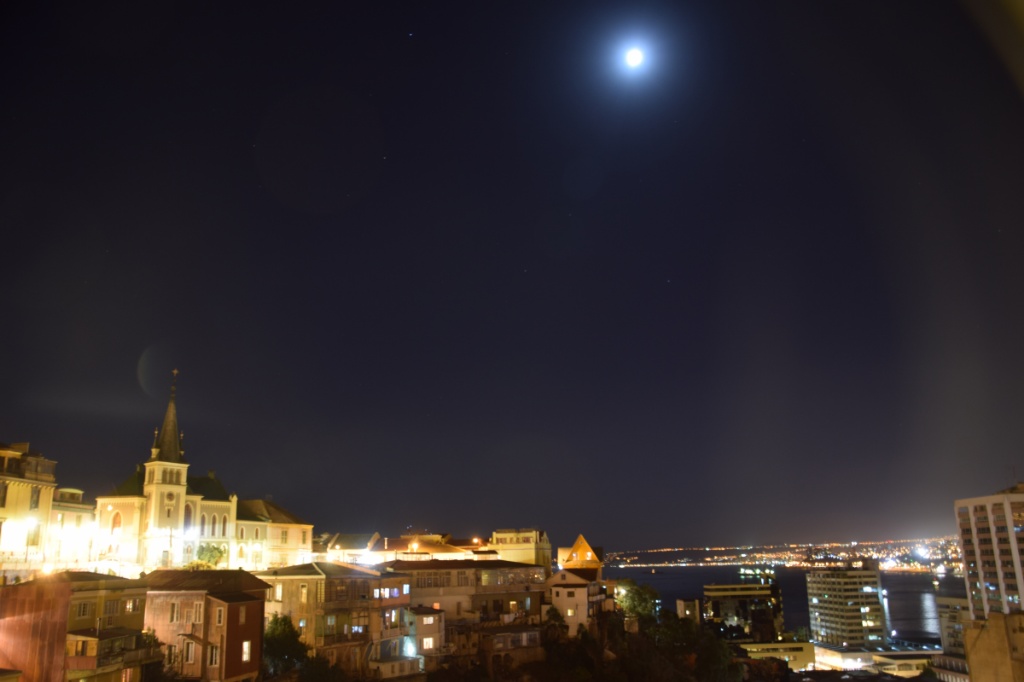
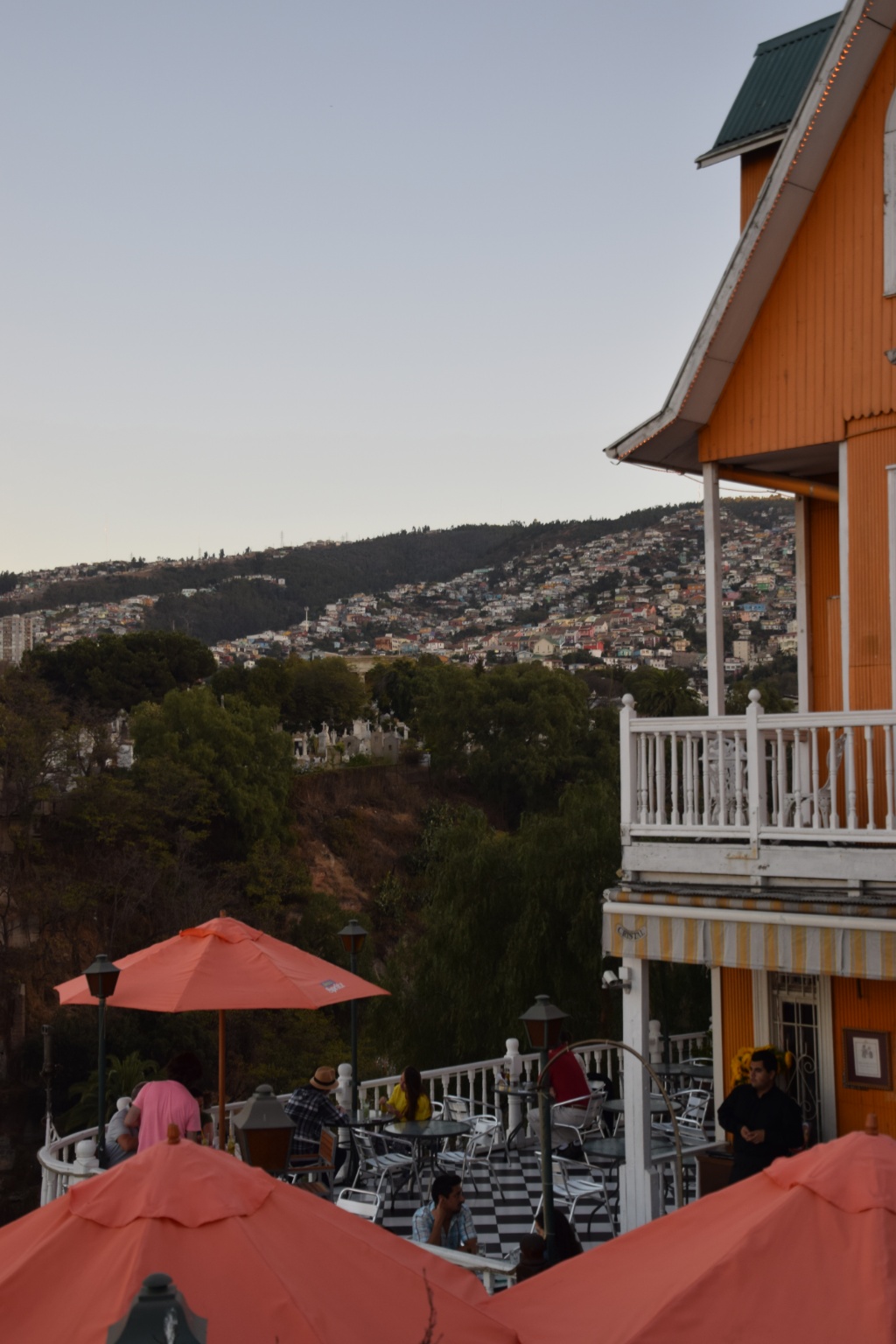
the magnificent views IMG_20150421_124307IMG_20150421_123312IMG_20150421_123244IMG_20150421_123146IMG_20150421_123014


and its relaxed vibe.IMG_20150421_124246IMG_20150421_124111
IMG_20150421_123807
IMG_20150421_123739IMG_20150421_123559IMG_20150421_123437IMG_20150421_123406IMG_20150421_123340IMG_20150421_123118


While it’s easy to explore the town on foot I again recommend to do the free walking tour (tour for tips), simply because you get loads of information about the city, its inhabitants, the graffiti and places to eat and drink – all from a “Porteño” (a person from Valparaiso). While some parts of the city are considered unsafe, it is very safe to walk around Cerro Allegre and Cerro Conception, where almost all hostels are located.

For a delicious meal with a great view go to “Fauna”, their roof terrace is amazing and there are lots of locals, too. Another great spot for dinner is “Vinilo”. For coffee and cake in a cute little garden go to “Café Flora”. (All on Cerro Conception)

Santiago: Big City Life

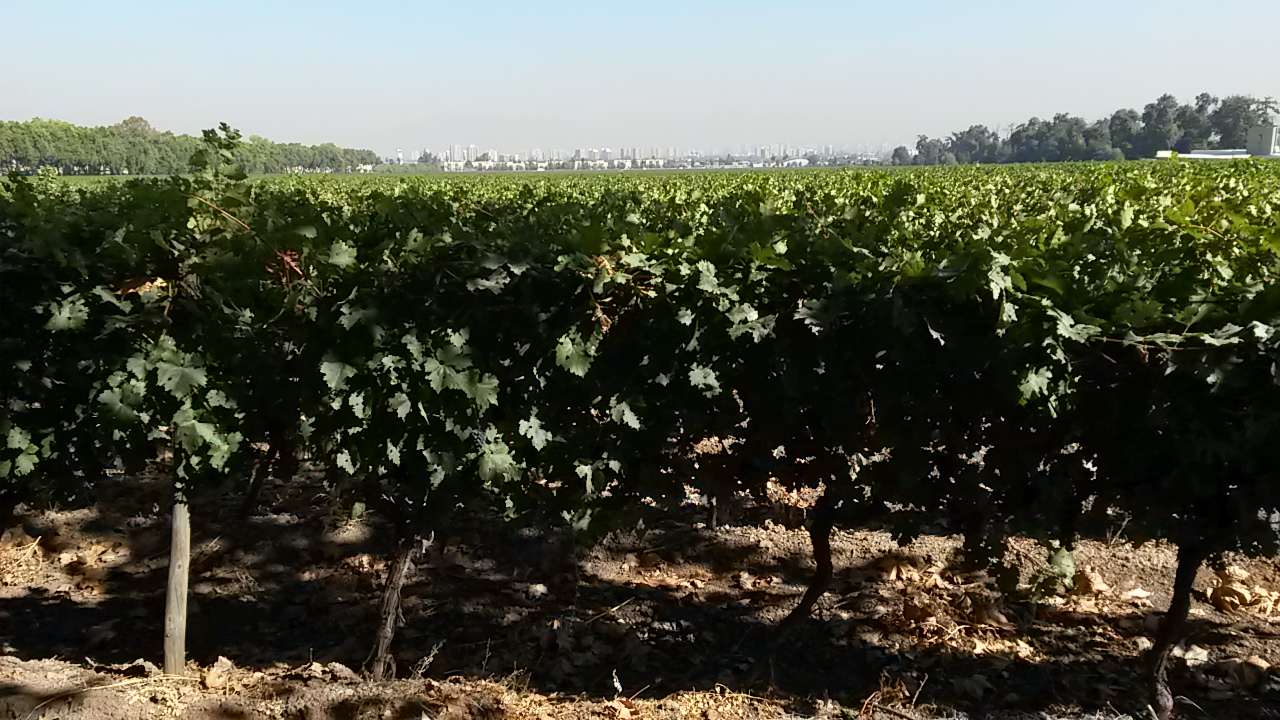
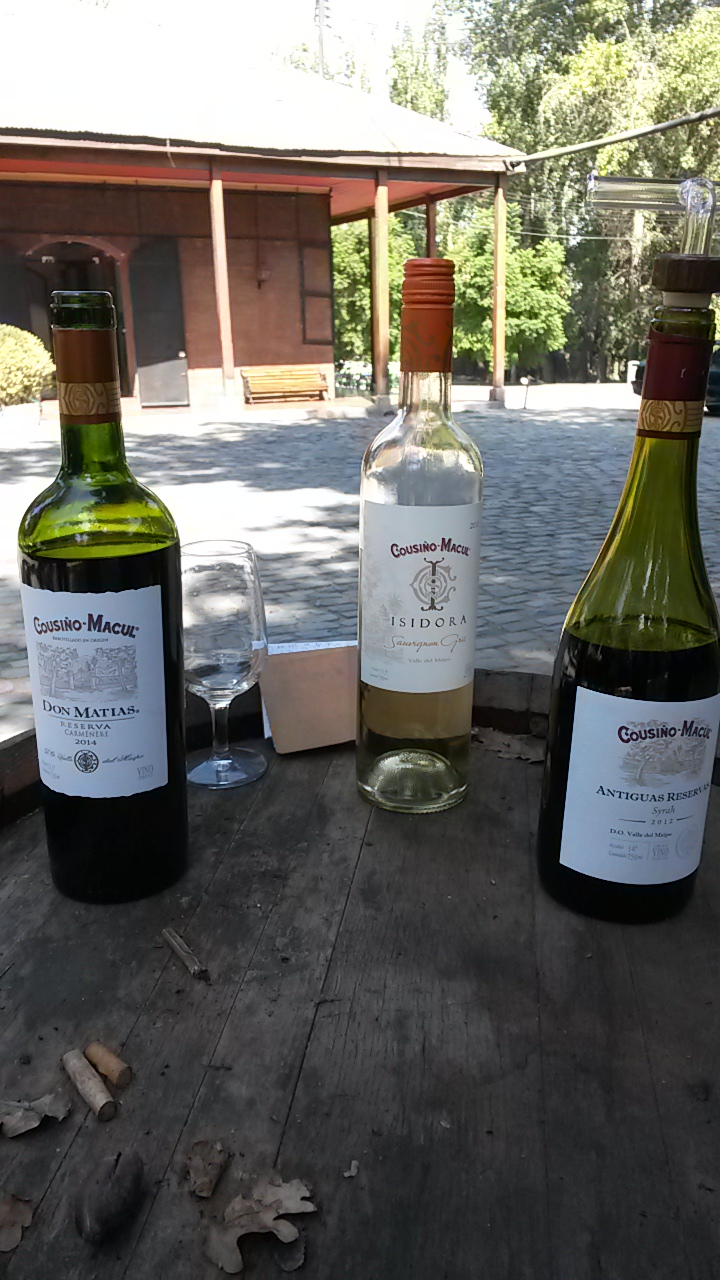
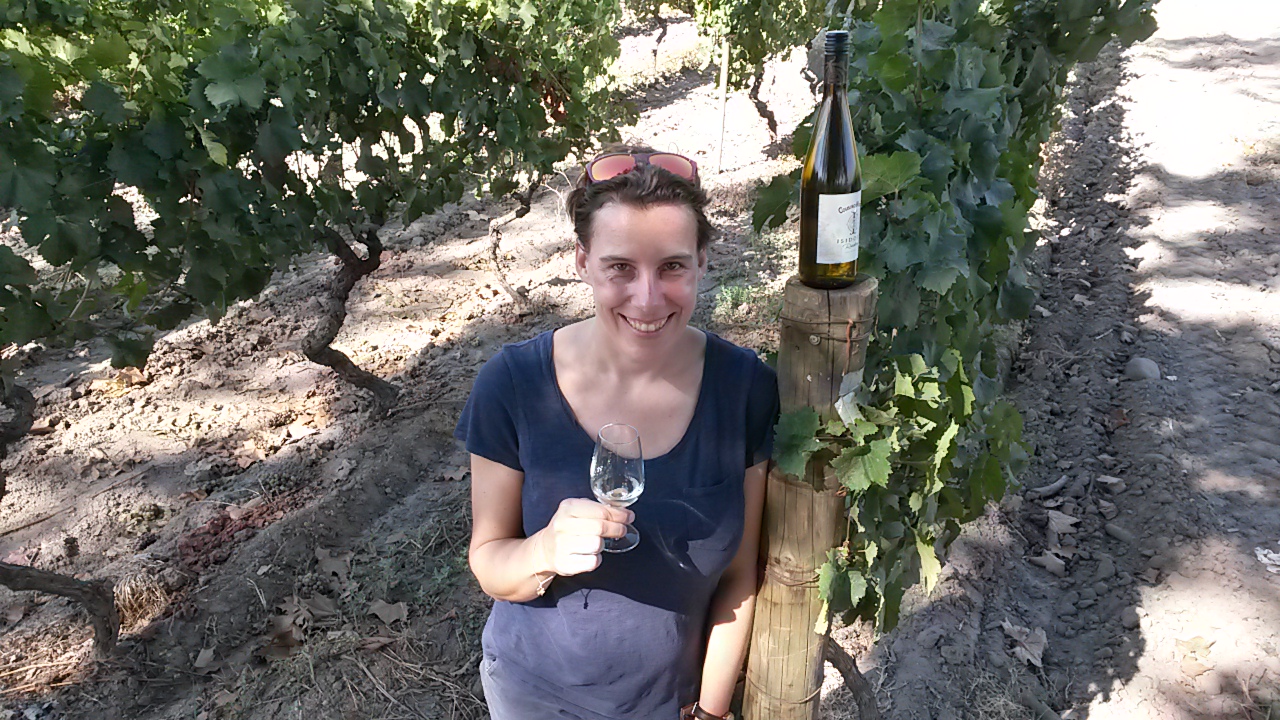
Santiago hit me big time as I hadn’t been in a large city ever since Buenos Aires, which was over a month ago. It is amazing to see the snowcapped Andes from the city. For some reason I hadn’t expected Santiago to be this close to the mountains. It made me realize how narrow this country is. Because Santiago is surrounded by mountains and hills, the city is almost always covered by a cloud of smog. That, the amount traffic and the many people was just too much to handle and thus I escaped the city on my first day for a bike and wine tour at Cousiño Macul on the outskirts of the city. Highly recommended! It does not involve  a lot of cycling, just a short ride to the vineyards. But it includes a wine tasting and an interesting tour around this old winery.

20150331_10595820150331_11222220150331_12281920150331_112938

Plus, you have to get there, which is part of the fun if you take the metro – it is a great place to people watch. I don’t think I have ever seen this many women breastfeeding their babies on public transport!!! It made me realize how conservative we are in Europe. Here it just seems very normal. One three or four year old kid, however, sat on his mothers lap and simply got out the breast himself… I would imagine that being rather unusual,  but who knows?!

Pablo Neruda’s house was a highlight in Santiago20150331_172220, as was the view from San Christóbal, the city’s biggest hill.20150331_182556

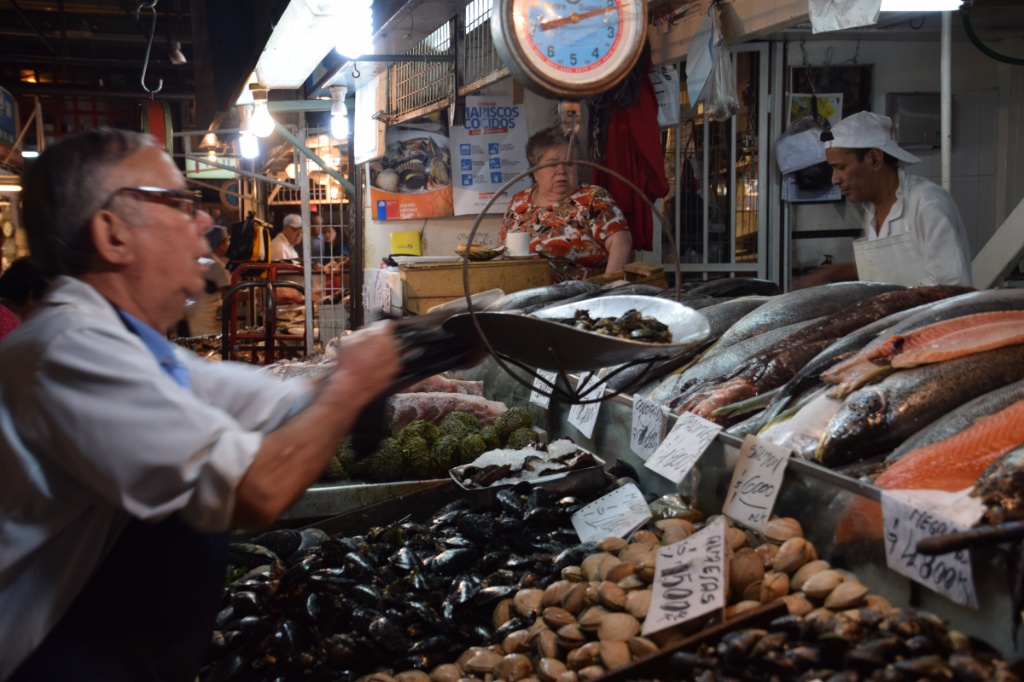
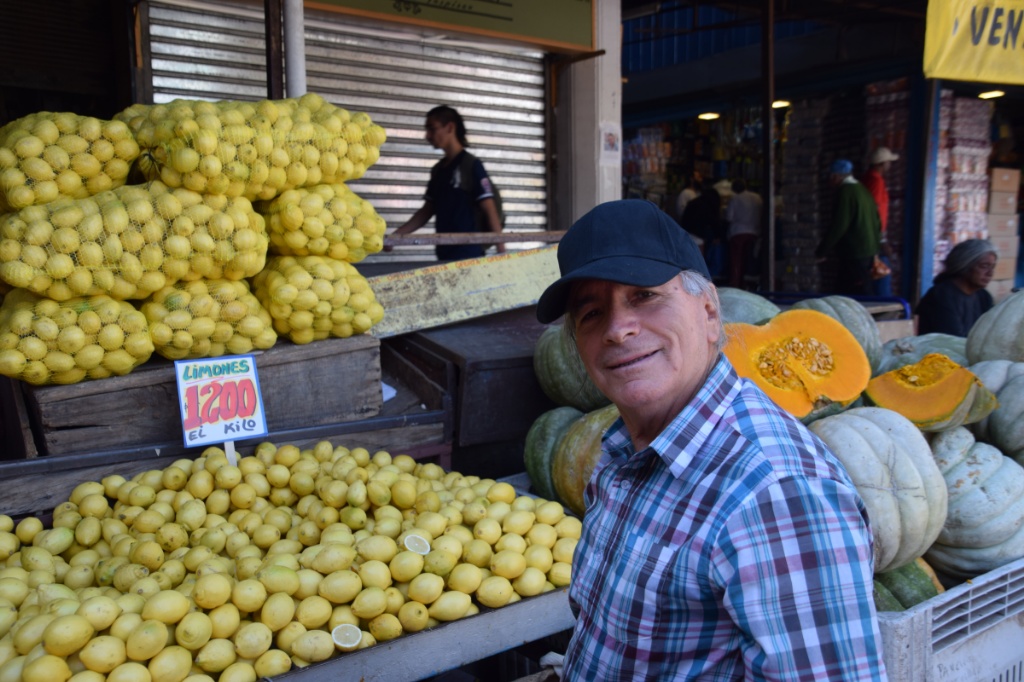
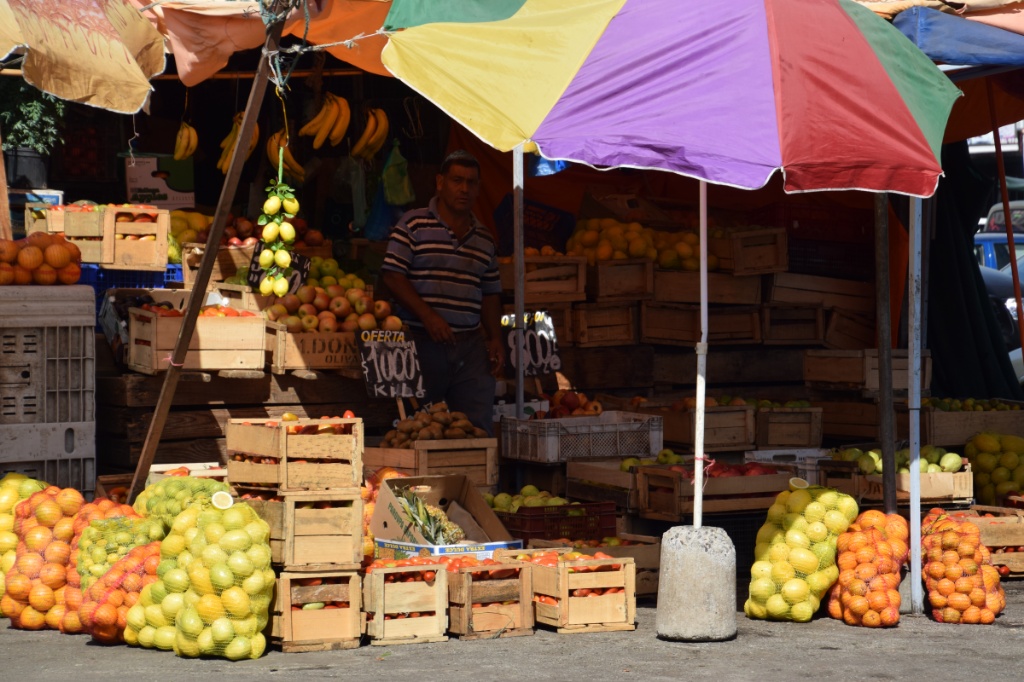
On day two I took the free walking tour (tour for tips), which had been recommended to me by numerous people and I, too, highly recommend it! I especially enjoyed the markets, a Santiago institution, where you can also go for a great meal.

IMG_20150421_083148IMG_20150421_083531IMG_20150421_083605IMG_20150421_083639IMG_20150421_083702IMG_20150421_084207

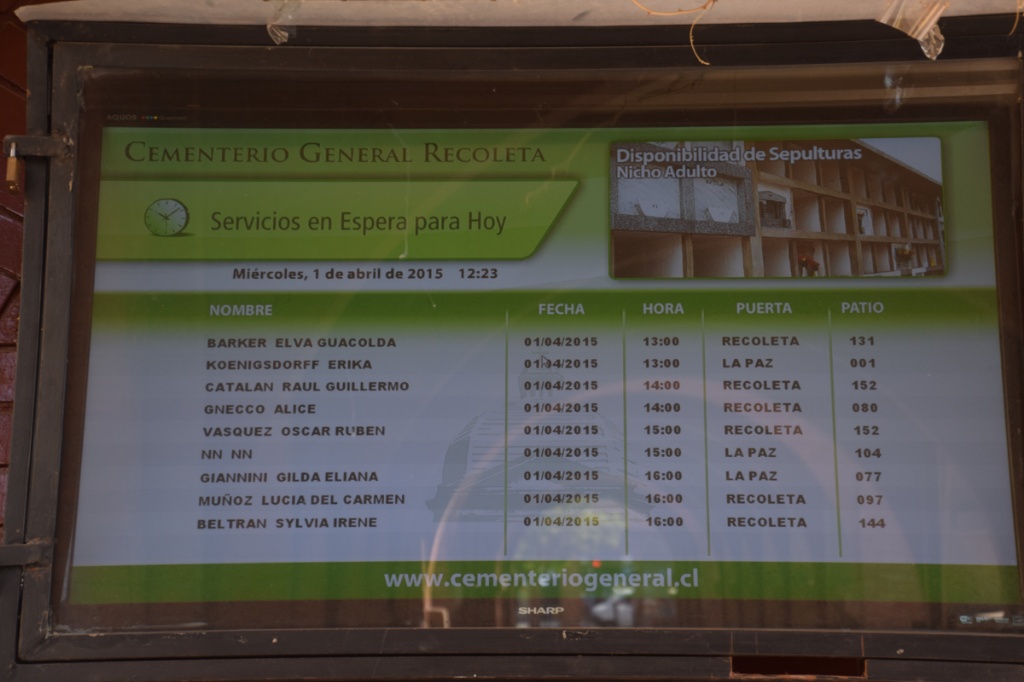
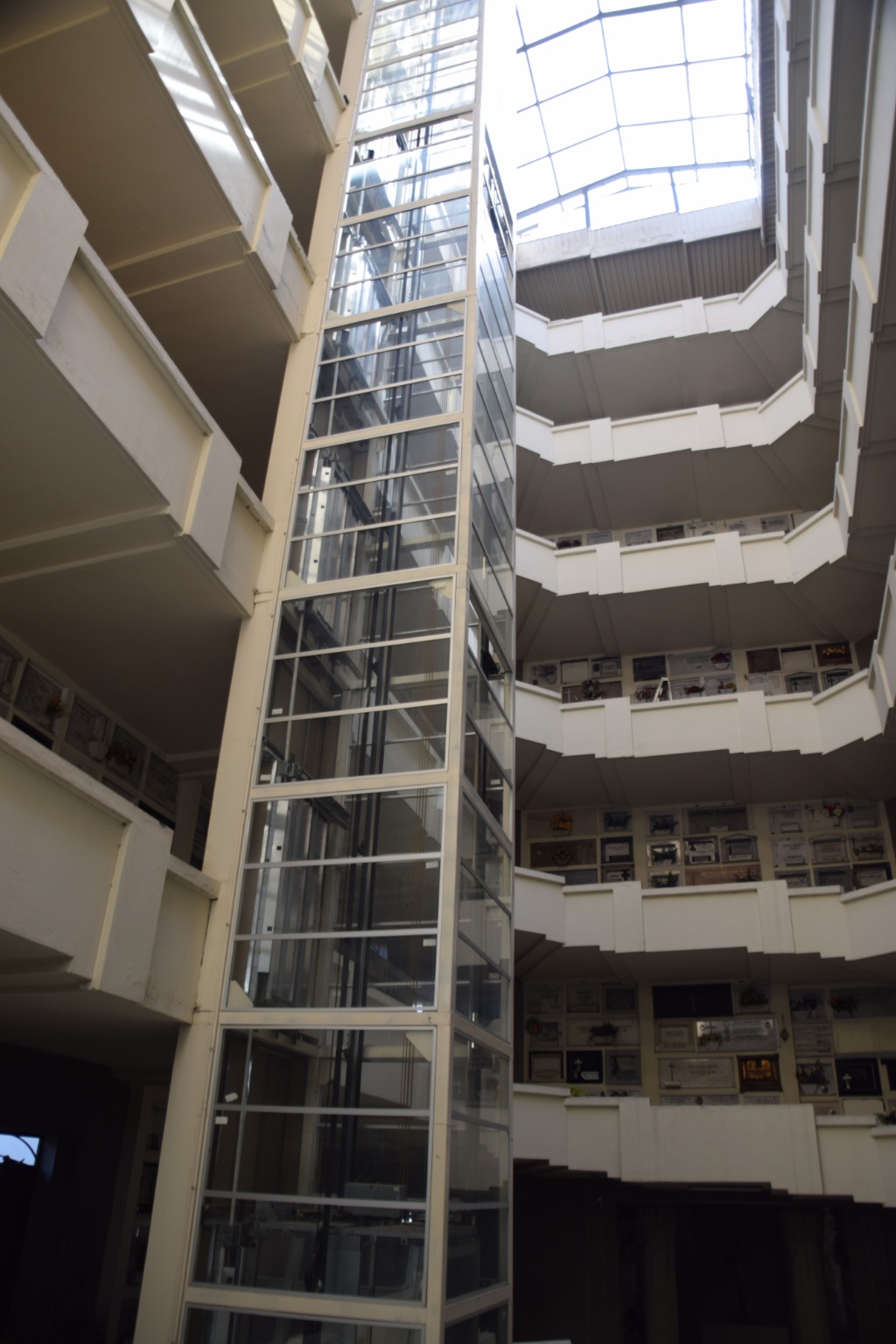
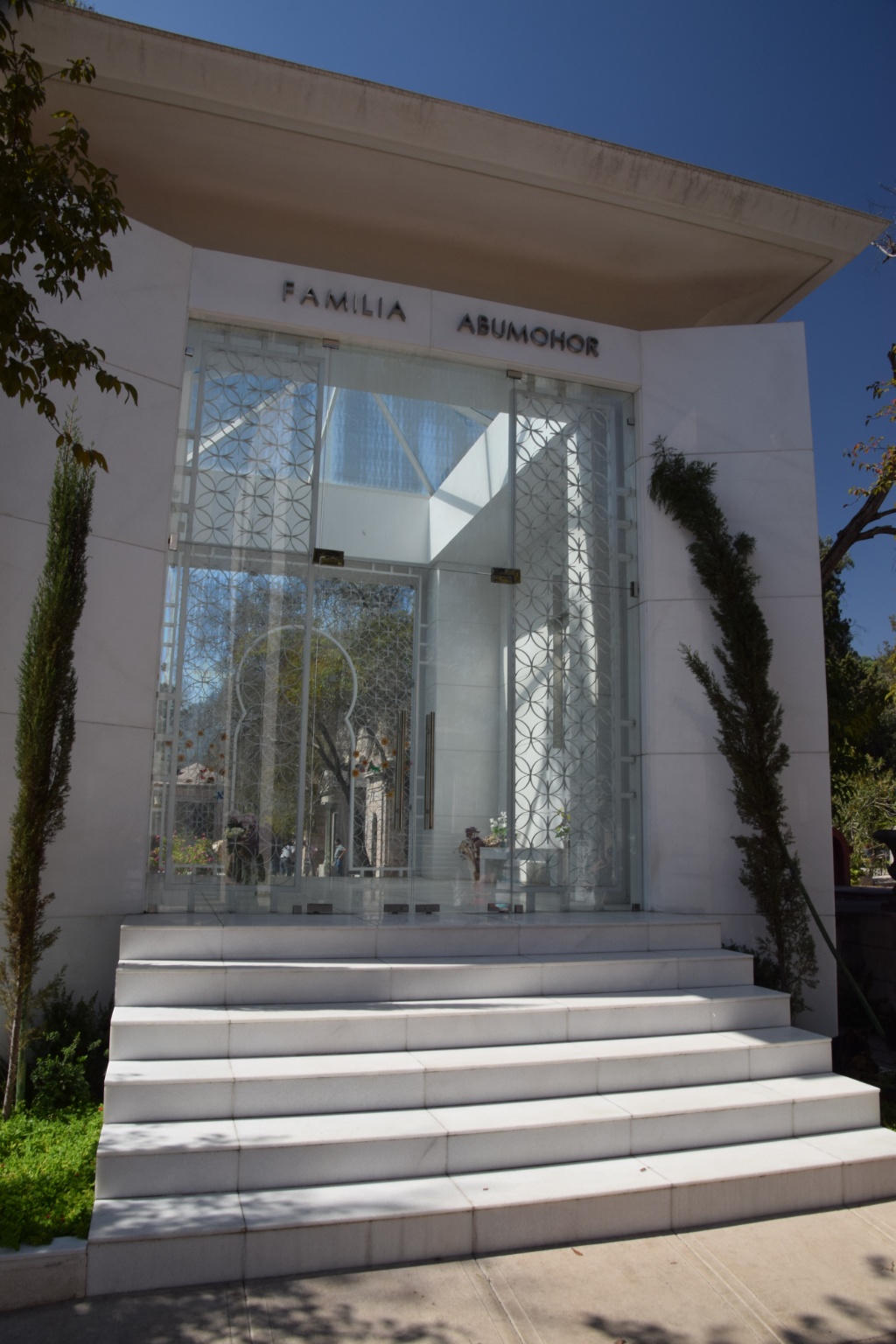
The large cemeterio was nothing like any other cemetery I’ve seen before. It is so big that a sceen at the entrance lists the funerals and their location. IMG_20150421_084234Apart from the usual graves IMG_20150421_084254 there are large buildings, e.g. one designed like an italian shopping mallIMG_20150421_084755, including an elevator, some enormous mausoleums IMG_20150421_084822IMG_20150421_084851and the presidents buried here all have very special graves, too.

This was the point when I finally learned a lot more details about chilean history, i.e. the presidency of Salvador Allende in the early seventies, the 15 year long dictatorship under Pinochet and the turn to democracy in 1989. Chile’s constitution established that at the 1988 plebiscite the voters could accept or reject Pinochet and to Pinochet’s surprise he was rejected by 54,4% – which also shows that the country was basically split into half! Most importantly our sympathetic chilean guide explained to us that the Pinochet era, after 25 years, still divides the country. That is because some people benefited while lots of others suffered, disappeared or were killed. This topic might even split families into half, resulting it to be a tabu at family reunions!

Pucon – waiting for Volcano Villarica to erupt (again)

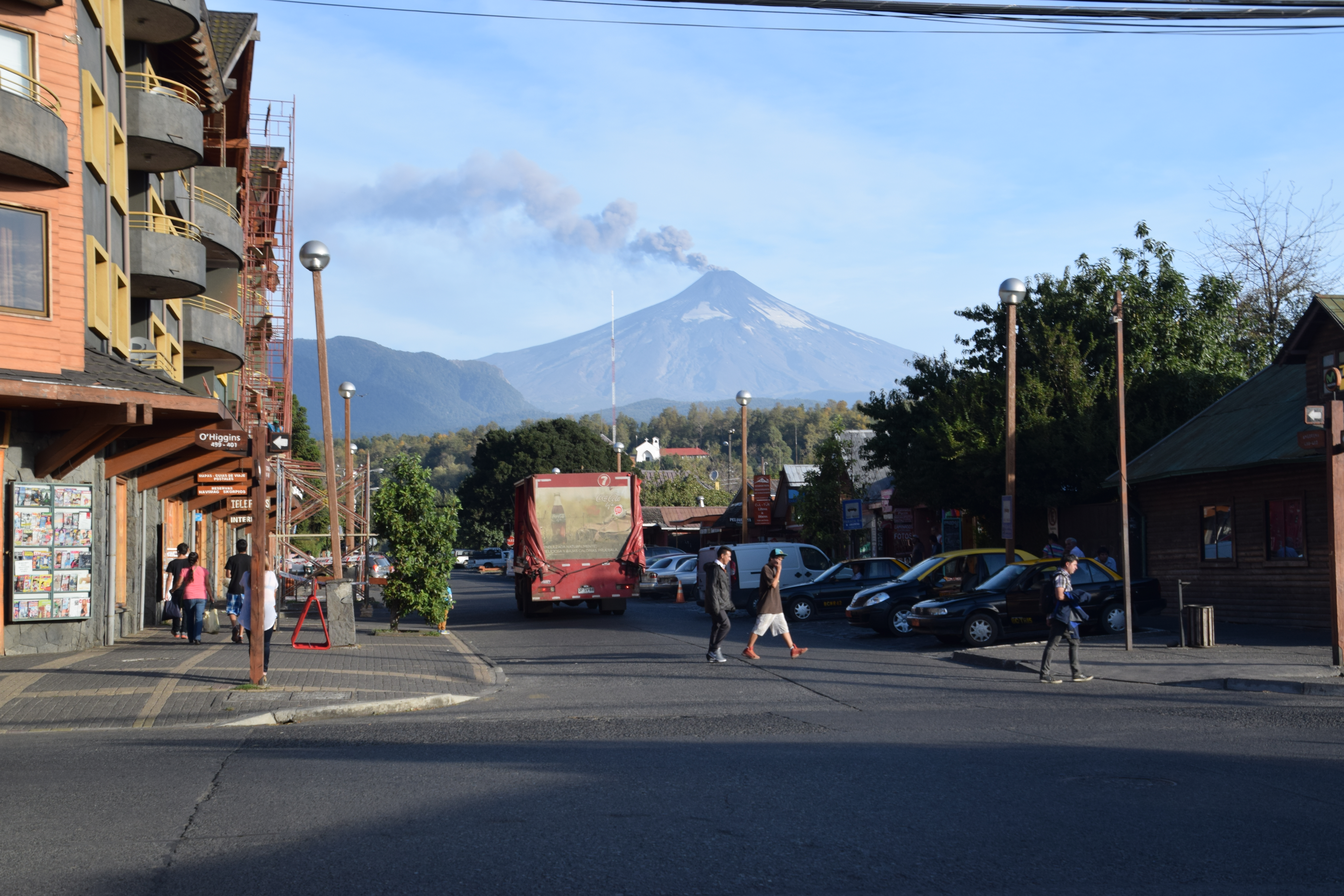
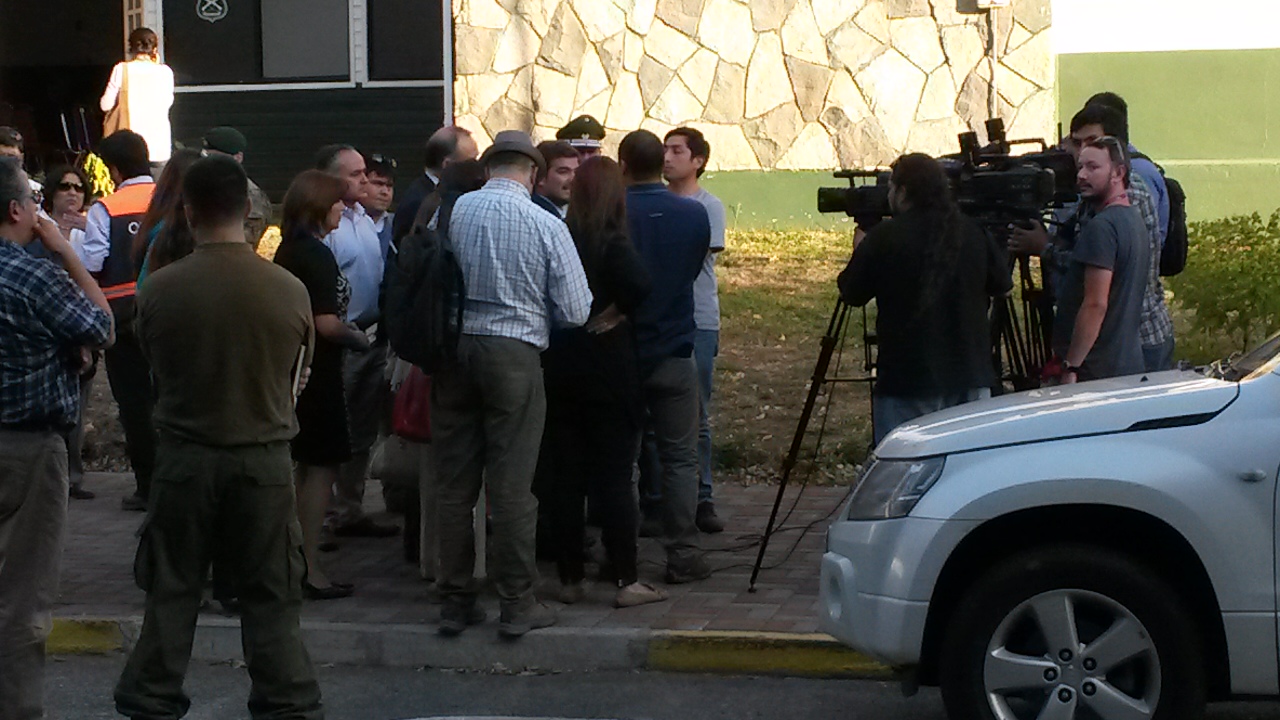
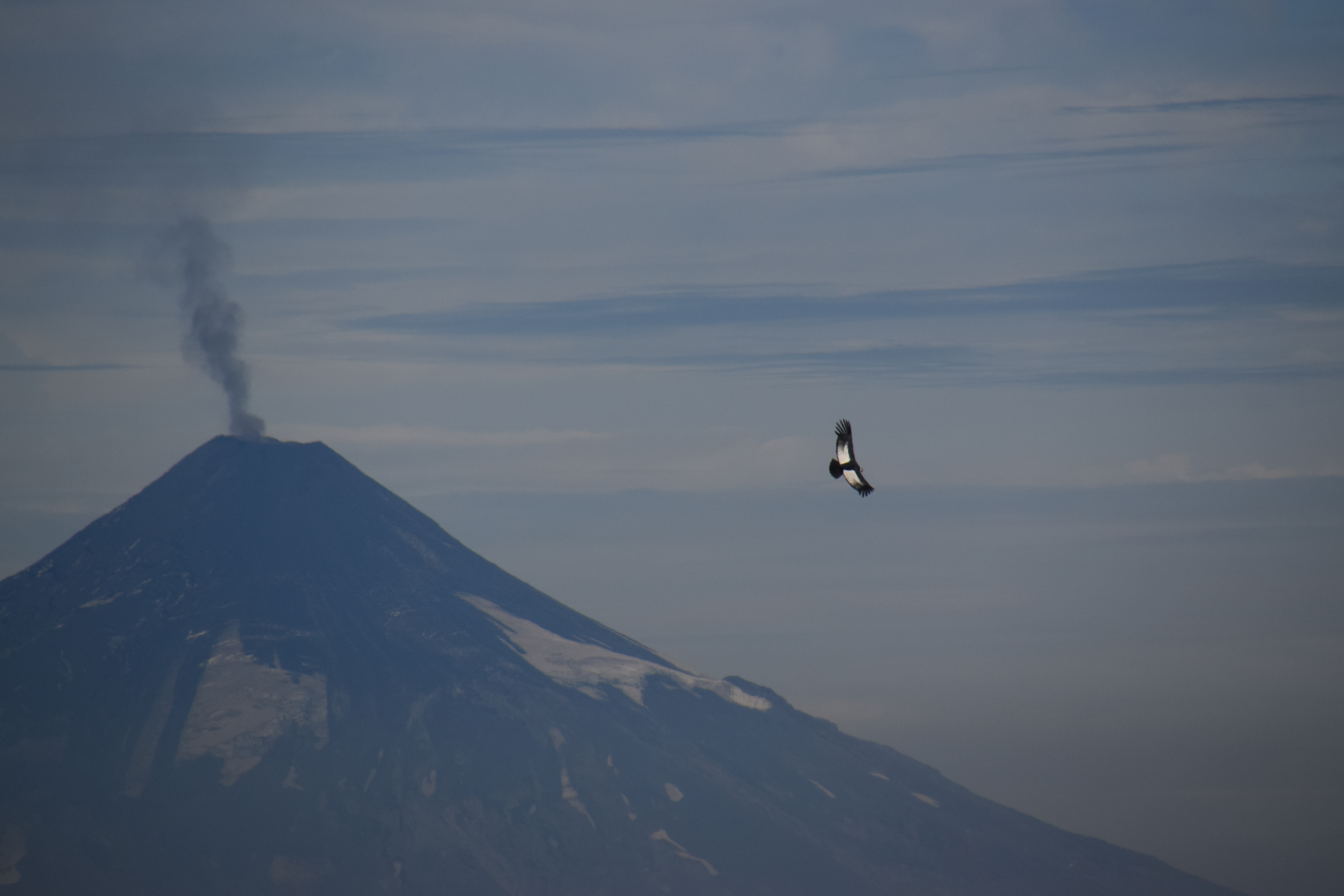
Volcano Villarica erupted a couple of weeks ago when I was still on Easter Island and we saw the spectacle on the news, but were also worried about the evacuation of Pucon and all other villages surrounding the spitting beast. It was over in a day and ever since Villarica has been puffing away in the usual manner.DSC_1638 The Pucon alert system was put on yellow when I arrived and while numerous TV teams were nervously roaming around, eagerly waiting for the Volcano to erupt, the locals stayed calm and relaxed!20150326_183936


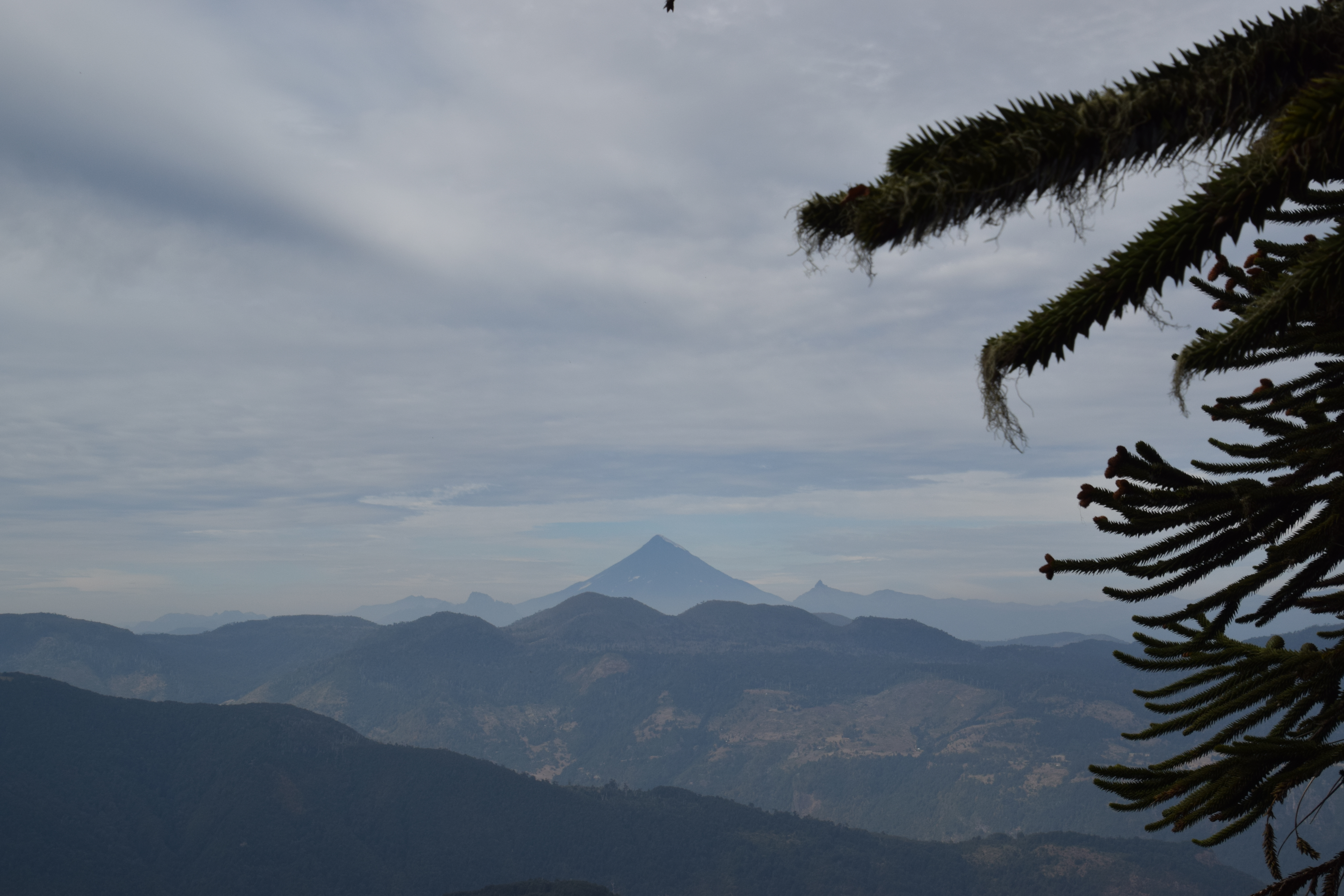
It did not erupt while I was there (and to my knowledge hasn’t ever since) … That said, because of the high alert it was impossible to climb Villarica and also the neighbouring Volcano Lanin, which, too, might erupt sooner or later. The option of climbing the in-between extinct Volcano Quetrupillán wasn’t very appealing. Instead I took the early morning bus to National Park Huerquehue (I’m still unable to pronounce that!) and climbed 1200m up to San Sebastian (6h return). Once again, it was worth the pain, for the extraordinary nature, bird life and especially for the 360° view from the top (including a view of the Volcanoes):

DSC_1542DSC_1544DSC_1580DSC_1583DSC_1601DSC_1627DSC_1634

Kuchen and other signs of German Immigrants in (southern) Chile

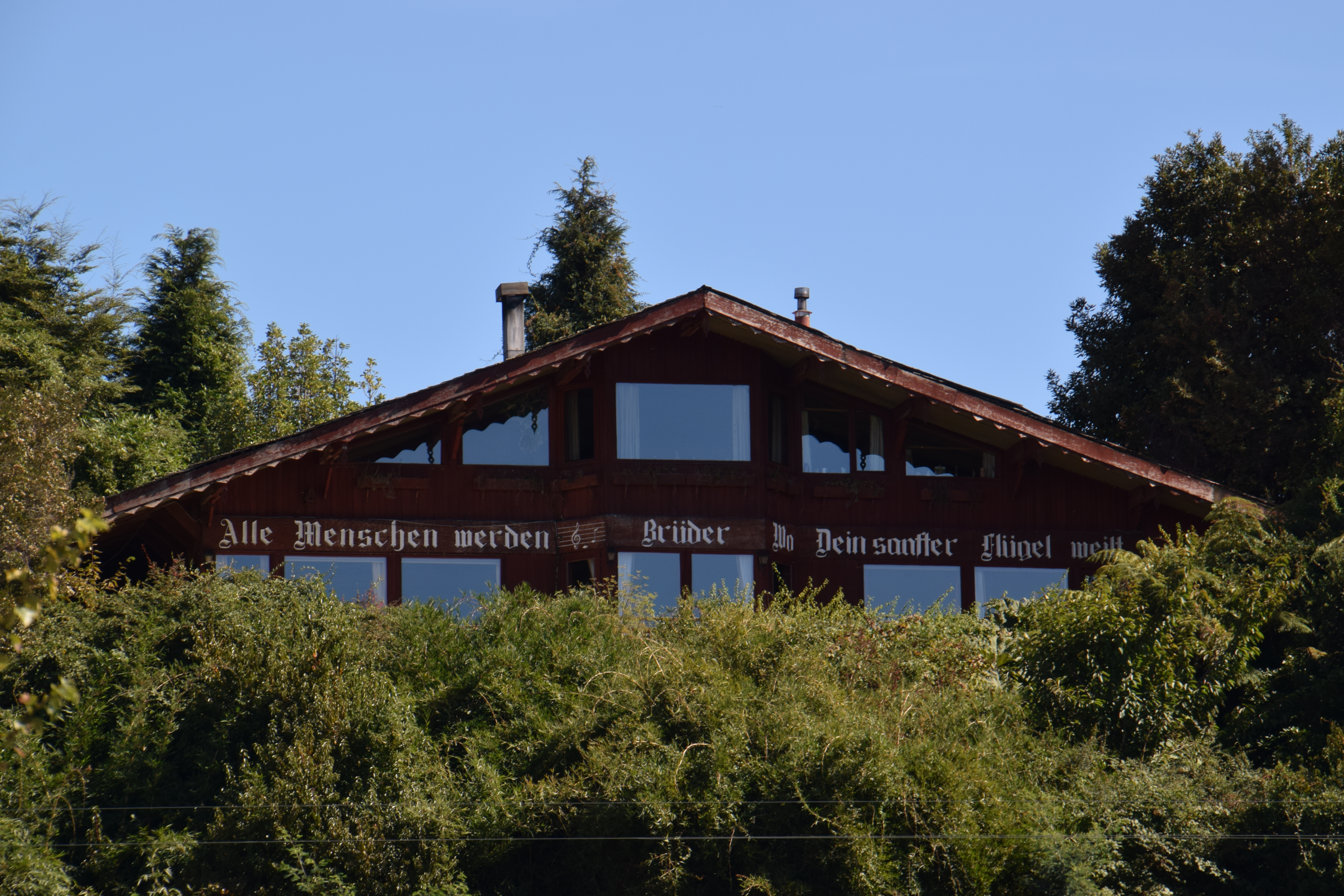
The lake region in southern Chile is full of signs of German immigrants, which can be a bit scary (at least for a german), as it seems out of place. It just seems weird that there are such strong influences that are still visible. Unlike in Namibia, I rarely heard anyone speak german, though, which came as a relief (that would have been even more awkward). However, a surprising number of Chileans speak quite a bit of german – even if their ancestors were not german speaking – and there seems to be a positive attitude towards germany and the germans in general (something you wouldn’t necessarily encounter in many countries in the world, be it for historical or cultural reasons).

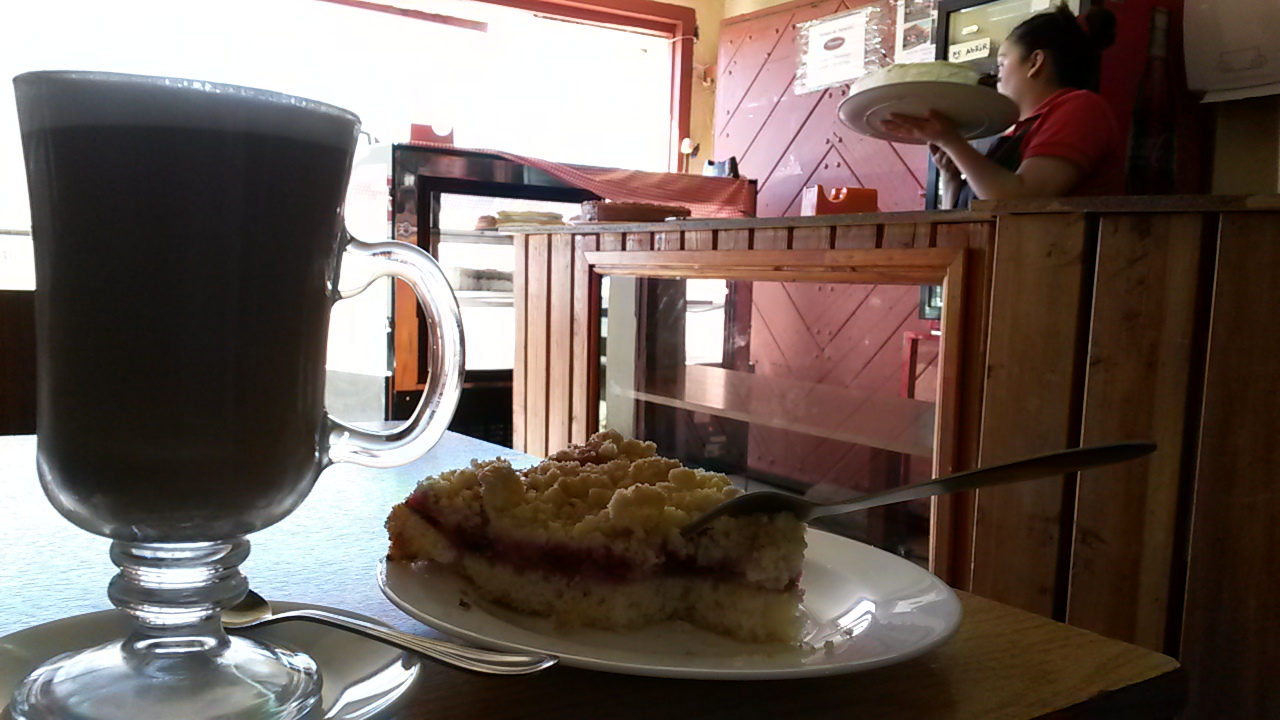
There is one german word that even made it into chilean spanish: “Kuchen” (cake). Chileans LOVE Kuchen and they eat it at any time of the day, even for breakfast (something I have only experienced in parts of southern germany – it is definitely not that common in my home country).20150325_123324

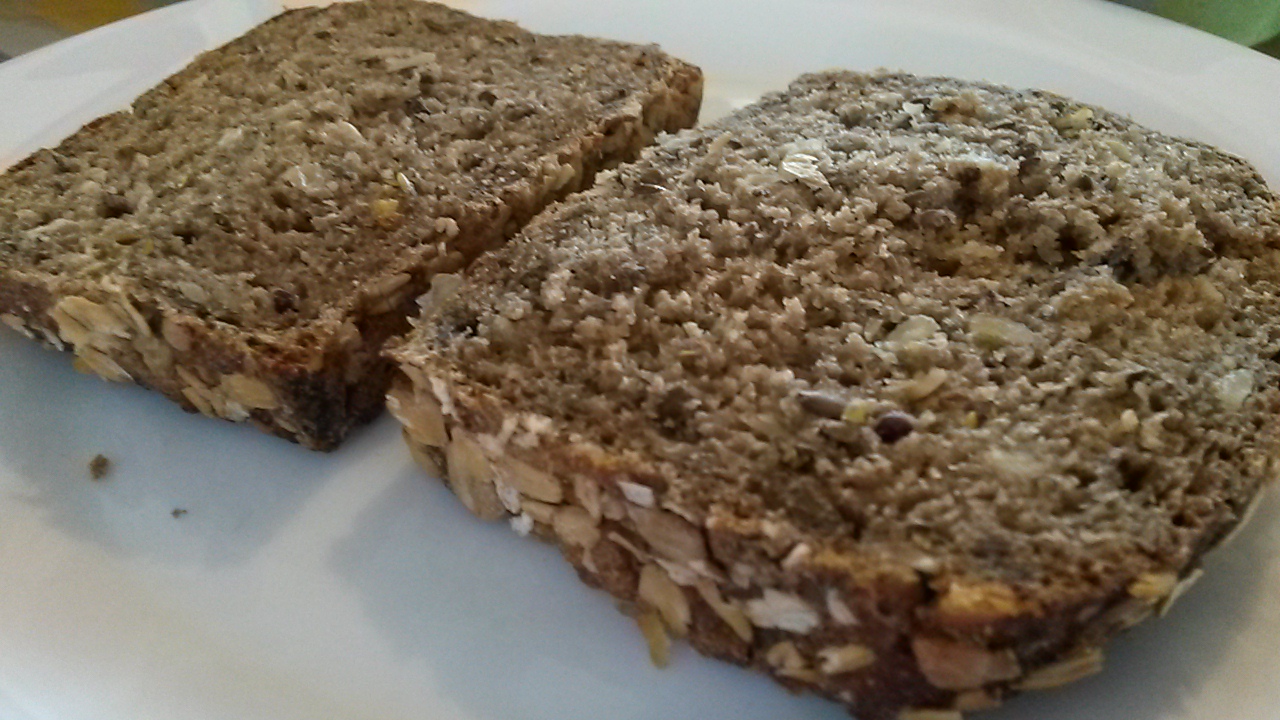
However, if you ask german travellers what they miss most while travelling you will never get Kuchen as an answer. It is always, yes, always, BREAD! Unfortunately the early immigrants either didn’t know how to bake good bread (unlikely, as they knew how to make good Kuchen) or no-one wanted to eat it and it vanished eventually (unthinkable!) or the bread that we are used to nowadays was only introduced in Germany after the emigration wave. If anyone knows, your input is much appreciated! (I only found one bakery, in Pucon, that had amazing german bread and I bought a loaf and inhaled it’s wonderful smell before indulging in the taste – the bakery is called “Rostock”, most certainly after the german city with that same name, and it’s on O’Higgins). 20150326_114723

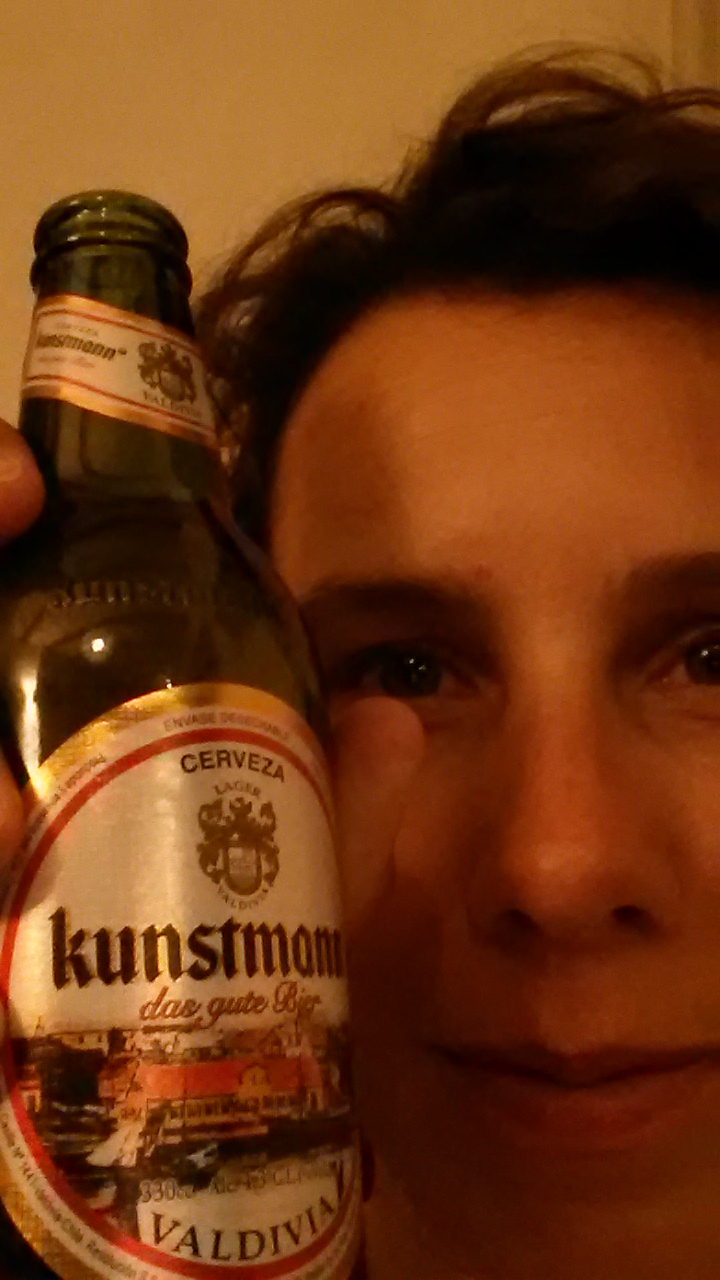
Here is something esle that I much appreciated: beer brewed after the german Reinheitsgebot, meaning it only contains hops, malt, yeast and water. One brewery even uses a german subslogan: “Das gute Bier” (the good beer). 20150325_232608

In the region around Puerto Varas and especially in the german colonial town Frutillar all Klischees were confirmed: houses, names, Kuchen, sausage dogs – and fjnally I even found some “Gartenzwerge” (garden gnomes)!

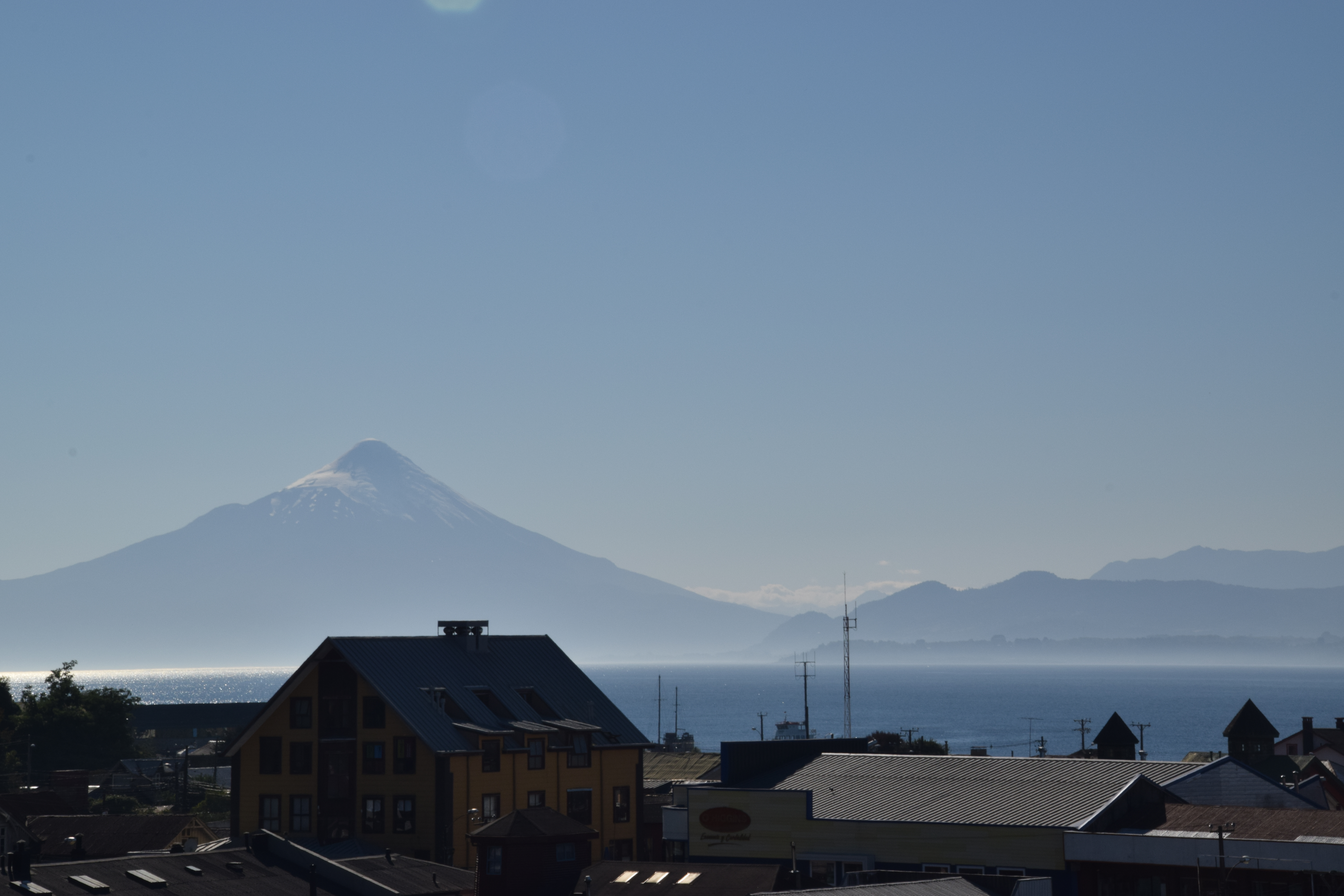
Purto Varas with view of Osorno Volcano and Llanquihue Lake
Church in Frutillar
Church in Frutillar

DSC_1526DSC_1524

“Mana” and the wonders of Easter Island

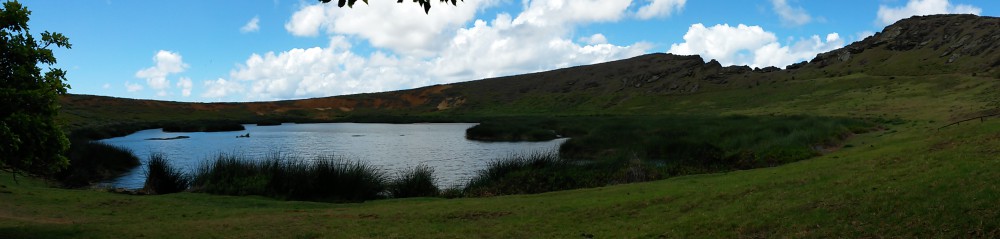
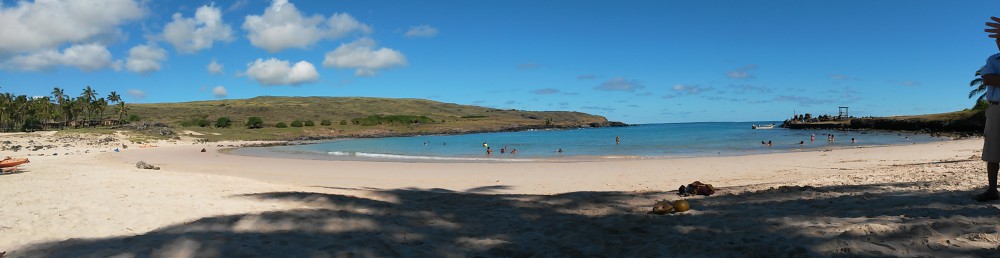
You can feel the “MANA” just about everywhere on this beautiful island, situated in the middle of nowhere in the Pacific Ocean (it is in fact the worlds most remote inhabited island). Mana is what they call the spirits that can evolve from anything, a person, object or nature. The Island’s nature is, despite its small size of only 163 square km, very diverse. The breathtaking view from the edges of  the extinct volcanoes onto the freshwater crater lakes certainly makes you feel the mana of those places!

Rano Raraki
Rano Raraki
20150226_112452
Orongo crater lake

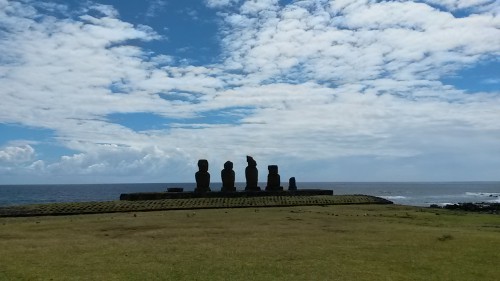
And then there is the “Moai”, massive statues carved at the Rana Raraku Volcano, which were then schlepped and put up in various places on the island. Many of them still lay face down, but a lot have been reerected in the past 60 years and they, too, exude a lot of mana, which is why you’re not allowed to come close to them. 20150225_152745

Now, I can alraedy hear some of you, screaming “now she’s trying to lecture and bore us with Rapa Nui culture and history”! You might just want to stop reading here. I’m far from lecturing anyone with the little I learned, but it’s just too impressive to not mention it.

In short: Some 100 Polynesians arrived with their canoes ages ago and the 12 or so sons of the arriving polynesian chief formed different clans that all lived happily for some hundreds of years in which they created a strong culture based on polynesian beliefs. What is special, though, is that they carved and put up hundreds of Moais, most of them looking inland towards their villages to protect them with mana. These Moais represent respected elders and were created to resemble them. As time went by the Moais created appeared less human and more god-like and they got bigger and bigger. Somewhere along that line the birdman competition evolved, meaning that every chief sent off one warrior to a motu (small island 1km from the western cliffs) in order to bring back the first sooty tern egg laid by the migrating birds. The winner’s chief was declared Birdman (thus having loadsof mana) and his clan took command of the whole island for one year. This cult was probably a result of the failing ecosystem, as the growing population outpaced natures capacity to renew itself.  This also resulted in fights among the tribes, who toppled many of the almost 300 Moai statues. All other statues fell as a result of tsunamis and other natural disasters. The missionaries ended the Birdman cult in the 1860s. Slavery, diseases and other catastrophes led to a decimation of the population to only around 100. Although Easter Island officially belongs to Chile, the Rapa Nui culture is still strongly influenced by its polynesian ancestors, especially the language, music and dances.

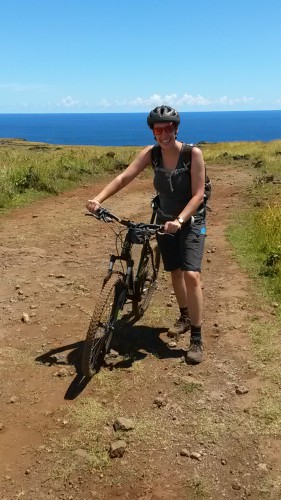
I had plenty of time to explore the island’s volcanoes, quarries, Moais, caves, beaches and the (only) village by foot, bike (really needed to be active again after that lazy week in French Polynesia and luckily the climate is much more pleasant with a high of only 27°C) and with a small group tour (photos to follow). It is amazingly “empty” and you can walk for at least two hours without meeting anyone! They only have 90.000 visitors a year, but tourism is increasing, so you’d better visit this amazing island sooner than later…

20150228_15050720150301_10355820150302_14401120150302_10241120150301_111555

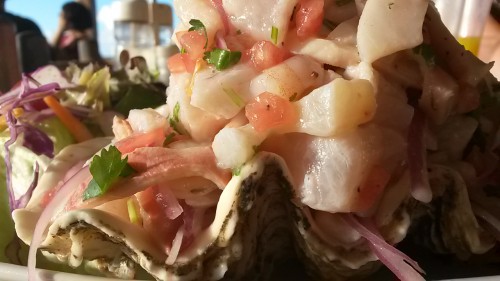
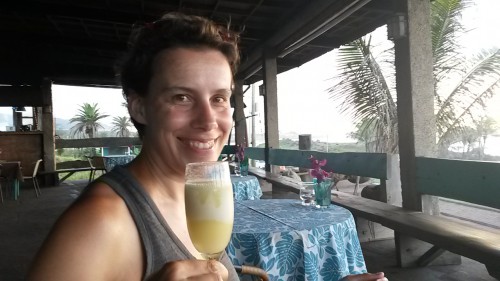
When it comes to food, there is a great Chilean influence: tasty tuna empanadas, Ceviche (raw fish)20150303_192655,  all kinds of seafood, most definitely accompanied by Pisco Sour – love it! 20150227_195054 What’s best though, and this came as a surprise, is Mikafe’s ice cream parlour at the small pier! The ice cream is by far the creamiest and tastiest I have had in ages 20150228_165618 and they have a great variety, e.g. “Piña” made from the small and sweet local pineapple. To die for!

We’re gonna indulge in seafood and icecream again tonight before we’ll watch the sunset!

Manly, beautiful Manly!

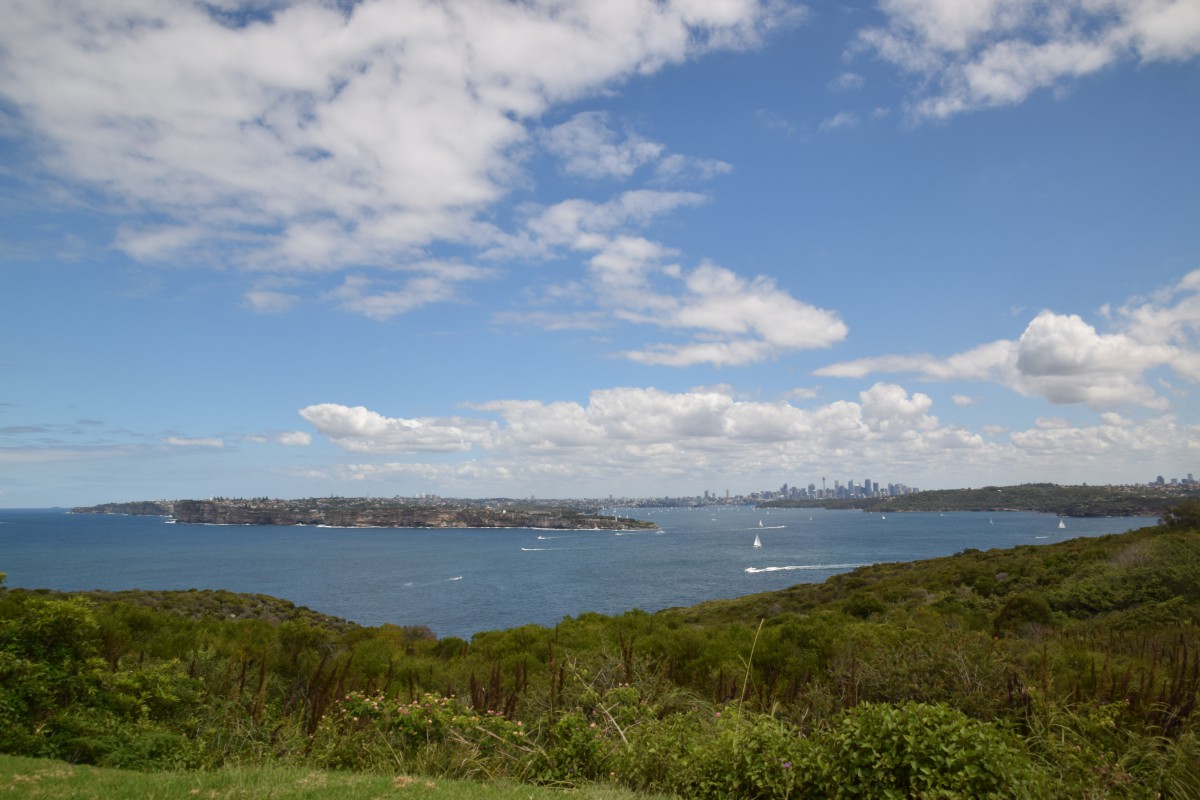
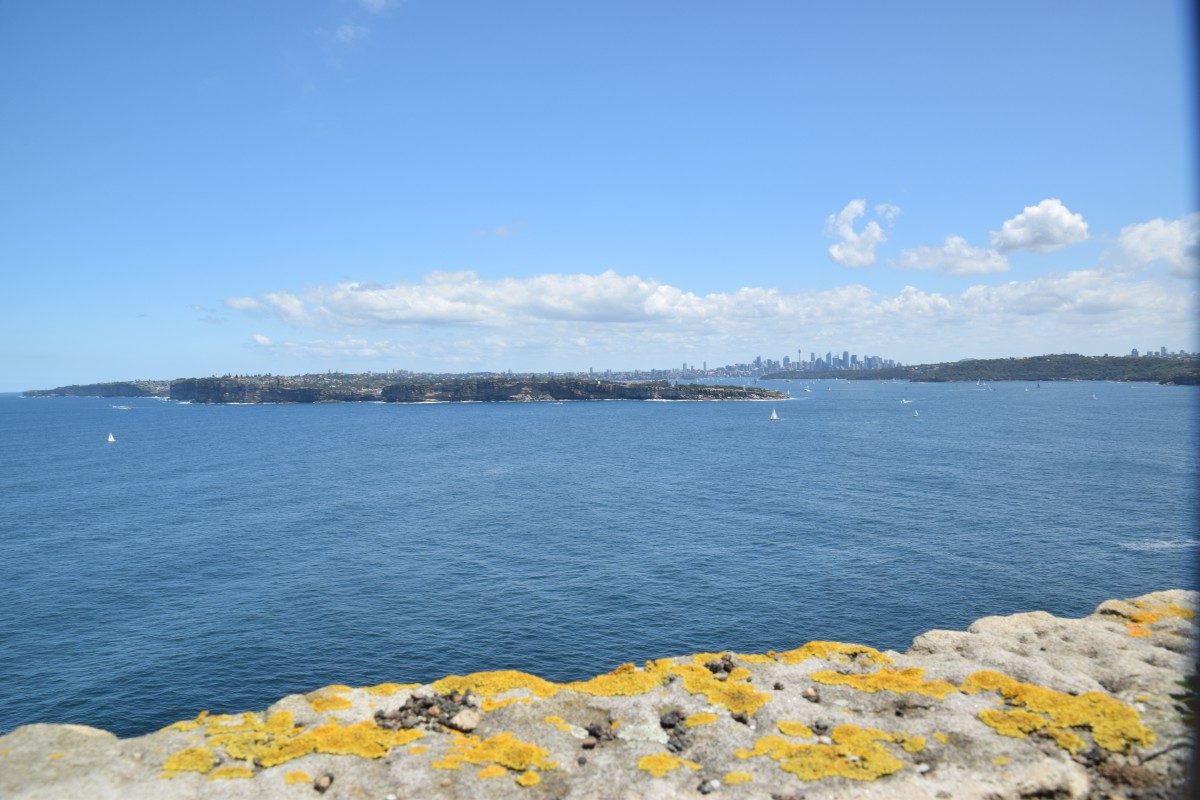
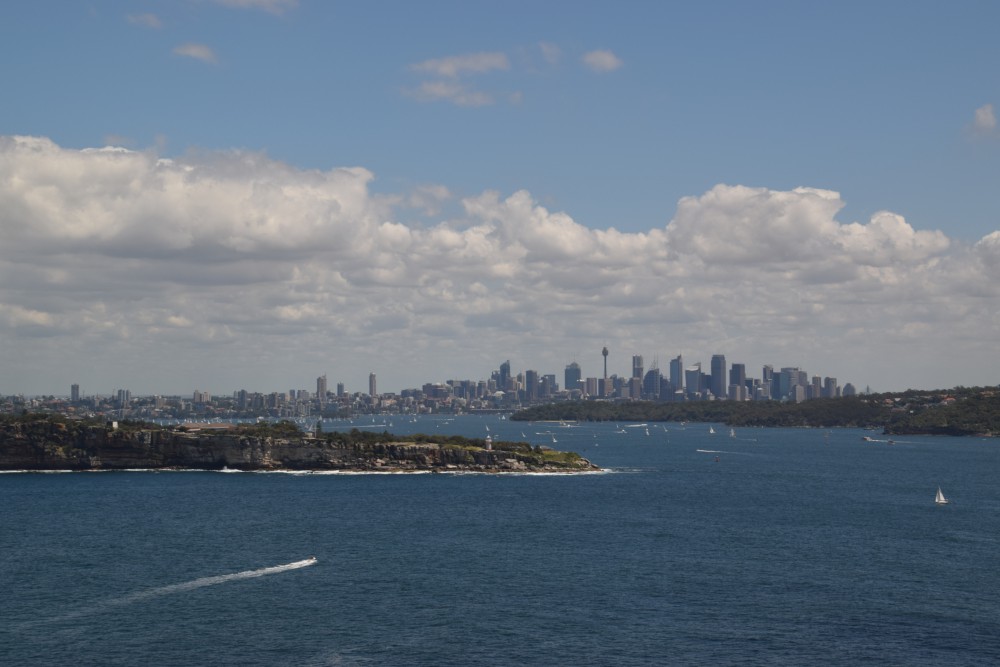
I payed Manly another visit last Saturday, this time with my bike (which you can take onto the ferry for free). Arriving in Manly around noon I made my way up, up, up the steep hill to get to North Head. When I finally reached it, I was rewarded by this:

View of Sydney from North  Head,  Manly.
View of Sydney from North Head, Manly.

DSC_0093DSC_0083

What a stunning view of the city and the sea! I also rewarded myself with an iced coffee at the cute café up there (probably the 20th during my travels, but as long as I keep active it hopefully won’t show)…!

Going downhill to secluded Shelly Beach was so much more fun. A quick change into my bikini and “ziiiisch …” I joined the saturday crowd for a swim to cool down on this hot day.

The Australian Open of surfing started off that day, too, and later that afternoon I watched the juniors (girls) riding the waves from Manly Beach. Another reason why Manly has become my favourite destination around Sydney is the fact that they have 6 beachvolleyball nets at the beach. Today they had a fun tounament going – just like every other saturday. Wish I could have joined them…

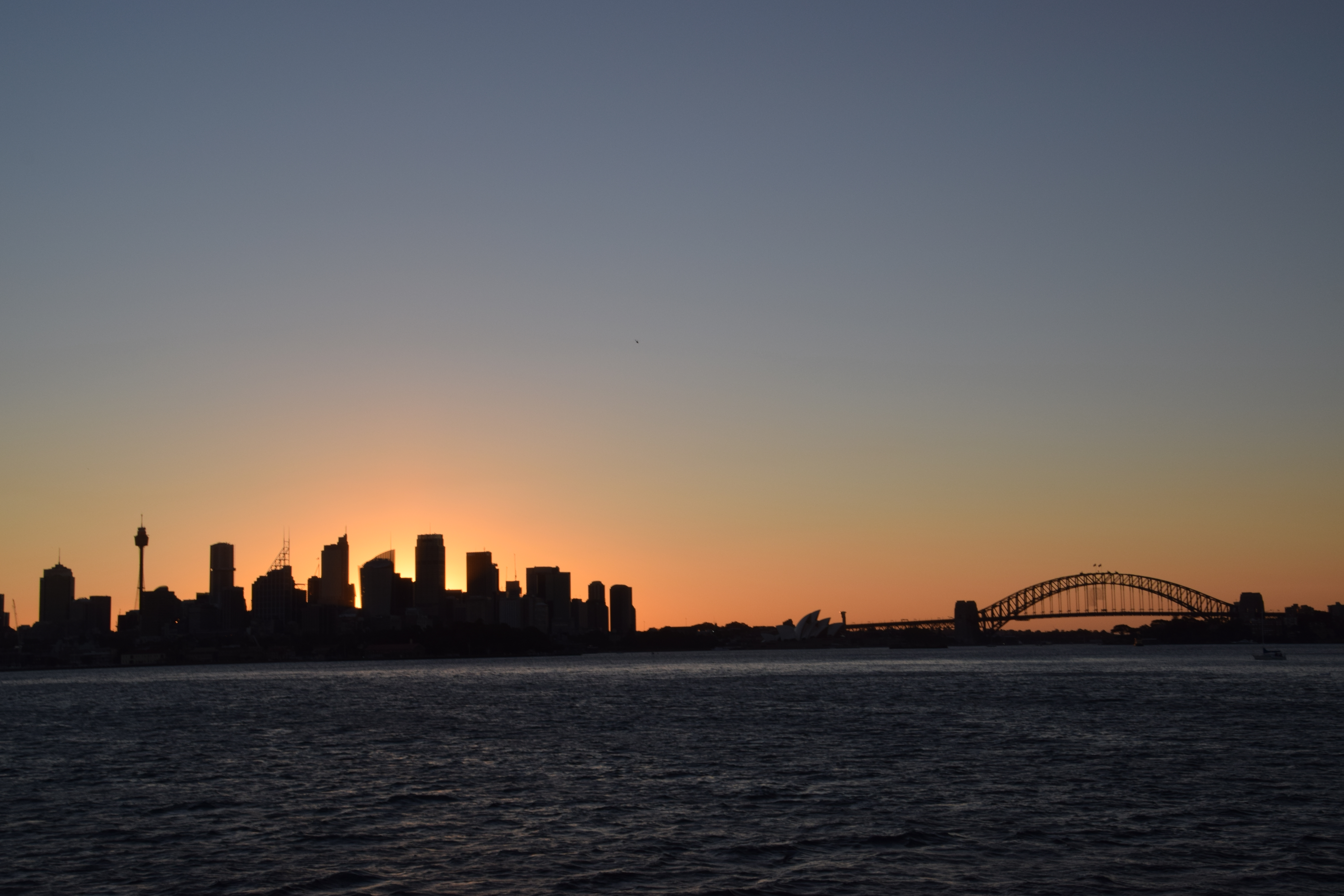
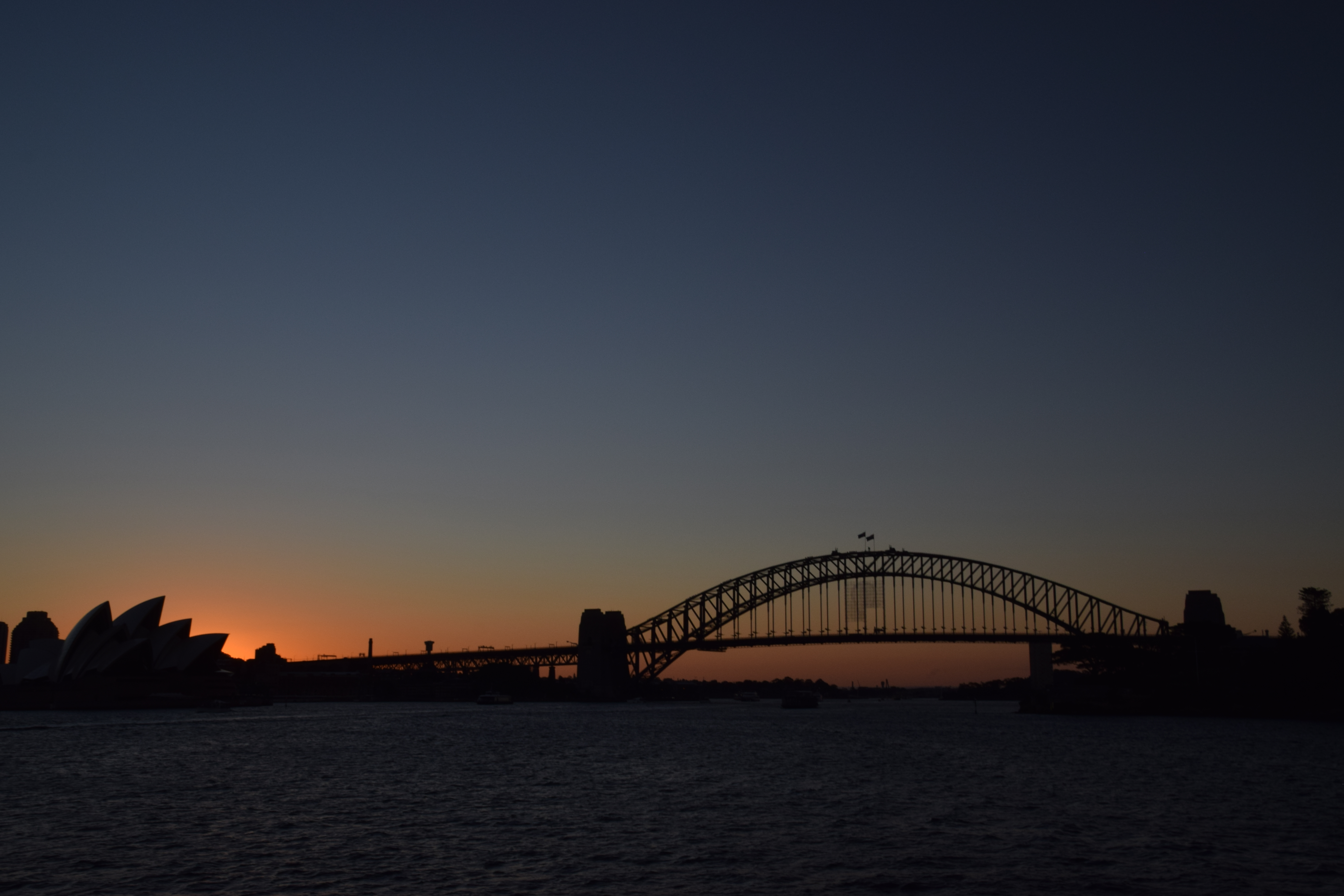
The 30 min. ferry ride back to Cicular Quay at 7.30 pm was spectacular, as the sun was setting behind the city:DSC_0155DSC_0176

Wanaka, West Coast, Wanderlust, Wine & Whales

Now that I actally have access to free, unlimited and reliable wifi, I’ll give you a wrap up of the two wonderful past weeks in NZ.

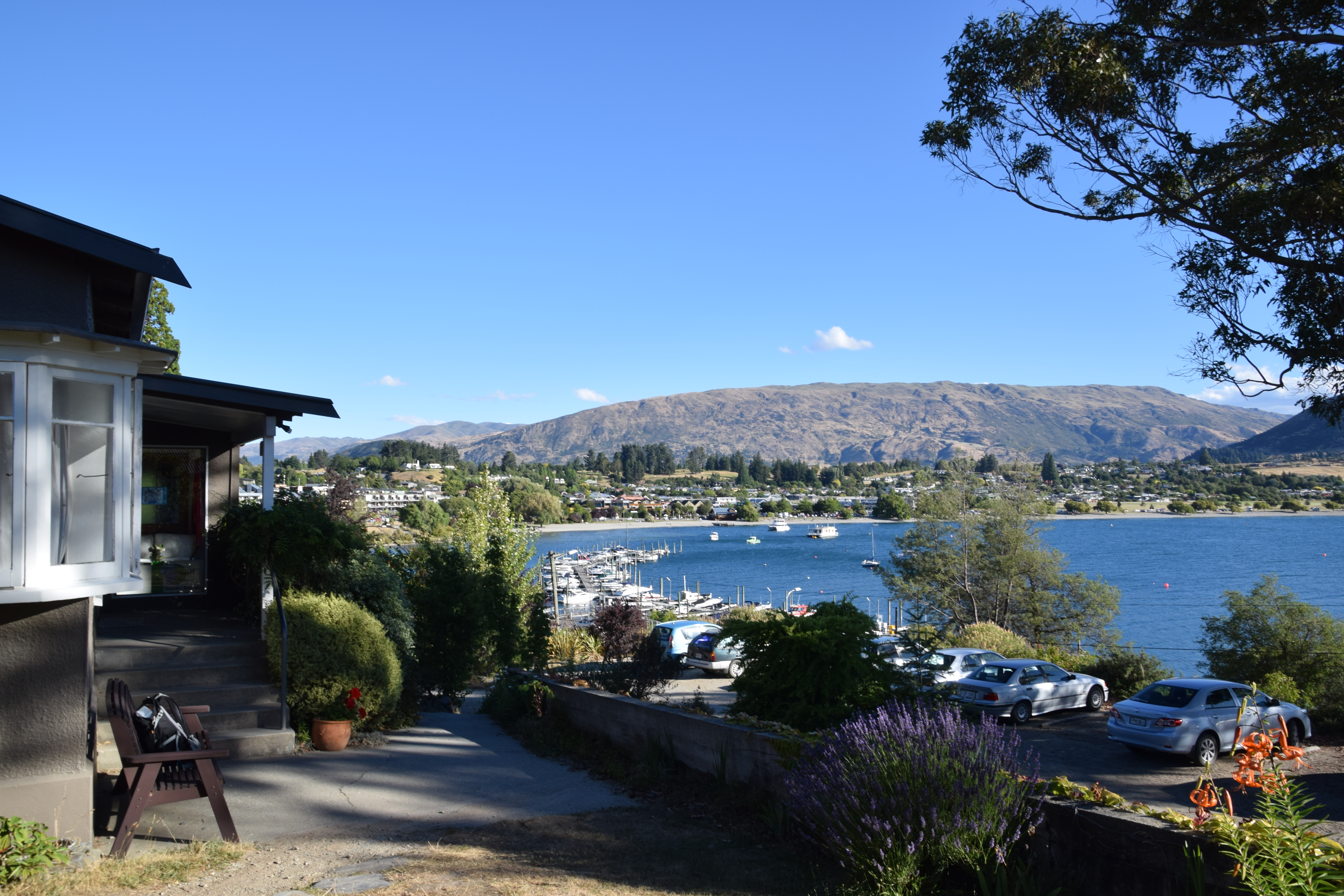
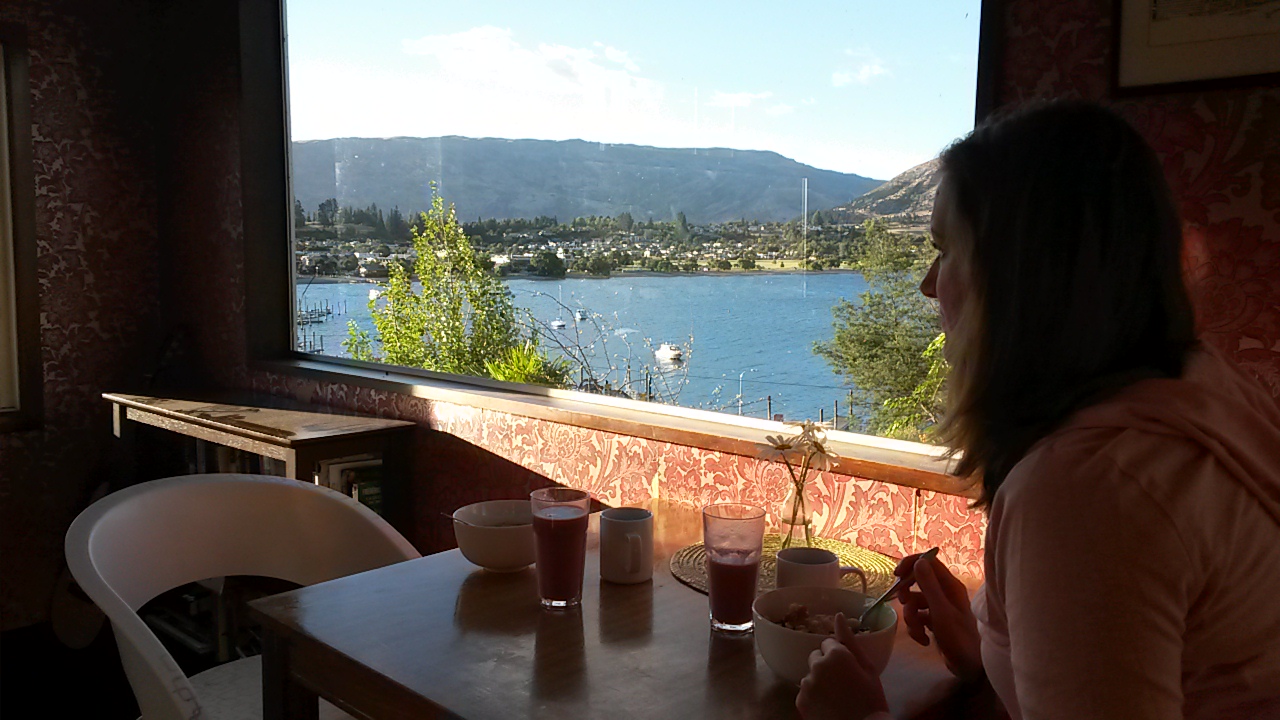
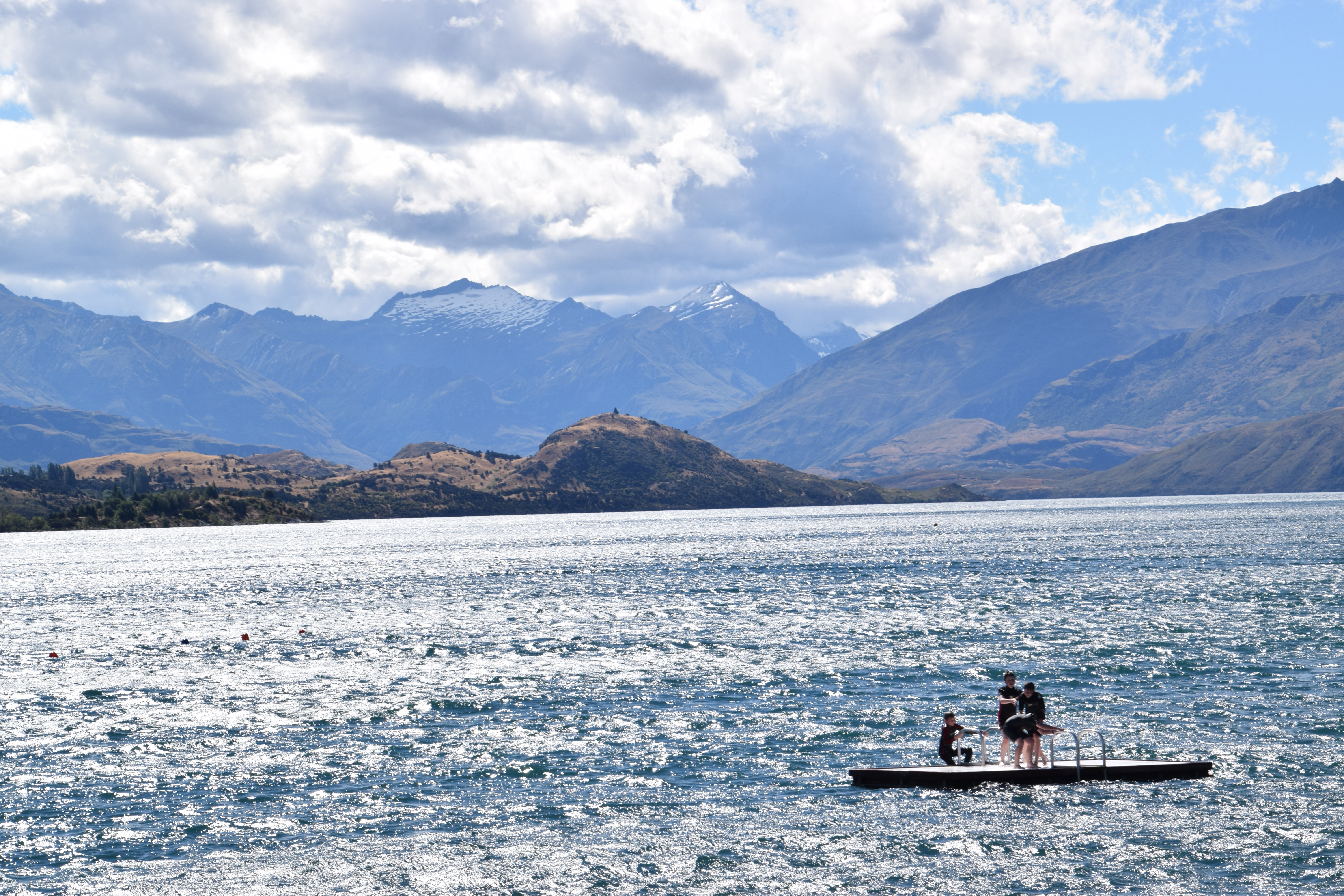
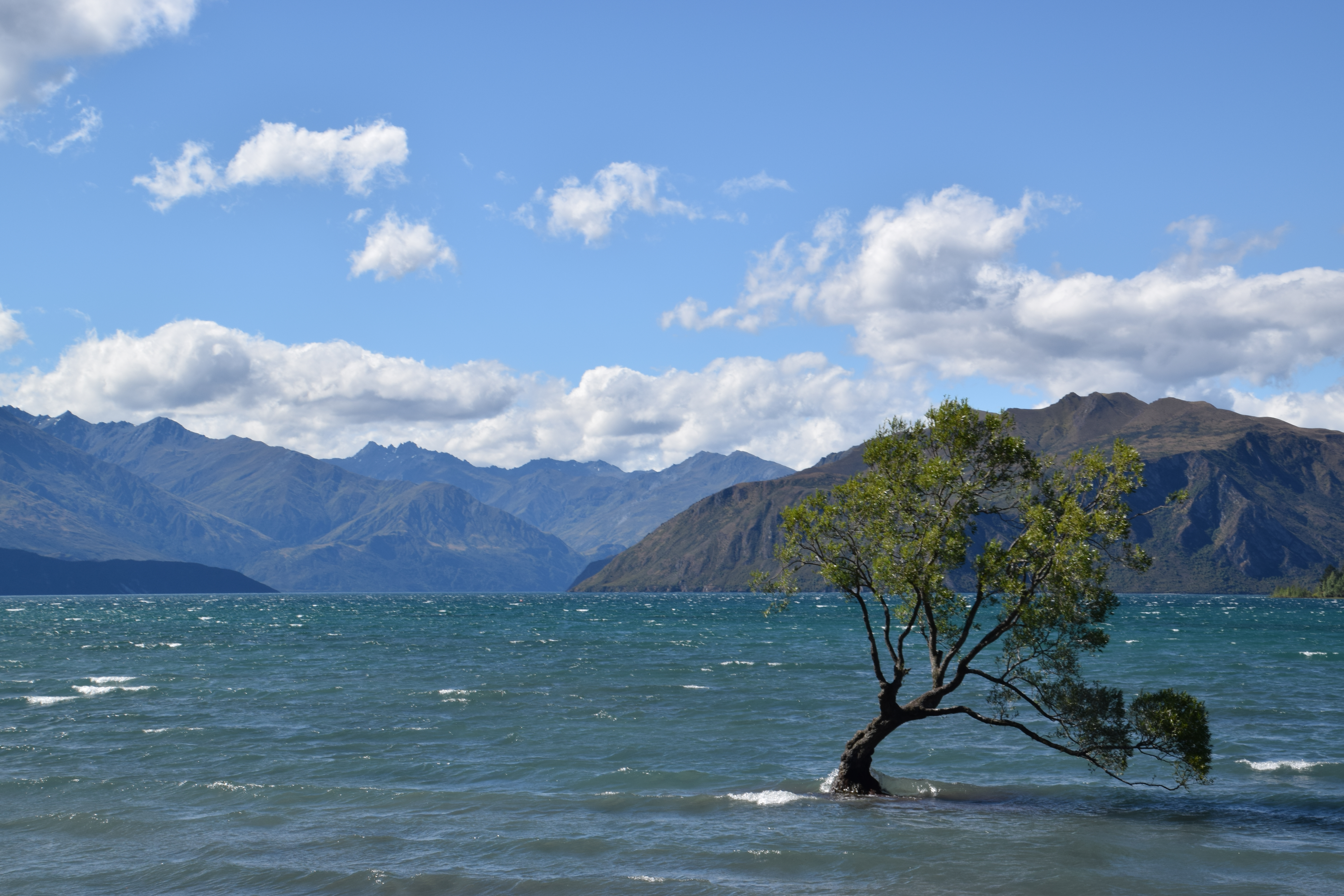
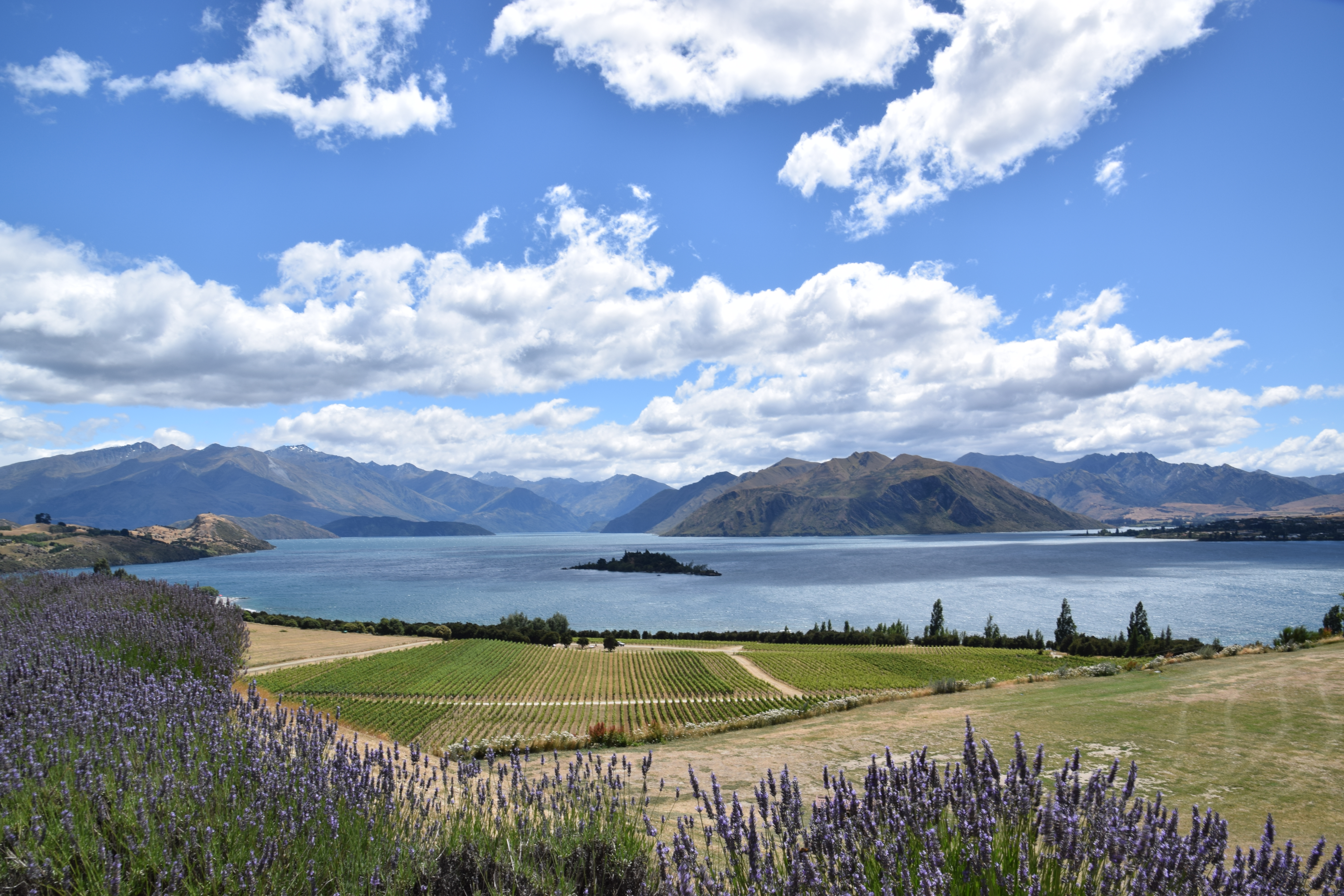
Wanaka was a very relaxed place with many Kiwis spending their vacation there. Our hostel is my no. 1 for this journey: the Wanaka Bakpaka has recently been refurbished, offers great views of the lake and has a good vibe.

DSC_034820150118_071914

DSC_0343


DSC_0347


Unfortunately I did not meet the owners of the Rippon Valley vineyard – certainly a great place to live, with great views of the lake and delicious wines…

DSC_0362

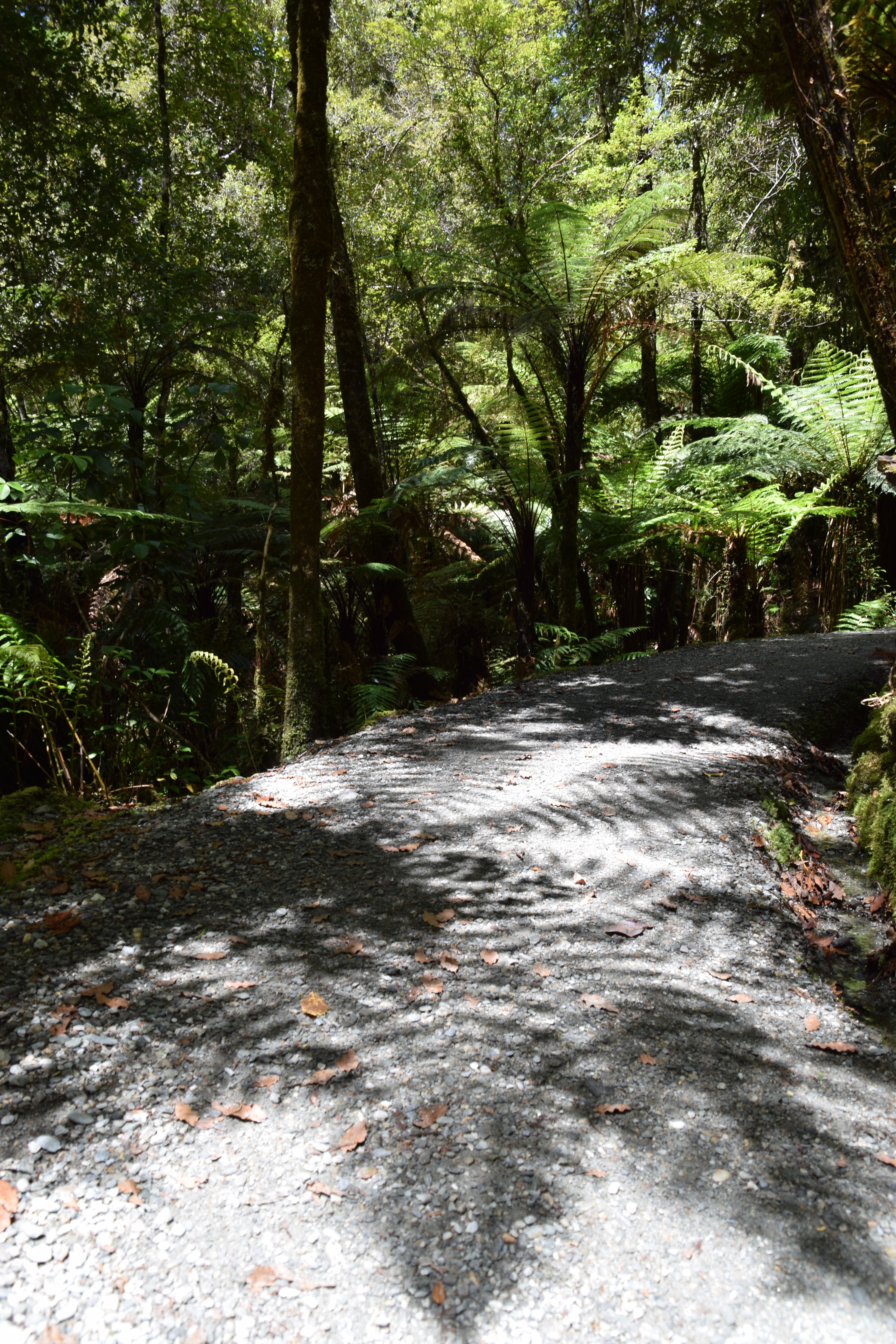
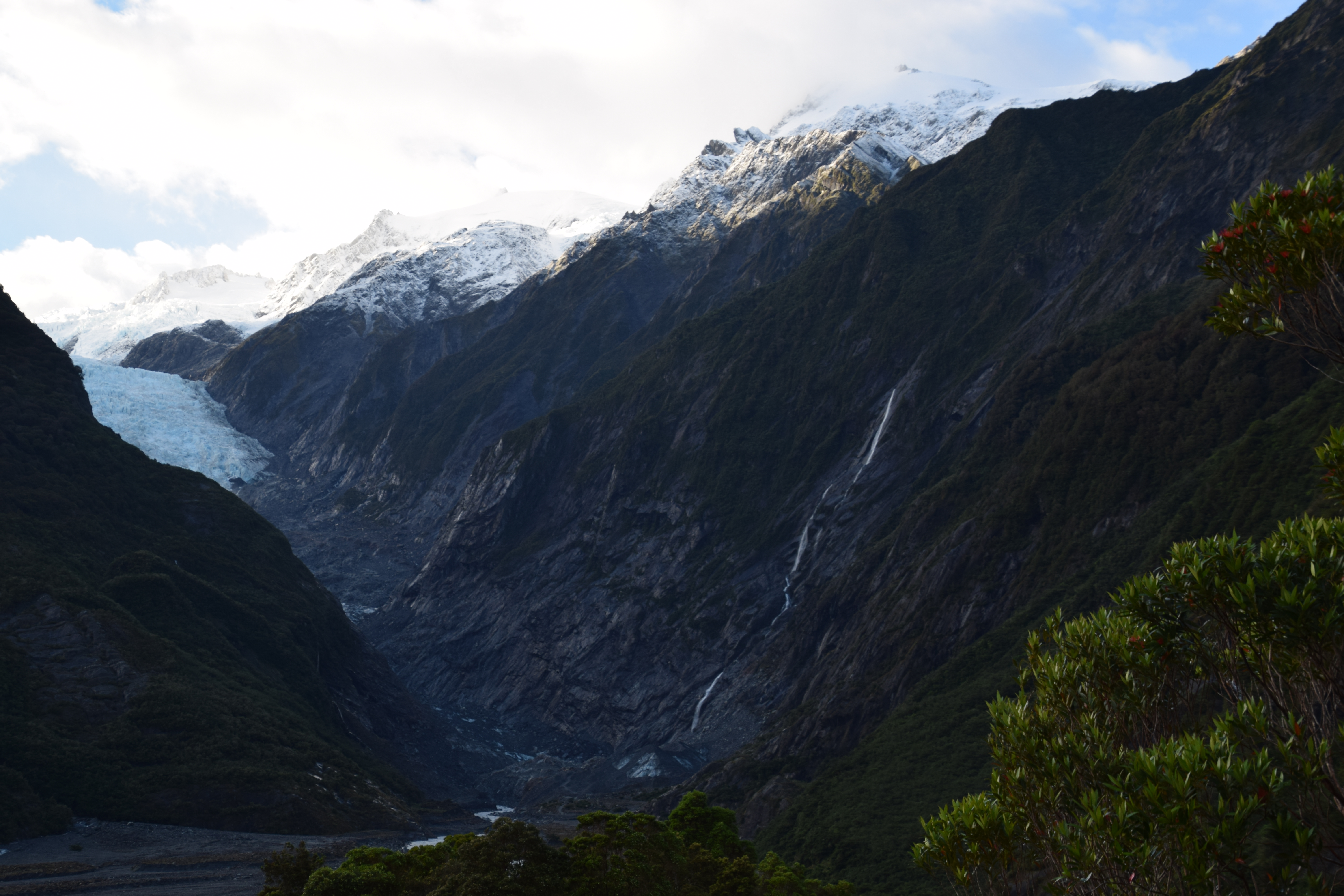
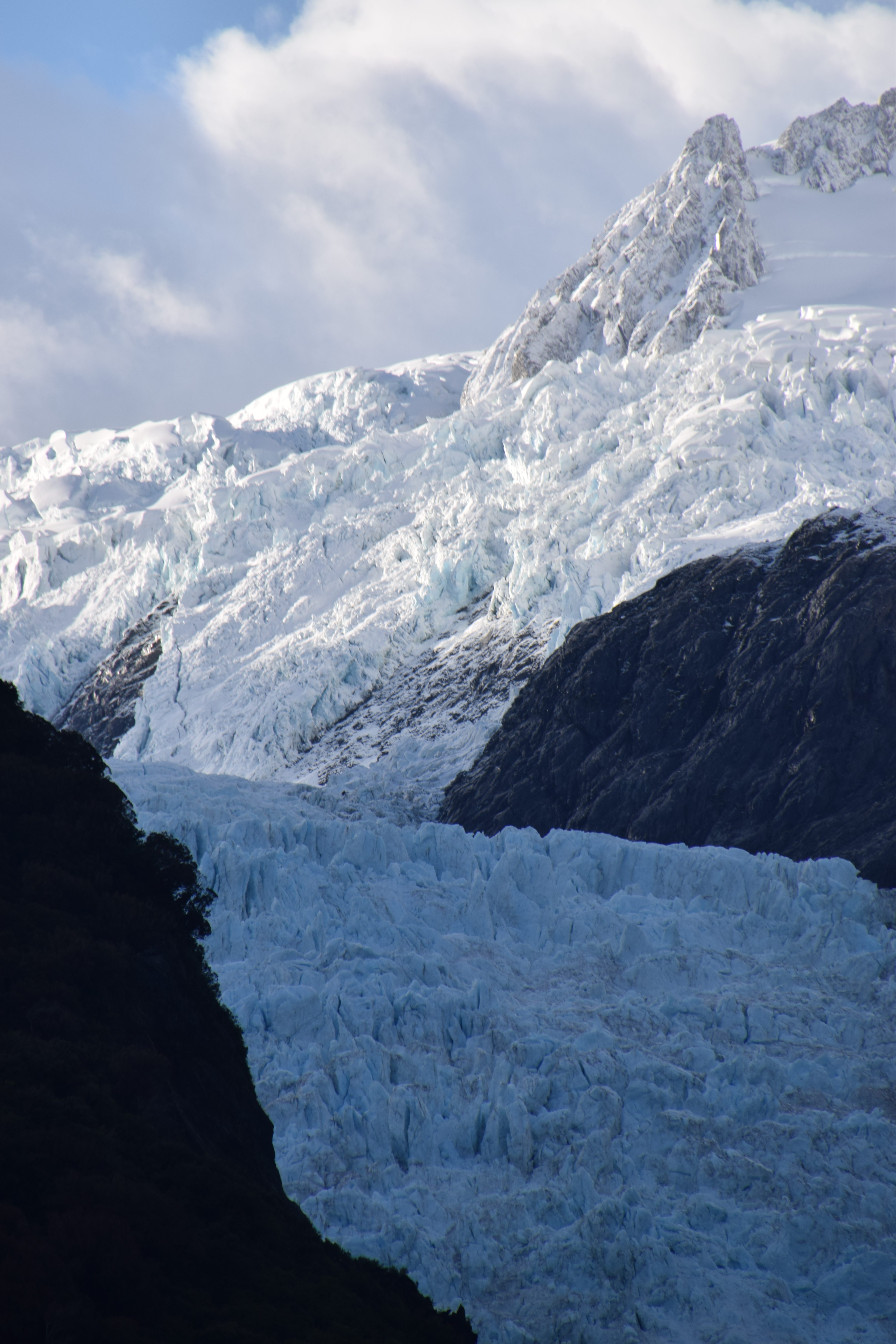
On our way to Franz Josef we must have past over 20 one lane bridges, indicating how few the traffic is on the west coast! The sea is amazing and just behind throne huge mountains covered by rain forest!DSC_0399DSC_0403 And at the top, Franz Josef glacier disgorges… but much of the glacier has melted and those of you who’ve already been there would be shocked as to how much has gone. If you want to walk onto the glacier you now need to take a helicopter, a rather costly affair! The day we spent at Franz Josef was the only rainy day we had in three weeks (and we were the only ones geared up with rain jackets and rain trousers while walking up to the bottom of the glacier, where the clouds and the rain prevented a proper look at it). DSC_0416DSC_0419Luckily, it was much better at 7.30 the next morning and we could actually see the glacier!

DSC_0434DSC_0436


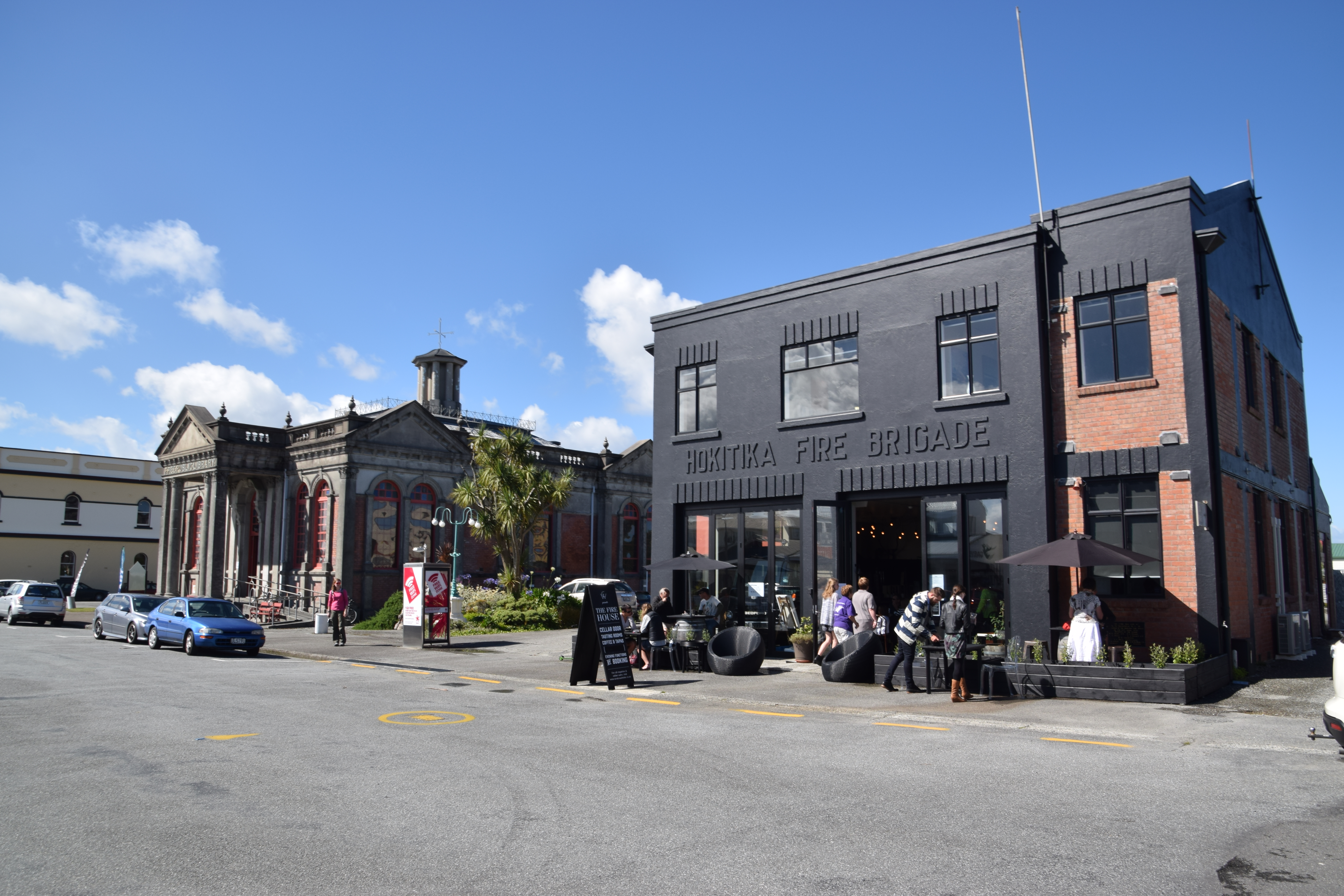
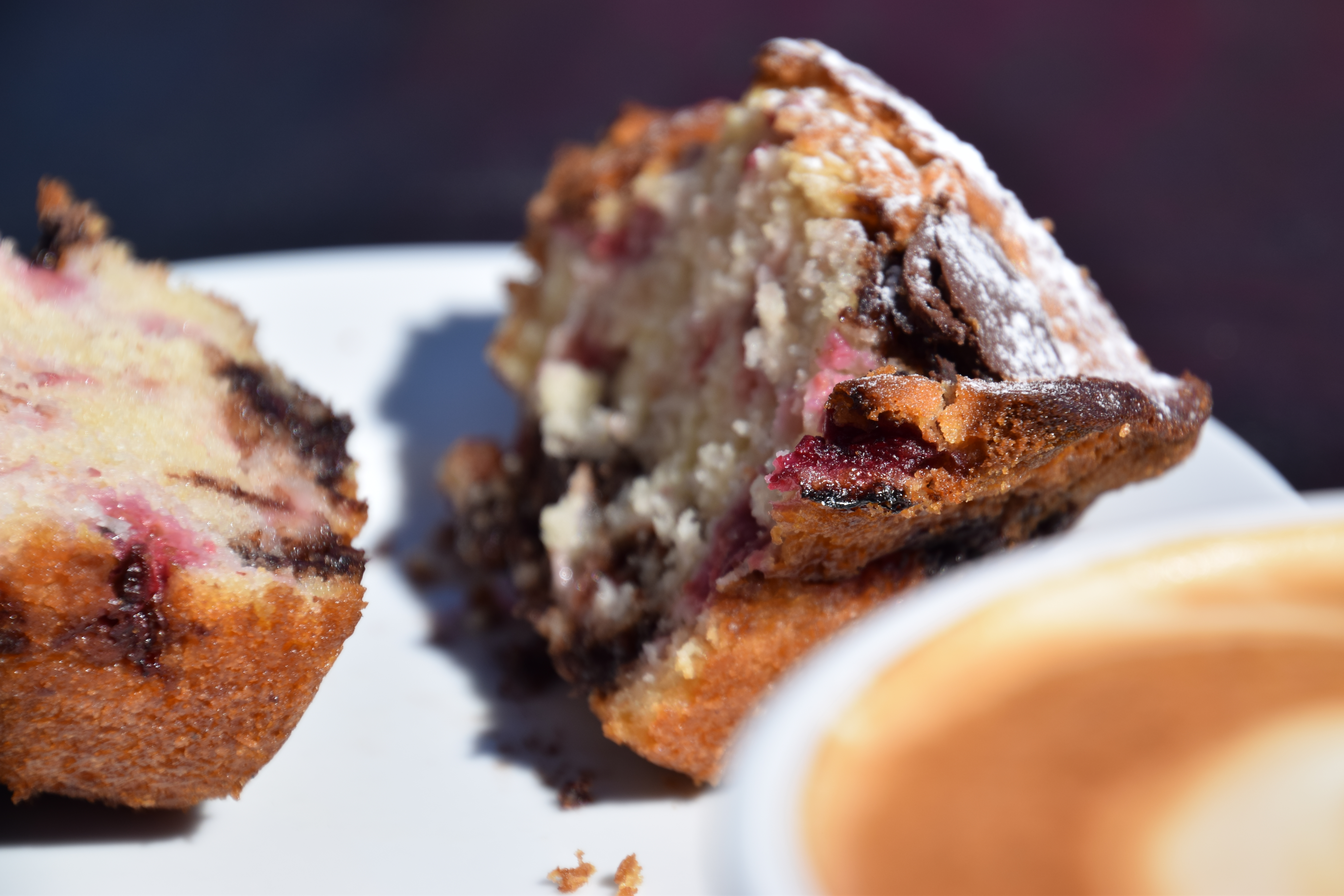
Hokitika was a pleasant stop to satisfy our daily 11 am hunger. We had the most delicious raspberry chocolate muffin at the “fire brigade” along with the daily flat white and long black!

DSC_0451DSC_0449


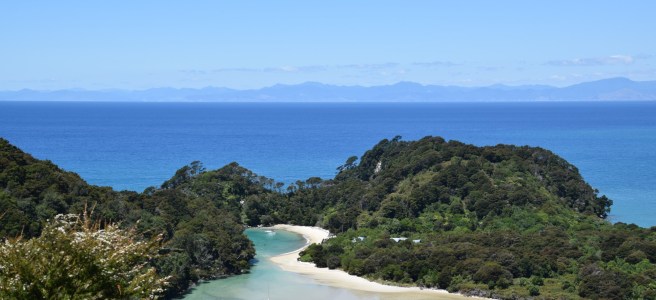
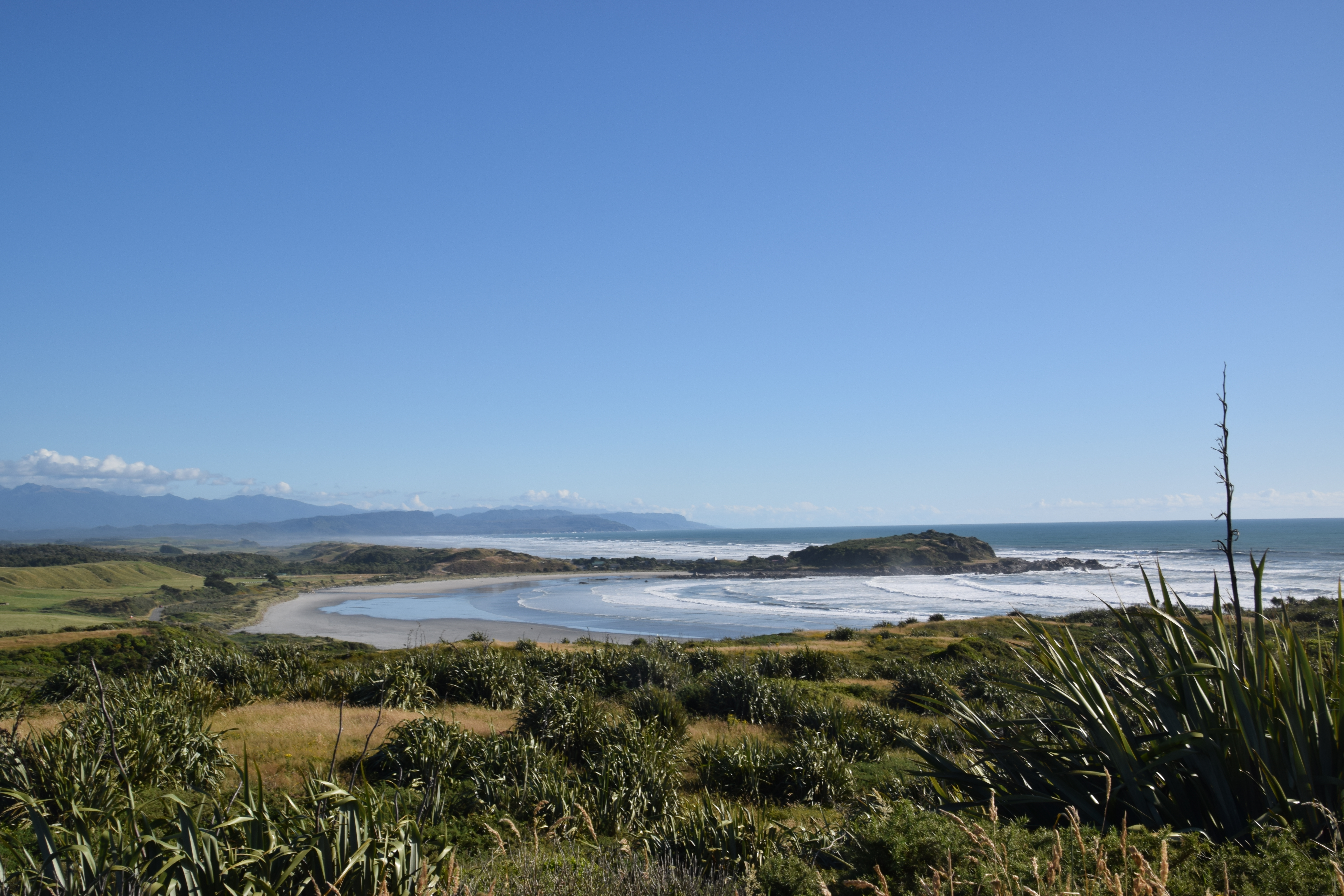
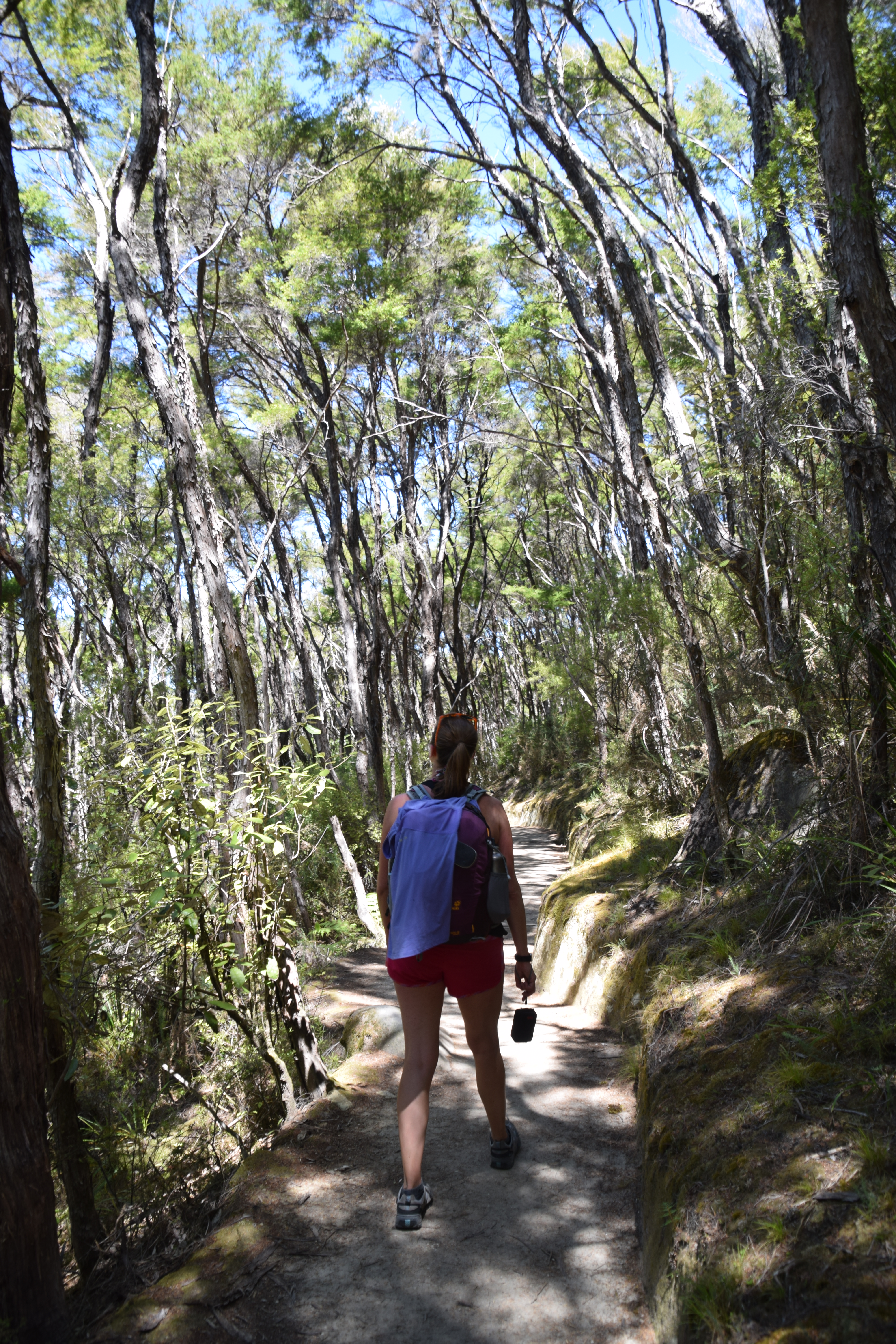
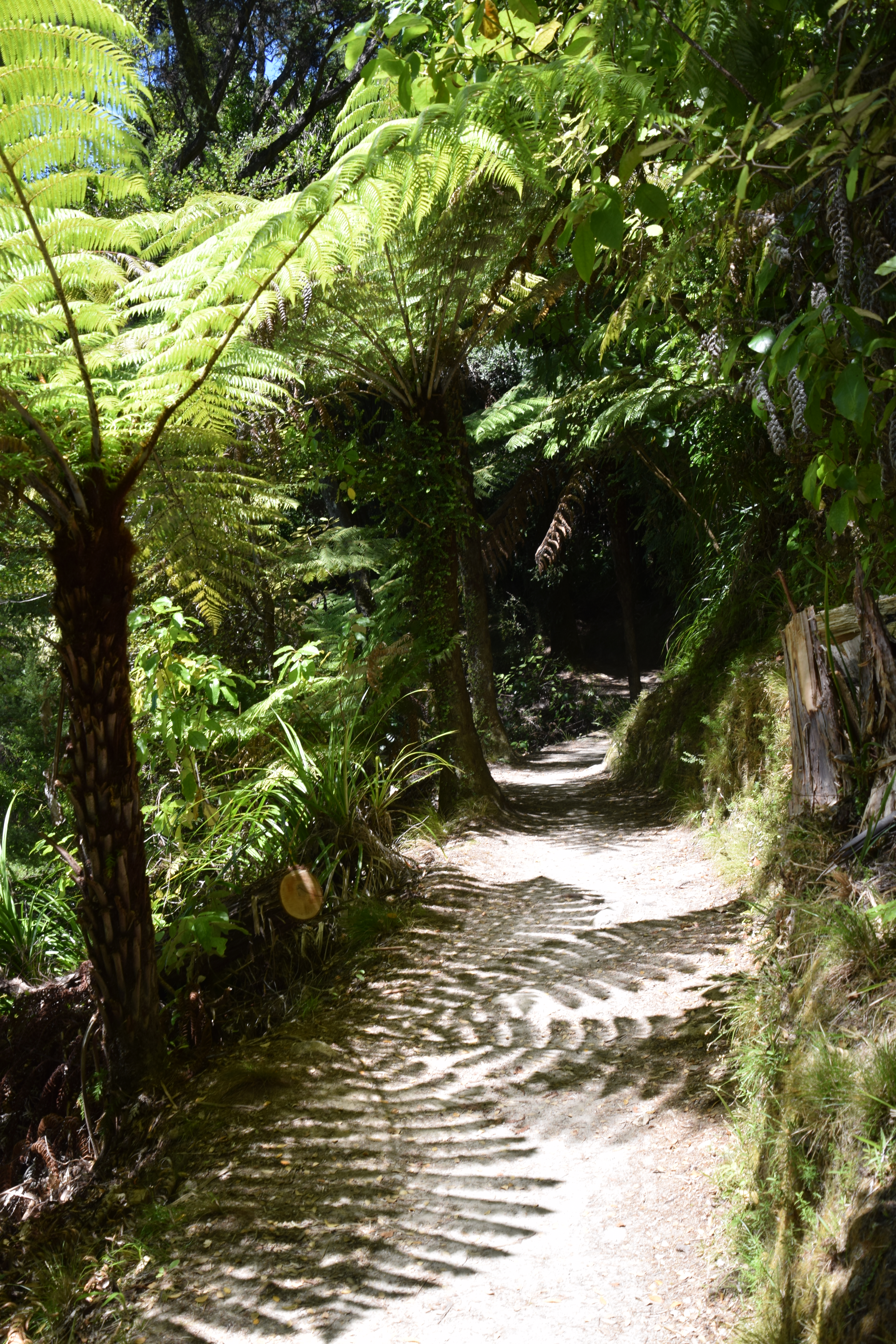
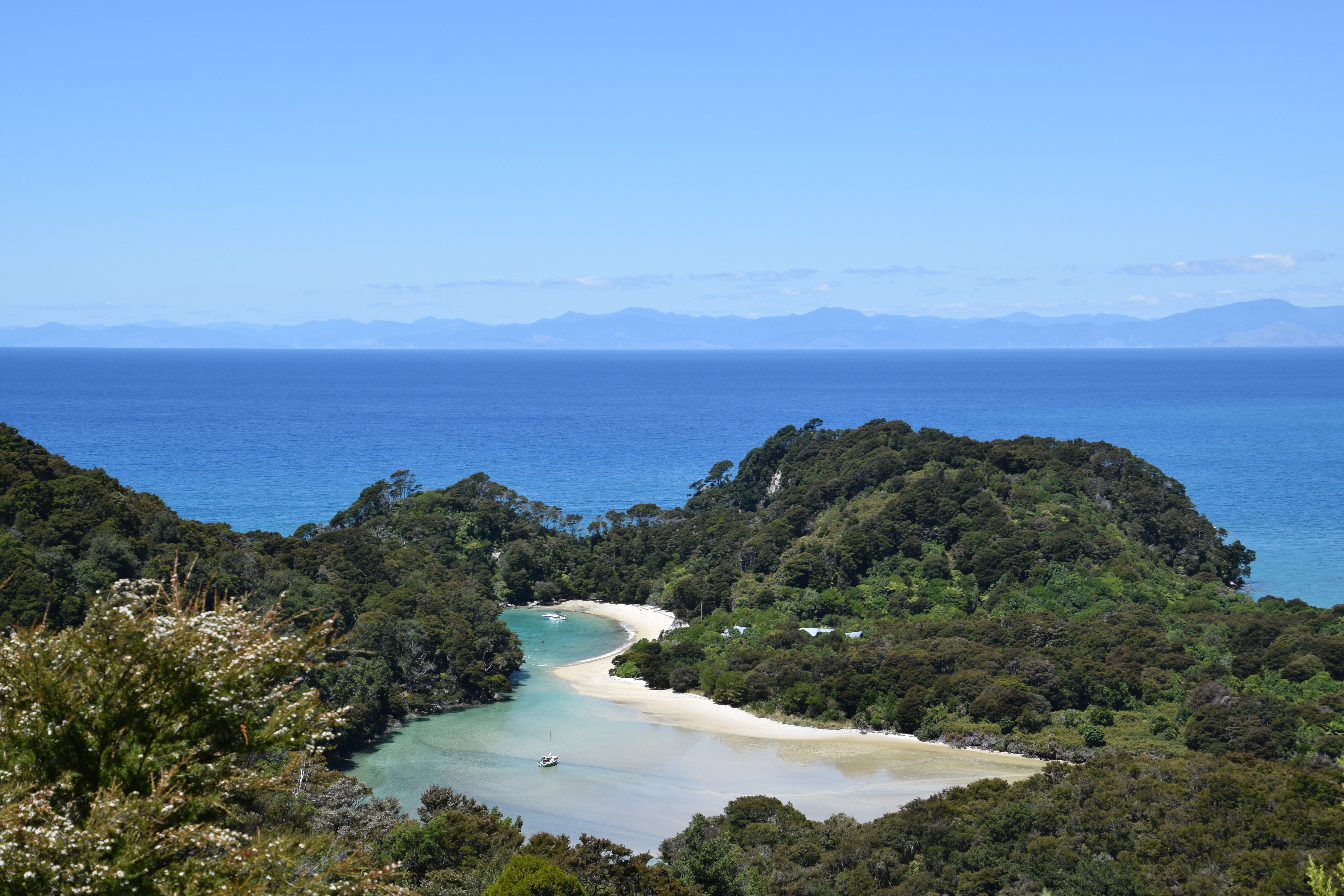
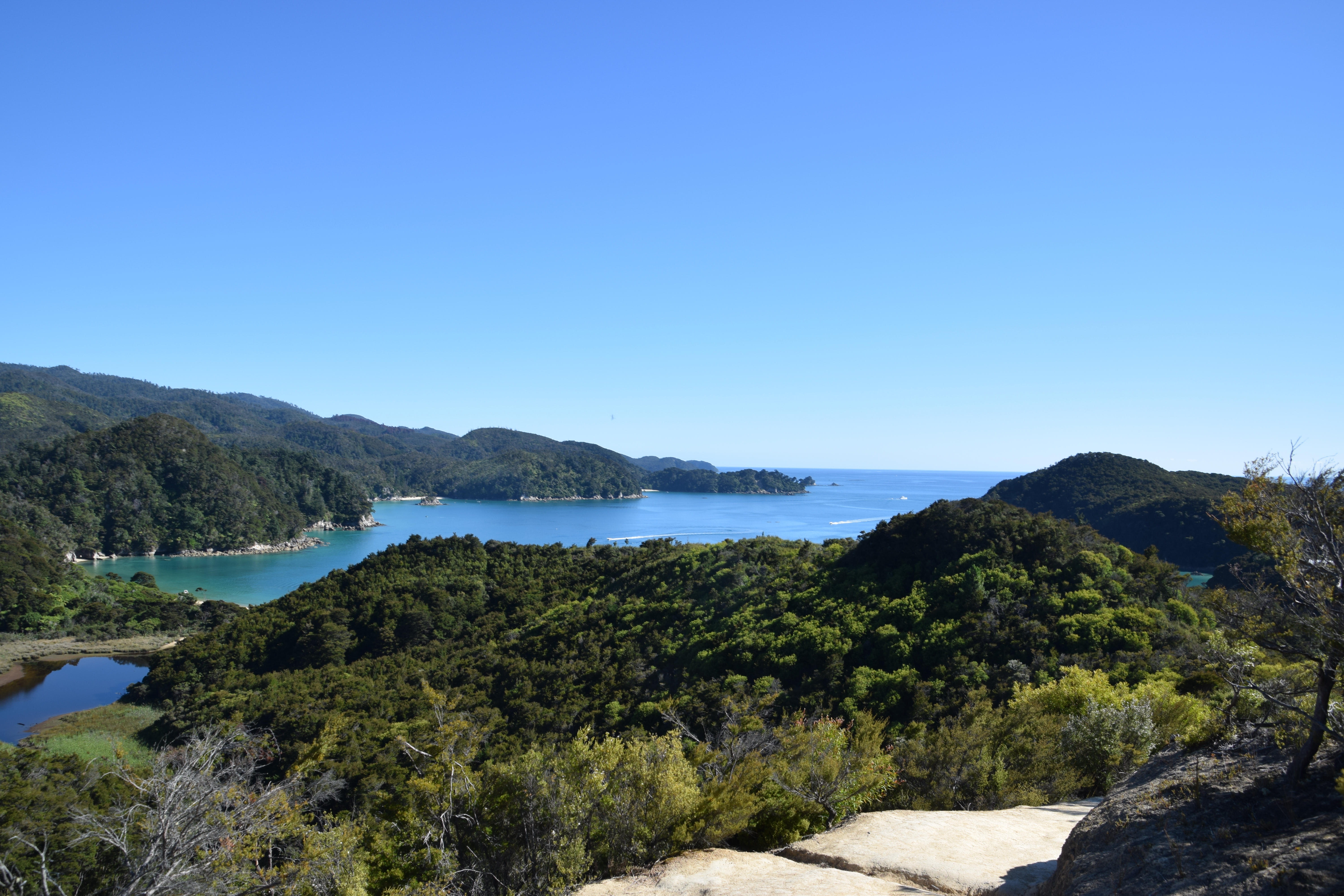
The YHA Westport could have been my first choice if it weren’t for the bunch of teenagers (17-19 year old germans and brits are hard to take, especially in the morning)… but the room with ensuite bath on the first floor was lovely. DSC_0486DSC_0490And the walk along the coastline was beautiful: DSC_0508 DSC_0496Wanderlust enthraled us again in Abel Tasman and the Marlborough Sounds. With the southeaster blowing like mad the kayak trip in Abel Tasman was far mode adventurous than expected. It was nothing like a leasure paddle and it was a bit of a challenge to cut across the waves from onetahuti beach (“now paddle as hard as you can…”, our guide told us). Once we were further out we fought our way along tonga island (saw some seal mums and their little ones) and moskito bay to bark bay for lunch. Since the waves constantly poured over us there was no way I was going to take out my camera! We decided to walk the second part on the abel tasman coast trackDSC_0530DSC_0528DSC_0527DSC_0531 and had a very pleasant overnight stay at the aquapackers houseboat in anchorage bayDSC_0563, walking back to marahau the next morning.DSC_0565


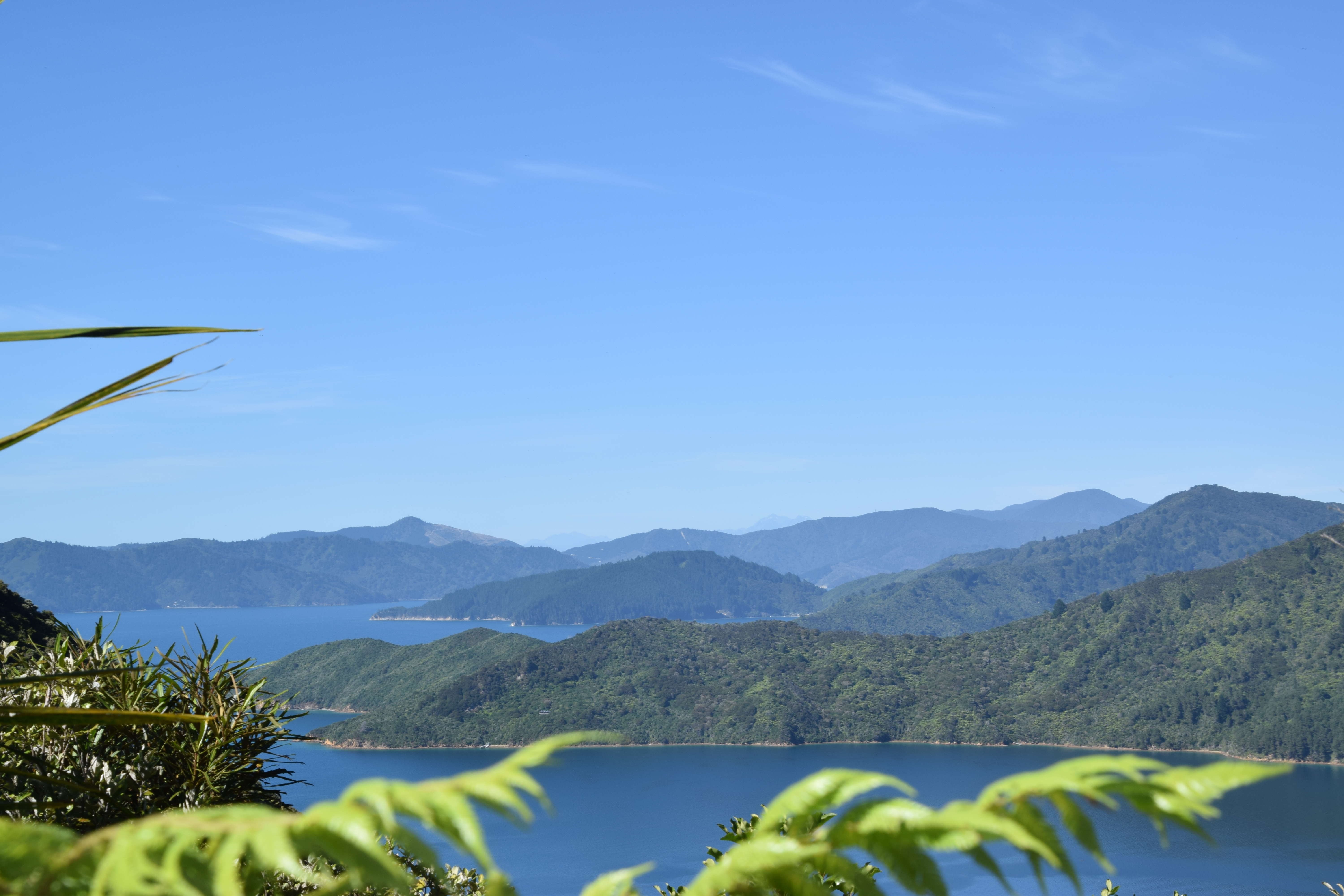
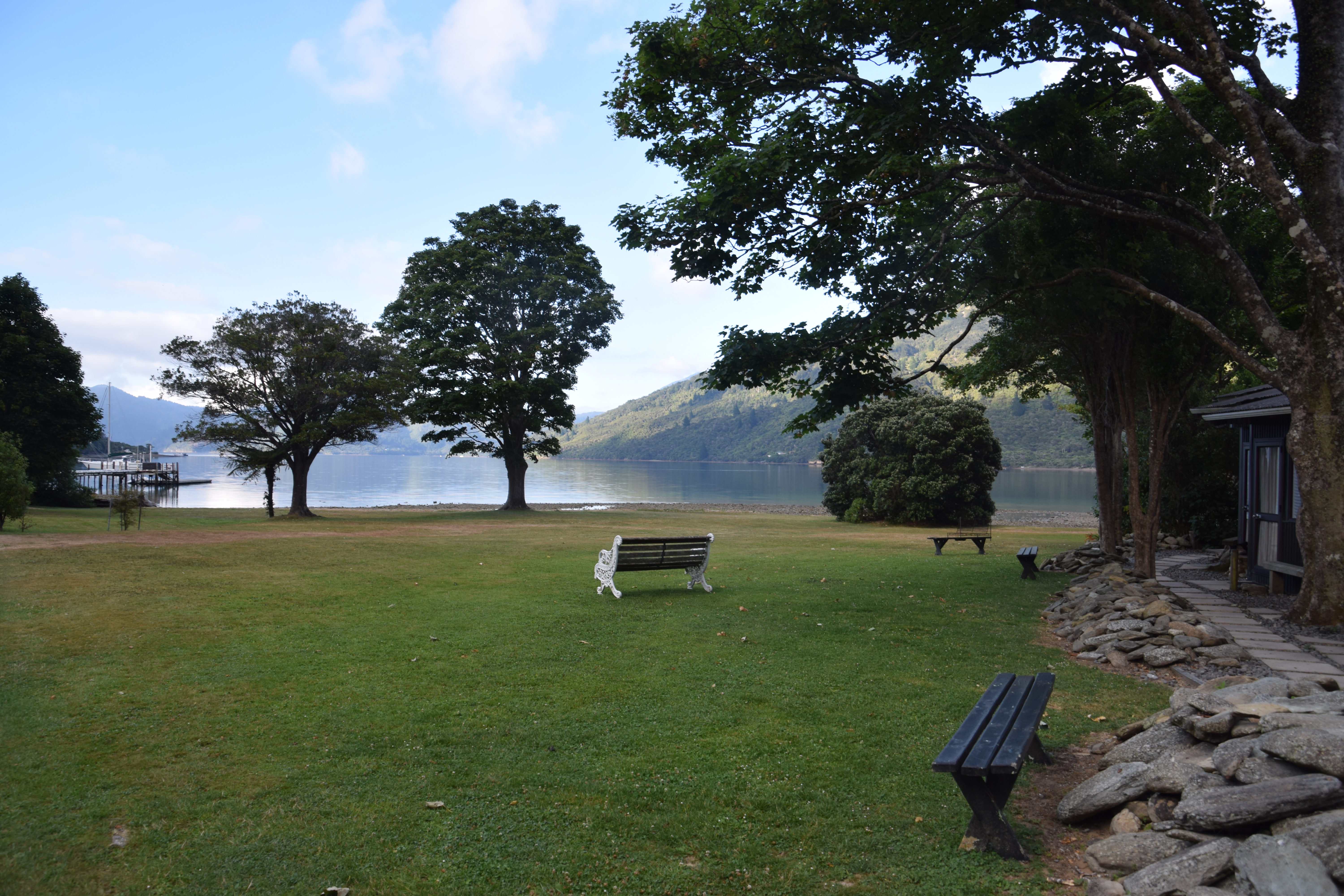
After a pleasant stay in Nelson, where we enjoyed some good food, town flair and listened to passer-by playing the piano on the pavement, another two days of walking on the queen charlotte track with stunning views of the Marlborough Sounds and a hilarious evening with three Kiwi ladies at Furneaux lodge followed:

DSC_0623DSC_0610DSC_0657


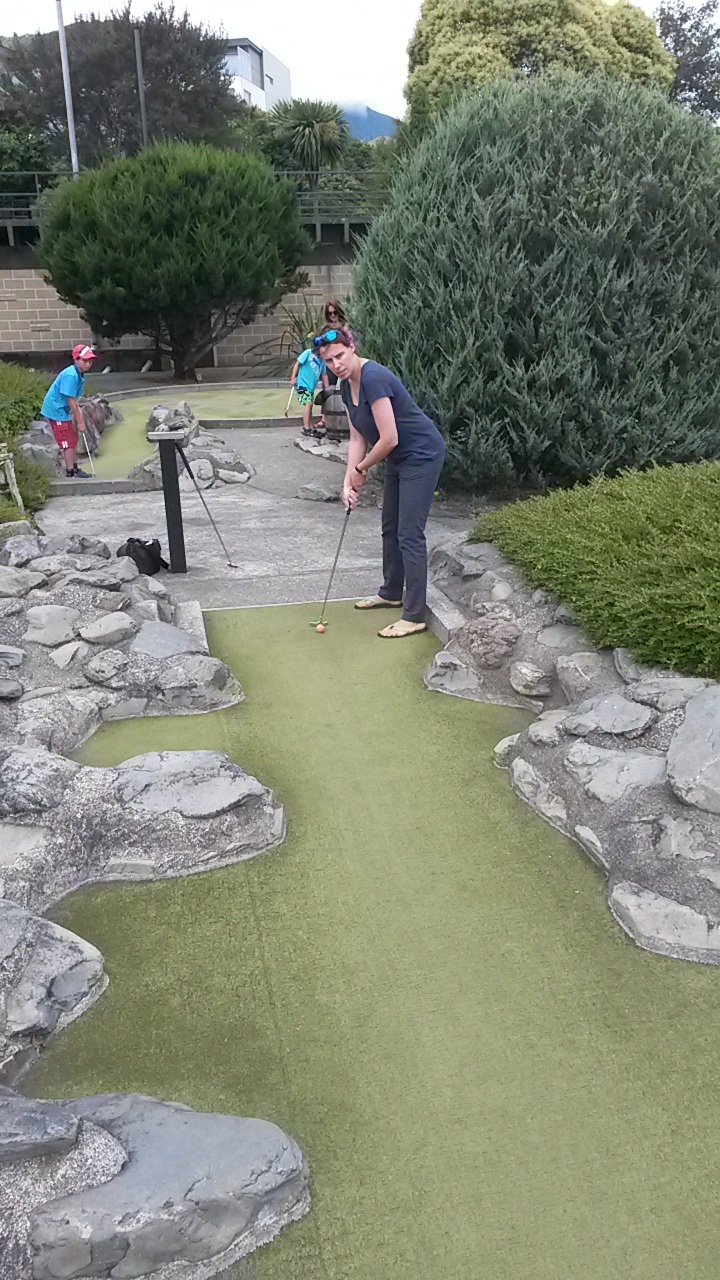
We chilled in Picton, playing an appallingly round of minigolf (does that ring a bell, V.?), 20150128_114021

and sipping some wine at several of the wineries around Blenheim.

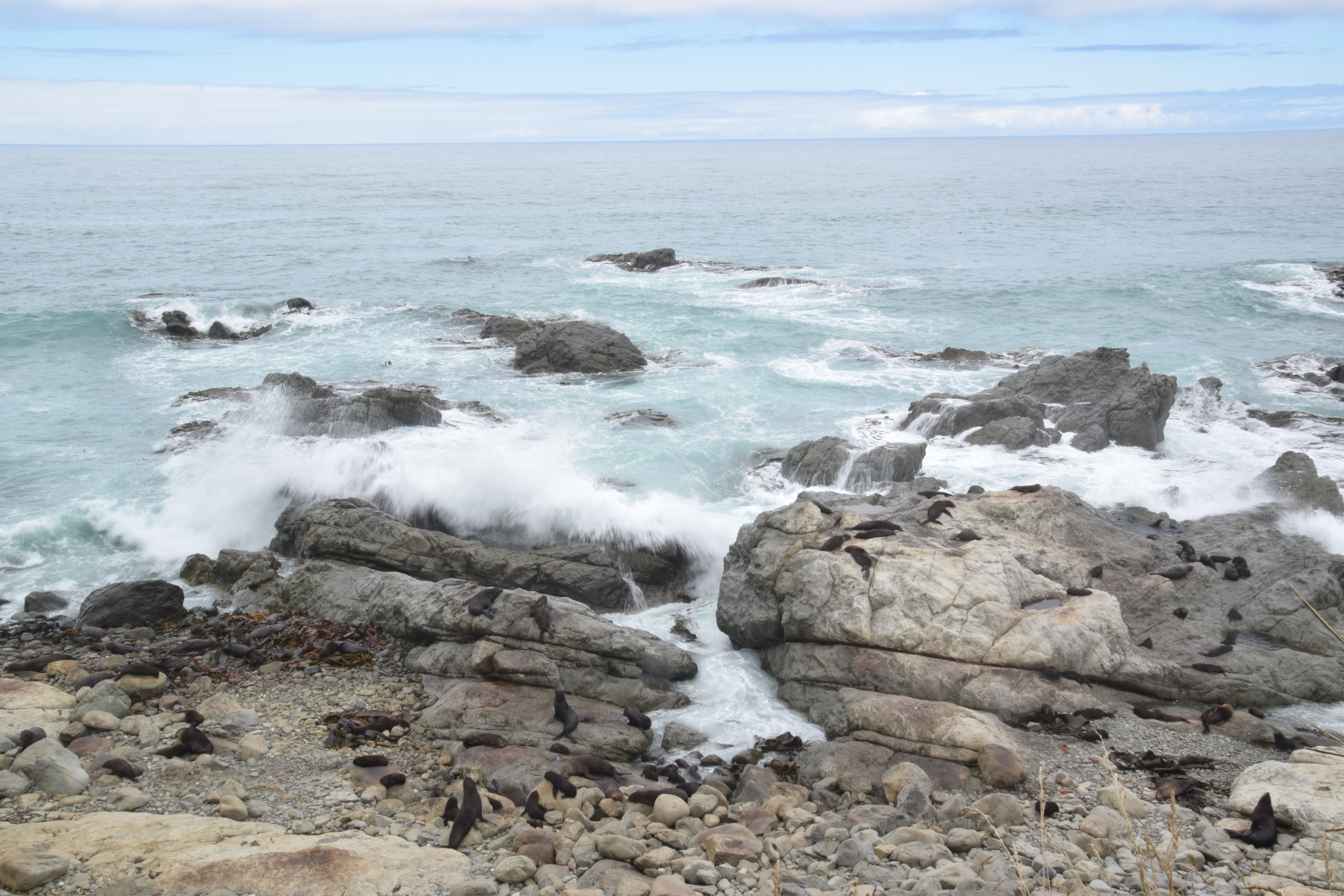
20150128_151123The Kaikoura coast was all about animals: seals playing in pools

DSC_0716

DSC_0705


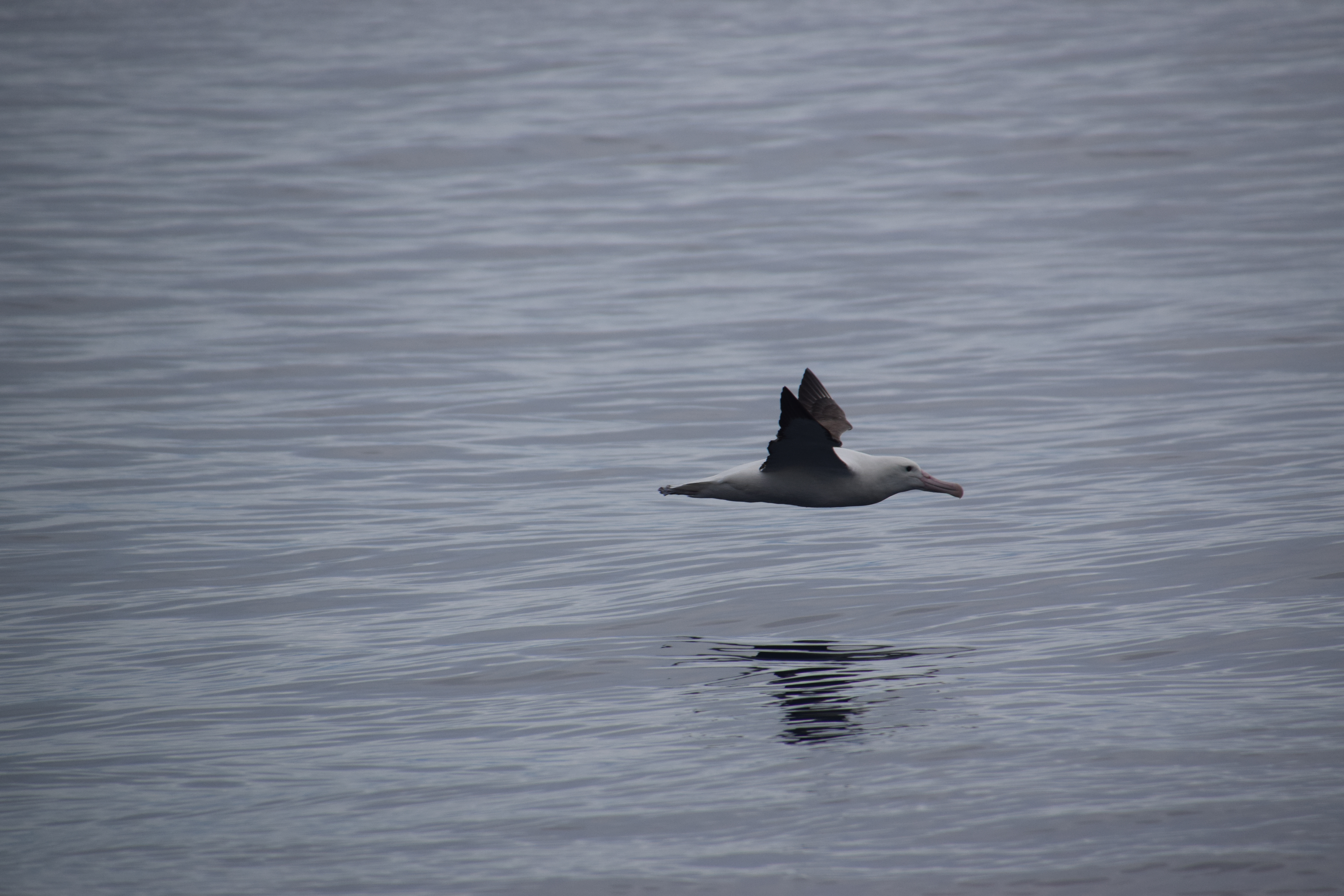
Albatrosses, DSC_0782


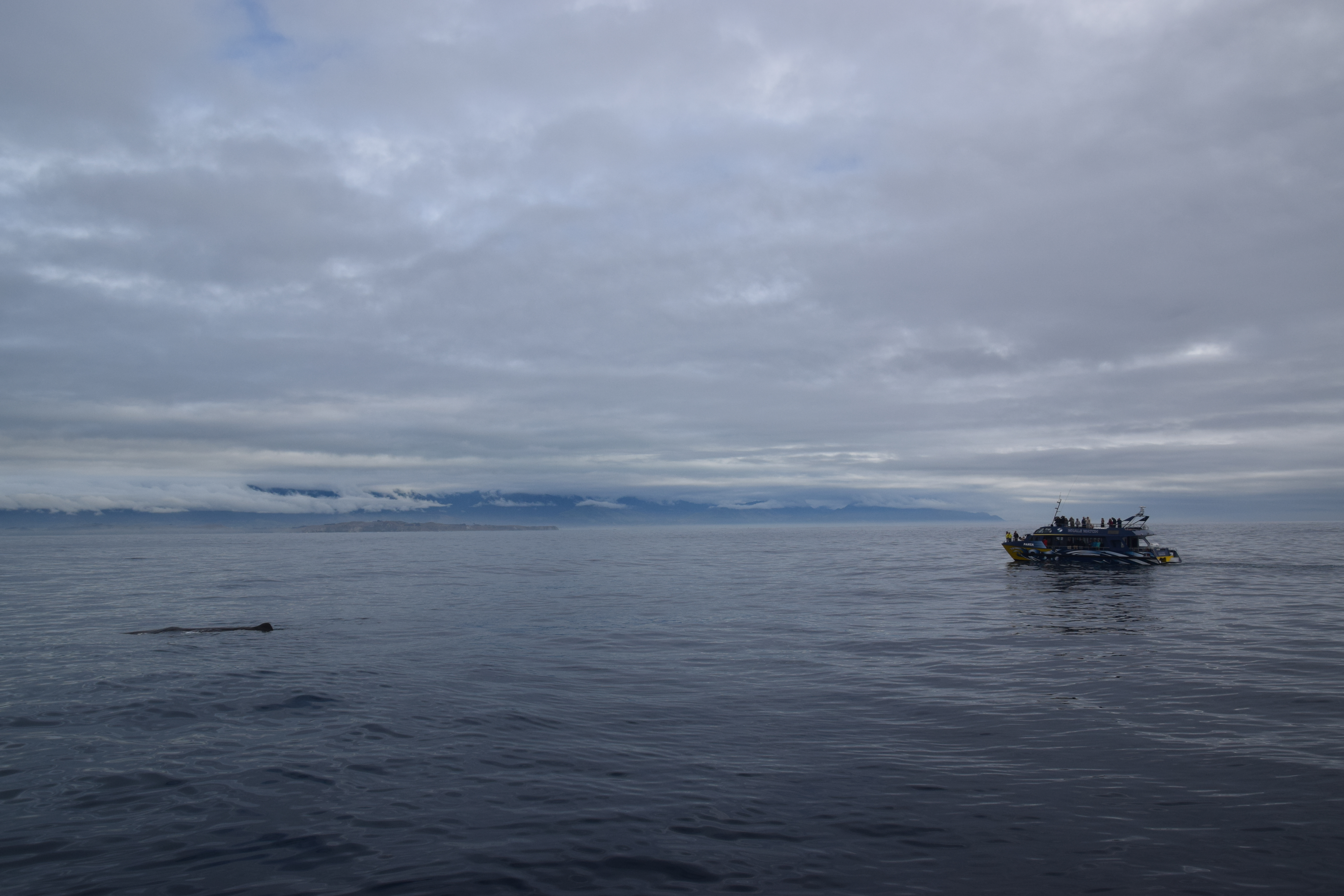
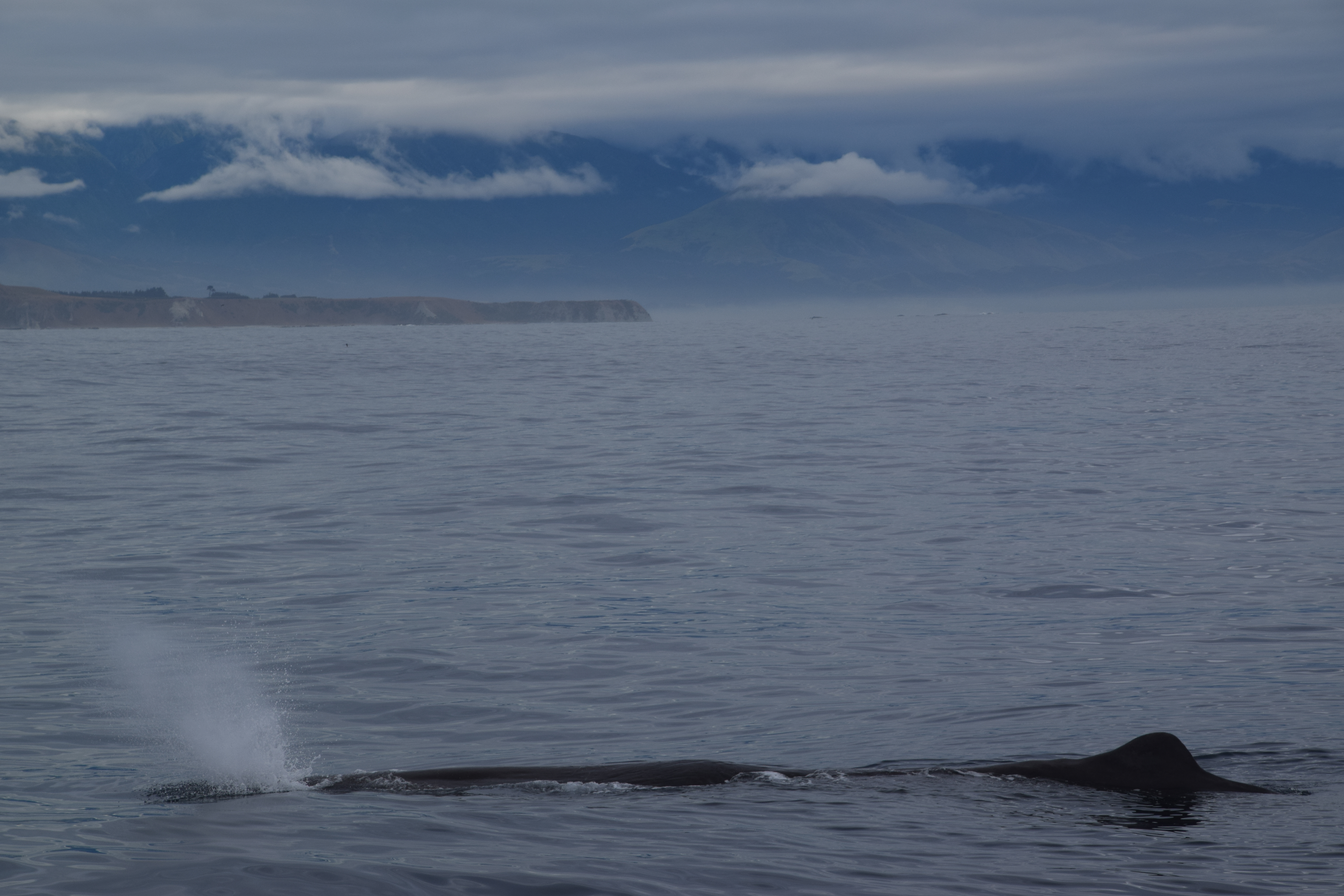
A large (18m – as large as the boat!) Sperm whale DSC_0766DSC_0773DSC_0778


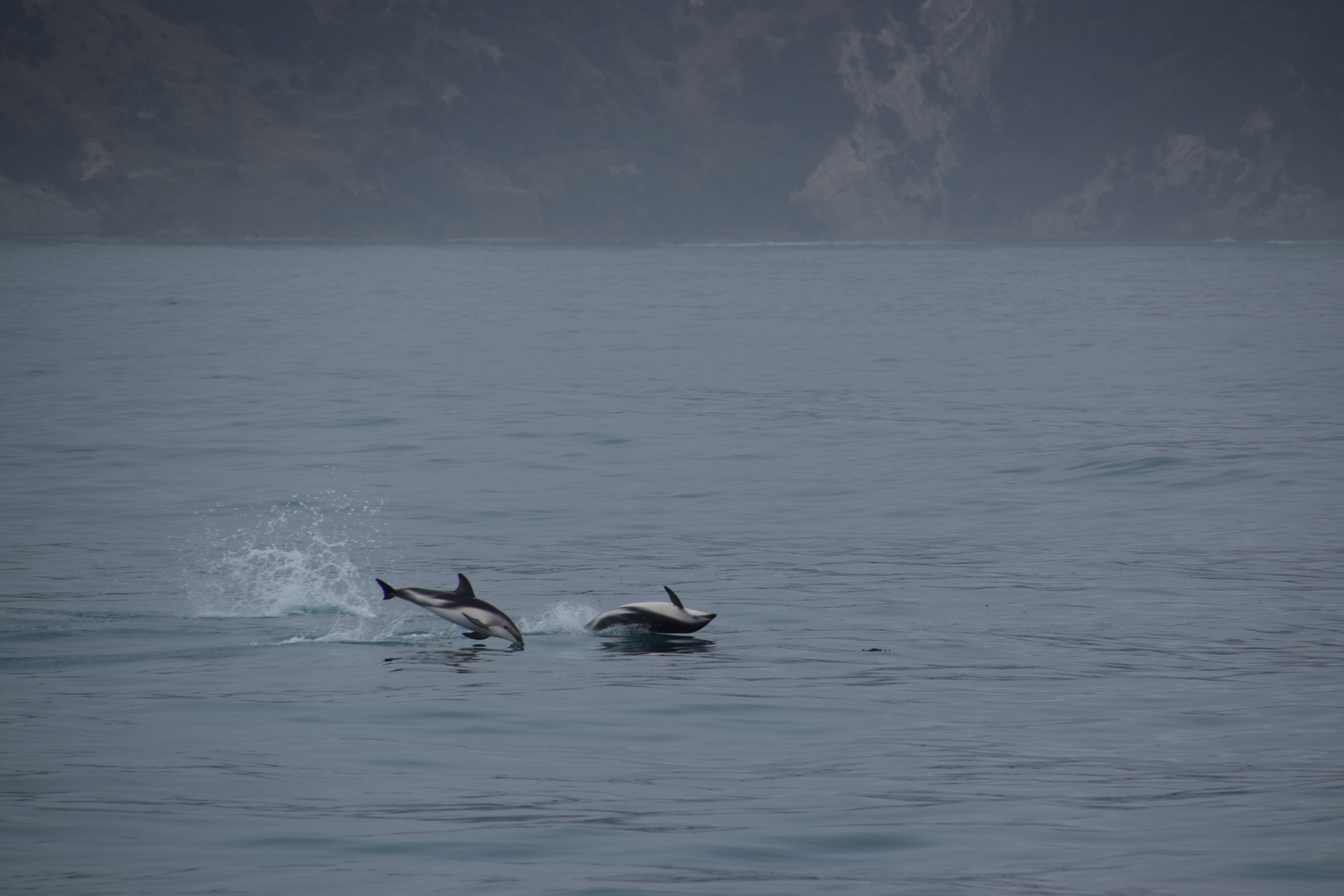
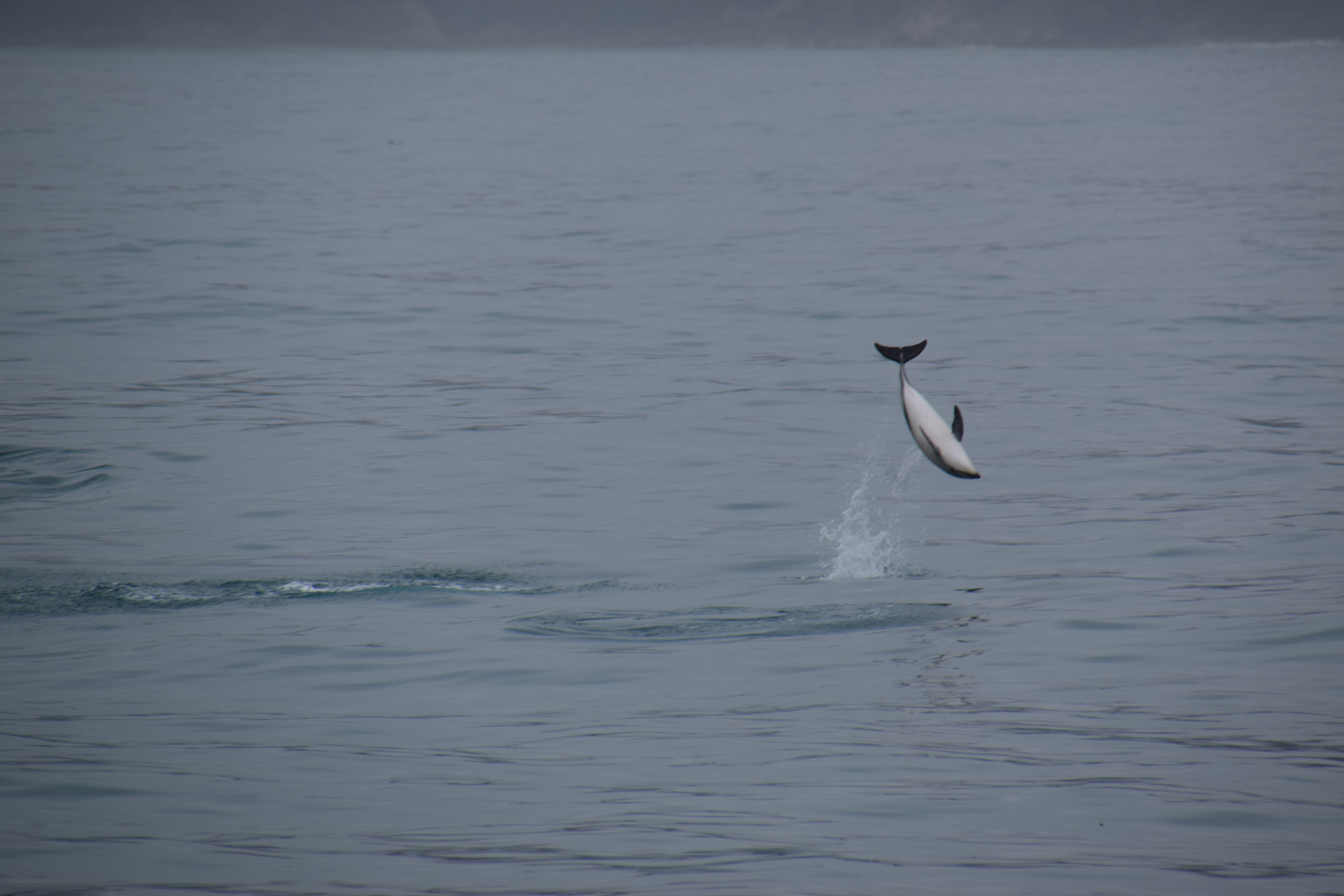
and a crowd of playful dusky dolphins. DSC_0793DSC_0804DSC_0812


A marvellous three weeks, thank you Iris!!! (Eeeexcellent!)

20150131_160007


Lakes, Glaciers and Fjords

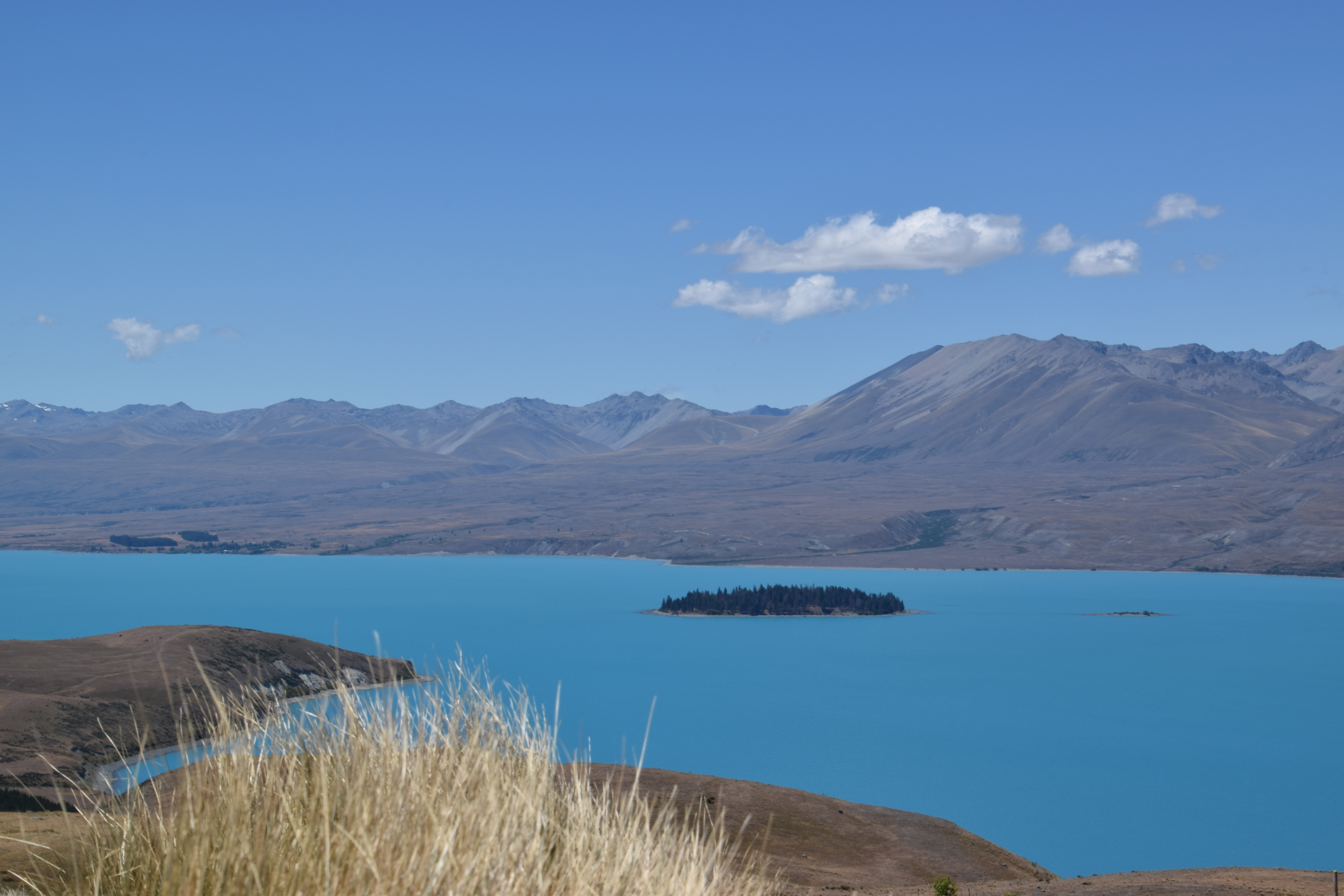
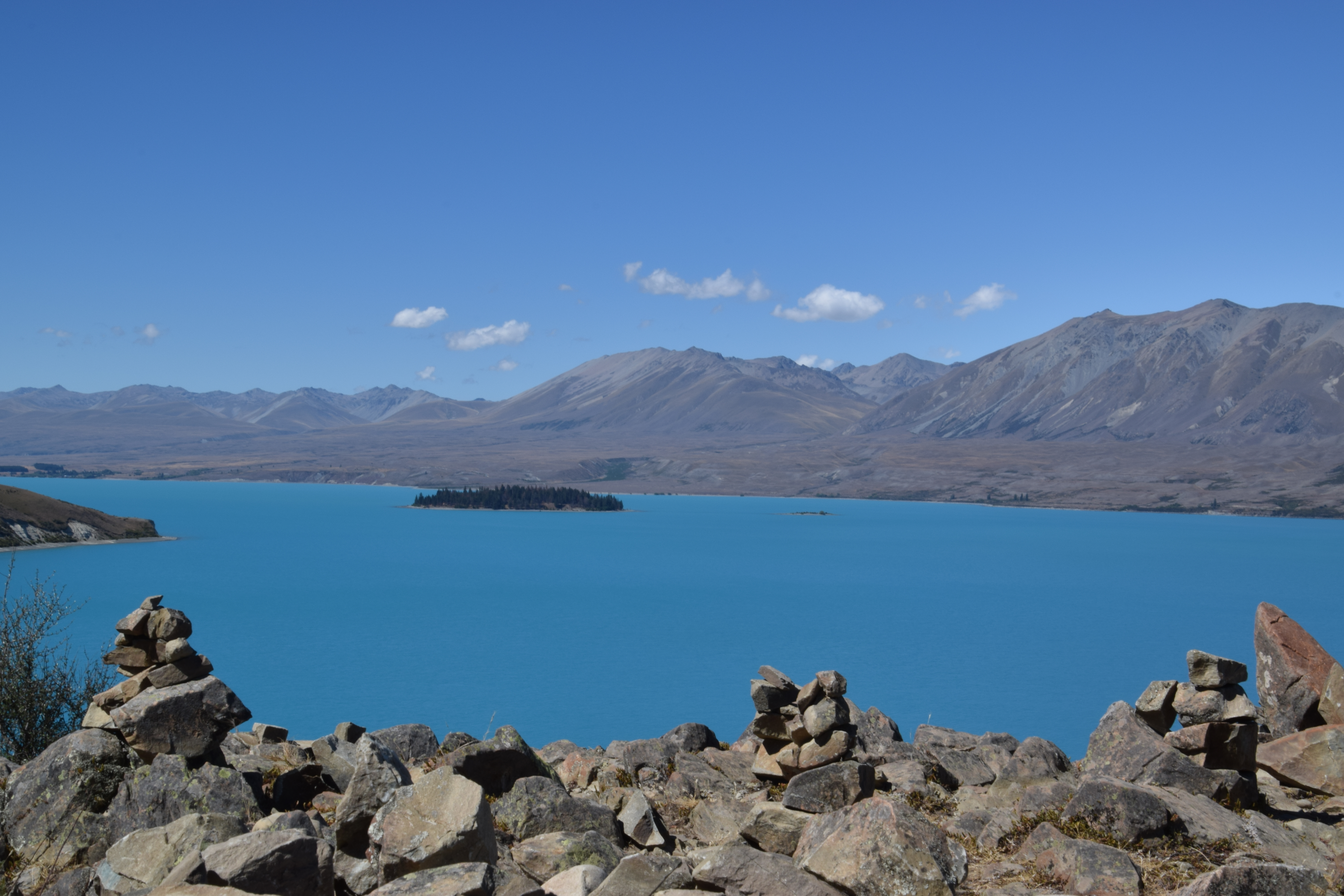
The sun has been travelling with us ever since we reached beautiful lake Tekapo with its amazing turquoise blue colour created as a result of “rock flour”.

Lake Tekapo

DSC_0090DSC_0121


While I quickly adapt to driving on the left hand side of the road it always takes me a couple of days to get used to WALKING on the left. Resulting in many of those situations where the poor person walking towards me and I perform the “right-left-right-left” dance. Now that I’ve gotten used to it I diapprovingly shake my head at those continental europeans who just don’t seem to catch it.

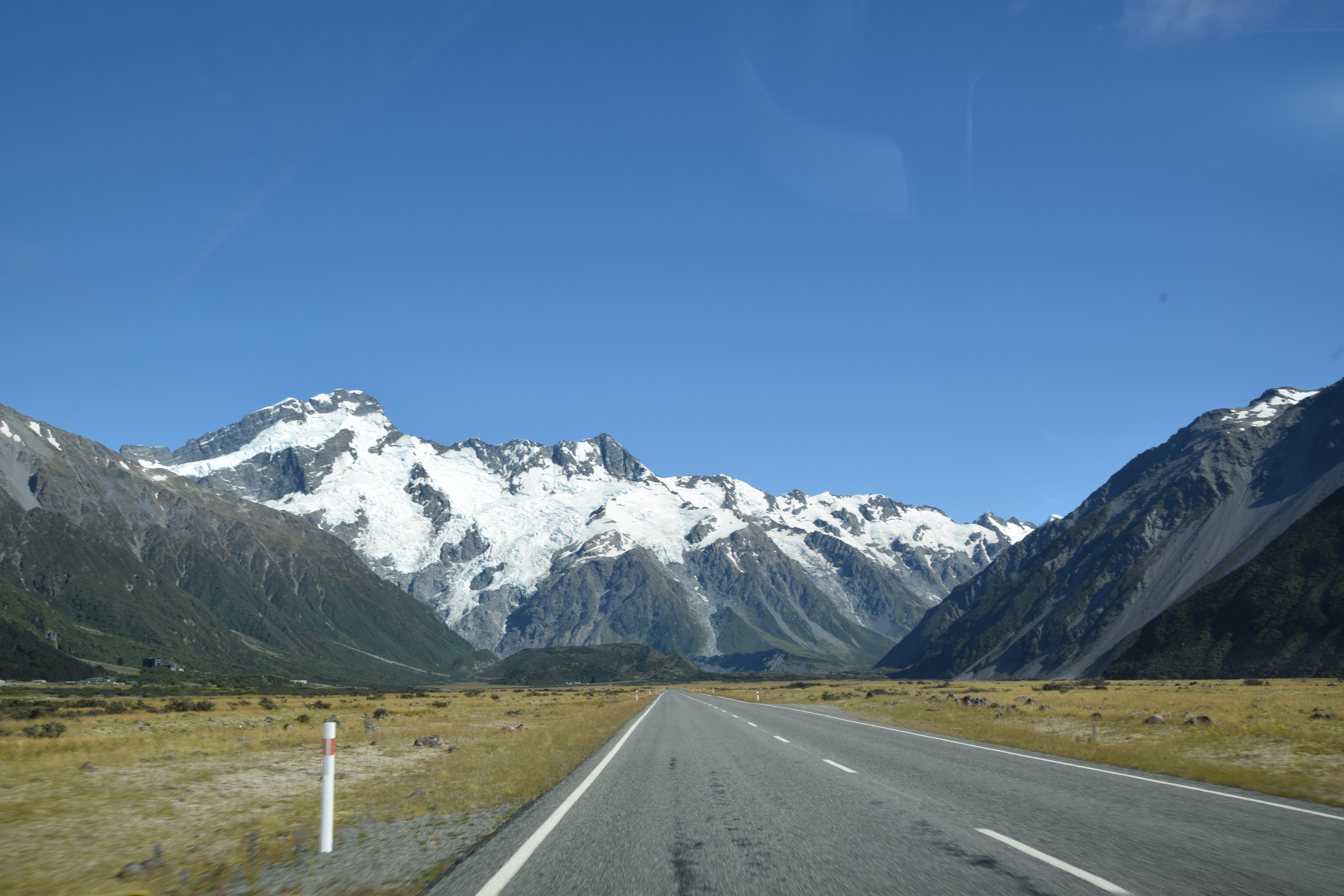
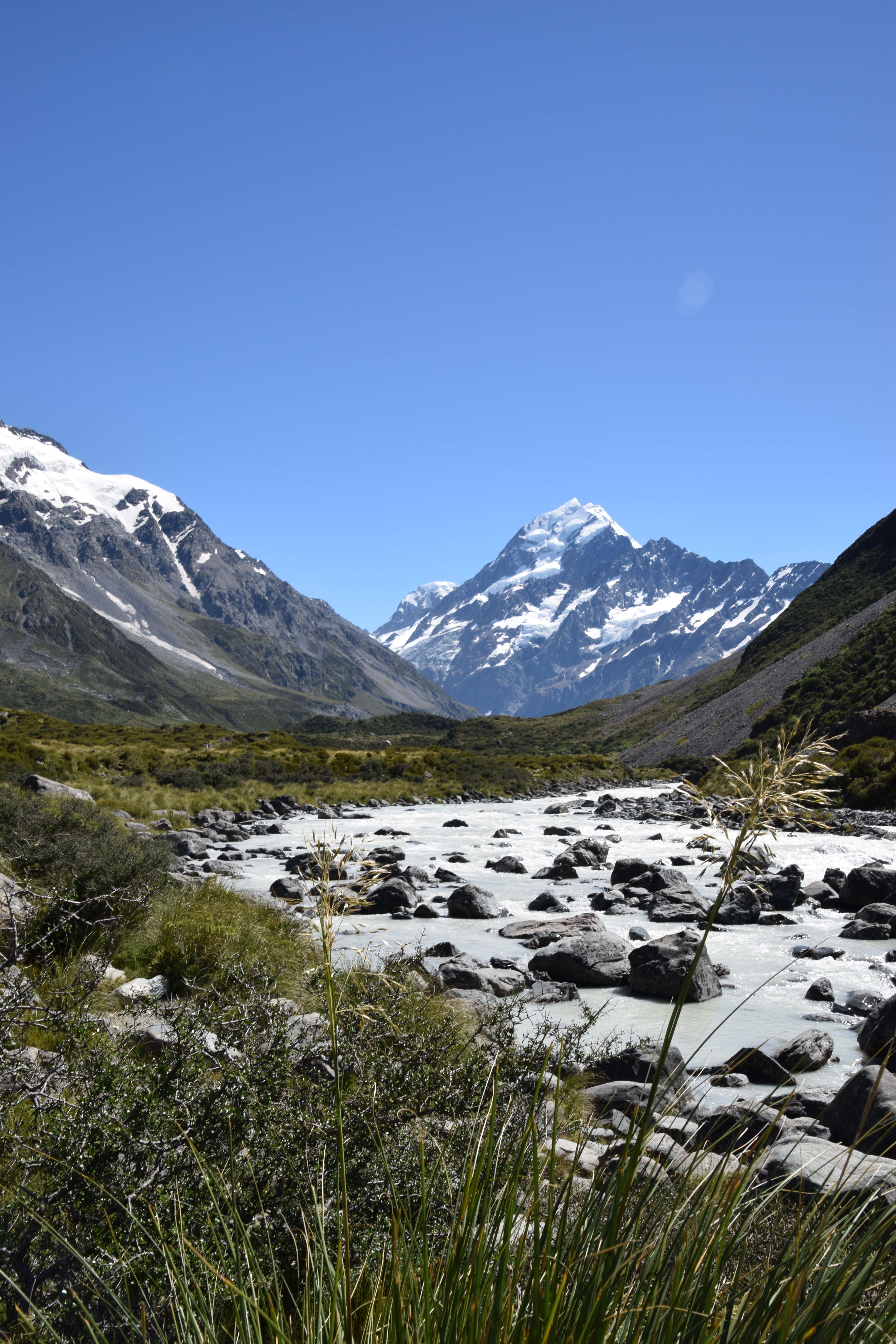
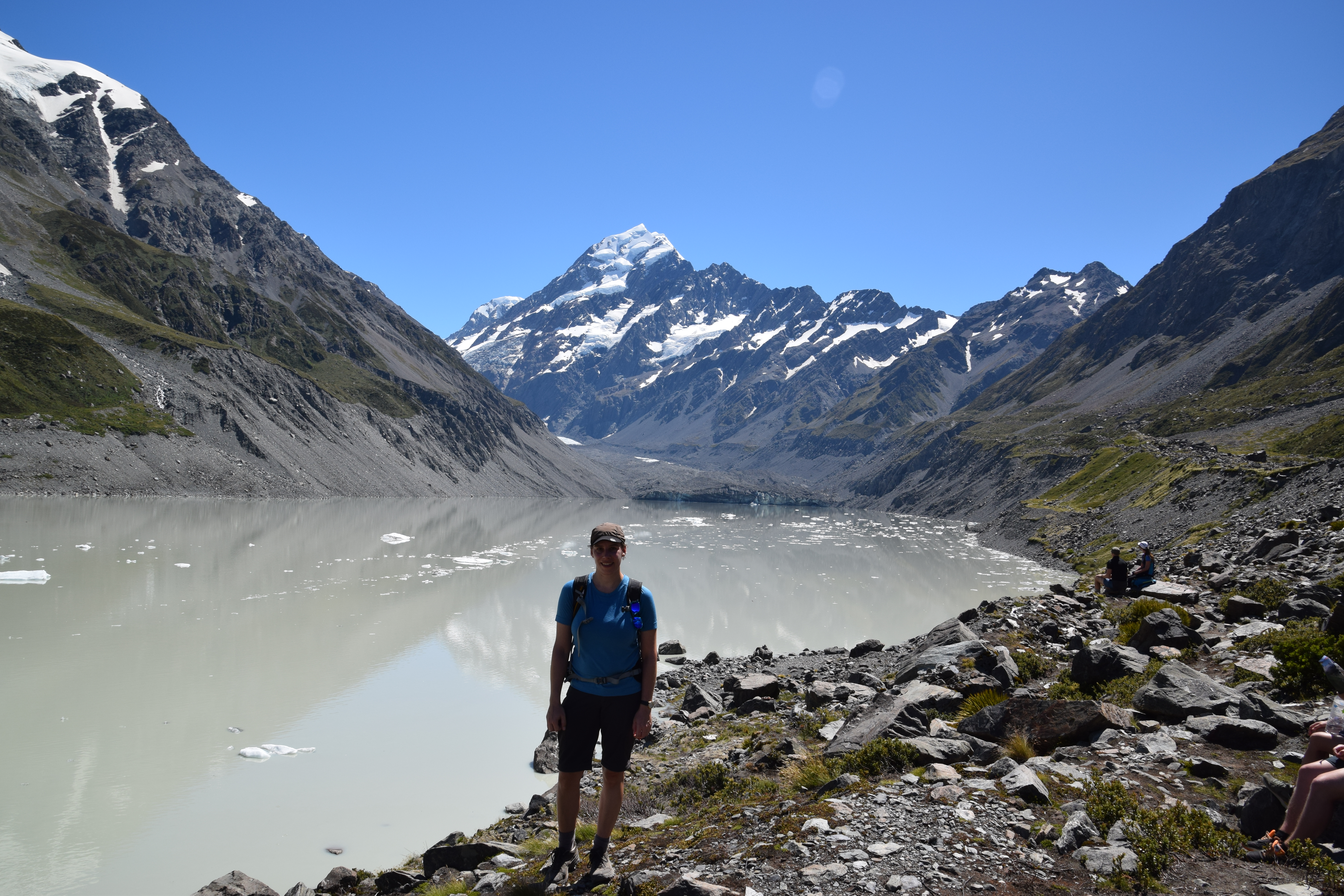
The day at Aoraki Mt Cook was amazing: it was the hottest day (28°C) at the highest destination of our journey through NZ (1.000m) with a clear blue sky and amazing views of Mt Cook, the glaciers and the scenery.

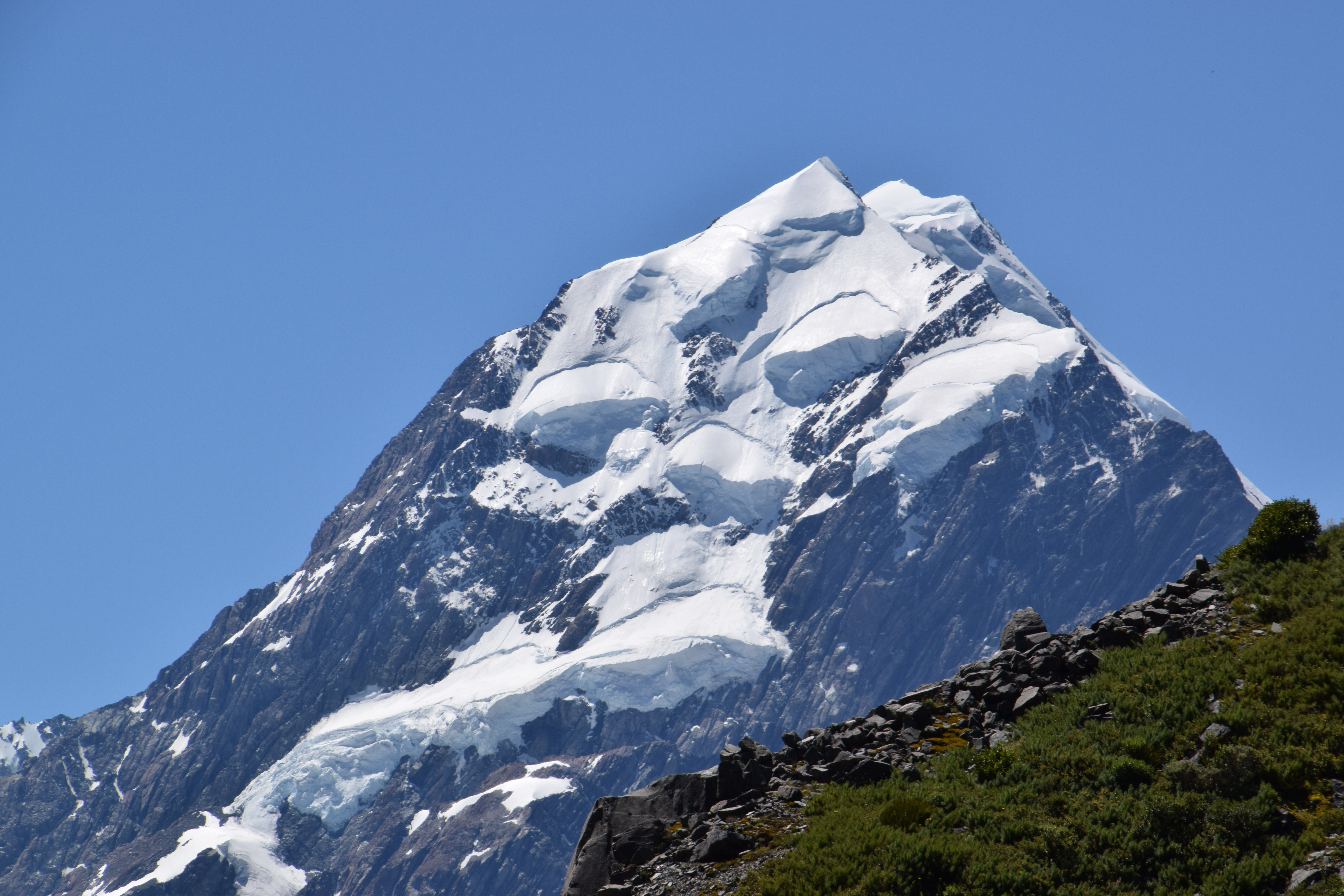
DSC_0161DSC_0169DSC_0179DSC_0185We renamed MtCook….

DSC_0188 GRUMPY! Can you see why?!

Fjordland was very kind to us, too. For some reason my booking hadn’t gone through so Bob & Maxine, the owners of the same-named hostel, kindly offered us a room in their house (instead of their next door hostel). “You could be doctors”, Maxine proclaimed. Close, very close!

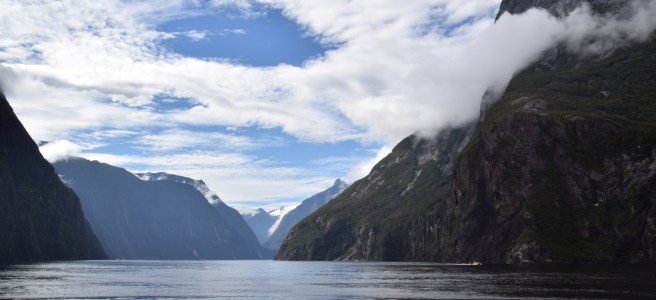
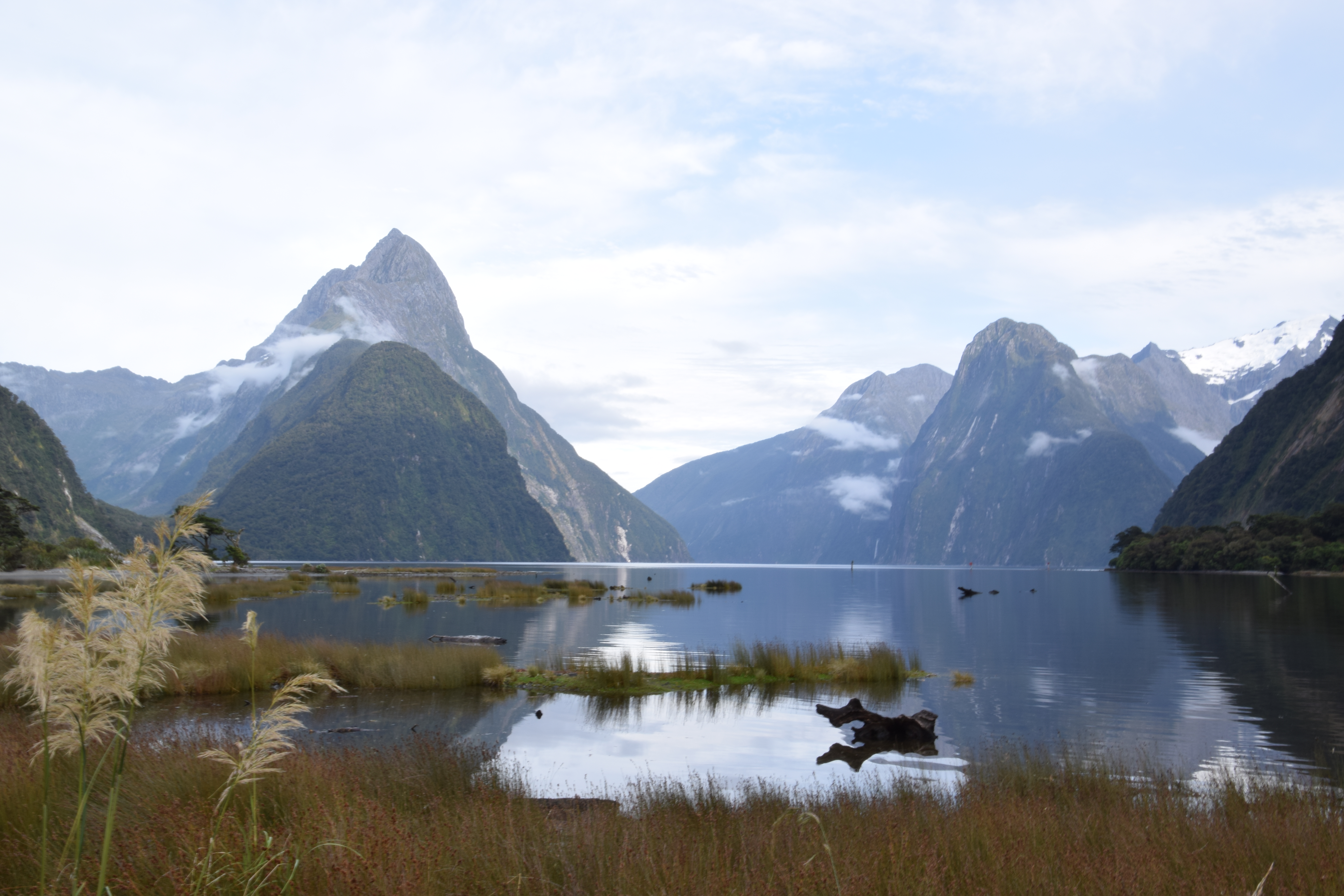
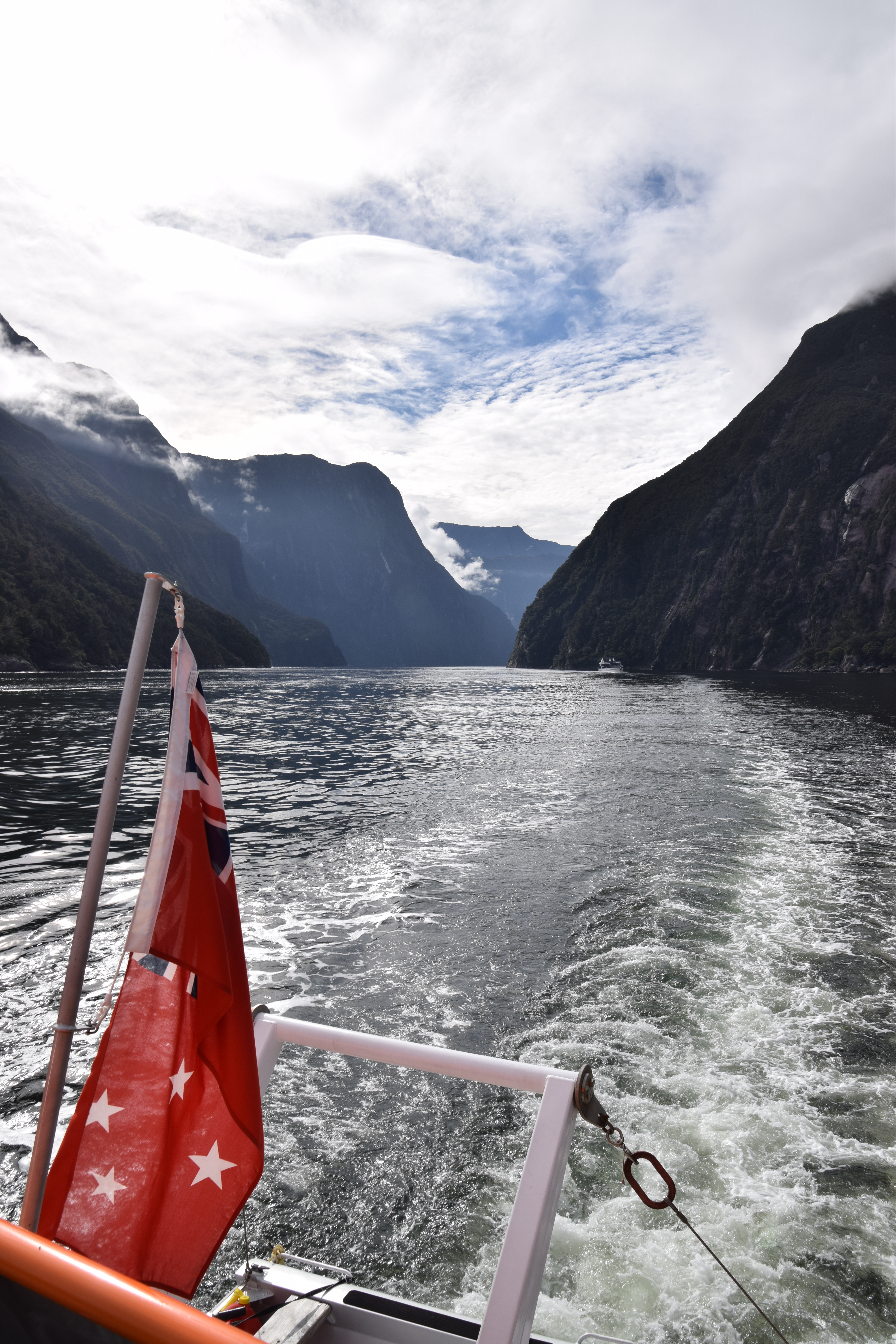
As to the beauty of Milford Sound and its surroundings,  see the following pics – we lucky devils!DSC_0224DSC_0295DSC_0276


Btw: I had the most delicious venison pie at “Miles Better Pies” in Te Anau, but I was too hungry to take a photo…

Good to be back, New Zealand!

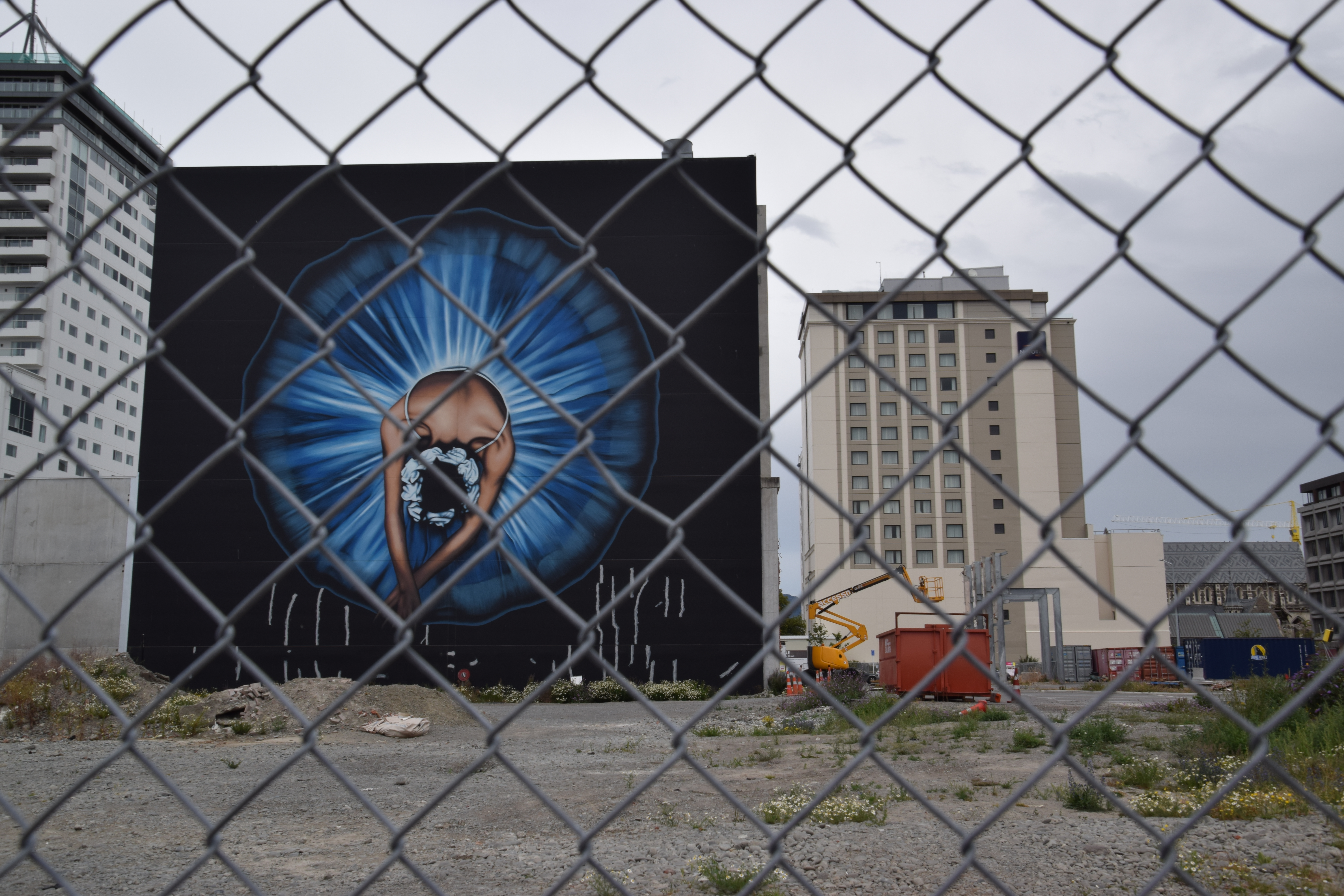
I cannot recommend to arrive in Christchurch at the unearthly hour of 5am – it sucks to spend a whole day fighting against the jetlag. That said, even without suffering from jetlag Christchurch is not exactly exhilarant. That has nothing to do with the wonderful people that live here. They are as amicable as everywhere else in the country. It’s because Christchurch has the look and feel of a ghost town with many houses blocked up or torn down, leaving empty houses and open spaces. It was depressing and I admire the people that still live there and are trying to rebuild the city – despite of a certain fear of further eartquakes.

DSC_0050


DSC_0049


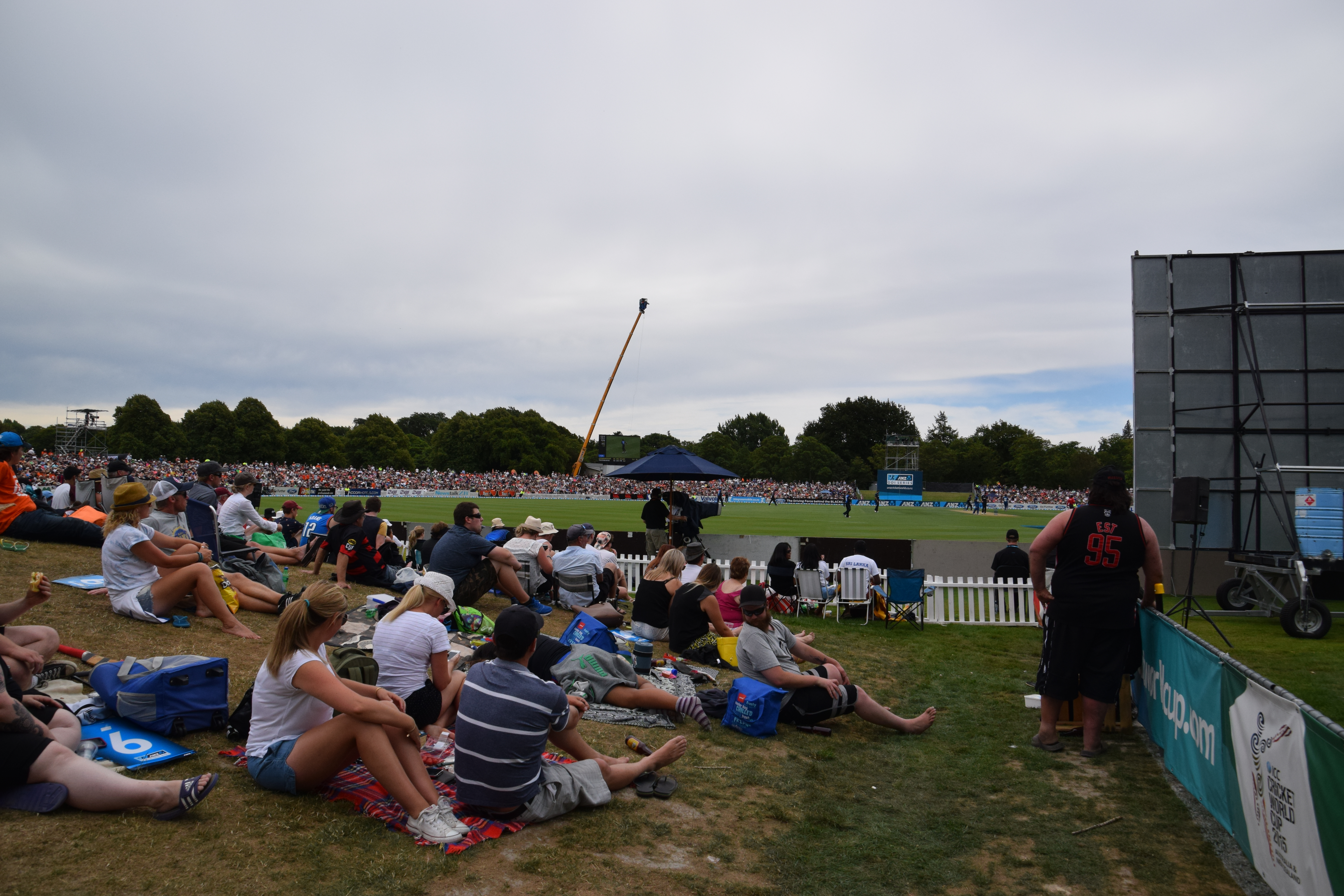
On the positive side we had tickets for the ODI series cricket match between NZ Blackcaps and Sri Lanka at the Hagley Oval – which turned out to be a cricket field with a grass rampart. The interesting part was not the game, the rules of which we barely knew, but the crowd that enjoyed watching: people of every age basically having a picknick on the lawn while sitting there as if watching TV (with a few cheers in between), the kids amusing themselves on the bouncy castles outside the rampart, all dressed for the occasion with shorts and skirts (not many brand-name clothes), barefoot or in flip flops. So relaxed! A great spot to people watch! DSC_0041DSC_0046

Here is what I love about NZ: when entering we were kindly asked to empty our (half empty) water bottles. When seeing the ??? on our faces the woman apologised, explained that it was to make sure that we don’t bring any alcohol in (luckily they don’t know that trick at the Waldbühne yet) and handed us two full water bottles in exchange. Plus everyone could get a free water refill at the many refill stations around the field. Unimagineable in Germany!