Torres del Paine – Trekking with THE TEAM

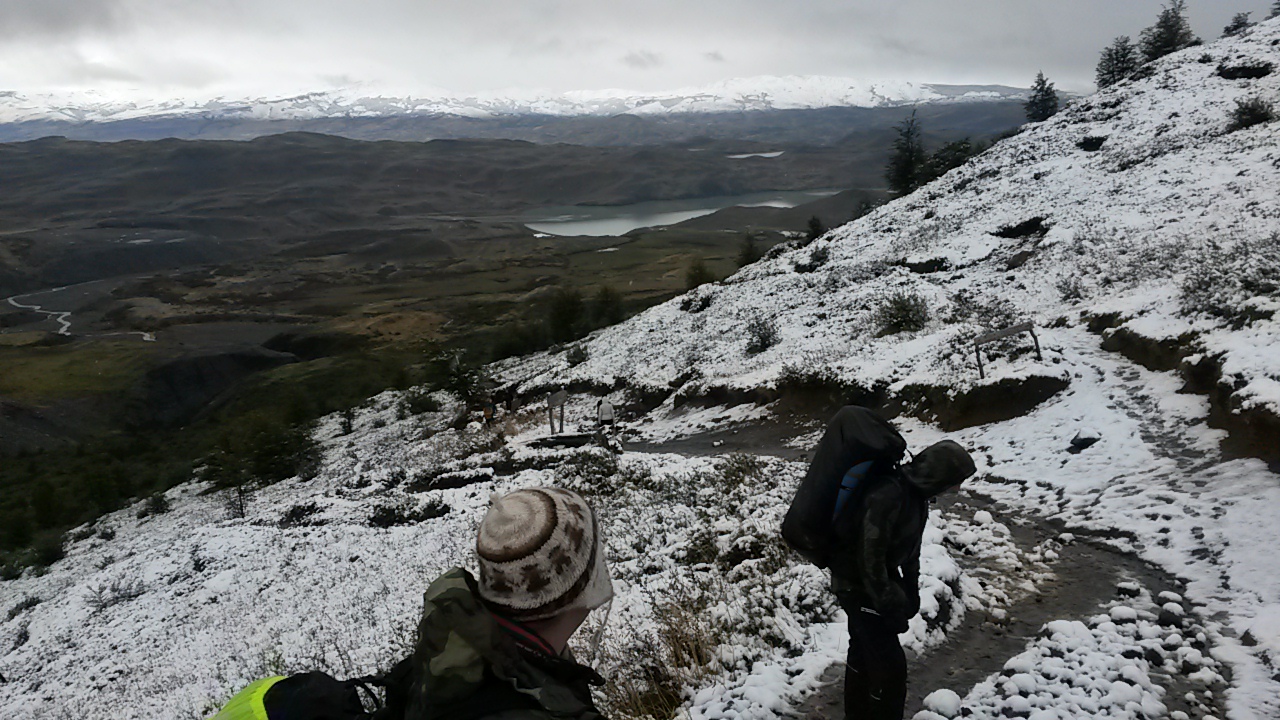
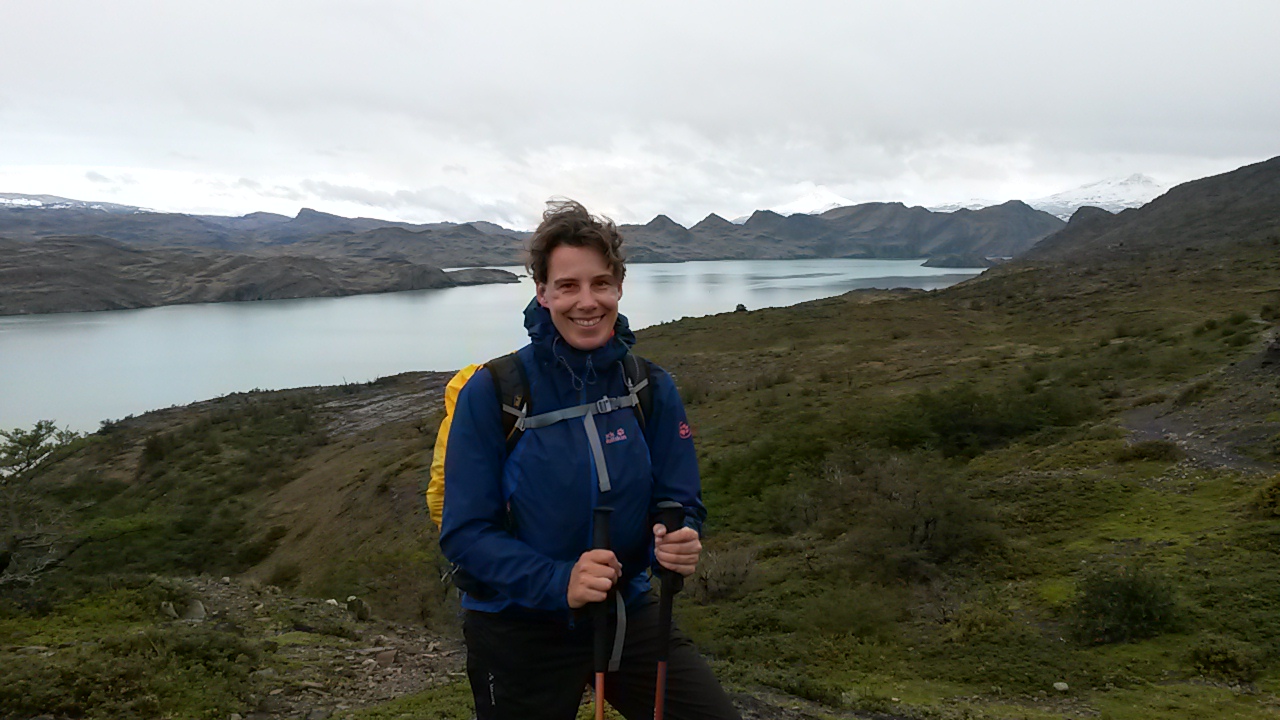
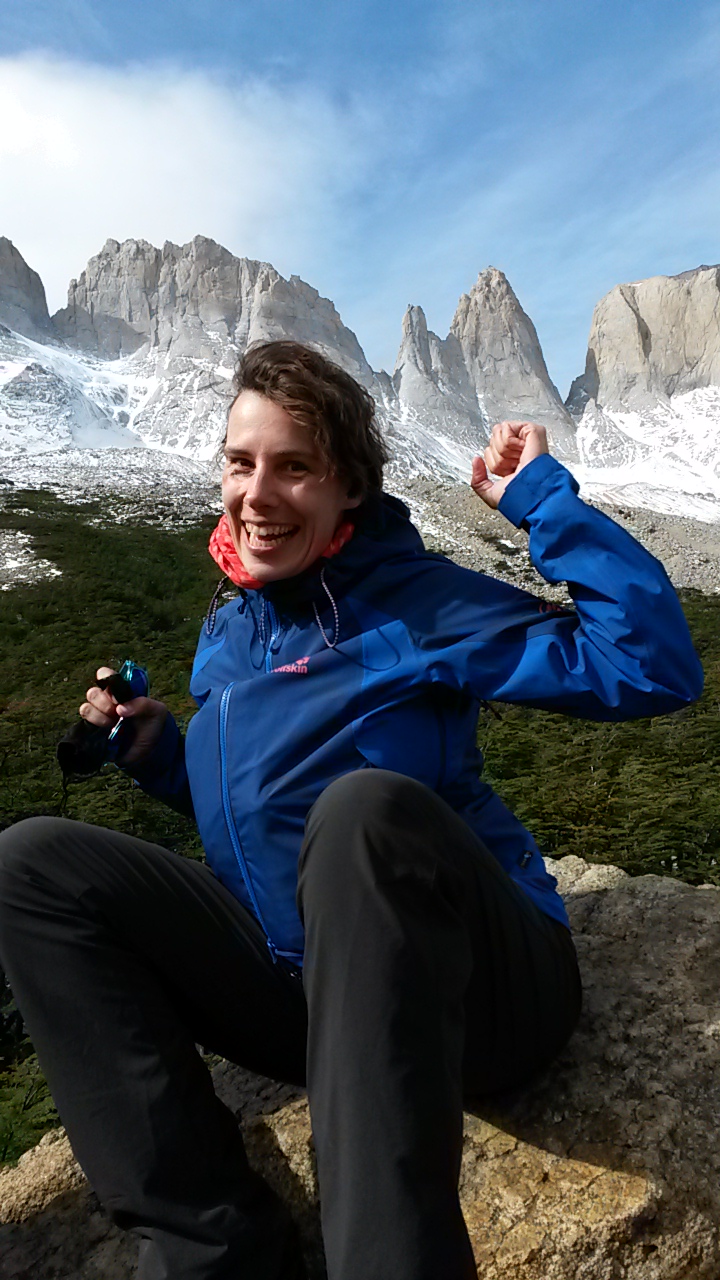
We’ve had it all on the so-called W-Trek: snow, rain, sun, wind! We’ve hiked up and down, crossed rivers and streams and huge mud pools and I was very glad that for the first time in my life I had rented trekking poles! No trekking in the famous Torres del Paine Natinal Park in chilean Patagonia would be complete without experiencing all of this. That said, I wasn’t able to see the Torres up close, as it was first raining and later snowing on that first day in the park. I still went up to Laguna Torres and saw, well, the laguna and… clouds. It happens to the best of us.

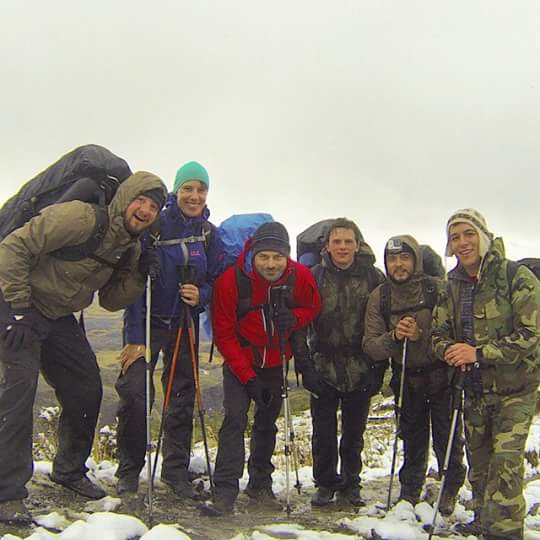
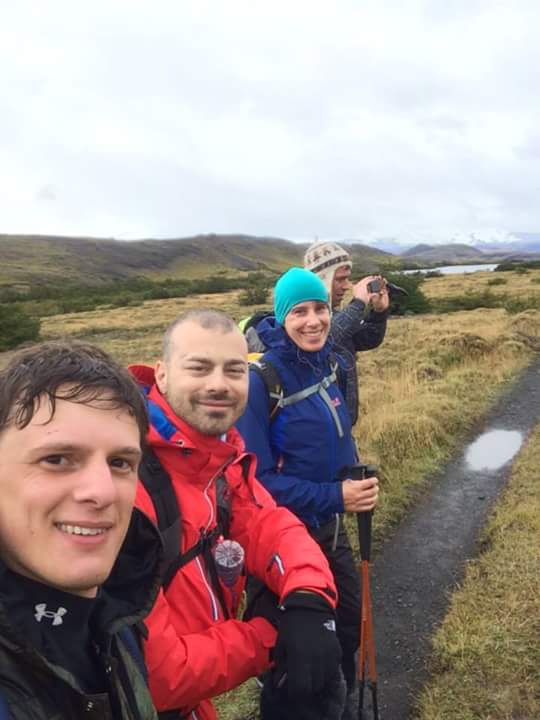
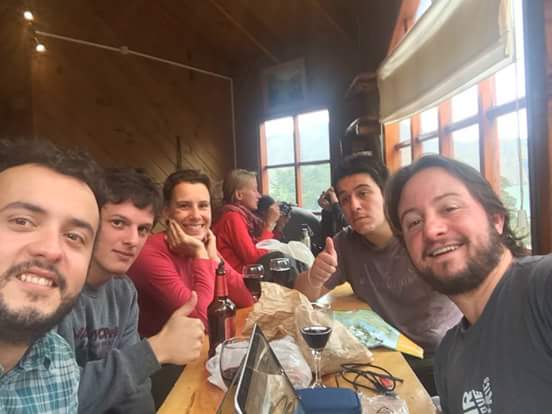
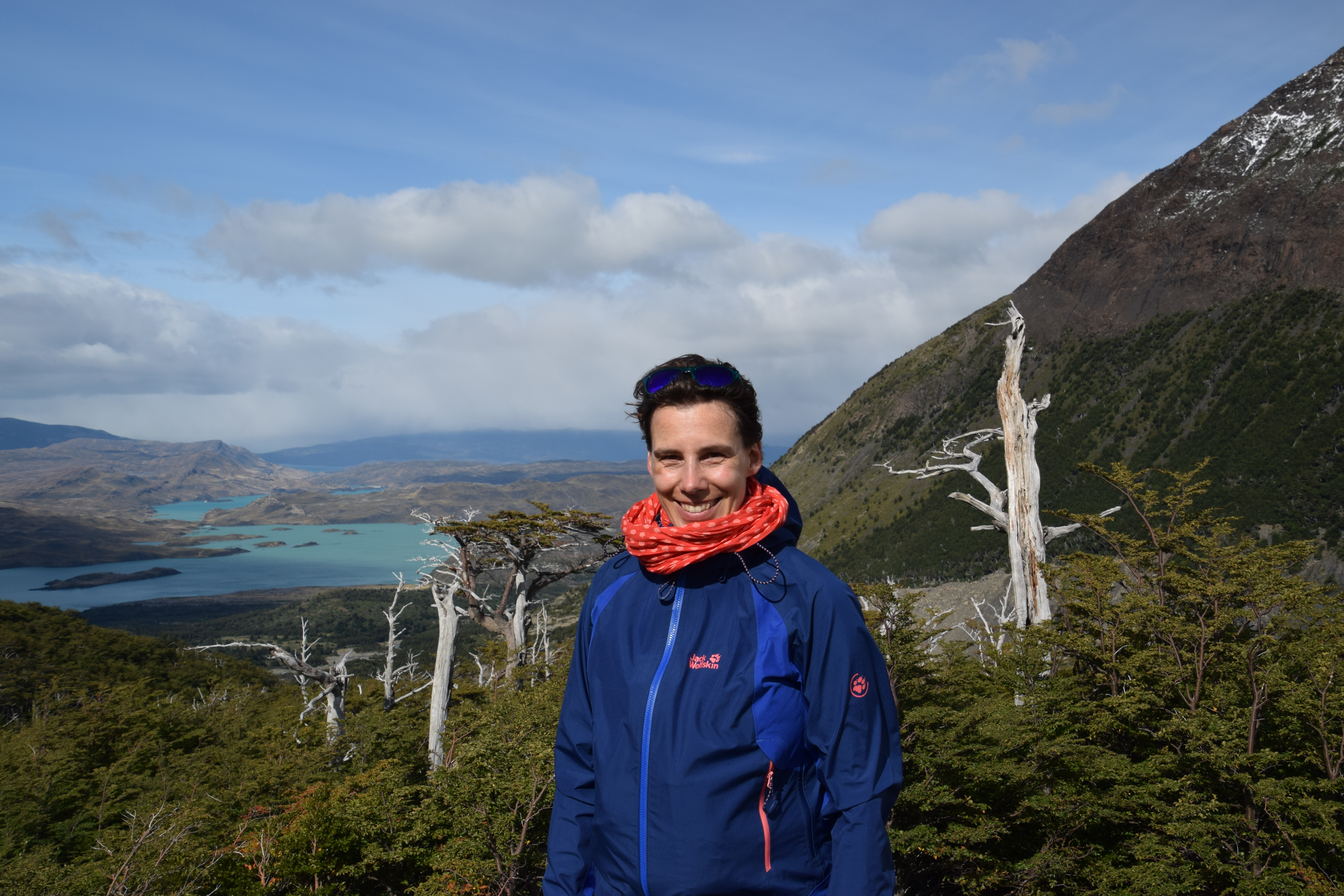
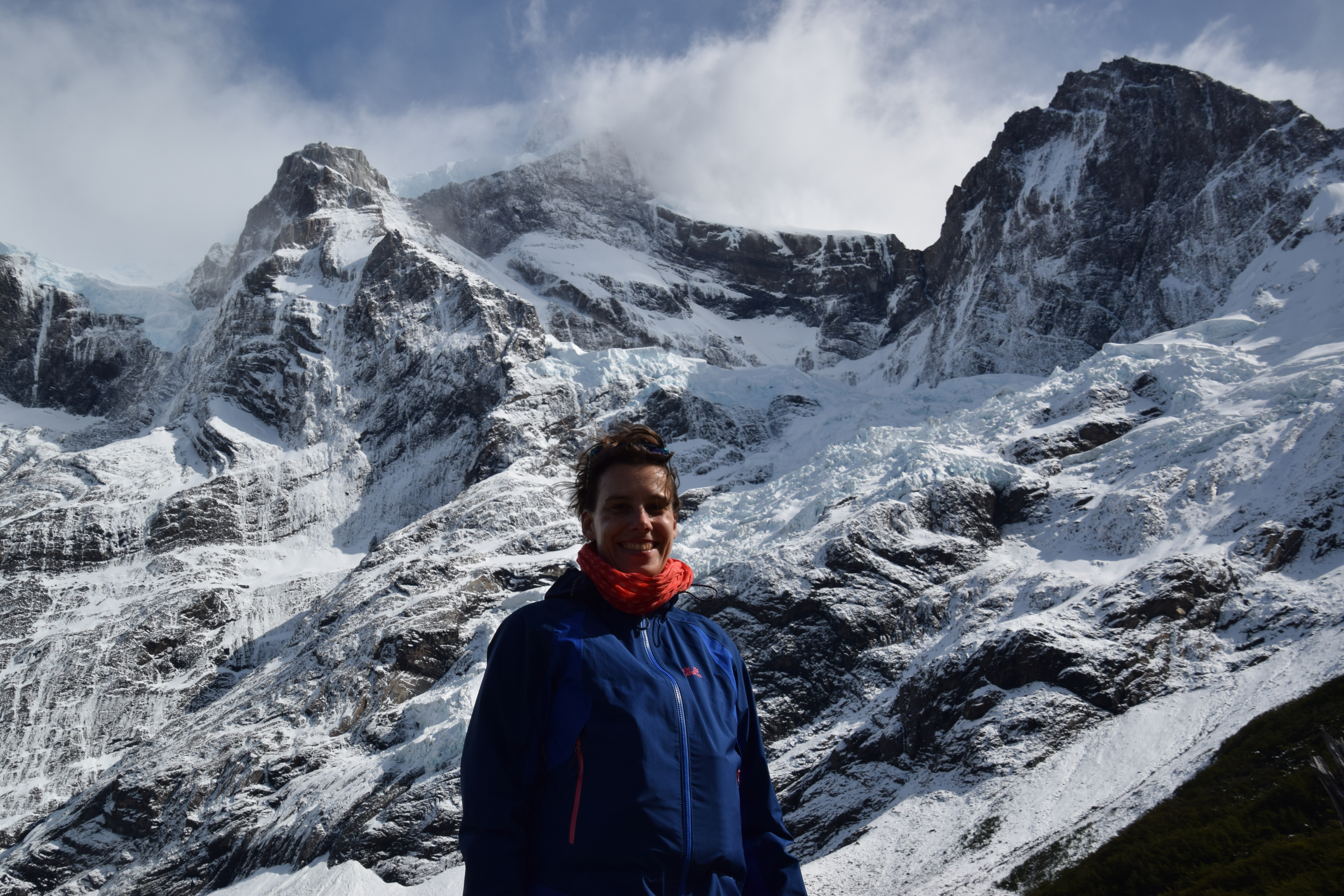
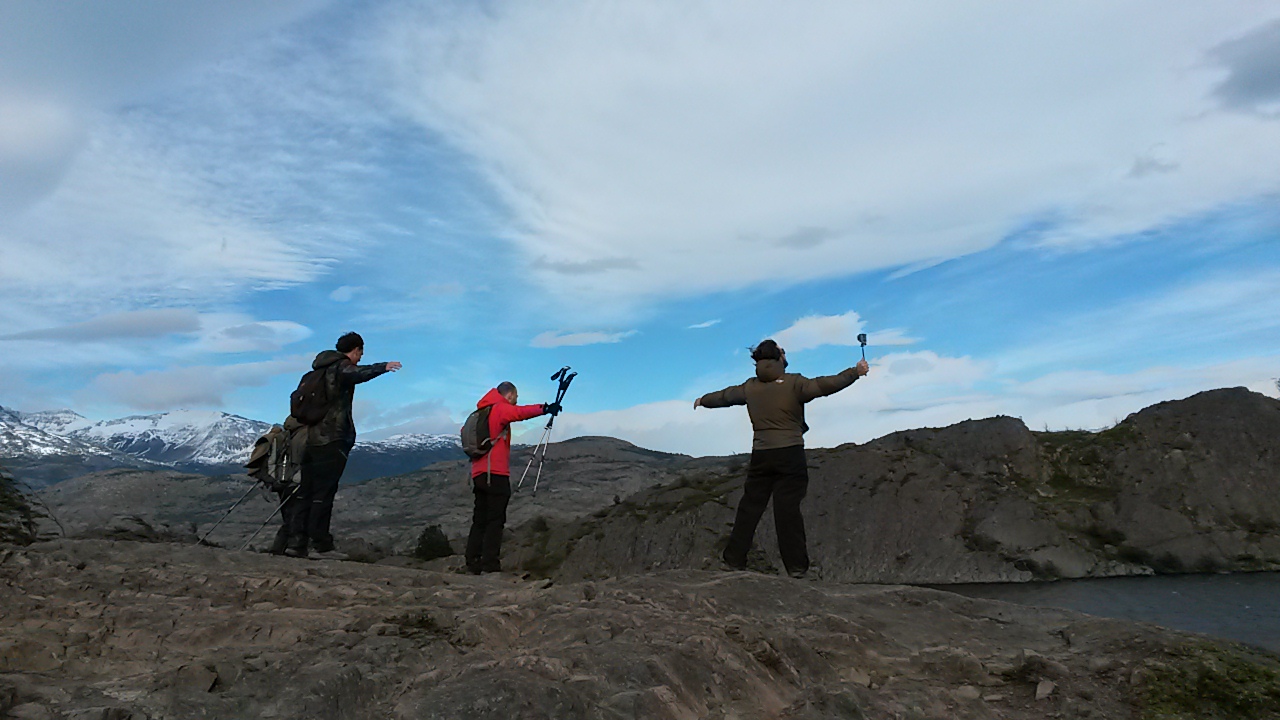
However, that day I also met THE TEAM (in reference to the German MANNSCHAFT during the last world cup)! In fact, I had already shared a dorm with 4 of the guys (Emiliano from Argentina, Christóbal from Chile, and Daniel and Átila from Brazil) in Refugio Torres. And now, in the cozy Refugio el Chileno, we sat together, with Tiziano from Italy, and THE TEAM for the next days evolved. We’ve had loads of fun (at some point when the sun came out I started off an “O sole mio” which Tiziano then sang to us in full, making it our anthem for the trek – music really helps marching on) and pushed each other to our limits (special thanks to Emiliano and Tiziano for pushing me up to Mirador Brittanico) and I am very grateful for this time with all of you guys, you rock!! (Question: why do I always end up in a group of guys? Not that I don’t like it, just wondering…)

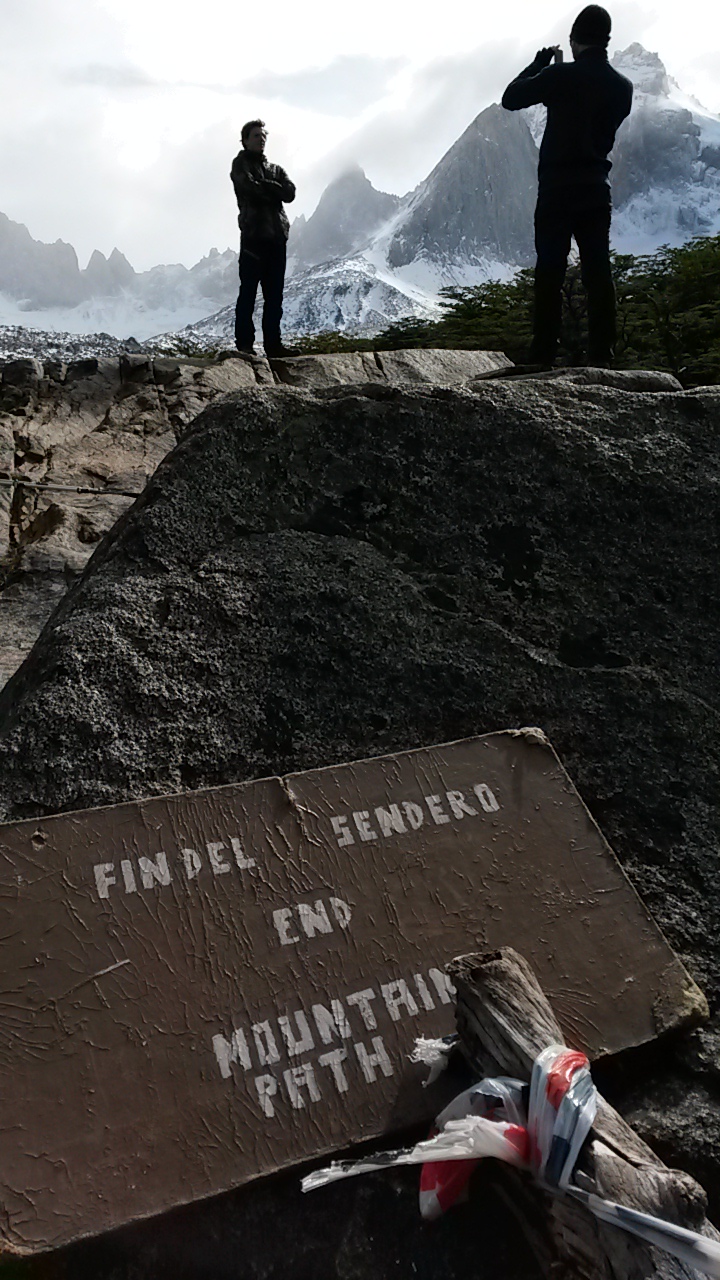
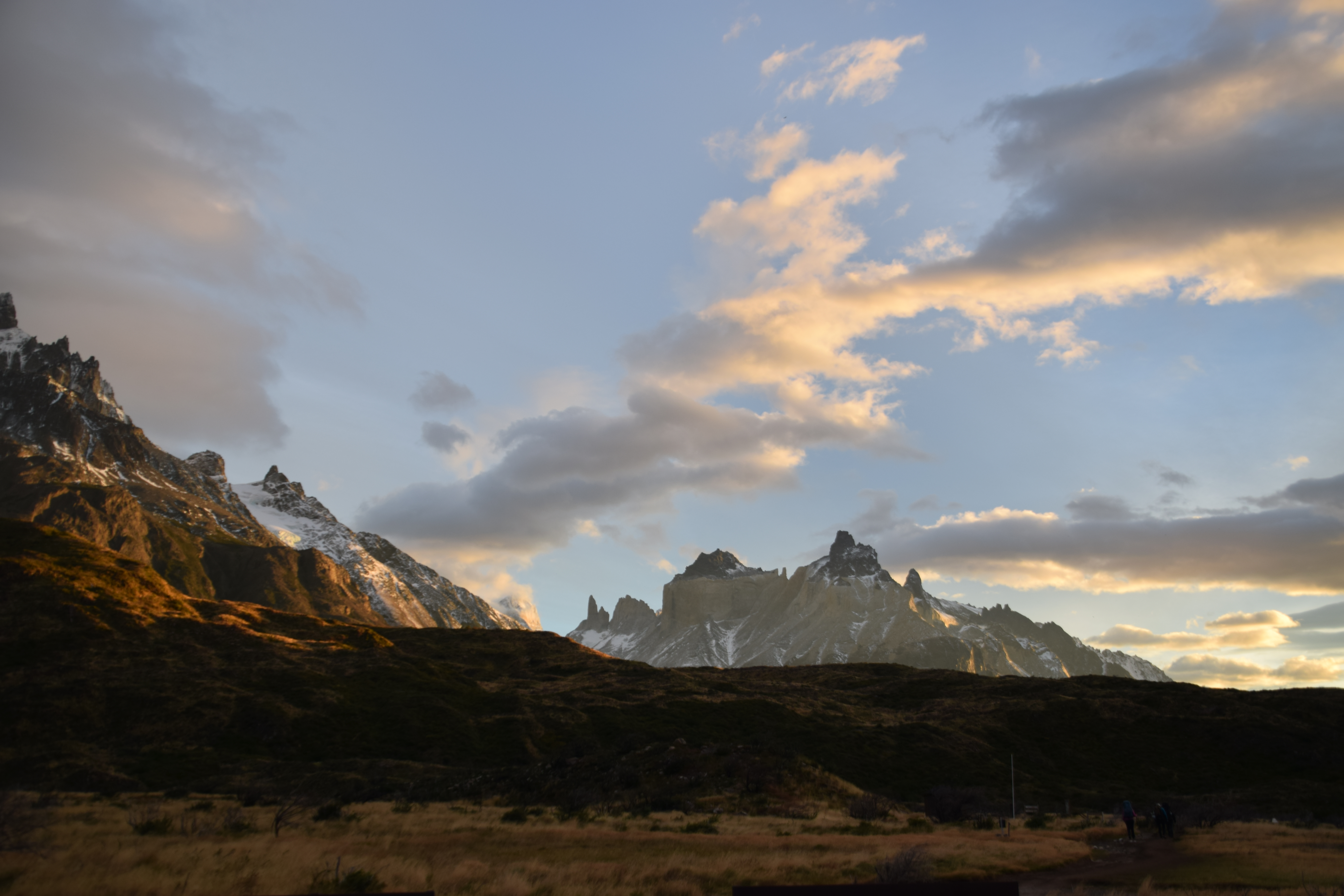
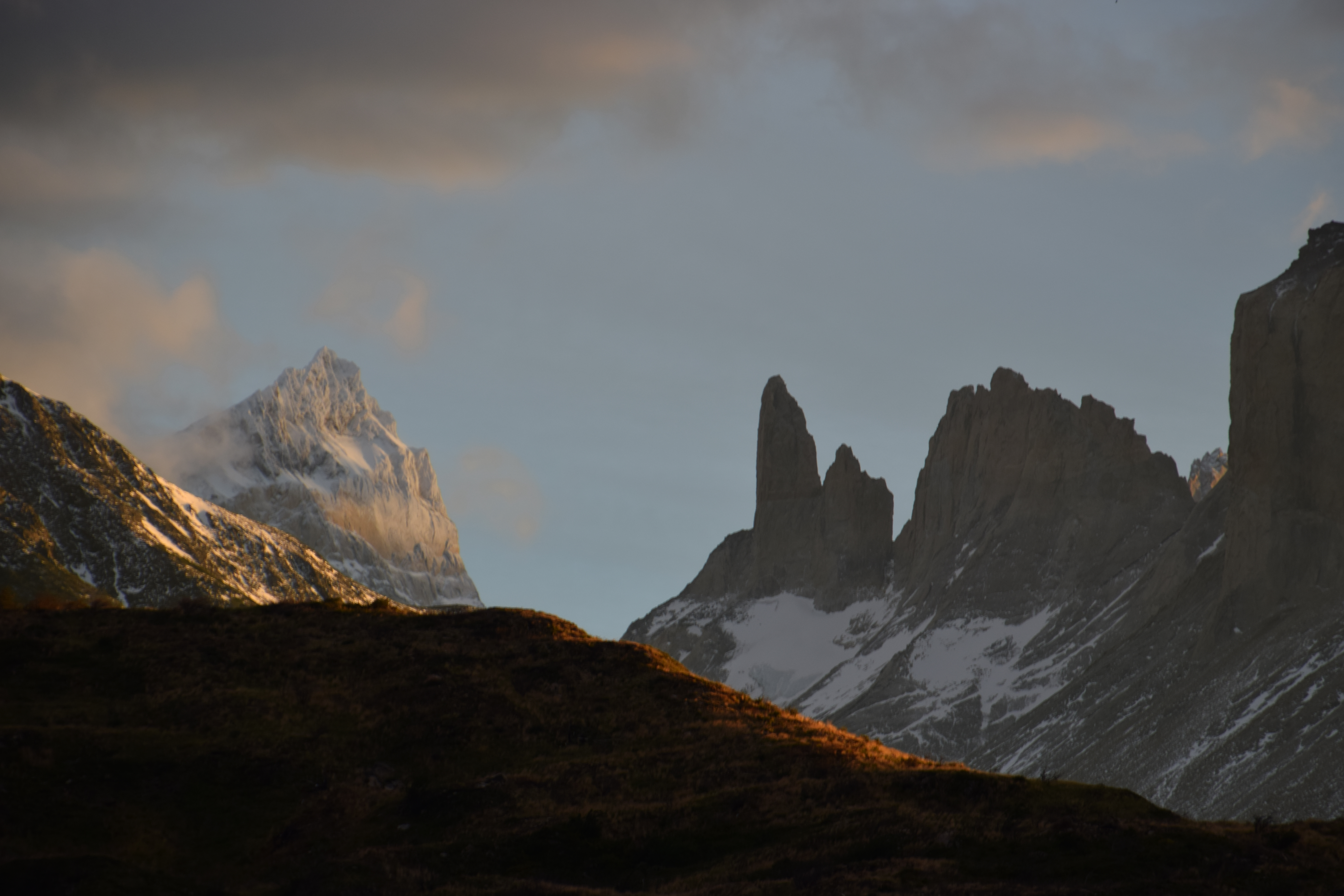
It was amazing, yet strenous (hell, some parts took a lot of will-power), but I’d do it again any time! Not going to go into more details… check out the photos instead:
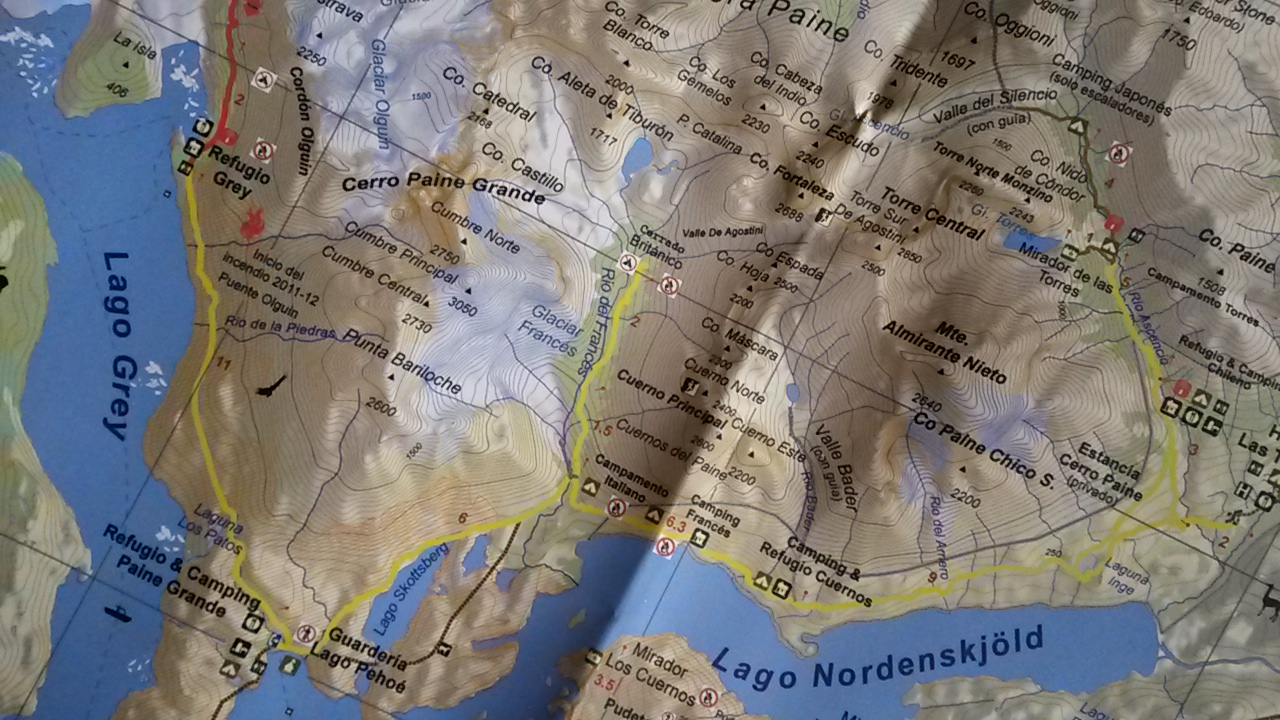
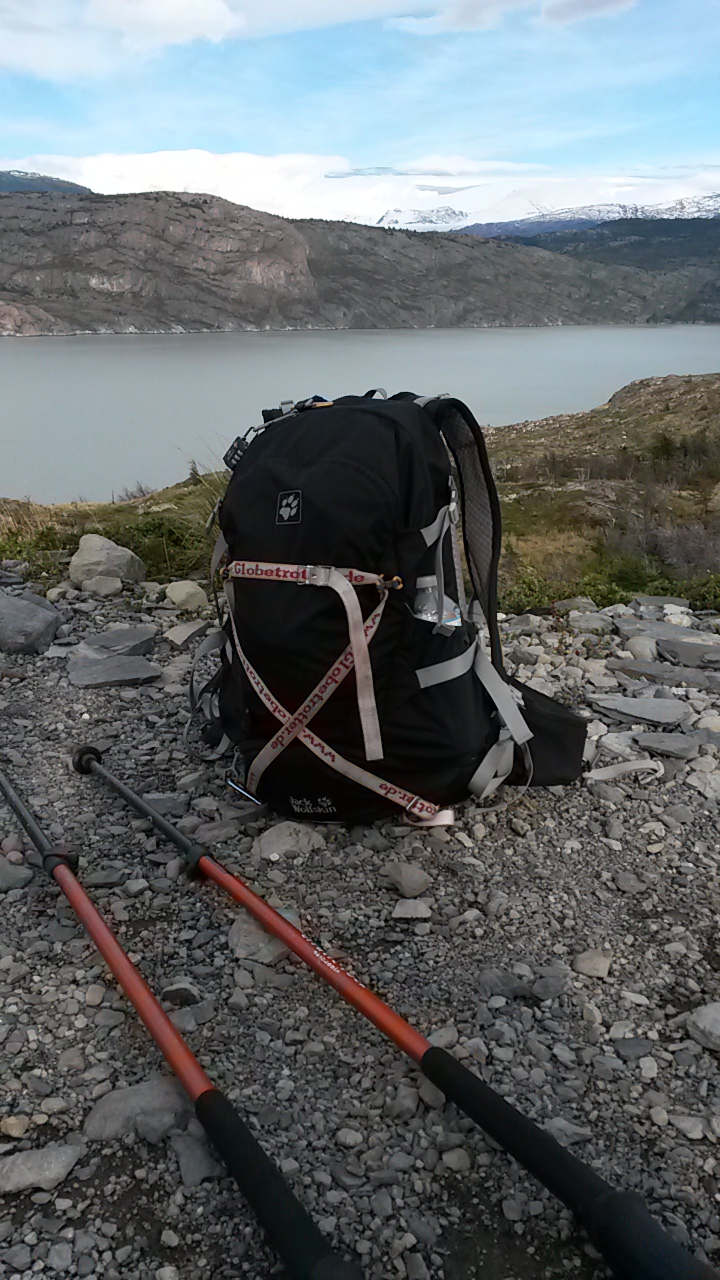
W Trek 20150321_110007

Day 1: Refugio Torres – Laguna Torres – Refugio El Chileno:

Torres in the morning from far away
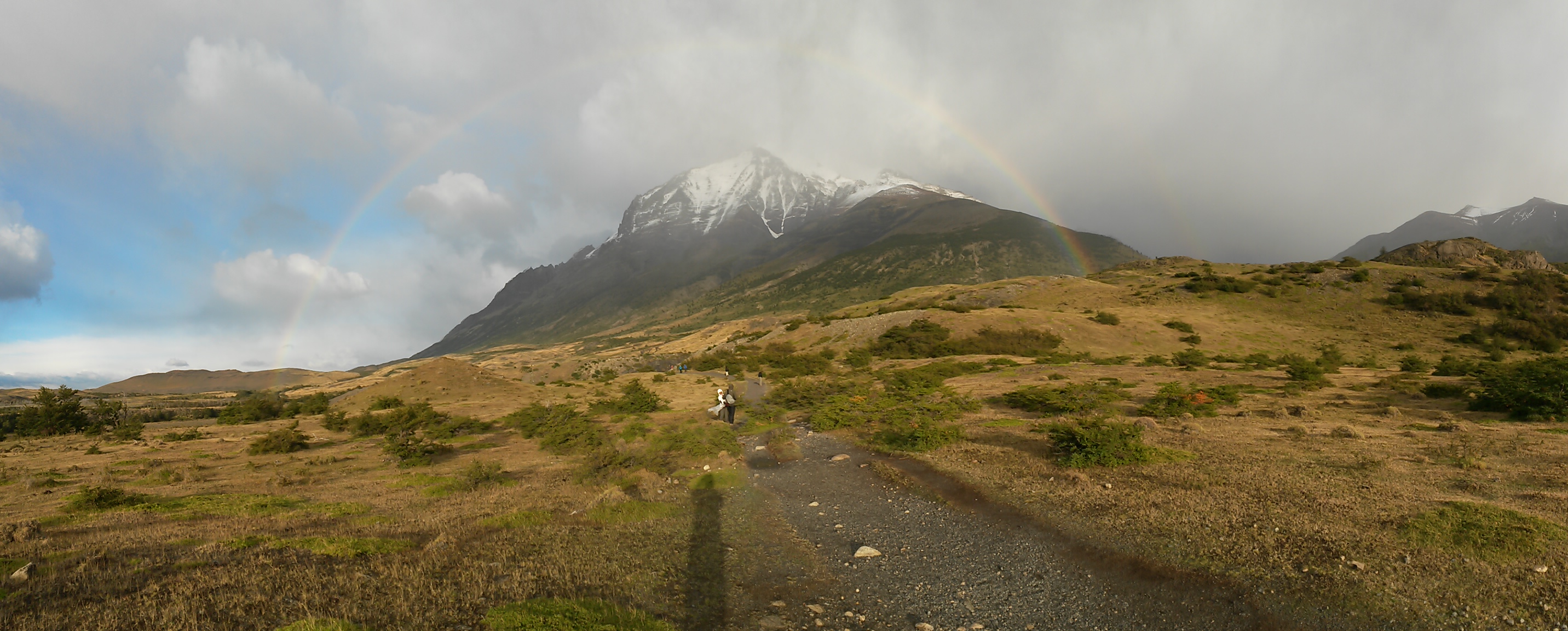
First day - starting with rainbow
First day – starting with rainbow
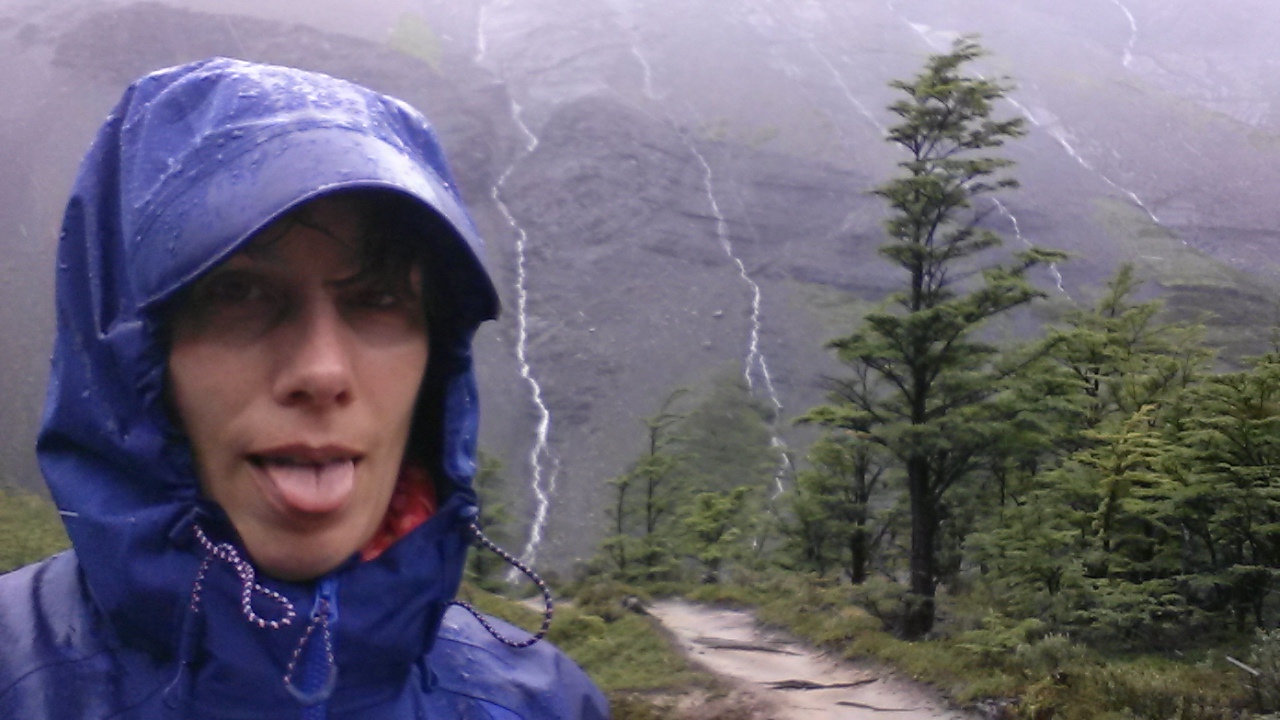
Wet, wet, wet.
Wet, wet, wet.
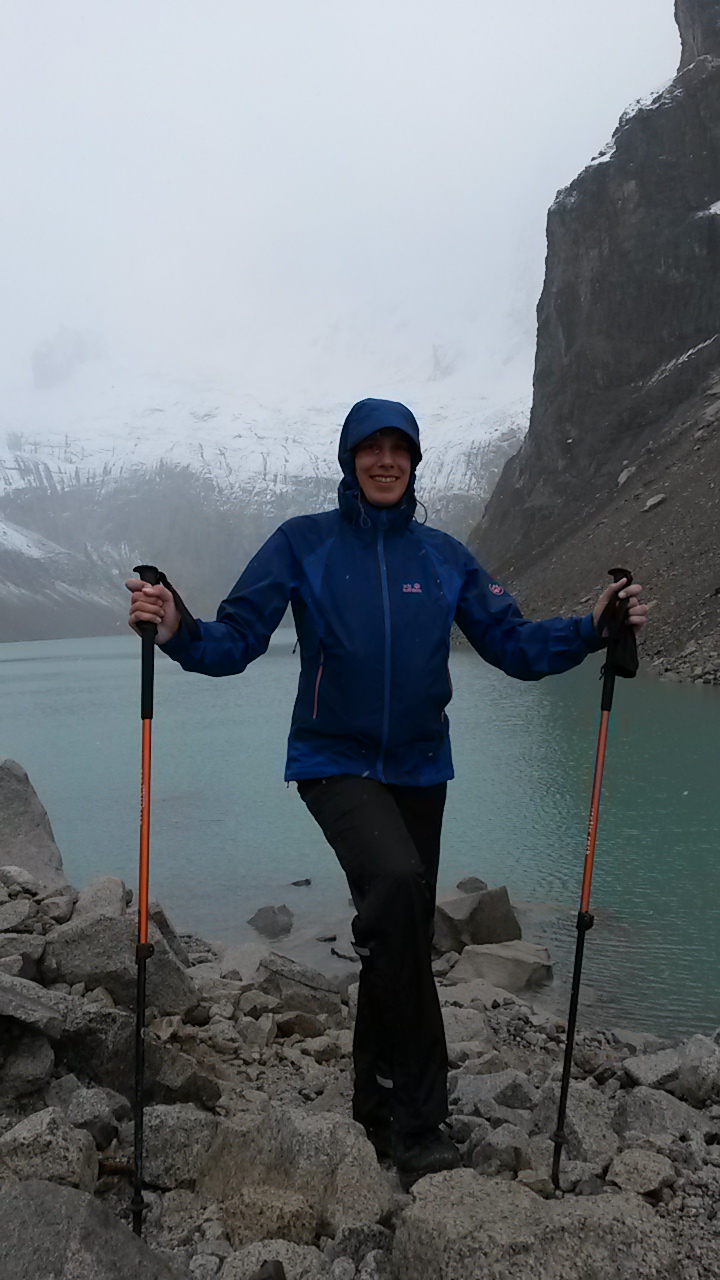
Laguna de los torres without torres.

20150318_175454

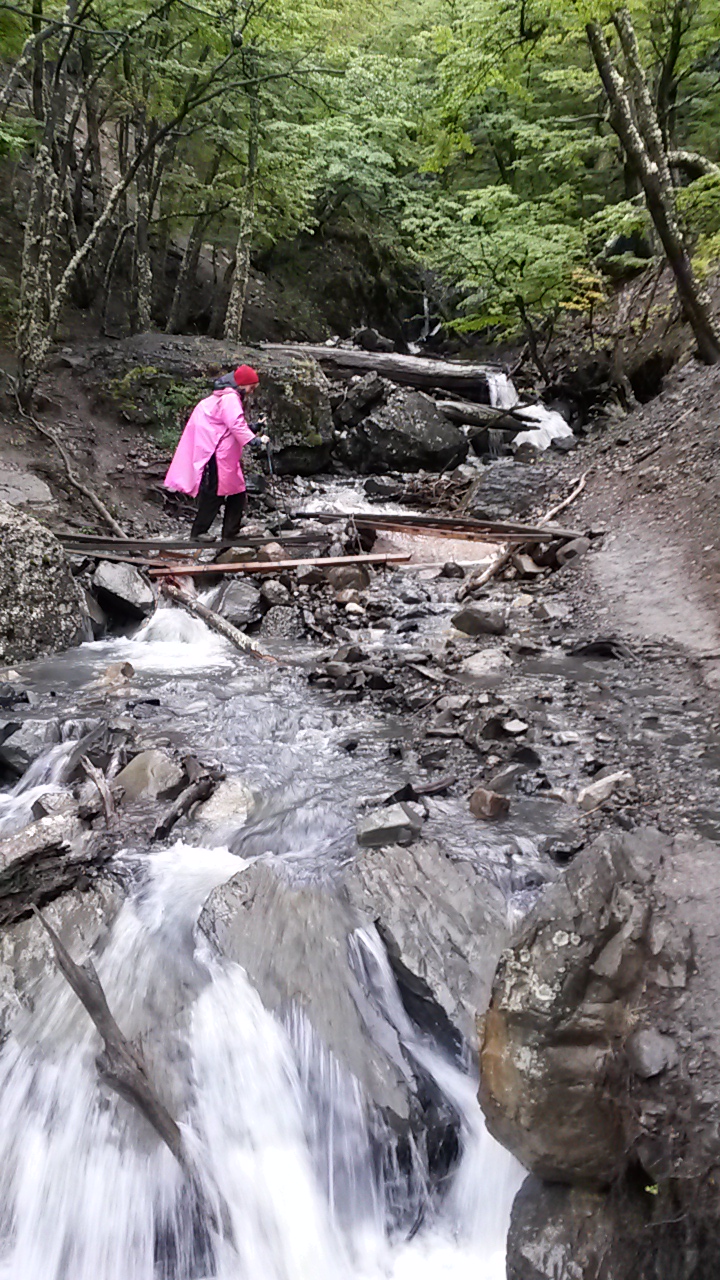
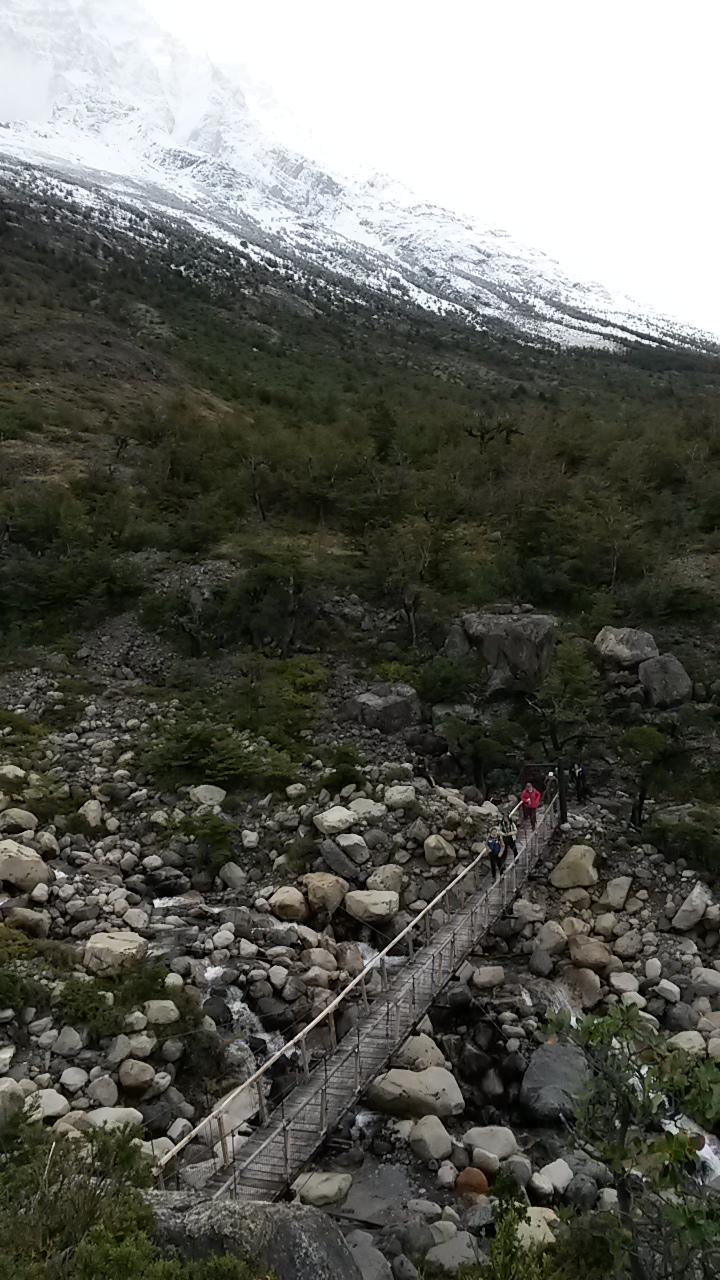
Patagonian "bridges" (nope, that's not me in the pink poncho!)
Patagonian “bridges” (nope, that’s not me in the pink poncho!)

20150319_091234

20150319_091255


Day 2: El Chileno – Los Cuernos
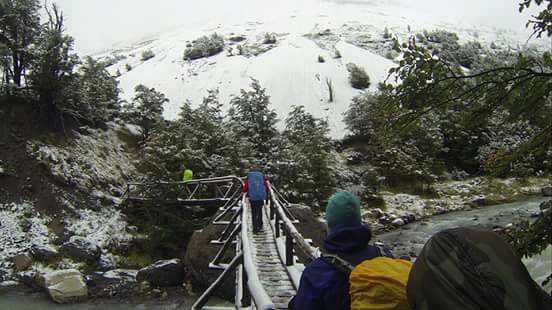
FB_IMG_142776601547520150319_10210420150319_103659FB_IMG_1427310717005FB_IMG_1427765864699FB_IMG_142731049670320150319_120905DSC_1265DSC_1268DSC_1272DSC_127920150319_13121820150319_14594520150319_161622FB_IMG_1427310317430

Day 3: Los Cuernos – Mirador Brittanico – Paine Grande

20150320_112553

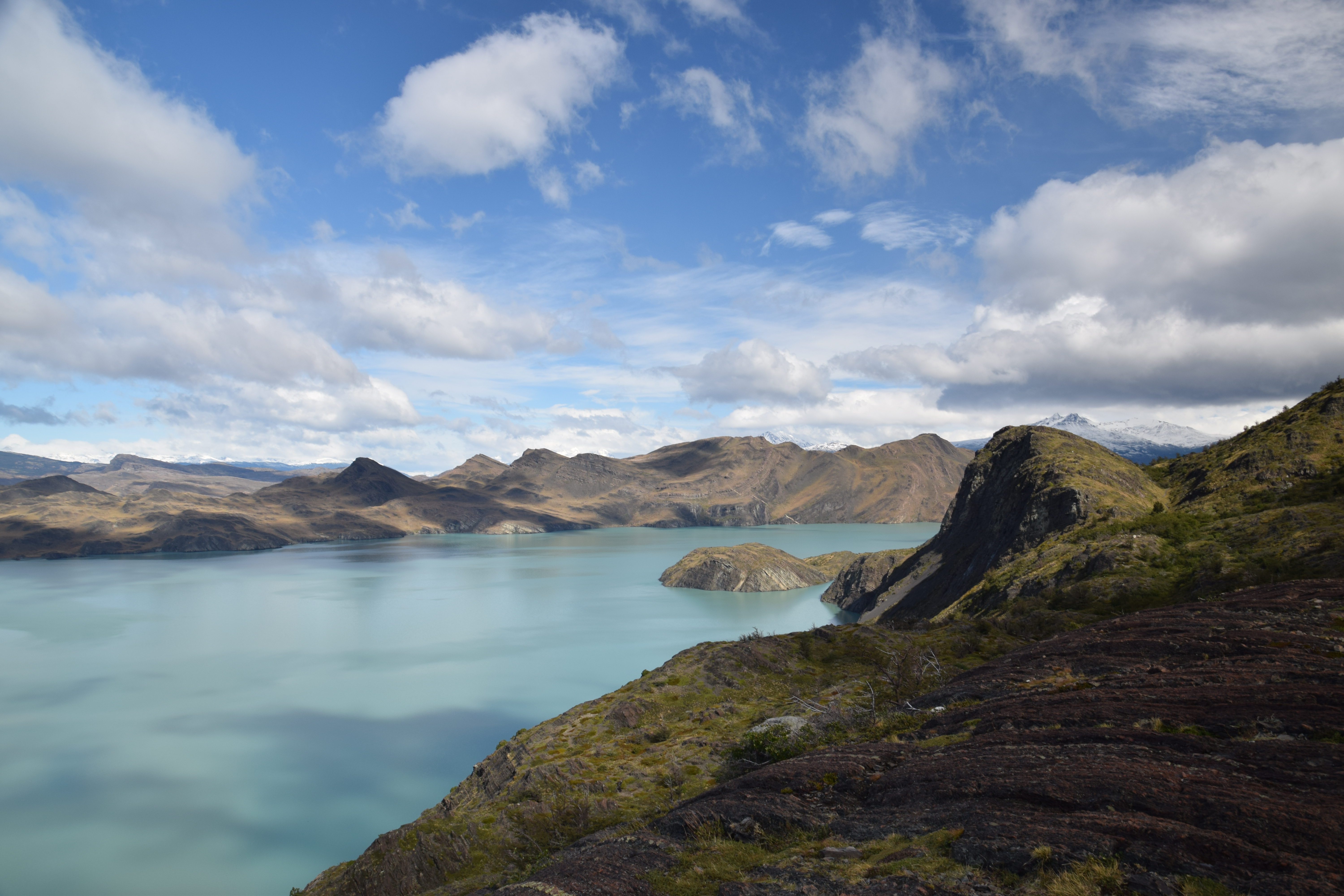
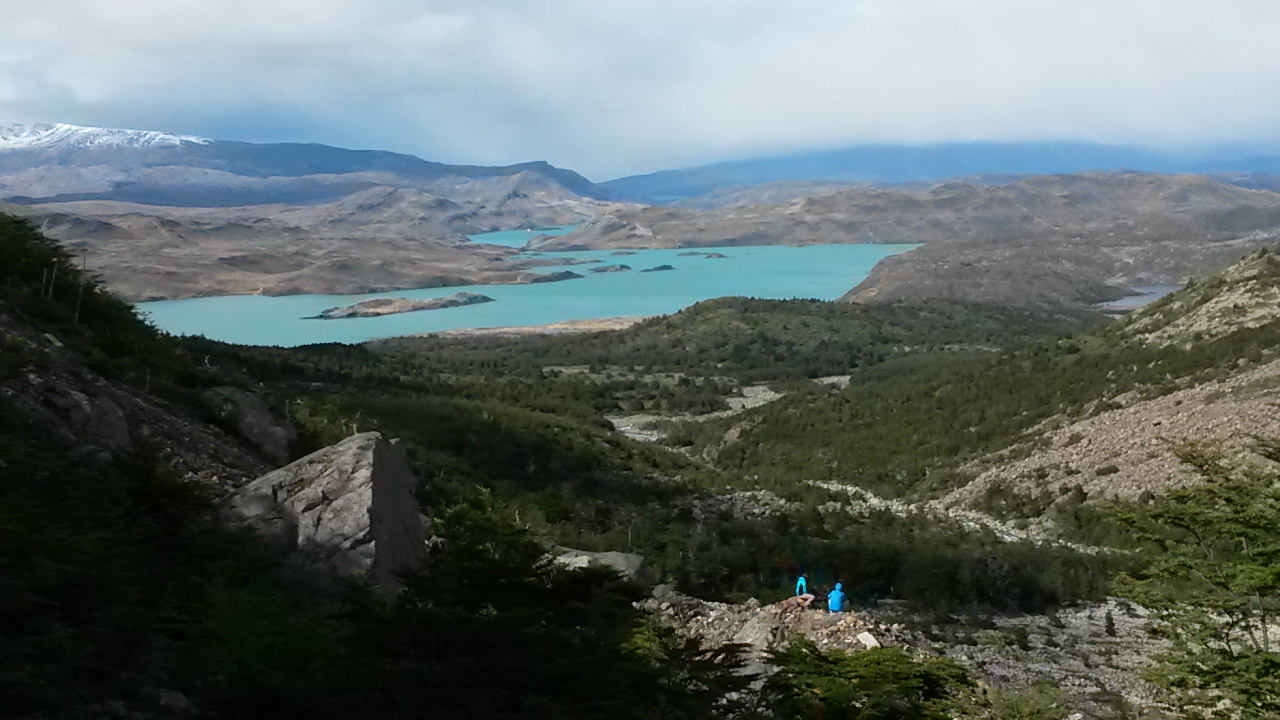
Lago Nordensköld from Mirador Frances

DSC_1310

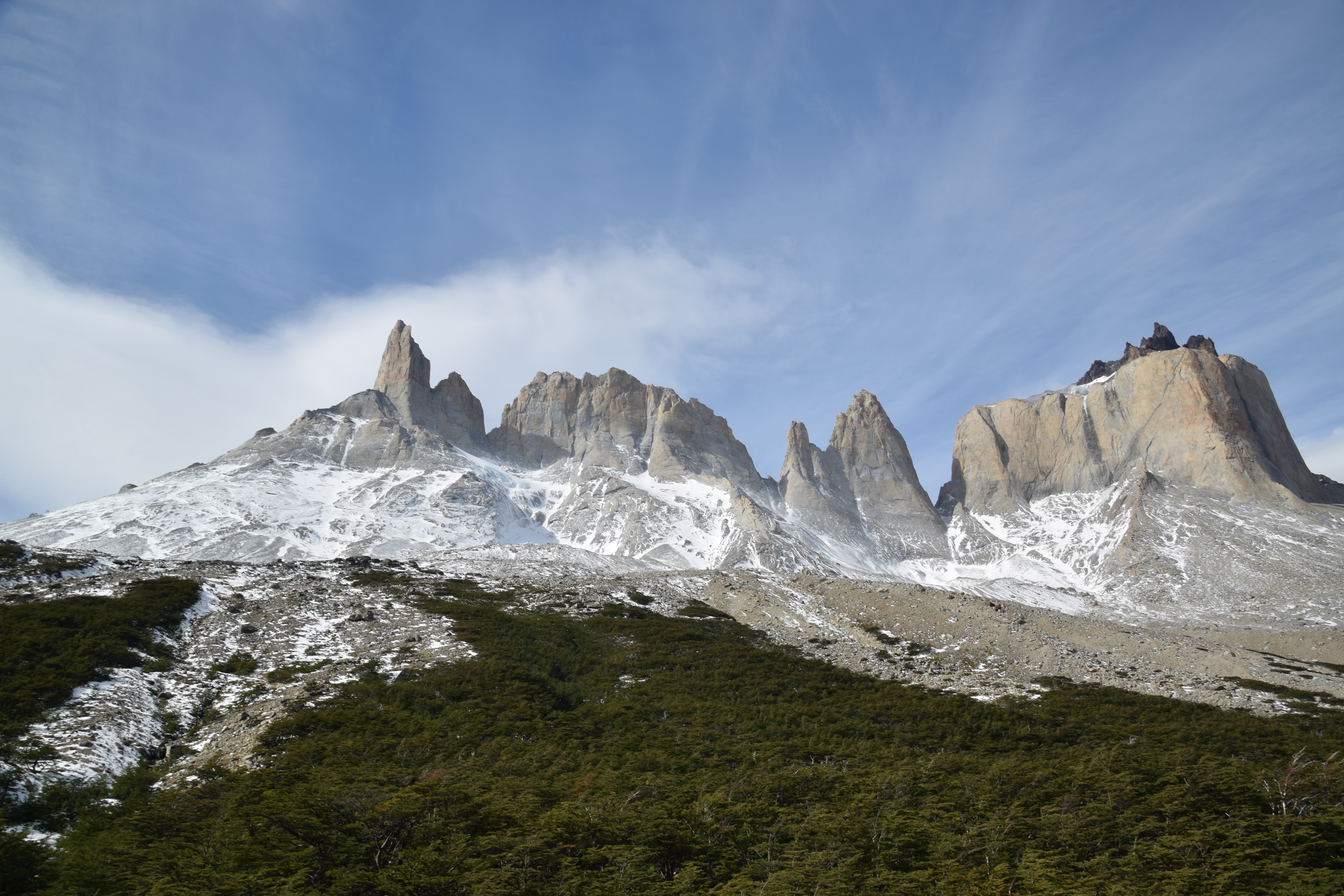
View from Mirador Brittanico

DSC_1320

DSC_1313

20150320_14424920150320_14485220150320_17043120150320_173245DSC_1325DSC_1327

Day 4: Paine Grande – somewhere on the way to Glaciar Grey -Paine Grande
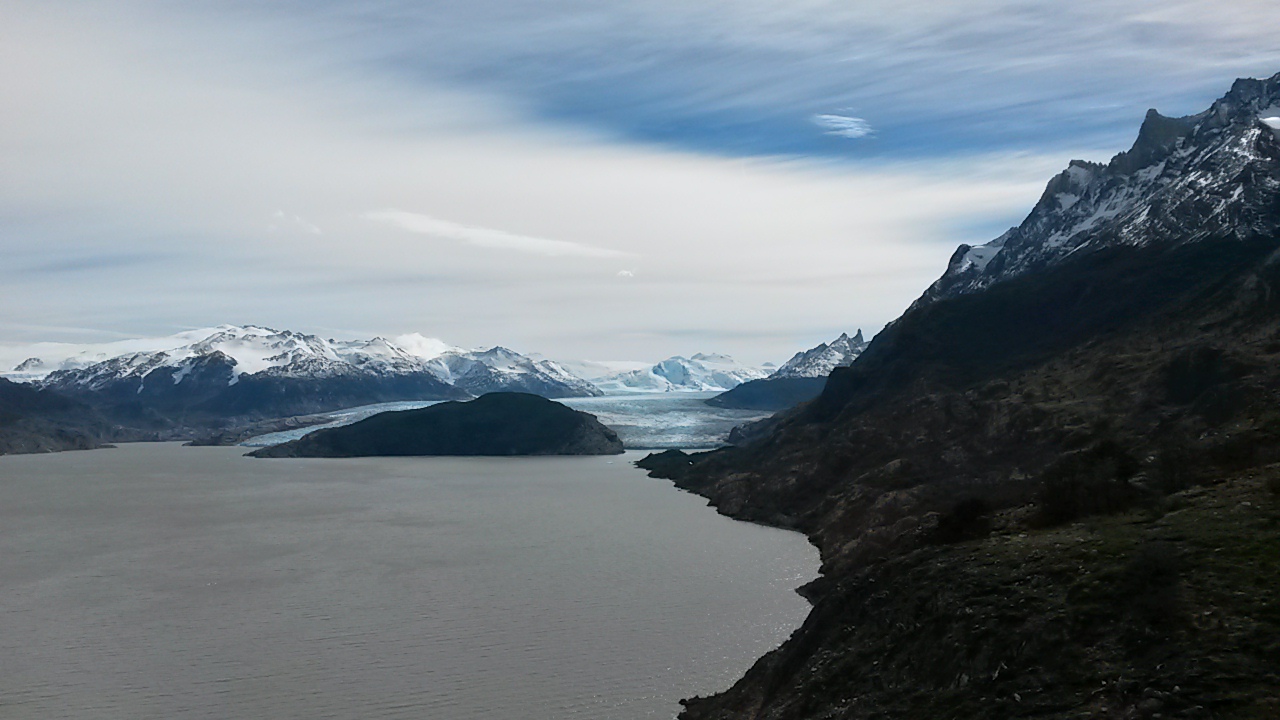
20150321_141048
Glacier Grey

20150321_095410

20150321_102349

And check out Daniels and Átilas professional travel blogger photos and videos, if you like:

http://www.mochileirodasmaravilhas.com.br

http://www.voucontigo.com.br

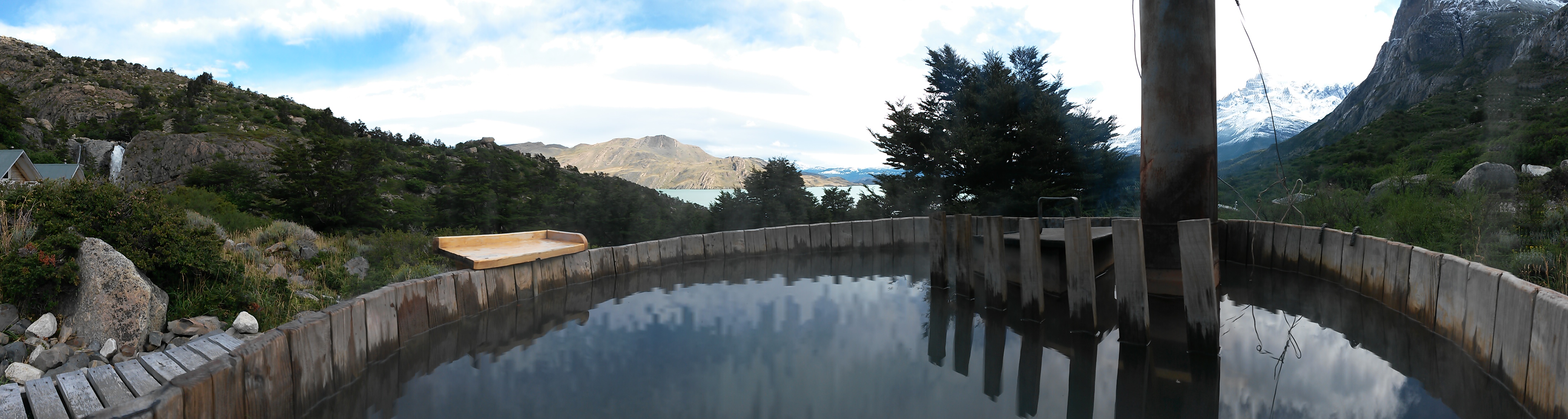
For those of you who’d like to do the W: I’d suggest to book refugios incl. full board, if you can afford it. That way you’ll have to carry less and won’t get wet or cold at night! If coming from the east (start from Laguna Amada) get there in the late afternoon and spend the night at Refugio Las Torres. Start walking the next morning up to Laguna Torres (see Las Torres close if you’re lucky) and either spend the night at the small Refugio El Chileno or make your way down again to the larger and more comfortable Refugio Las Torres (I liked El Chileno for its cozy athmosphere and the fact that I did not have to walk all the way down again. Also, you can shortcut the way on the next day into the direction of Los Cuernos). Spend the third night at Refugio Los Cuernos and get an upgrade to a Cabin with beautiful views of the mountains and the lake and relax in the HOT tub! Alternatively spend that night at Campo Frances in a dome. That way you’ll have to do less walking on the next day! It is a long day, so start early! But the view from Brittanico is worth the effort! Spend the fourth night at Refugio Paine Grande. Consider spending a fifth night at Refugio Grey, as otherwise you’d have to walk a strenous 22 km return and hurry to get the 6pm boat from Paine Grande. Refugio Grey is said to be nice and you could even consider to do a tour onto the glacier – I’d certainly do this next time!

Bookings (incl. bus and boat) can either be done directly through fantastico sur or vertice patagonia (who manage the refugios) or even better through an agent. I recommend to contact Carla Alcayaga (www.australglacier.com, she has a small office in Puerto Natales on Baquedano 695) and discuss your options with her! She’ll  then book for you whatever you like! You can also book any bus and any tour in Patagonia (even in Argentina ) through her.
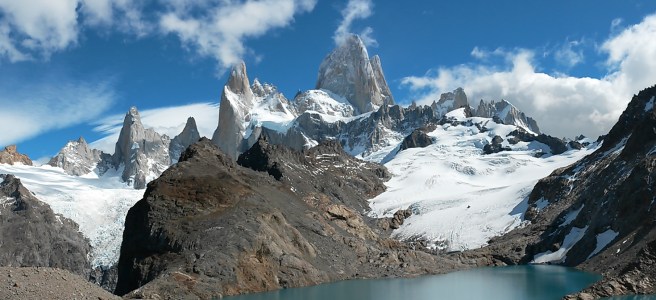
Fitzroy, oh Fitzroy!

It’s only a short 1,5 h flight from Ushuaia to El Calafate, a huge advantage in time compared to the bus ride. There is not much to see anyway. Vast plains as far as the eye can see. And then all of a sudden the Los Glaciares National Park’s mountain range shows up ahead. Although the sky was clear, the flight was bumpy and once we stood the plane was still shaking like a boat on rough water because of the wind (well, they say it’s wind, I’d call it a storm)! It’s always windy in this region, más o menos. And on a day like this it’s hard to walk, especially with a large backpack!

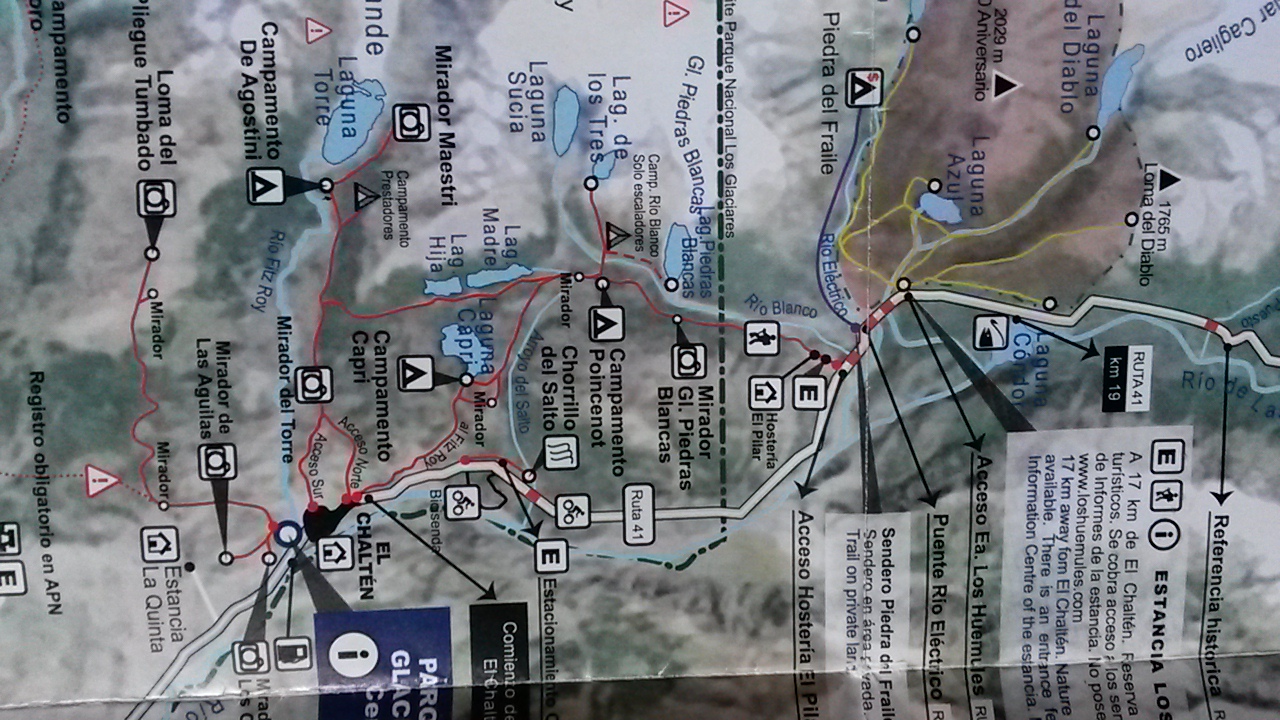
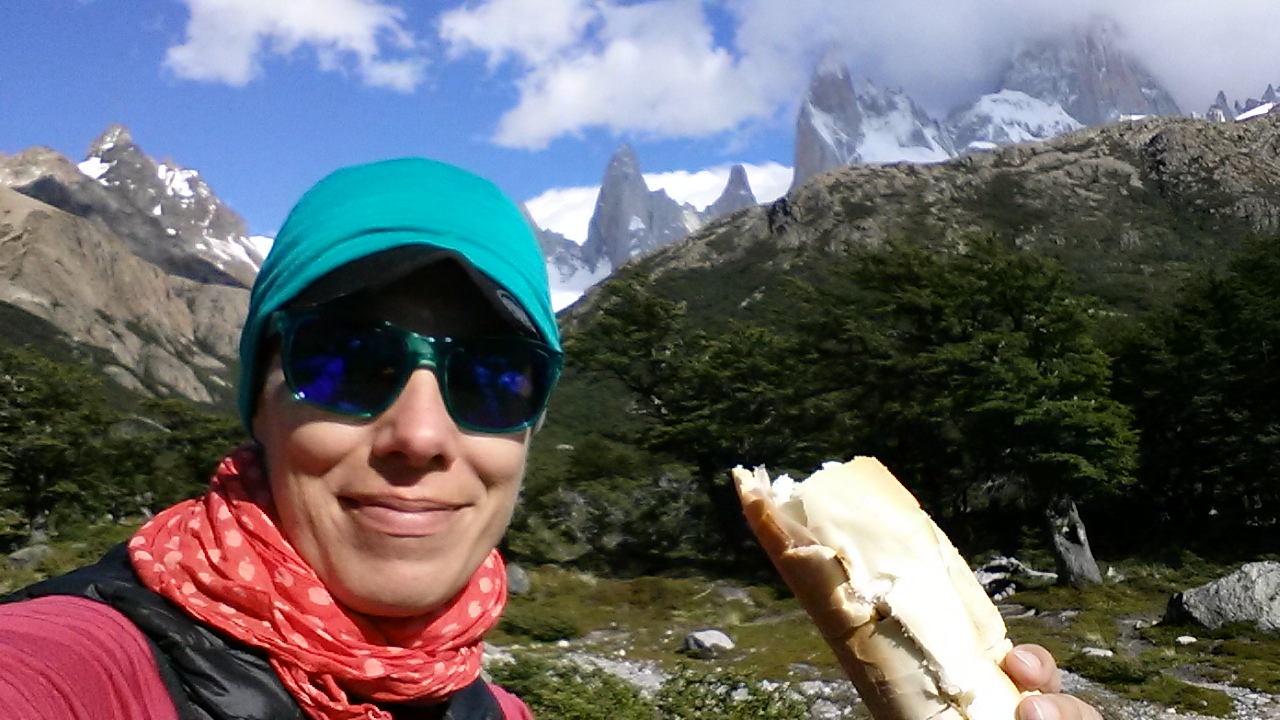
A 2 h busride further north lies the tiny town of El Chalten20150313_172526, the hiking mekka on the Argentinian side of southern Patagonia. At the ranger station we were told to tackle the parks most popular hike the next day: the 8h return hike to the Laguna de los Tres at the foot of Mt. Fitz Roy! Good weather is elementary for this hike as one can’t climb up the last part if it’s too windy or wet nor see anything of Mt. Fitz Roy! Apparently weather conditions are not the best, usually, but the next day proved to be one of those very few perfect days: mostly sunny, little wind and a high of maybe 15° C. I chose to walk from the acceso Hosteria el Pilar. 20150314_092221A shuttle dropped me off there together with 15 others at 9:15 a.m. 20150311_105246The beautiful walk along the river Rio Blanco leads up and down through low forests with great views of the Glacier Piedras Blancas. After 3 h I reached the Campamento Poincenot, filled up my waterbottle with wonderfully clean and tasty water from a stream, enjoyed my sandwich (created a new look, by the way, cap under hat… Don’t think it will make it onto the runway… 20150311_113517) and climbed another 1h steep uphill! But when finally reaching the top the view is priceless!

20150311_13343820150311_14165920150311_14423820150311_150947Fitz Roy, oh Fitz Roy!

I was up there for 2 h, admiring Fitz Roy, Laguna de los tres (on the right), Laguna Sucia (on the left) and the Glaciers! I just couldn’t get enough. Also, even on this rare perfect day, there were almost always some clouds at the top of Mt. Fitz Roy and we all waited eagerly for those short moments when it was fully visible (which I captured with my Nikon, photos to follow some time soon). I happily hiked back to El Chalten in 3:15 h.

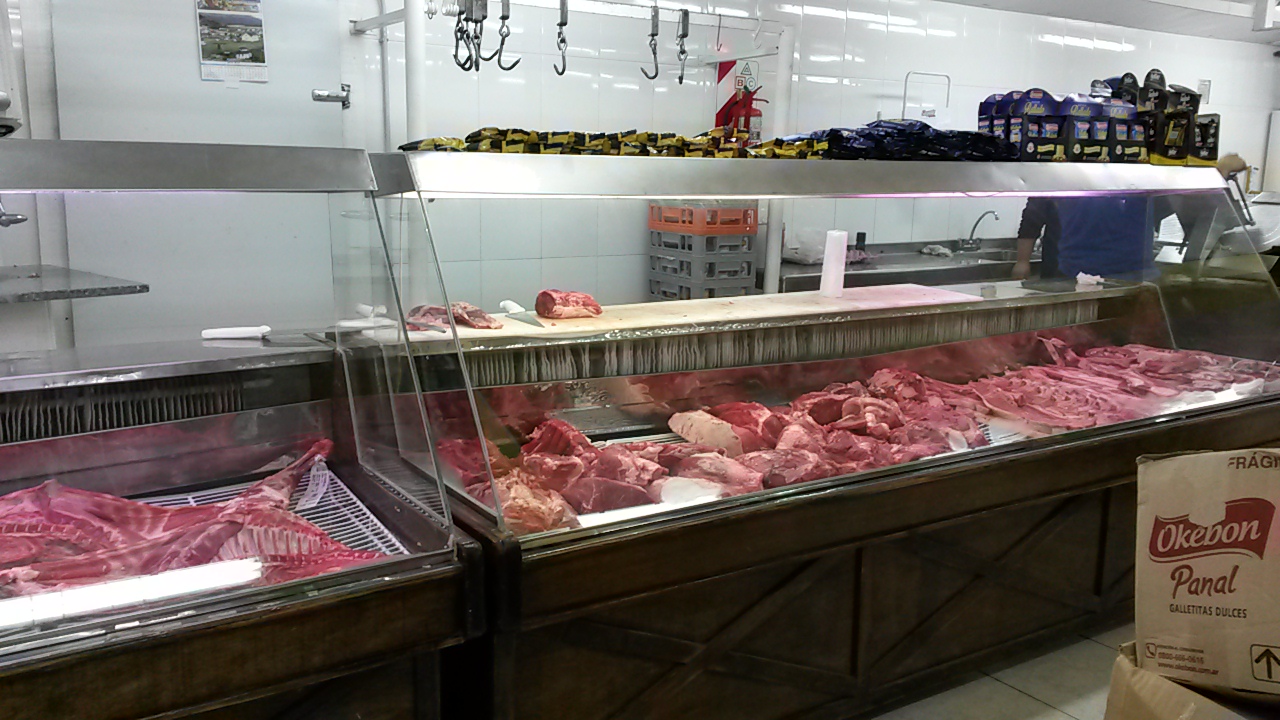
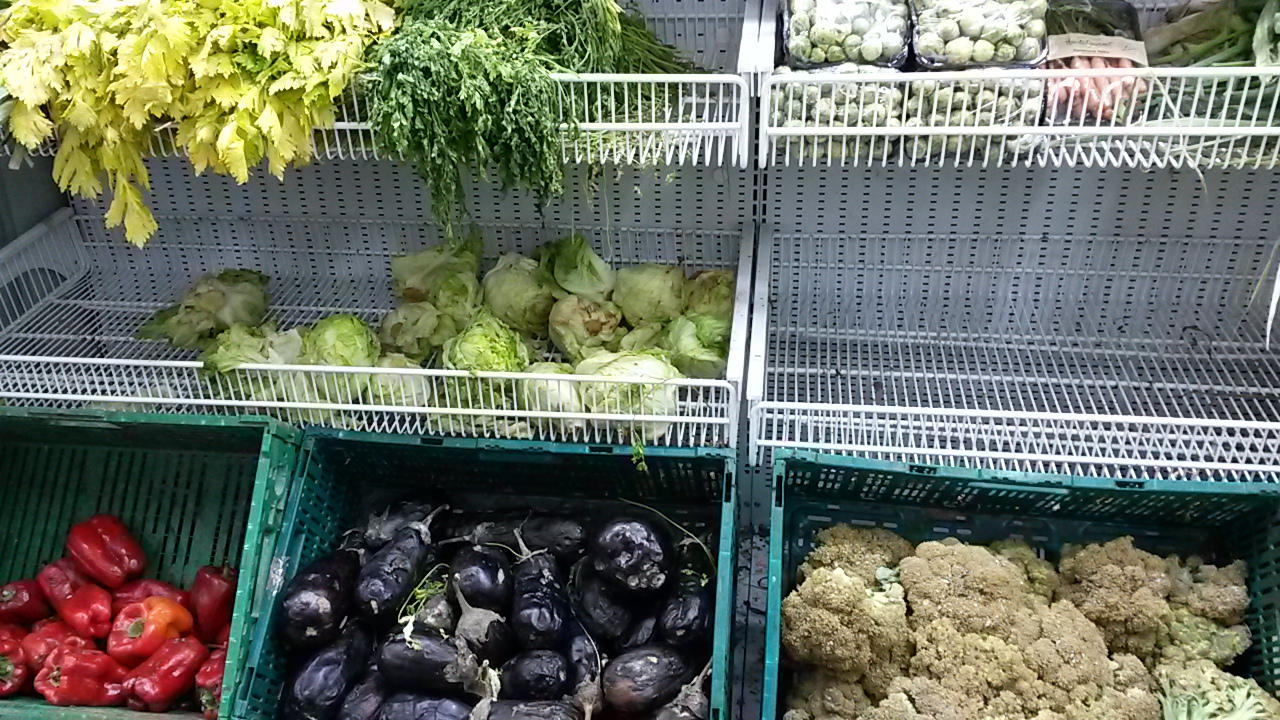
The next day was rainy and windy, so we almost all stayed in town, hopping from one café to another… In Argentina meat, beer and bread are generally cheap (some of you might love to hear that!), everything else is expensive. El Chalten is more than expensive. Plus, there is short supplies of almost everything, especially veggies and fruits. This is an example of the supplies in the biggest supermarket in town:20150312_162631

20150312_16264620150312_163043

I was still on a cracker-tea-potato diet during the first days, so no meat and beer for me, unfortunately. But I finally ate a nice sirloin on my last eve, accompanied by a botttle of red wine shared with lovely Carole! What a life!

Ushuaia – or all about getting a haircut

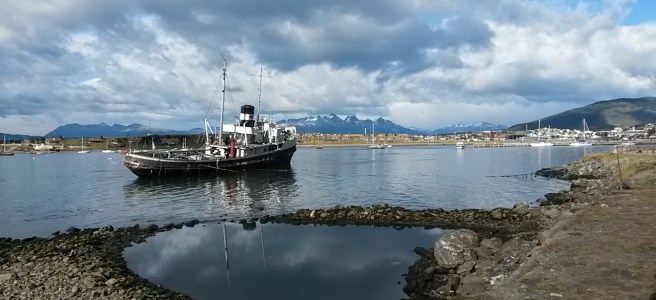
My flight to Ushuaia was scheduled for 4:40 am. A nightmare. The absolute worst flighttime on my RTW- Ticket. As always, when leaving for the airport in the middle of the night, I couldn’t find any sleep. So I landed in Ushuaia at 8 am with an immense lack of that very. Plus an upset stomach (no idea what from). This prologue is intended to explain why I didn’t do anything during the two days that I spent in Ushuaia (which is, oddly enough, pronounced Ussuaia – with a sharp “s”). No hike in the National Park, no boat ride on the Beagle Canal. I walked through only half of the tiny town20150308_10254120150308_103824 and had tea at a lovely place 20150309_161537(thanks for the tip, P!) with the most brilliant loo signs:20150309_161207

The only productive thing on my agenda was getting my hair cut. The very friendly girl at the reception marked quite a large number of hair salons on the map (there seem to be more than in BA!) and I decided to give one a try where her mother (“who has short and curly hair, too”) gets her hair cut. It was tiny, cramped and a bit filthy, but I decided to ignore all this and to finally get it done. I knew that no one would be able to speak english and hence rattled down what I had been taught by the receptionist: “Corte de pelo, no muy corto, tengo rollos” (Haircut, not too short, I have curls), followed by an upward movement with my hands and a “whooop” sound to demonstrate that curly hair tends to move up when dry. I explained how I wanted my hair cut by showing a couple of fotos taken by my hairdresser back home, but the guy seemed to only take a short look, nodded and started cutting. No need to say that I was anxious to see the result of his work. While sitting still my eyes wandered across the salon, registering loads of hair (not mine) on the floor, the furniture and also on the neck brush in front of the mirror. But there was no turning back now! I was hoping he would not use or at least clean that thing for me, but only minutes later I saw him taking it and before I could protest, he used it to clean (?!) my neck. Yikes! Admittedly, he did quite a good job with cutting my hair. And it probably was the cheapest haircut I ever had: I only paid 120 Argentinian Pesos (~12 Euros)!! It certainly was an experience….!

Horrific foto: 20150309_174223

River Plate vs. Tigres Mexico

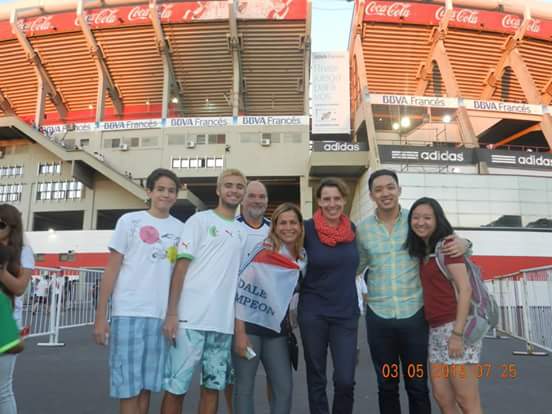
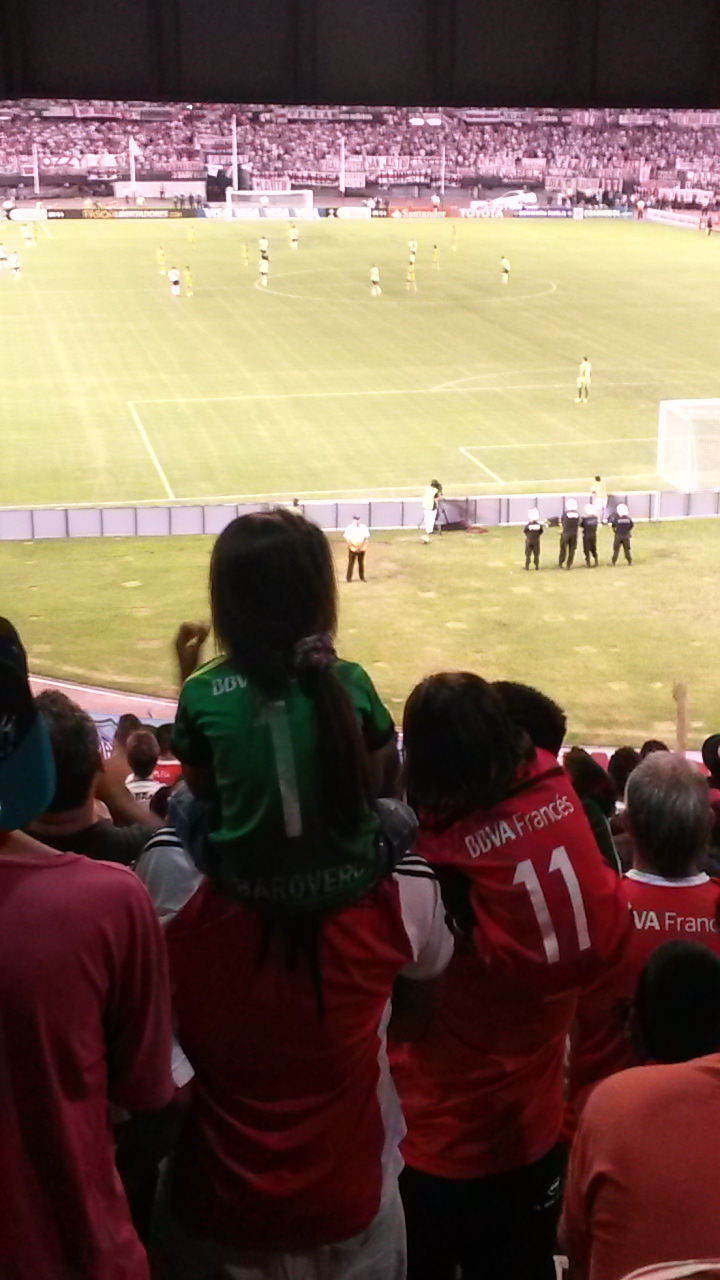
I followed my brothers advice to go to a football match: River Plate (one of the two major clubs in BA) played against Tigres Mexico in the Copa Libertadores (which is similar to the Champions League in Europe)! As a tourist you cannot simply buy a ticket, you have to join a group tour. My lovely host only had to do one phone call and I got the last ticket in a group of eight (together with a Brazilian family and an American couple). Yes, it was expensive, but well worth it! In the taxi, Paula (or energetic guide) told us how we’d get to the stadium when dropped off three blocks away: hold up your entrance tickets when passing the three police controls and do not talk English until we’re in the stadium (apparently some fans are a bit sensitive towards visitors). It was just as busy as walking to a German football match and I thought it was rather normal, though we do not have such thorough police controls.FB_IMG_1425913996814 In the stadium the Brazilian father and me were quite devastated to hear that no beer is being sold (there is an alcohol ban in the stadium and 3 km around it!). That said, there must have been some really bad riots in the past if they’ve taken such drastic measures! So we had water and Hamburguesas (obviously THE food to have here) and the Brazilians and I were reminiscing about the world cup and the game Brazil vs. Germany…  FB_IMG_1425914039632The lack of beer did not affect the athmosphere, though! 90% of the fans were dressed in River Plate trikots, singing and cheering all through the game (not only in the standing terraces, but everywhere). Many brought their children along, I even saw a couple of babies. And the kids sat there cheering, just as excited about the game as everyone else – you couldn’t hear any whining nor see bored faces or any signs of fatigue (the game started at 8.15 pm!)!20150305_203243 The Tigres scored a goal in the rather uninteresting first half, but River Plate equalized with a spectacular goal in the fiercely contested second half. I guess for the two Americans it was more like us watching American football: “interesting”… I was seriously asked if this was my first time in a football stadium, followed by a useless attempt on my side to explain what an “offside” is. I’m quite certain, though, that it wasn’t due to my profound explanation.

The night ended with a late dinner and 4 l of beer (they usually have 1 l bottles here) shared between Paula, the Taxi Driver Norberto and me! It also helped language wise… I still struggle with the spanish language. I do understand quite a lot, it seems, but speaking is so much more difficult. It’s more like lining up words and hoping someone else can make sense of it. That eve we basicically spoke spanglish. It was fun!

Buenos Aires

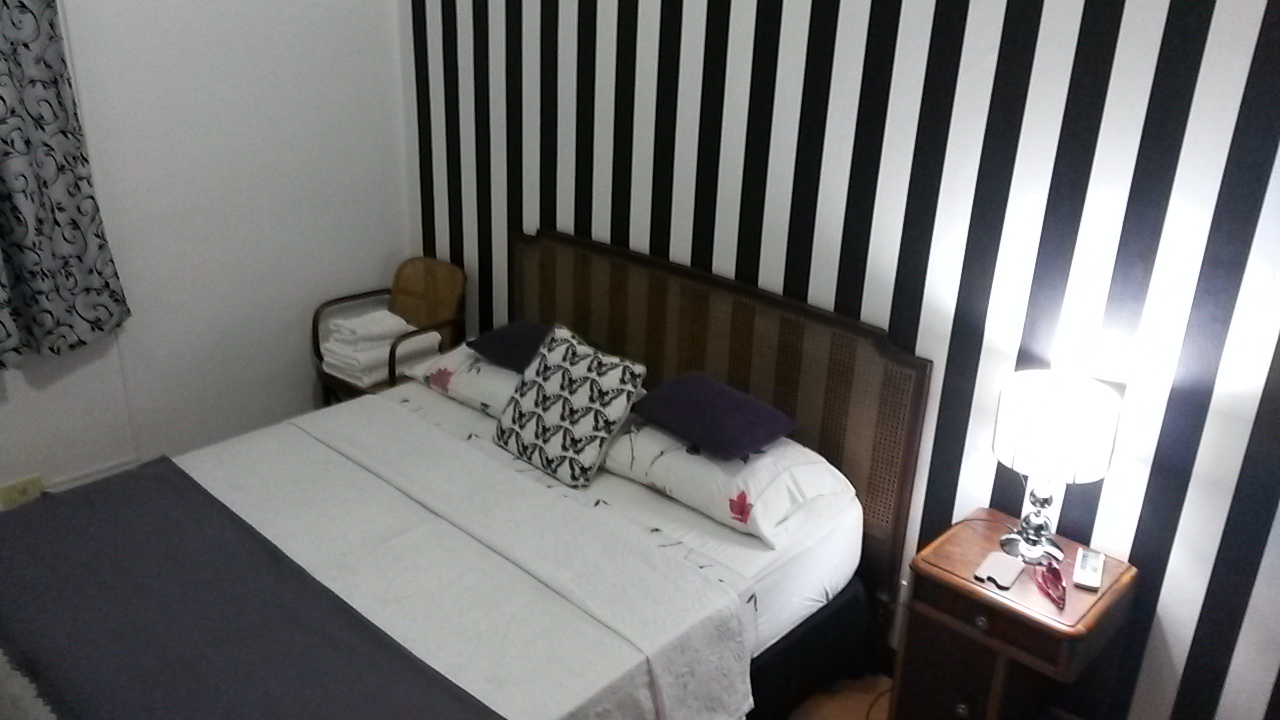
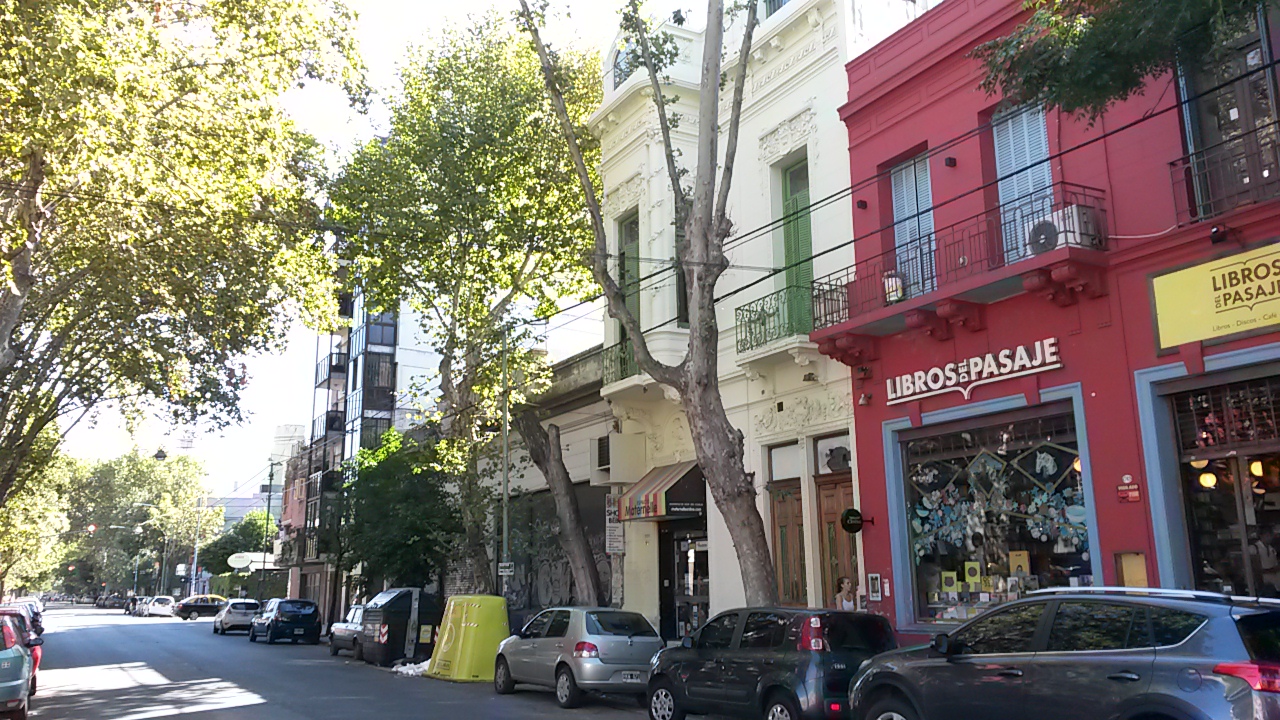
Three days are faaaar to short for a visit of Buenos Aires! Yet that is what I had planned and I wasn’t going to change the dates on my RTW-Ticket as I want to see lots more in Argentina, Chile, Bolivia and Peru. I stayed at a wonderful cozy B&B in Palermo Viejo with only four rooms, an amazing host and a delightful breakfast!20150304_225247 Palermo Viejo is a vibrant neighbourhood with many old buildings, nice cafés and shops and a very pleasant vibe. 20150305_14581120150305_161531I spent a lovely afternoon roaming around. 20150305_151056

On friday I was kindly invited for lunch by an old business friend of my father. I must admit that it felt a bit awkward, especially when he called his assistant to see if she could show me around town the next day. But as it turned out she is my age and we got along very well and really enjoyed the day. And I could finally fire all my questions about the ecomical crisis, politics and life in Argentina in general at a local. Thank you so much, P.! Hope to be back some time soon!
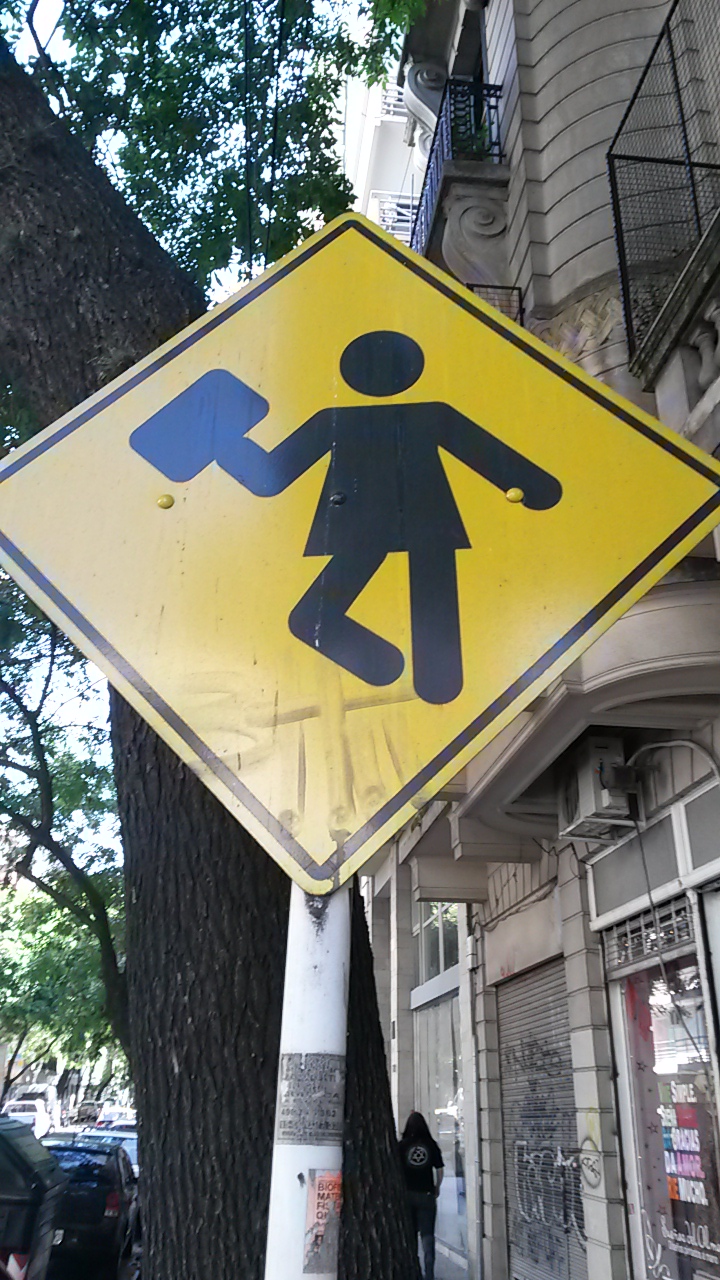
P.S. Here is something for the lovers of weird signs: 20150305_144546What is that supposed to mean? Watch out, office people late for work hastily crossing the street?!

Easter Island – continued

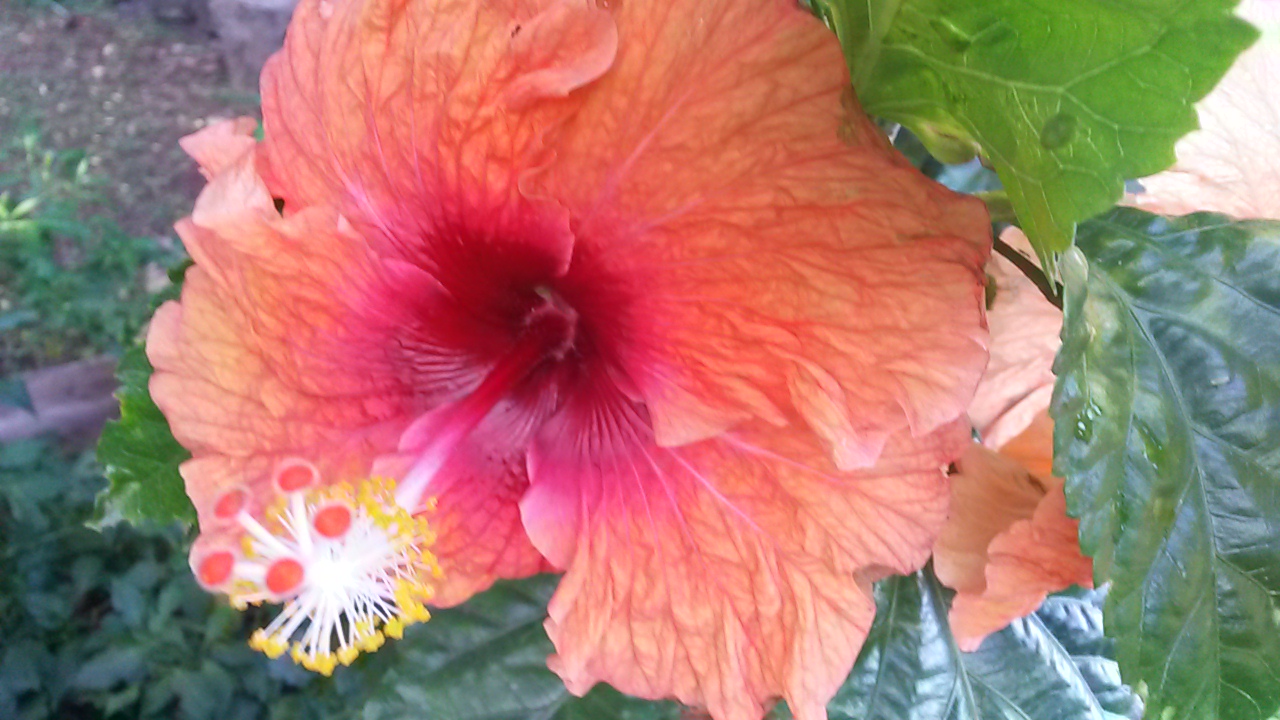
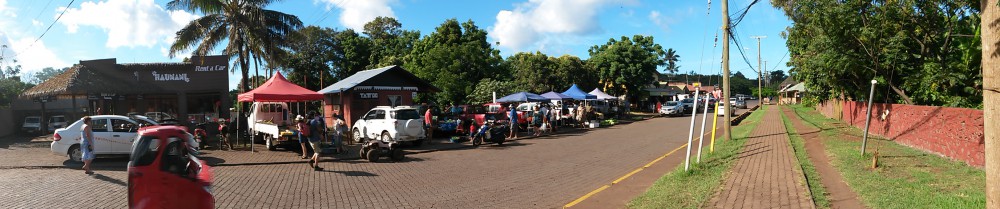
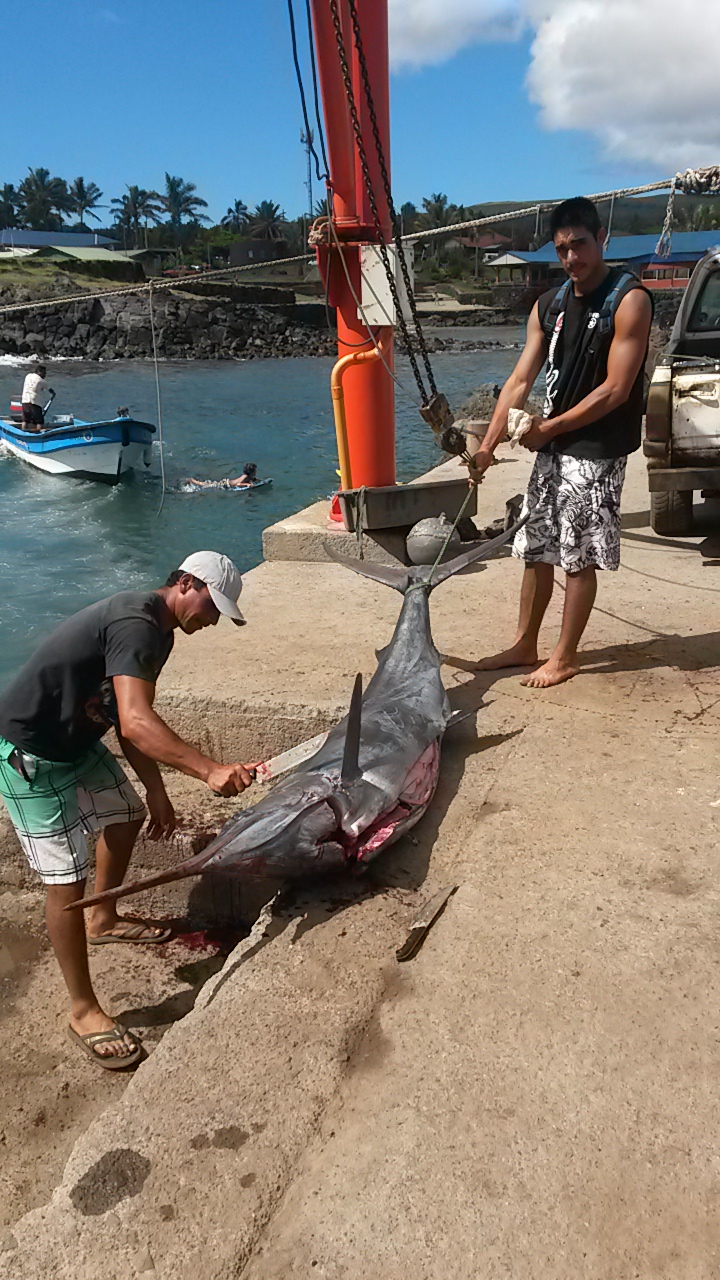
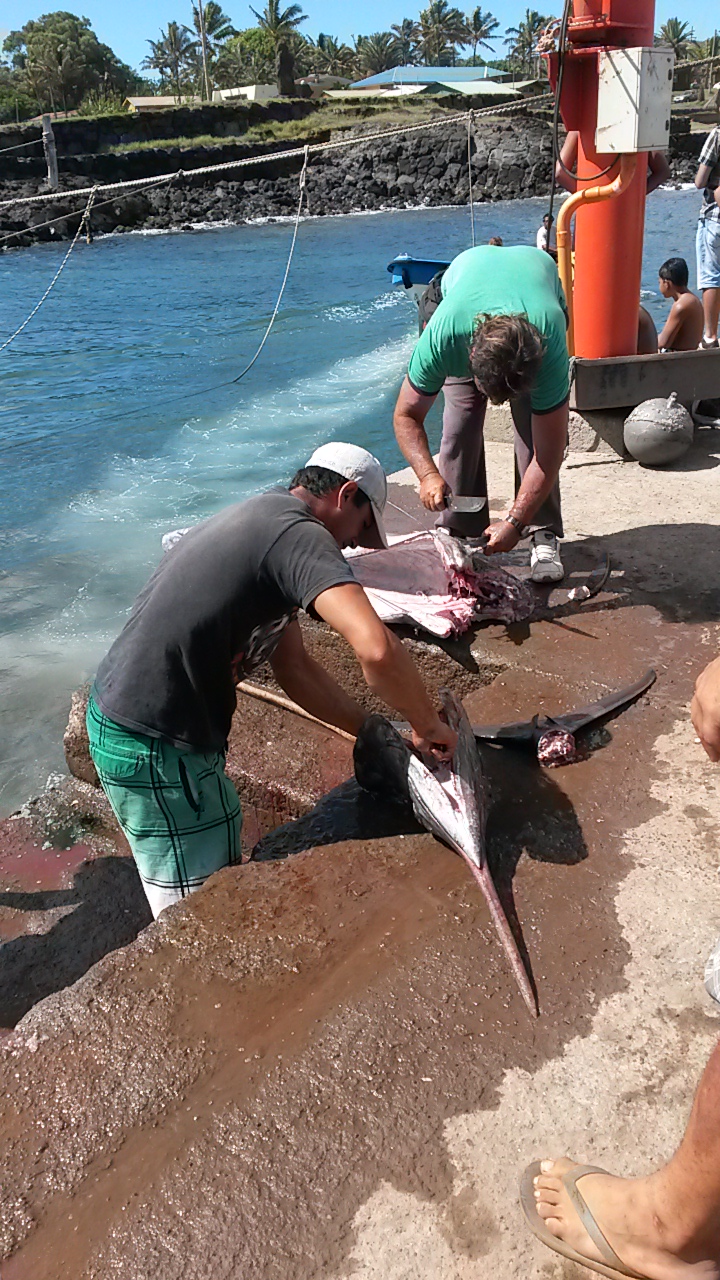
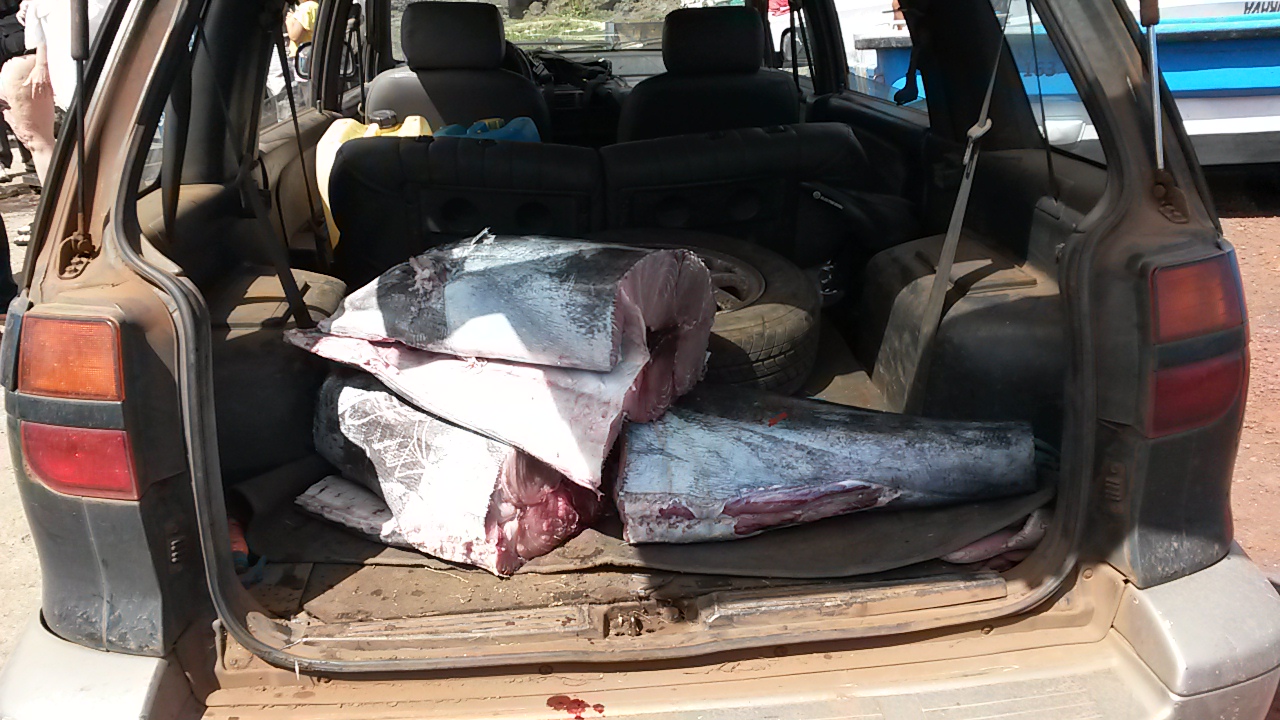
Hanga Roa, the only village of the island, is a small village with one and two storey houses (building higher than that is not allowed anyway) with beautiful gardens rich of 20150228_10363420150227_19180820150227_191819fruit trees and flowers. 20150227_191325At first sight it 20150228_104415reminded me of eastern africa for its red earth and that earthy smell.20150228_103816 Hanga Roa has basically one main street lined with cafés, restaurants and a handful of supermarkets. Not one of them belonging to a chain, the supermarkets tiny and cramped and mostly not showing to the prices for any of the goods. For a foreigner it’s thus impossible to say what things actually cost and  if he’s getting the same price as the locals or if something is being added… Many of the restaurants,  however have biligual menus and a great variety, especially when it comes to seafood. The other day I saw how a huge swordfish was cleaned at the small pier. 20150303_12063920150303_121914A couple of minutes later a guy in a very old car, probably the owner of one of the restaurants, came to a halt with squealing tyres, got out a scale from the trunk, weighed the three huge pieces of fish and stored them in the trunk of his car right next to the spare tyre. 20150303_122959By this time I wondered if it had been a good idea to eat ceviche…
On the streets you always have to watch out for the chicken (that start being noisy around five and don’t stop until late), the dogs (that like to follow people all around town and to howl at the moon at night) and the horses (that are branded, but run around freely on the island. The other day one of them caused a traffic jam on the main street as it was proudly walking down on the middle of the street, making it impossible for the cars to overtake.

On my last morning I went to see a spectacular sunrise at the other end of the island (thanks to the fact that three awesome people came in and we shared a car): 20150304_080214I was sad to be leaving, even though leaving from Rapa Nui international (!) airport is an experience in itself as you practically walk through “security” and wait outside with a view of the airfield before you cross it to get onto the plane.20150304_125937

Now I’ll only have to visit Hawaii to complete the polynesian triangle (the triangle is formed by New Zealand, Easter Island and Hawaii with the other polynesian islands, e.g. French Polynesia, in the middle between these three)!

“Mana” and the wonders of Easter Island

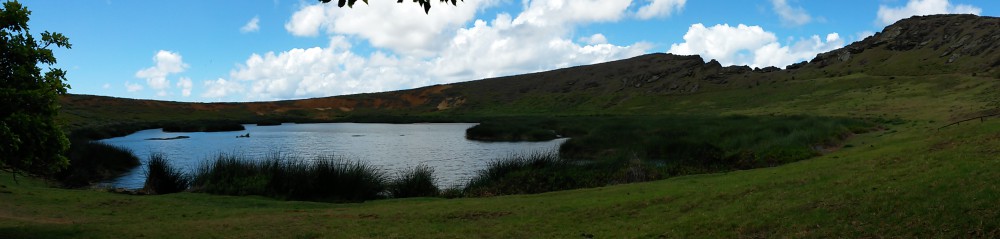
You can feel the “MANA” just about everywhere on this beautiful island, situated in the middle of nowhere in the Pacific Ocean (it is in fact the worlds most remote inhabited island). Mana is what they call the spirits that can evolve from anything, a person, object or nature. The Island’s nature is, despite its small size of only 163 square km, very diverse. The breathtaking view from the edges of  the extinct volcanoes onto the freshwater crater lakes certainly makes you feel the mana of those places!

Rano Raraki
Rano Raraki
20150226_112452
Orongo crater lake

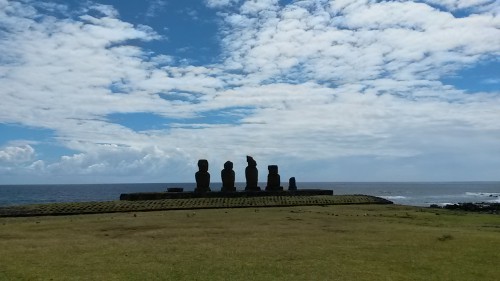
And then there is the “Moai”, massive statues carved at the Rana Raraku Volcano, which were then schlepped and put up in various places on the island. Many of them still lay face down, but a lot have been reerected in the past 60 years and they, too, exude a lot of mana, which is why you’re not allowed to come close to them. 20150225_152745

Now, I can alraedy hear some of you, screaming “now she’s trying to lecture and bore us with Rapa Nui culture and history”! You might just want to stop reading here. I’m far from lecturing anyone with the little I learned, but it’s just too impressive to not mention it.

In short: Some 100 Polynesians arrived with their canoes ages ago and the 12 or so sons of the arriving polynesian chief formed different clans that all lived happily for some hundreds of years in which they created a strong culture based on polynesian beliefs. What is special, though, is that they carved and put up hundreds of Moais, most of them looking inland towards their villages to protect them with mana. These Moais represent respected elders and were created to resemble them. As time went by the Moais created appeared less human and more god-like and they got bigger and bigger. Somewhere along that line the birdman competition evolved, meaning that every chief sent off one warrior to a motu (small island 1km from the western cliffs) in order to bring back the first sooty tern egg laid by the migrating birds. The winner’s chief was declared Birdman (thus having loadsof mana) and his clan took command of the whole island for one year. This cult was probably a result of the failing ecosystem, as the growing population outpaced natures capacity to renew itself.  This also resulted in fights among the tribes, who toppled many of the almost 300 Moai statues. All other statues fell as a result of tsunamis and other natural disasters. The missionaries ended the Birdman cult in the 1860s. Slavery, diseases and other catastrophes led to a decimation of the population to only around 100. Although Easter Island officially belongs to Chile, the Rapa Nui culture is still strongly influenced by its polynesian ancestors, especially the language, music and dances.
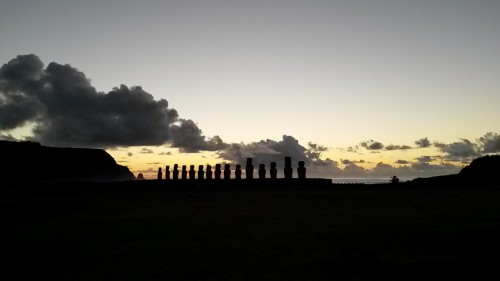
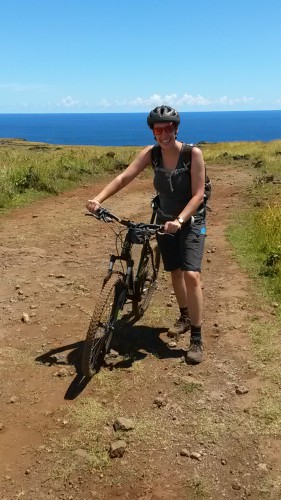
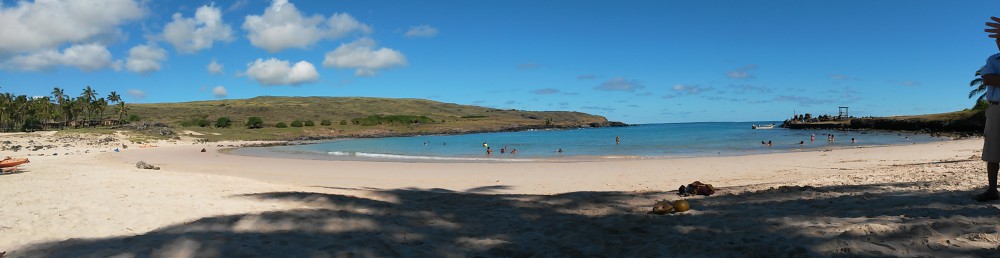
I had plenty of time to explore the island’s volcanoes, quarries, Moais, caves, beaches and the (only) village by foot, bike (really needed to be active again after that lazy week in French Polynesia and luckily the climate is much more pleasant with a high of only 27°C) and with a small group tour (photos to follow). It is amazingly “empty” and you can walk for at least two hours without meeting anyone! They only have 90.000 visitors a year, but tourism is increasing, so you’d better visit this amazing island sooner than later…

20150228_15050720150301_10355820150302_14401120150302_10241120150301_111555

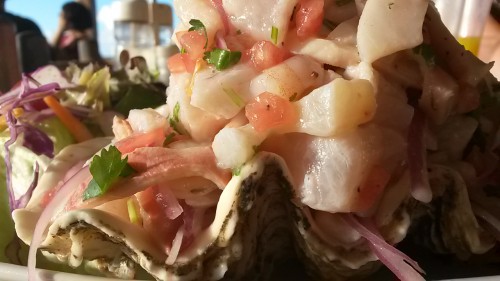
When it comes to food, there is a great Chilean influence: tasty tuna empanadas, Ceviche (raw fish)20150303_192655,  all kinds of seafood, most definitely accompanied by Pisco Sour – love it! 20150227_195054 What’s best though, and this came as a surprise, is Mikafe’s ice cream parlour at the small pier! The ice cream is by far the creamiest and tastiest I have had in ages 20150228_165618 and they have a great variety, e.g. “Piña” made from the small and sweet local pineapple. To die for!

We’re gonna indulge in seafood and icecream again tonight before we’ll watch the sunset!

A few hours of luxury

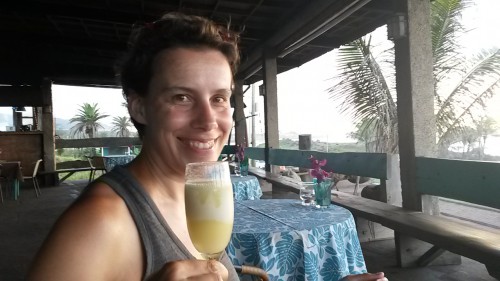
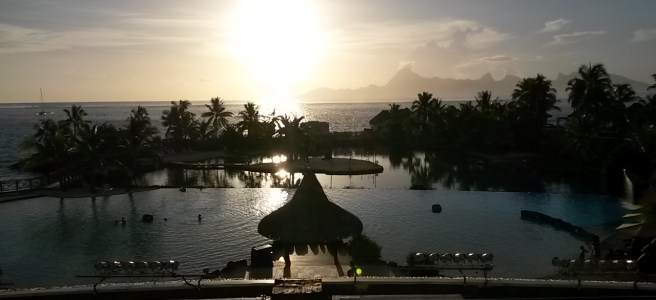
Monday, 23 February. As my flight only leaves Tahiti tonight at 1am, I decided to take the last ferry from Moorea, which arrived at Papeete harbour at 5.40pm. I still have a few hours to kill and I opted for the luxury time killer: I took a taxi to the InterContinental, left my backpack with the concierge and ordered a bombay tonic and a tuna tartar while enjoying the sunset from the bar at the pool… You think this is contradictory to a backpacker’s lifestyle? Well, I am happy to say that I am willing to allow myself a bit of luxury now and then. I am honestly glad that I’m not a student anymore and  thus don’t have to count every penny. And although I try to adhere to a certain budget, these moments of luxury are nice to have. I don’t have any problem to walk into a five star hotel in hiking shorts, old t-shirt and hiking boots, by the way. I’ve done it before and this kind of tranquillity certainly is another plus of being an experienced traveler! (I do not like to refer to myself as an “older” traveler, although I sometimes wonder if, supposedly, I already fall into that category?!)

Cheers to you, wherever you are, from Tahiti (and a special toast to M. at the Intercontinental in Moorea)!

Stand up paddeling

On my last day on Moorea I finally got onto one of the B&B’s stand up paddle boards. I probably wouldn’t have if it wasn’t for M., who – being a surfer – easily made his way out into the bay. I avoided the shallow water at the shore to stand up and instead paddled to the deeper water kneeling on the board. I am proud to say that I managed to stand up and paddle for quite a bit, despite the wind and the waves (and according to M. looked rather stable even though feeling a bit wobbly). Rookie mistake: I paddled out with the wind and getting back through the wind standing up proved to be difficult and I eventually had to get back on my knees. I did not fall once, though! Now that I’ve tried it I can say that, yes, it forces you to tense up every part of your body, which makes for a good work out. But it also proved to be rather dull and I definitely prefer a sea kayak over a stand up paddle board – it’s faster and much nimbler.

Snorcheling with stingrays and sharks

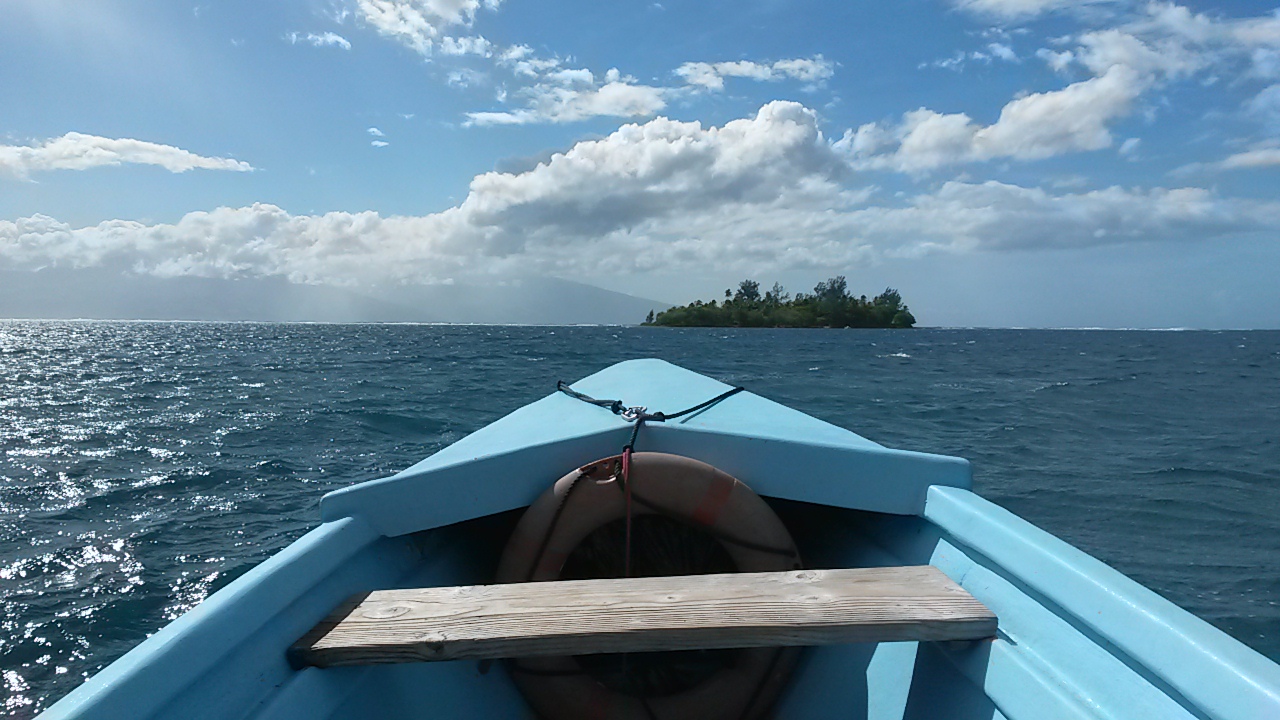
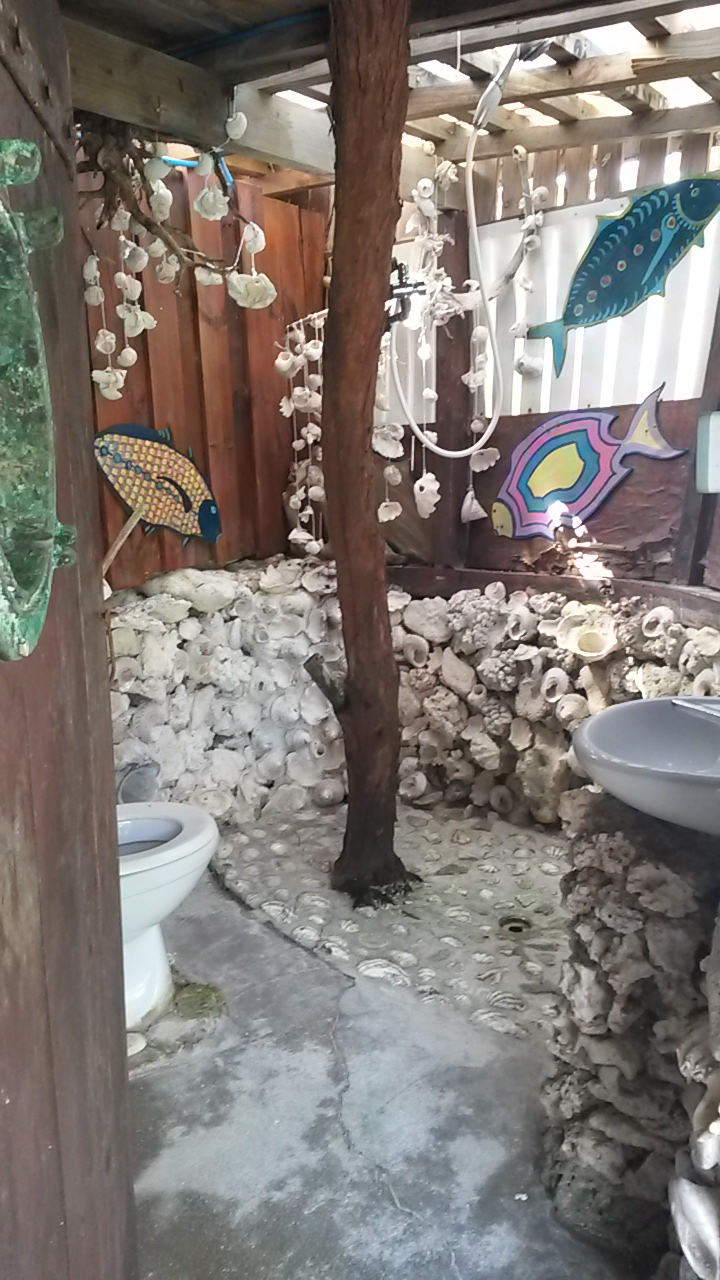
Moorea’s “Lagoonarium” is sited at a “motu”, a little island close to the Moorea reef.20150222_091228 Every guest is assigned with his own little hut, snorcheling equipment and a pair of those pretty plastic sandals – stepping onto a poisonous stonefish is said to be a very unpleasant experience. 20150222_095323Every hut has a view of the sea, the adjacent bar area is formed like a ship and everything, even the bathroom (which is equipped with a flushing toilet!) is tiled with shells. 20150222_094652Several buoys are fixed to the reef area, all connected by a rope, allowing guests to safely make their way around, as the current is quite strong. 20150222_143524At 10 am there was no one else in the water and I enjoyed fabulous views of the underwater world with plenty of fishes. But the real adventure started with the 11am feeding session! The guide arrived with a bucket full of (dead) little fish. Attracted by that, a growing number of large stingrays already made their way into the shallow water. He fed them like riding a donkey with a carrot: by holding the fish close to their mouth he lured them around and the soft stingrays touched us gently while passing by. 20150222_142524They even seem to enjoy being padded. This is not a zoo, though. And even though the animals are obviously used to being fed and touched by humans they are still wild animals. I found it a bit scary, but I must admit that for the most part I was simply amazed! After a white the guide asked us to make our way along the rope from the shallow 1,20m into the deeper water (about 5m deep). There he rode the stingrays by holding onto their front with a fish in his hand – sourrounded by at least ten 1,50m long reefsharks, anxious to get their piece of the cake. Obviosly, there were plenty of colourful fish, too. It was truly spectacular! The downside is that these beautiful animals get used to being fed and might thus lose their hunting skills, being increasingly dependent on humans.

I tried to stay away from the sun, as far as possible, and protected myself with a t-shirt to protect me from getting burned. I “only” have a factor 50 sunlotion, which I constantly applied to my body until it was empty. I’ve now learned that the locals use a factor 110 (!) sunlotion, which is indeed very useful in this kind of sun. The UV index is 14! A UV index higher than 11 is considered extreme. In Brisbane, for example, the current UV index is 12, whereas german summers usually don’t see anything higher than 8.

Making my way back  to the B&B was a bit tricky. Taxis are rare and strangely enough the drivers don’t seem to like far drives. Their names and numbers are listed in a leaflet and you have to call them directly. One of the Lagoonarium’s employees kindly lend me her phone (my smartphone does not accept any of the local providers and is thus useless as a phone). But after I was turned down by two and couldn’t reach a couple of others I decided to hitchhike instead. That’s not a big deal here, as there is only one road going around the island. Luckily, a local in a crappy Peugeot soon stopped, though driving the other way. He was going to pick up a parcel at the dock, thereafter returning to Haapiti, which is exactly where I wanted to go. As it turns out, Nico (coincedence, that he’s named like my brother?!) picked up a box full of mangos and handed one to me as a present. I love mangos! Needless to say I indulged in the sweet fruit right after he dropped me off at home.