Southamerican “hideaways”
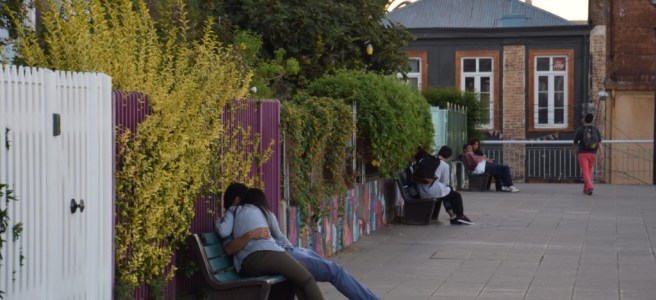
I know I’m incredibly lucky with the time and region that I grew up in. I did not have to worry about anything when I was a kid and in fact there is not too much to worry about ever since I’ve grown up. One thing I’m really grateful for,  for example, is my own space. I always had my own room in my parents house where I could hide away. As a twen I shared a flat at Uni and I still had my own room and after that I’ve always had my own apartment. While travelling through (parts of) South America I saw tons of teens and twens that were making out in the parks, at the beach or on any bench they could find – because they don’t have their own space at home (or aren’t allowed to make out there). Twens still live at home with the family and will most likely only move out once they get married (or a well paid job and open minded parents). While I’m glad it’s socially accepted to openly make out in parks I couldn’t help to think about where they’d go if it’s too cold outside our if they want to become more serious. As it turns out,  there are certain “love motels” in Argentina and Chile, for example, where rooms are rented by the hour and where teens and twens – amongst others – meet when they still don’t have their own apartments. Interesting concept,  but pretty expensive, I guess?! I haven’t really come across one yet,  but apparently they are all over…
Pisco Elqui – relax, relax, relax

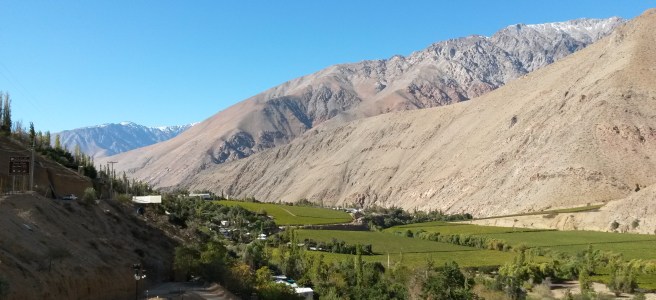
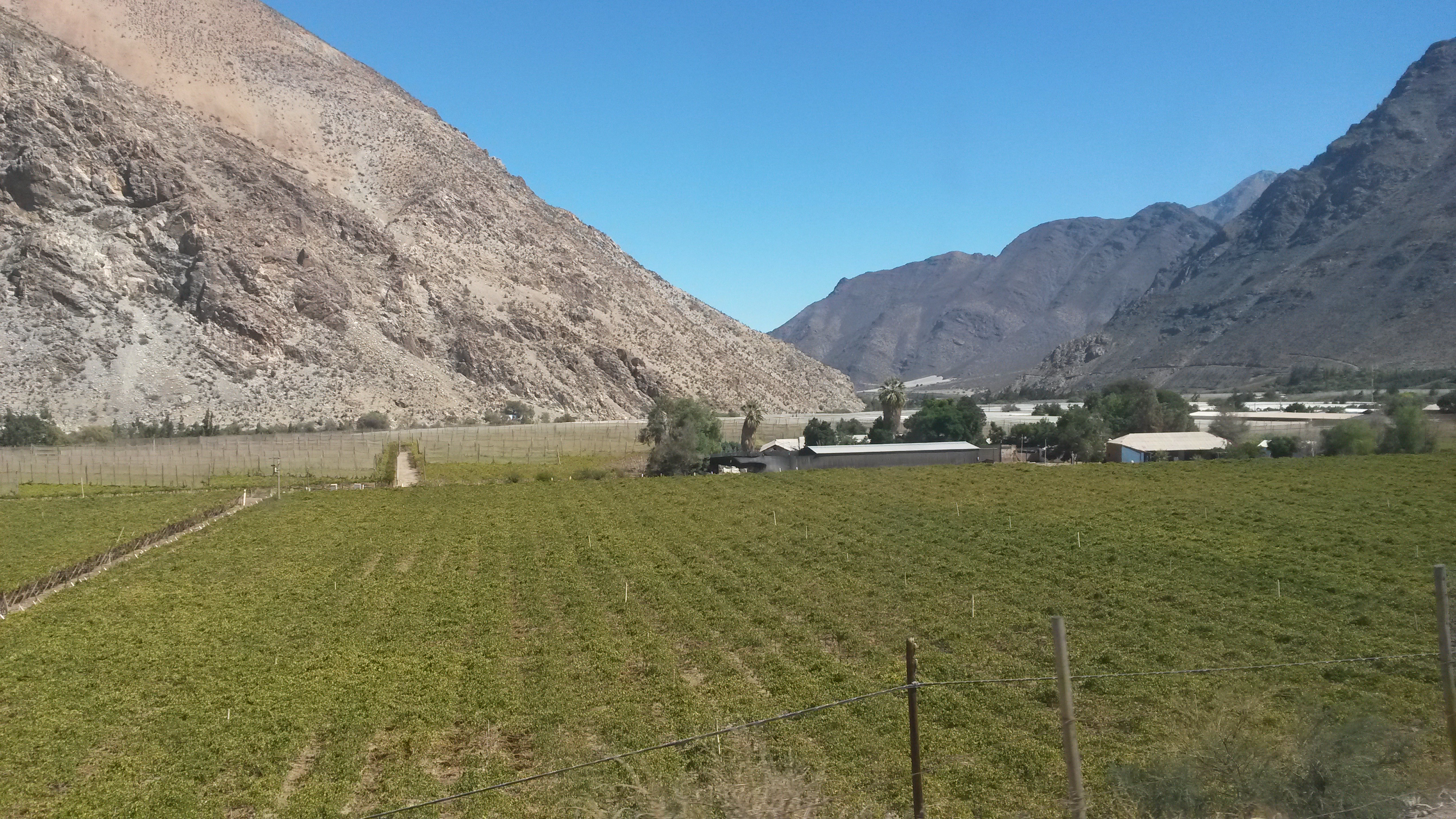
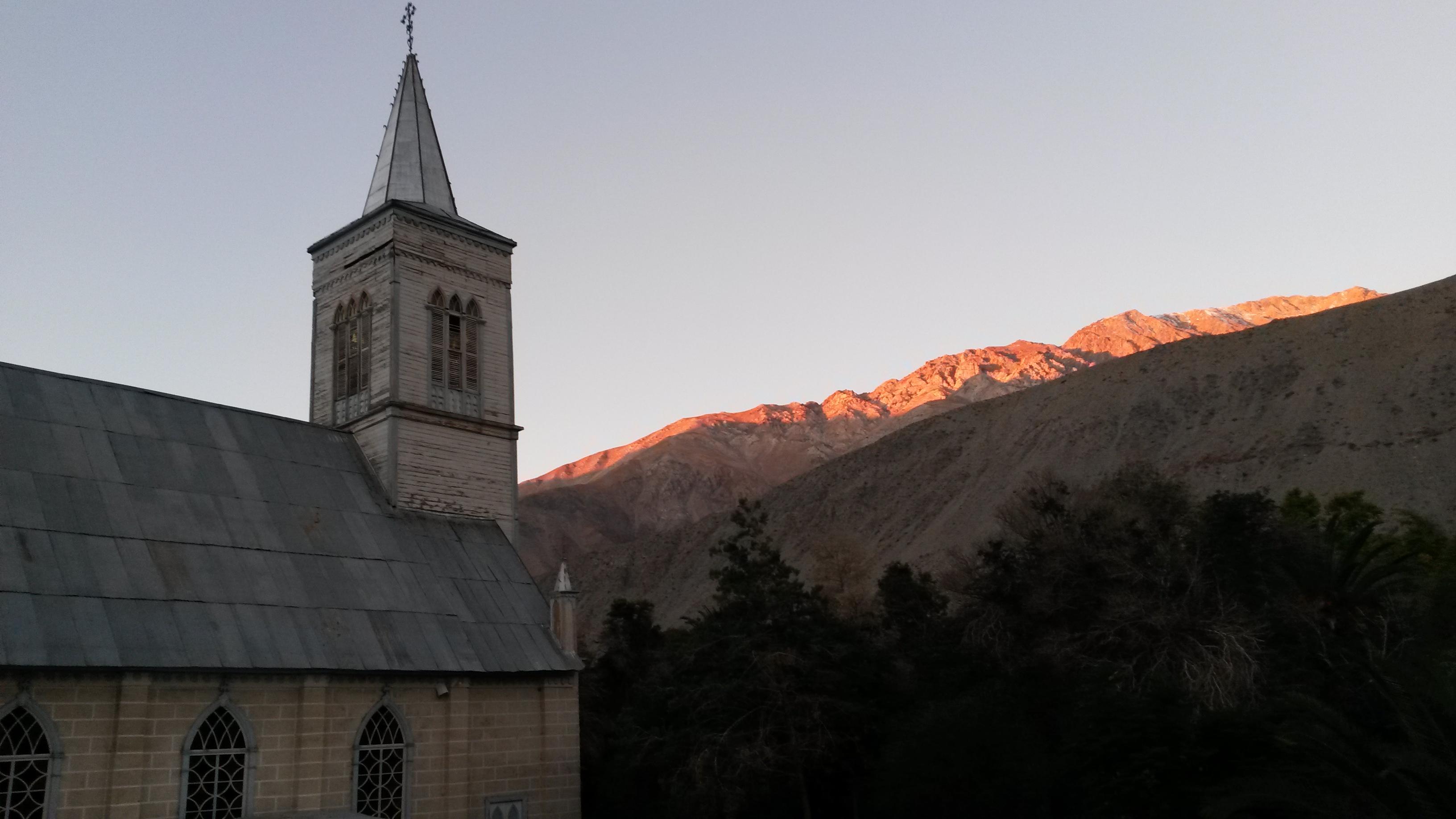
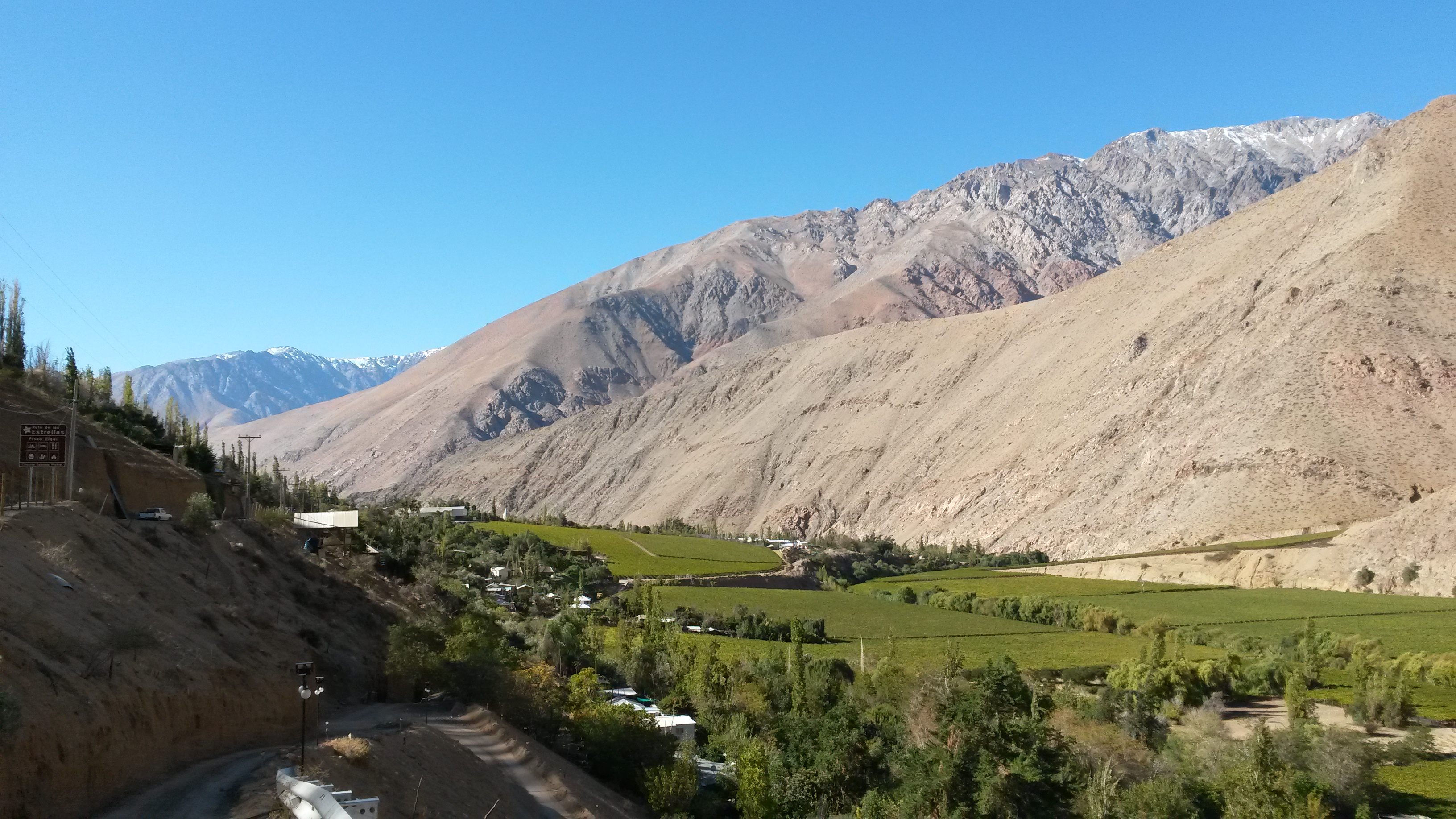
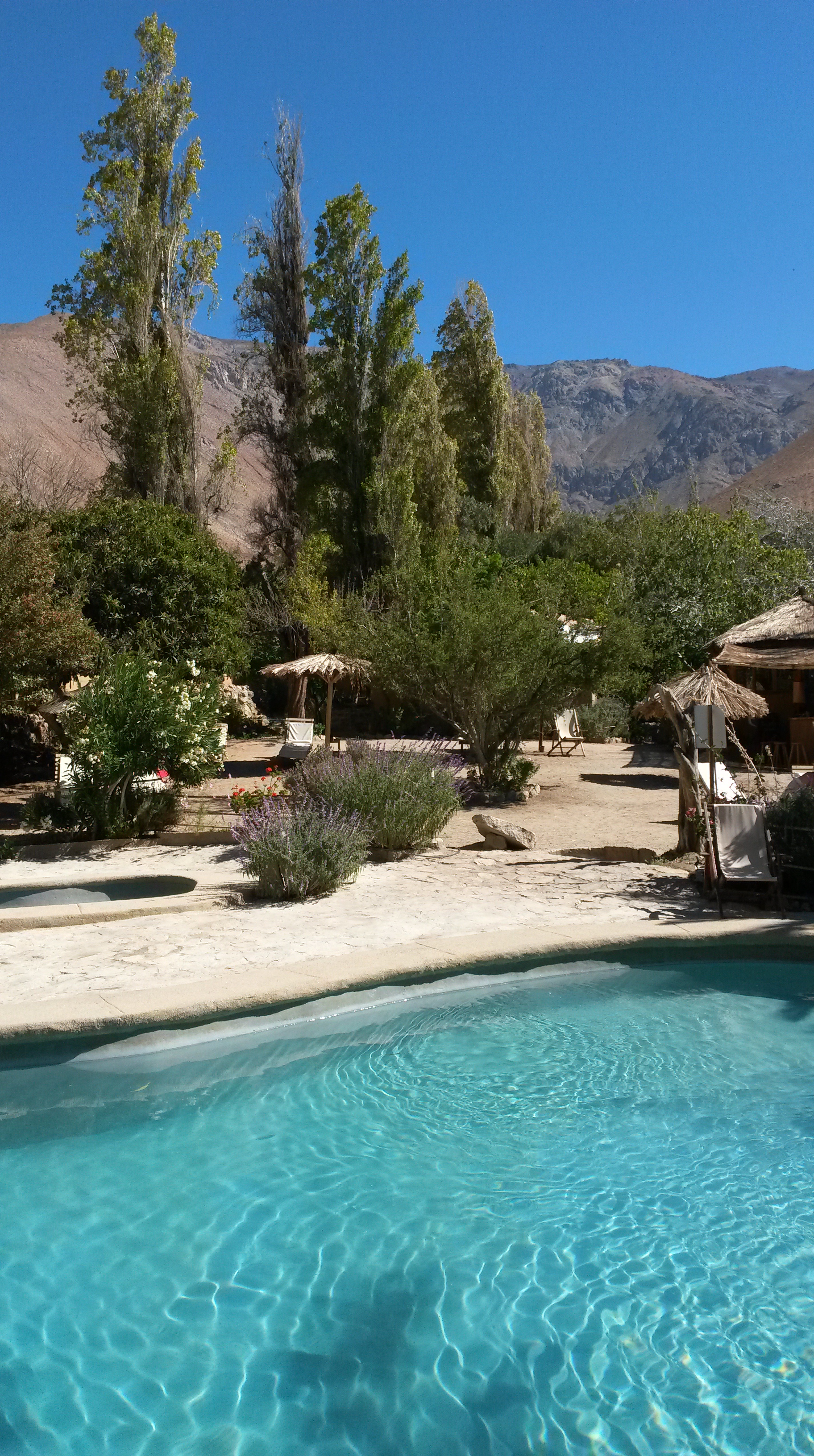
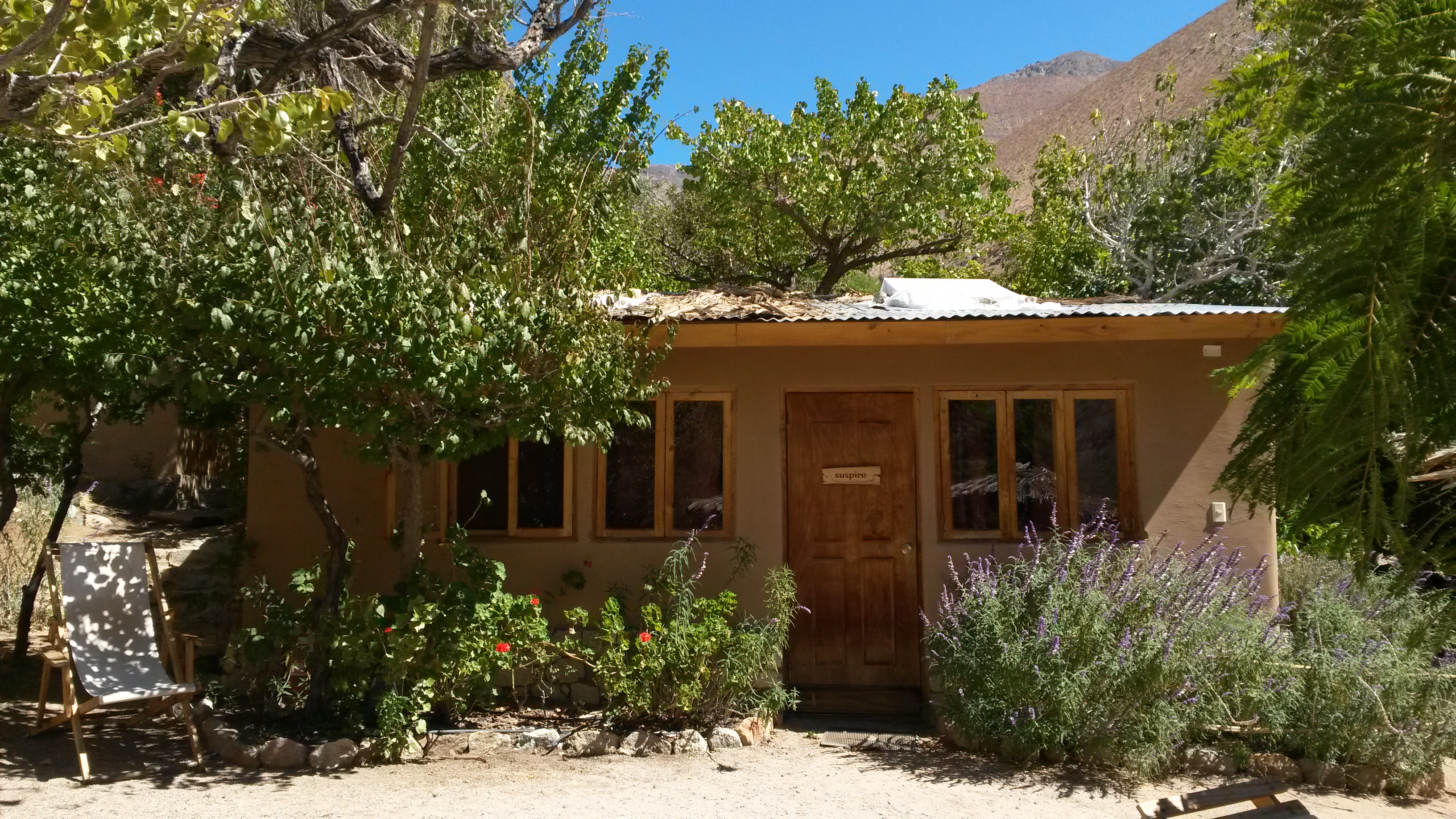
Heading further north I opted for a stopover in the Elqui Valley.20150404_142832I had a very relaxing three days at “El Tesoro de Elqui” (http://www.tesoro-elqui.cl/eng) in Pisco Elqui20150405_19370220150405_164431 – thanks to my brother, who knew about this heavenly place because he’d partied with the two german proprietresses ages ago in Braunschweig, Germany.20150404_15223120150406_13365920150406_134344
It was about time for a vacation, i.e. a break from travelling. Which is why I mostly dozed on a sunbed at the pool, ate, drank and slept.

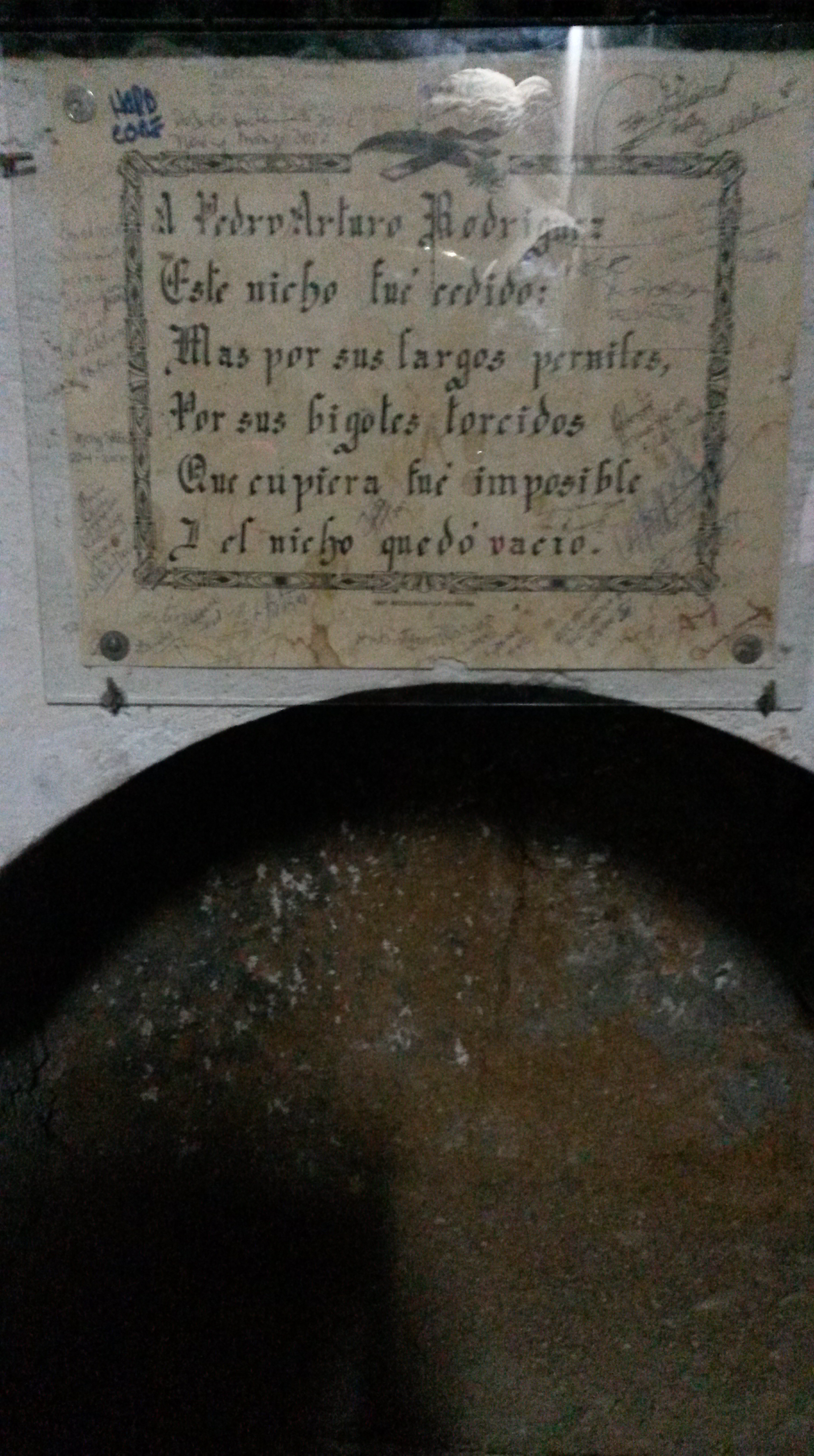
My only exercise was a 4 km bike ride to the oldest Pisco distillery in Chile: “Los Nichos”. After all, I had to finally figure out how Pisco is made! Unfortunately I was too late for the last tour, but fortunately three girls from Viña del Mar turned up at the same time and they were just as diappointed as I was. After a free Pisco tasting the guy behind the counter showed compassion with us and simply gave us a free private tour (in spanish, that is, …)!20150405_17494220150405_171214

And here is why it is called Los Nichos: in the cellar the owner enjoyed drinking in the company of his friends. This cellar has several niches where the pisco bottles were stored to age and each friend was allocated a niche as a tomb, a place for his ghost to rest after death. One niche, however, remains empty. If I understood it correctly the man was simply too big for his niche…

20150405_17343620150405_17335320150405_173455

Chilean Food and Drinks

I really enjoyed travelling through Chile – also because of the Chilean food and drinks.

Here are some of my favourite dishes:

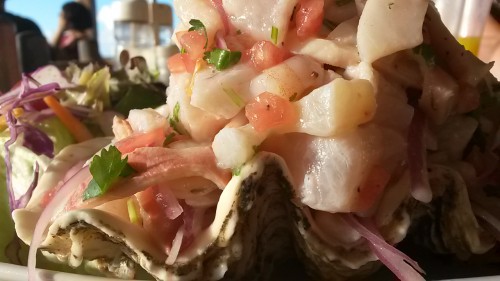
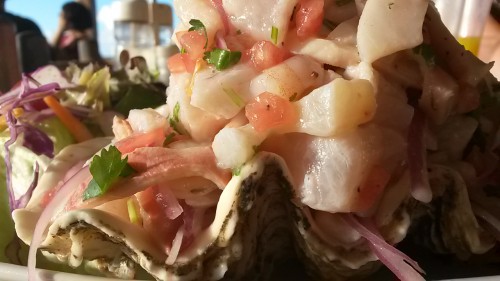
1) Ceviche (raw fish, occasianally mixed with other seafood): definitely one of my favourites, although some people (including Chileans) say that Peruvian Ceviche is better – I have yet to try and compare that.20150303_192655


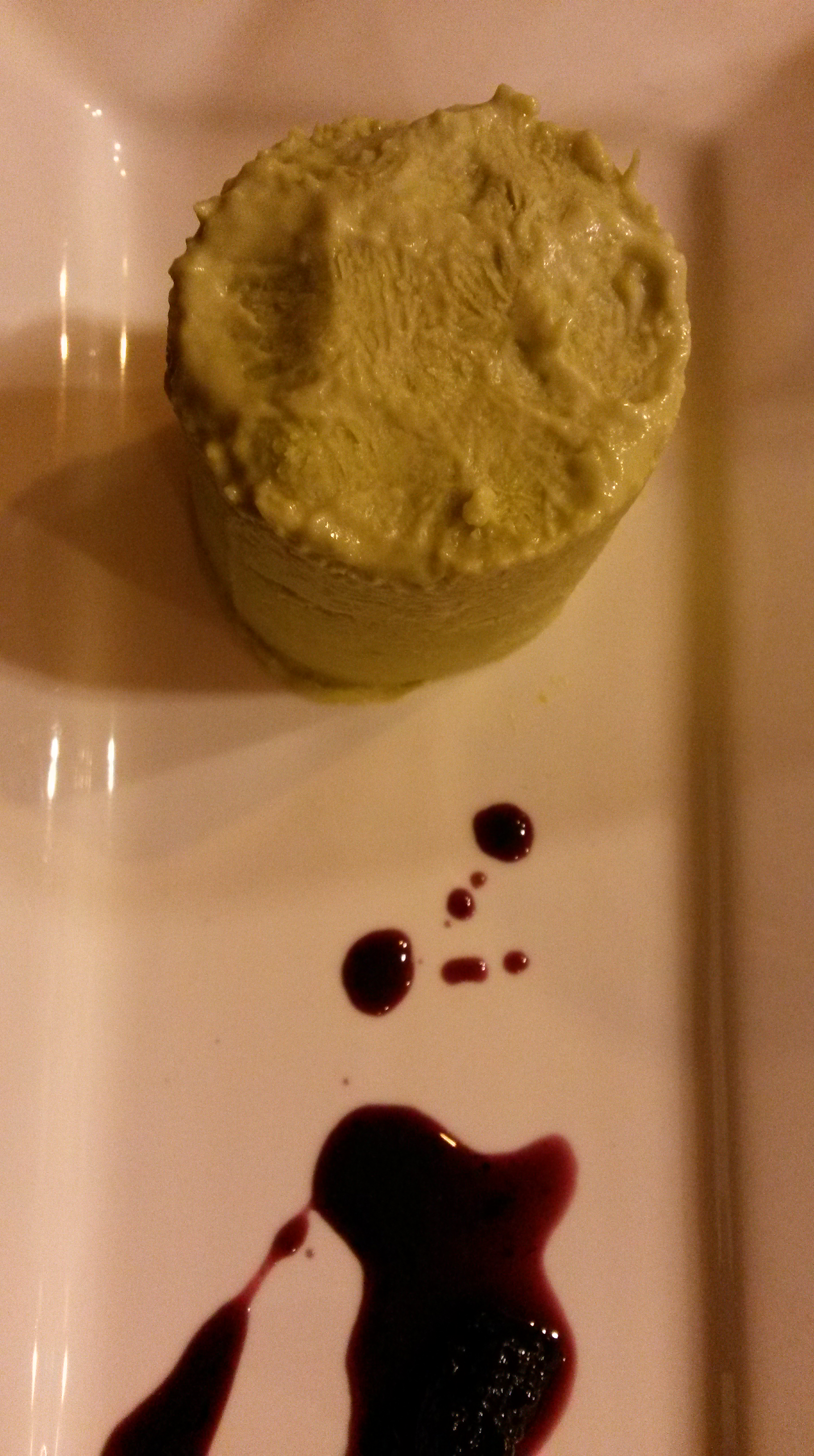
2) Ice Cream: it really surprised me to find such amazing ice cream in Chile. My favourite stores are Mikafé in Hanga Roa, Easter Island, and Emporio la Rosa in Santiago. Favourite flavours: chocolate with toffee, dulce de leche, frambuesa menta, lúcuma and mango.20150228_16561820150331_192314 Oh and not to forget that fantastic avocado (yes, avocado) ice cream at Vinilo in Valparaiso.20150402_212954


3) Empanadas: particularly those filled with fresh tuna and seafood (Easter Island).

4) Lomo a lo pobre: loin cut of beef on a mountain of french fries and fried onions topped with a fried egg.20150331_145542


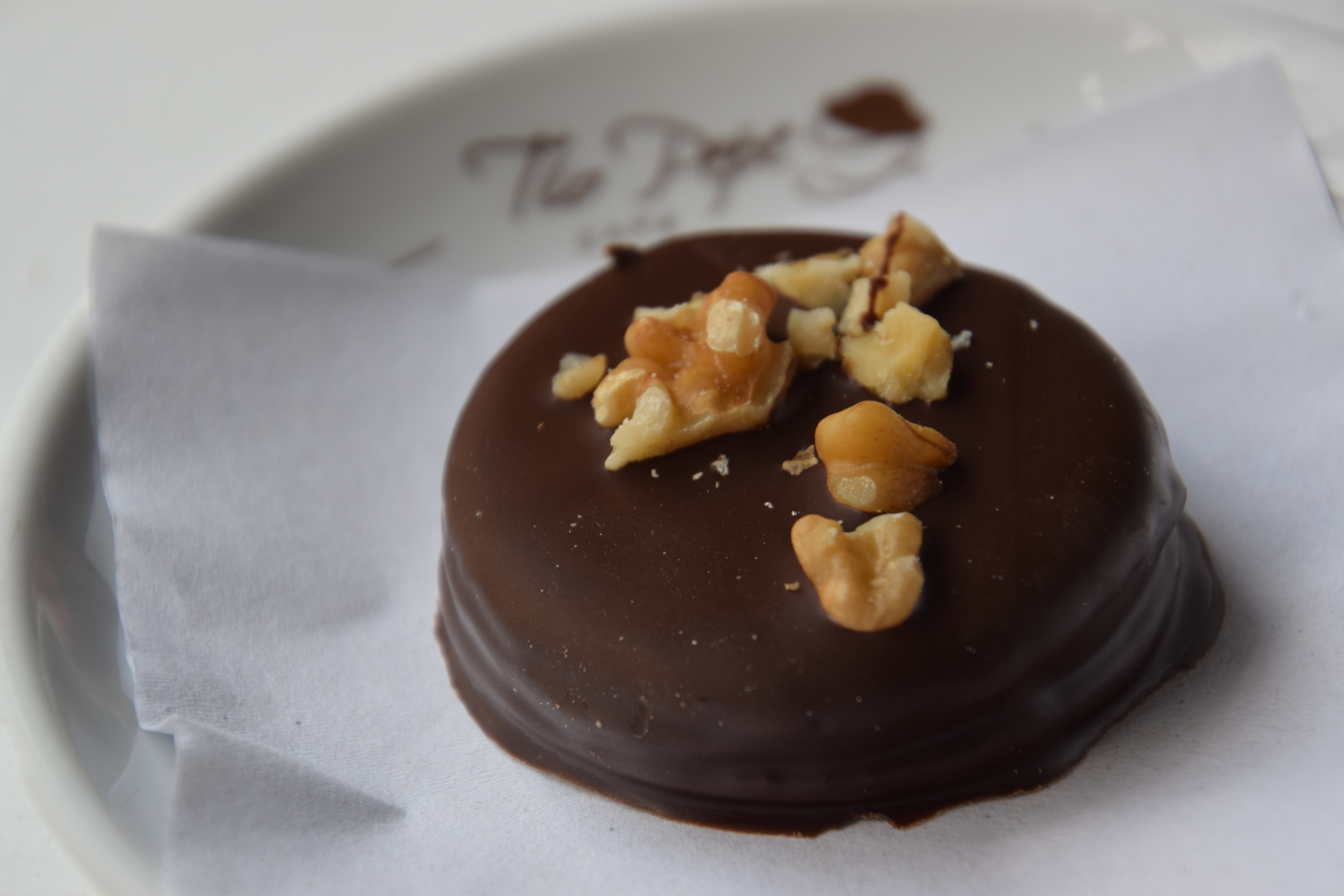
5) Alfajores: two round cookies with a sweet filling, usually dulce de leche, covered in glaced sugar, chocolate or coco.DSC_1781DSC_1837


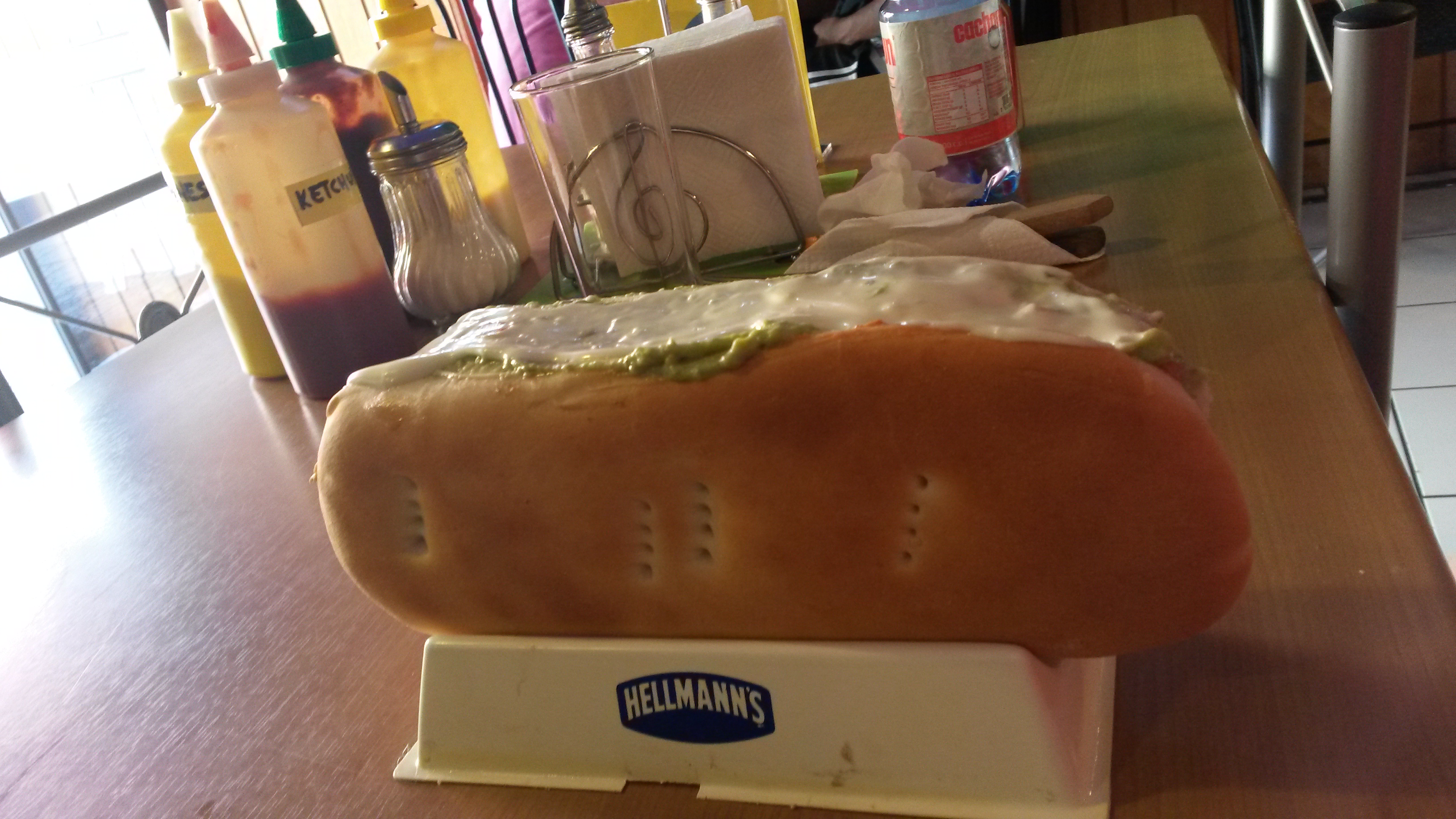
6) Completo Italiano: a hot dog with tomatoes, mashed avocado and  mayonnaise.20150408_114033


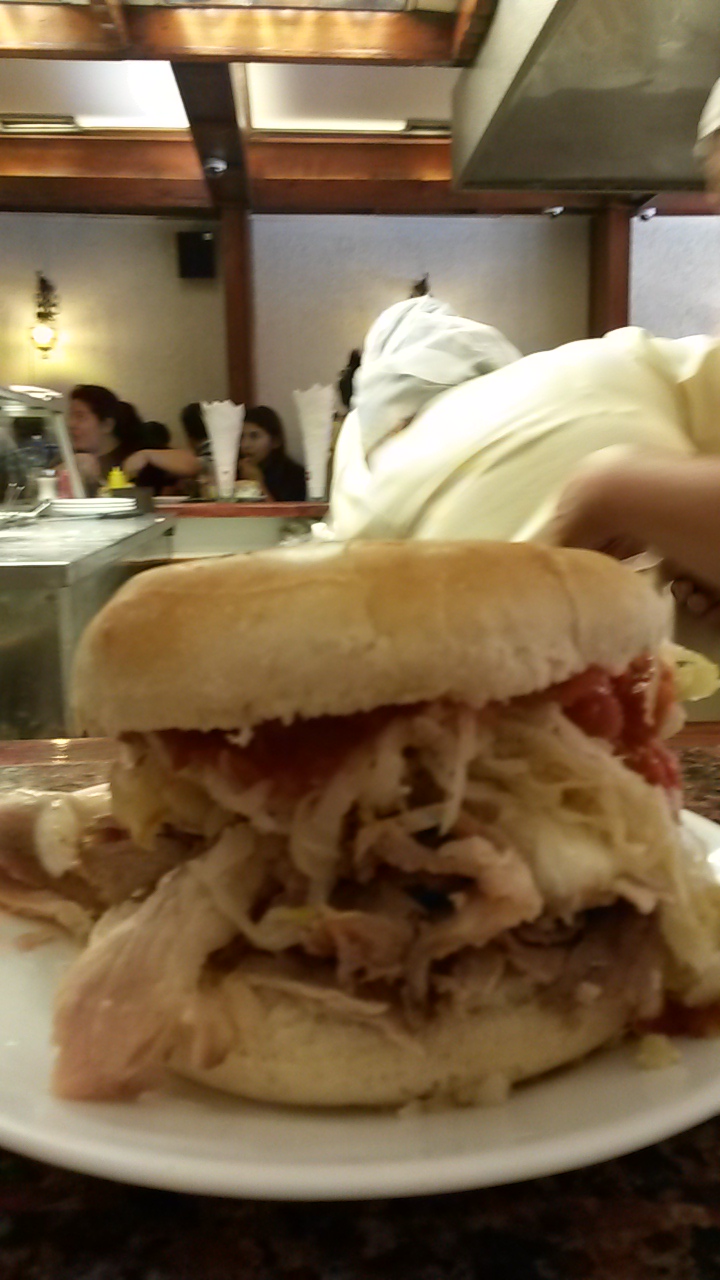
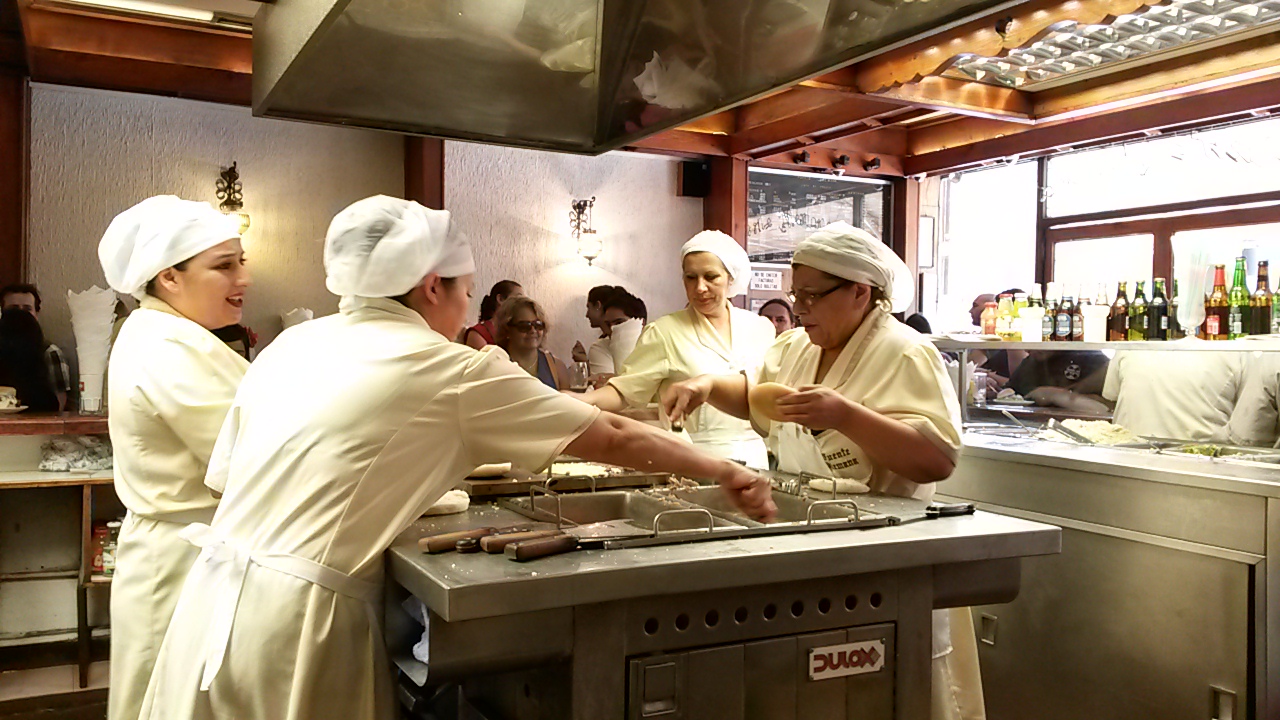
7) Lomito Completo: Sandwich/ Burger with sliced cooked sirloin steak, mayonnaise, mustard, ketchup, tomato and loads of sauerkraut. Try this at Fuente Alemana in Santiago! 20150401_14392120150401_143752

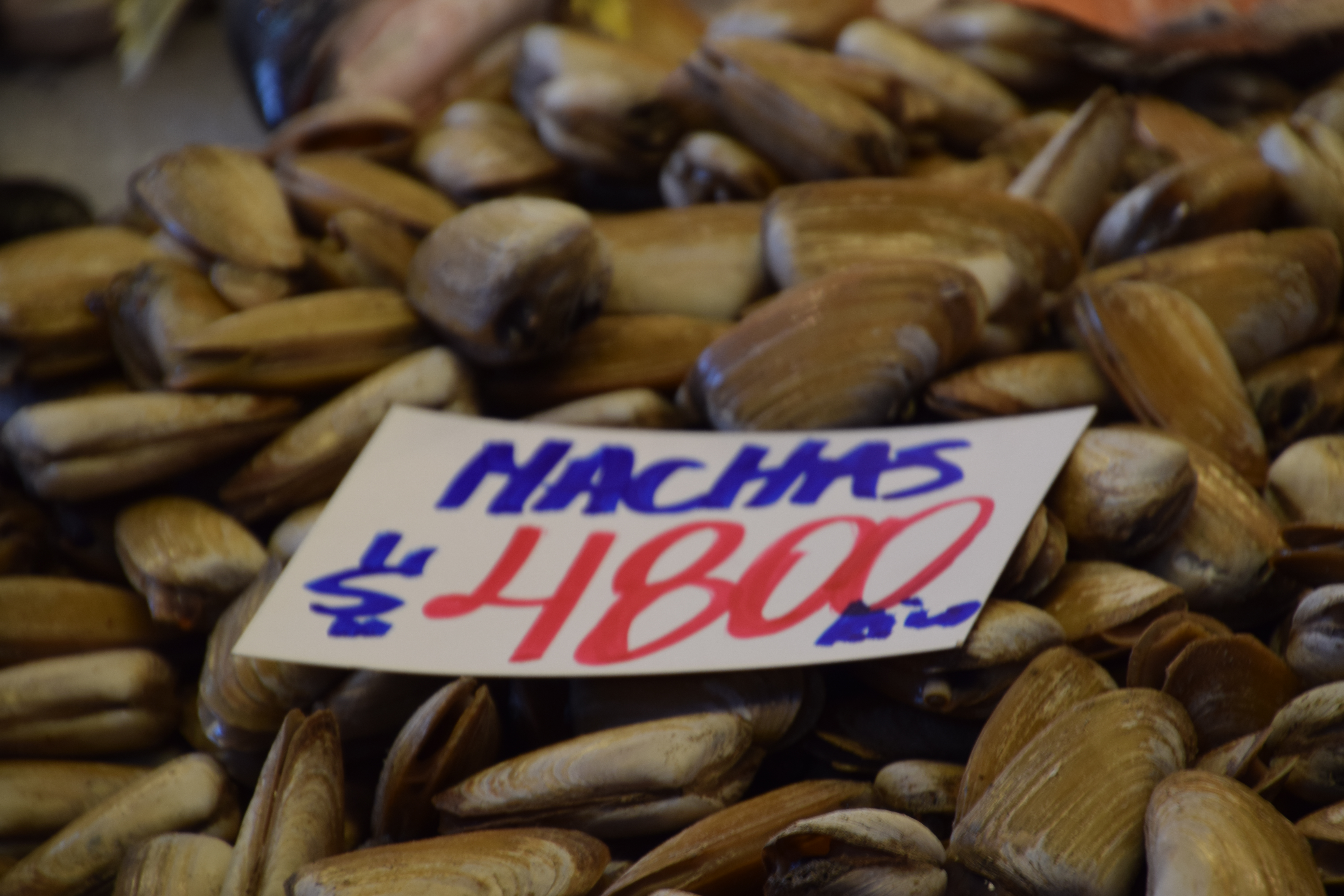
8) Machas con Parmesano: DSC_167120150401_200821

Favourite Drinks:

1)  Jugos Naturales: freshly made fruit juices, e.g. pineapple!

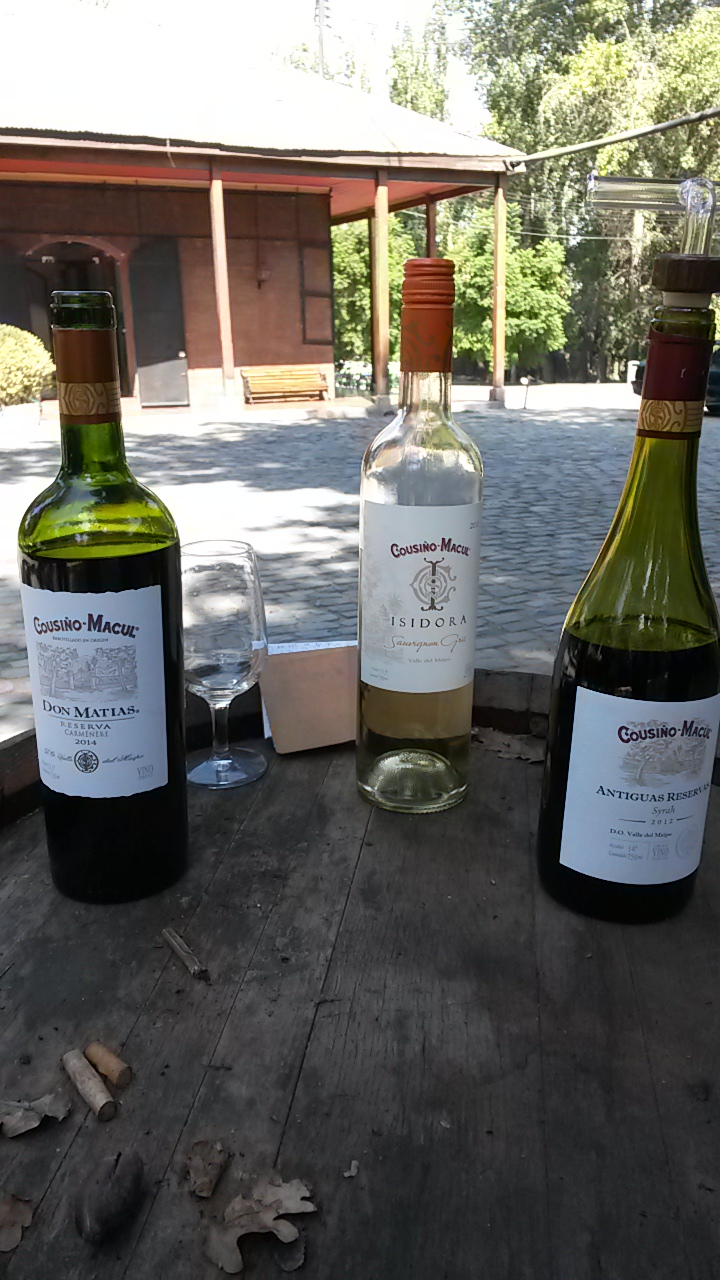
2) Beer and Wine (try the Carmenere as you will hardly find it anywhere else in the world)!

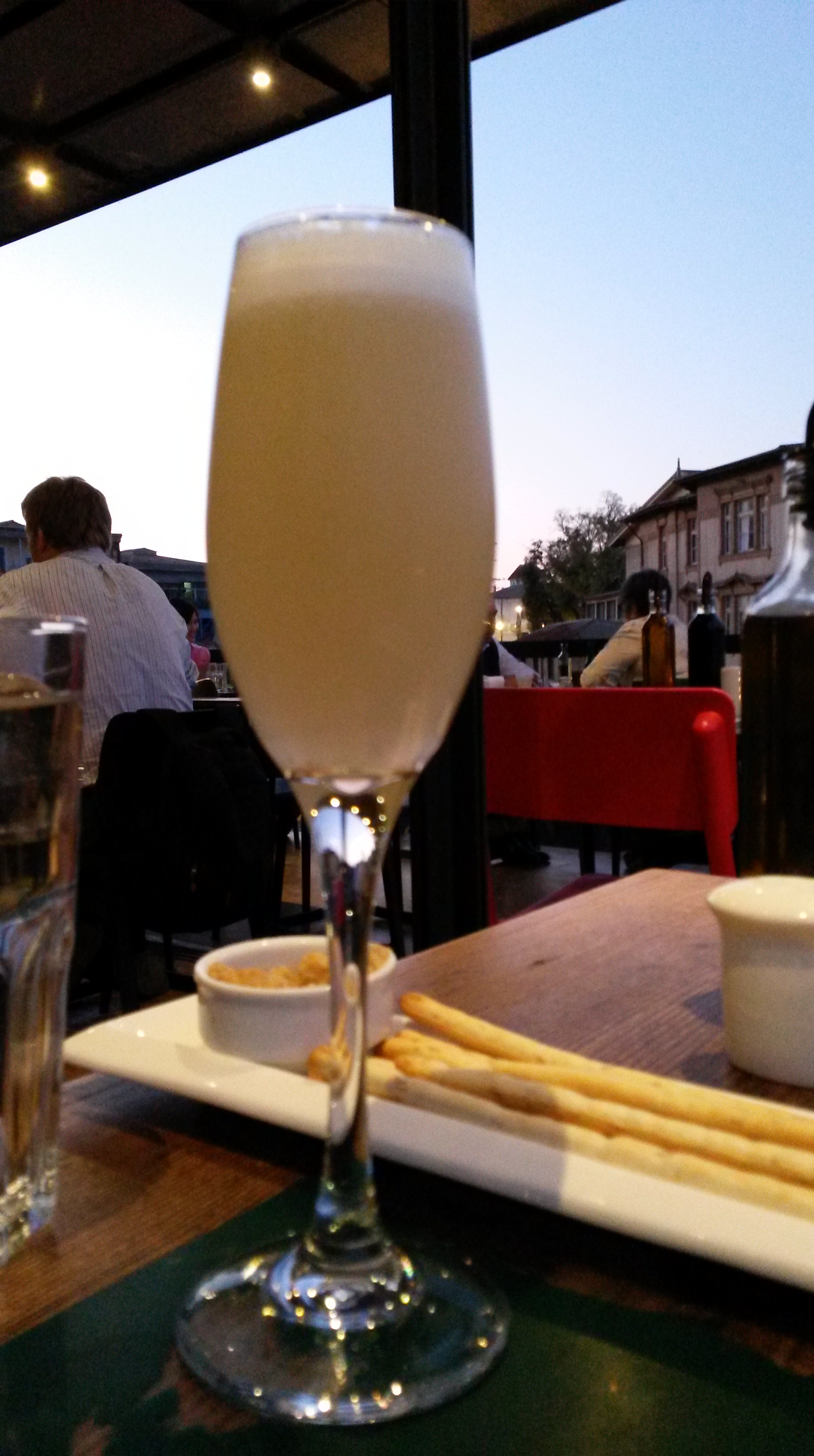
3) Pisco Sour: Pisco is a clear brandy that is destilled from white muscat grapes. A Pisco Sour is a Cocktail with Pisco, sugar, lime, one eggwhite and crushed ice.  20150401_195845


4) Terremoto (earthquake): young white wine, Pisco, sugar, pineapple ice cream…

Valpara(d)iso

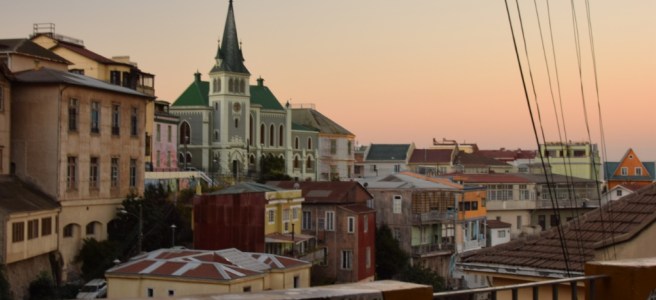
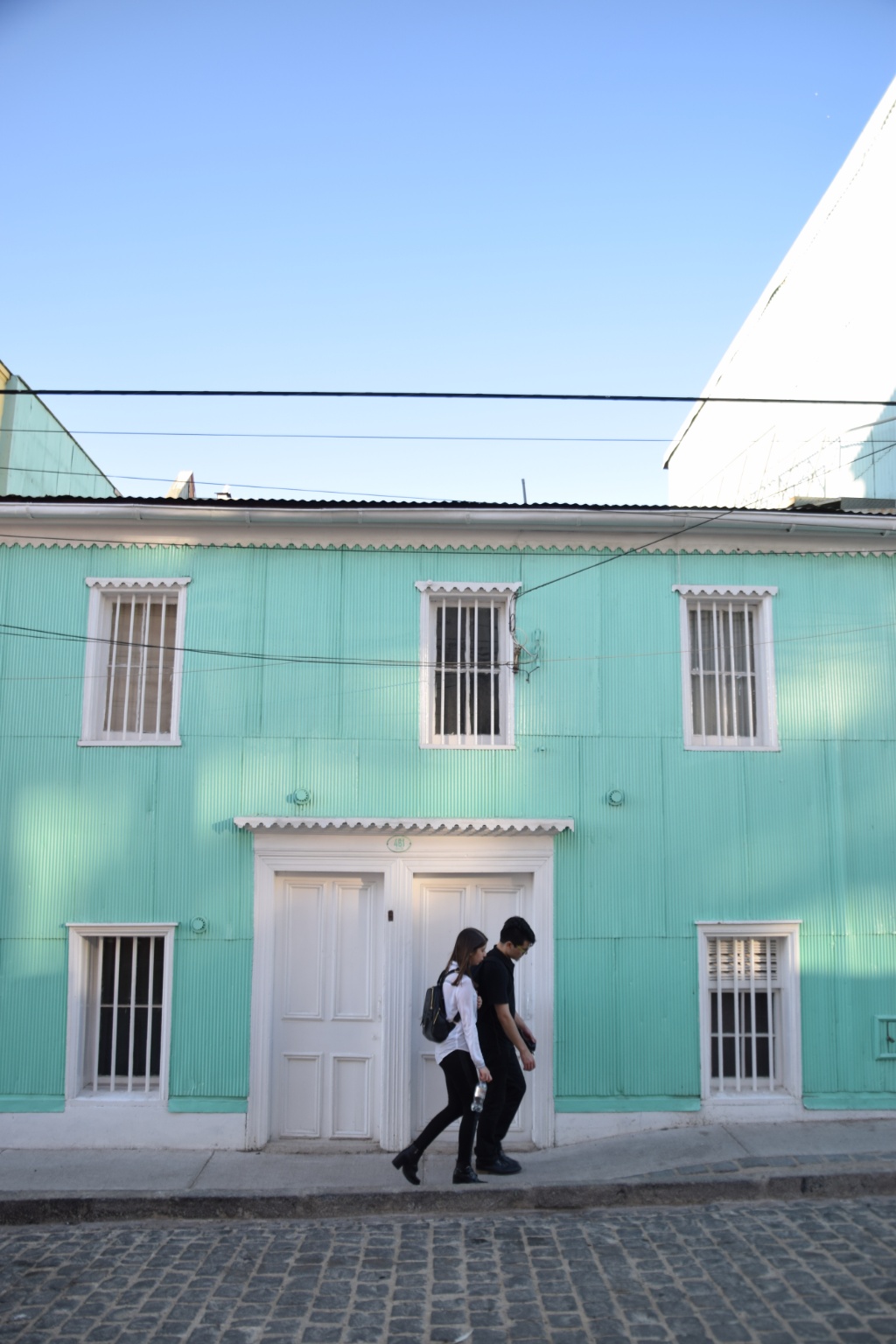
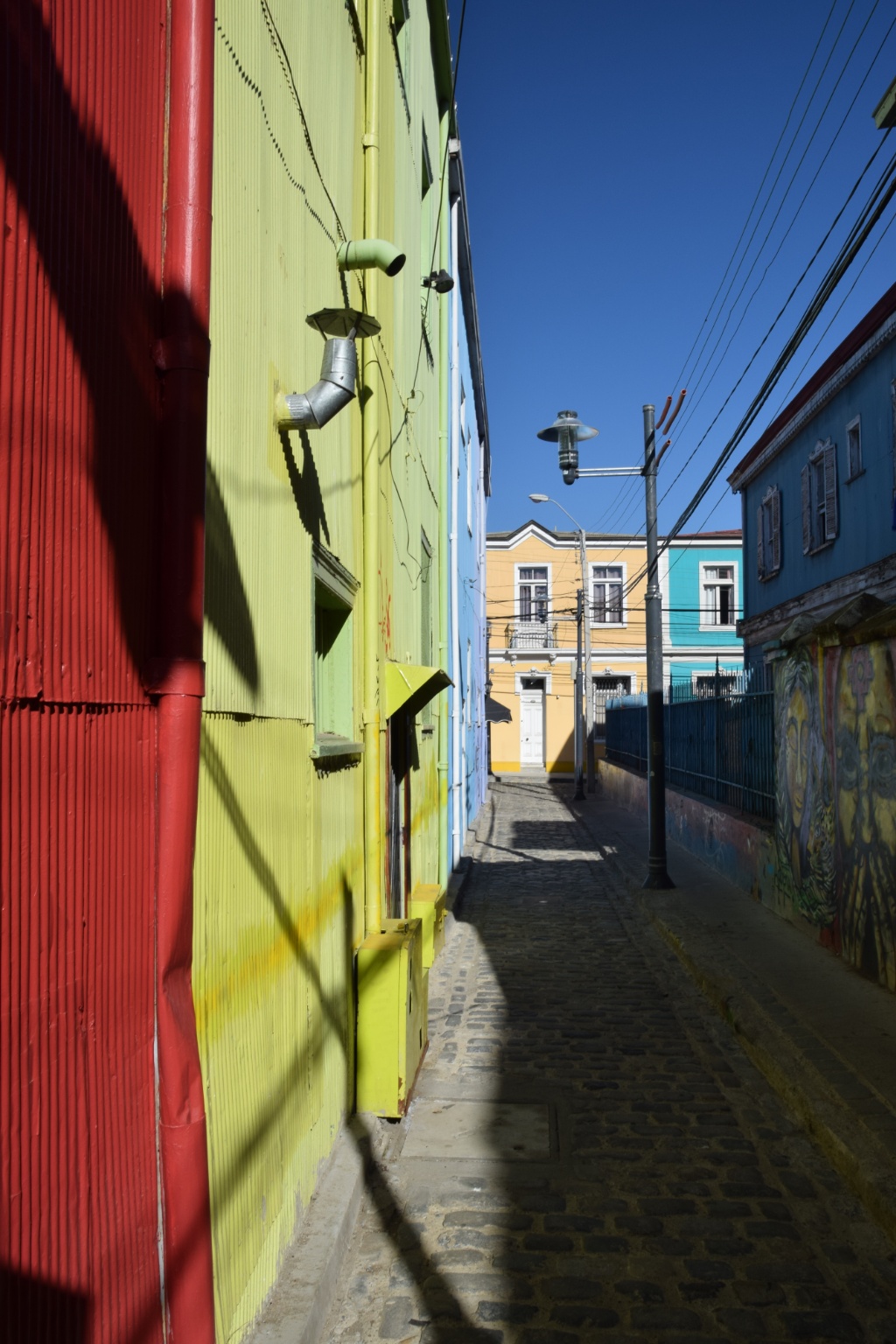
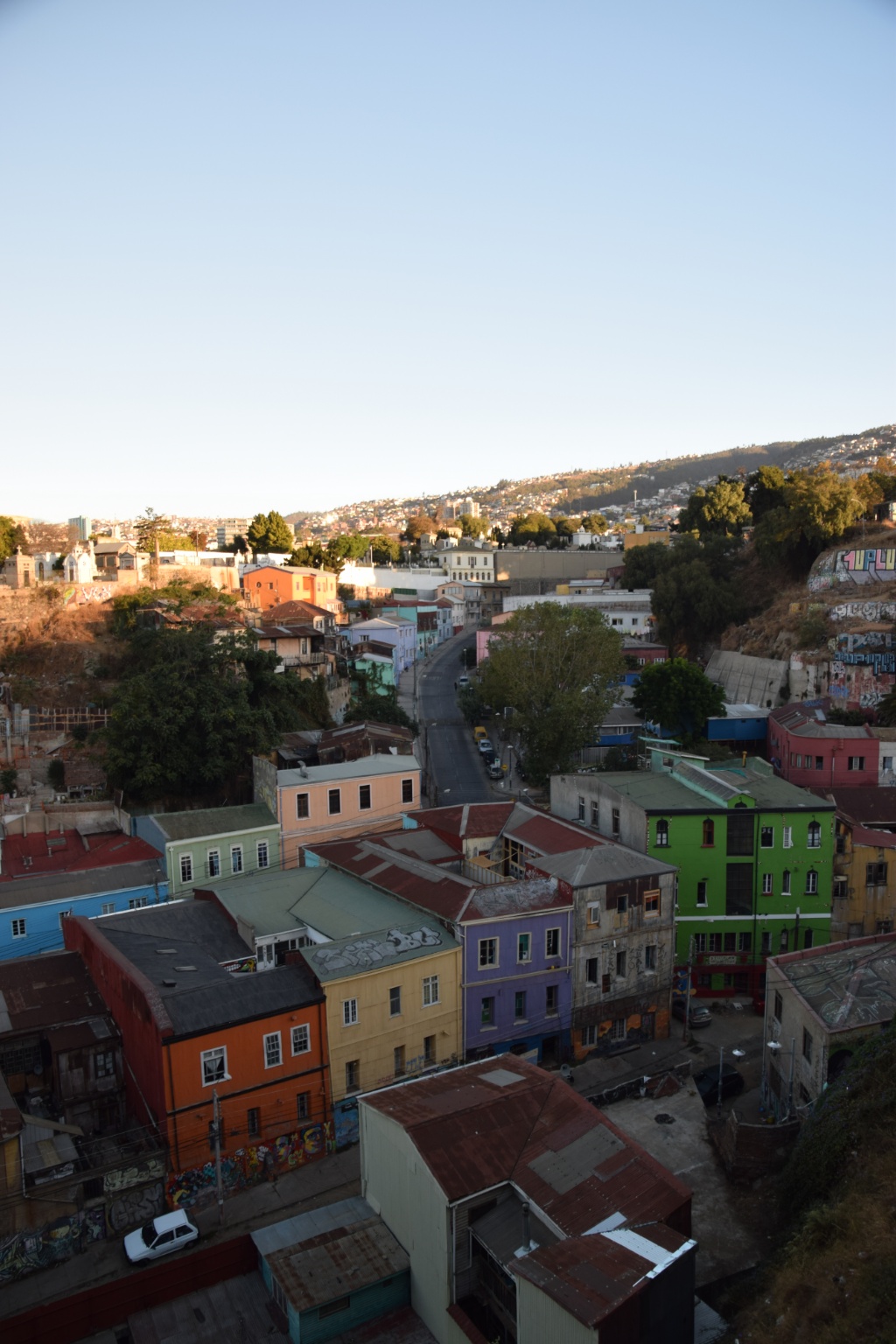
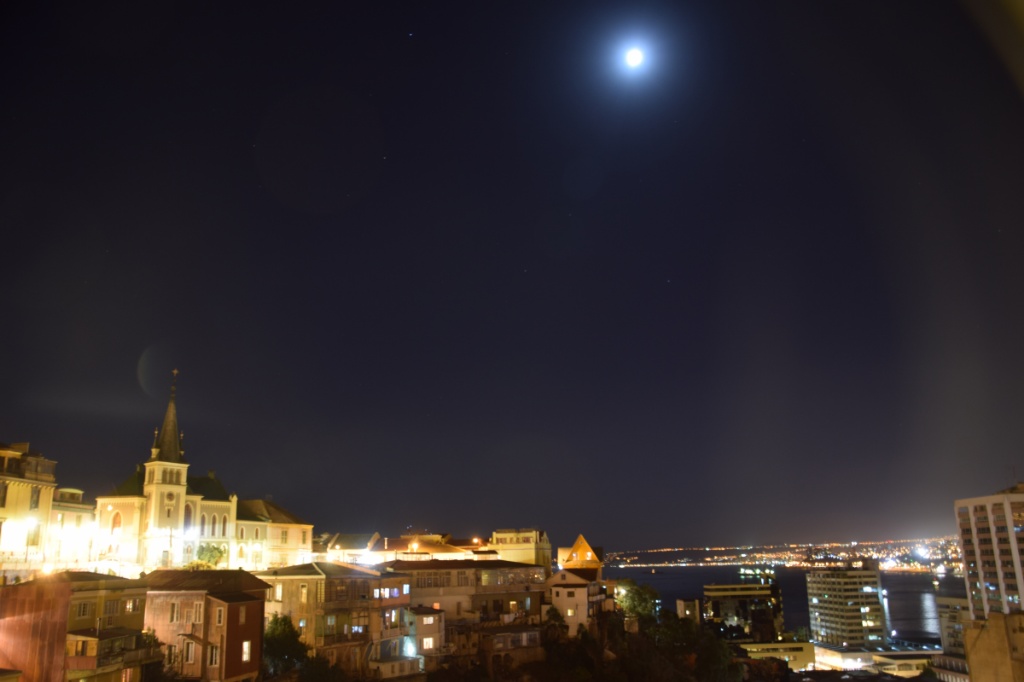
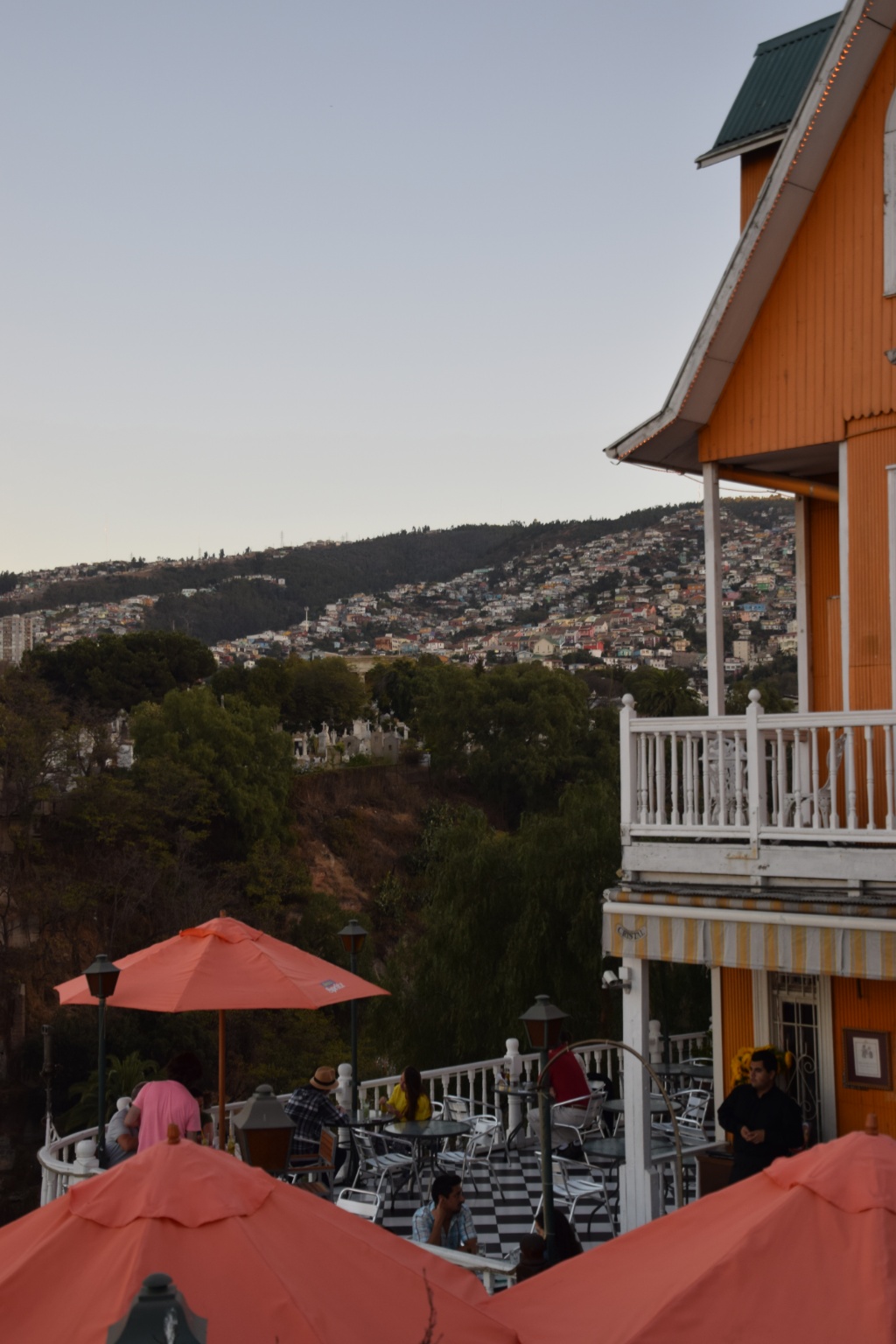
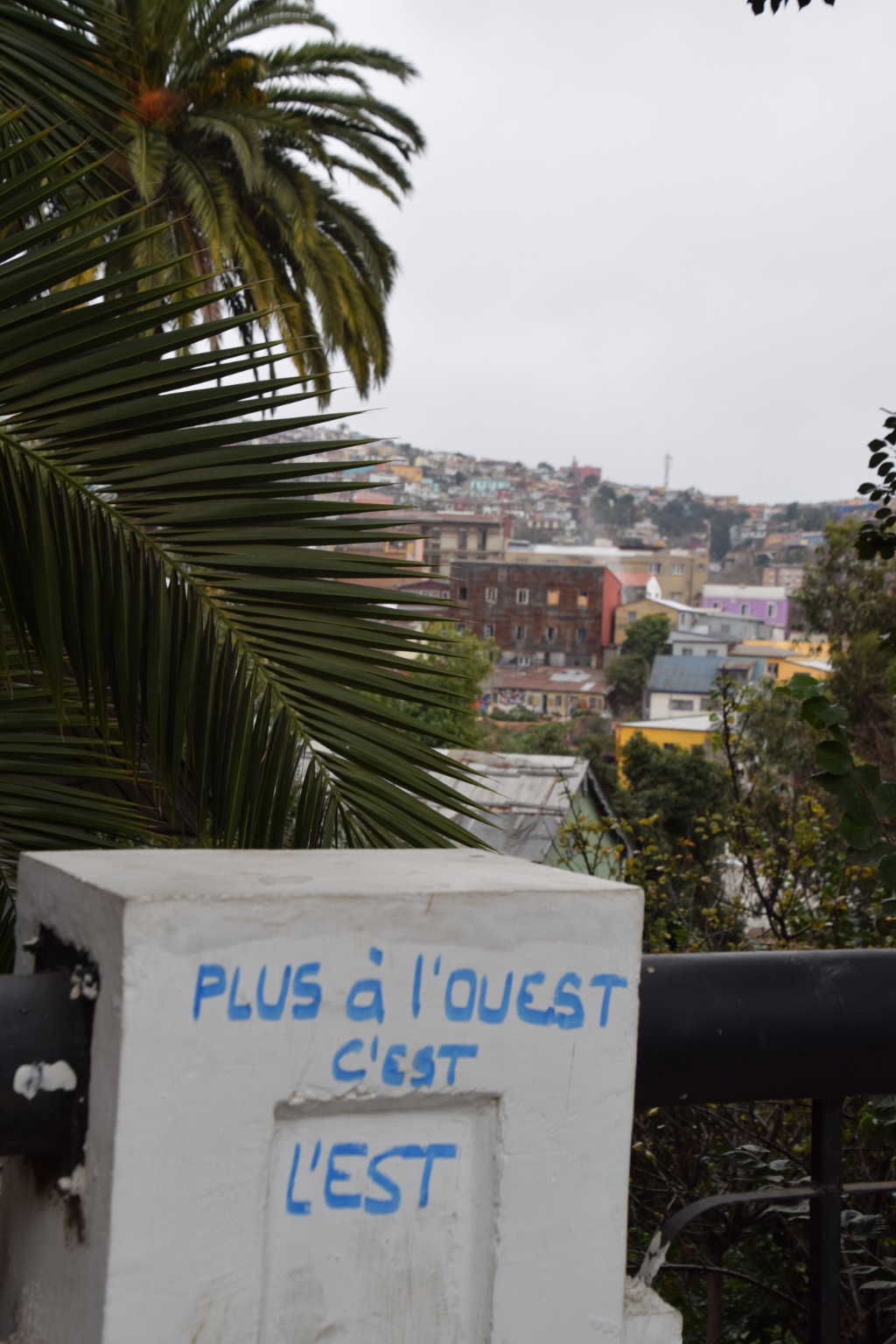
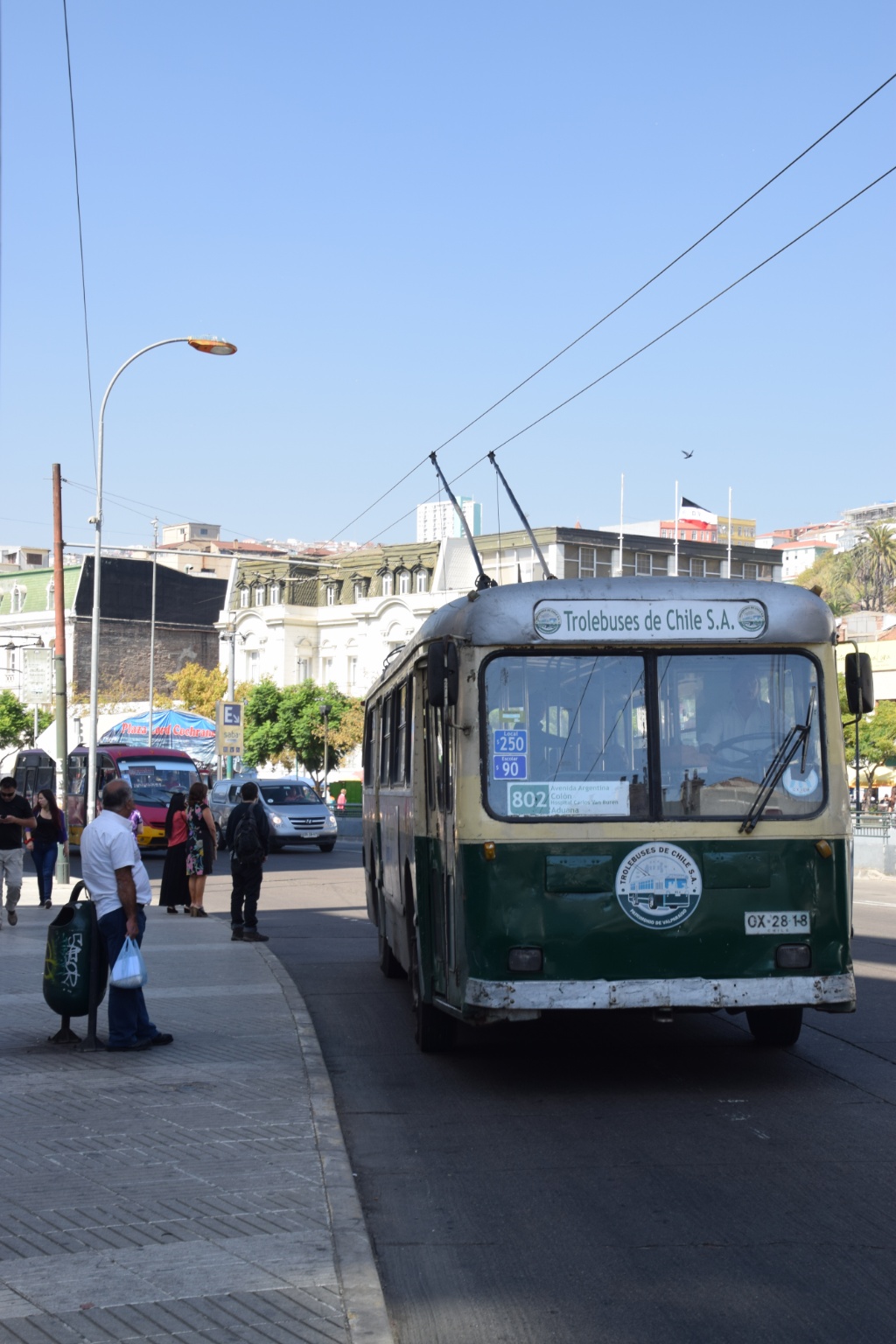
After two days in Santiago I had enough of the big city life and made my way to Valparaiso, which is only a two hour busride away at the coast. I instantly fell in love with this city because of

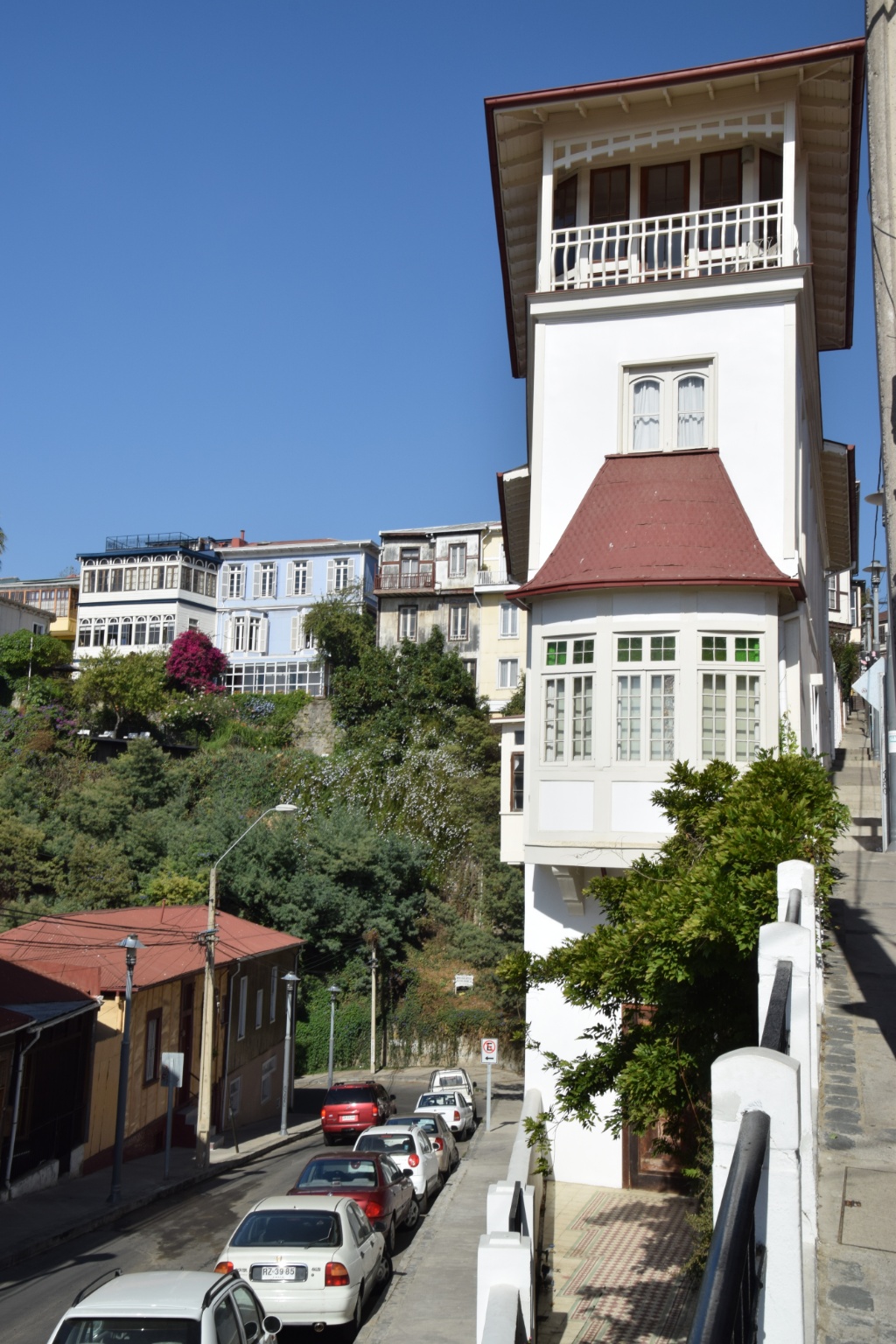
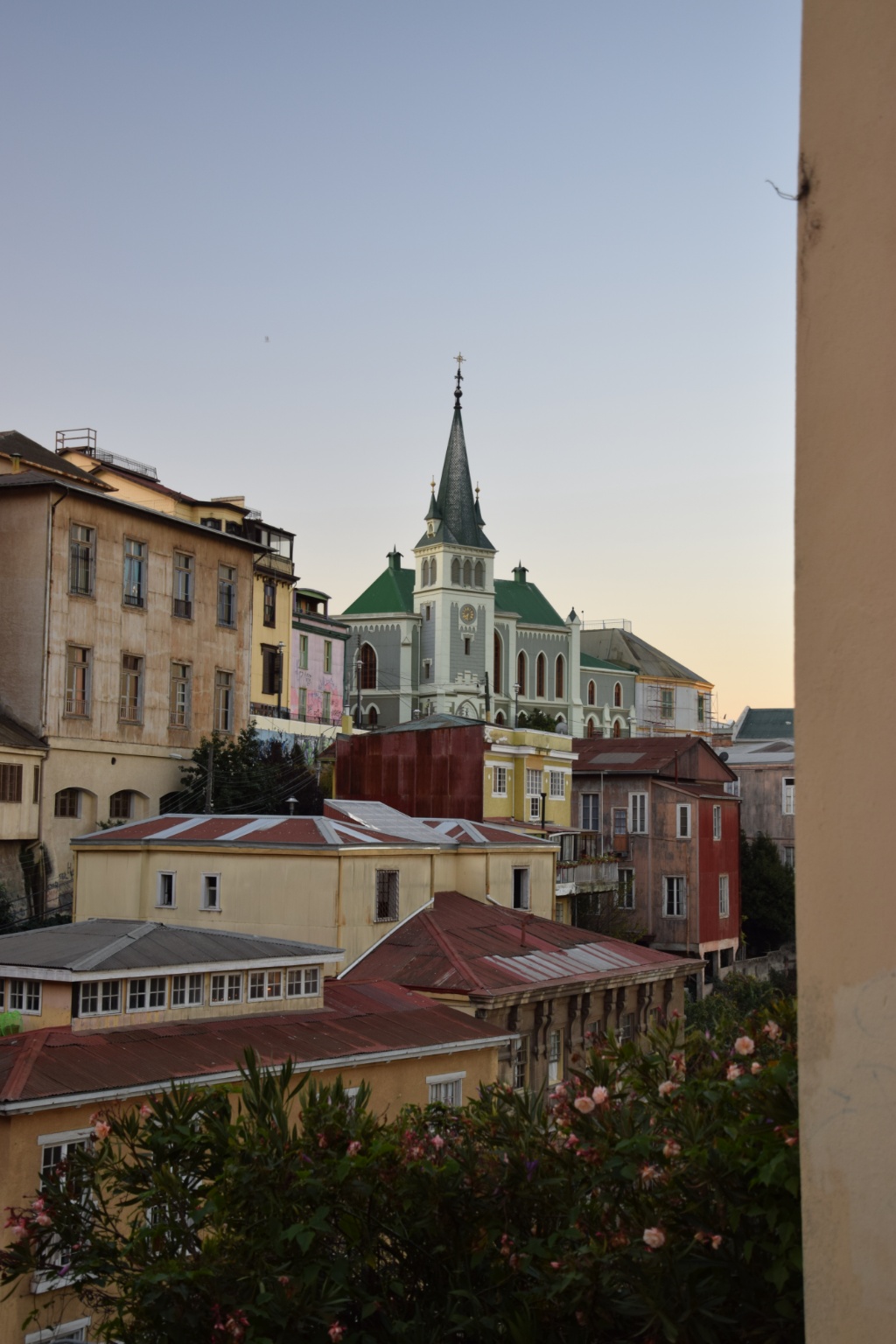
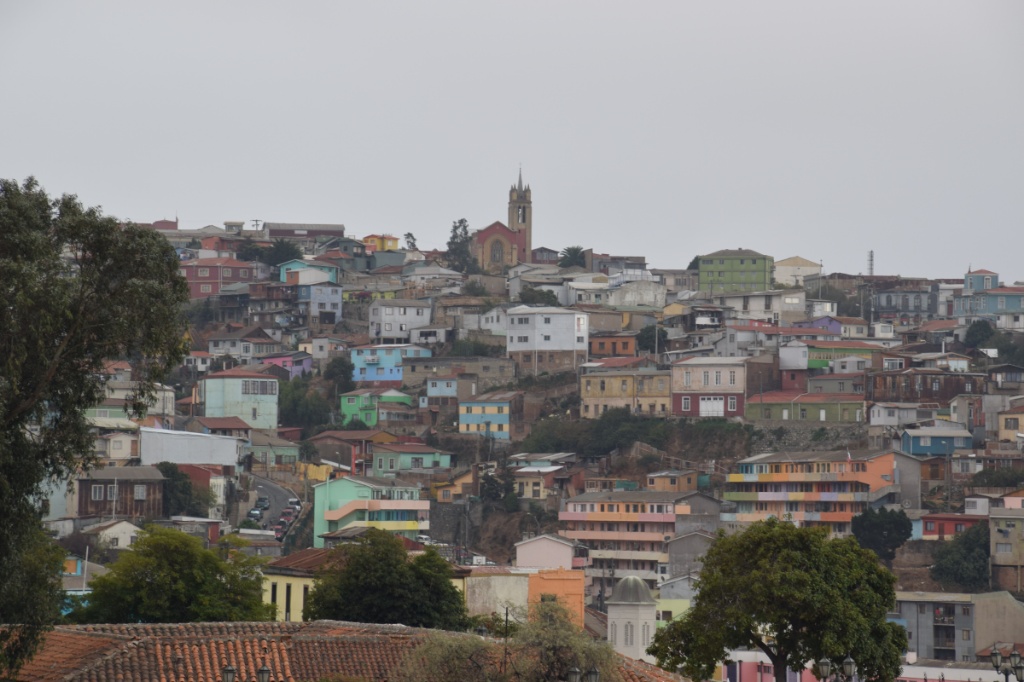
its colorful houses IMG_20150421_123906IMG_20150421_123836IMG_20150421_123929IMG_20150421_124046IMG_20150421_123624IMG_20150421_123531IMG_20150421_123213
,


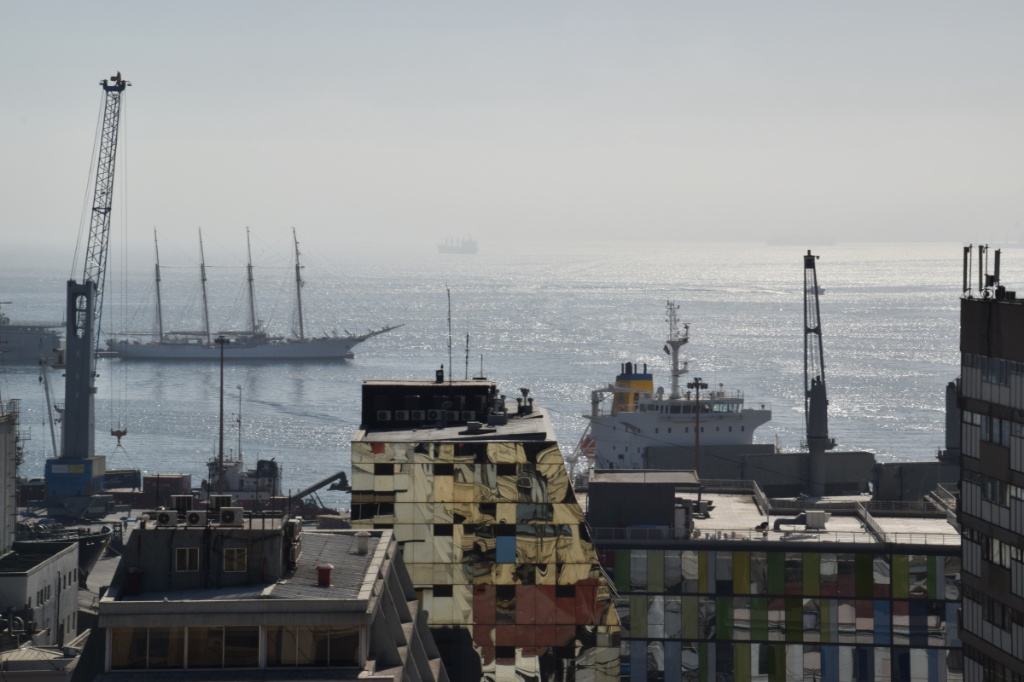
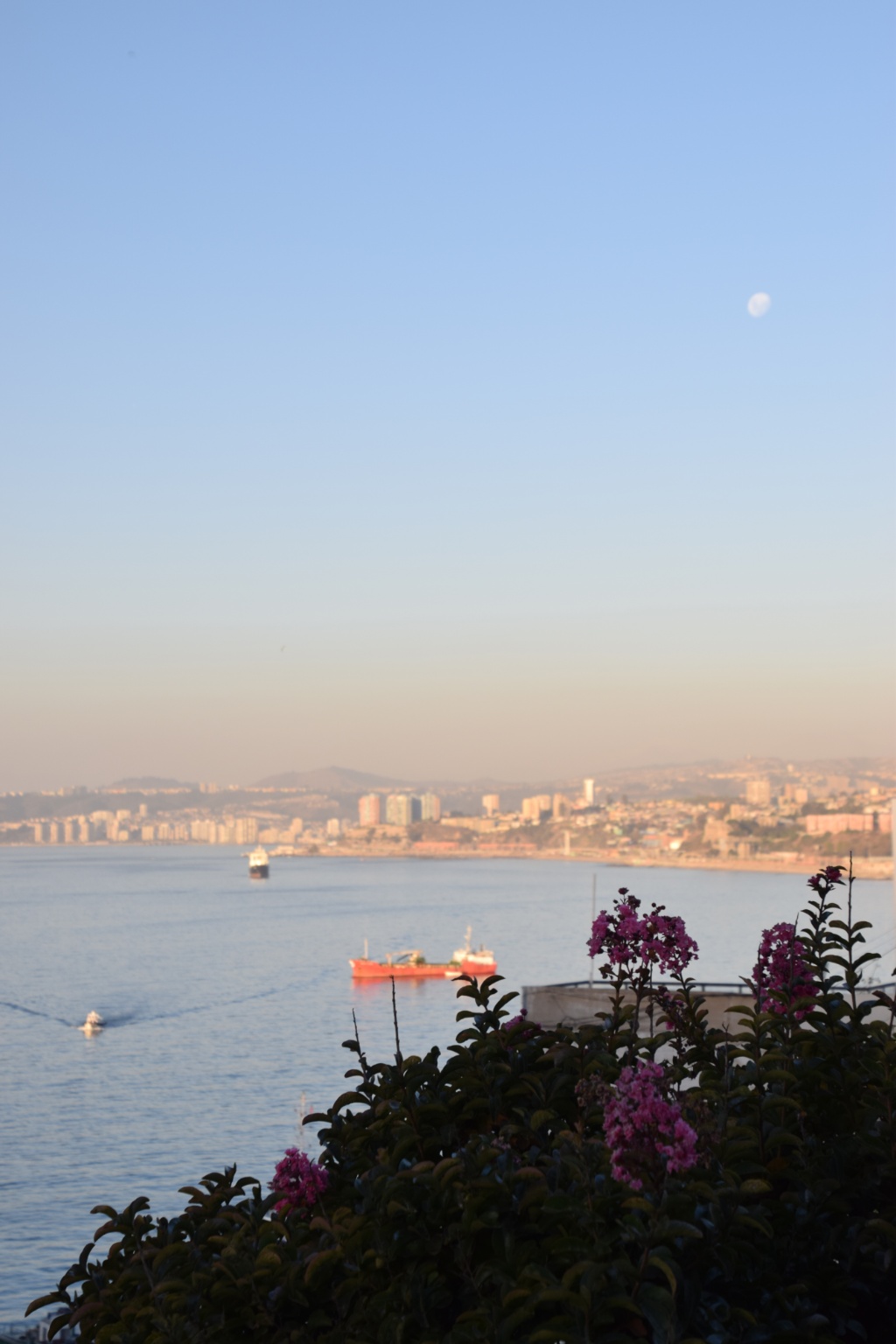
the harbour,IMG_20150421_123039

IMG_20150421_123504


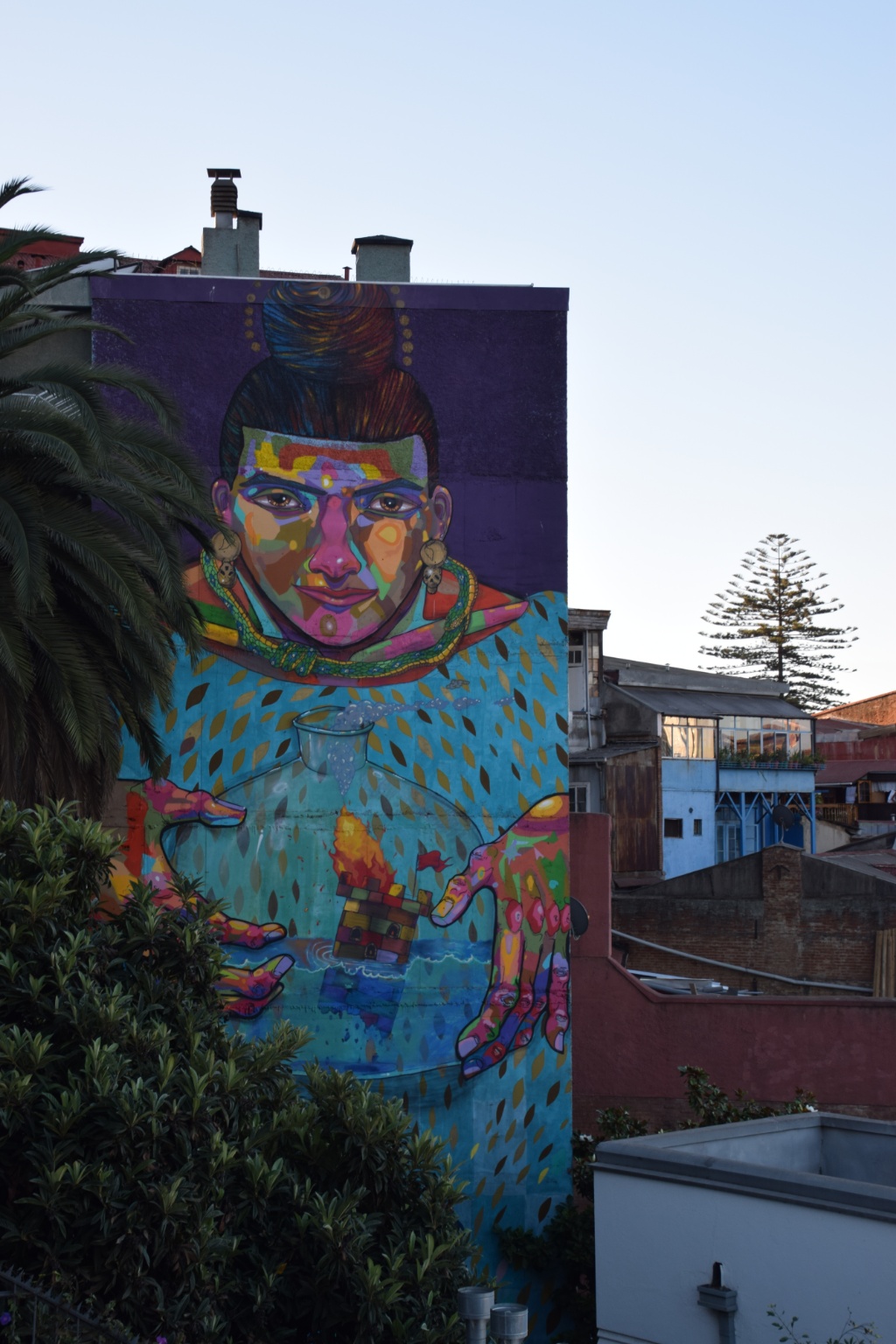
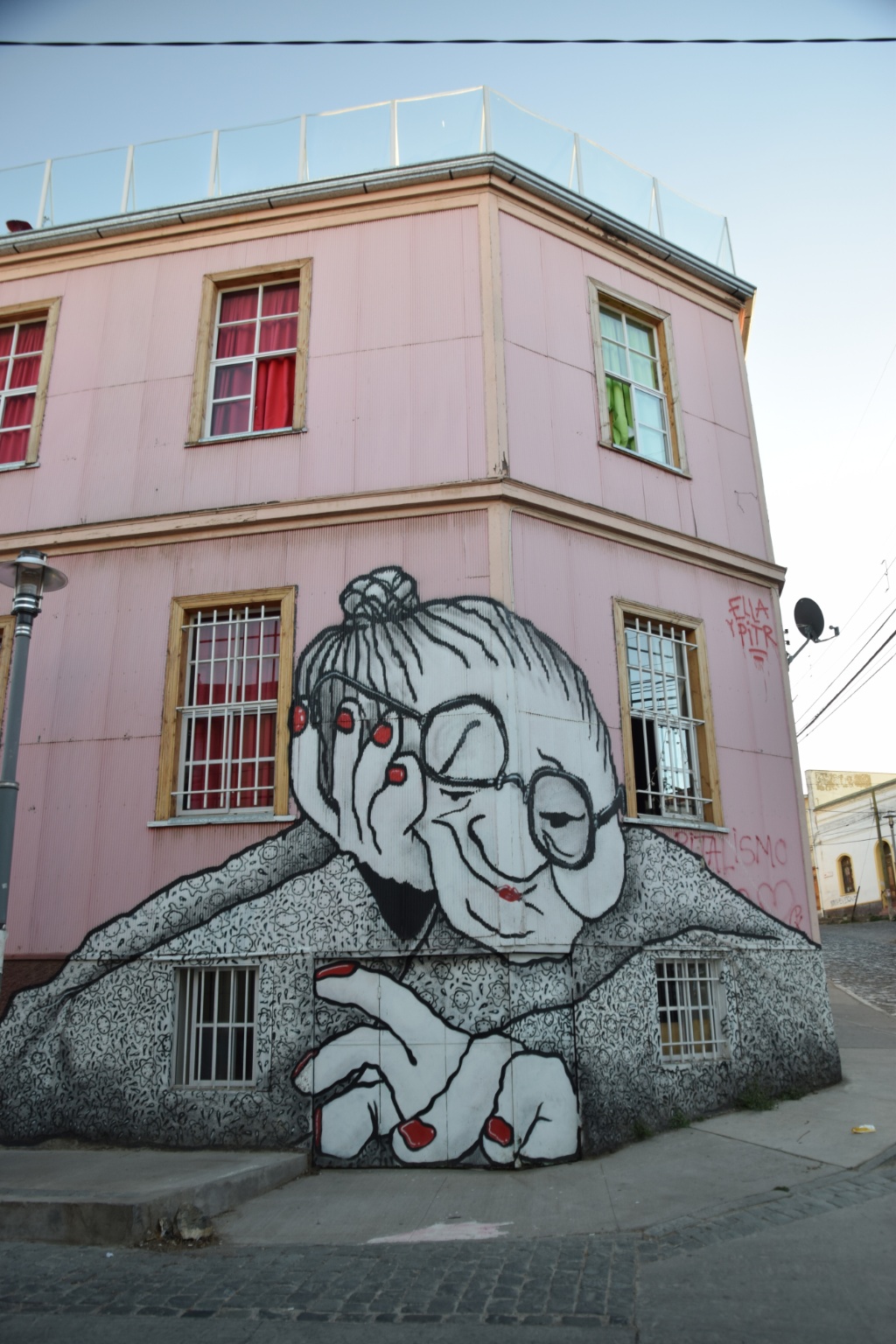
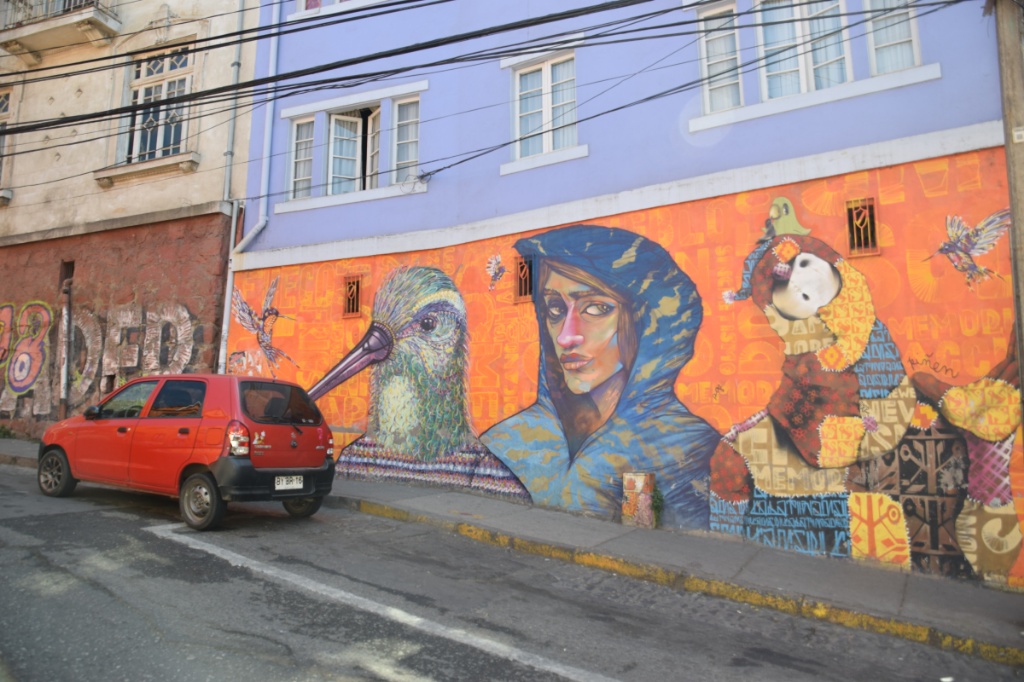
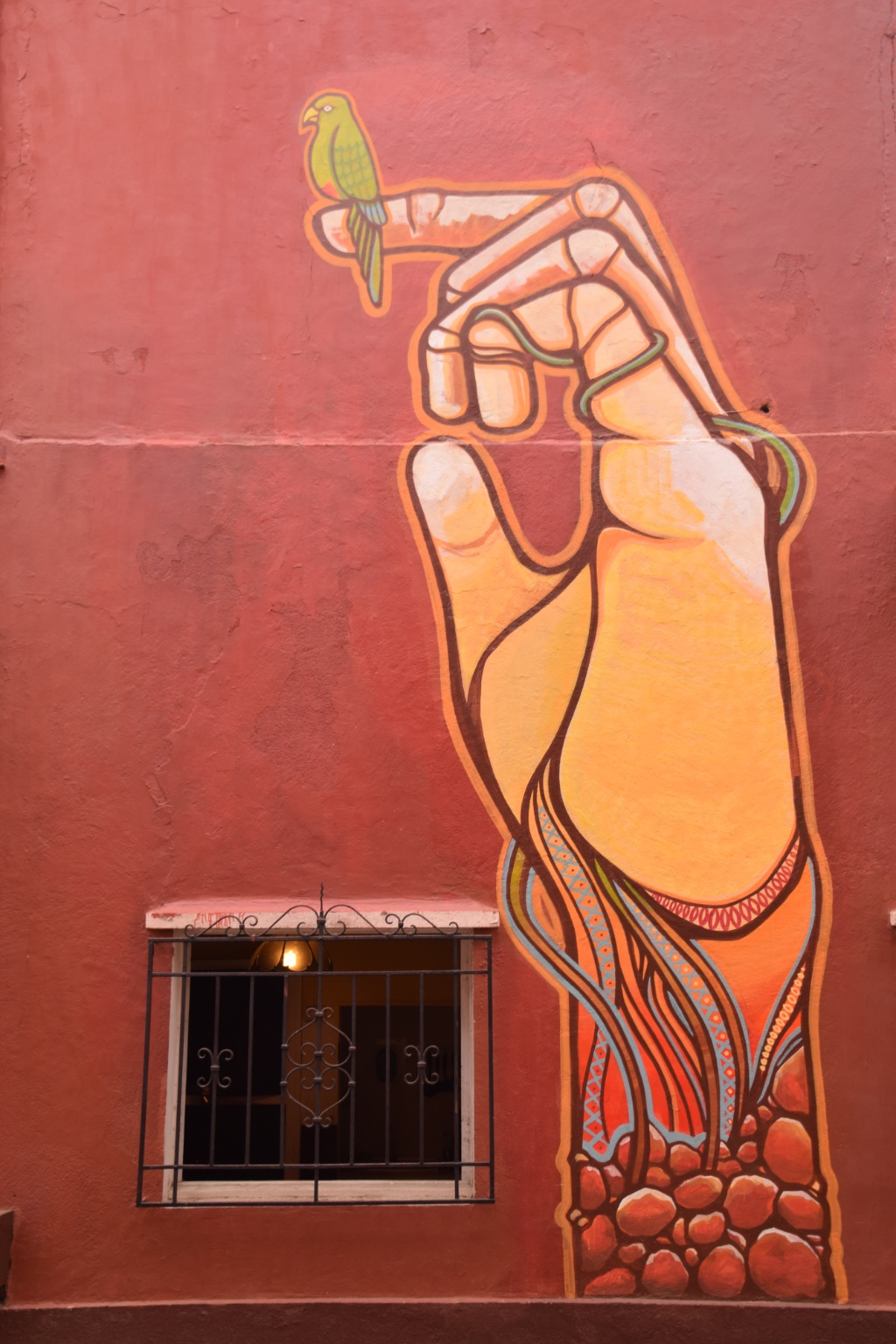
the incredible graffiti paintings,IMG_20150421_124157IMG_20150421_124137IMG_20150421_124020IMG_20150421_123954IMG_20150421_123715IMG_20150421_123647IMG_20150421_124222


the magnificent views IMG_20150421_124307IMG_20150421_123312IMG_20150421_123244IMG_20150421_123146IMG_20150421_123014


and its relaxed vibe.IMG_20150421_124246IMG_20150421_124111
IMG_20150421_123807
IMG_20150421_123739IMG_20150421_123559IMG_20150421_123437IMG_20150421_123406IMG_20150421_123340IMG_20150421_123118


While it’s easy to explore the town on foot I again recommend to do the free walking tour (tour for tips), simply because you get loads of information about the city, its inhabitants, the graffiti and places to eat and drink – all from a “Porteño” (a person from Valparaiso). While some parts of the city are considered unsafe, it is very safe to walk around Cerro Allegre and Cerro Conception, where almost all hostels are located.
For a delicious meal with a great view go to “Fauna”, their roof terrace is amazing and there are lots of locals, too. Another great spot for dinner is “Vinilo”. For coffee and cake in a cute little garden go to “Café Flora”. (All on Cerro Conception)

Santiago: Big City Life

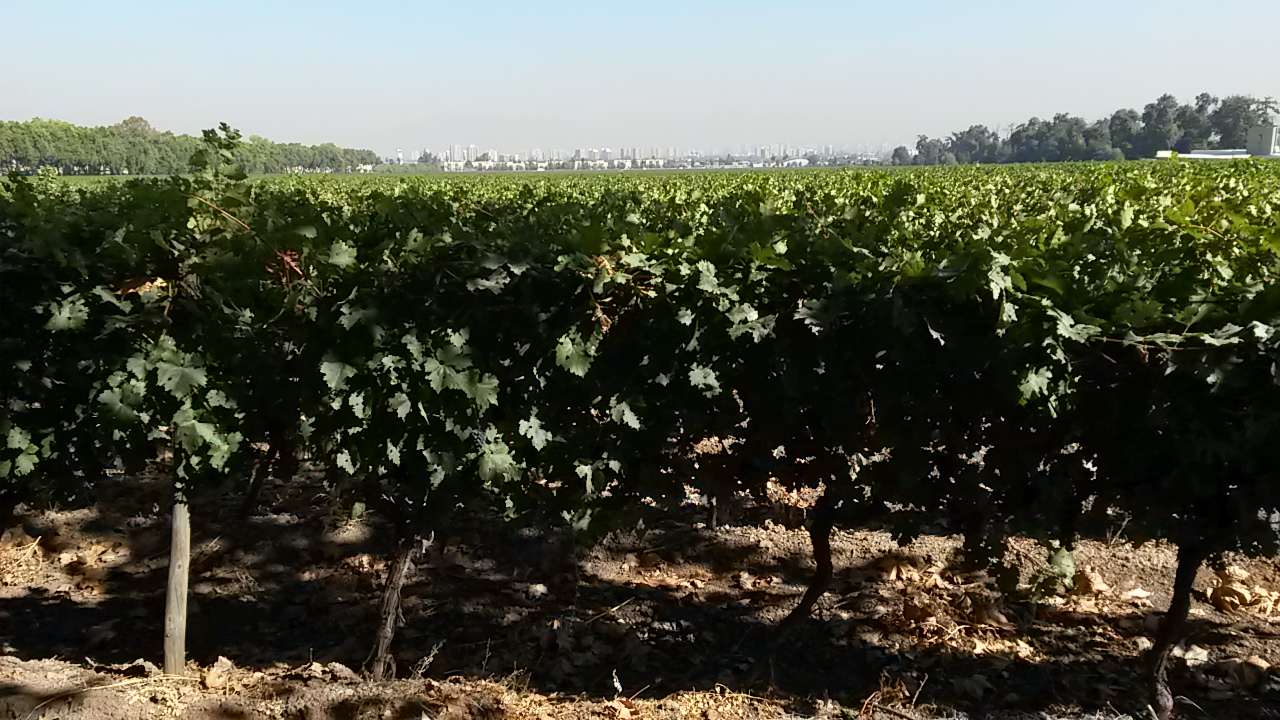
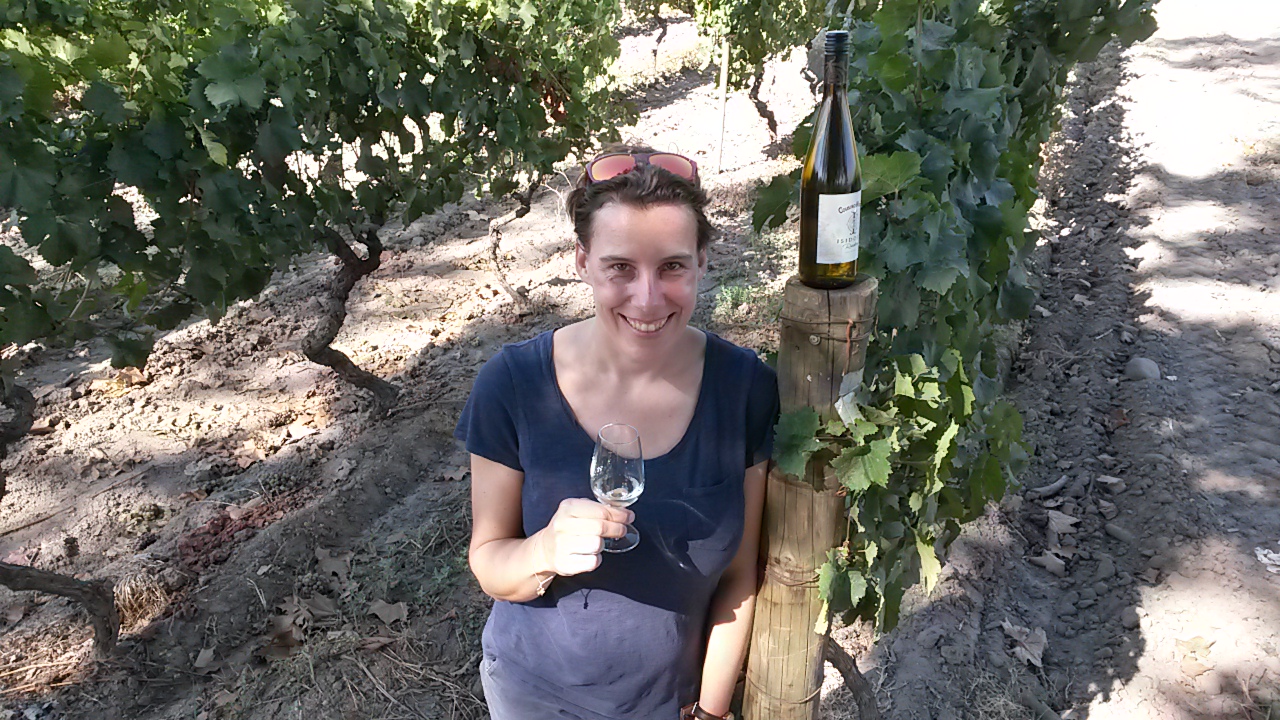
Santiago hit me big time as I hadn’t been in a large city ever since Buenos Aires, which was over a month ago. It is amazing to see the snowcapped Andes from the city. For some reason I hadn’t expected Santiago to be this close to the mountains. It made me realize how narrow this country is. Because Santiago is surrounded by mountains and hills, the city is almost always covered by a cloud of smog. That, the amount traffic and the many people was just too much to handle and thus I escaped the city on my first day for a bike and wine tour at Cousiño Macul on the outskirts of the city. Highly recommended! It does not involve  a lot of cycling, just a short ride to the vineyards. But it includes a wine tasting and an interesting tour around this old winery.

20150331_10595820150331_11222220150331_12281920150331_112938

Plus, you have to get there, which is part of the fun if you take the metro – it is a great place to people watch. I don’t think I have ever seen this many women breastfeeding their babies on public transport!!! It made me realize how conservative we are in Europe. Here it just seems very normal. One three or four year old kid, however, sat on his mothers lap and simply got out the breast himself… I would imagine that being rather unusual,  but who knows?!

Pablo Neruda’s house was a highlight in Santiago20150331_172220, as was the view from San Christóbal, the city’s biggest hill.20150331_182556

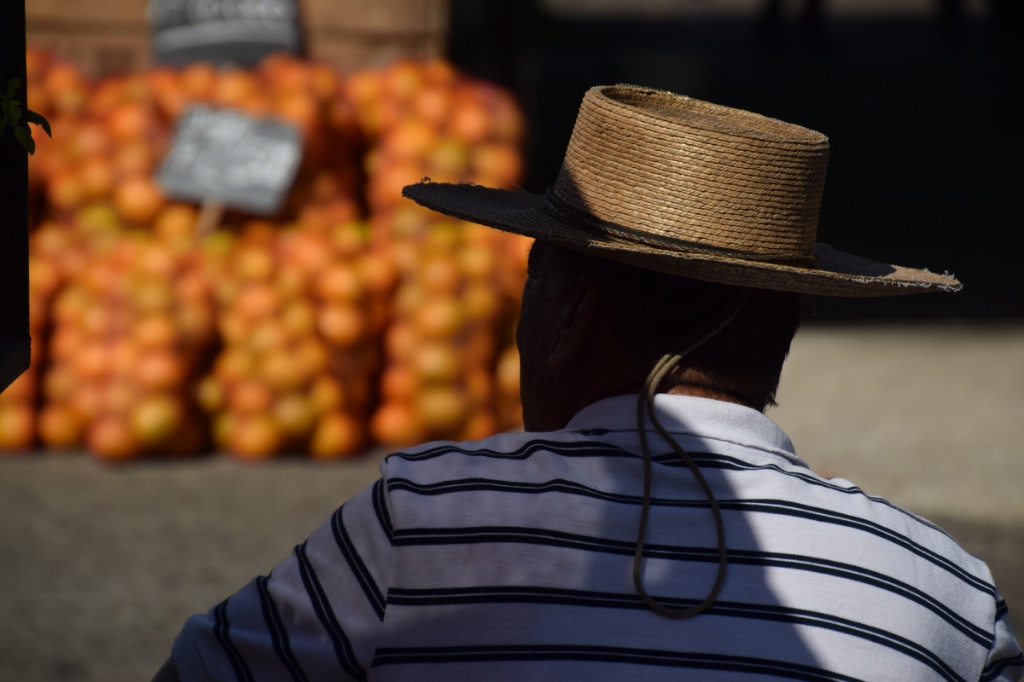
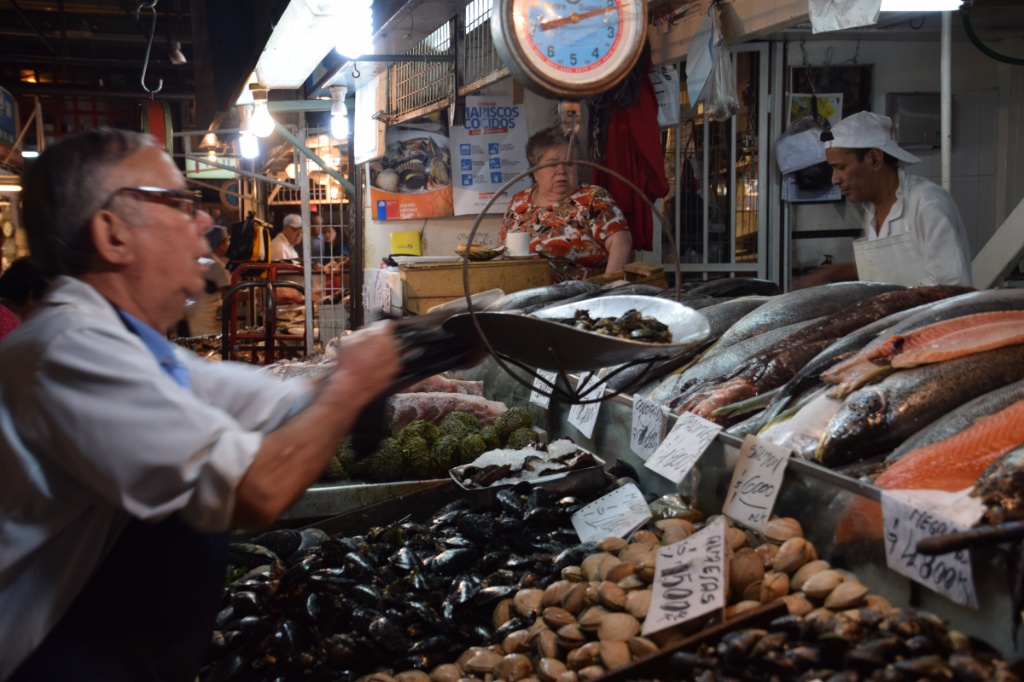
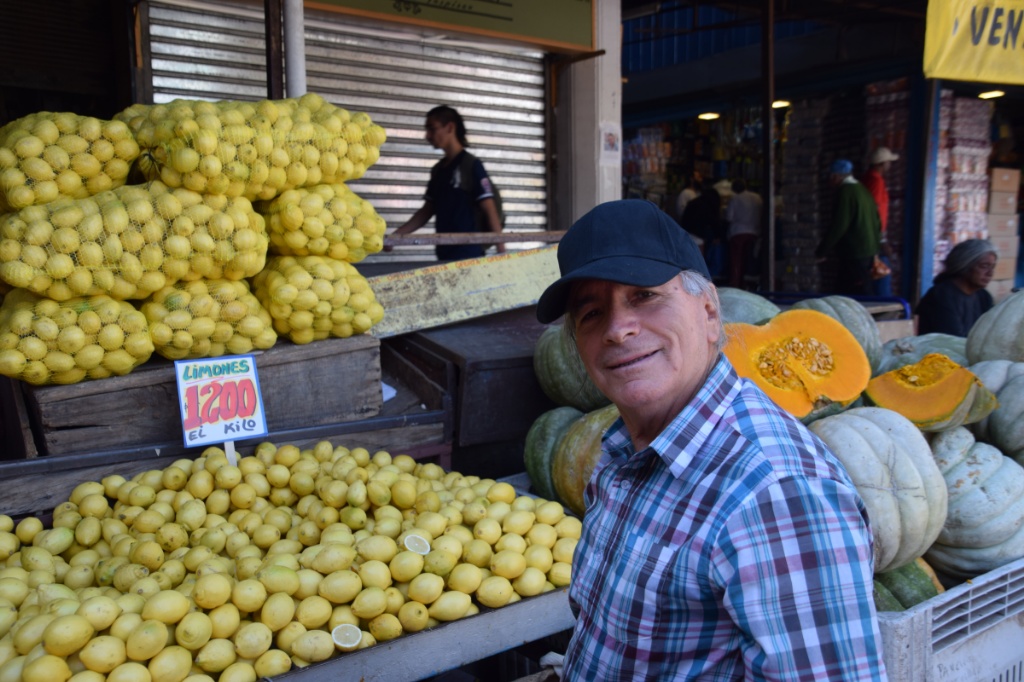
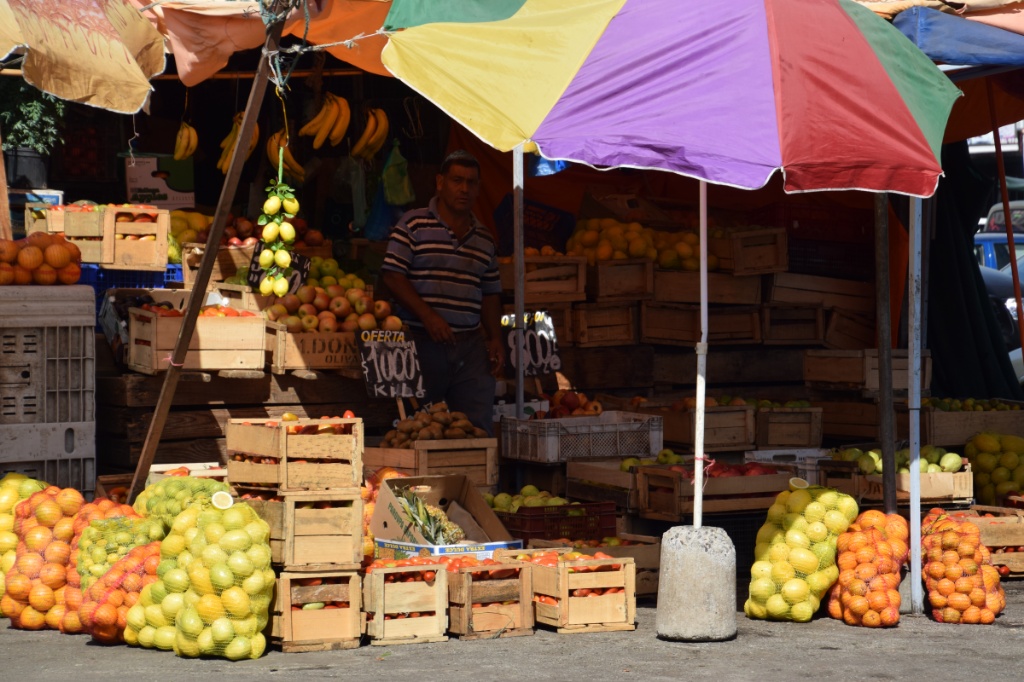
On day two I took the free walking tour (tour for tips), which had been recommended to me by numerous people and I, too, highly recommend it! I especially enjoyed the markets, a Santiago institution, where you can also go for a great meal.

IMG_20150421_083148IMG_20150421_083531IMG_20150421_083605IMG_20150421_083639IMG_20150421_083702IMG_20150421_084207

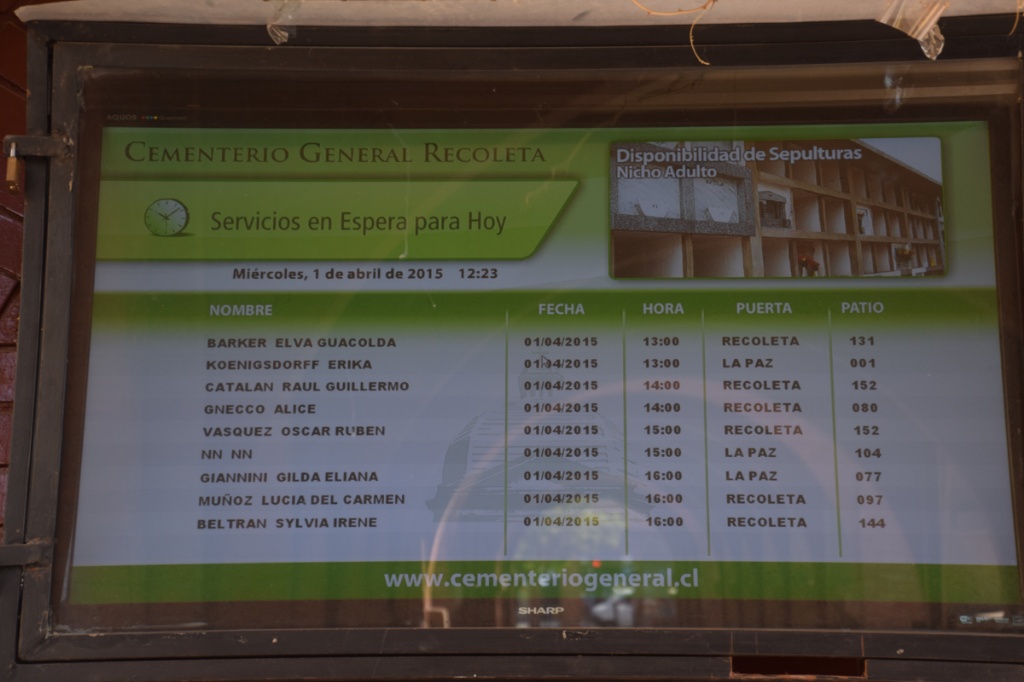
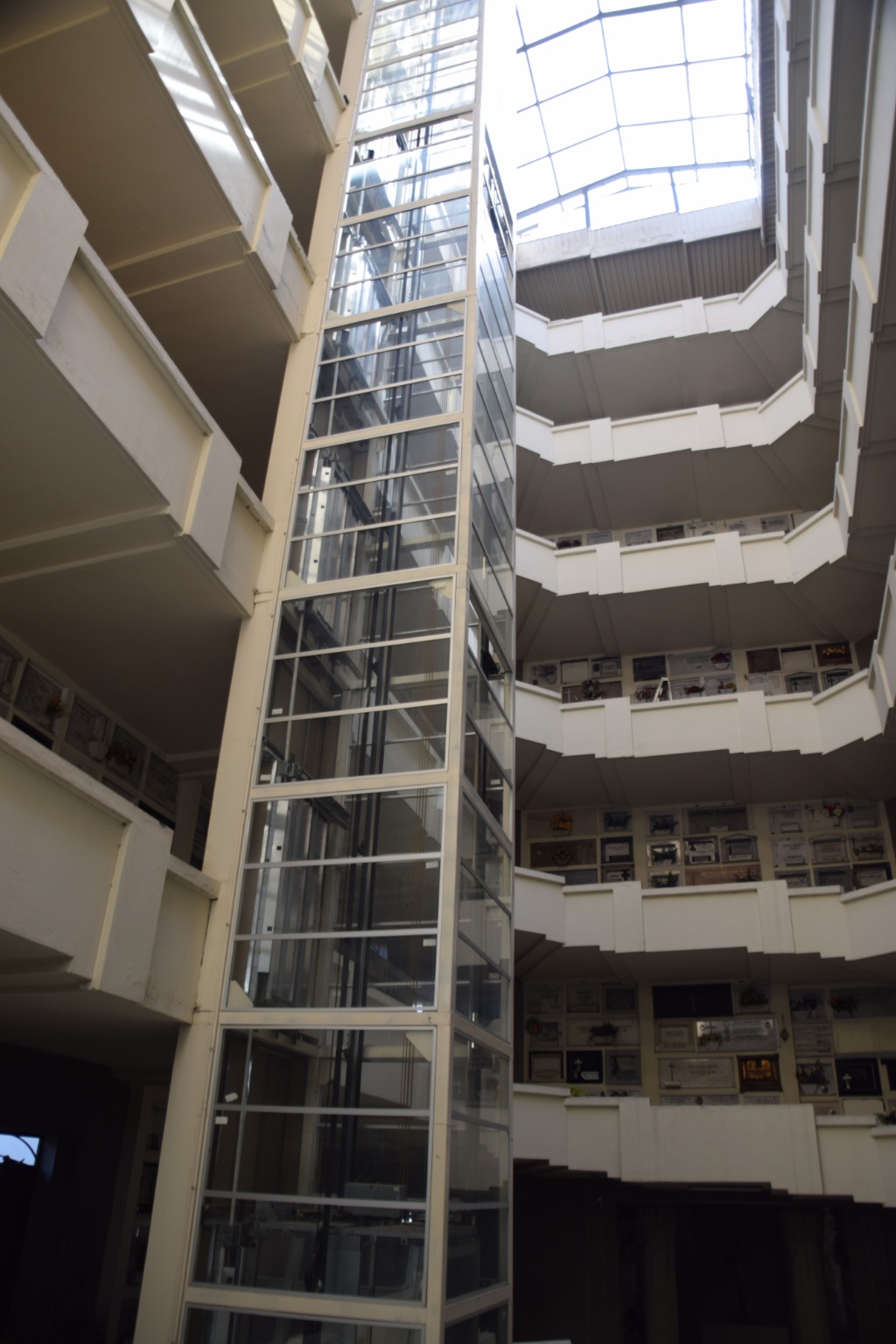
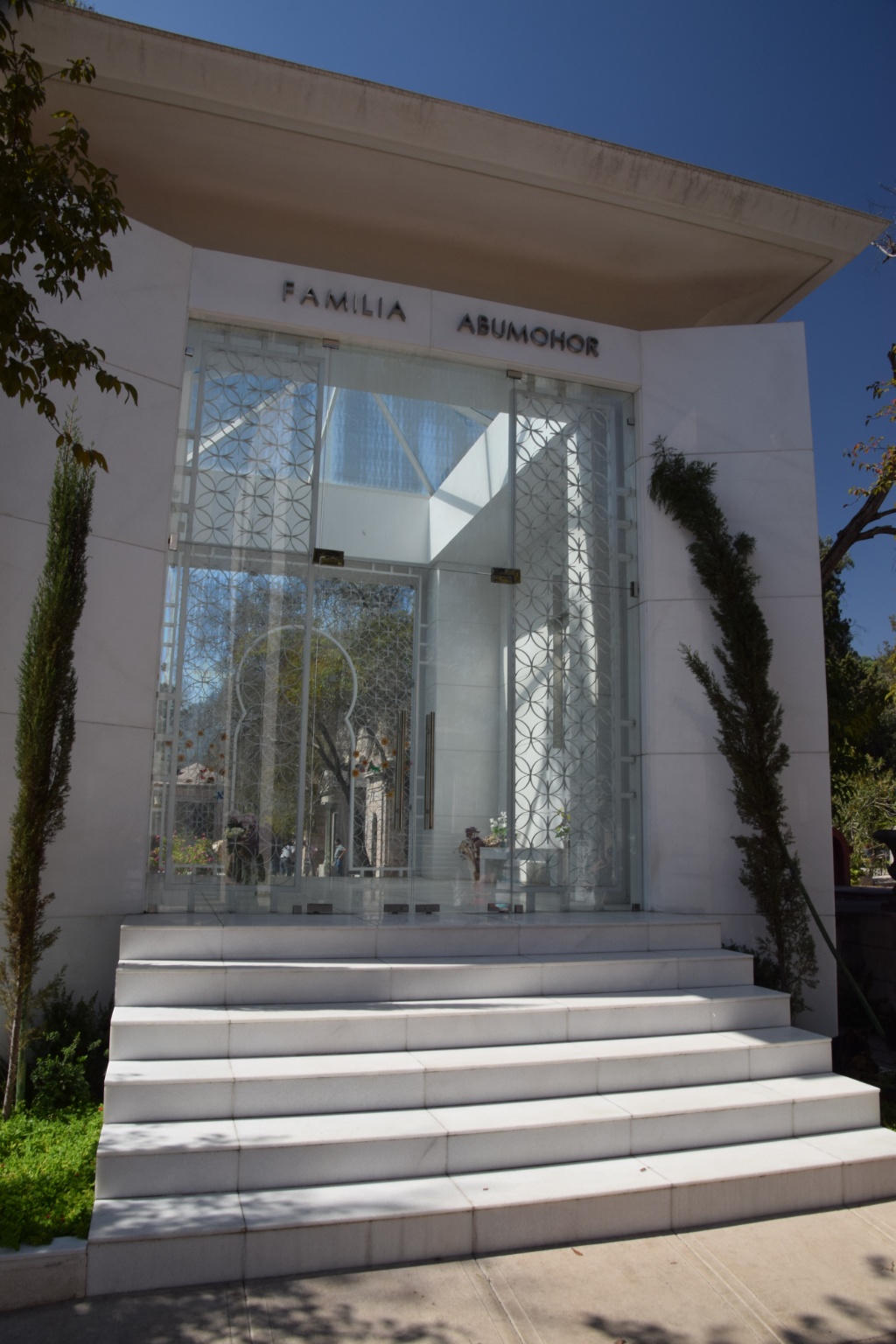
The large cemeterio was nothing like any other cemetery I’ve seen before. It is so big that a sceen at the entrance lists the funerals and their location. IMG_20150421_084234Apart from the usual graves IMG_20150421_084254 there are large buildings, e.g. one designed like an italian shopping mallIMG_20150421_084755, including an elevator, some enormous mausoleums IMG_20150421_084822IMG_20150421_084851and the presidents buried here all have very special graves, too.

This was the point when I finally learned a lot more details about chilean history, i.e. the presidency of Salvador Allende in the early seventies, the 15 year long dictatorship under Pinochet and the turn to democracy in 1989. Chile’s constitution established that at the 1988 plebiscite the voters could accept or reject Pinochet and to Pinochet’s surprise he was rejected by 54,4% – which also shows that the country was basically split into half! Most importantly our sympathetic chilean guide explained to us that the Pinochet era, after 25 years, still divides the country. That is because some people benefited while lots of others suffered, disappeared or were killed. This topic might even split families into half, resulting it to be a tabu at family reunions!

Pucon – waiting for Volcano Villarica to erupt (again)

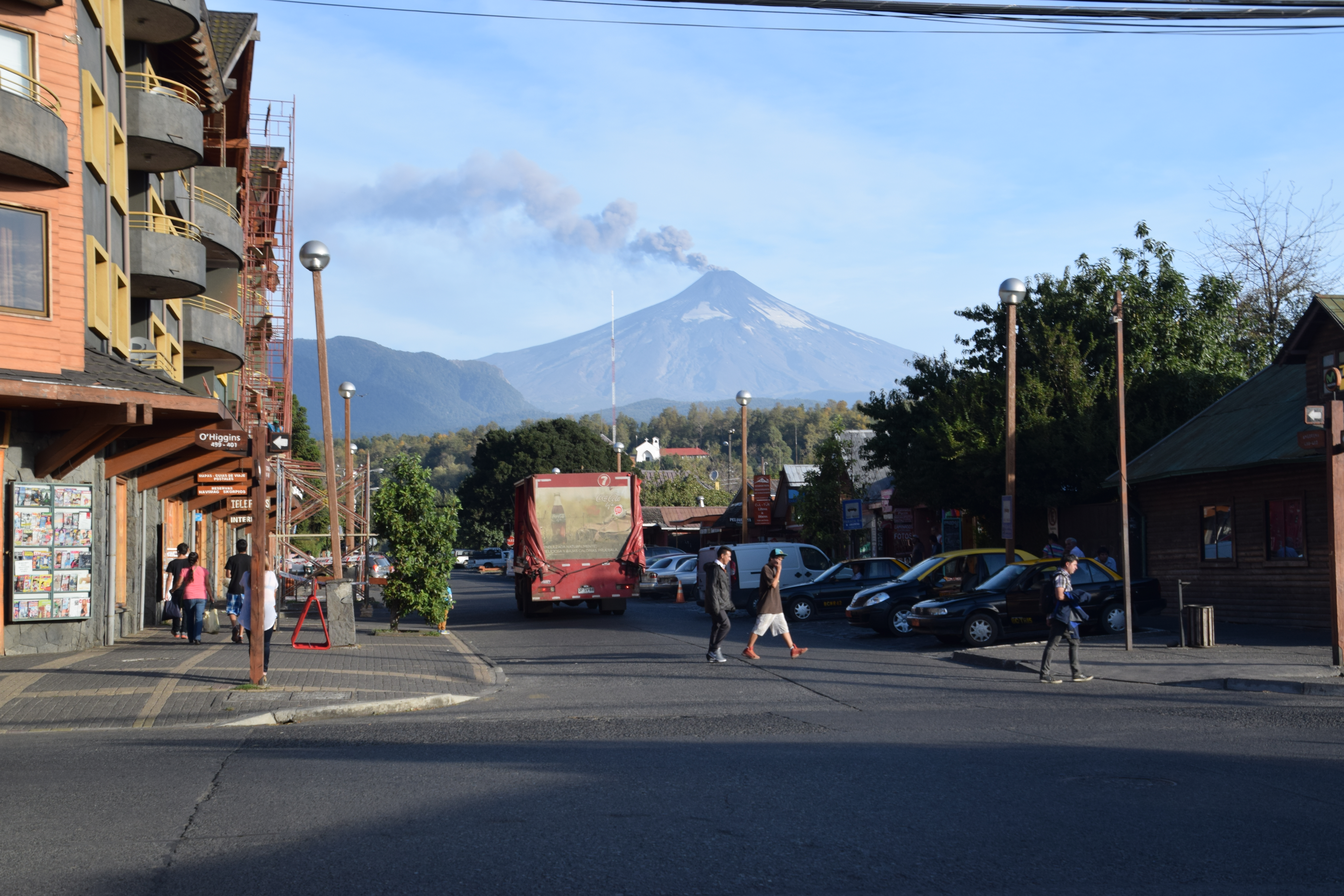
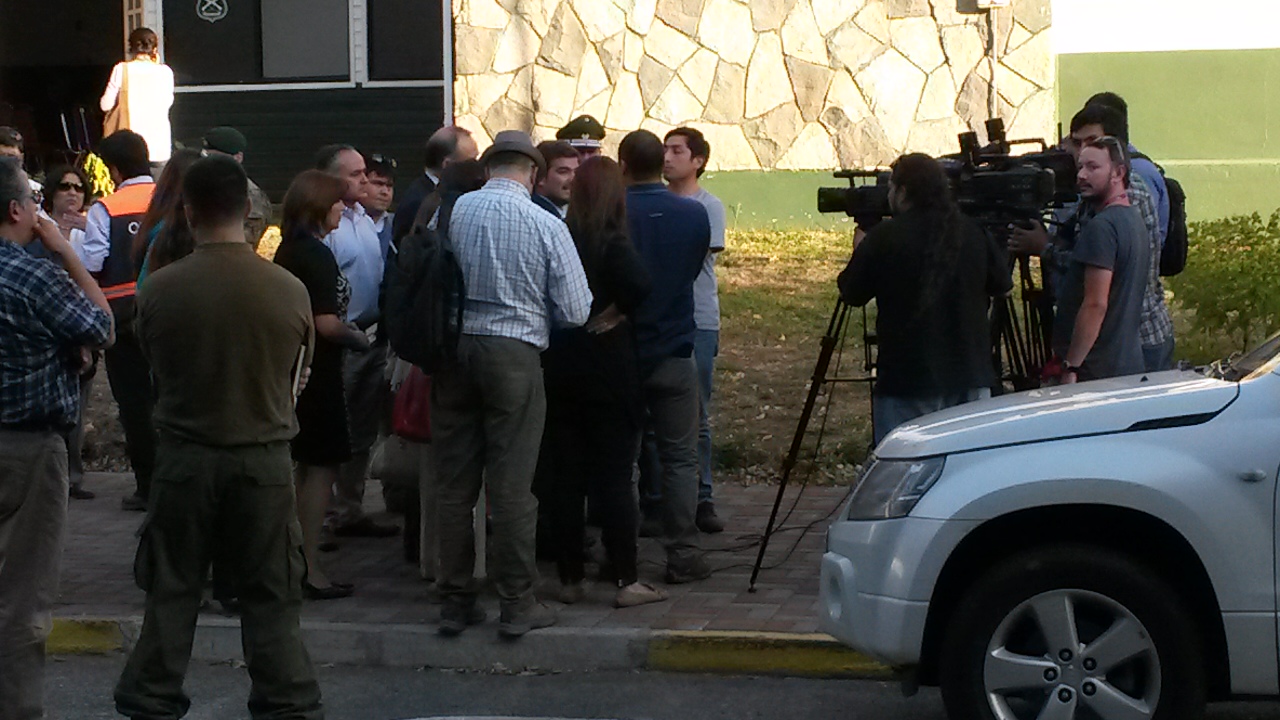
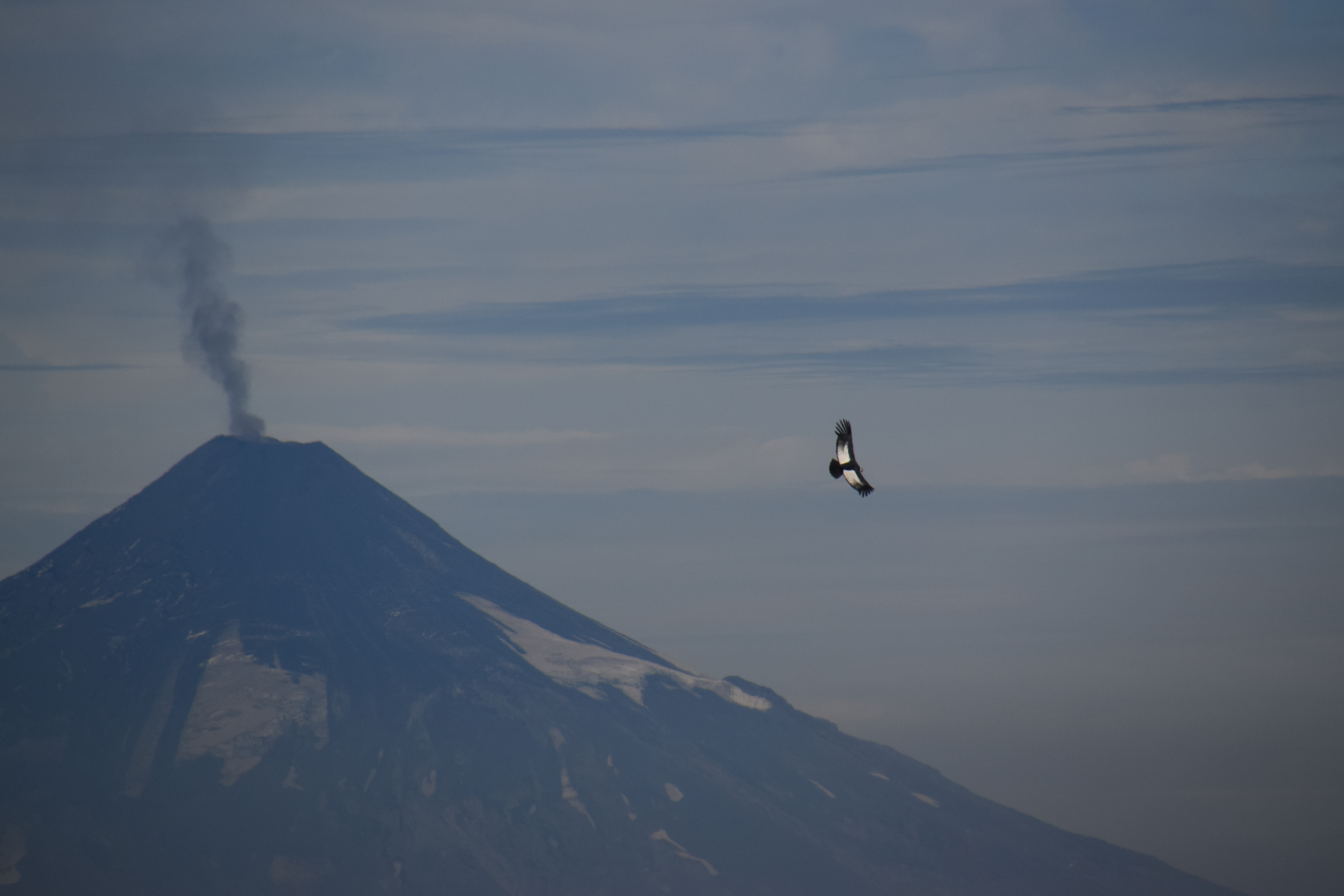
Volcano Villarica erupted a couple of weeks ago when I was still on Easter Island and we saw the spectacle on the news, but were also worried about the evacuation of Pucon and all other villages surrounding the spitting beast. It was over in a day and ever since Villarica has been puffing away in the usual manner.DSC_1638 The Pucon alert system was put on yellow when I arrived and while numerous TV teams were nervously roaming around, eagerly waiting for the Volcano to erupt, the locals stayed calm and relaxed!20150326_183936


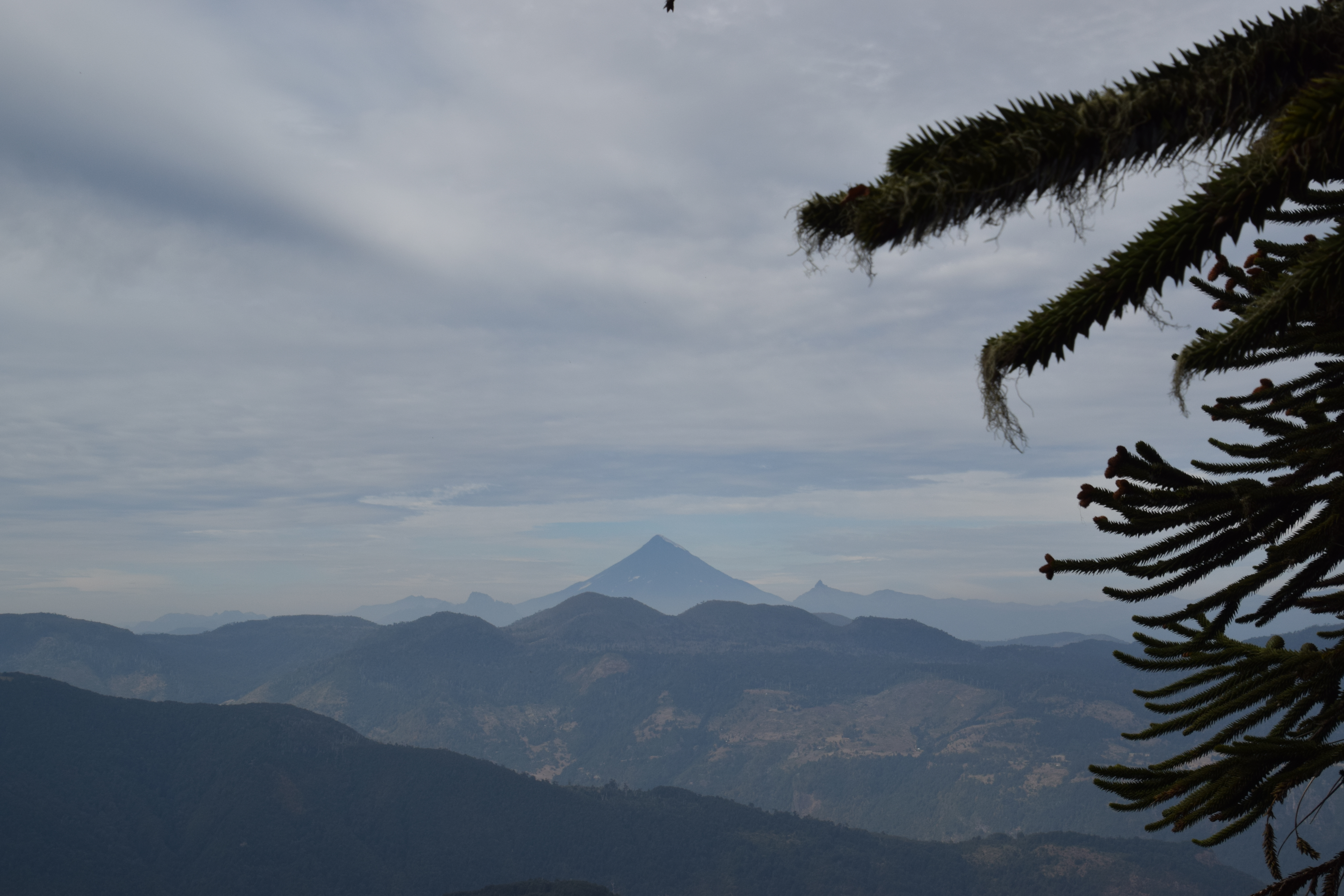
It did not erupt while I was there (and to my knowledge hasn’t ever since) … That said, because of the high alert it was impossible to climb Villarica and also the neighbouring Volcano Lanin, which, too, might erupt sooner or later. The option of climbing the in-between extinct Volcano Quetrupillán wasn’t very appealing. Instead I took the early morning bus to National Park Huerquehue (I’m still unable to pronounce that!) and climbed 1200m up to San Sebastian (6h return). Once again, it was worth the pain, for the extraordinary nature, bird life and especially for the 360° view from the top (including a view of the Volcanoes):

DSC_1542DSC_1544DSC_1580DSC_1583DSC_1601DSC_1627DSC_1634

Kuchen and other signs of German Immigrants in (southern) Chile

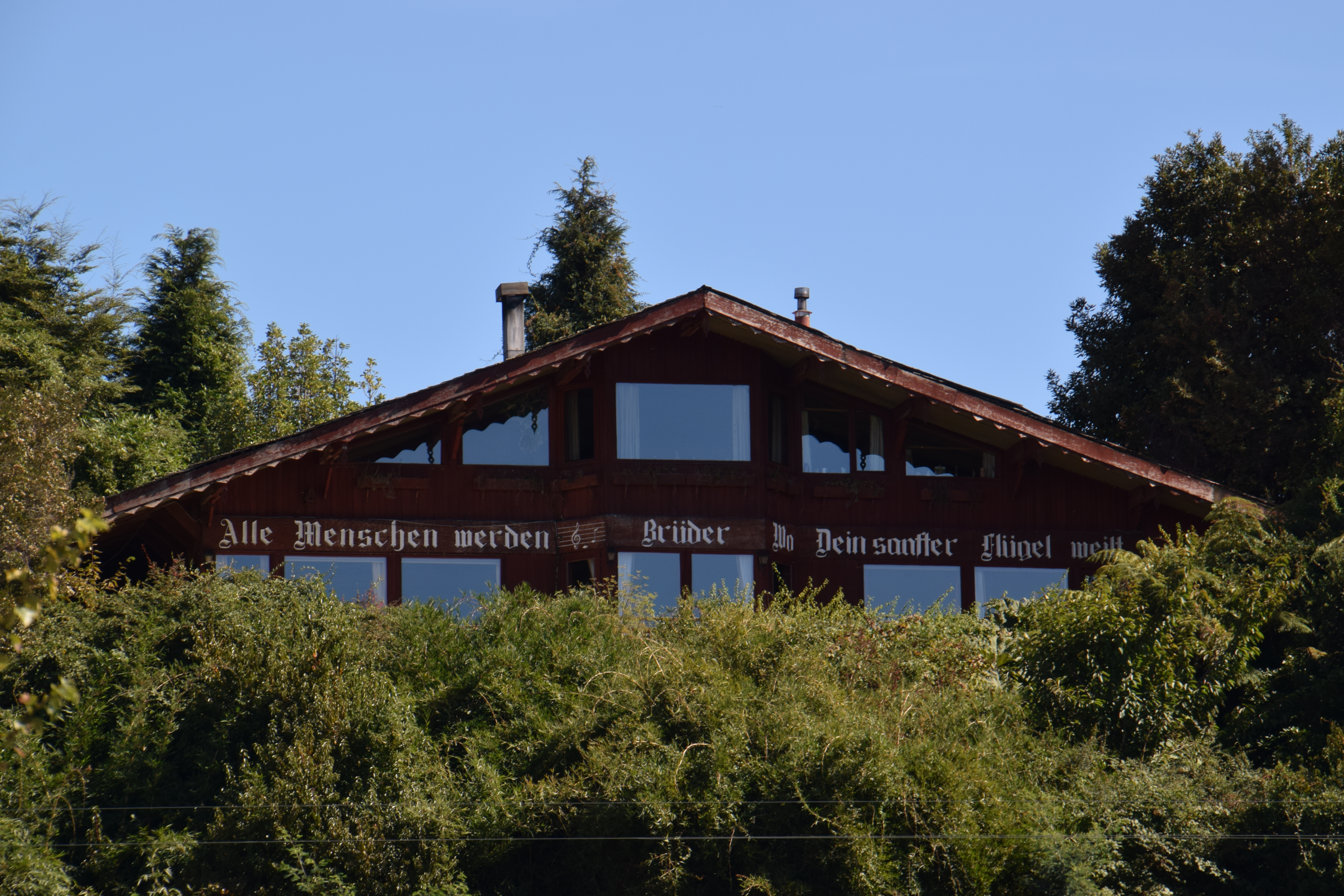
The lake region in southern Chile is full of signs of German immigrants, which can be a bit scary (at least for a german), as it seems out of place. It just seems weird that there are such strong influences that are still visible. Unlike in Namibia, I rarely heard anyone speak german, though, which came as a relief (that would have been even more awkward). However, a surprising number of Chileans speak quite a bit of german – even if their ancestors were not german speaking – and there seems to be a positive attitude towards germany and the germans in general (something you wouldn’t necessarily encounter in many countries in the world, be it for historical or cultural reasons).

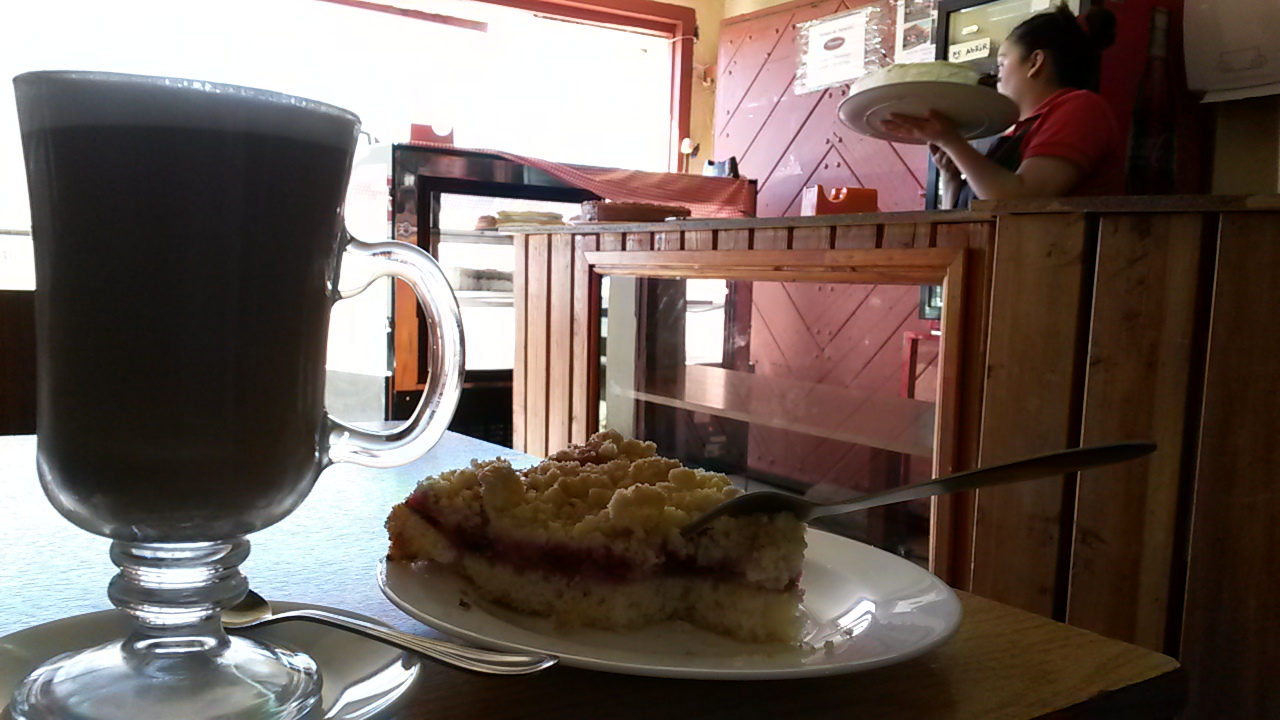
There is one german word that even made it into chilean spanish: “Kuchen” (cake). Chileans LOVE Kuchen and they eat it at any time of the day, even for breakfast (something I have only experienced in parts of southern germany – it is definitely not that common in my home country).20150325_123324

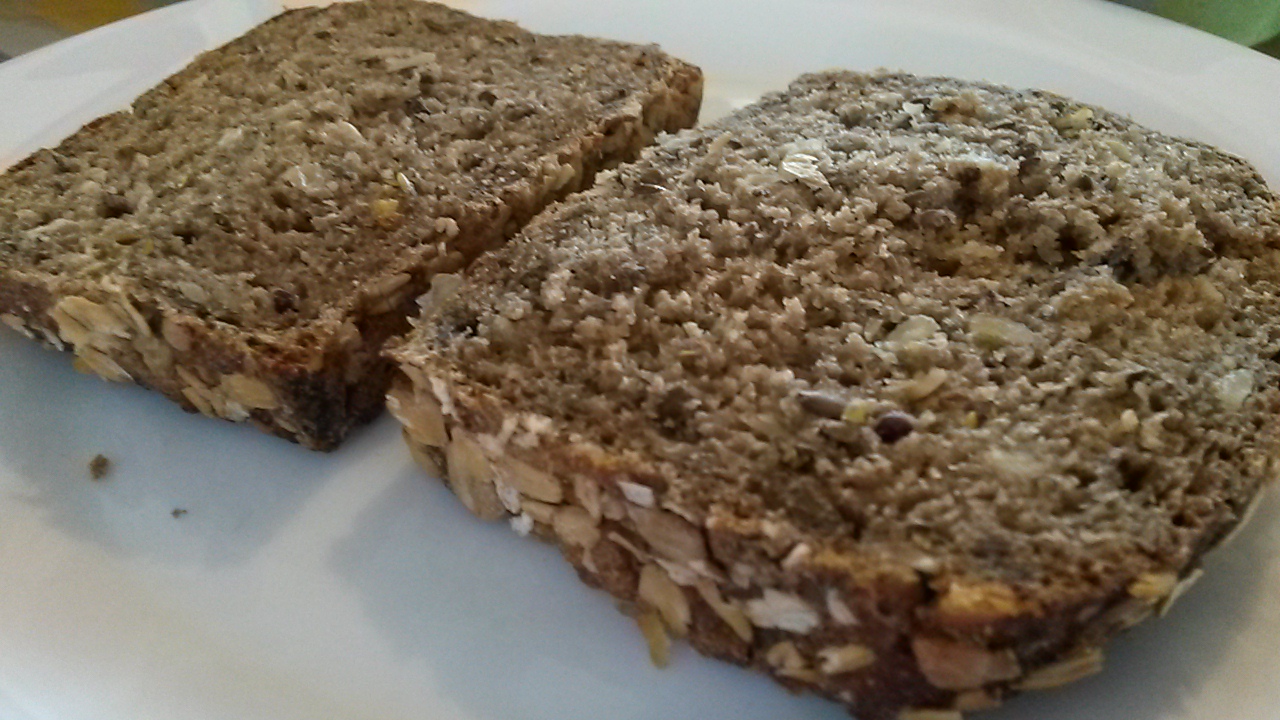
However, if you ask german travellers what they miss most while travelling you will never get Kuchen as an answer. It is always, yes, always, BREAD! Unfortunately the early immigrants either didn’t know how to bake good bread (unlikely, as they knew how to make good Kuchen) or no-one wanted to eat it and it vanished eventually (unthinkable!) or the bread that we are used to nowadays was only introduced in Germany after the emigration wave. If anyone knows, your input is much appreciated! (I only found one bakery, in Pucon, that had amazing german bread and I bought a loaf and inhaled it’s wonderful smell before indulging in the taste – the bakery is called “Rostock”, most certainly after the german city with that same name, and it’s on O’Higgins). 20150326_114723

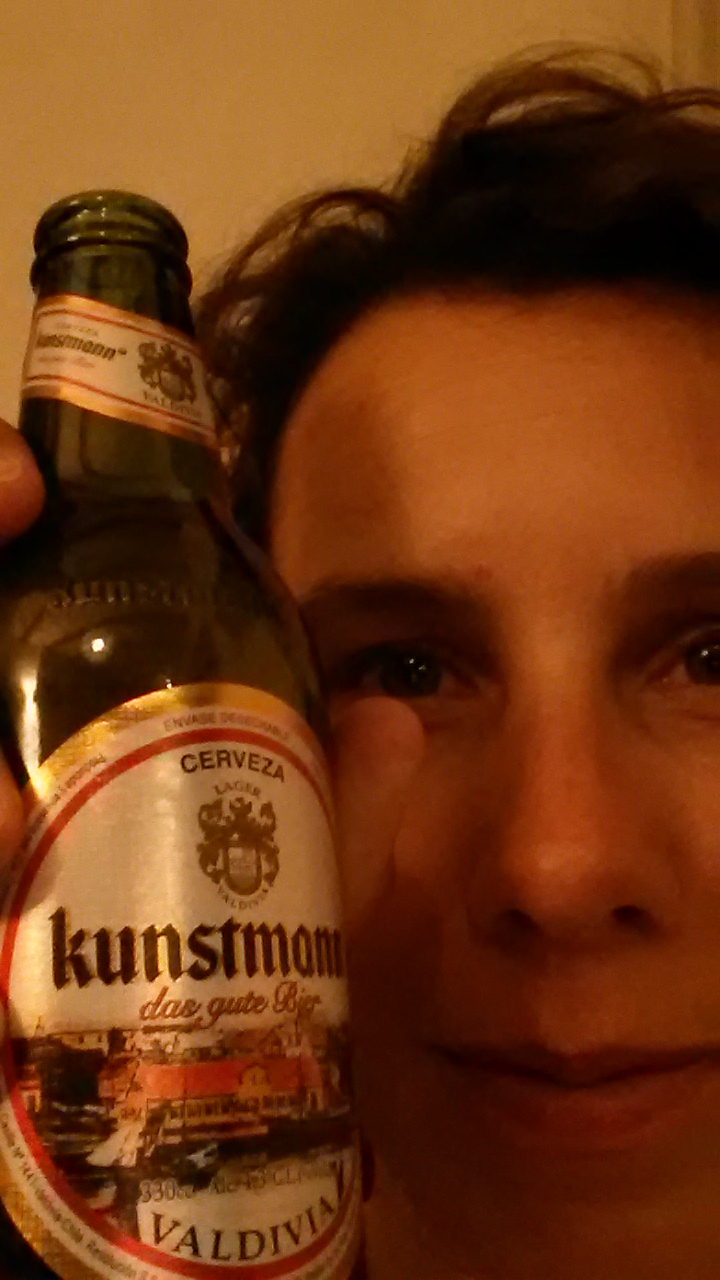
Here is something esle that I much appreciated: beer brewed after the german Reinheitsgebot, meaning it only contains hops, malt, yeast and water. One brewery even uses a german subslogan: “Das gute Bier” (the good beer). 20150325_232608

In the region around Puerto Varas and especially in the german colonial town Frutillar all Klischees were confirmed: houses, names, Kuchen, sausage dogs – and fjnally I even found some “Gartenzwerge” (garden gnomes)!

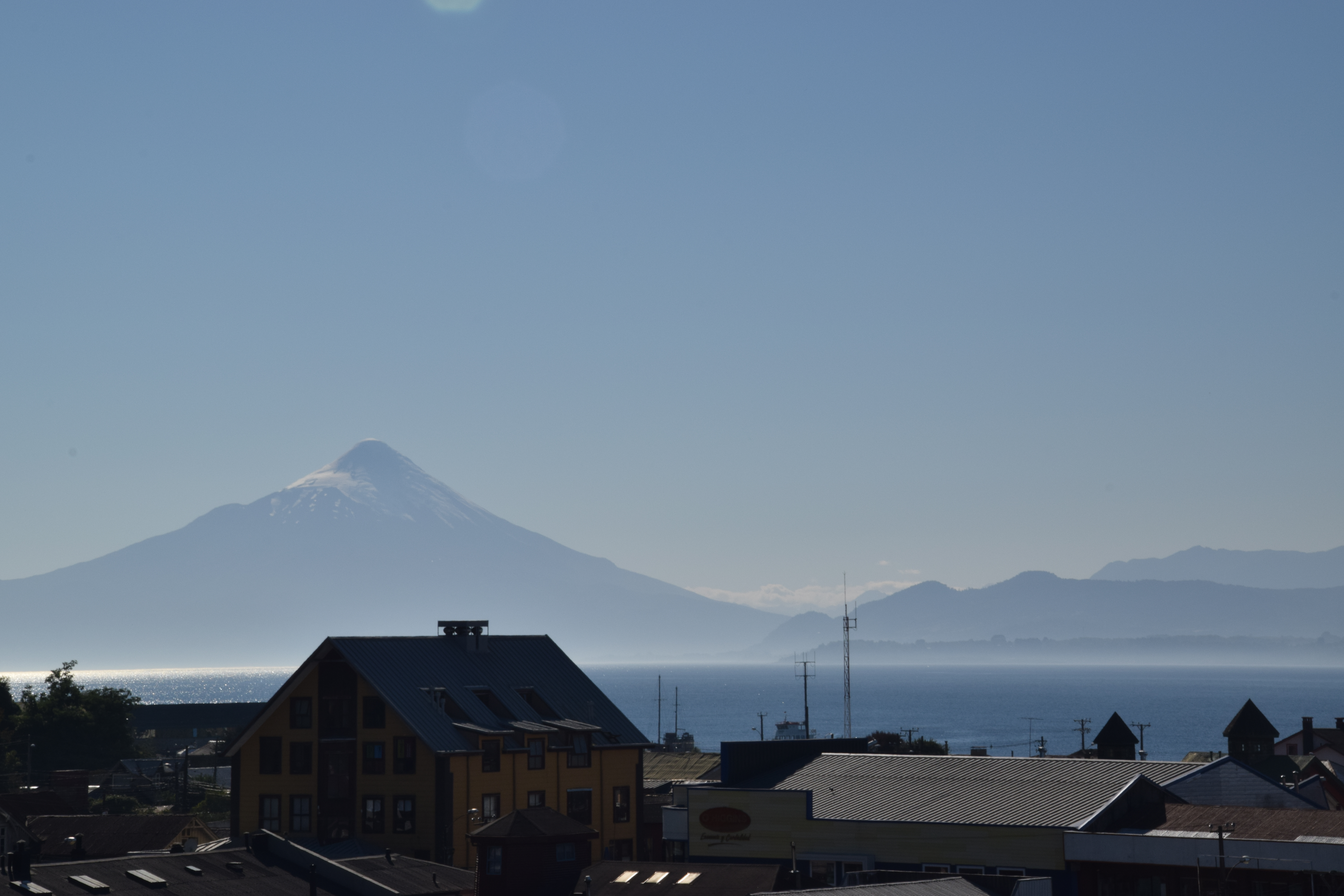
Purto Varas with view of Osorno Volcano and Llanquihue Lake
Church in Frutillar
Church in Frutillar

DSC_1526DSC_1524

Pingüinos!

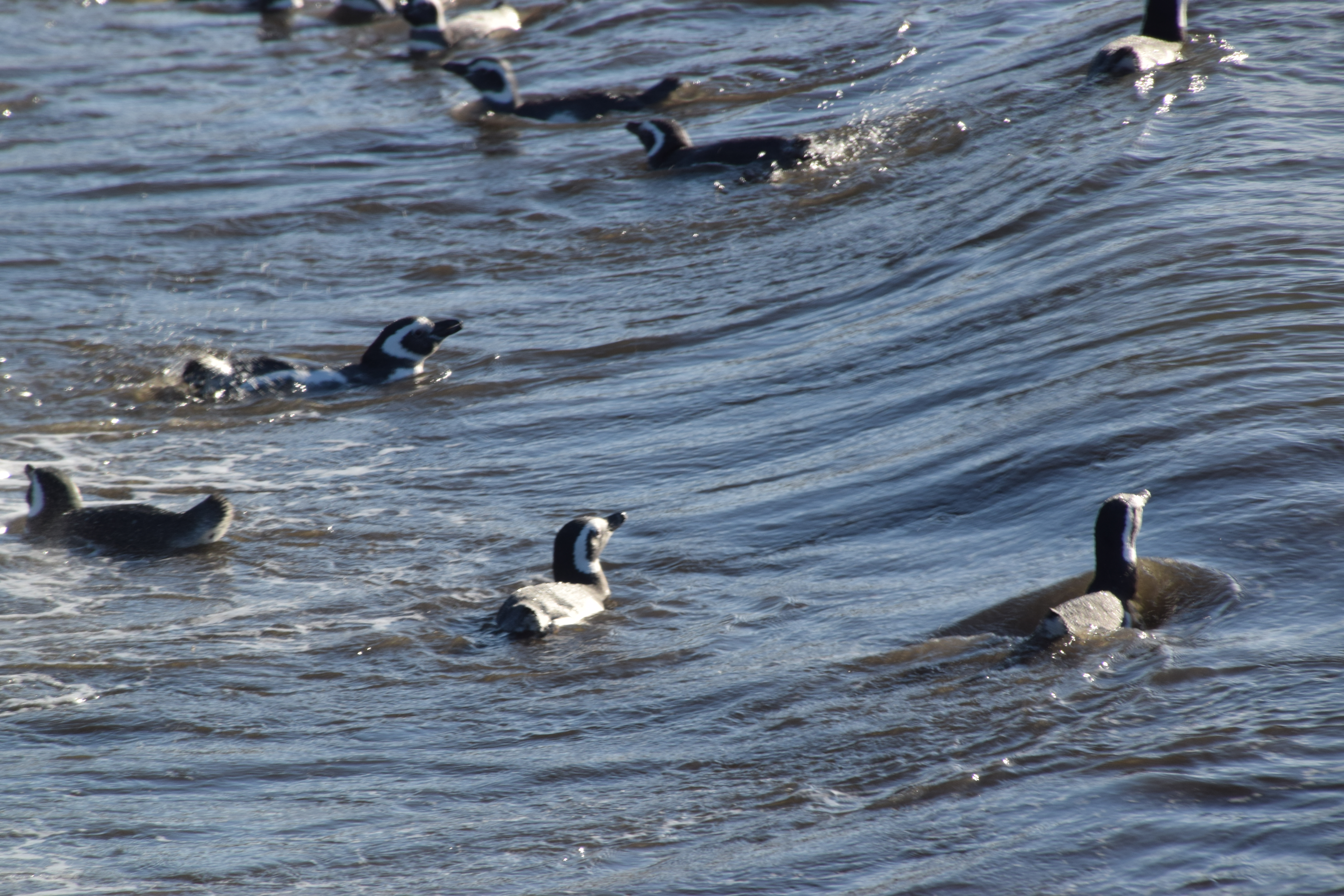
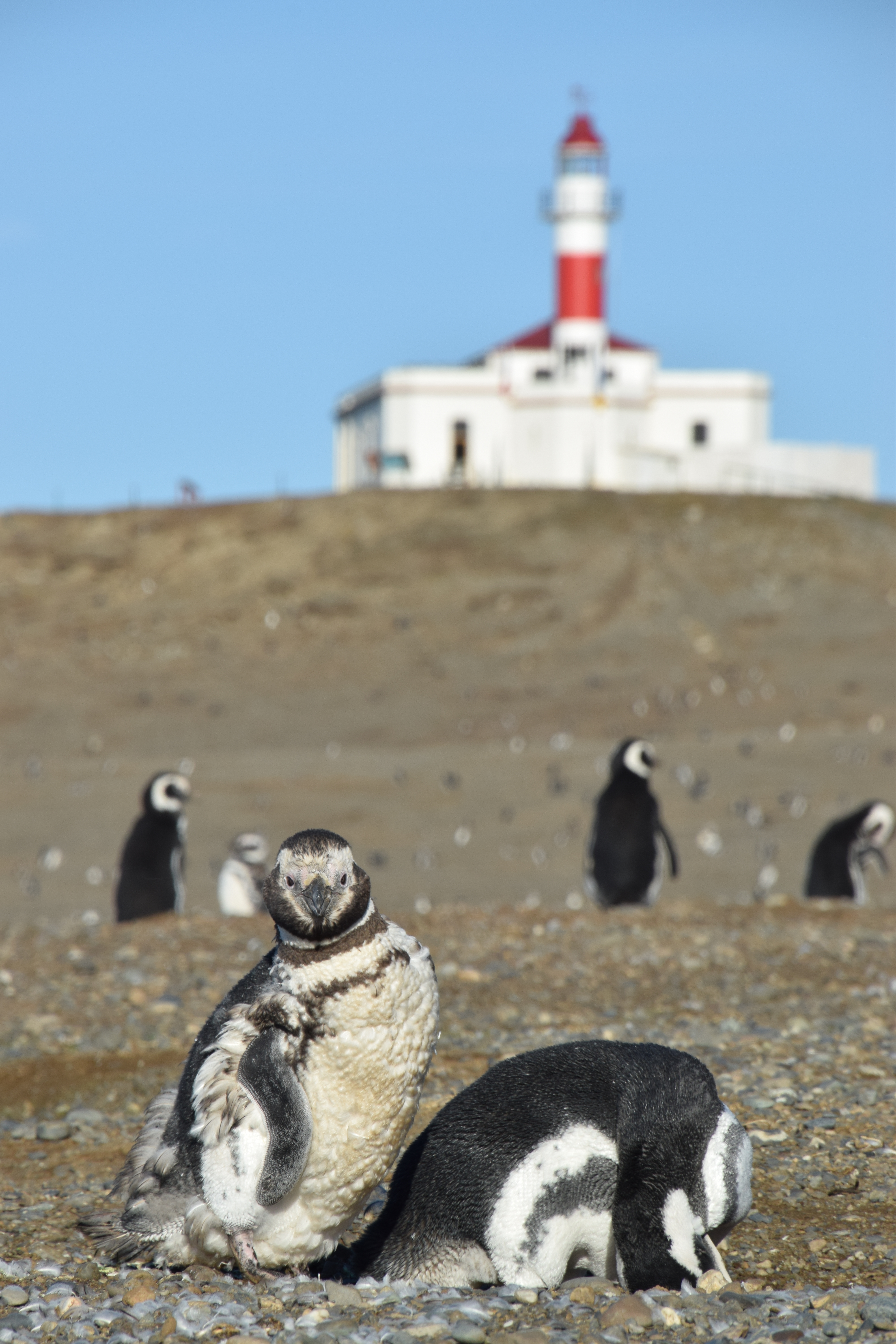
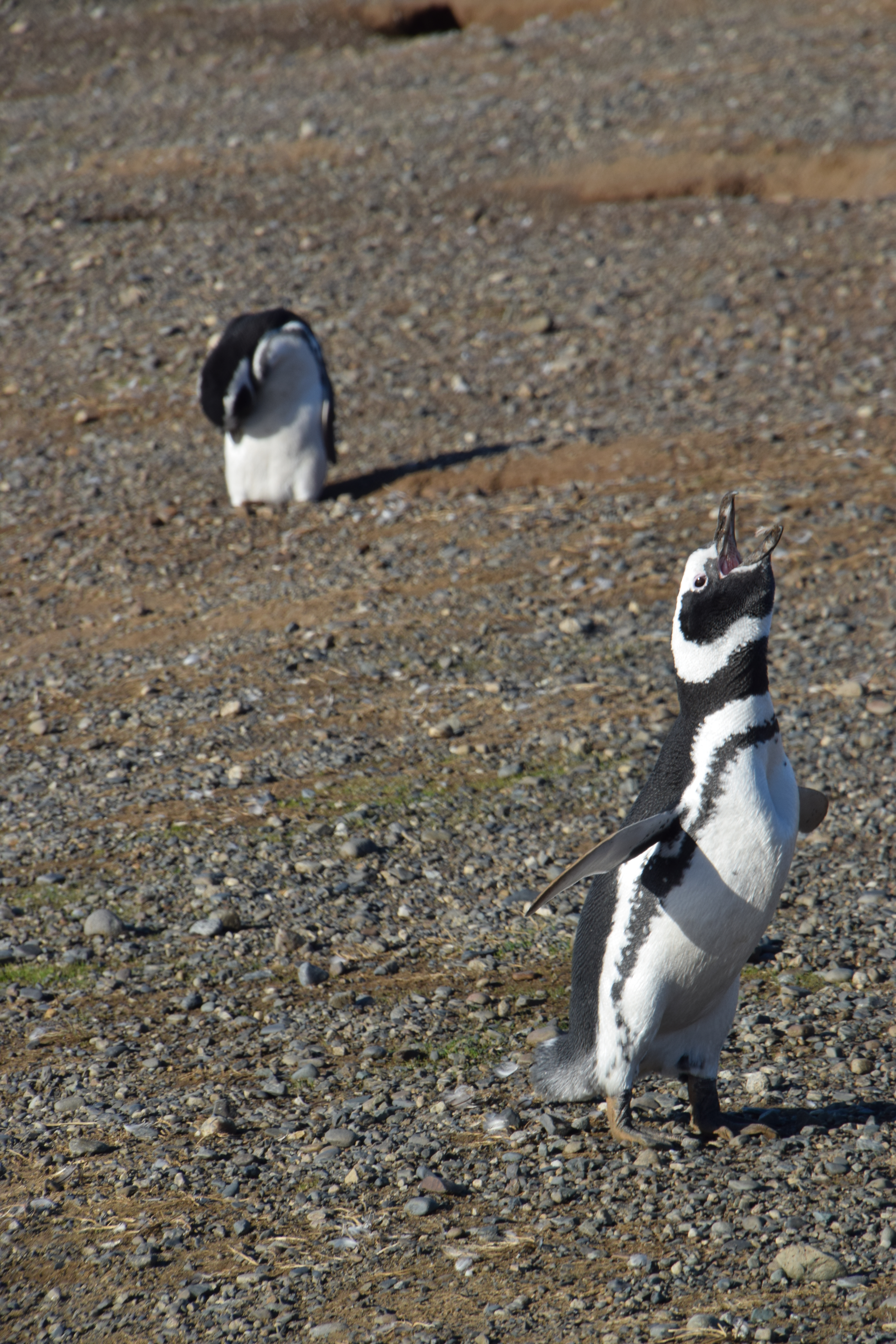
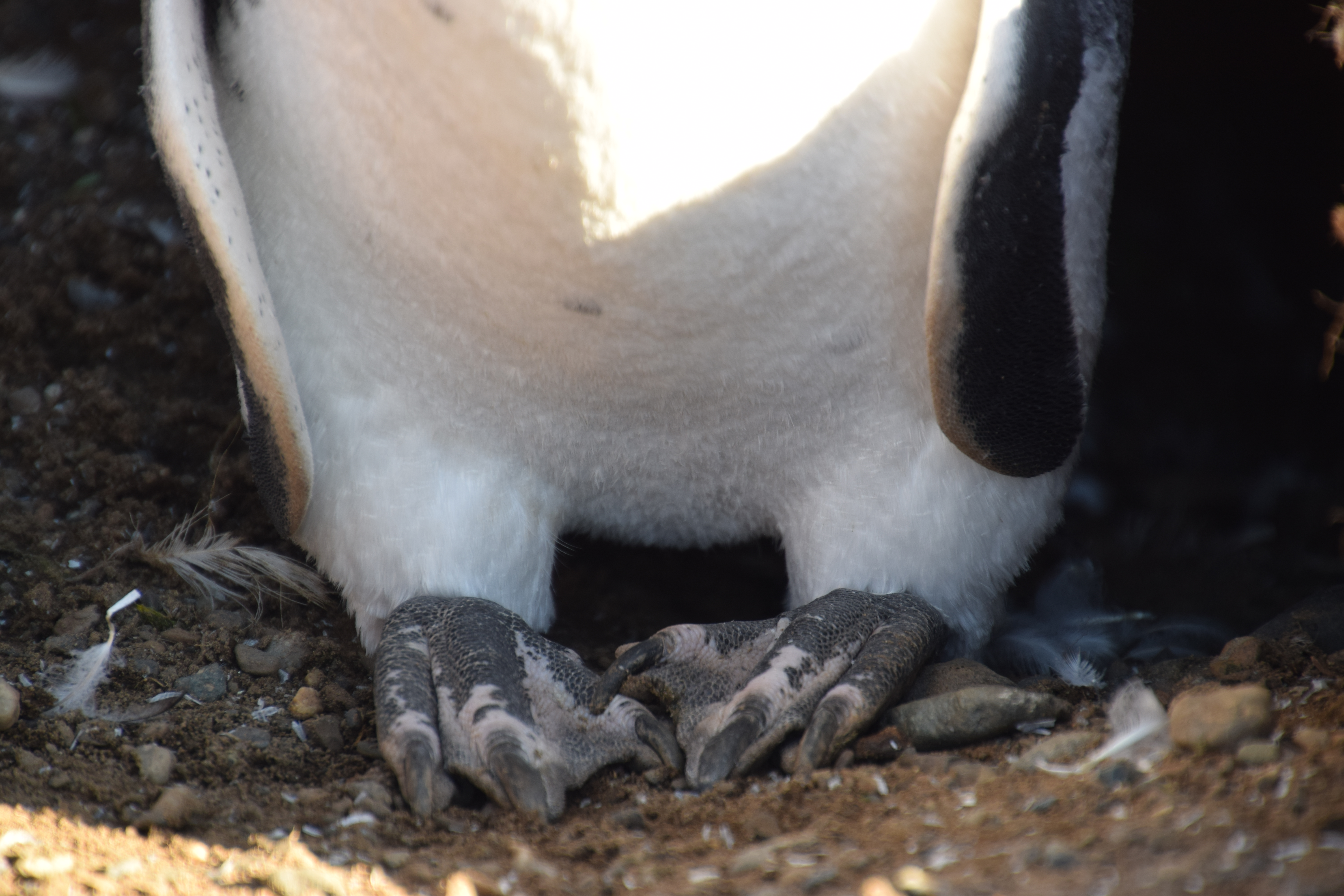
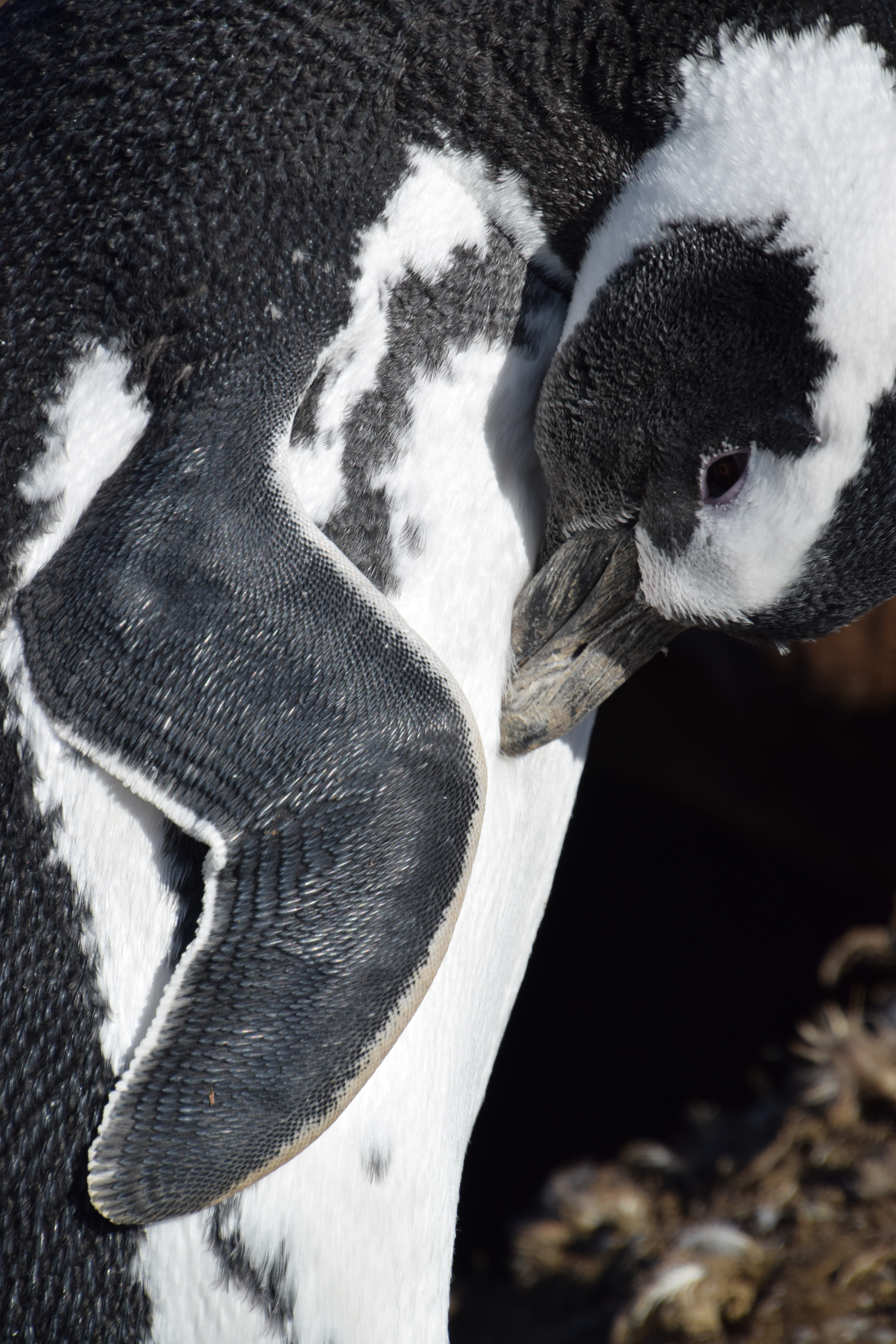
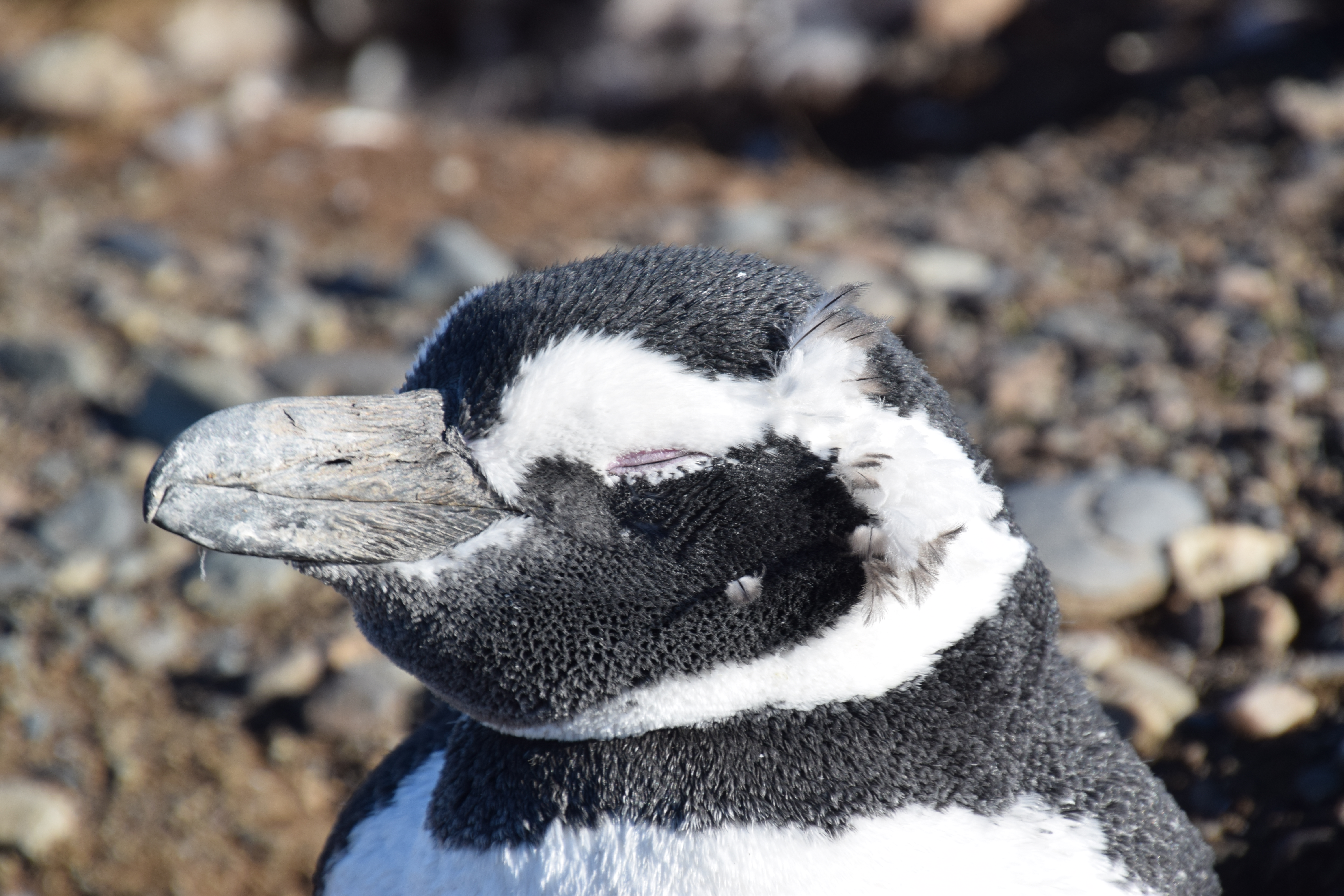
I went to Punta Arenas for two reasons: to catch a flight to Puerto Montt and thus skip a 36 hour busride – and to see the Pengüinos (spanish for Penguins) on Magdalena Island! They were about to change their fur and leave the Island (in fact some already had but there were still hundreds left). Aren’t they the cutest animals!?! See for yourself:

DSC_1437 DSC_1441 DSC_1443 DSC_1449 DSC_1451 DSC_1457 DSC_1473 DSC_1488 DSC_1497

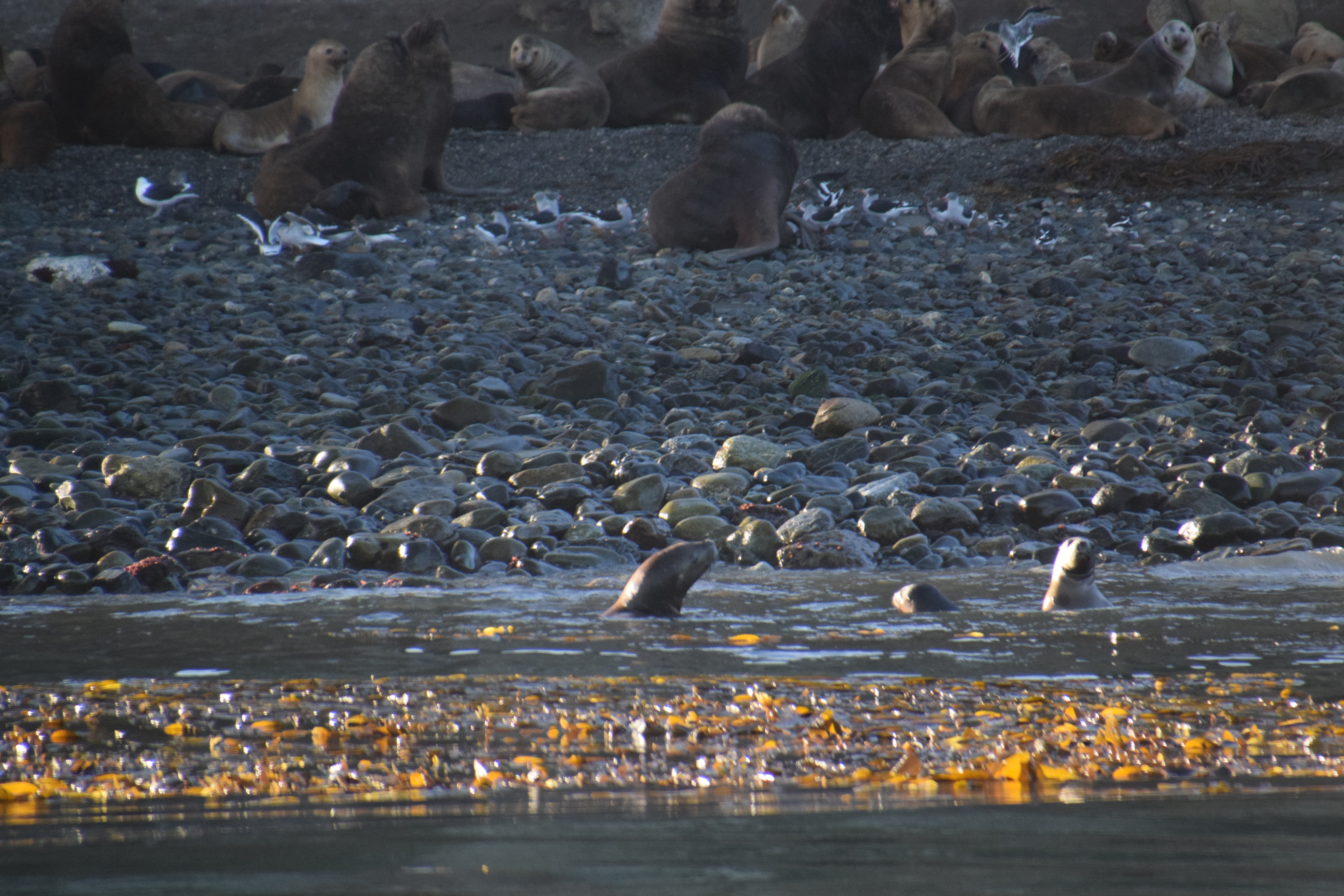
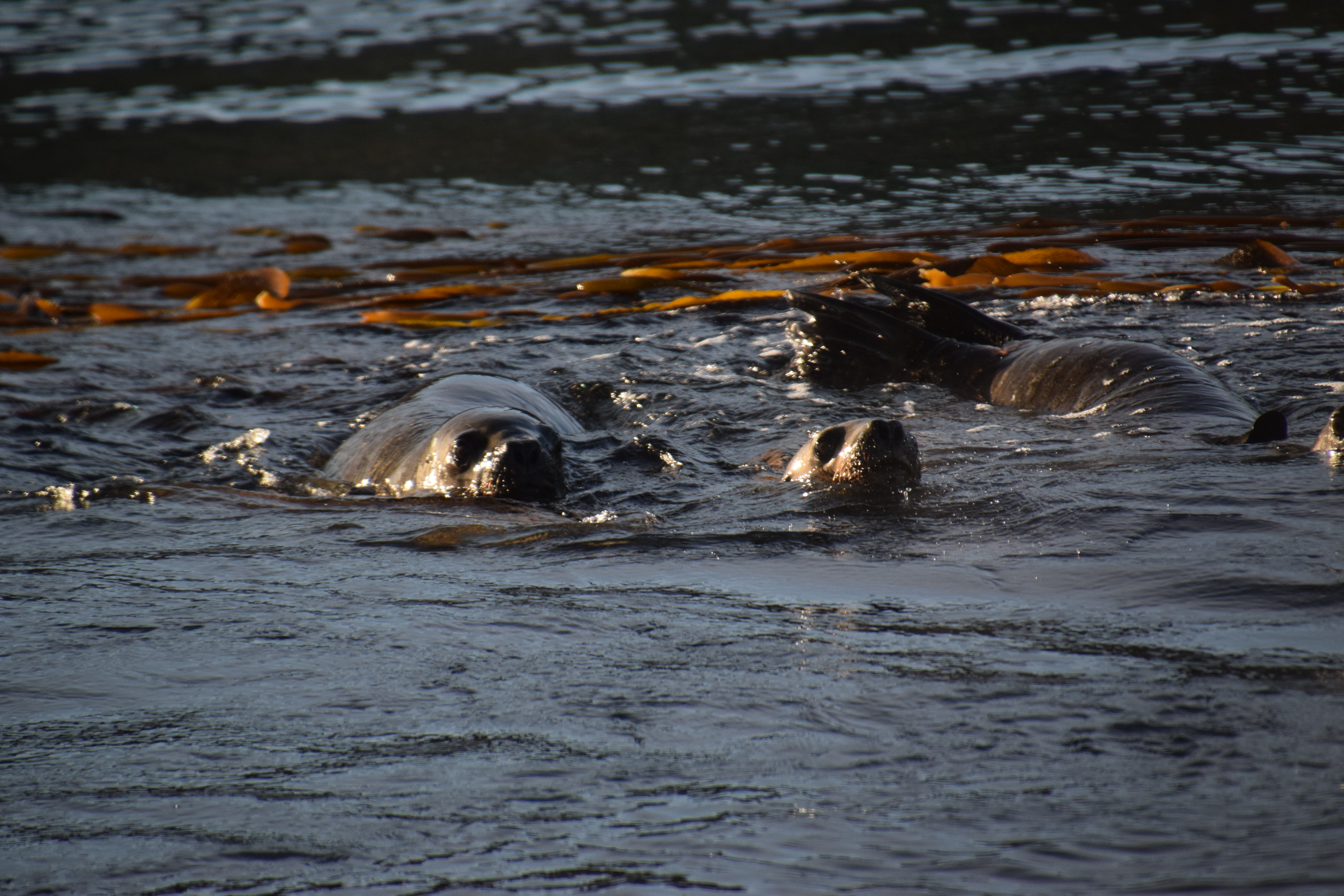
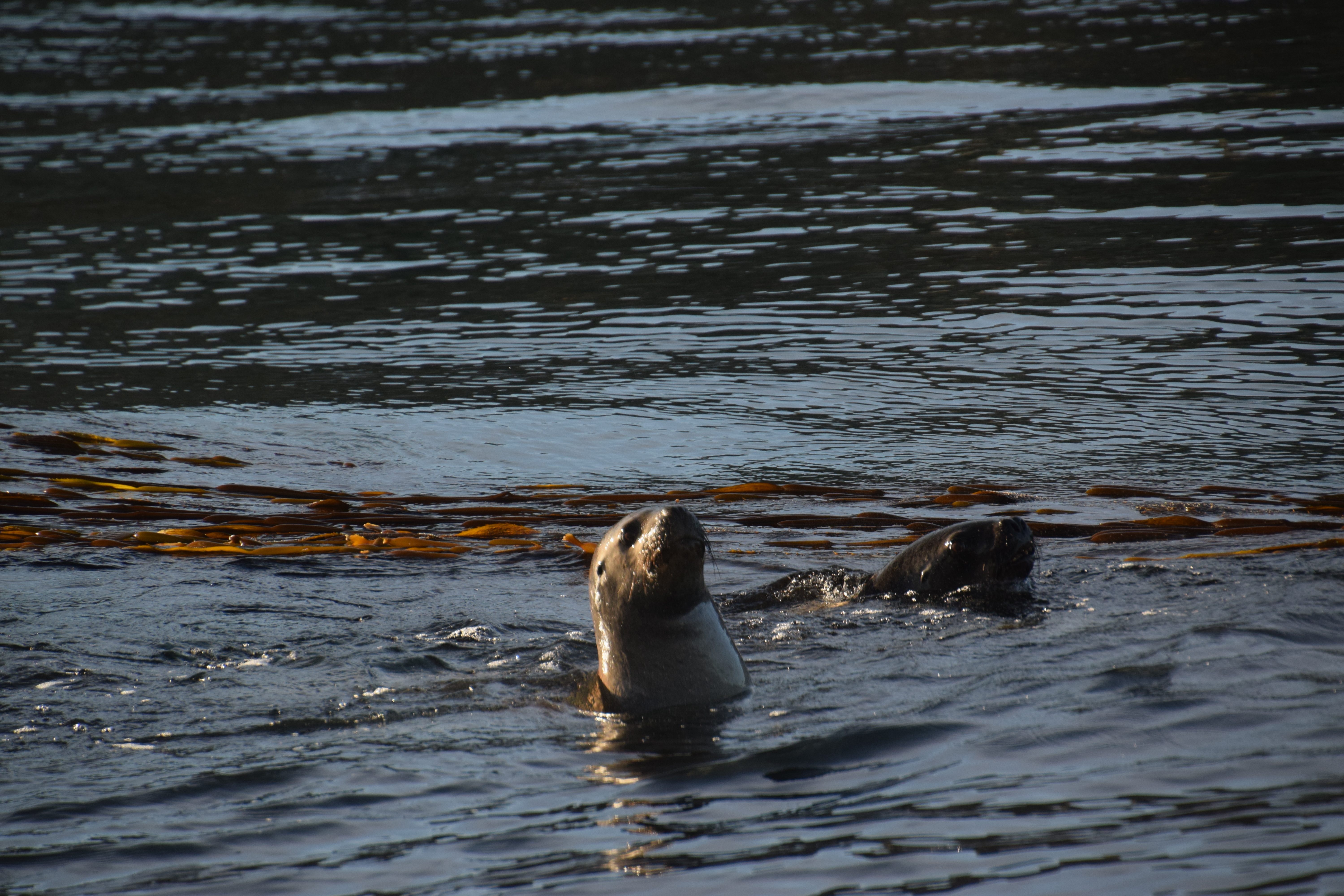
And so are the sea lions on neighbouring Martha Island, even though they hunt the cute little Penguins… DSC_1409 DSC_1411 DSC_1421 DSC_1424 DSC_1427

Ice, Ice, Baby!

I forgot to mention that before heading off to Chile and the Torres del Paine Nationalpark I had an overwhelming encounter with ice. No, not ice cream (I’ll get back to that in another post), but ice in its purest form: glacier ice!

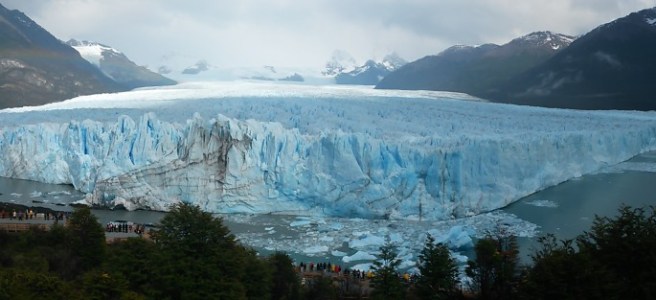
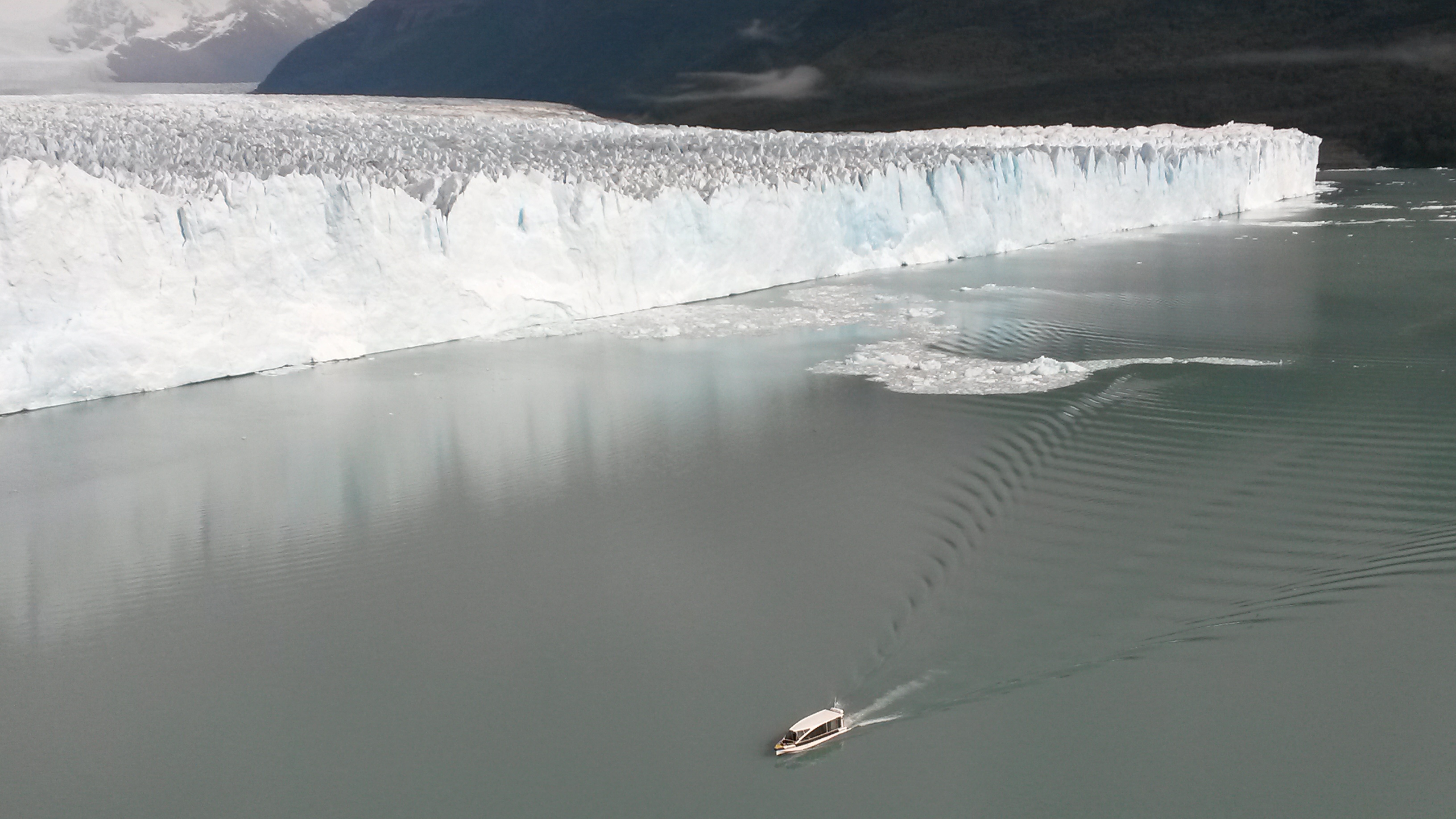
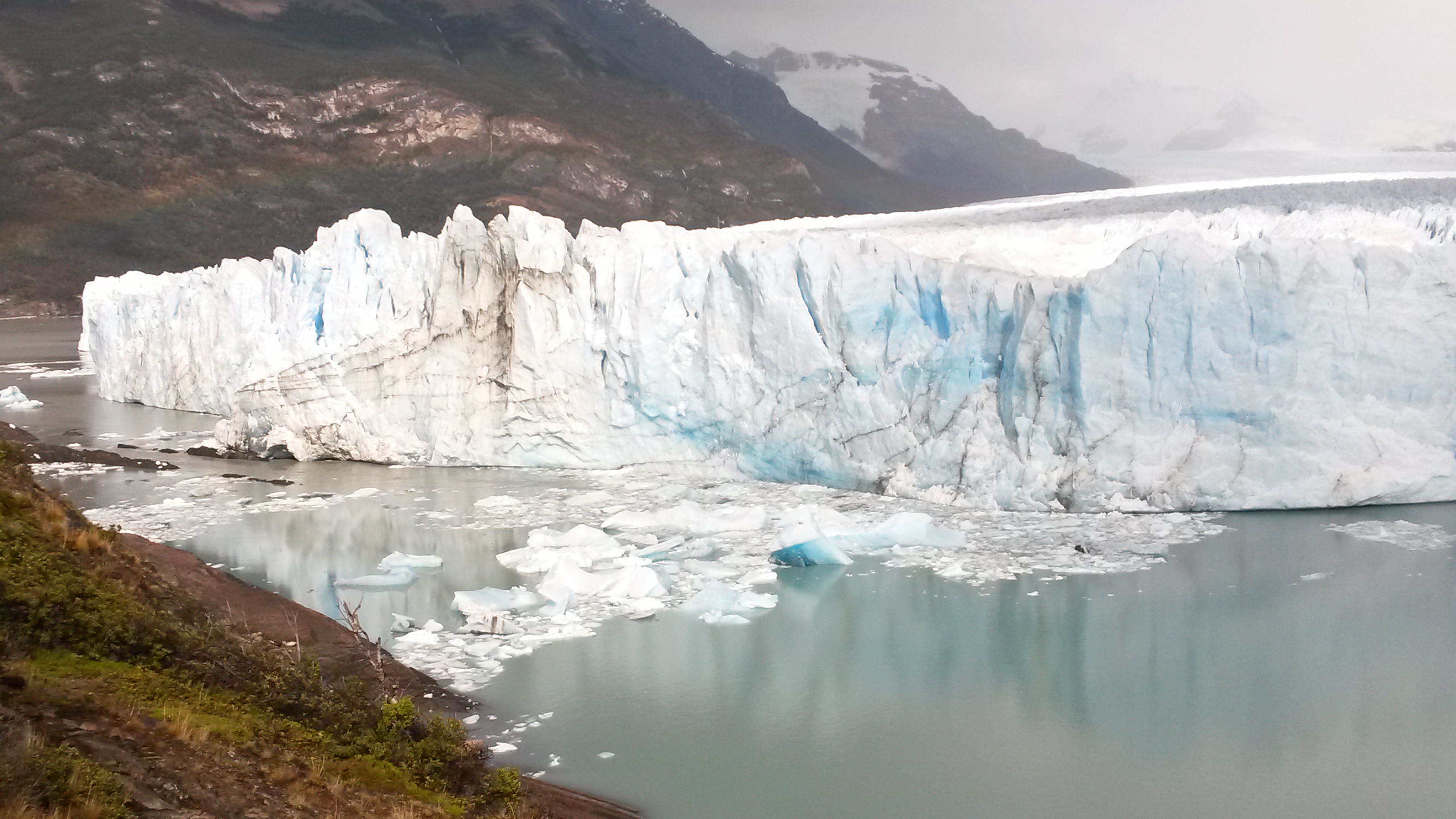
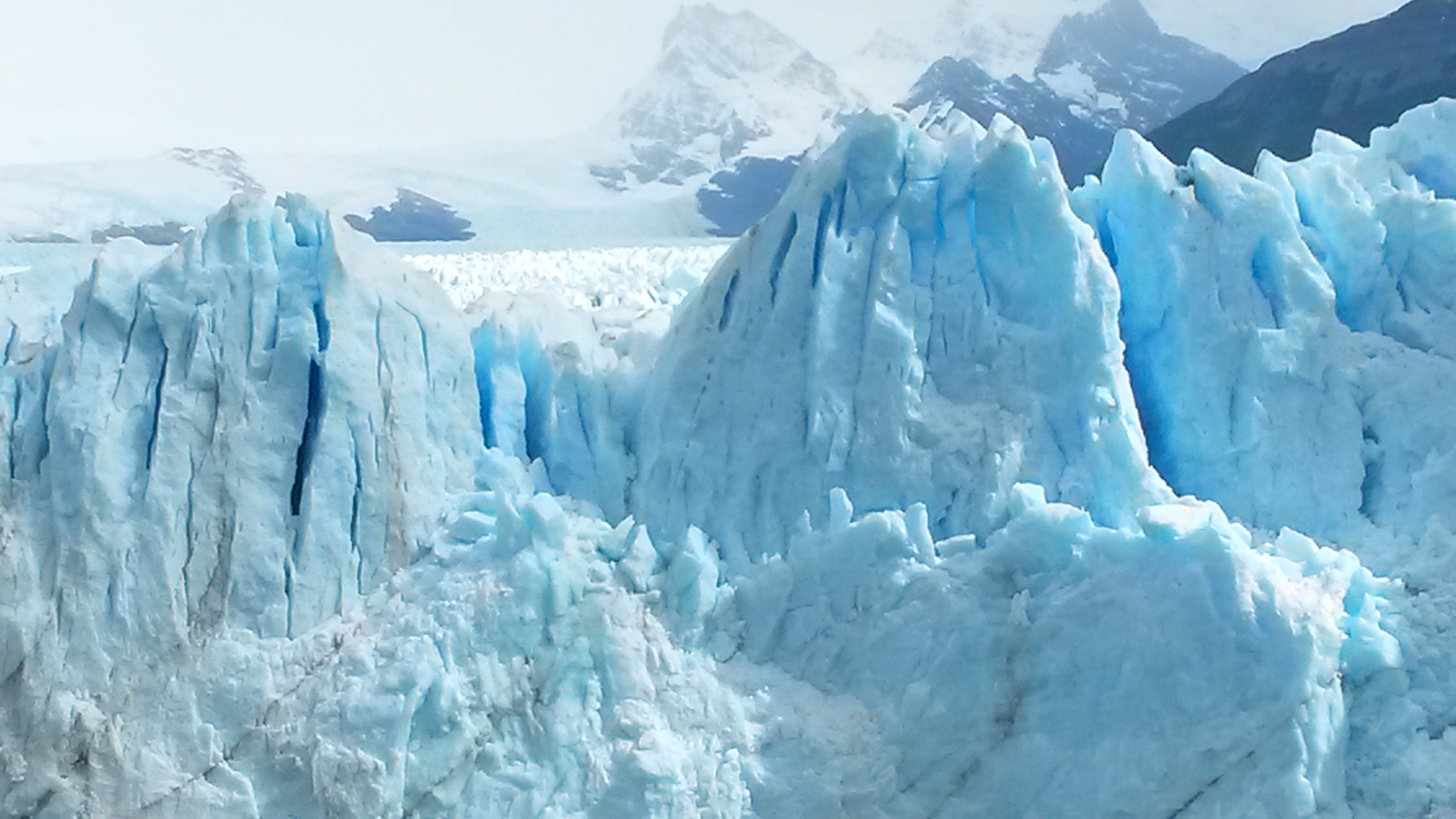
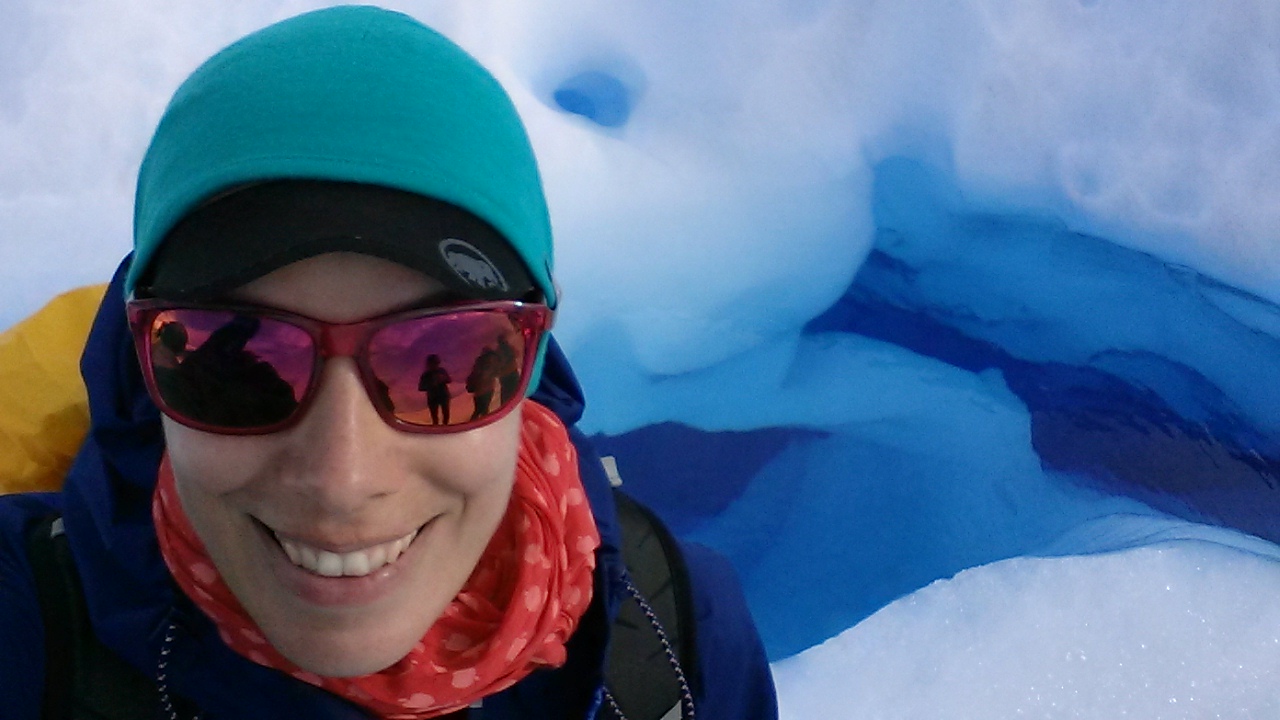
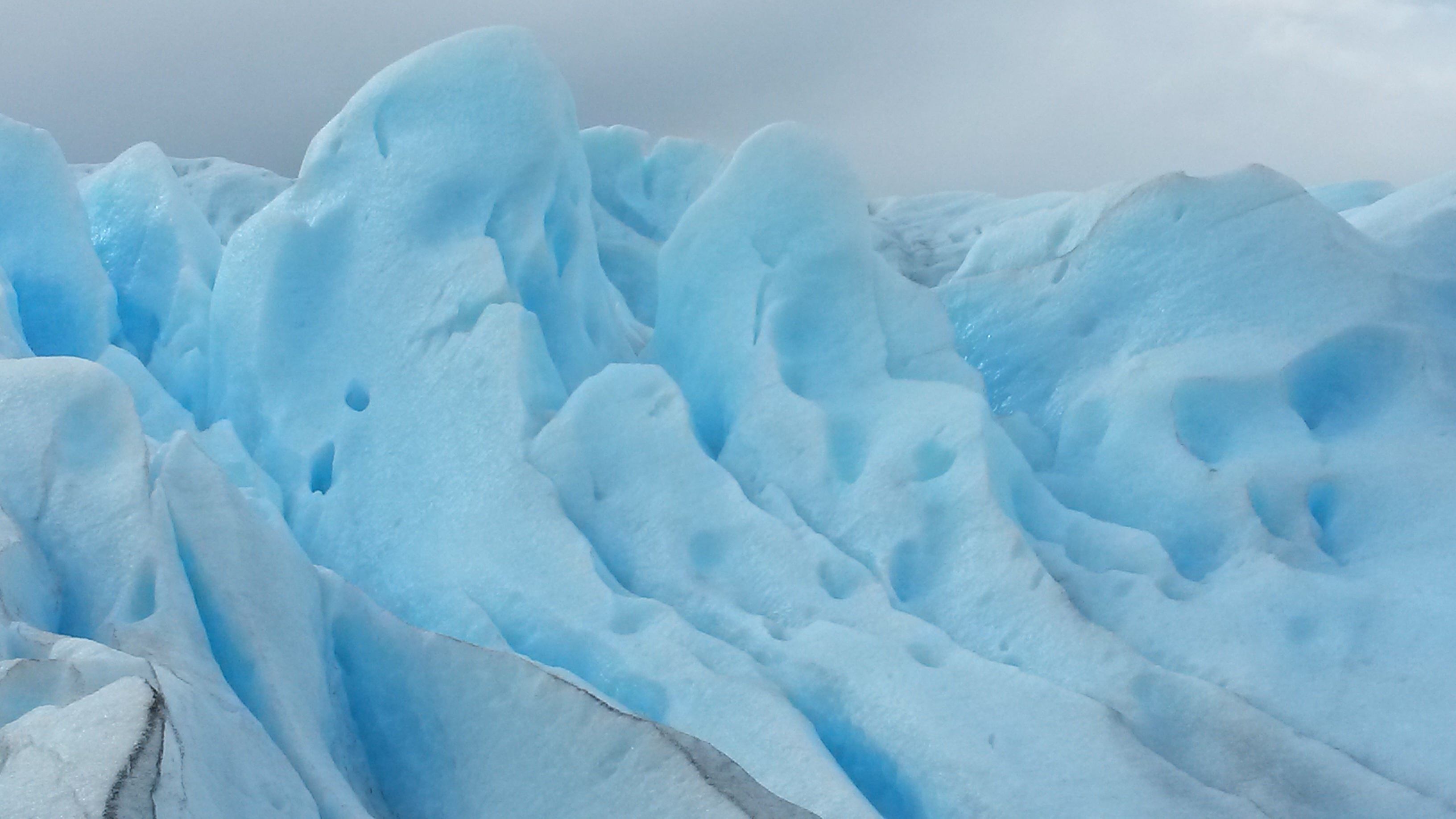
The Perito Moreno Glacier is the no. 1 tourist attraction in Argentinian Patagonia although it is tiny compared to all the other glaciers in Patagonia! But it’s the only glacier that you can easily get this close to. And seriously, tiny is not a word you’d use to describe it. From the so called balconies on the mountainside opposite the glacier it looks huge! I could have spend more than just 2,5h looking at its beautiful blue colours, the blue being lighter or stronger depending on the thickness of the ice, and listening to the creaking sound of the ice moving or the thundering roar when parts broke off.20150315_13021020150315_12453920150315_12264420150315_13013820150315_12244820150315_133309

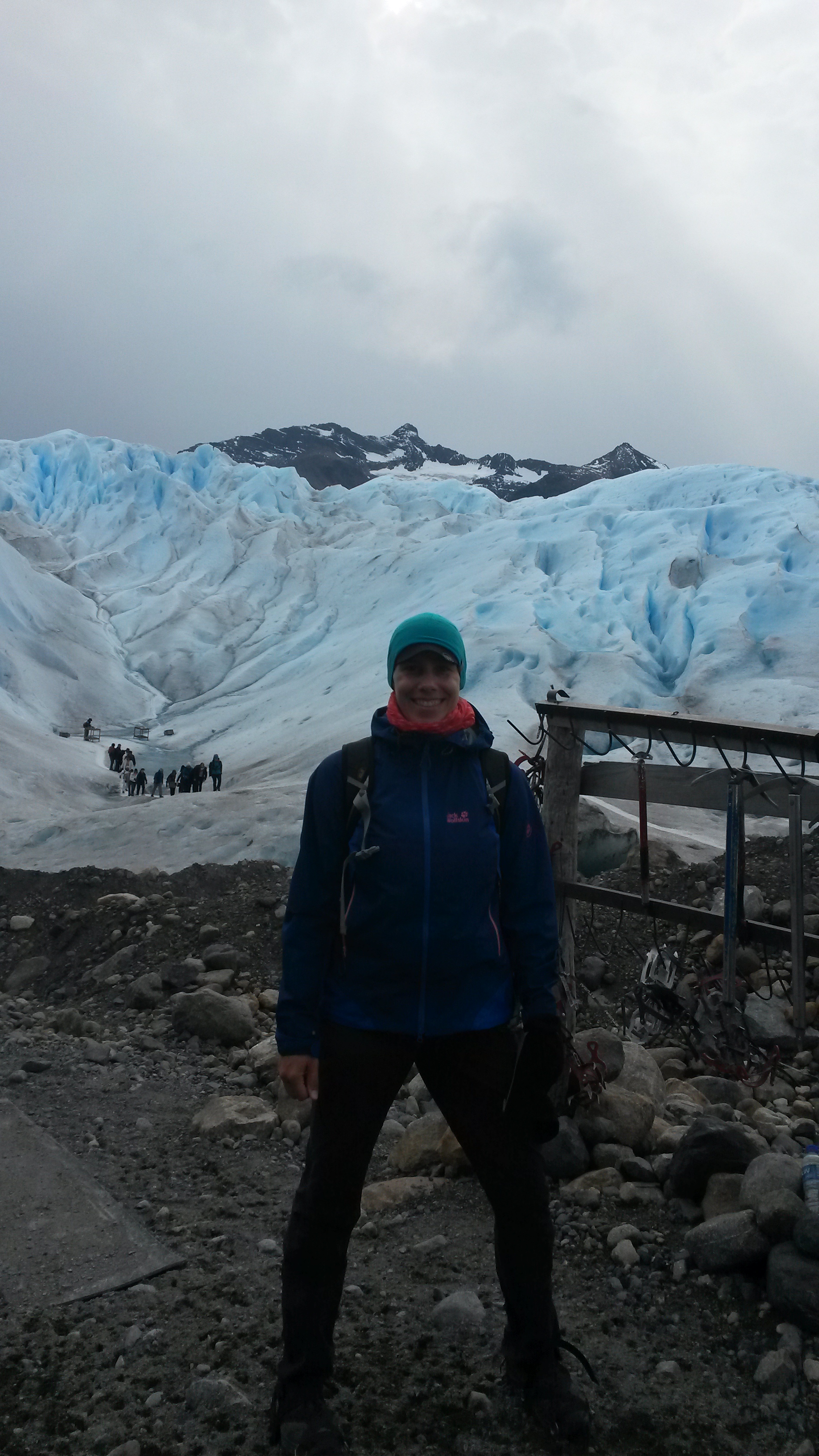
Of course I didn’t leave it at that. I had to walk onto the glacier! A popular way to explore the glacier up close is by way of a mini ice trekking.

Start of the trekking on the left

You’ll be equipped with crampons and two knowledgeable guides then take a group of twenty people for a different glacier experience, one that takes you over little crevasses, some of which are filled with water, and up and down the characteristic glacier towers.20150315_16105920150315_16551920150315_16554120150315_17053920150315_172634 It was more strenuous than I had imagined, for the steel crampons are heavy and walking up and, especially, down is harder than expected (bloody knees!). But I highly recommend it! At the end you’ll even be rewarded with a glas of Whisky, on the rocks of course (taken directly from the glacier).20150315_173945

There is also a big ice trekking that takes you further up onto the glacier for several hours. Depending on the crampons they use for this trek it might be worth doing, but if you have troubles with your knees it might not be advisable…

A little hostel side story from El Calafate: in Argentina and Chile hostels mostly have mixed dorms, but in that particular hostel we’ve been four girls in my room on the first night. One moved out and the next eve the rest of us disbelievingly looked at the new suitcase in our room that had the size of a wardrobe!! As it turned out it belonged to a 22 year old Brasilien guy… when asked why in the world he was travelling with such a huge suitcase (on a 5 day vacation!) he replied “cause not all my shoes fit into the smaller one”!!! We almost cried laughing!

Fitzroy, oh Fitzroy!

It’s only a short 1,5 h flight from Ushuaia to El Calafate, a huge advantage in time compared to the bus ride. There is not much to see anyway. Vast plains as far as the eye can see. And then all of a sudden the Los Glaciares National Park’s mountain range shows up ahead. Although the sky was clear, the flight was bumpy and once we stood the plane was still shaking like a boat on rough water because of the wind (well, they say it’s wind, I’d call it a storm)! It’s always windy in this region, más o menos. And on a day like this it’s hard to walk, especially with a large backpack!

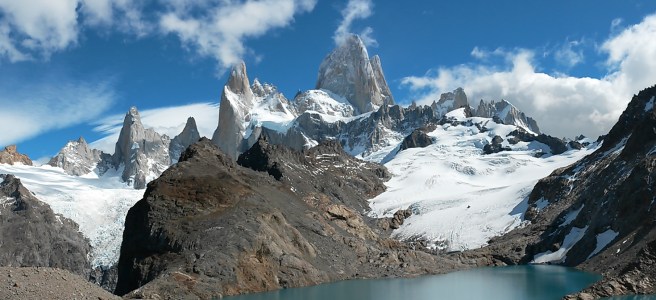
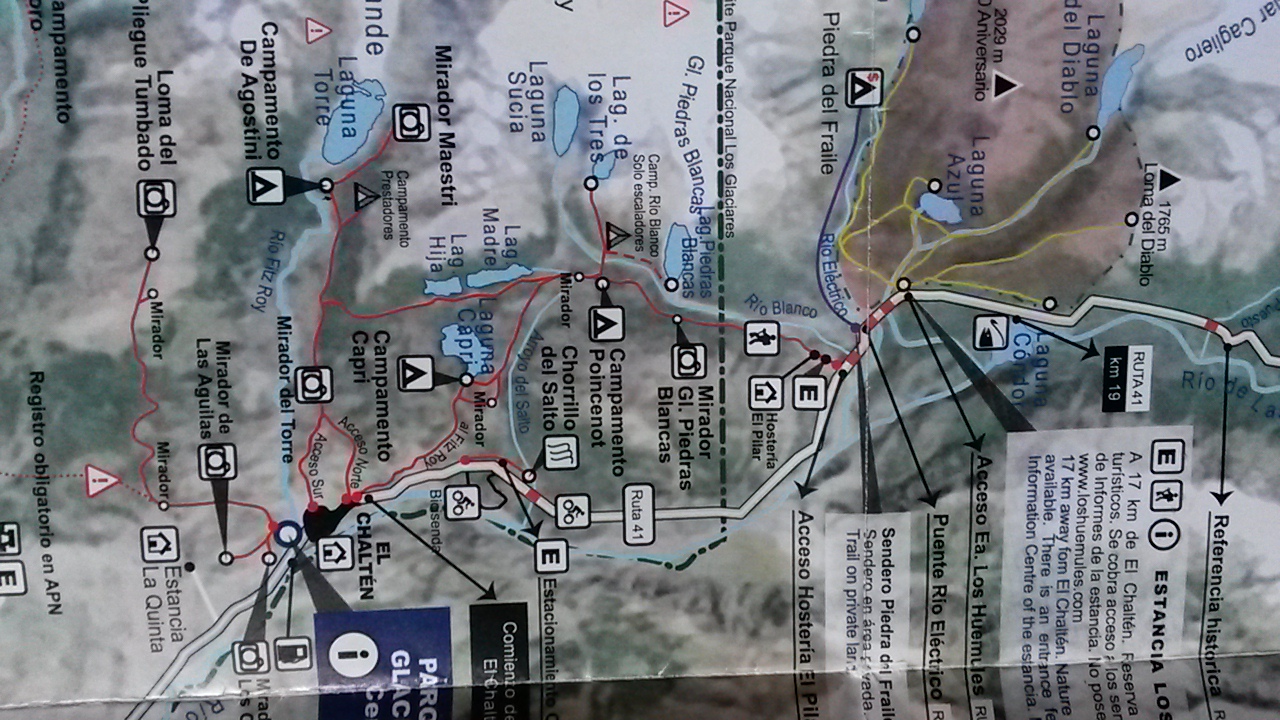
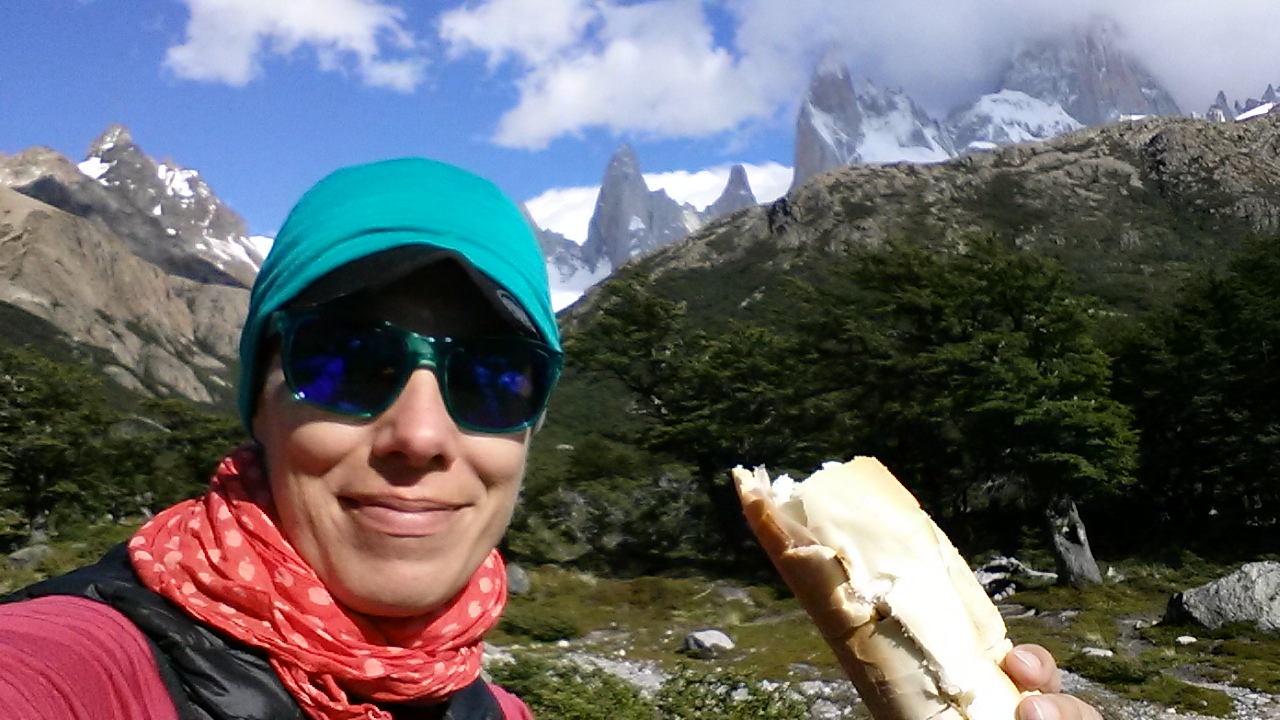
A 2 h busride further north lies the tiny town of El Chalten20150313_172526, the hiking mekka on the Argentinian side of southern Patagonia. At the ranger station we were told to tackle the parks most popular hike the next day: the 8h return hike to the Laguna de los Tres at the foot of Mt. Fitz Roy! Good weather is elementary for this hike as one can’t climb up the last part if it’s too windy or wet nor see anything of Mt. Fitz Roy! Apparently weather conditions are not the best, usually, but the next day proved to be one of those very few perfect days: mostly sunny, little wind and a high of maybe 15° C. I chose to walk from the acceso Hosteria el Pilar. 20150314_092221A shuttle dropped me off there together with 15 others at 9:15 a.m. 20150311_105246The beautiful walk along the river Rio Blanco leads up and down through low forests with great views of the Glacier Piedras Blancas. After 3 h I reached the Campamento Poincenot, filled up my waterbottle with wonderfully clean and tasty water from a stream, enjoyed my sandwich (created a new look, by the way, cap under hat… Don’t think it will make it onto the runway… 20150311_113517) and climbed another 1h steep uphill! But when finally reaching the top the view is priceless!

20150311_13343820150311_14165920150311_14423820150311_150947Fitz Roy, oh Fitz Roy!

I was up there for 2 h, admiring Fitz Roy, Laguna de los tres (on the right), Laguna Sucia (on the left) and the Glaciers! I just couldn’t get enough. Also, even on this rare perfect day, there were almost always some clouds at the top of Mt. Fitz Roy and we all waited eagerly for those short moments when it was fully visible (which I captured with my Nikon, photos to follow some time soon). I happily hiked back to El Chalten in 3:15 h.

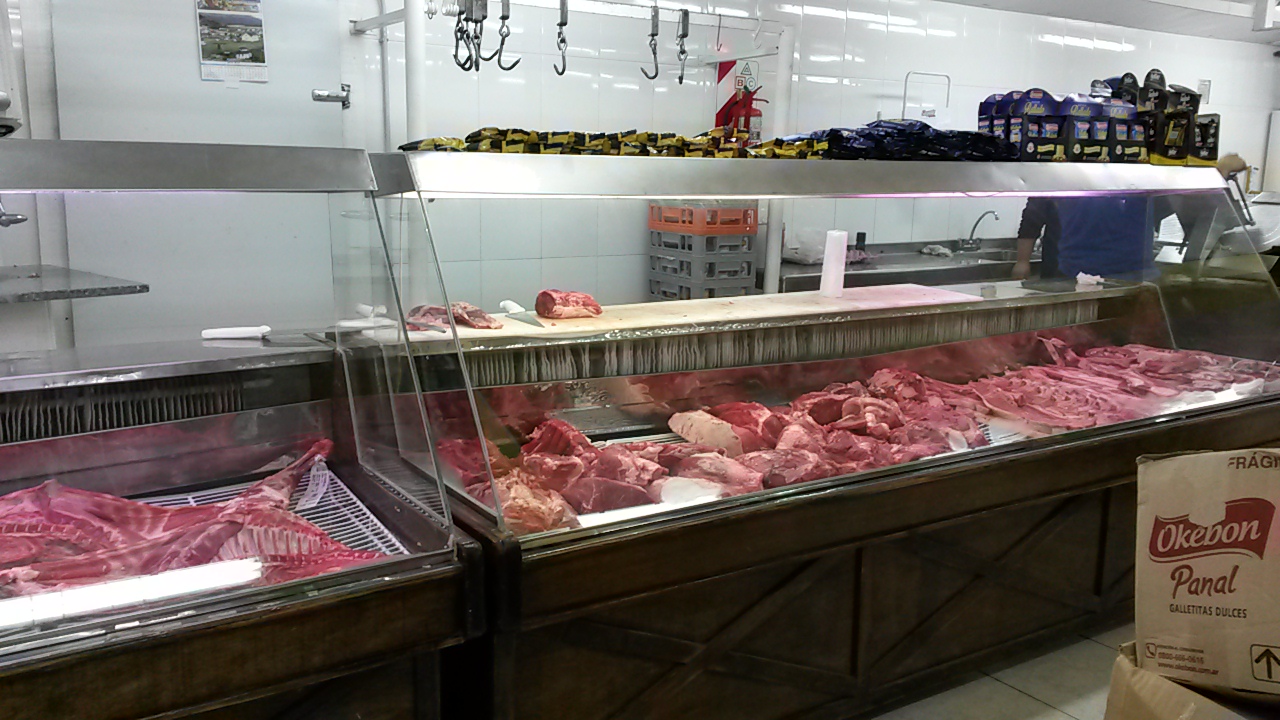
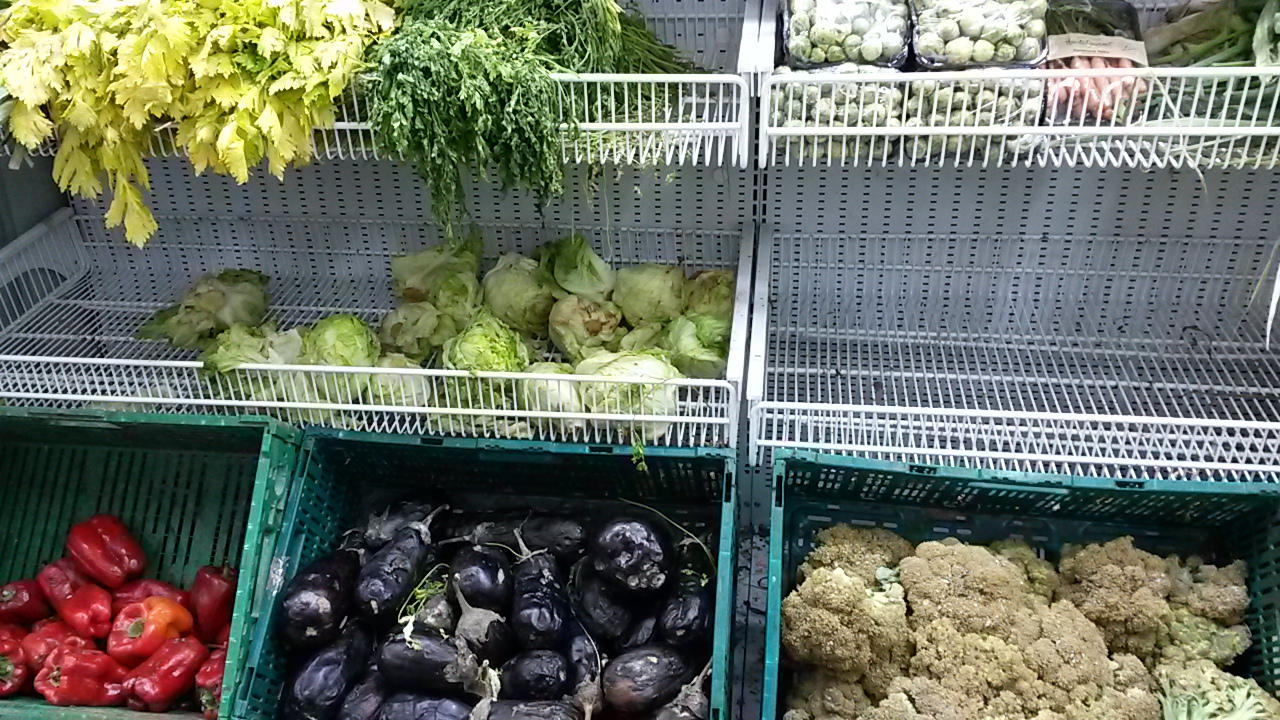
The next day was rainy and windy, so we almost all stayed in town, hopping from one café to another… In Argentina meat, beer and bread are generally cheap (some of you might love to hear that!), everything else is expensive. El Chalten is more than expensive. Plus, there is short supplies of almost everything, especially veggies and fruits. This is an example of the supplies in the biggest supermarket in town:20150312_162631

20150312_16264620150312_163043

I was still on a cracker-tea-potato diet during the first days, so no meat and beer for me, unfortunately. But I finally ate a nice sirloin on my last eve, accompanied by a botttle of red wine shared with lovely Carole! What a life!