
HAM-LHR-DOH-MEL, 9 January 2015: Above the clouds
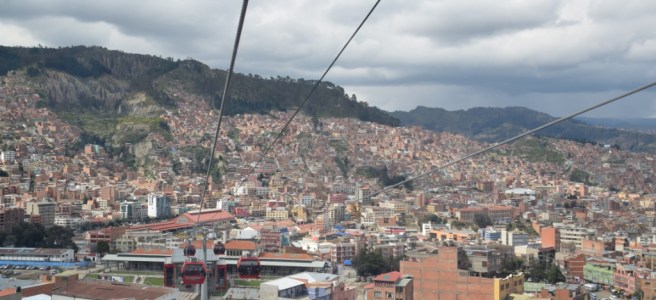
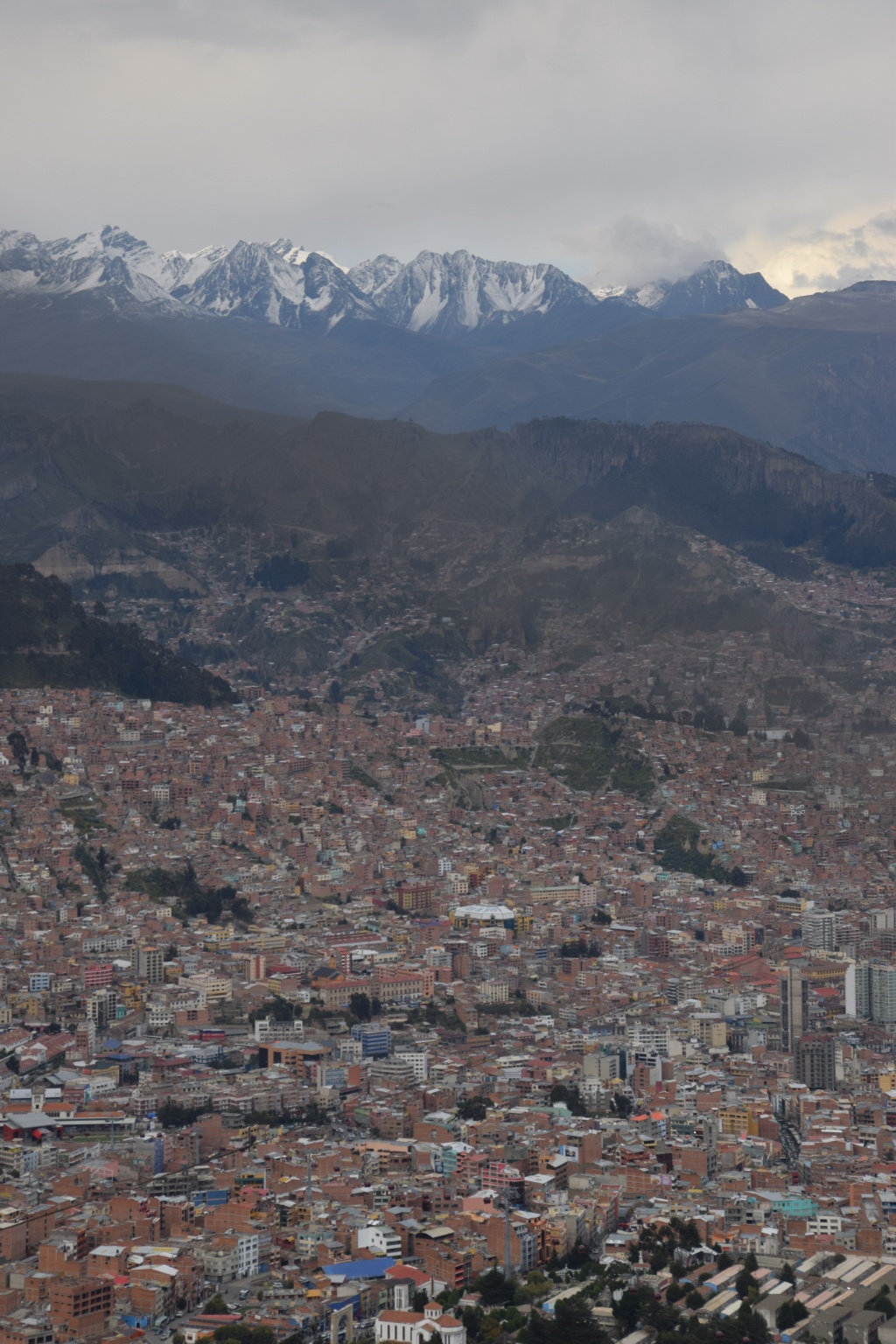
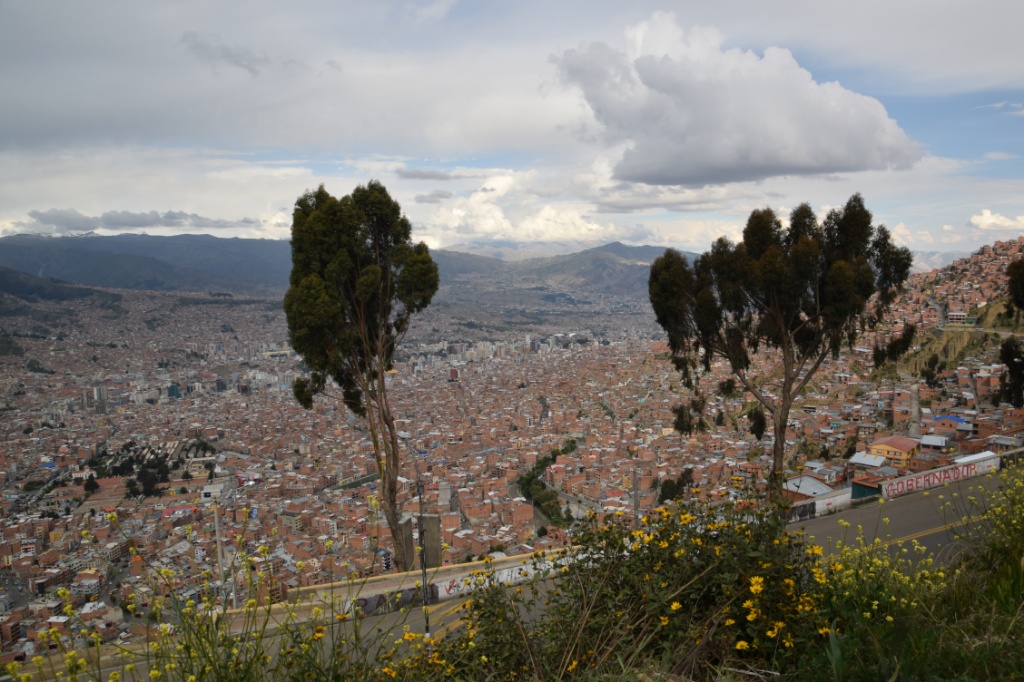
La Paz is high, very high. The rich southern suburbs are on 3200 m while El Alto, which became an independent city in 1985, is situated on 4100 m. El Alto’s (mainly indigenous) inhabitants cannot afford to live in the lower, “warmer” parts of La Paz. Because of the upland region it is rather cold. At this time of the year the temperature in El Alto ranges between an average high of 14° C and a low of 2° C. The highest average is 4-15°C! La Paz’s average maximum is between 6-19°C. The lower, the warmer – and the wealthier.
So I had to unpack my long John’s once again. They, however, had surrendered a while ago in that the elastic waistband gave up so that I had to tuck them into my trousers, a baggy pant effect was nevertheless to occur soon thereafter…
La Paz is a very vibrant city and Laura and I decided to celebrate the last night before she left, a Thursday. The only parties outside a weekend take place at the party hostels. So we joined the Loki crowd at midnight. The quick consumption of beer didn’t quite help to make us feel less like grandmothers. In spite of that and the terrible music (90s boy group songs!!) we hit the dancefloor. But La Paz teaches you to dance slow! Jumping up and down three times made my lungs burst! This close to the sky it’s simply hard to breathe!
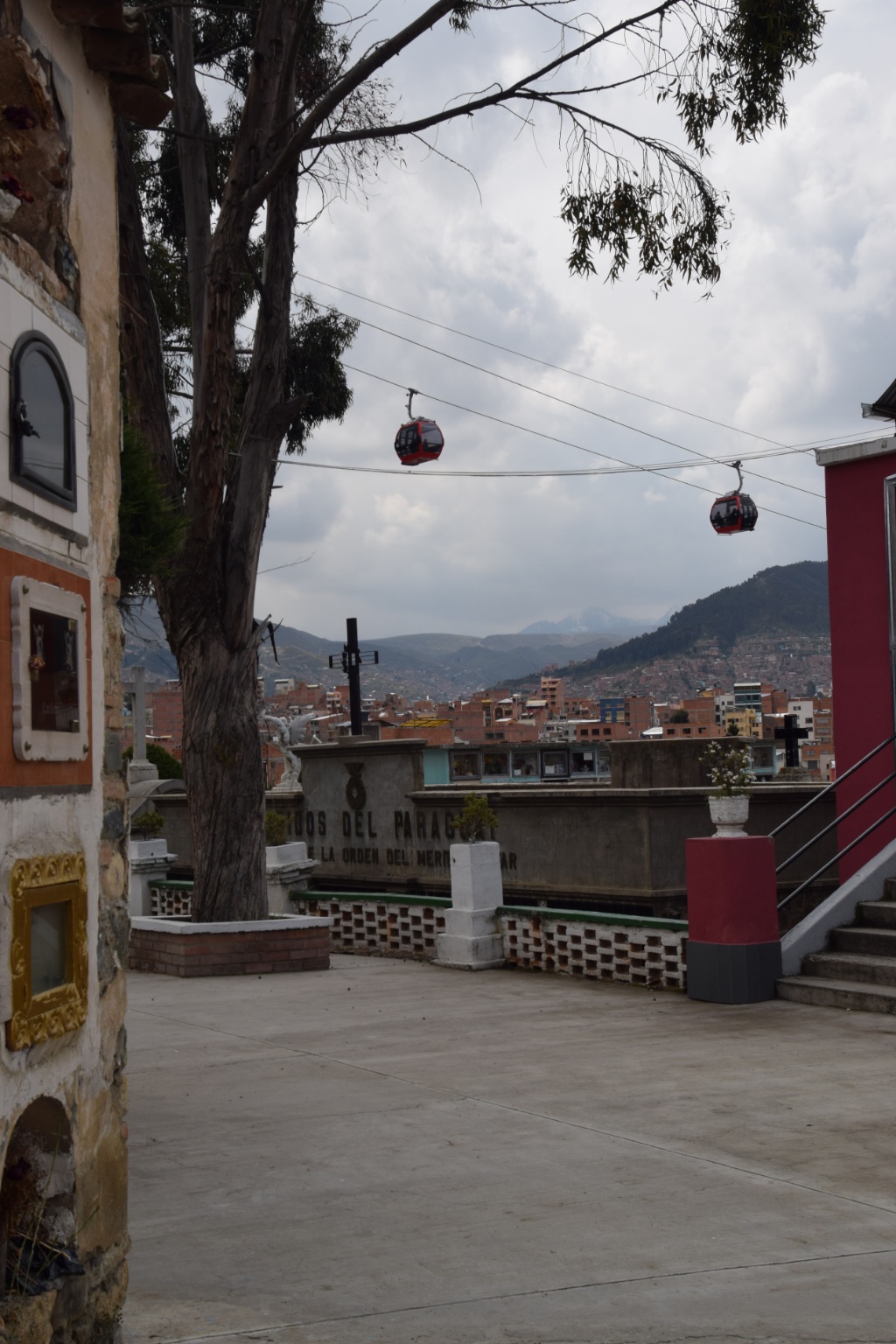
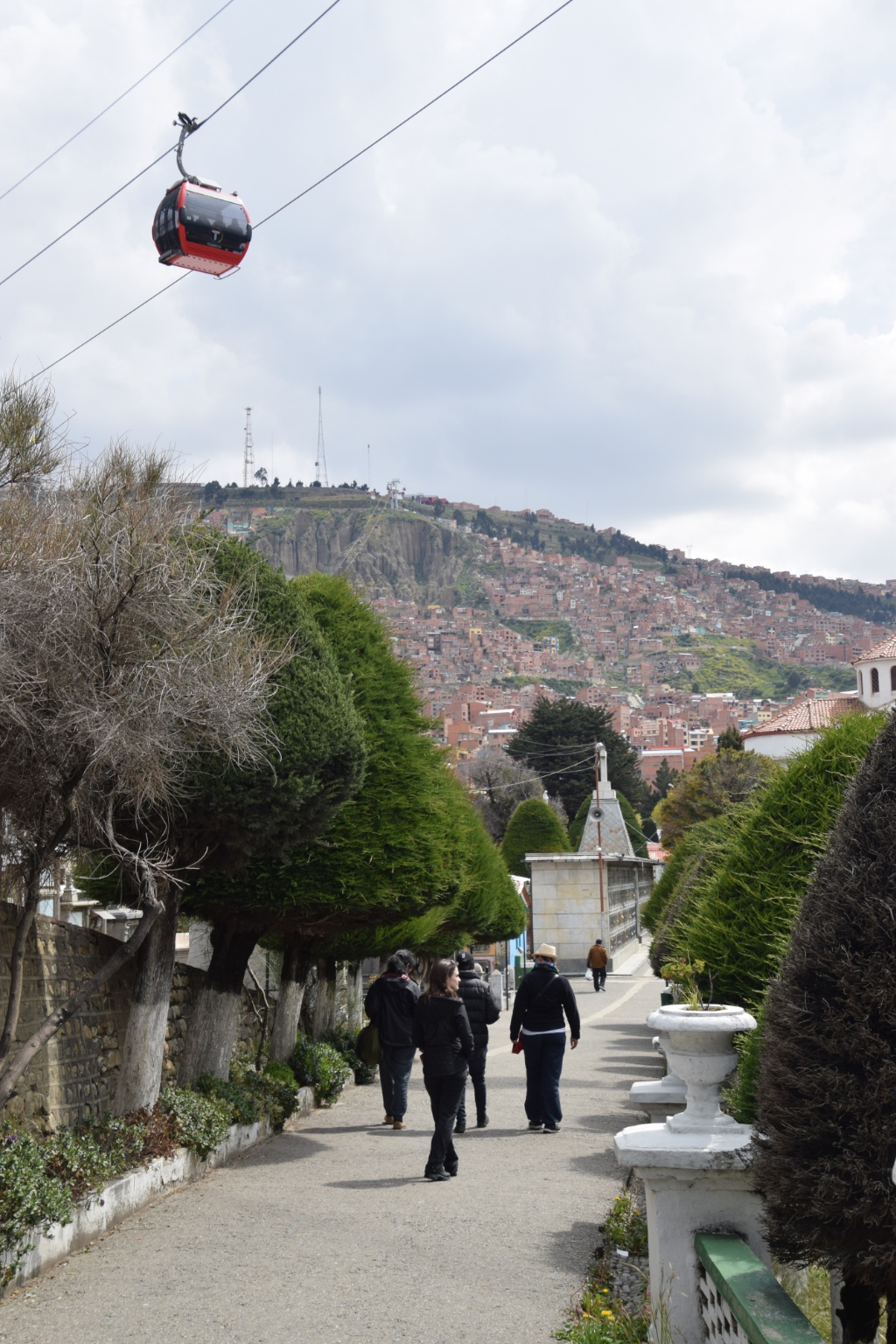
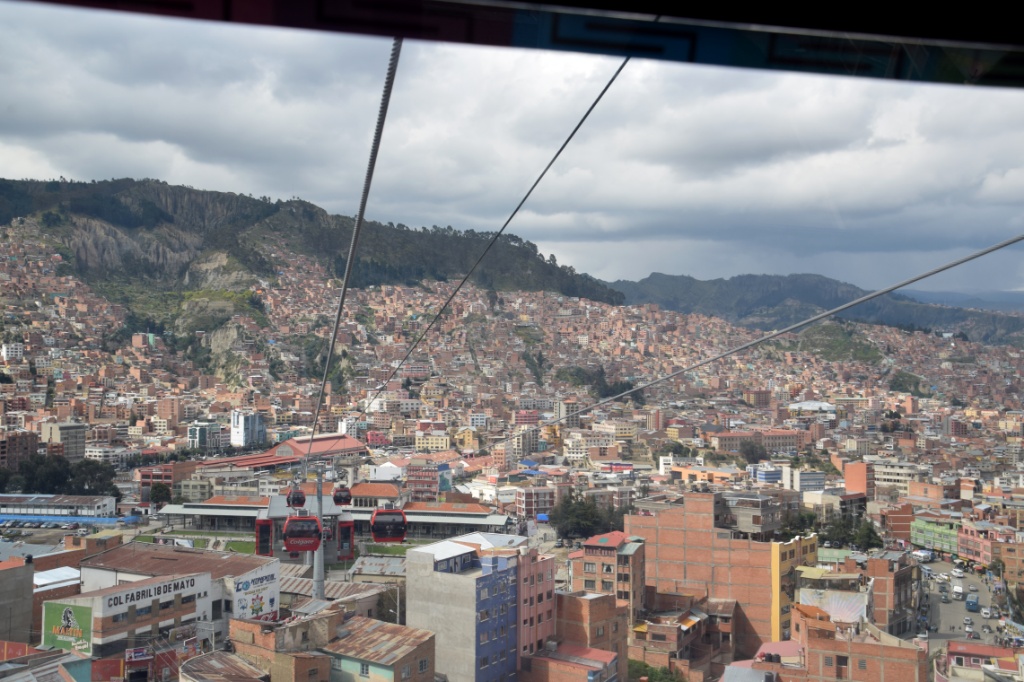
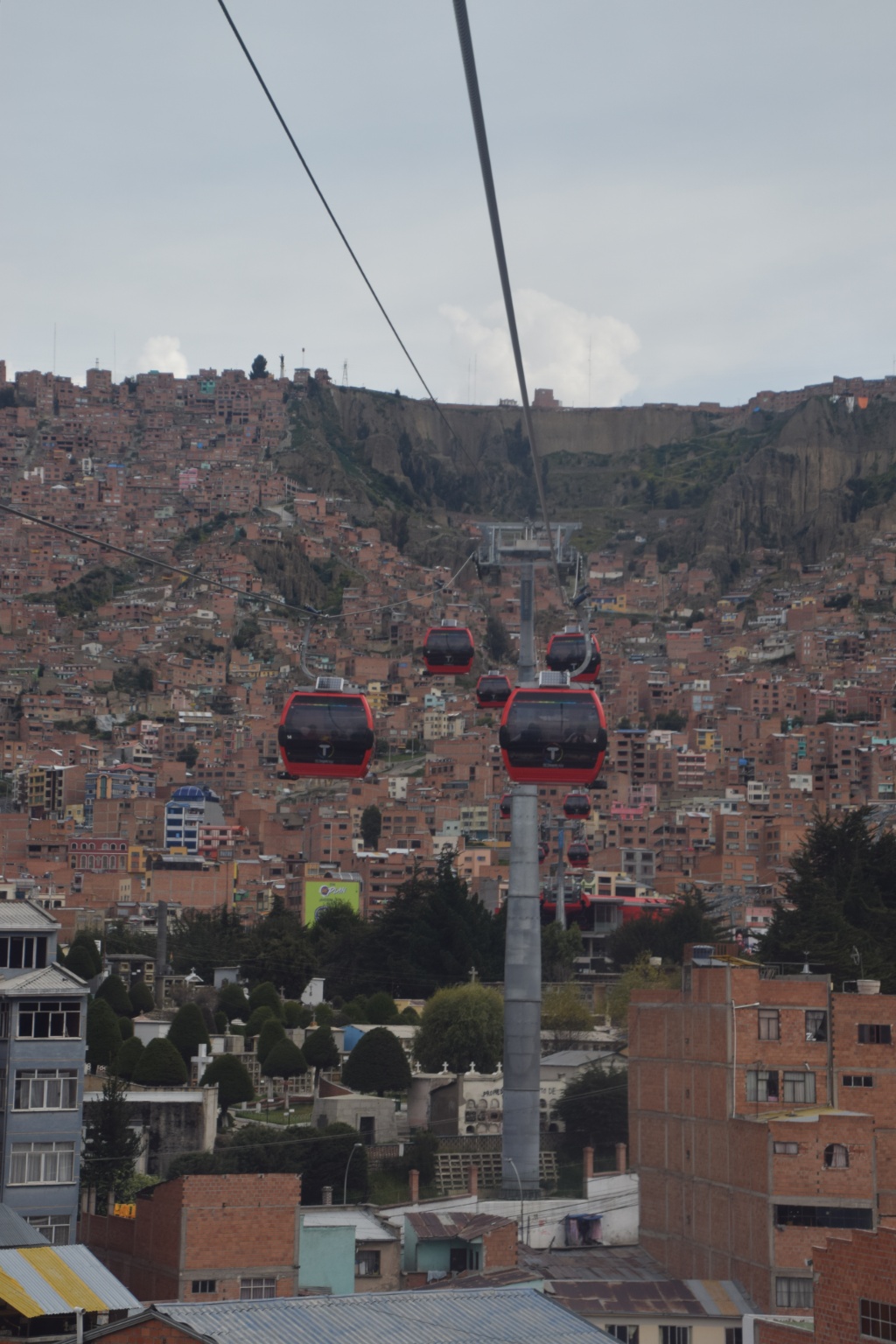
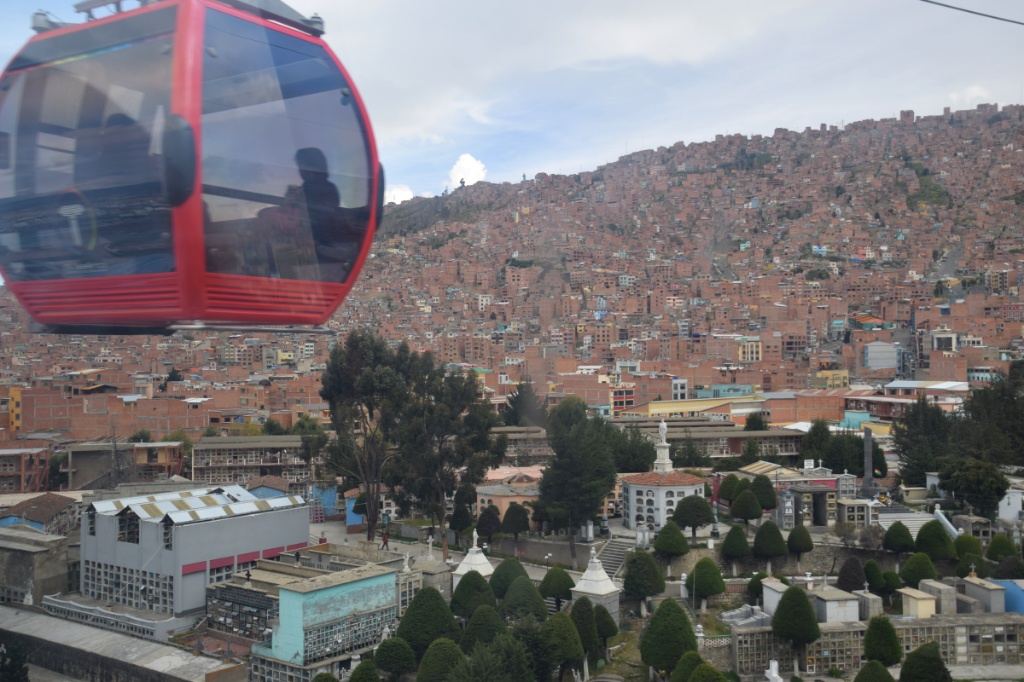
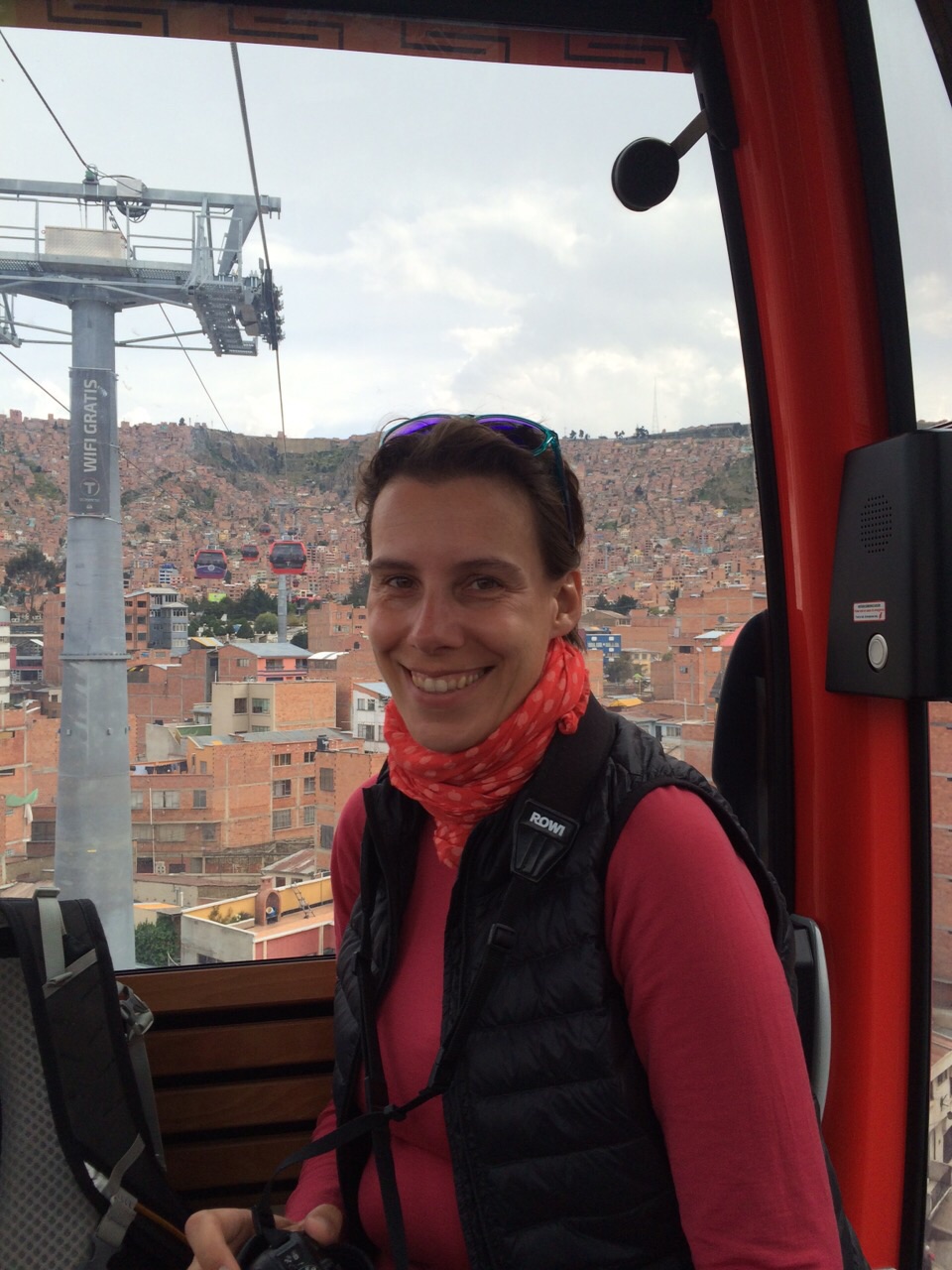
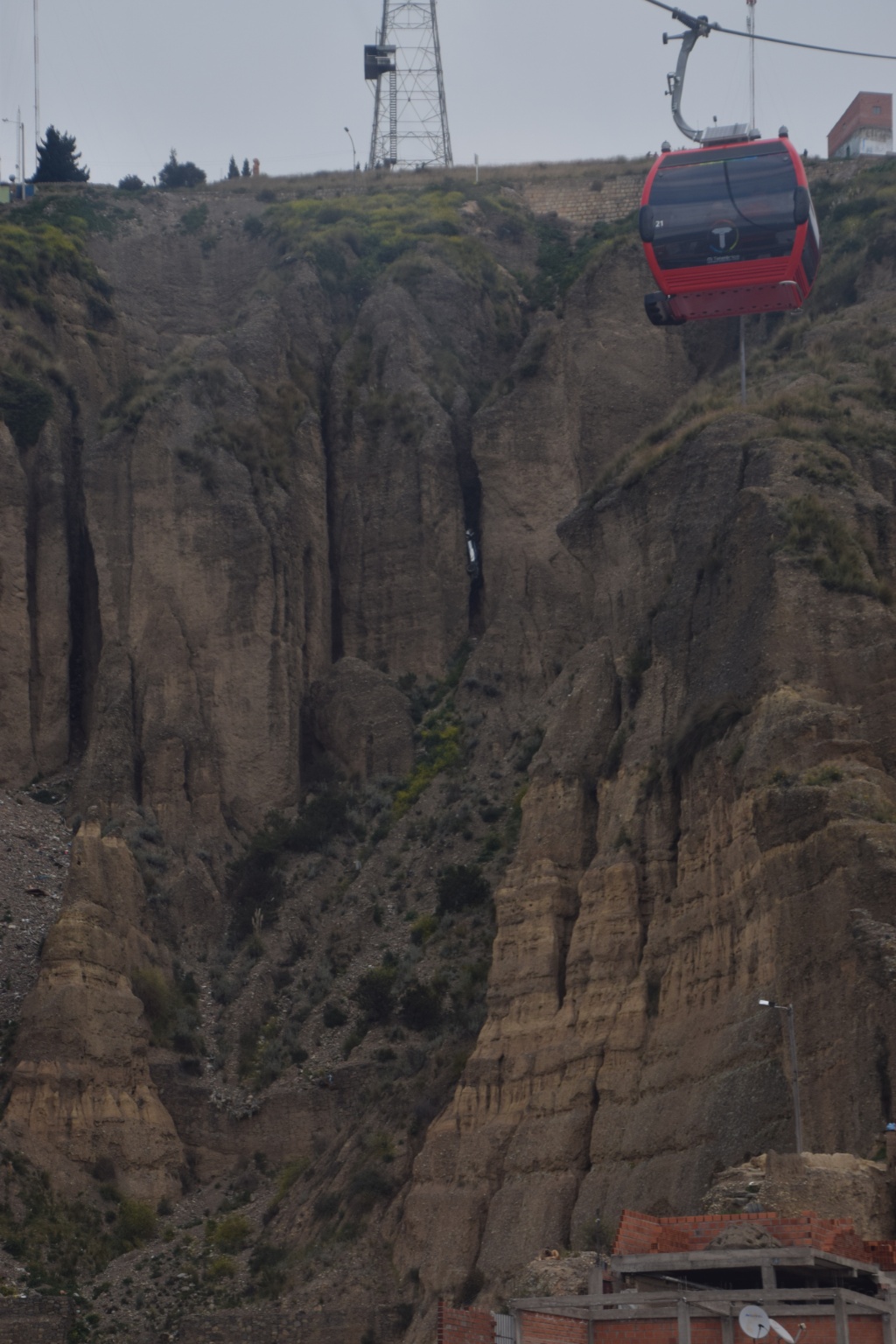
During the day we had toured the city center and El Alto with Red Cap Walking tours, a great experience! The newest coup of president Evo Morales is the construction of three cable cars (the red, the yellow and the green one, following the colours of Bolivia’s official flag). Swiss-made, of course. They were finished in the past 3-9 months and not only provide great views, but most of all a very fast means to travel between La Paz and El Alto. The traffic is bad. And because the city is situated within a basin the streets wind up in serpentines and there are places in which it is impossible to build a street at all. The Cable cars not only reduce traffic, but also help El Alto inhabitants to commute to and from the south, where many work as househelps, much faster.
Bolivians are very proud of the (alledged) fact that they have the largest percentage of indigenous people in all of South America. But their Aymara president seems to be a lot less popular than 12 years ago when he first came into power, despite of all the social programs that he introduced. Possibly because he decided that he needed his own presidential plane. Or because of the immense corruption that still dictates everyday life. Or the general alcohol and drug problems. Or the strong bonds with Venezuela and Cuba. Or the concentration of power and strong doubts with regard to his victory in the last elections. Or maybe even because of the fact that Morales became an active professional football player in 2014, playing in Bolivia’s first league – aside from his easy-peasy job as president.
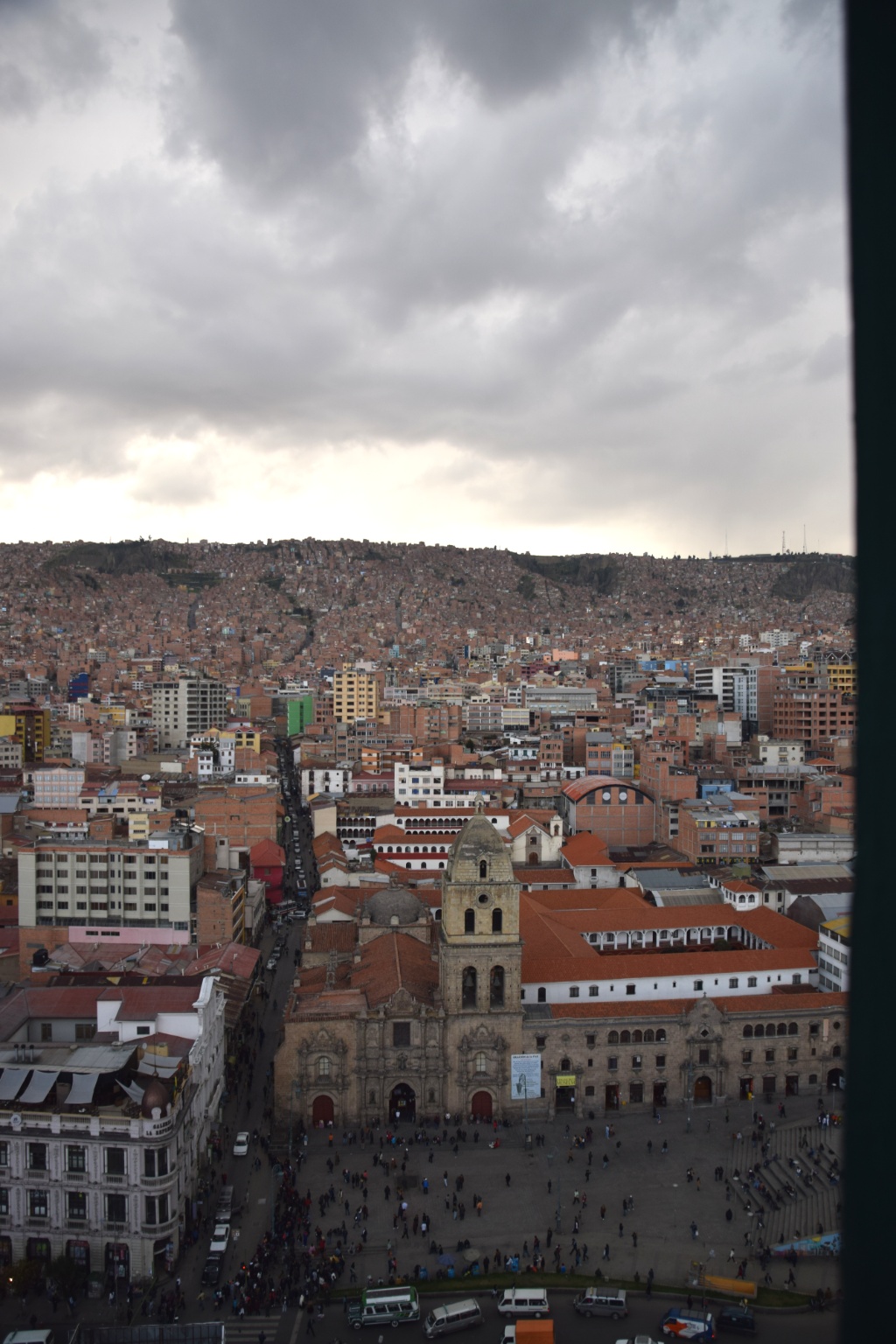
I don’t think that this is the reason why Bolivians appear unfriendly and unhappy, though. Unlike all their neighbours they rarely smile or laugh. They come along as arrogant and contemptuous. I was almost relieved to see them gather around the street comedian at Plaza de San Francisco and to actually hear and see them laugh!
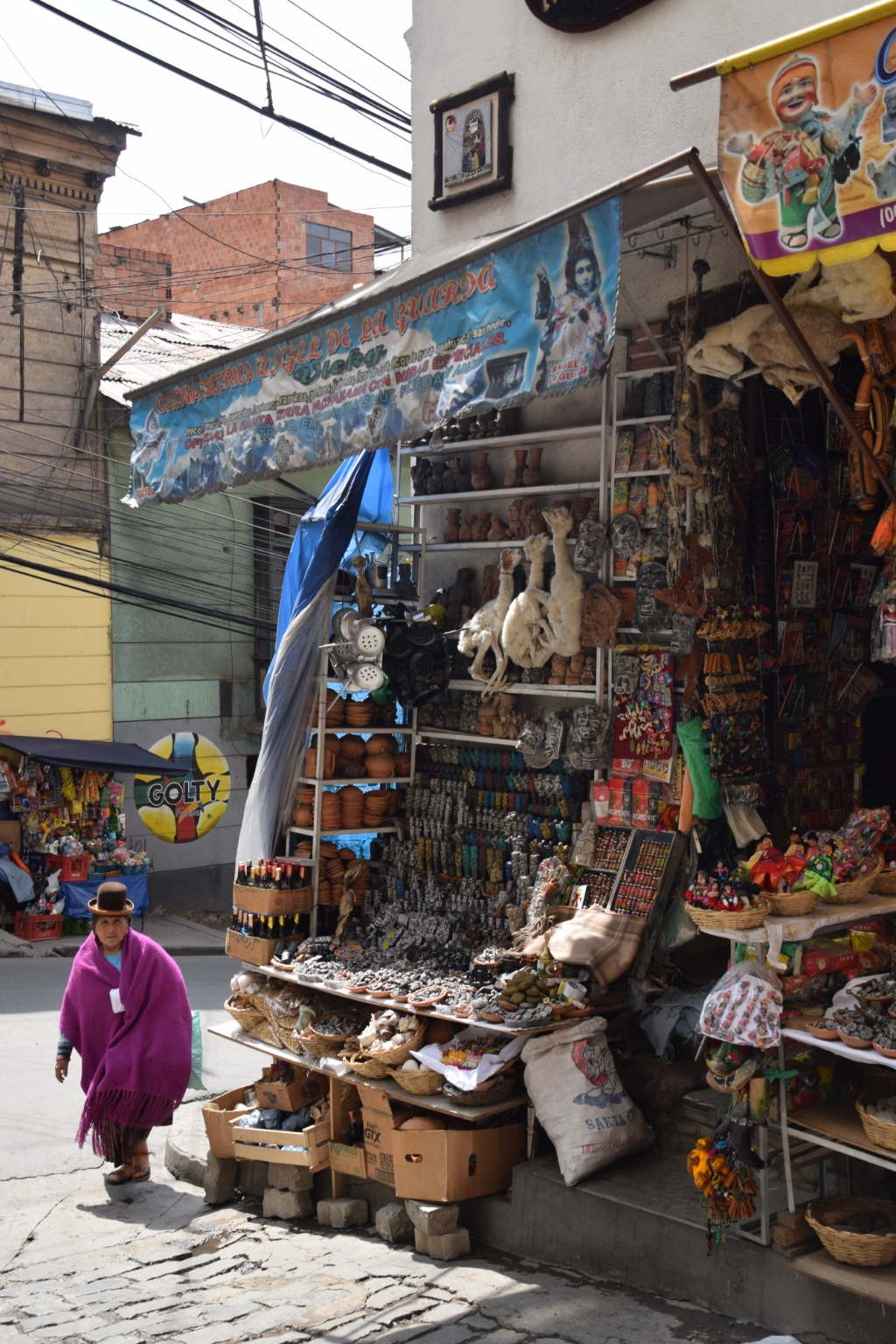
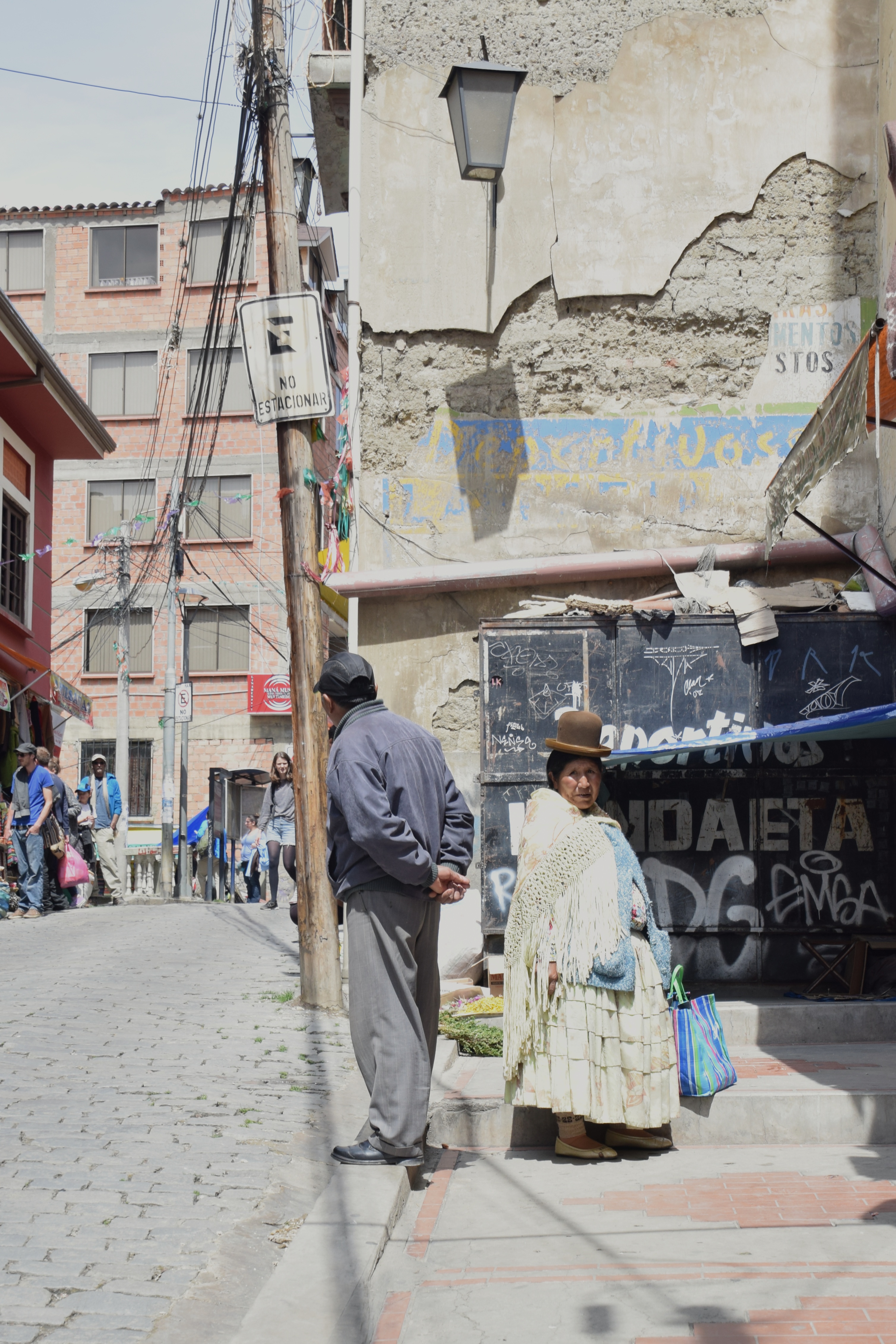
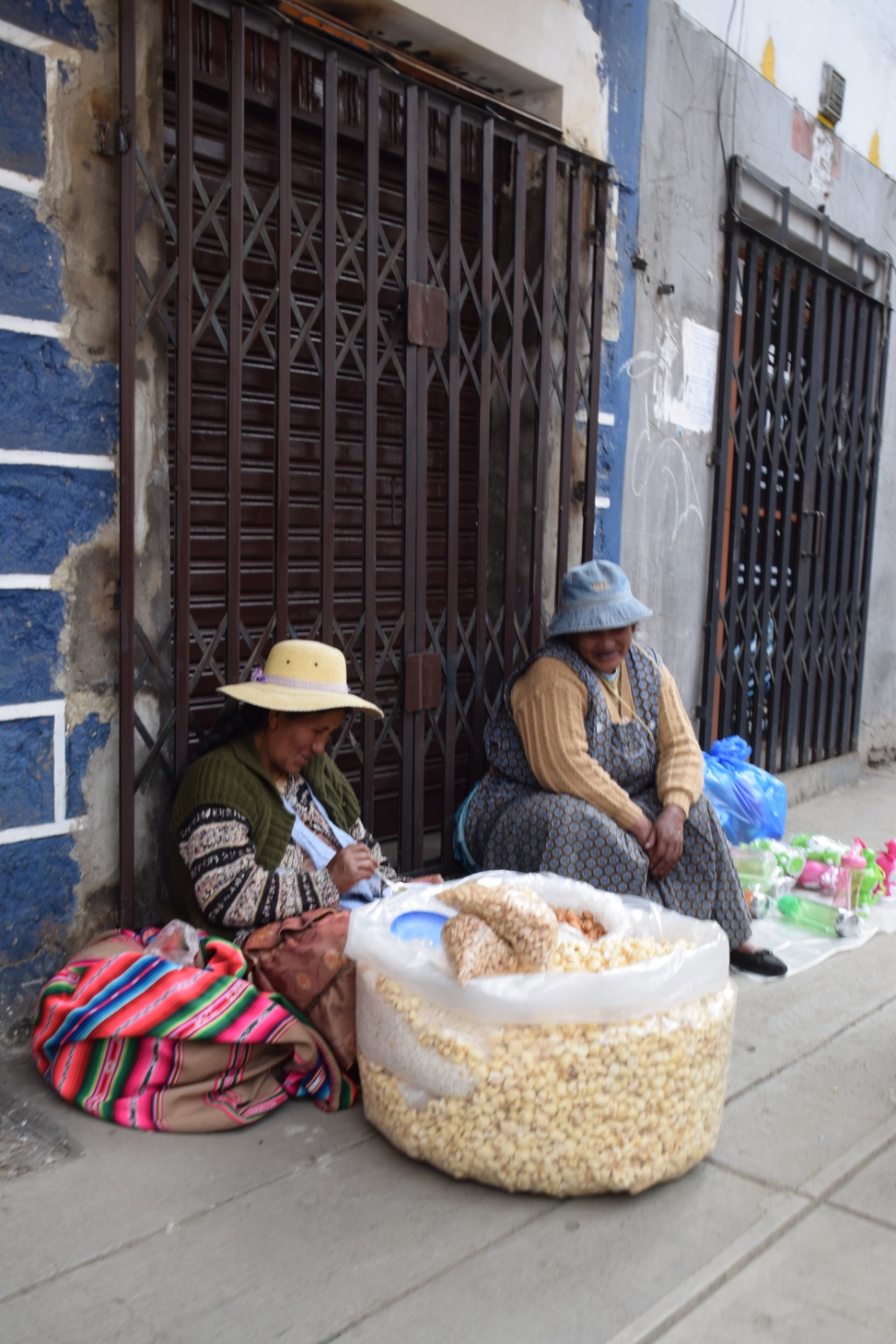
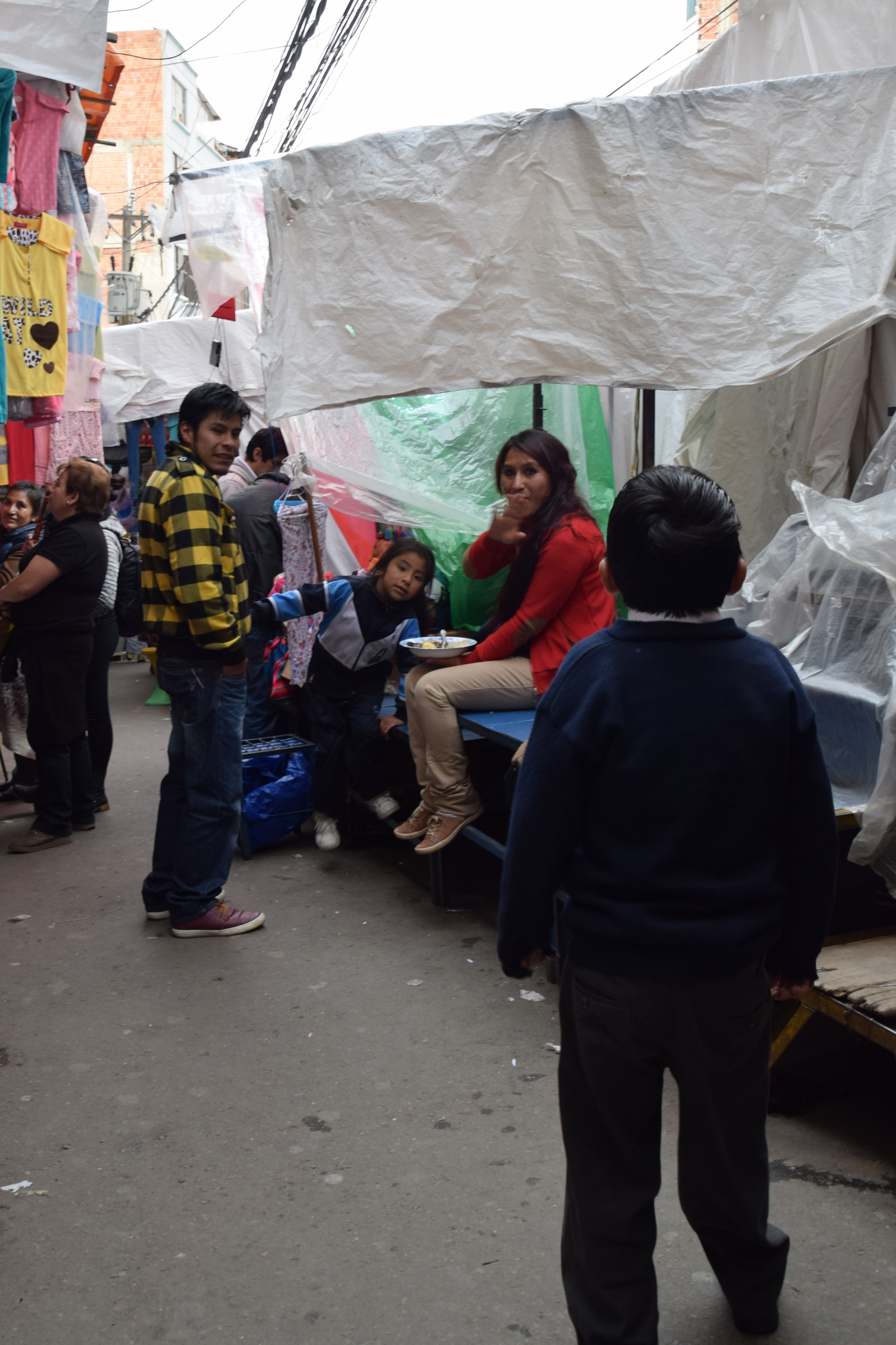
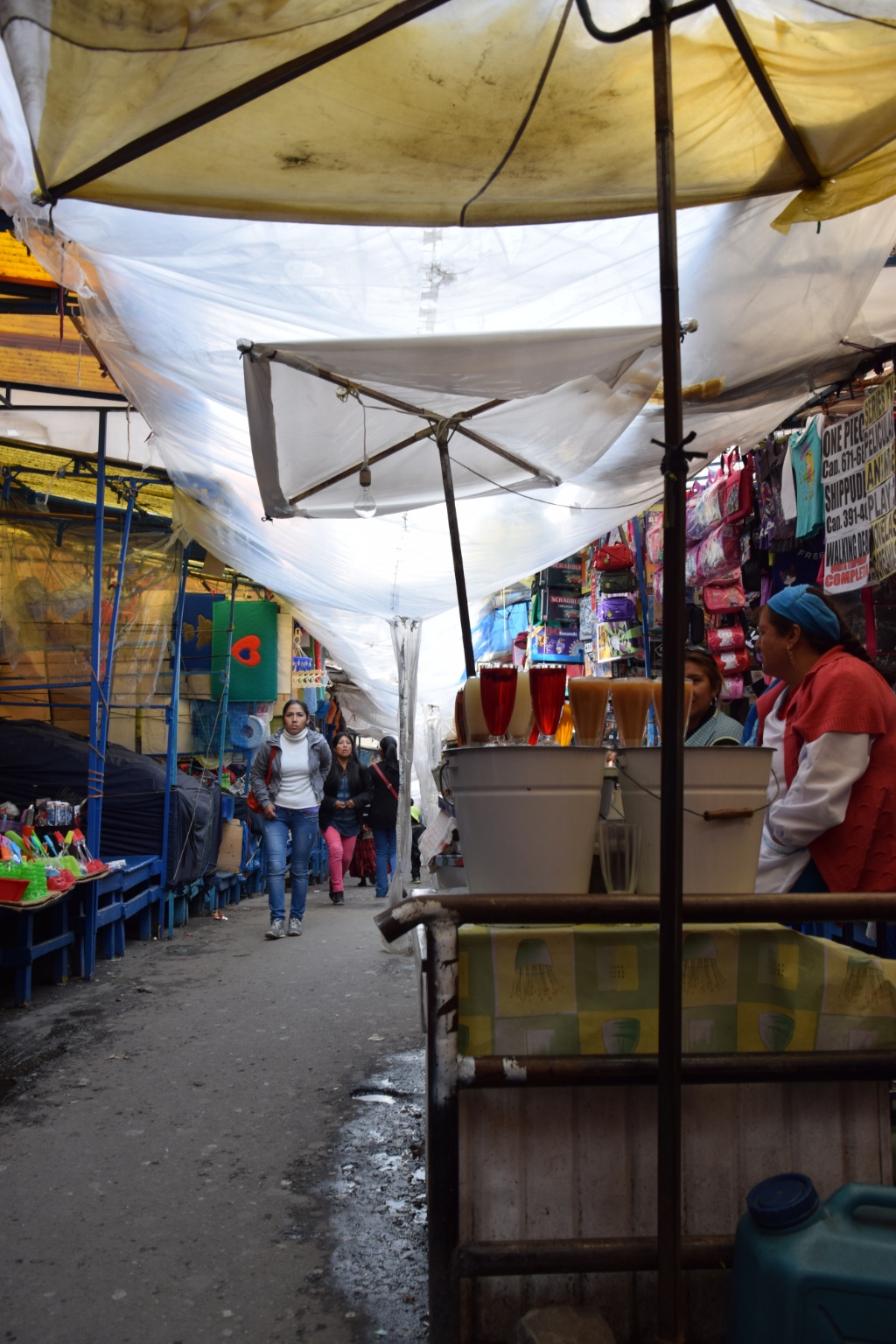
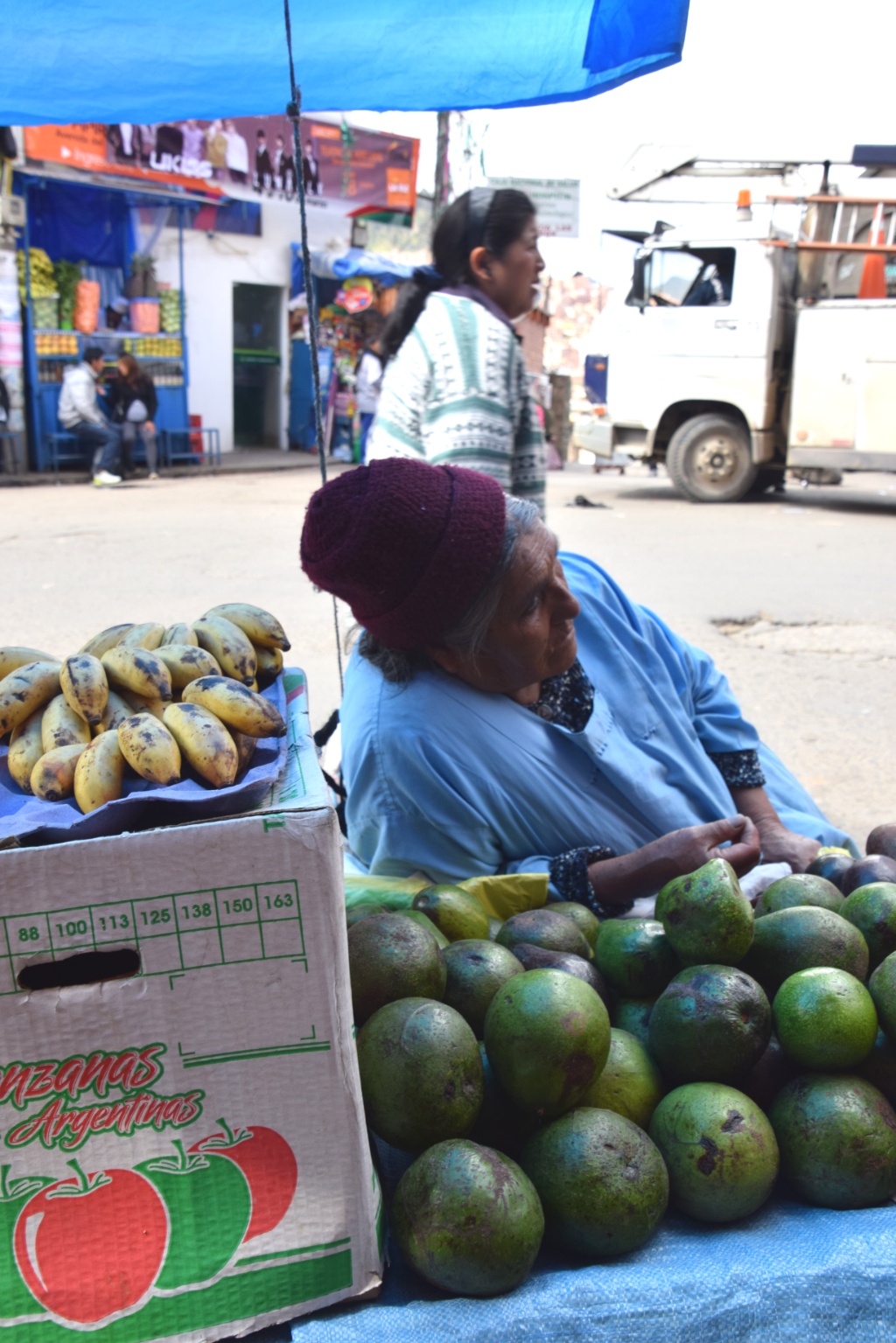
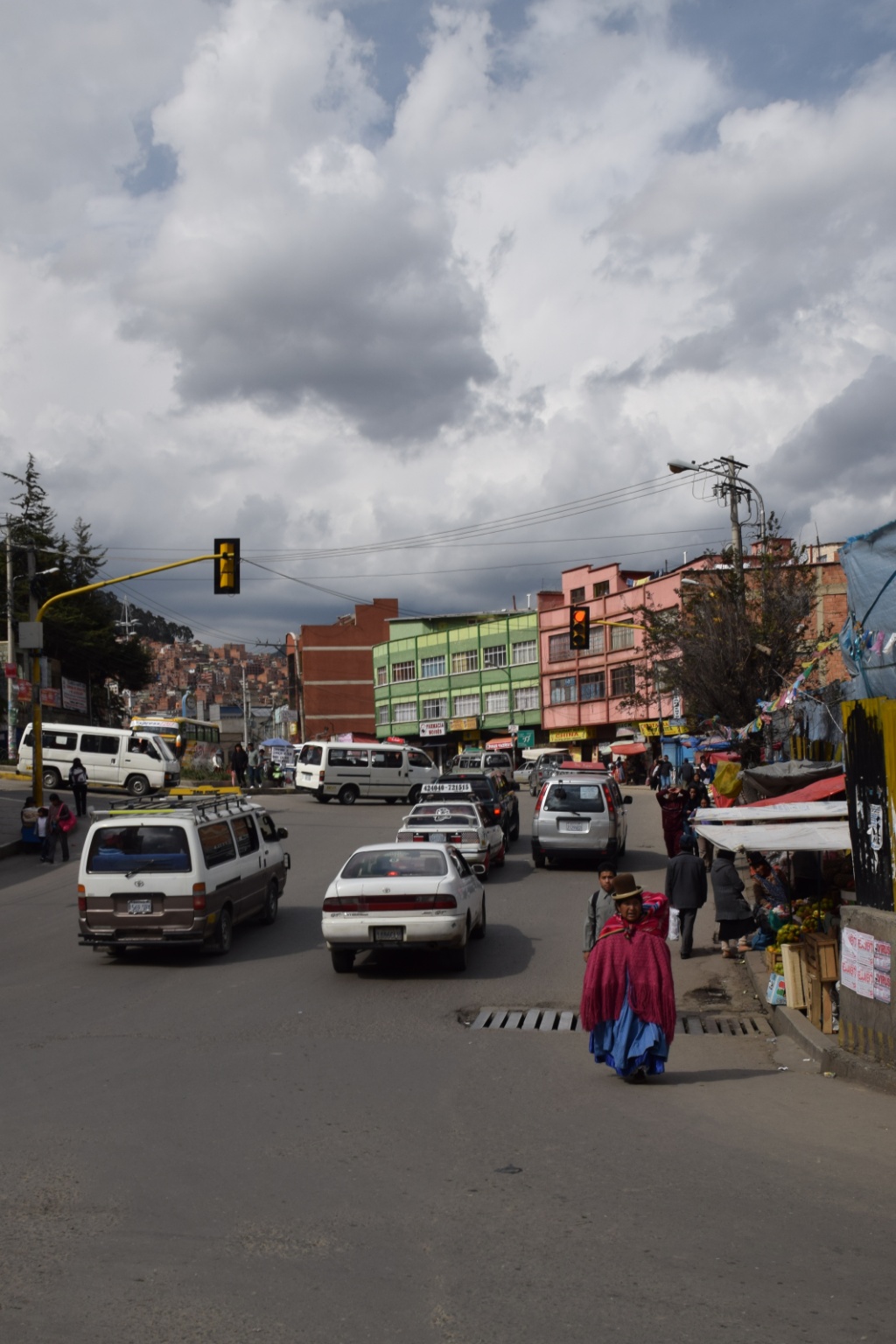
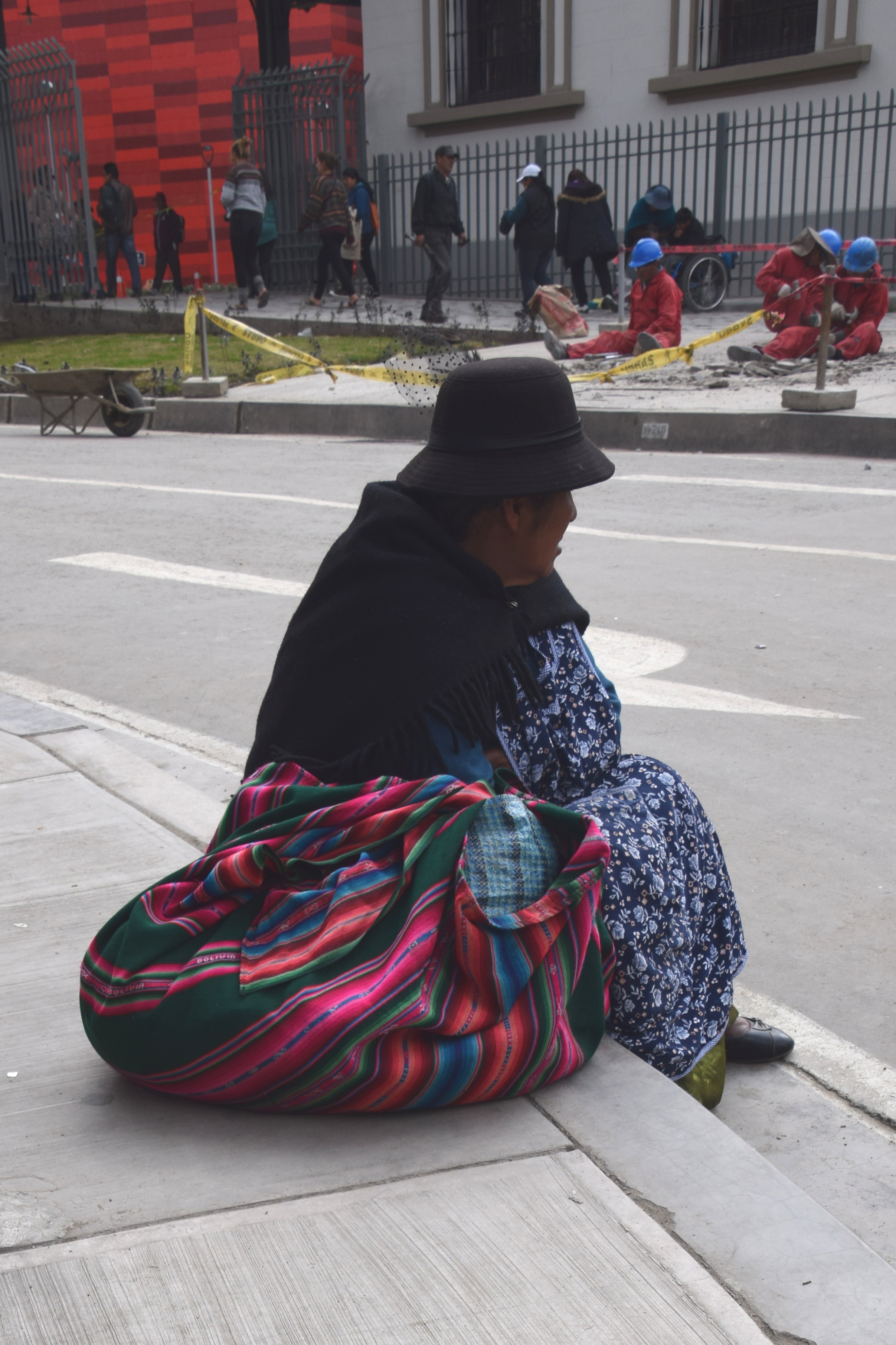
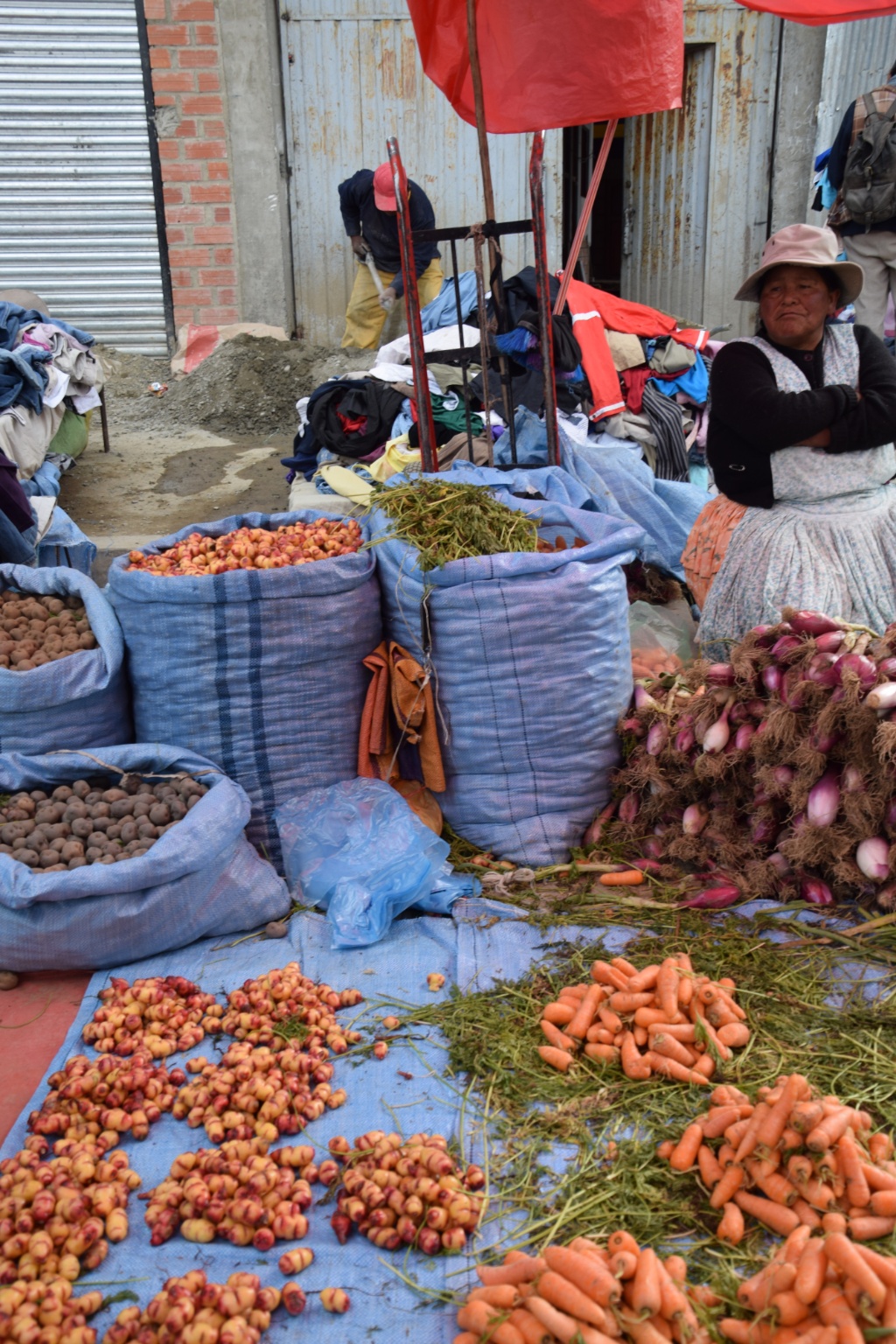
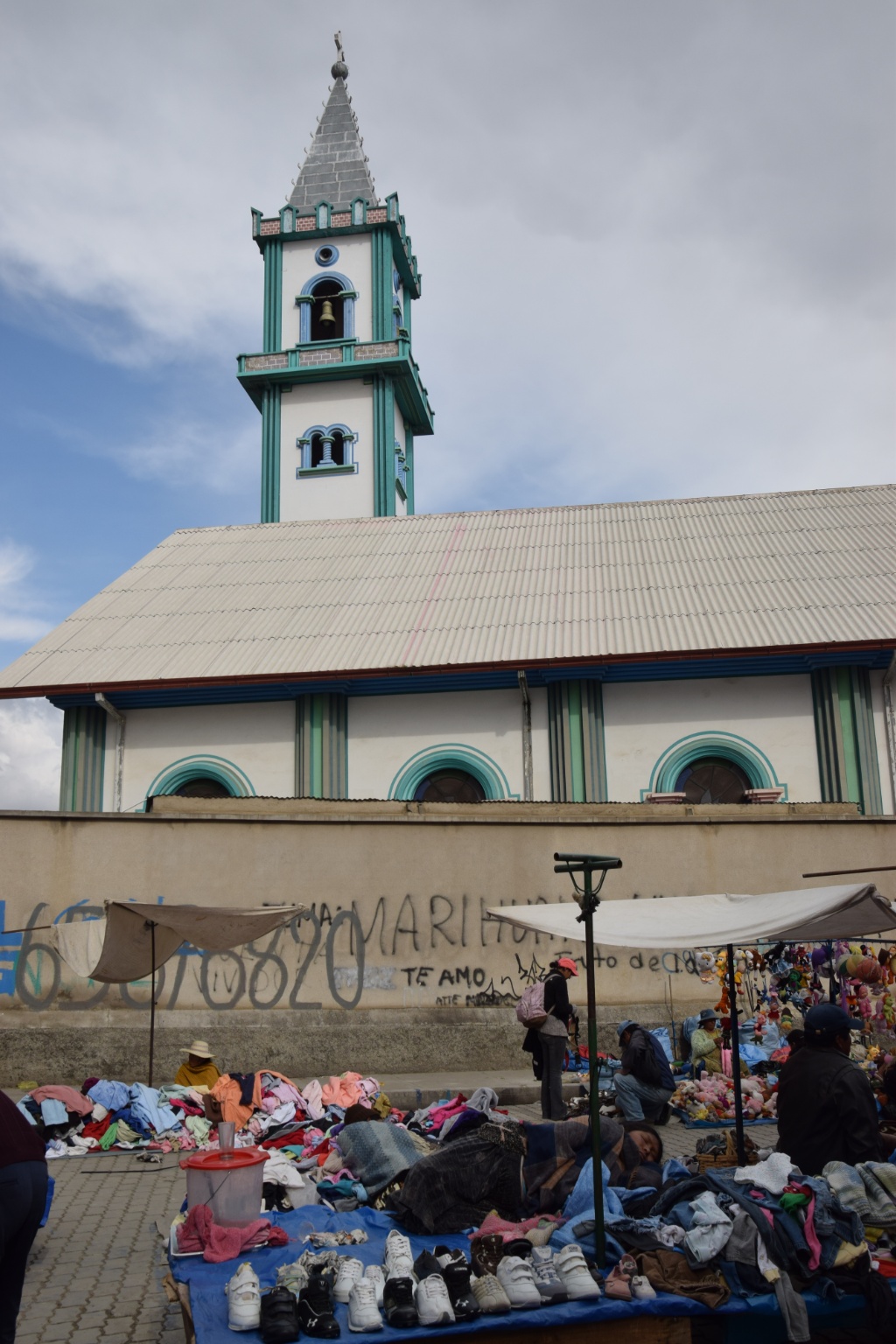
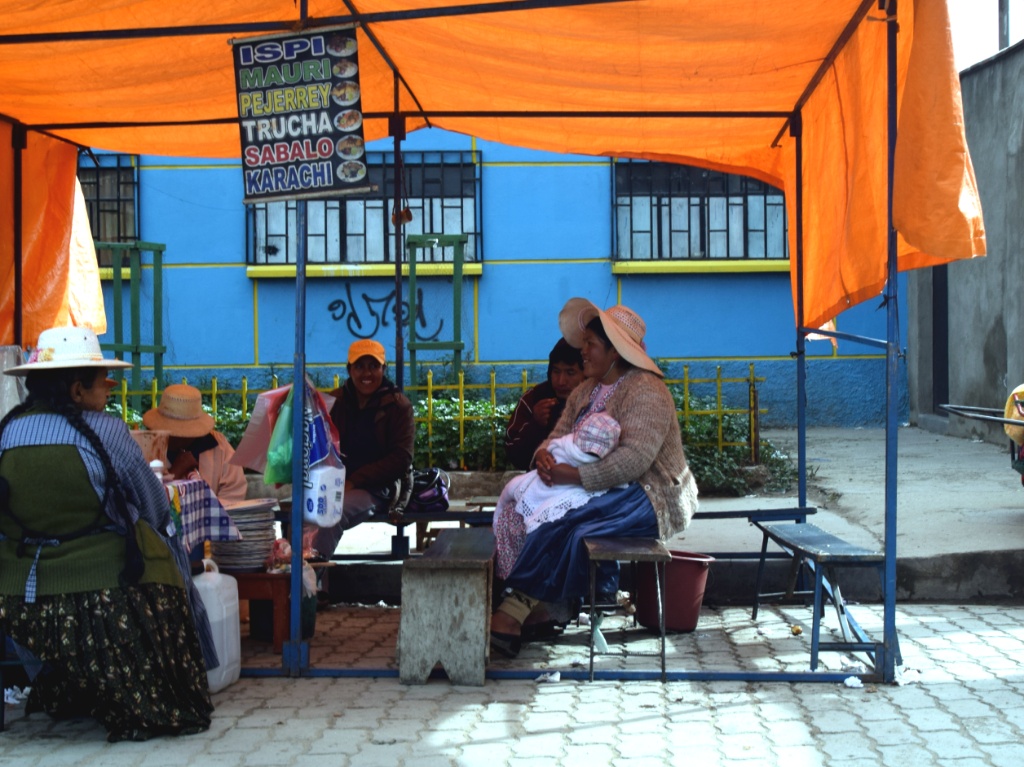
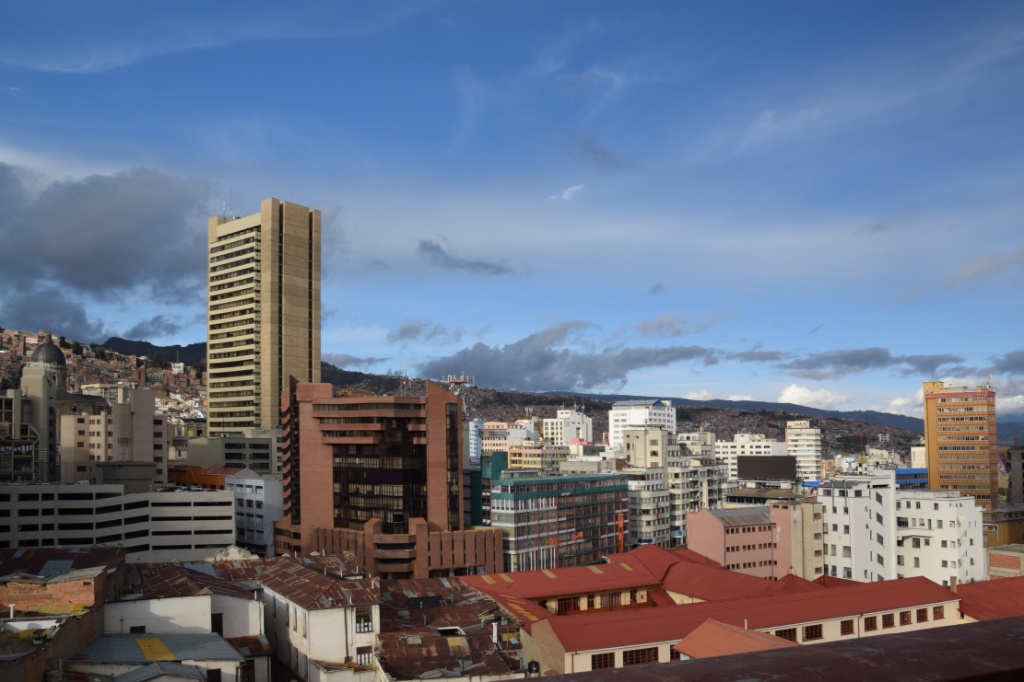
Here are some photos taken during the walking tour:
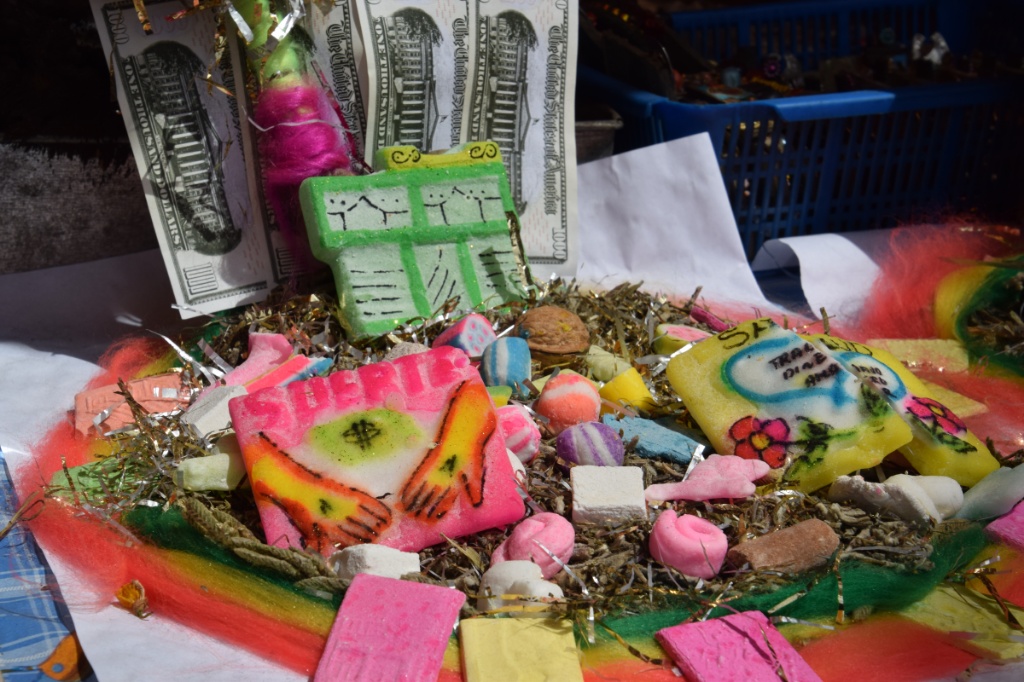
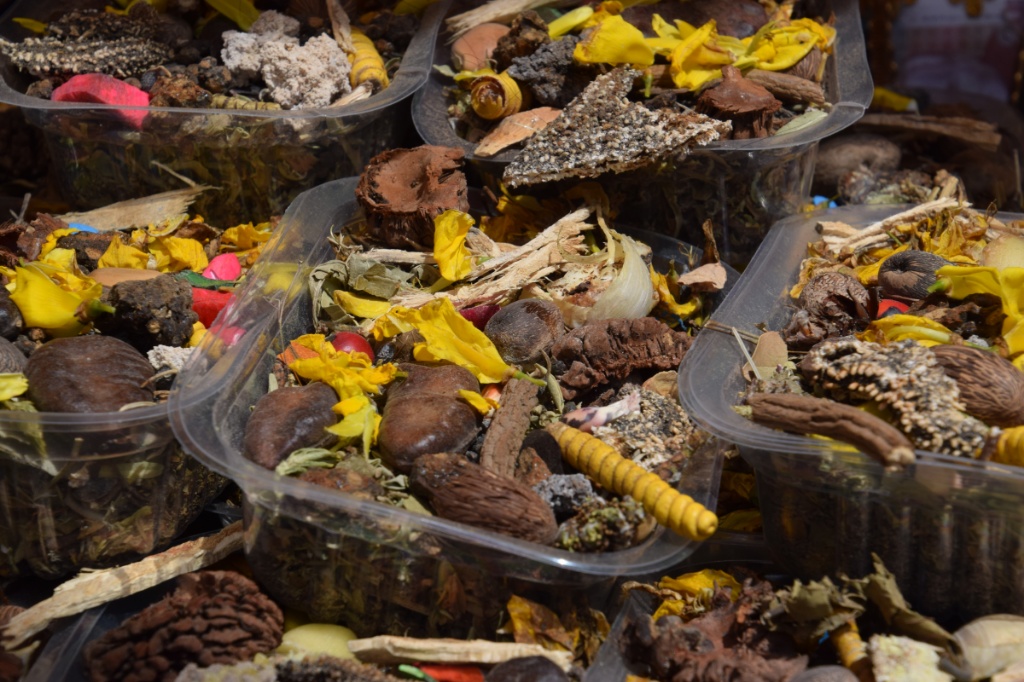
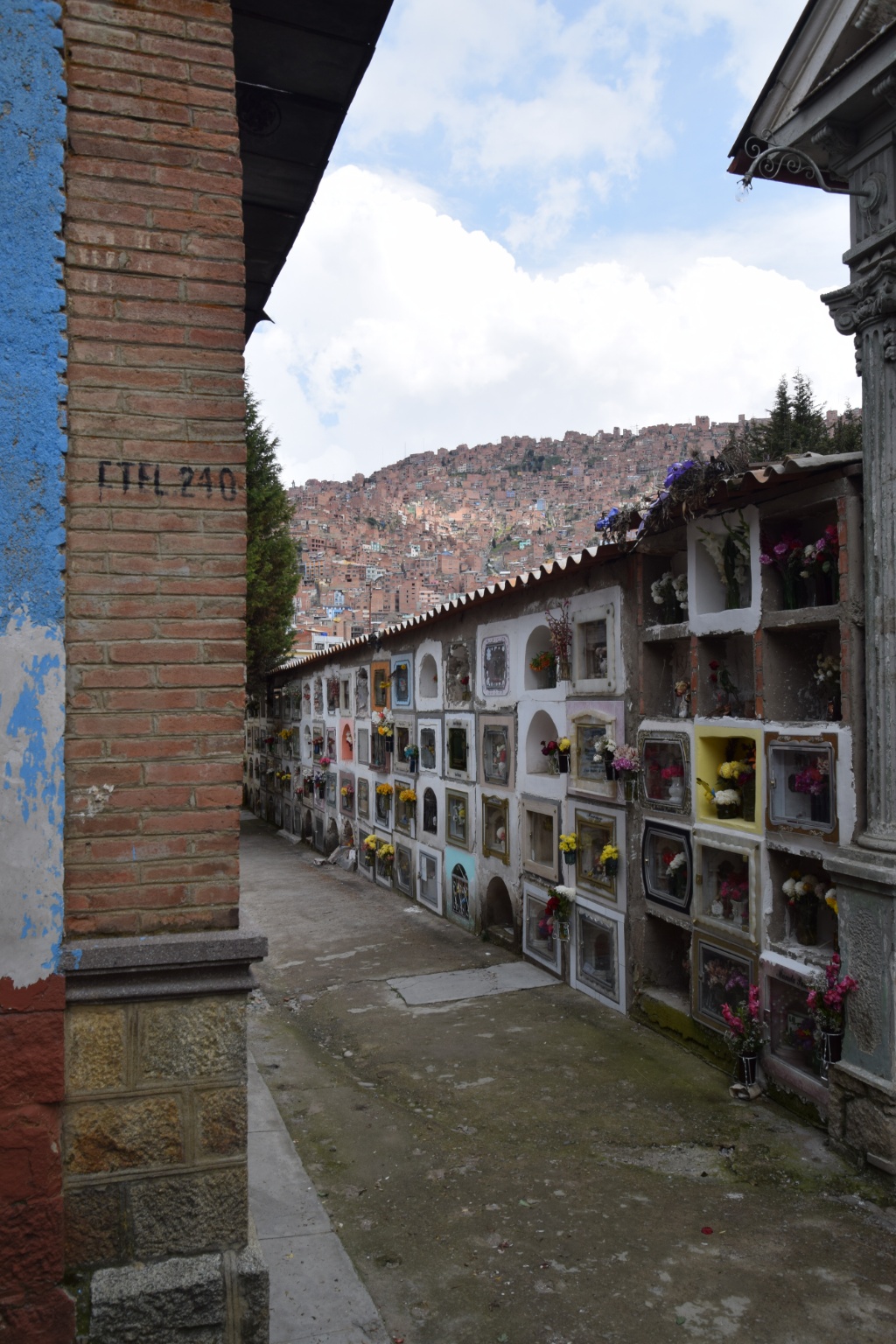
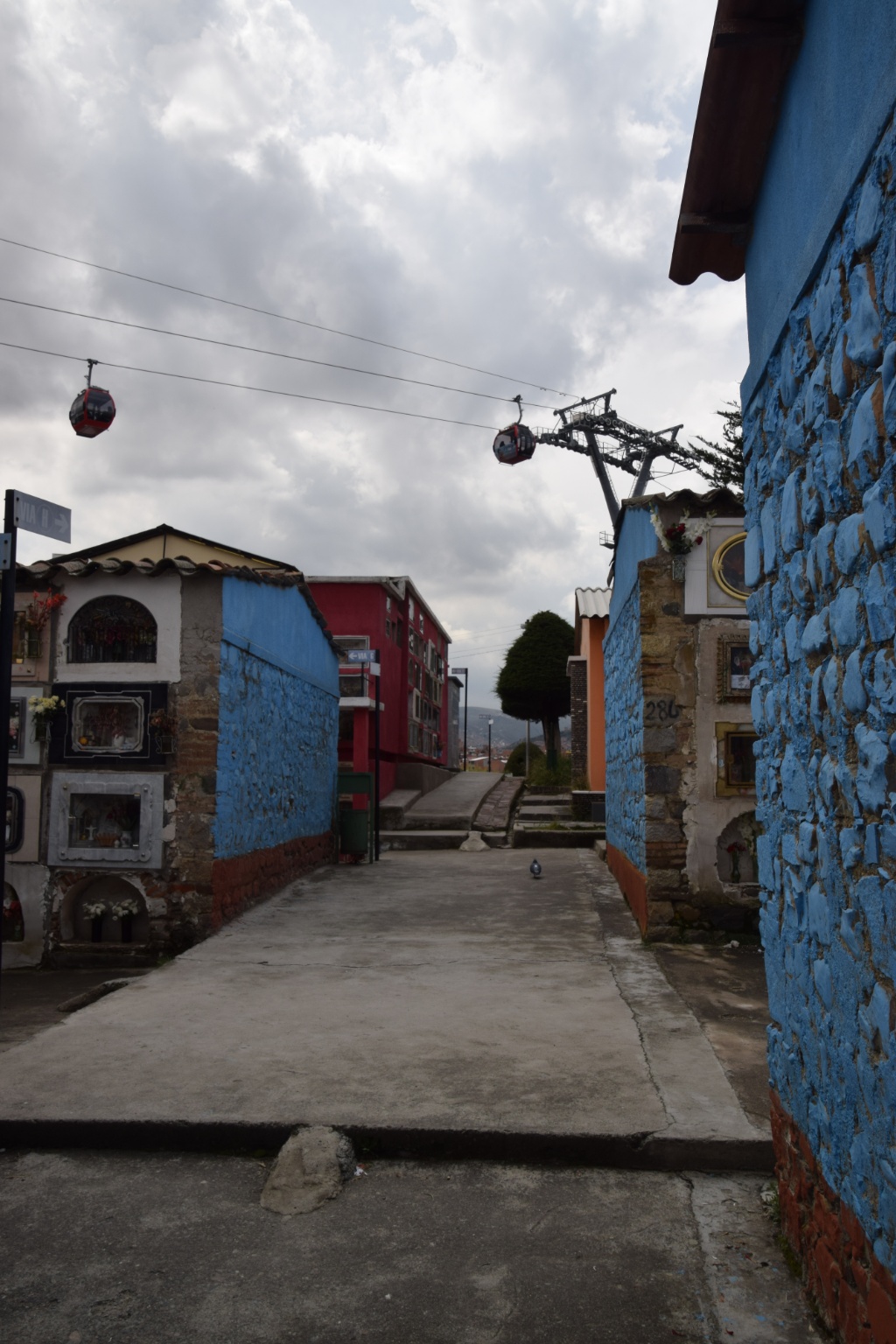





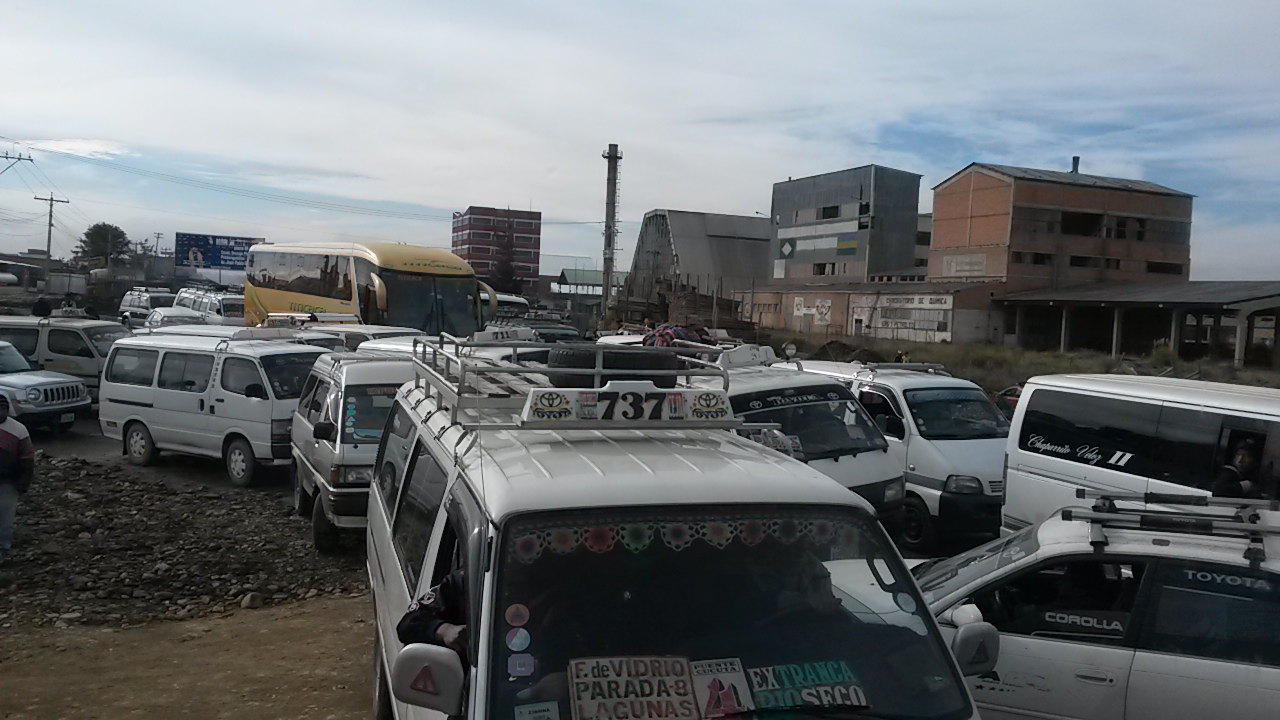

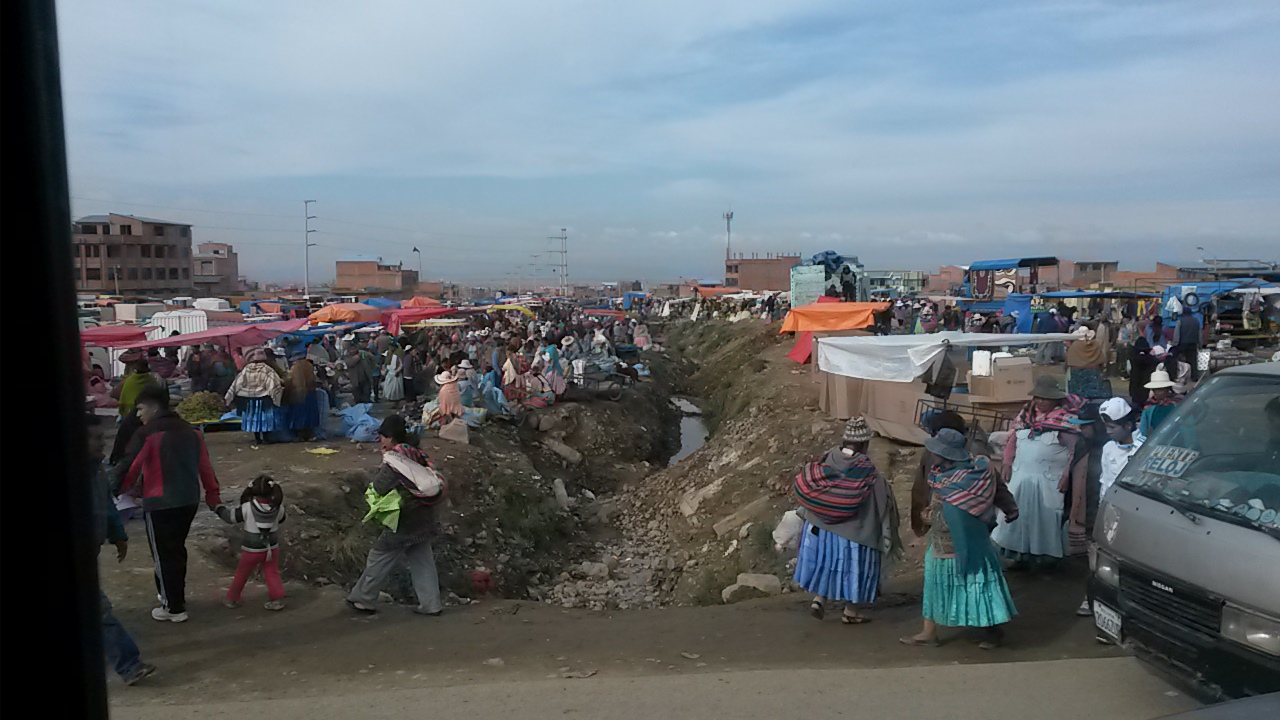
After exactly 4 months I made my way back home. I arrived in Hamburg friday night, coming from Lima, 120 days after I left for New Zealand. It was a fabulous adventure and I could have easily kept on travelling, even though I admit that I would have needed a break, that is to spend a while in one place.
I had no reason for this journey other than that I longed for a break from work and that the wish for a longer trip had always occupied my mind. I enjoyed every minute of it! Would I do it again? For sure, any time!!!
I feel blessed that I had the possibility and the means for this exciting journey that once again broadened my horizon in so many ways. I am grateful for the enriching encounters with the many wonderful people that crossed my path or travelled with me for a while or even hosted me. And I am overwhelmed by the beauty of nature in all its facets and I hope we’ll be able to conserve it for generations to come.
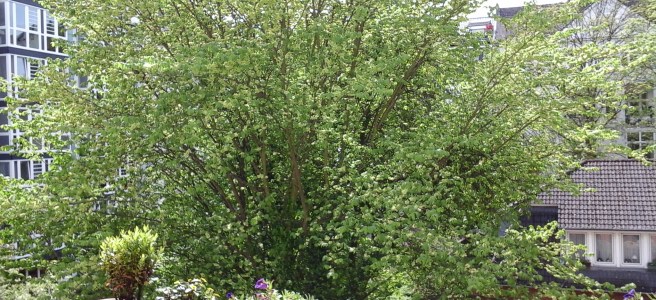
Coming back to Germany made me realize how incredibly green this country is, in particular at this time of the year. And bright yellow, thanks to the many rapeseed fields. And clean, and organized (traffic!). On the friday evening flight from Düsseldorf to Hamburg, however, were many business people dressed up in their suits, all trying to look important and busy, talking over the phone and writing emails. And all I could think was “why don’t you all relax a little and take it easy?!?”.
So what does it feel like, coming home after four months of travelling? I feel incredibly relaxed, happy, serene! “Fröhlich und gelassen”, I’d say in german. It feels good :-)!
Did I miss anything? No. Nothing. I thought I’d miss my own bed but I didn’t. However, I’m really happy to see all my friends and family again! What a wonderful welcome you gave me :-)! Thank you all for following me on my trip through the posts that I’ve written.
I might continue writing in one way or another, although I guess my life won’t continue being as exciting. And I still owe you a couple of blog entries on Bolivia and Peru (I am lagging behind), which I will upload in the next couple of days.
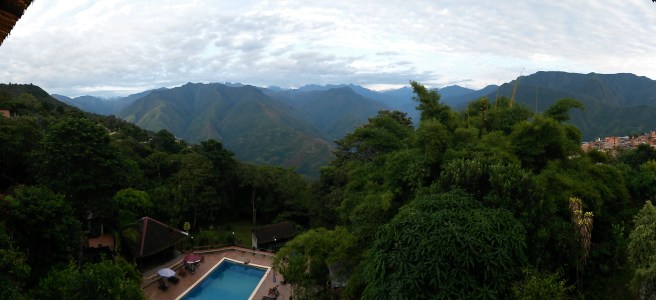
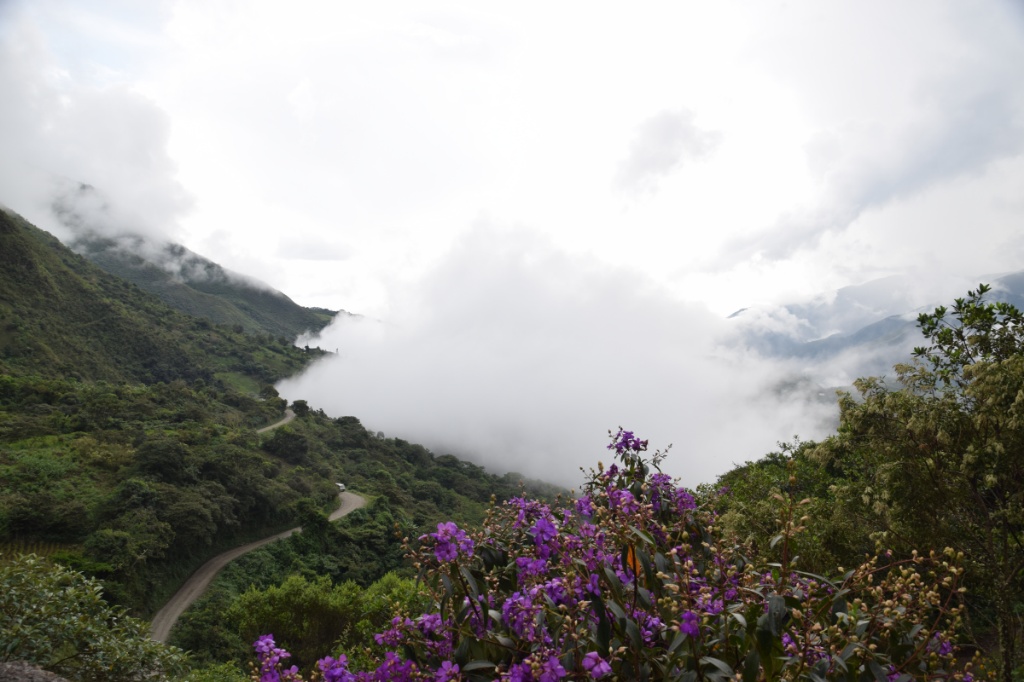
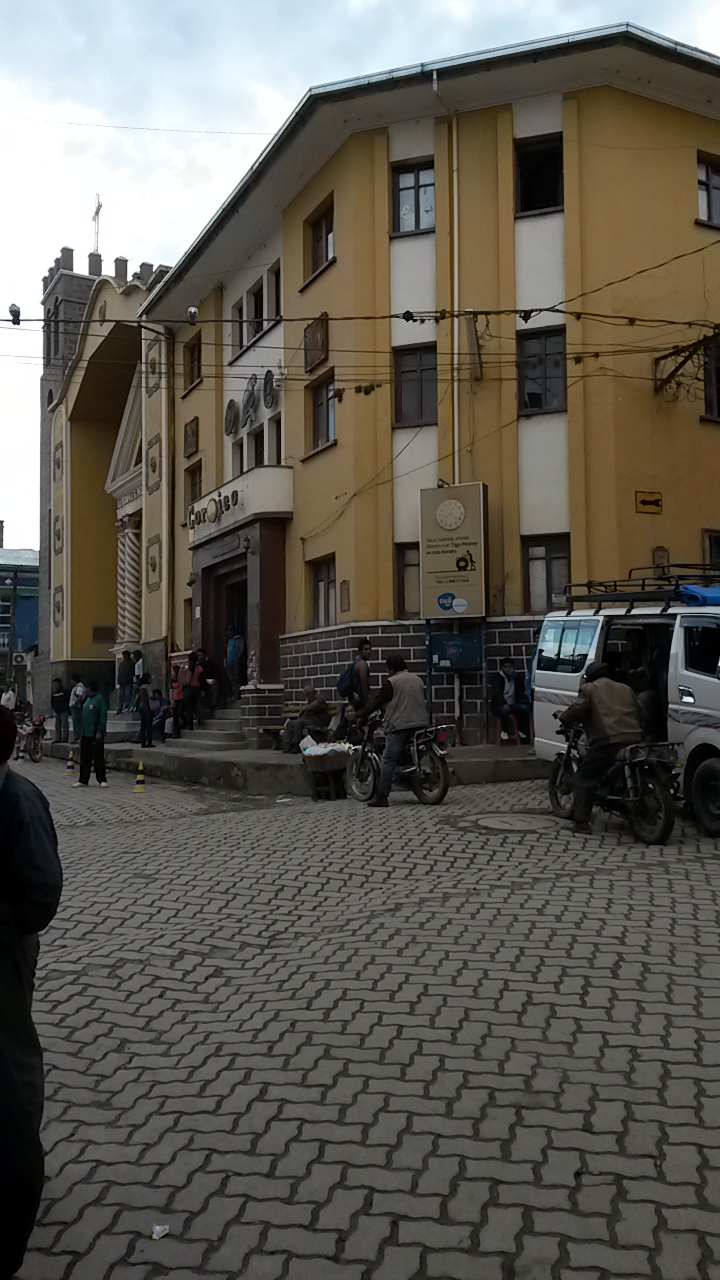
A surprisingly comfortable night bus brought us to La Paz and we escaped the city straight away by taking a Minibus down to Coroico. Within 1.5 hours you drop 3500m down (Coroico is on 1700m), and from temperatures close to zero (on the pass) to more pleasant 28° C. Can you imagine the dramatic change of scenery from snowcapped mountains to jungle green!?!

 I’m glad I did not take a bycicle down the famous death road, though. It was scary enough to watch the cyclists from the car. But local transport isn’t necessarily a safer option. On our way back up, three days later, we saw a Minibus that went over the edge. Luckily it got stuck in some bushes on the steep slope. The locals in our car said it happens frequently because the drivers fall asleep…
We came to the so called Yungas with the intention to digest the overflow of impressions gathered on the past the days on our tour to Uyuni, but where overwhelmed with yet more impressions. Hotel Esmeralda was just the right spot for that task: a room with a view, a pool and sunshine.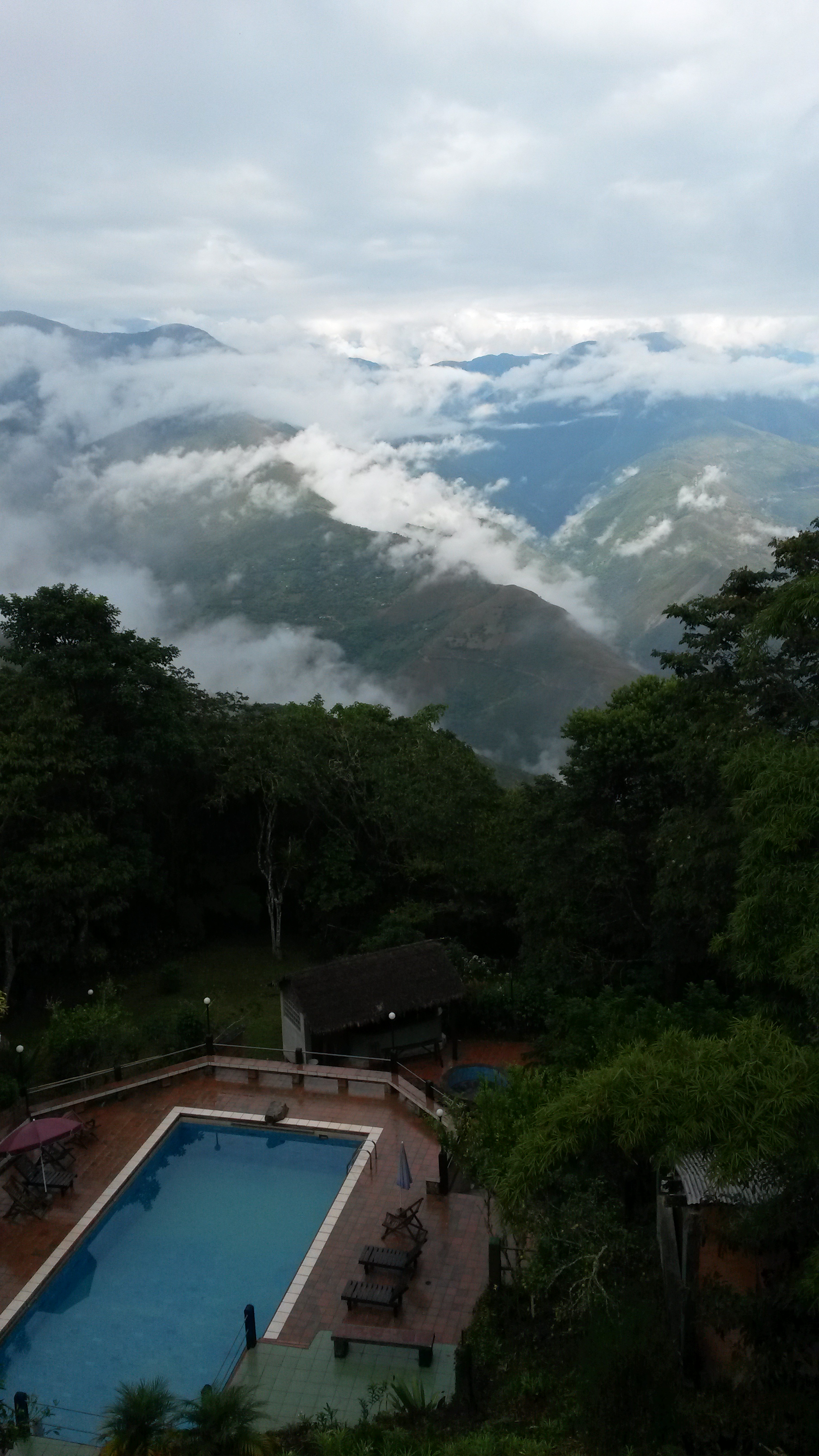
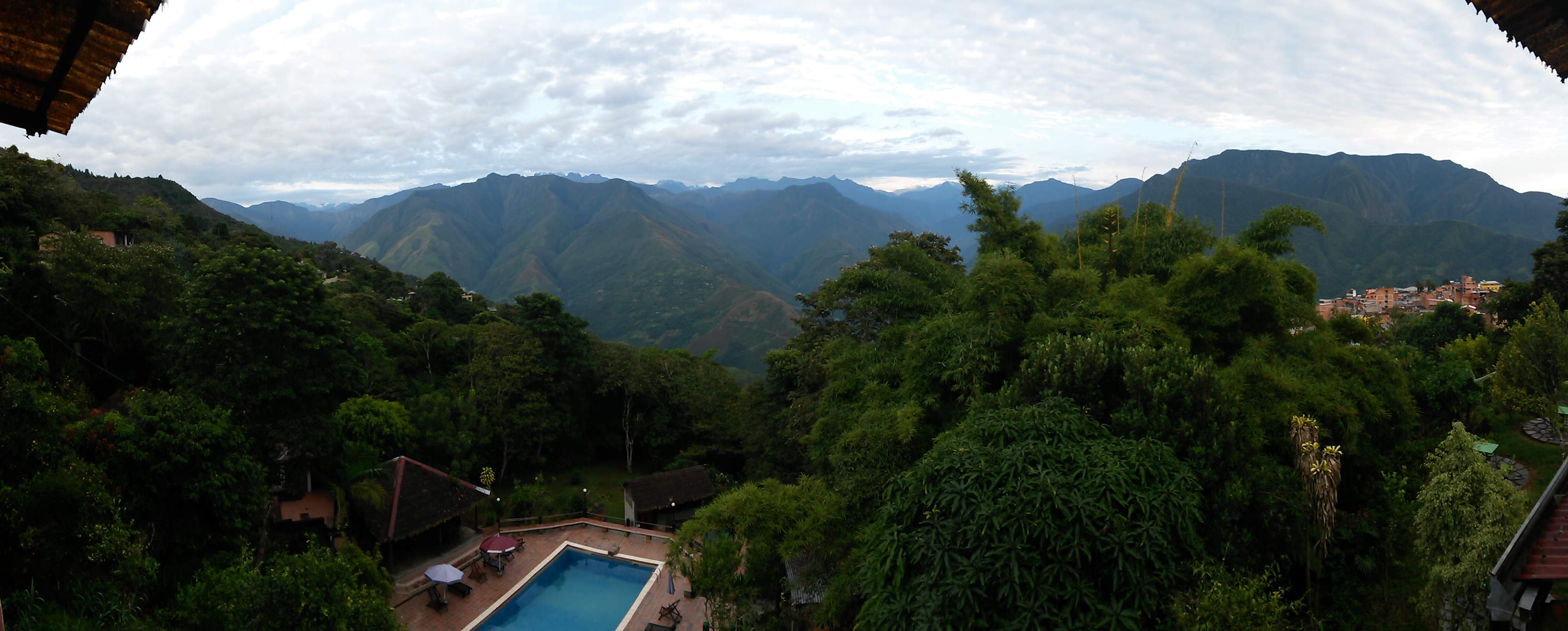
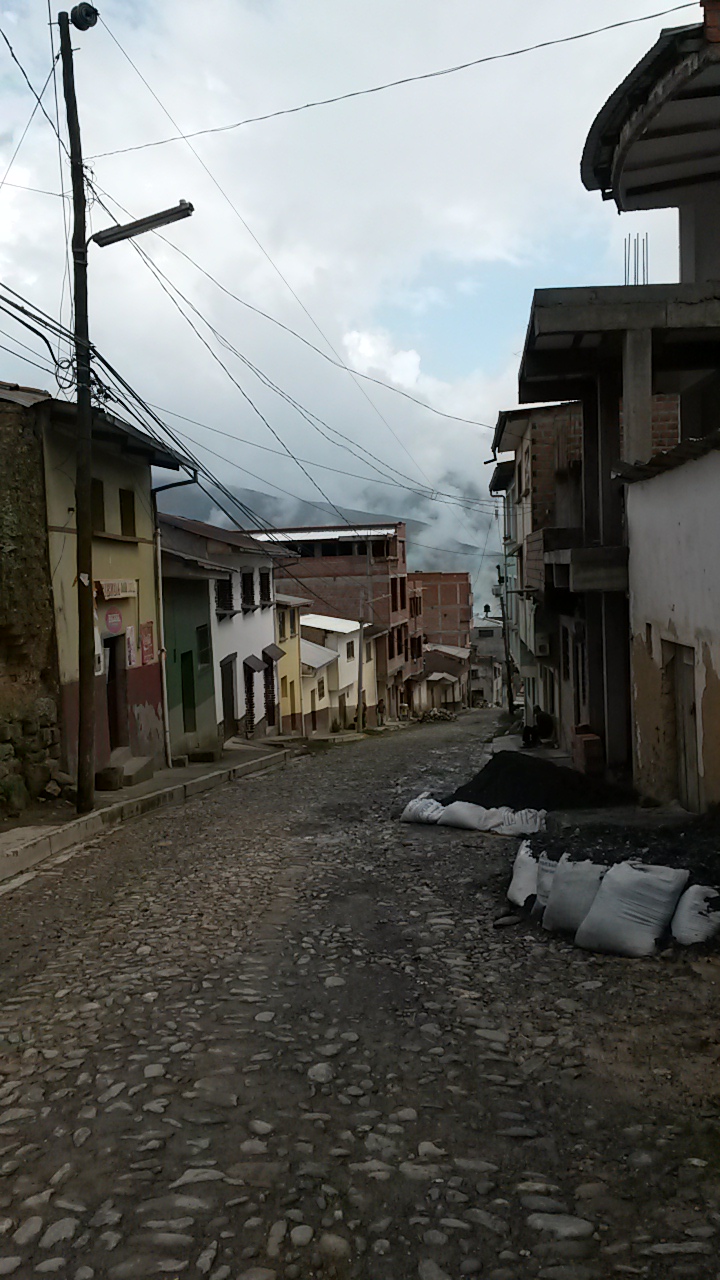

On day two, though, we got restless and went for a ride with a local collectivo to a beautiful waterfall from where we walked back to town.
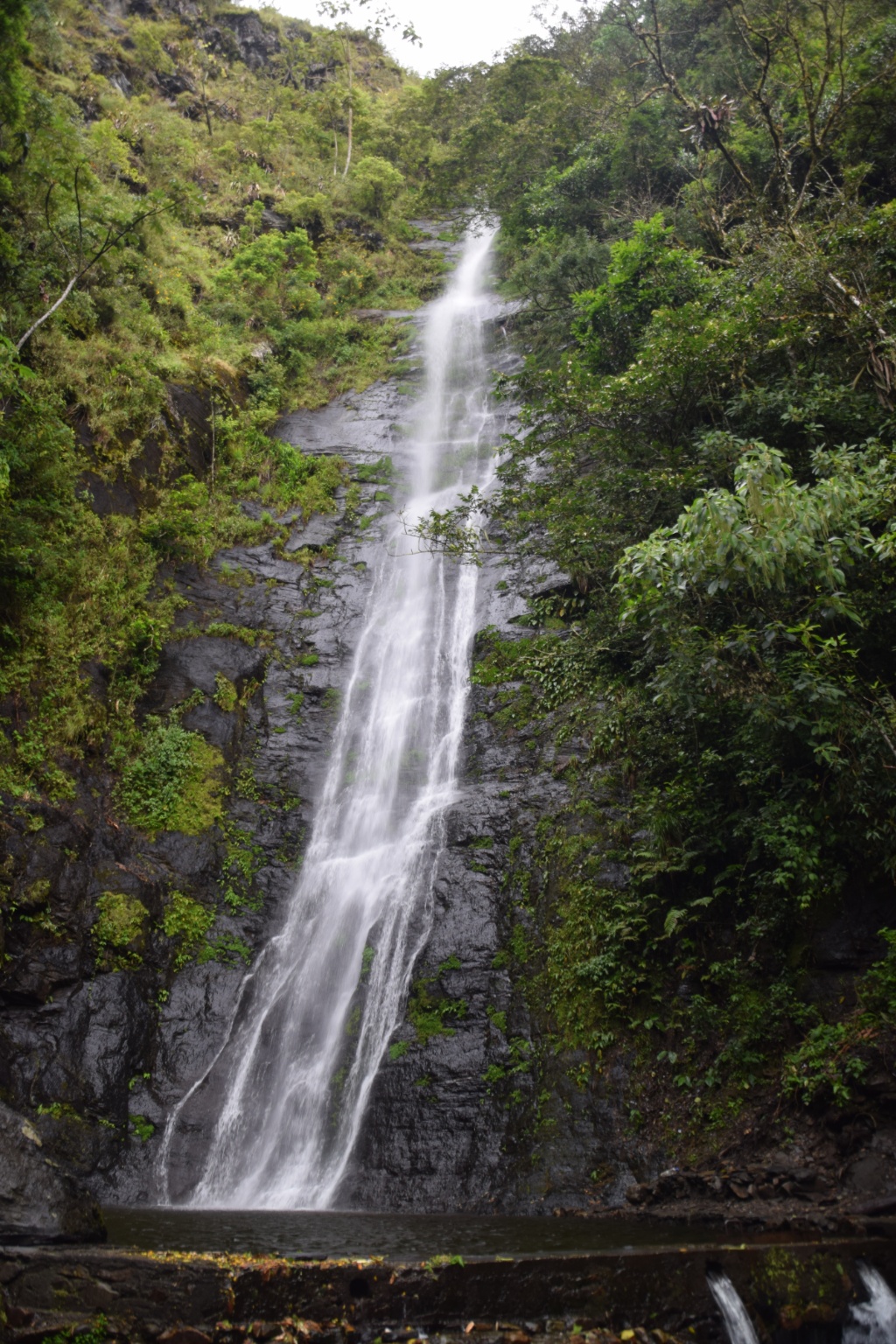
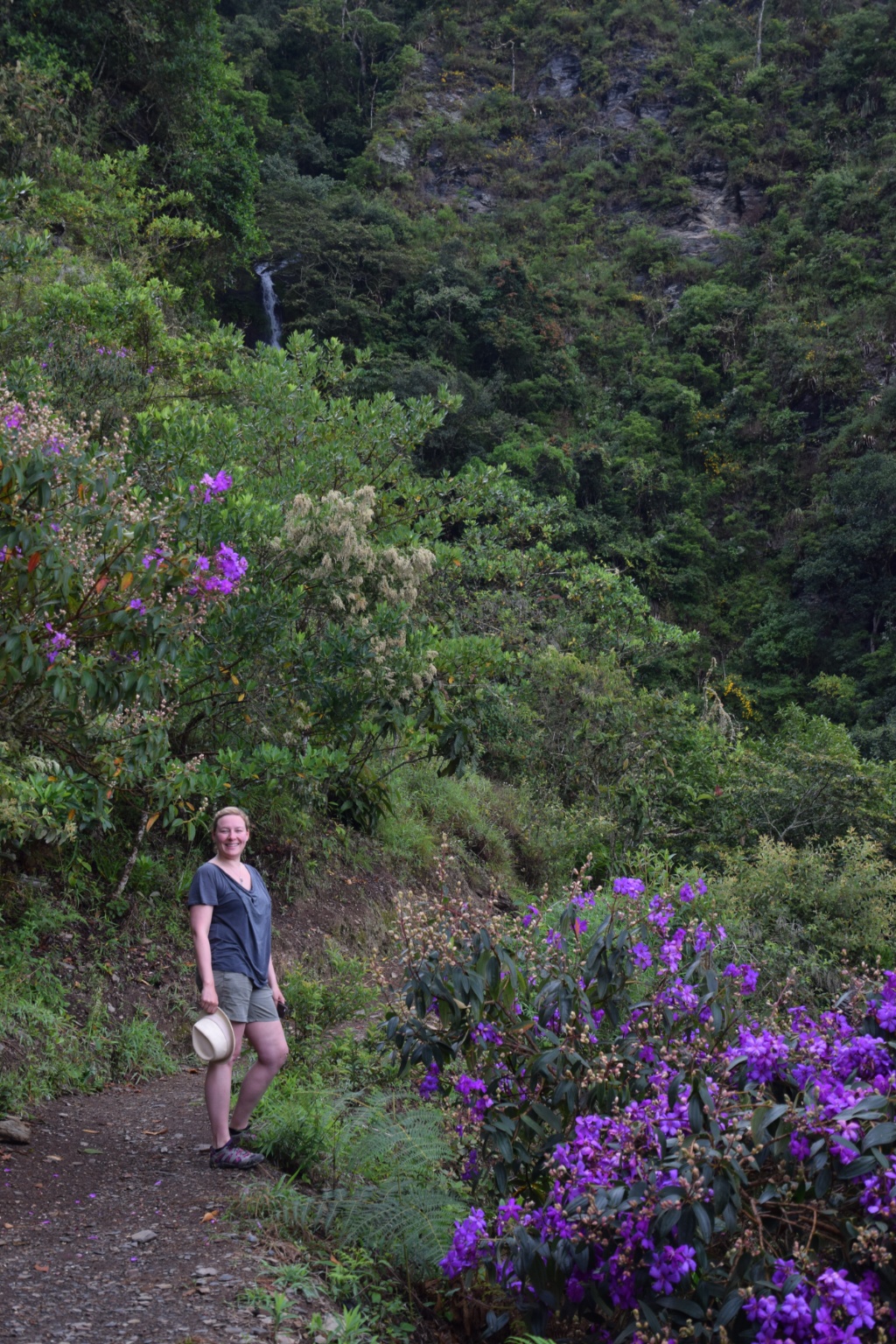
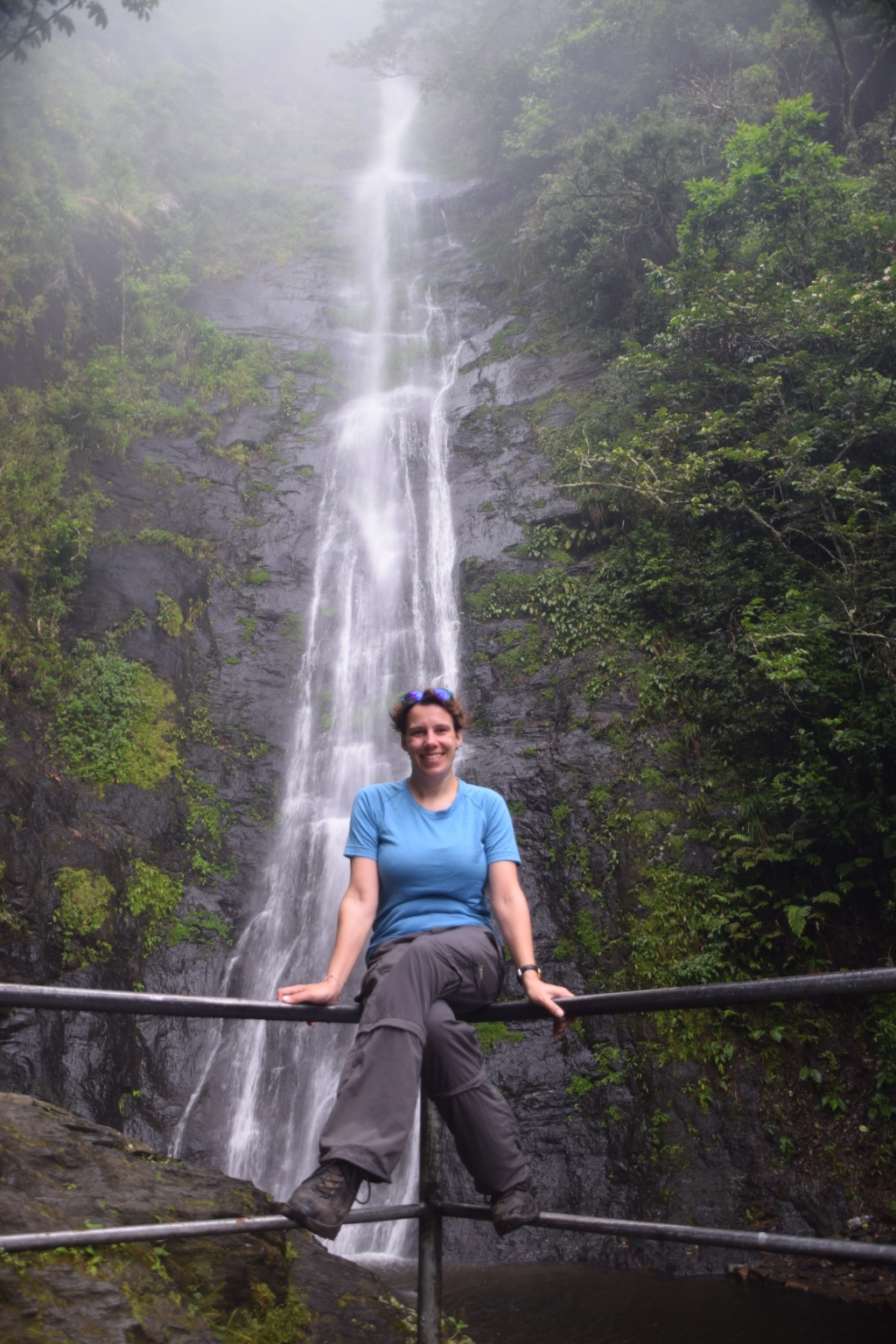
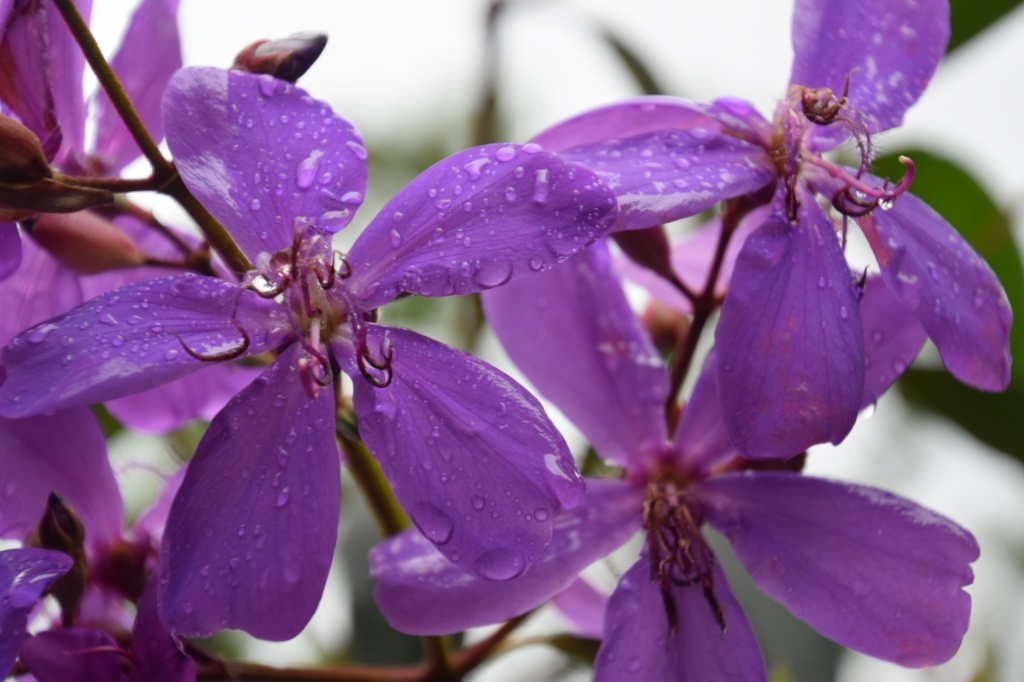

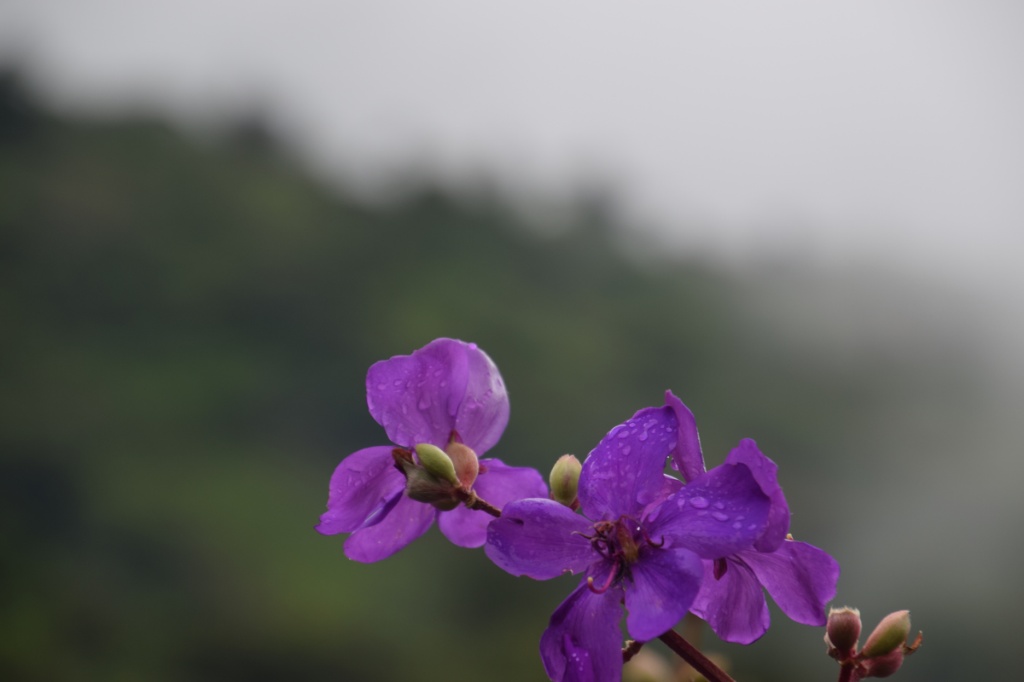
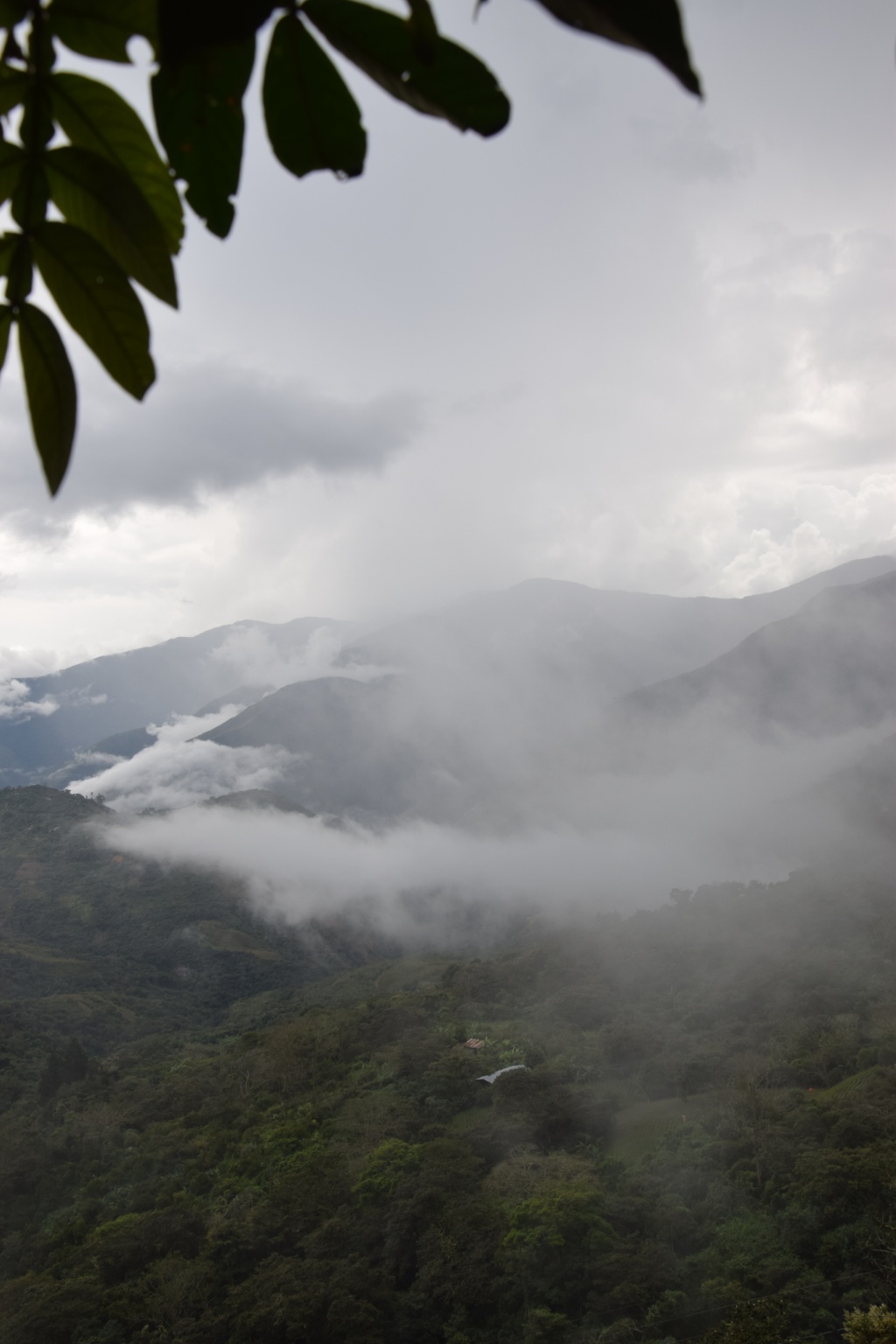


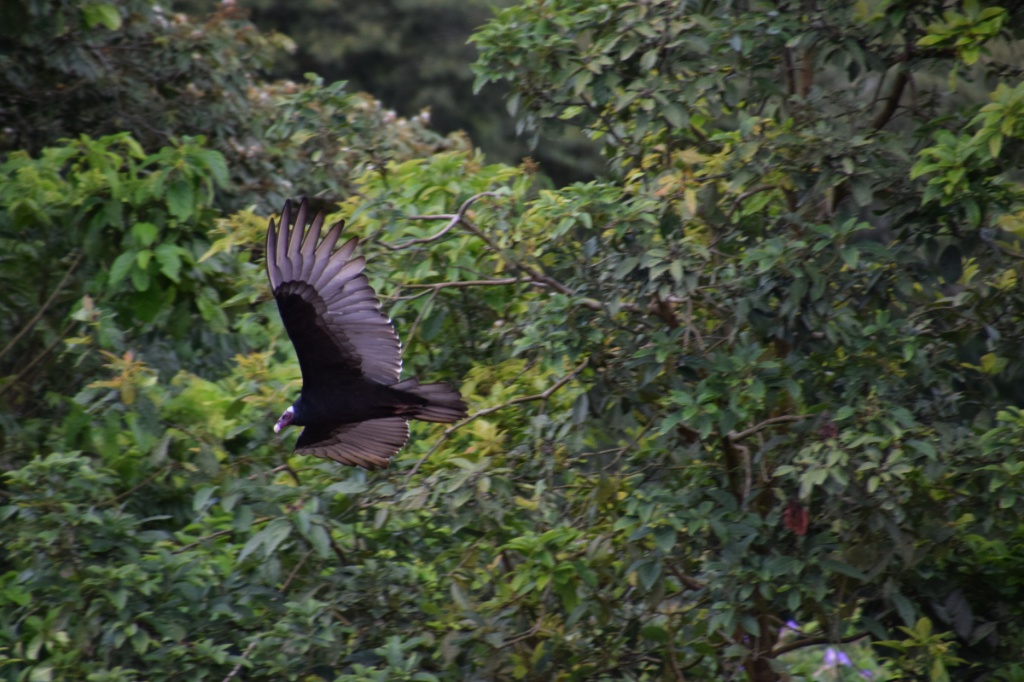

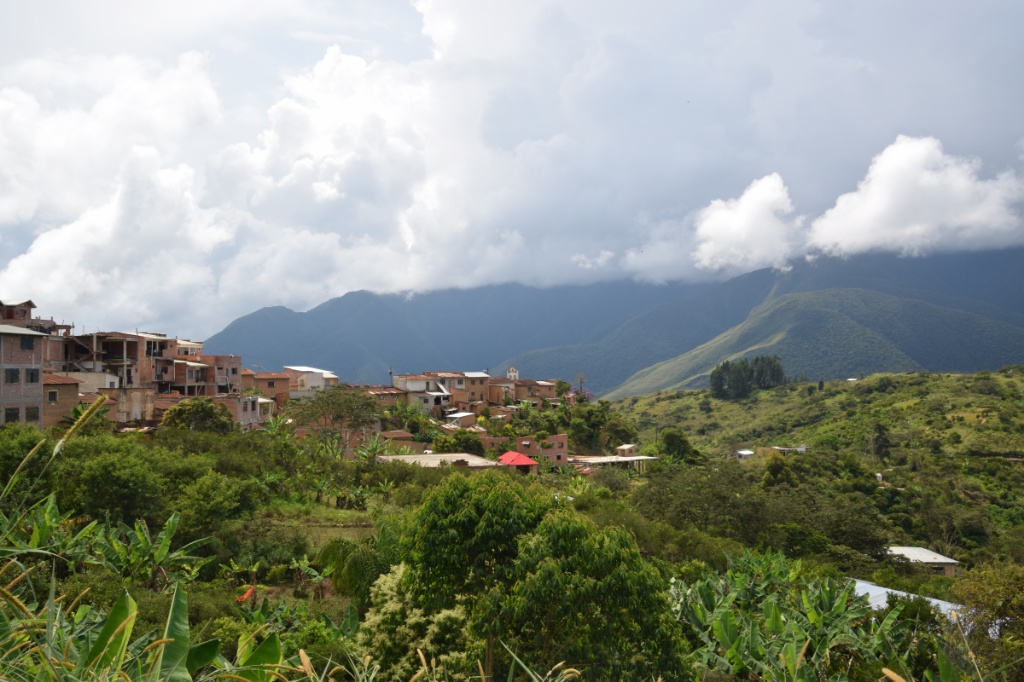
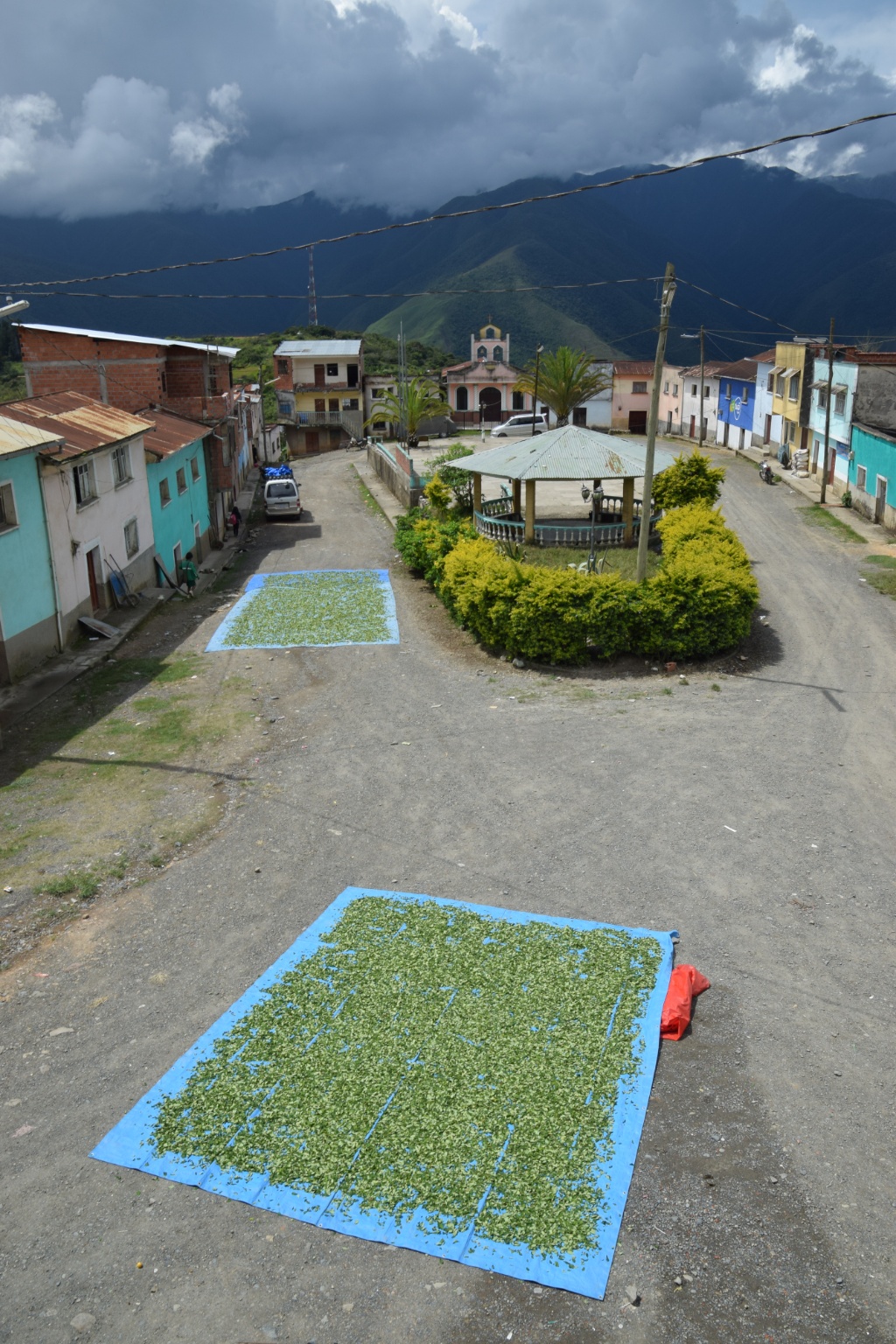
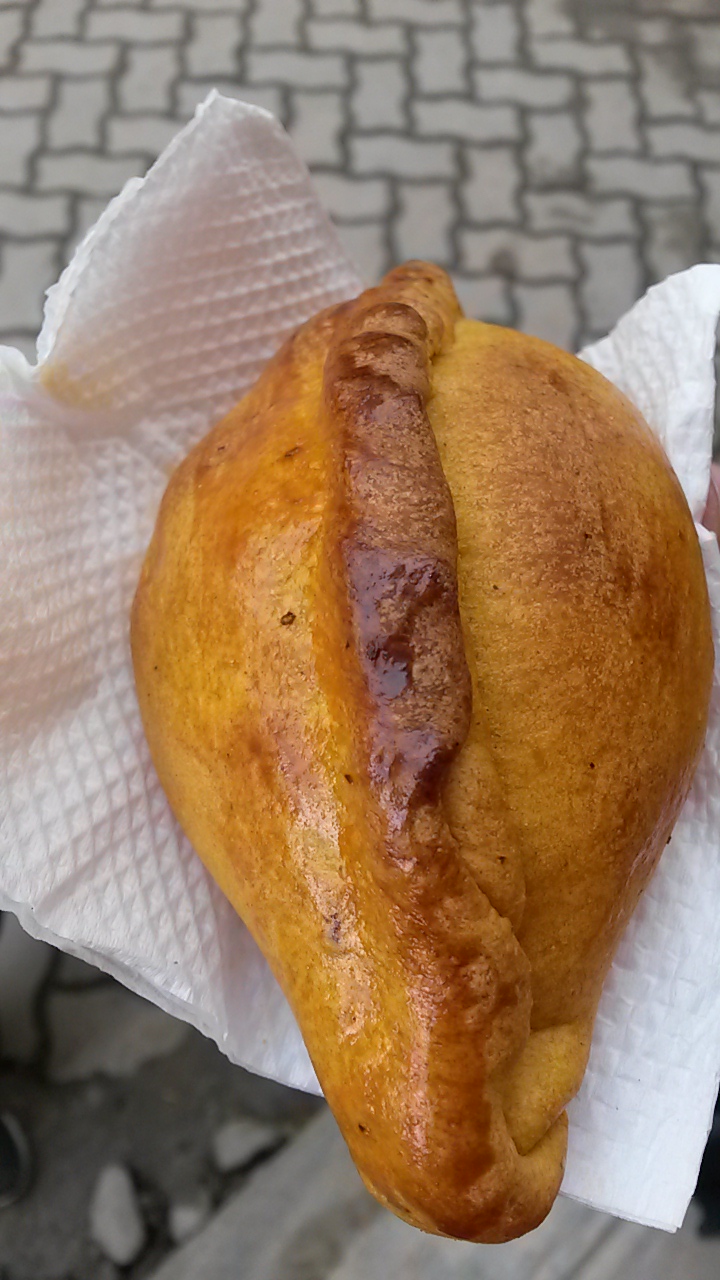
Backpacker-schlepp… 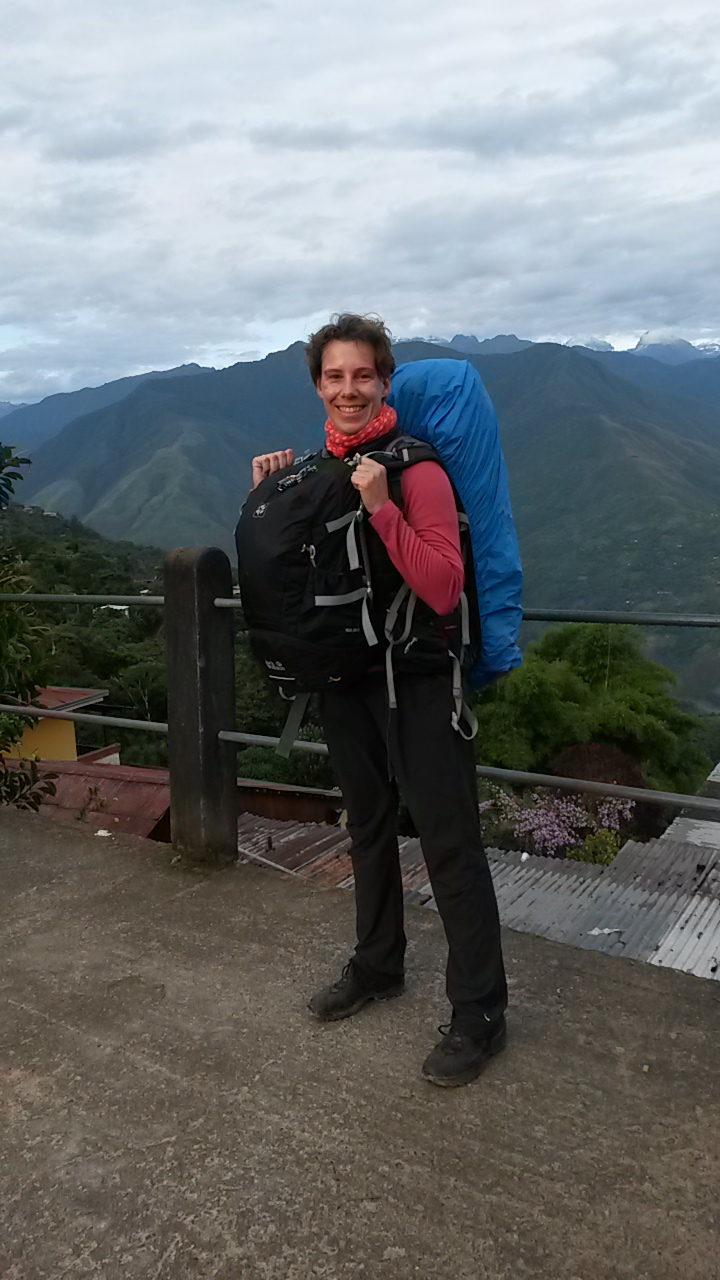 deserved streetfood for breakfast: mini Empanadas
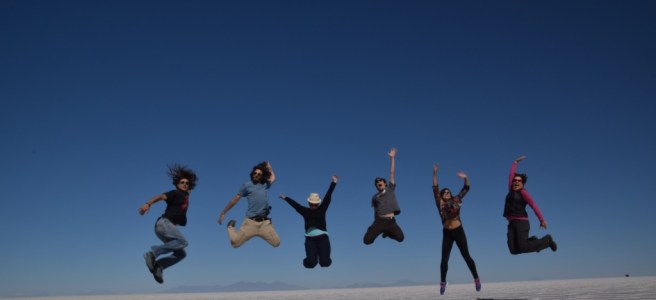
We, 17 people, most of whom I already knew because we’d stayed at the same hostel in San Pedro, hopped onto a bus just after sunrise at 7.30 am and were driven to the Chilean border control outside of San Pedro. Like all other vehicles we were to wait there for around two hours before allowed through, because there had been an accident somewhere on the road and also because it was likely to rain, which usually means that the steep dirt road connecting Chile with Bolivia would be closed.
Finally, we were allowed to pass and for another hour or so we drove through no man’s land, passing the impressive Mt. Licancabur,  until we finally reached the Bolivian border control in the middle of nowhere. It was windy and cold – no wonder, we had reached 4900m above sea level! There is almost only tourists crossing the border at this point, as it’s a major tourist route along the Bolivian / Chilean border and into the famous Salar de Uyuni! Six people plus driver fit into each 4×4 and so we were split up. We were extremely lucky with our driver, as none of the horror scenarios we’d heard so much about came true! It all went smoothly, no breakdowns, no drinking, no skipping sites – Edgar was an experienced driver and (no offence) was quite friendly for a Bolivian…
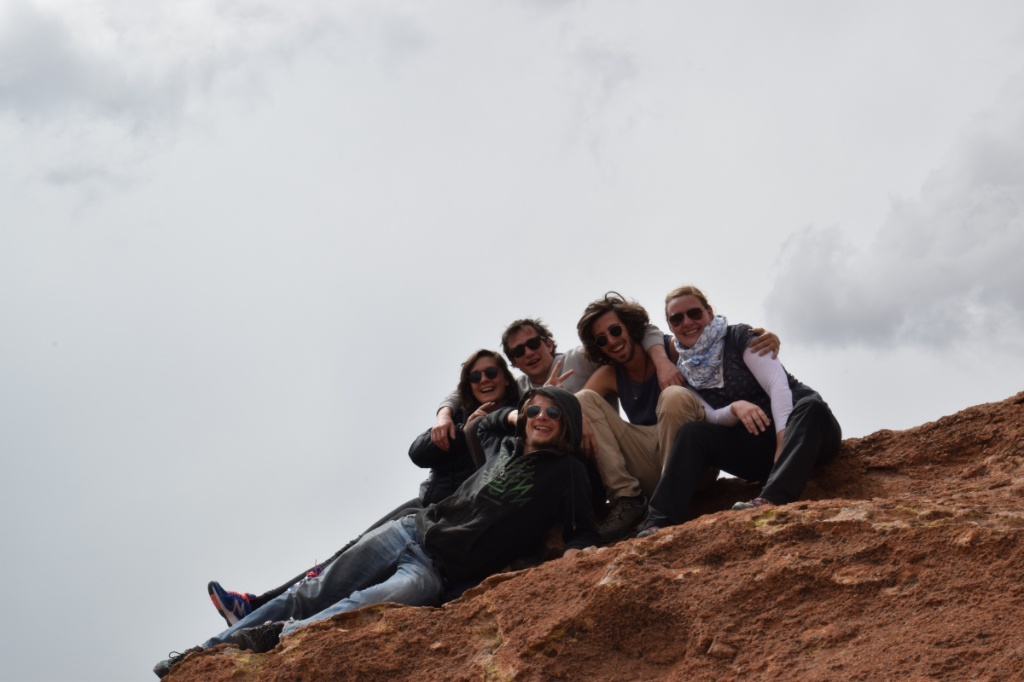
I am very glad that I agreed to take the tour a day earlier than planned, for I was rewarded with a great travelmate and friend. Thank you, Laura! Plus we had a great time with our fab four other Tour de Uyuni family members!
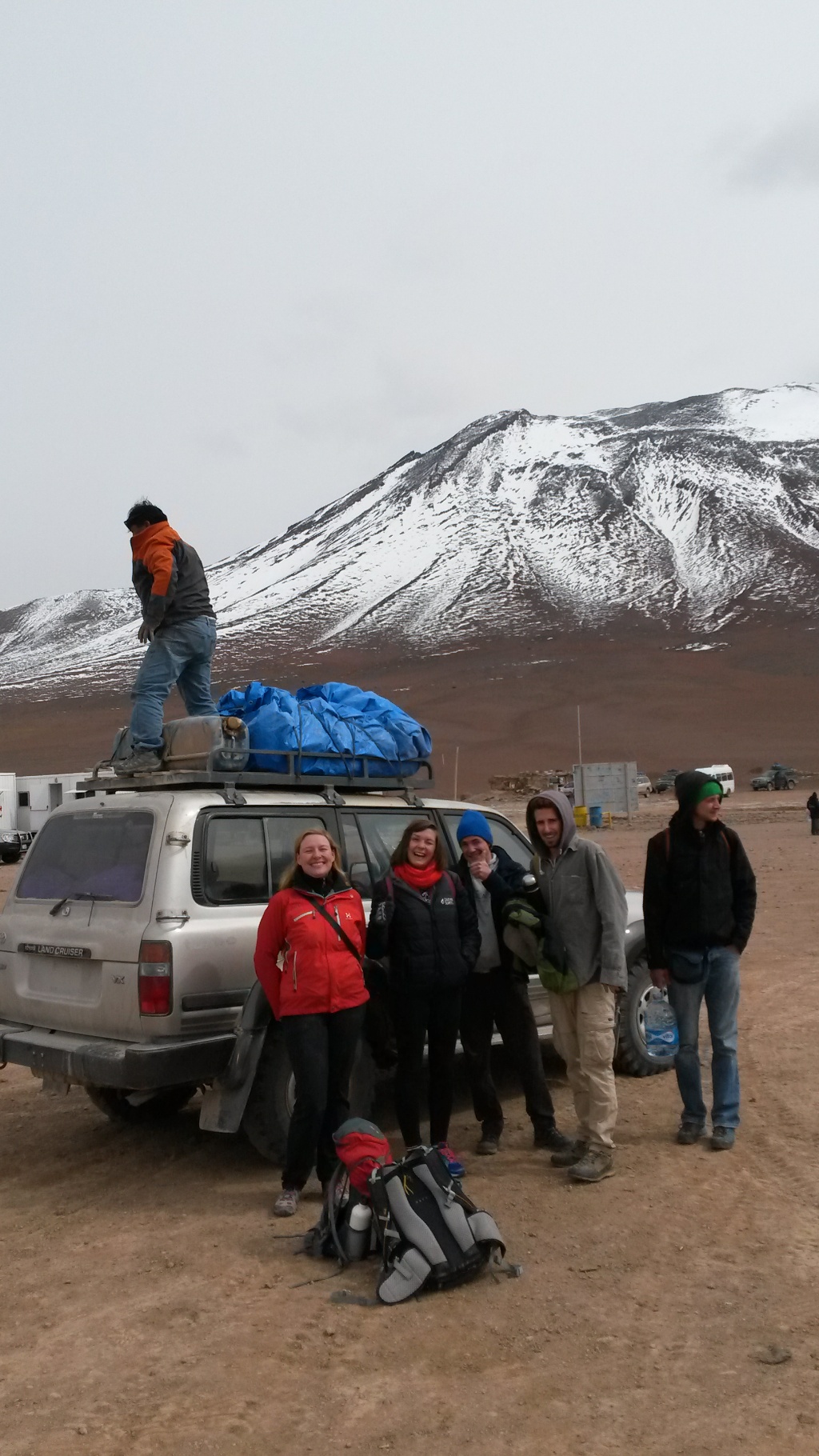
Three days of awesome scenery lay ahead of us:
Day 1)
Laguna Blanca and Laguna Verde 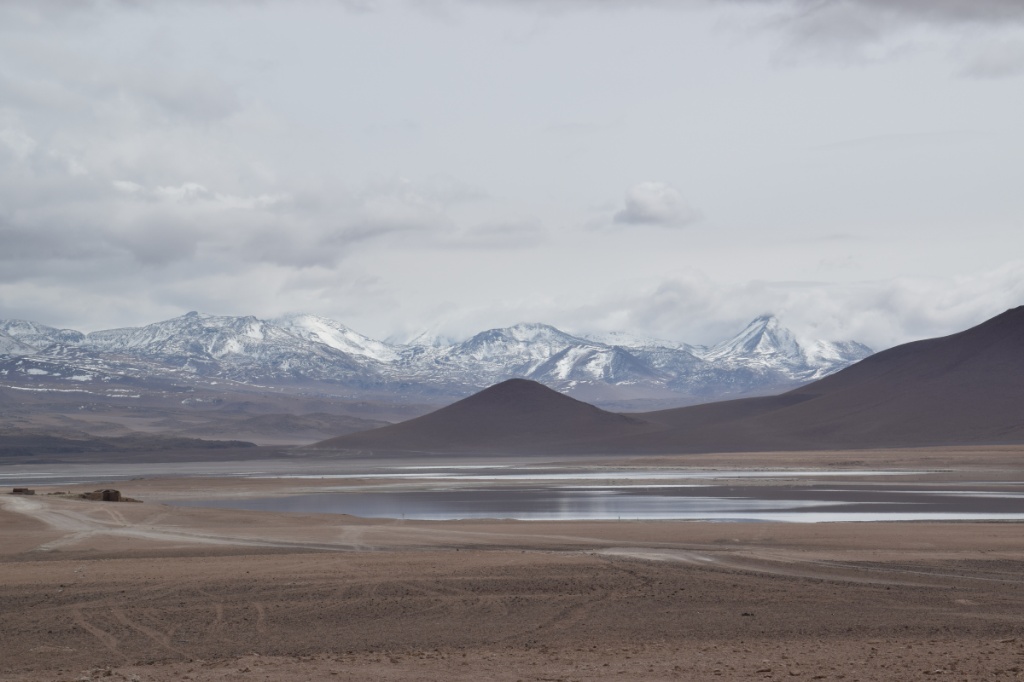
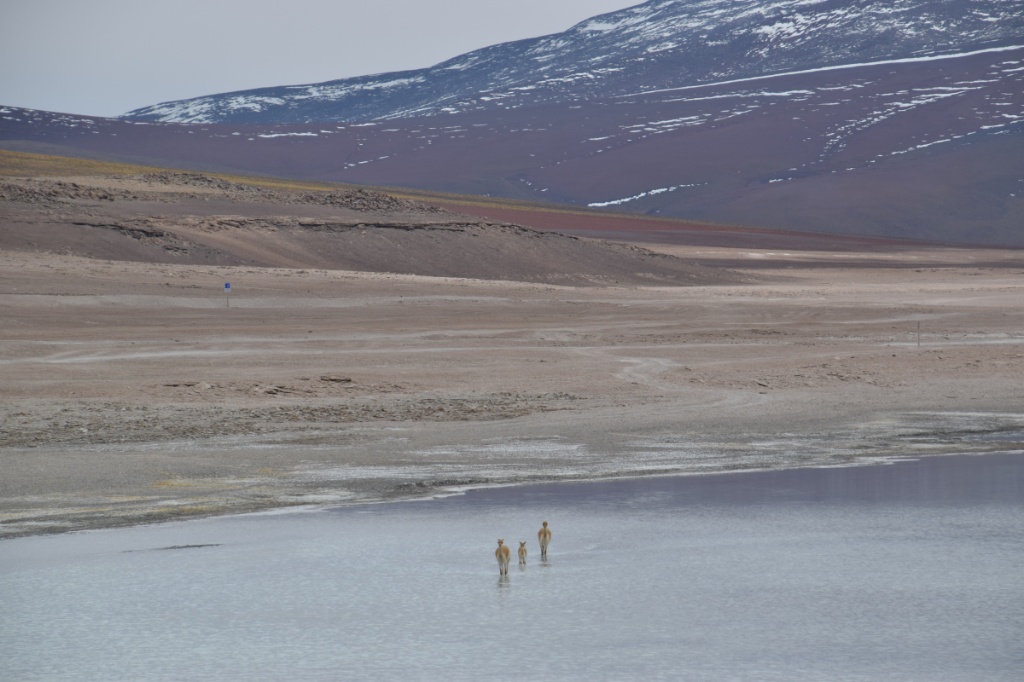
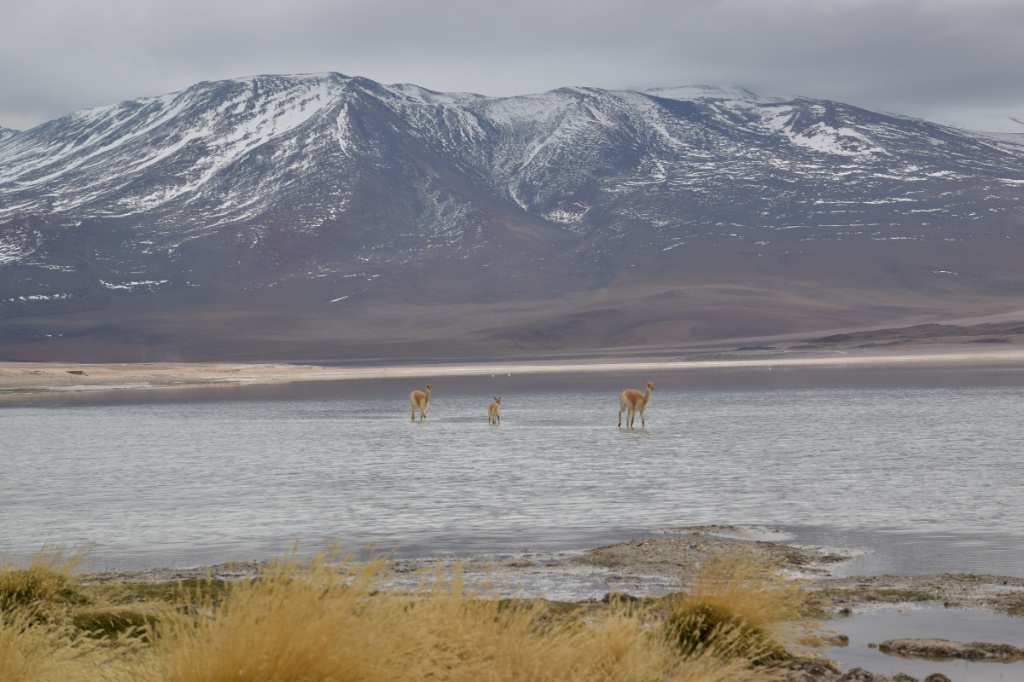
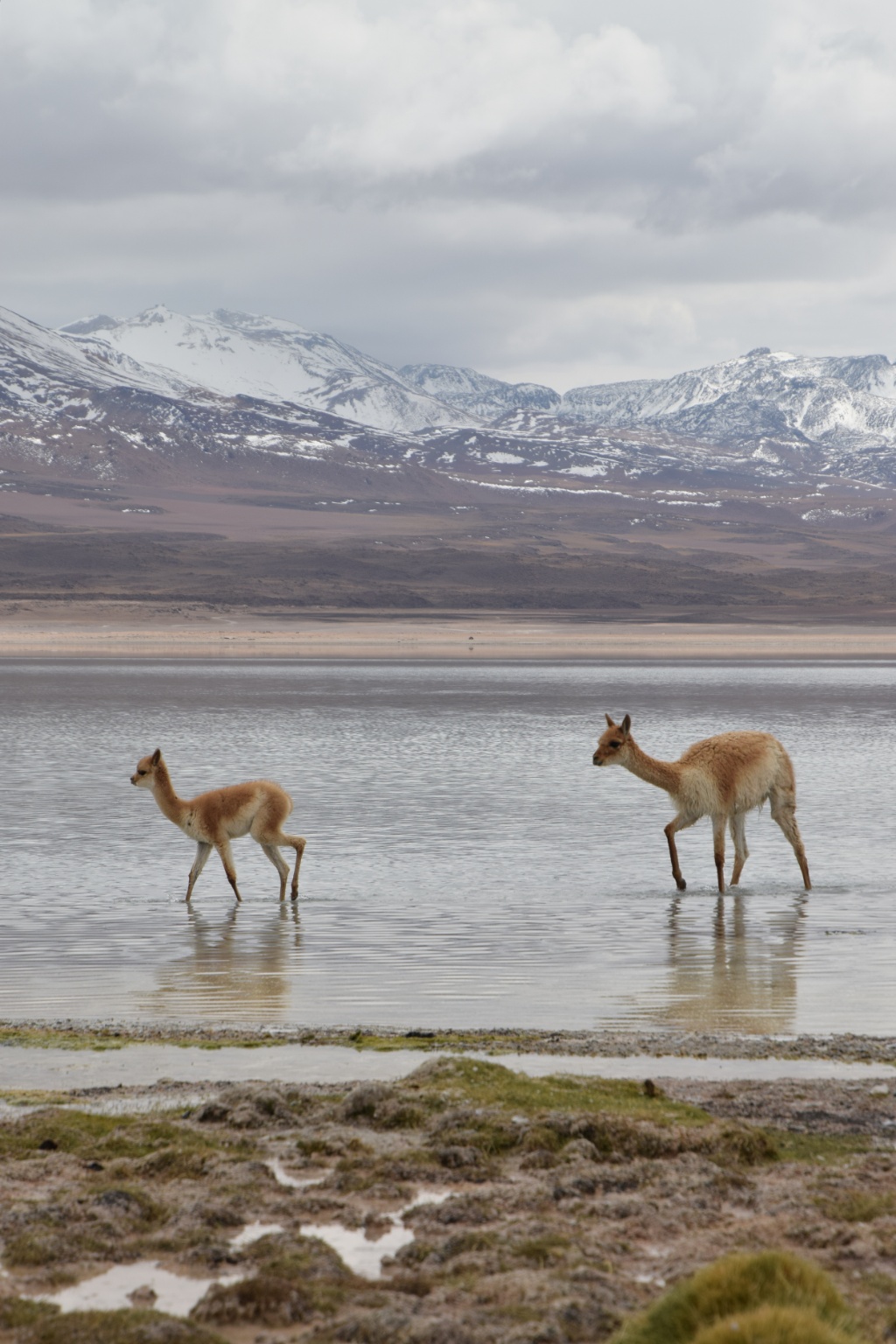
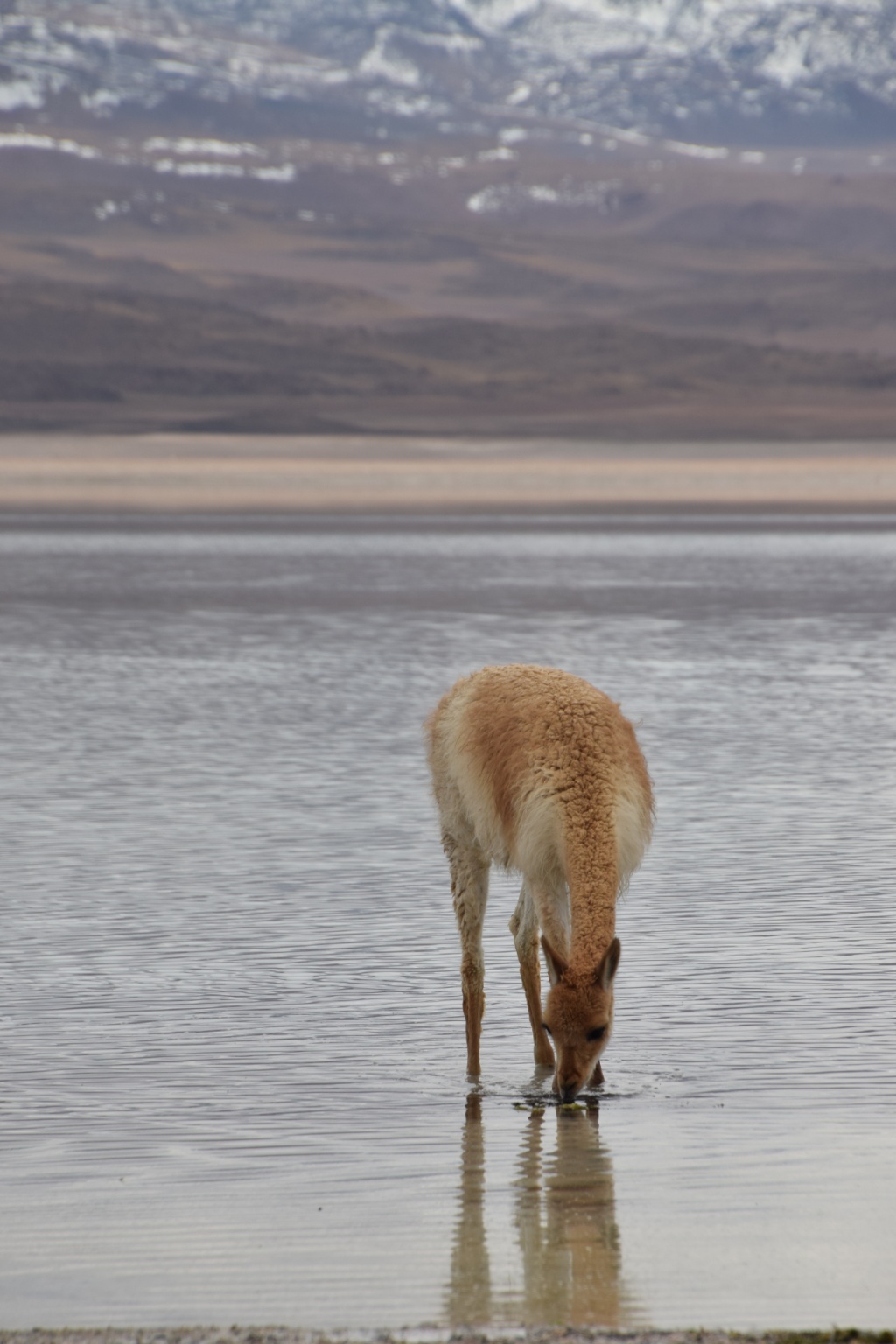


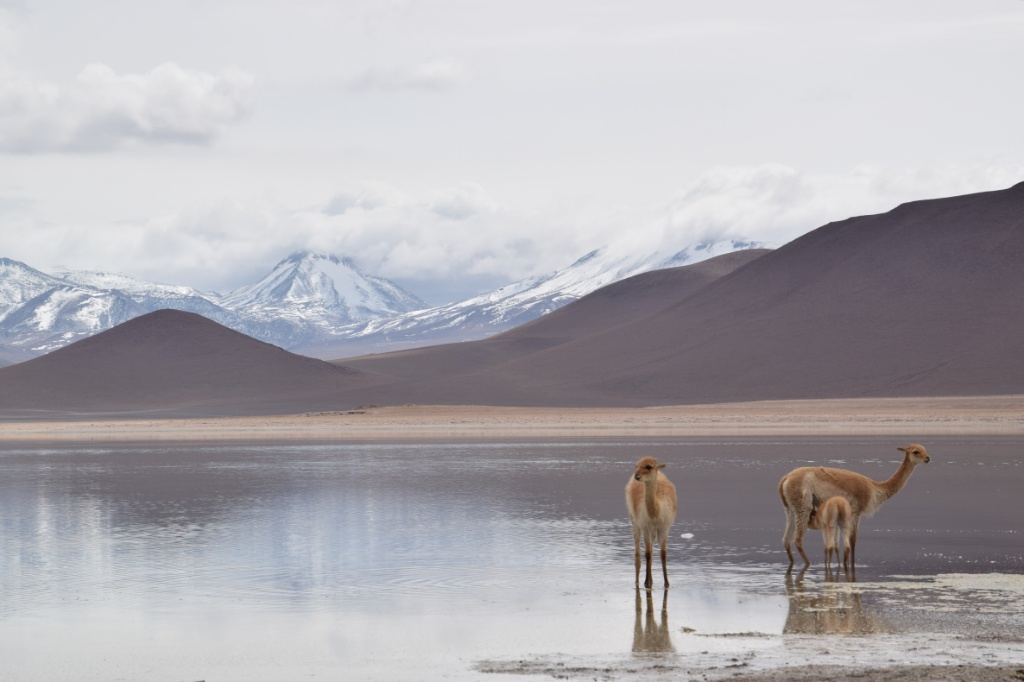

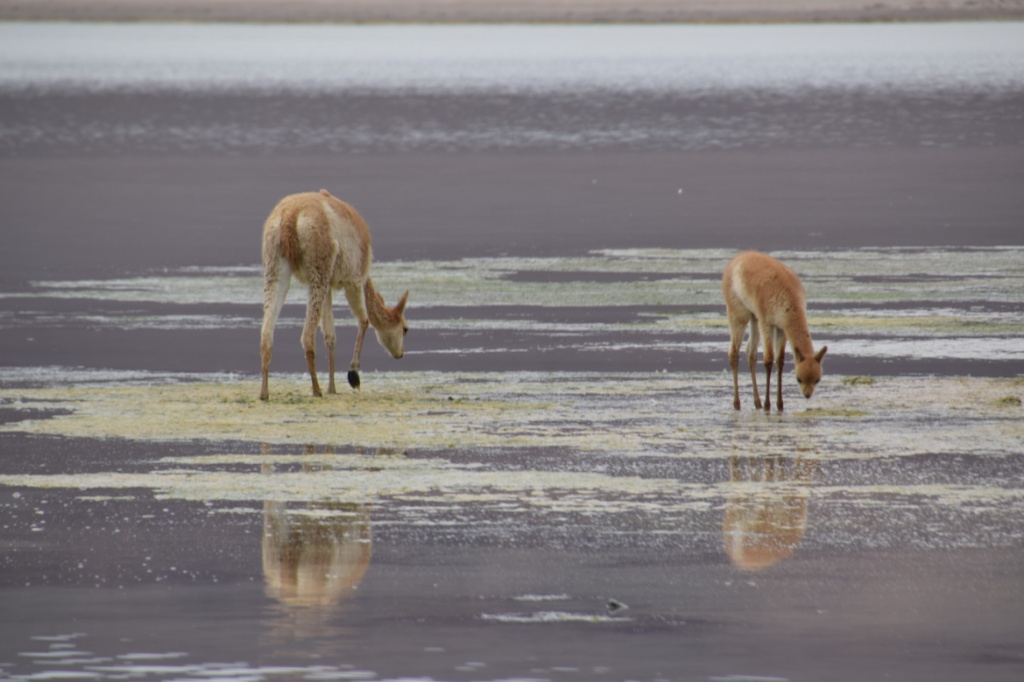

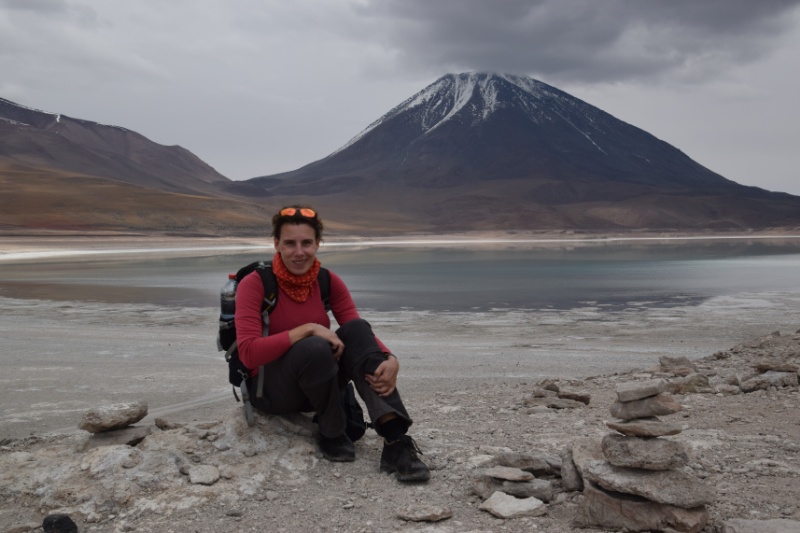
On the road

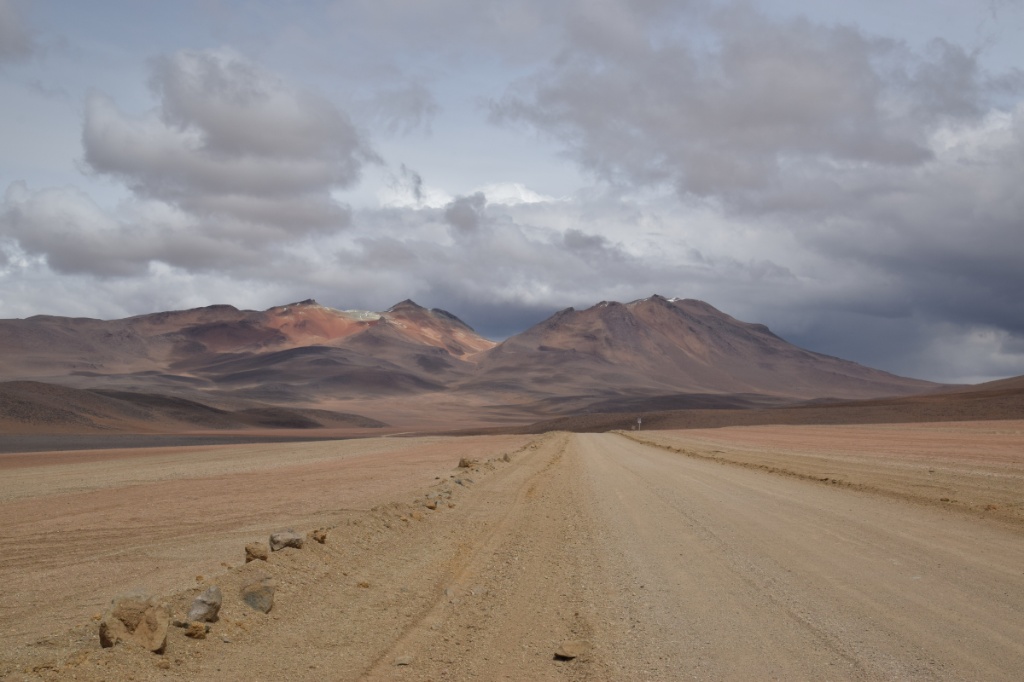
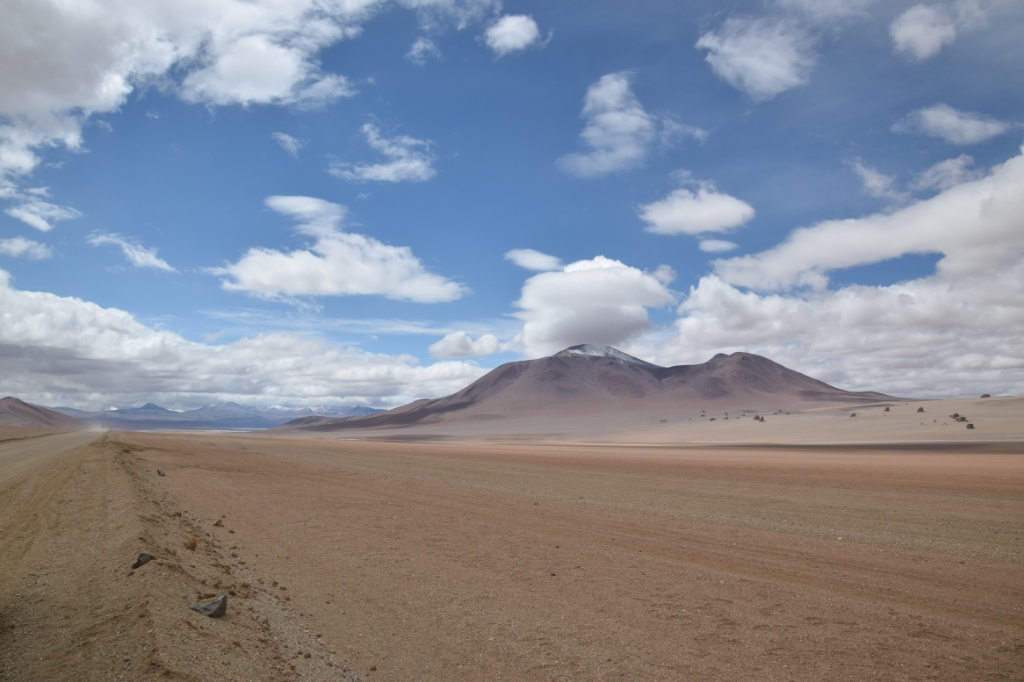

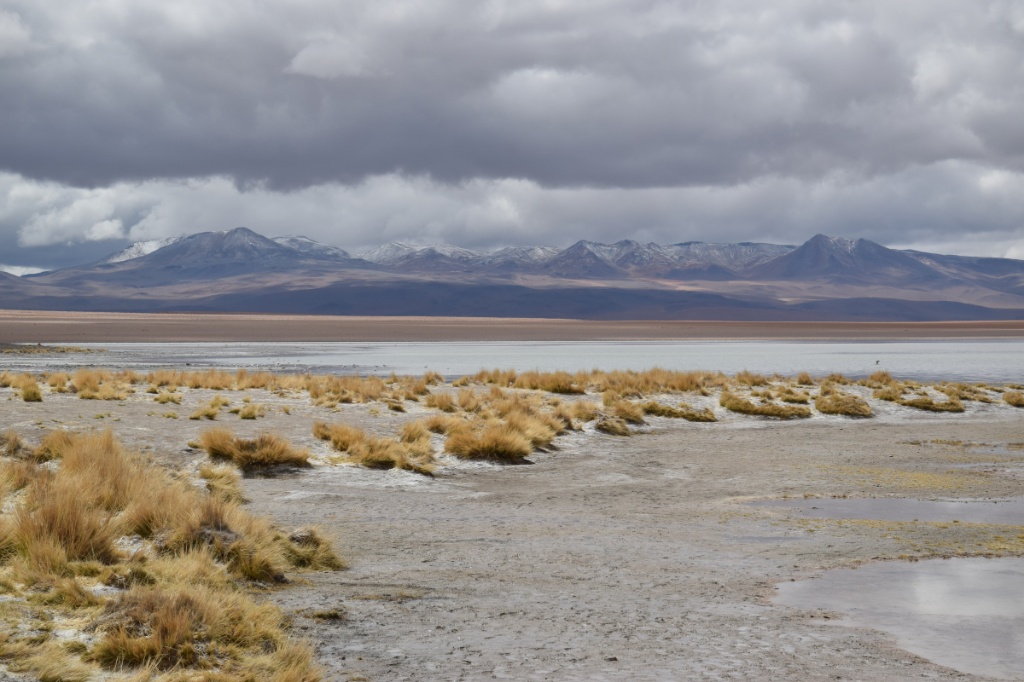
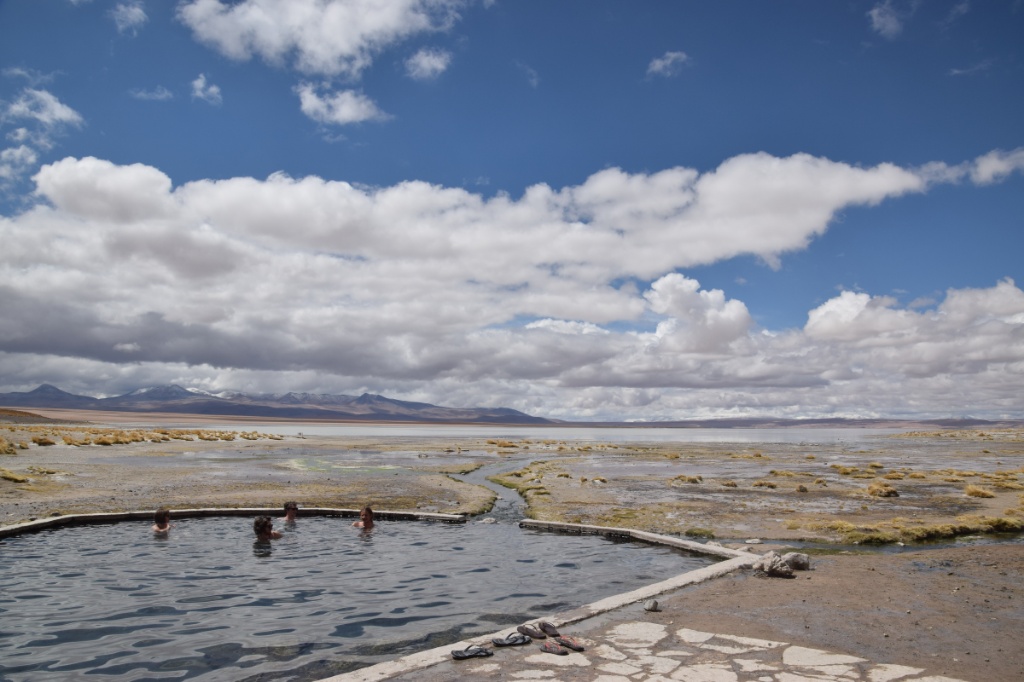
 Laguna Chalviri and hot springs
Geyser Sol de Mañana


Laguna Colorada
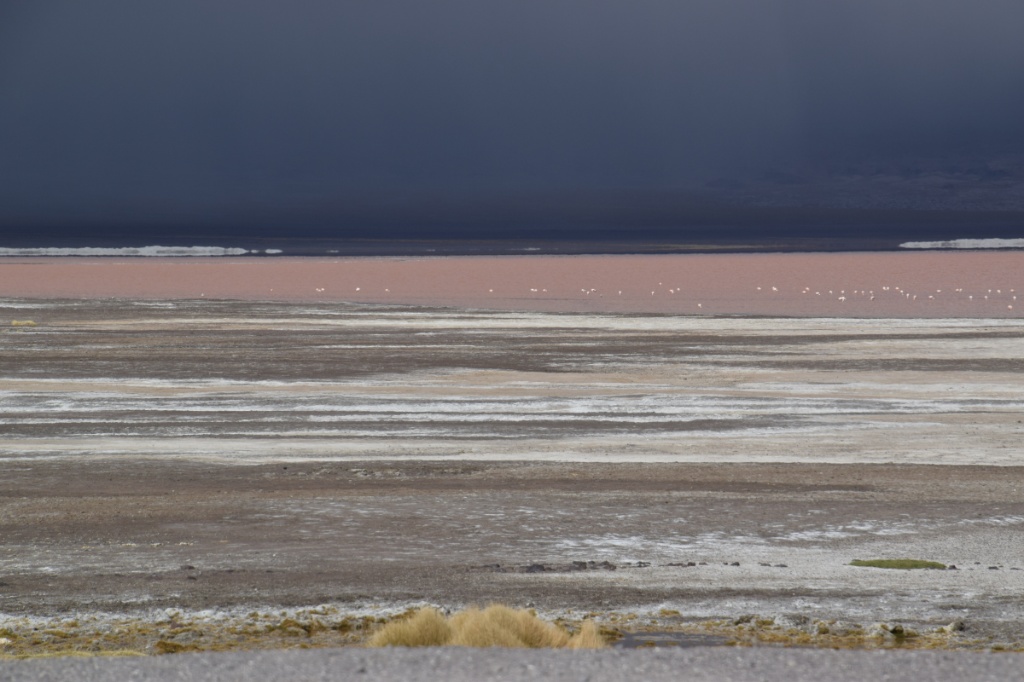

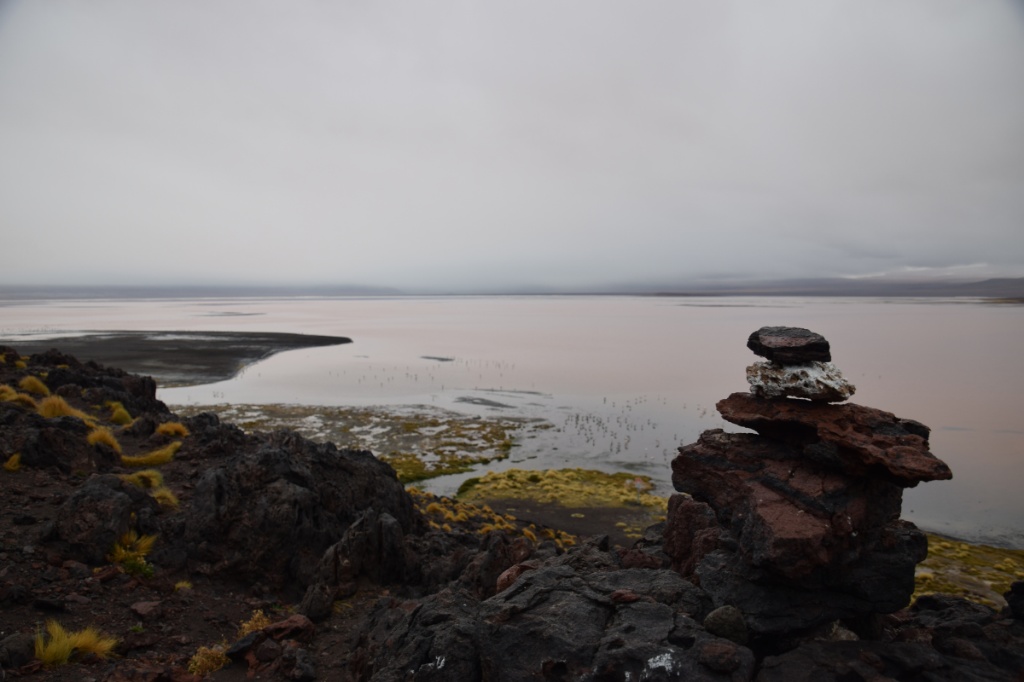


It was bloody cold here. I was basically wearing everything I had: long John’s, trousers, rain trousers, short sleeve merino, long sleeve merino, merino jacket, doown west, rain jacket… the refugios at Laguna Colorada, where we spent our first night, are very simple. No showers, no heating. We really appreciated those extra sleeping bags on top of the three blankets. Outside, the temperature drops to -10° C at night!
Day 2)
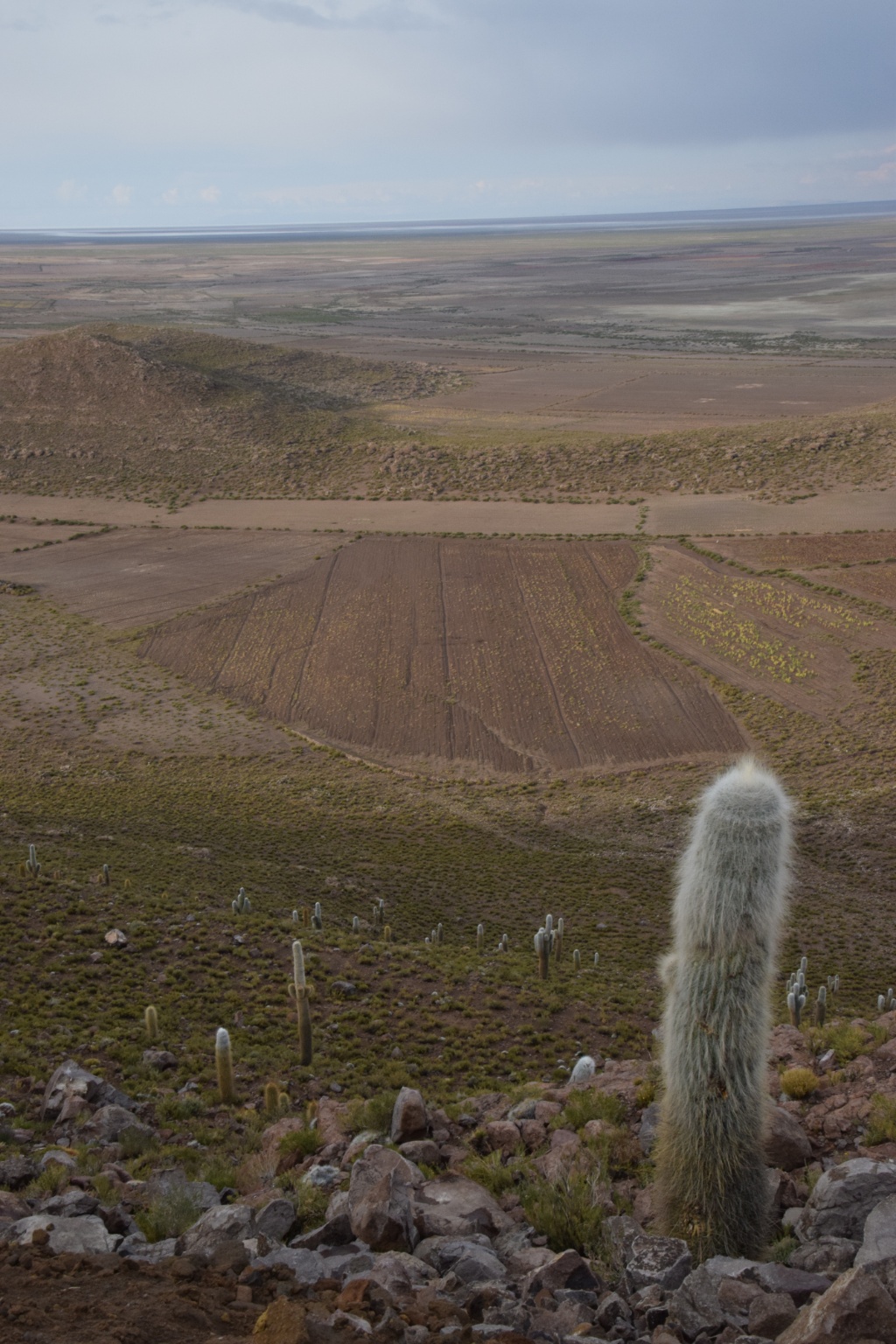
Stone Tree and other rock formations 
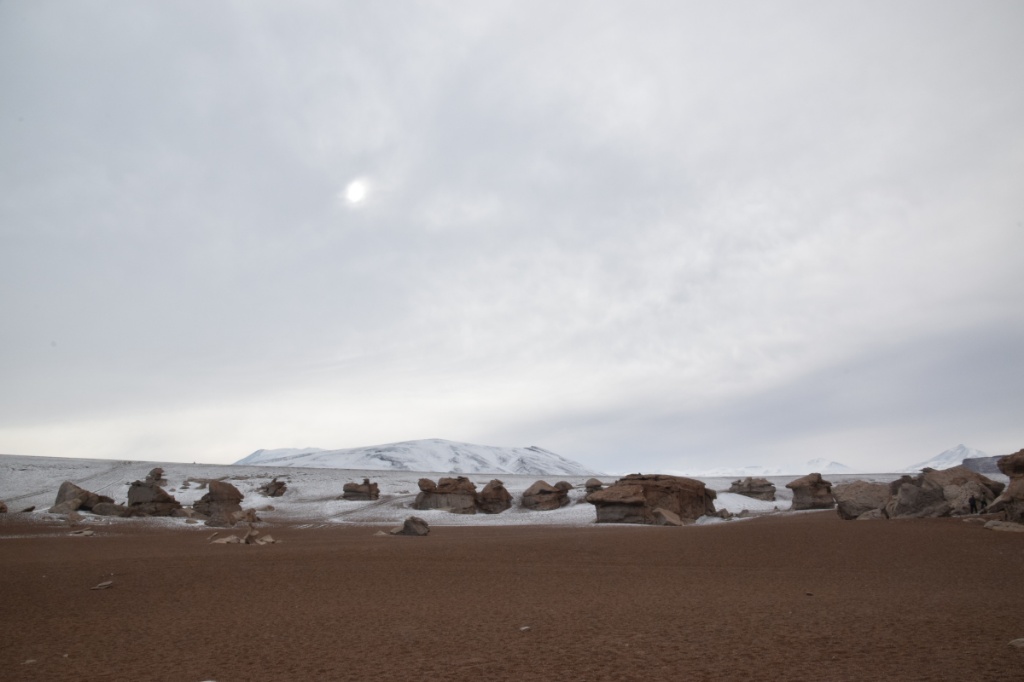
Cerros Pabelloncito and Agua de Perdiz

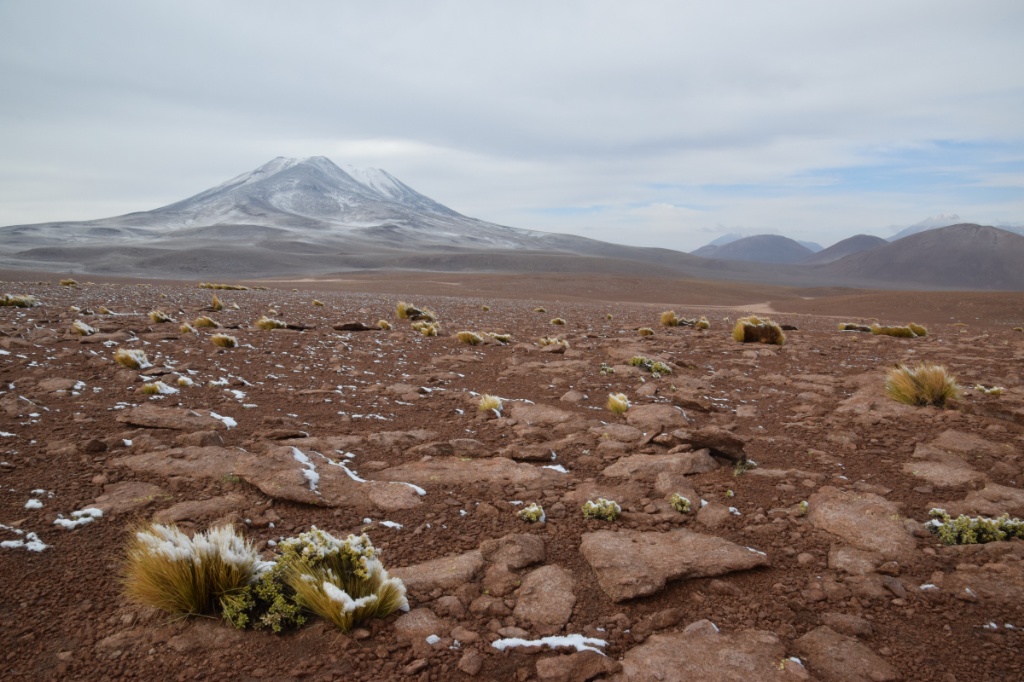
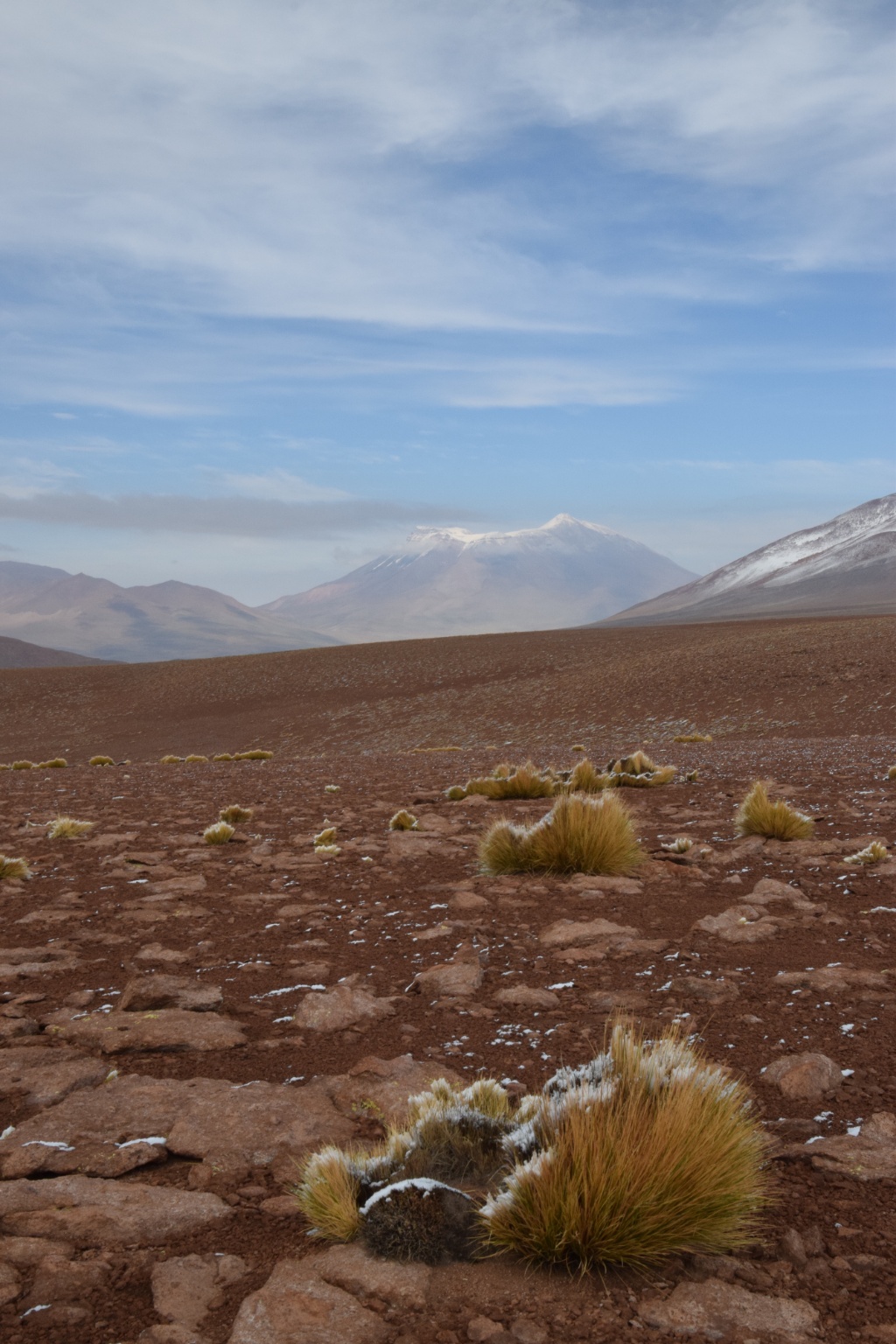
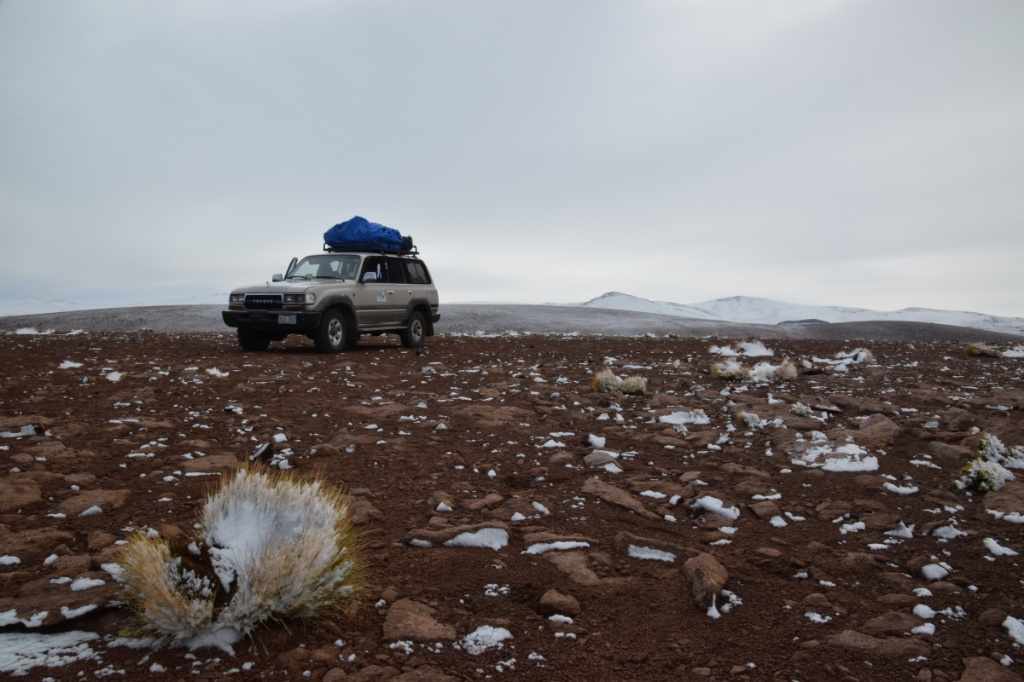
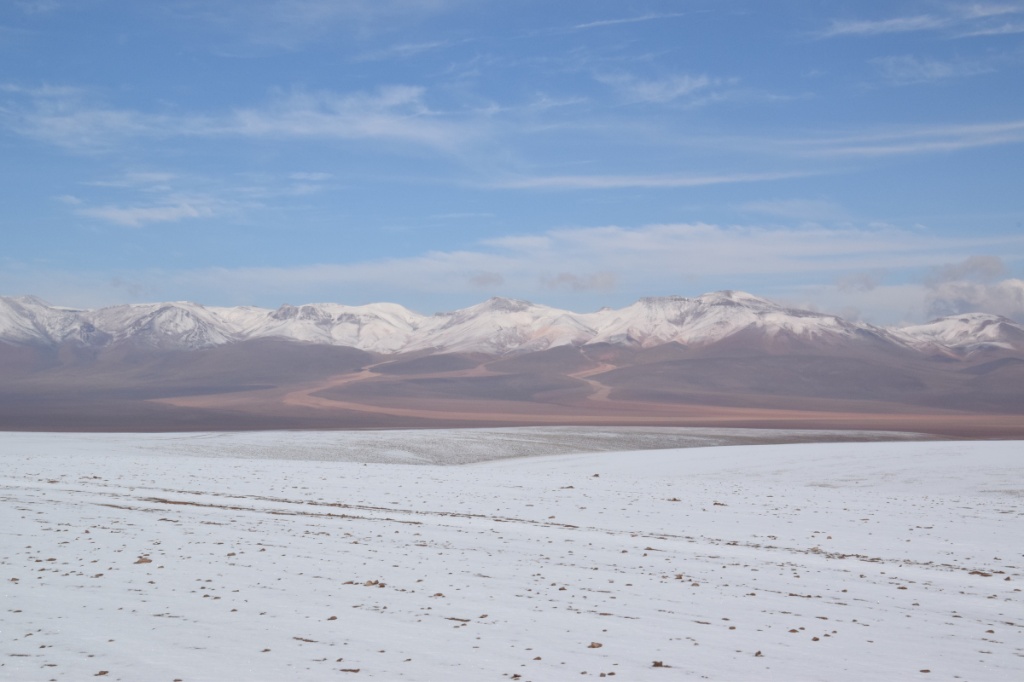
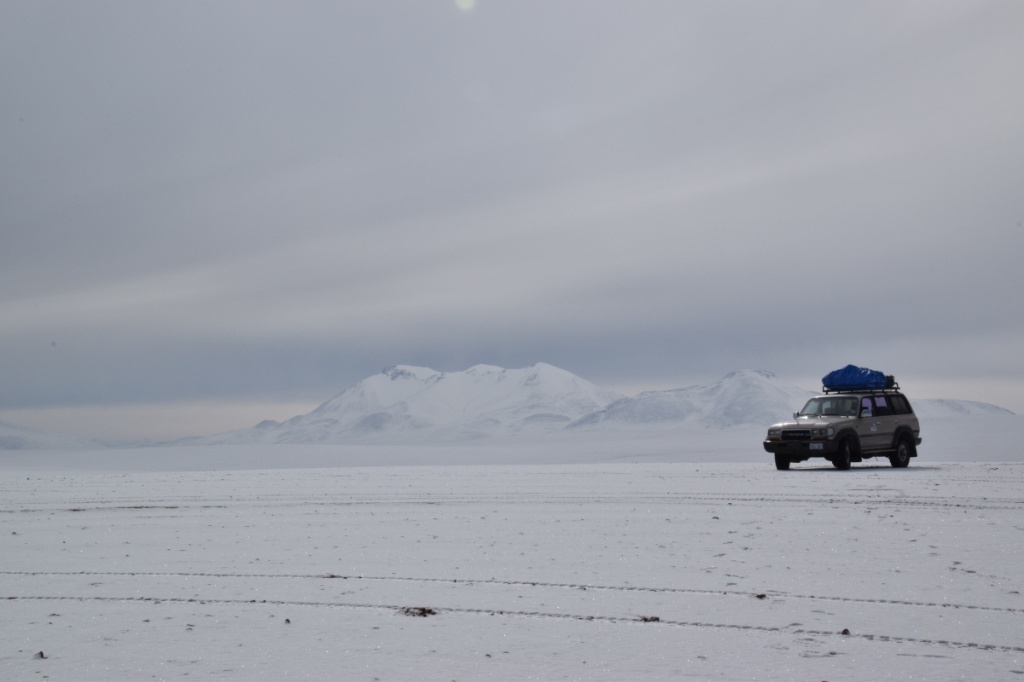
Laguna Honda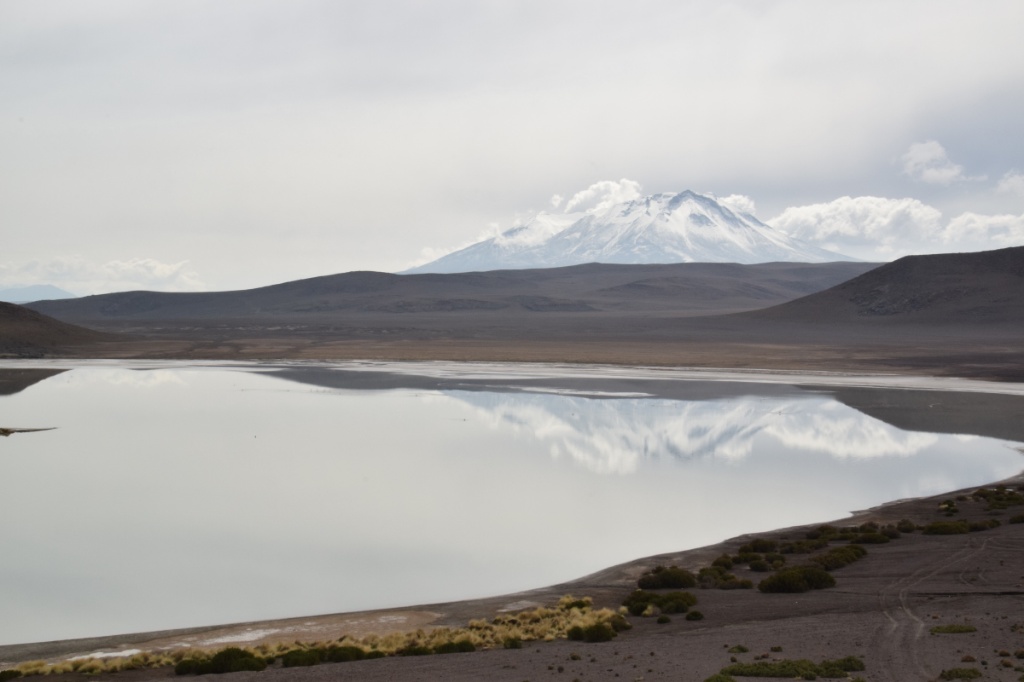
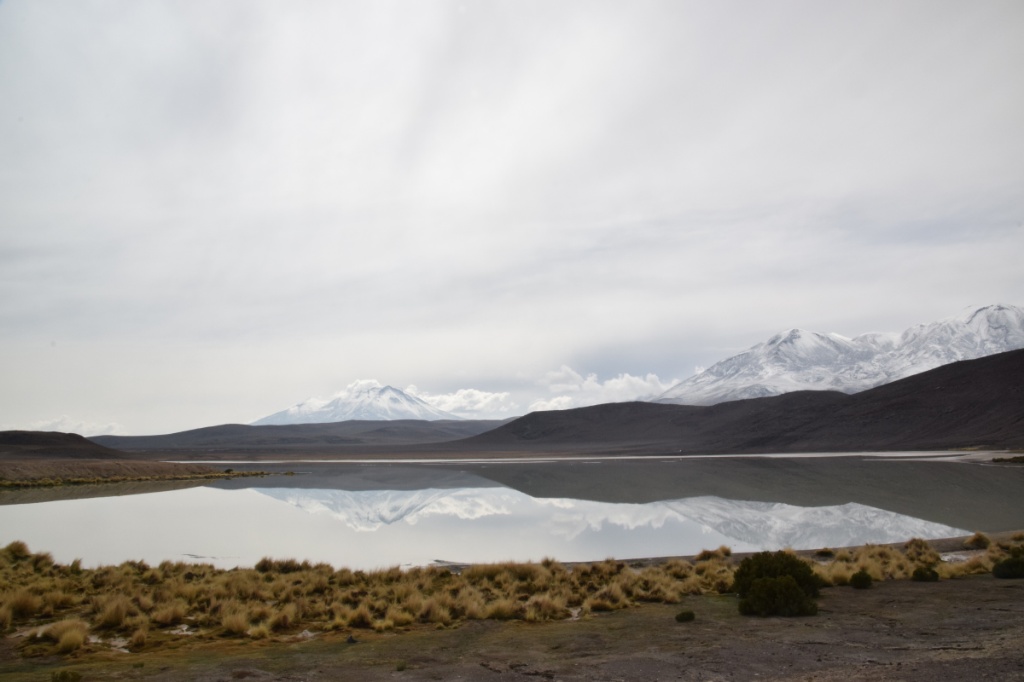
Laguna Hedionda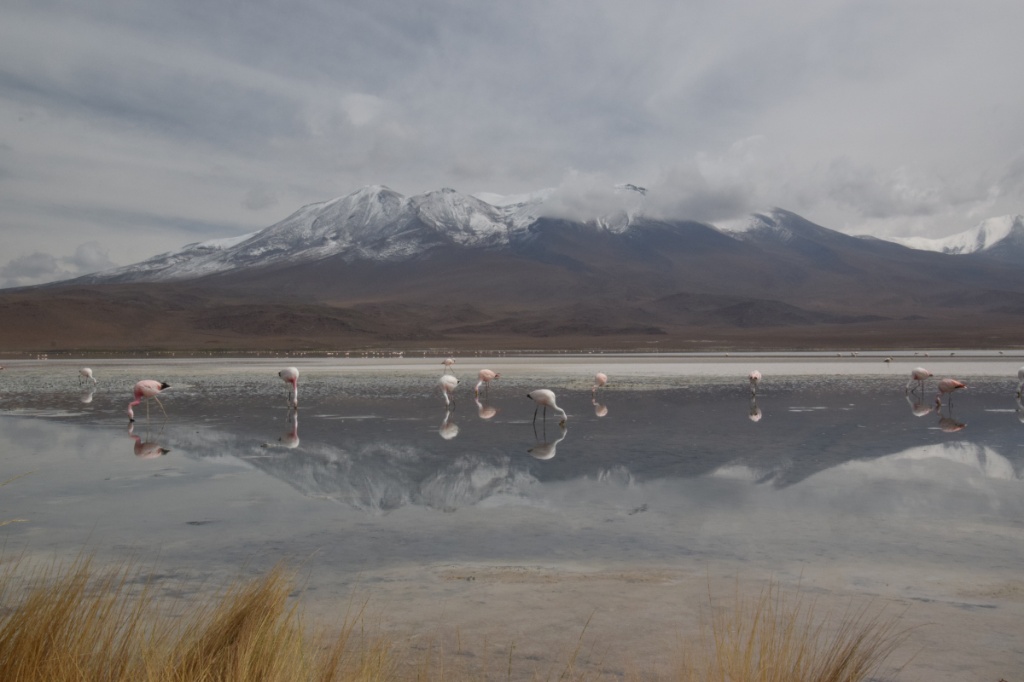
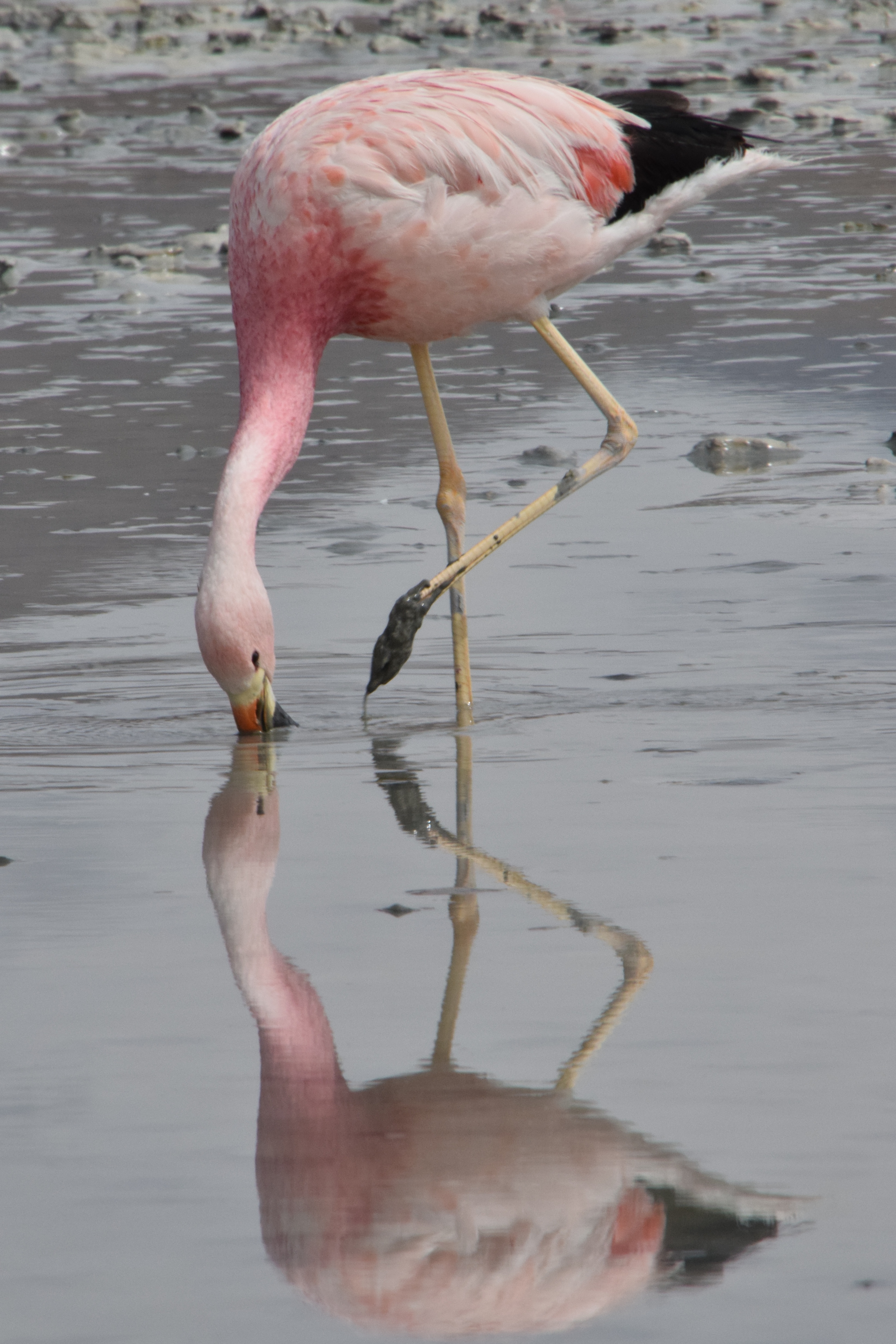
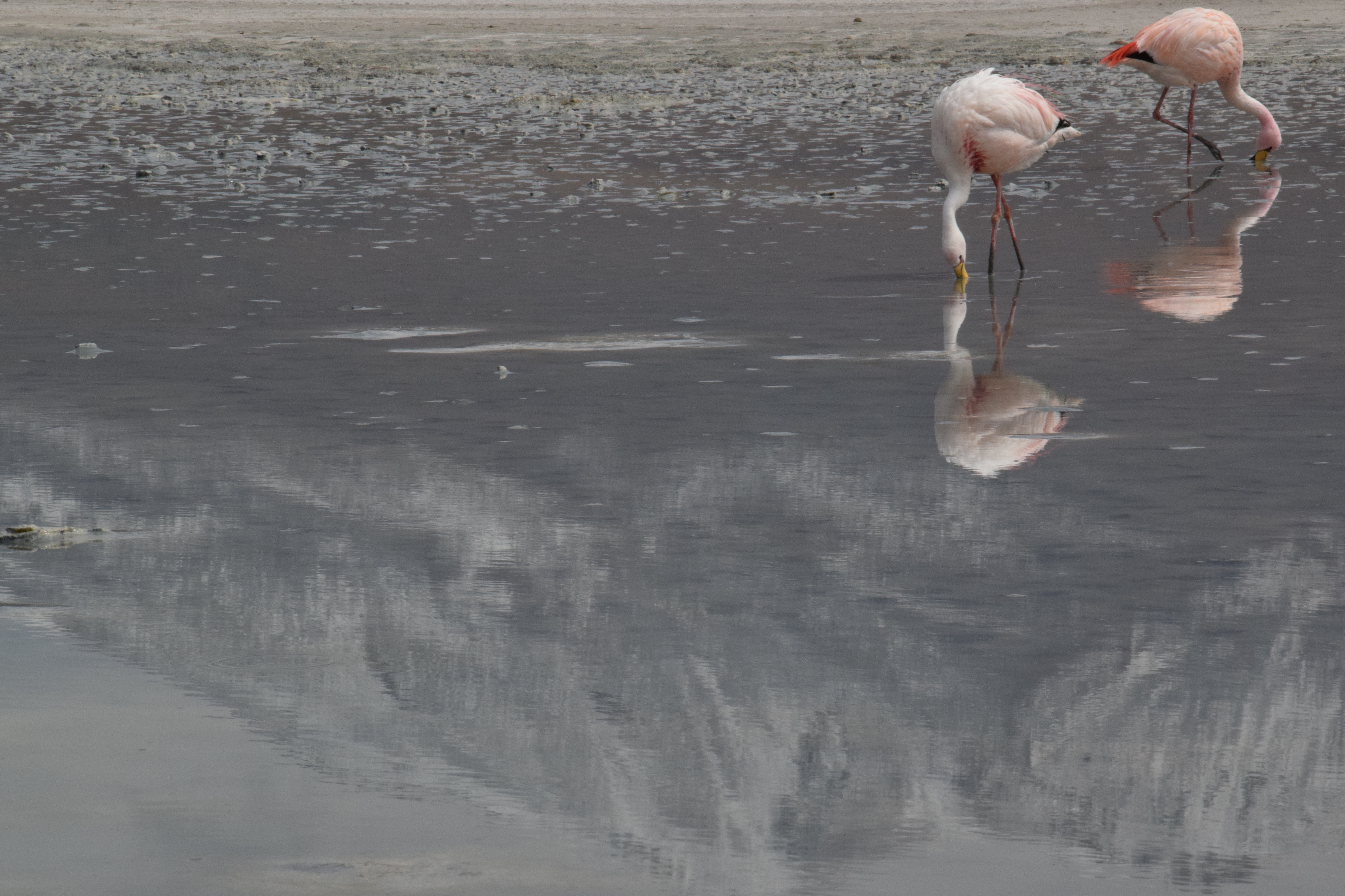
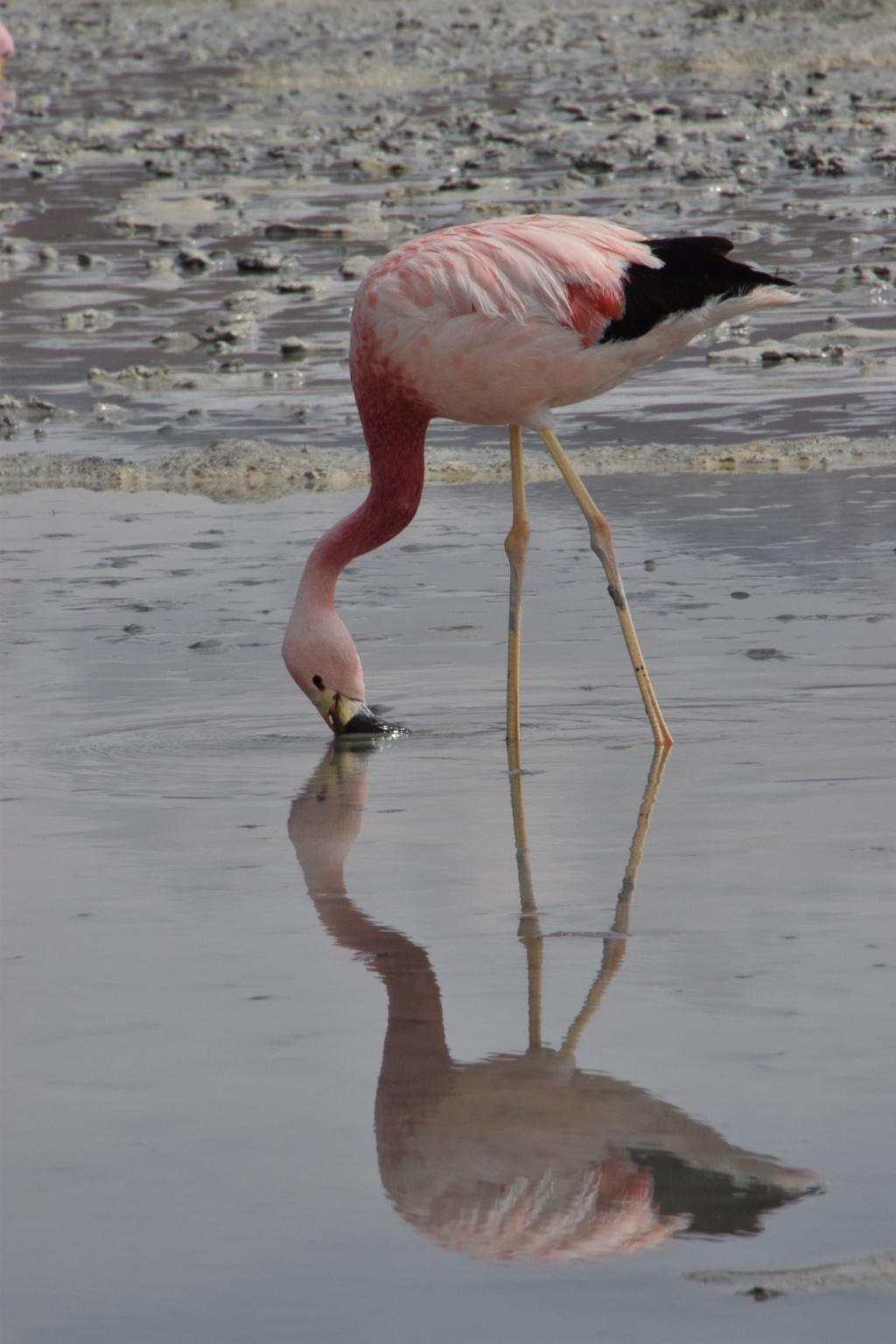

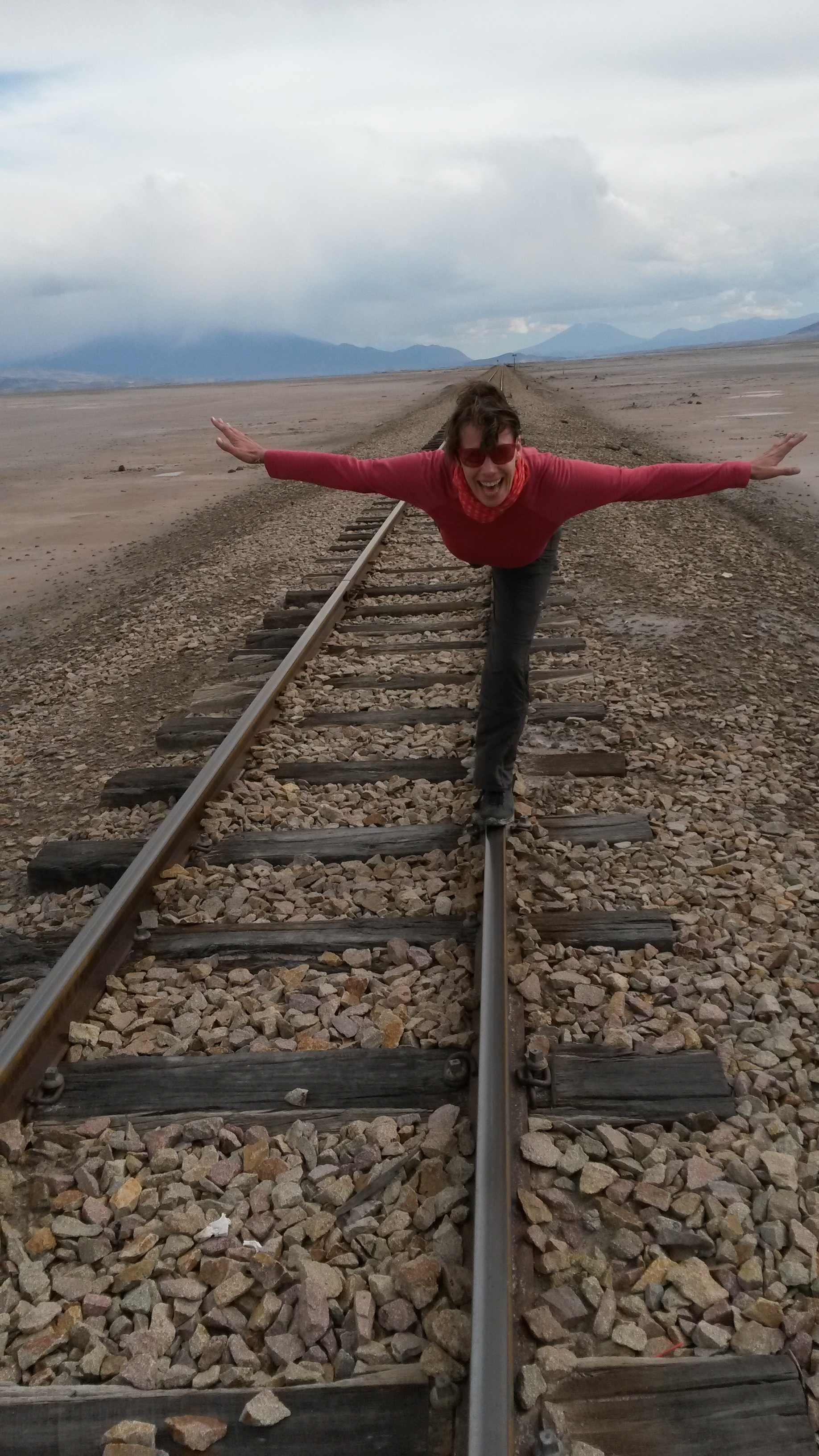
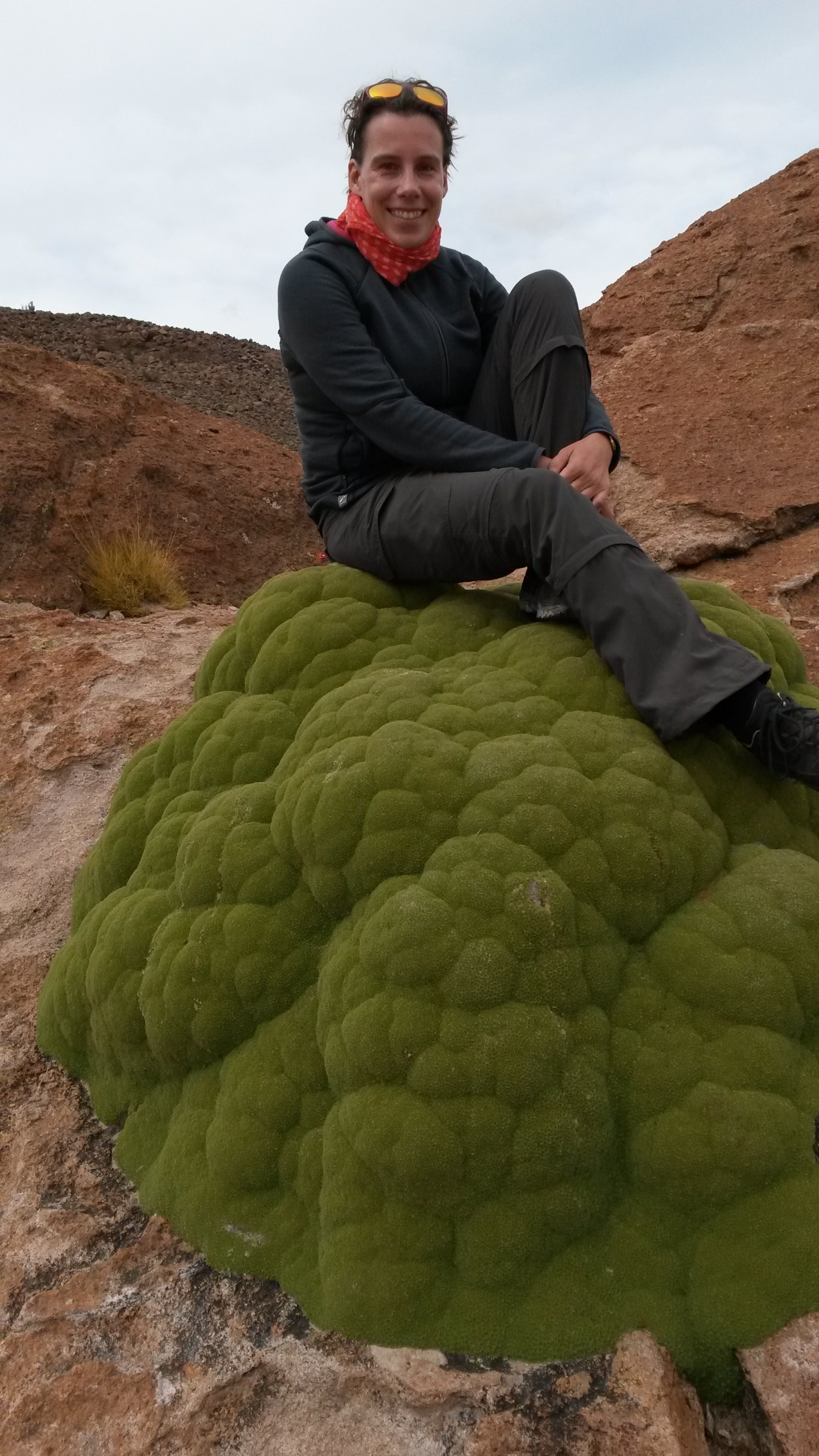

 Cerro Sedilla
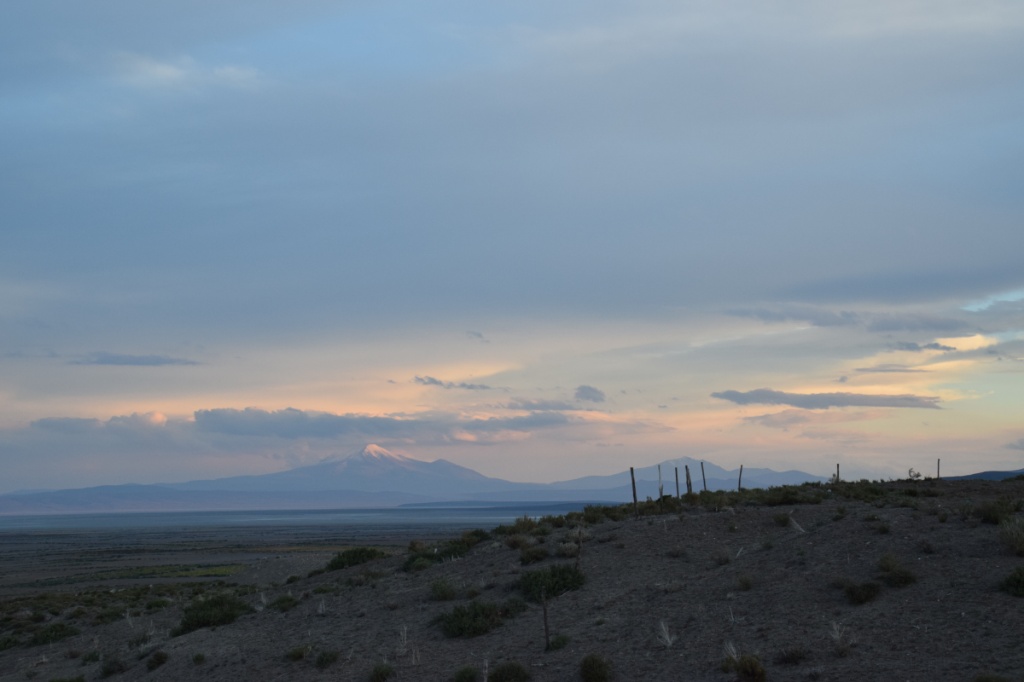
At the edge of the Salar (this night we spent at a more comfortable salt hotel)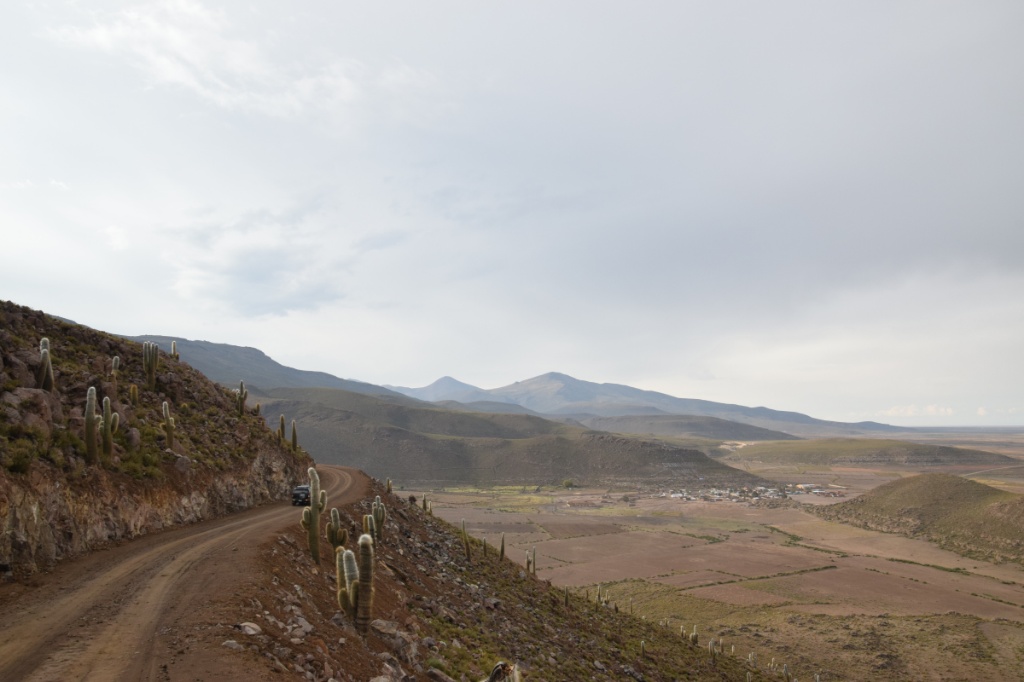
Day 3)
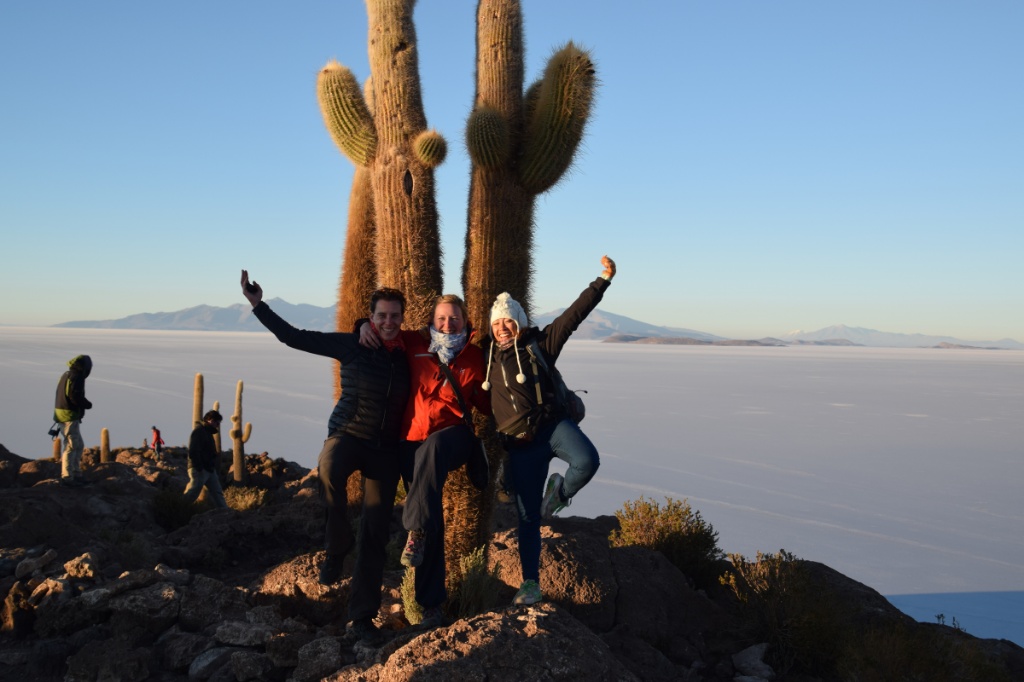
Isla Incahuasi – watching the sunset over Salar de Uyuni 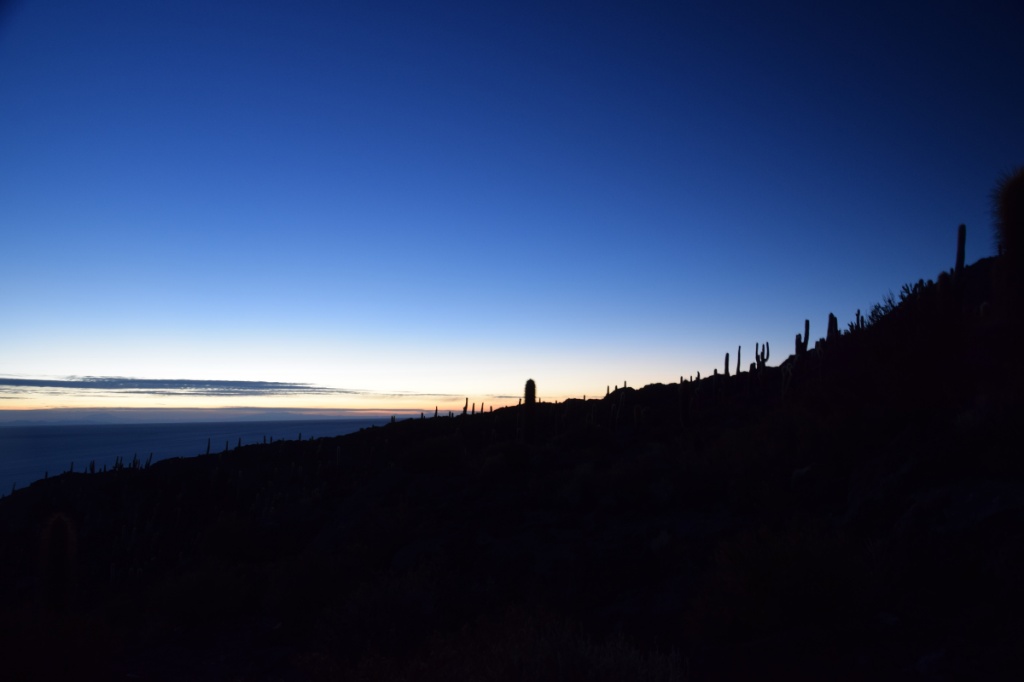


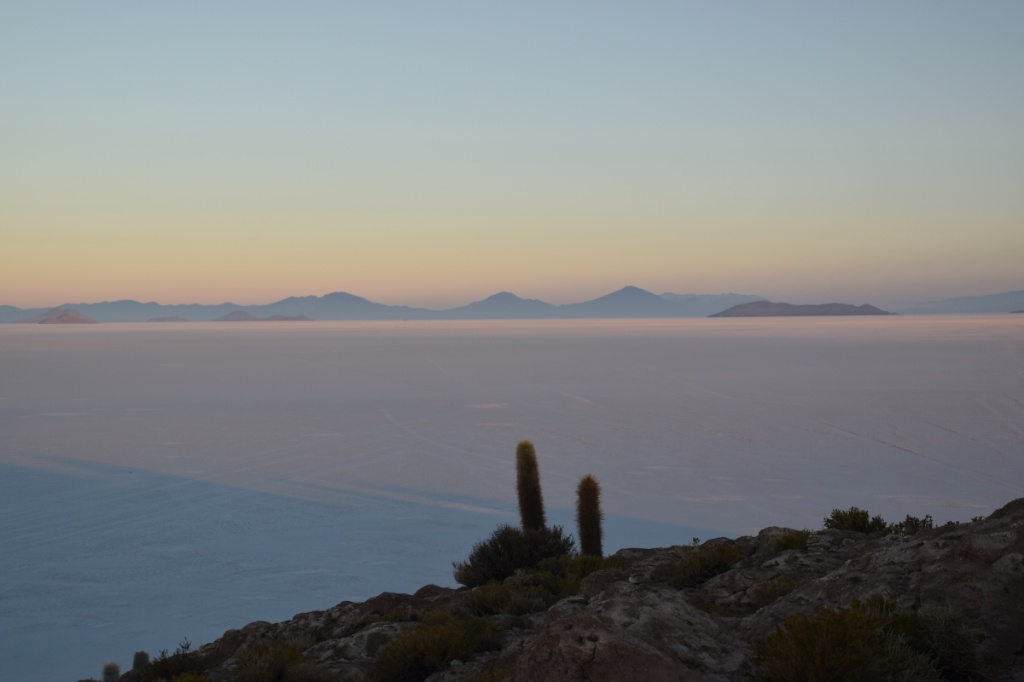
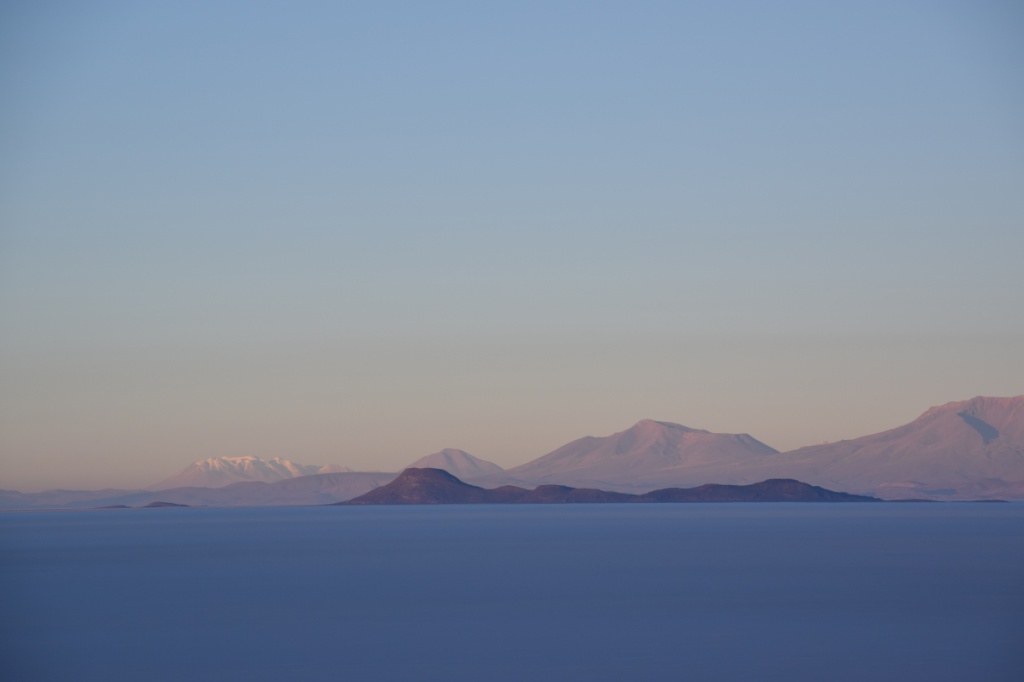
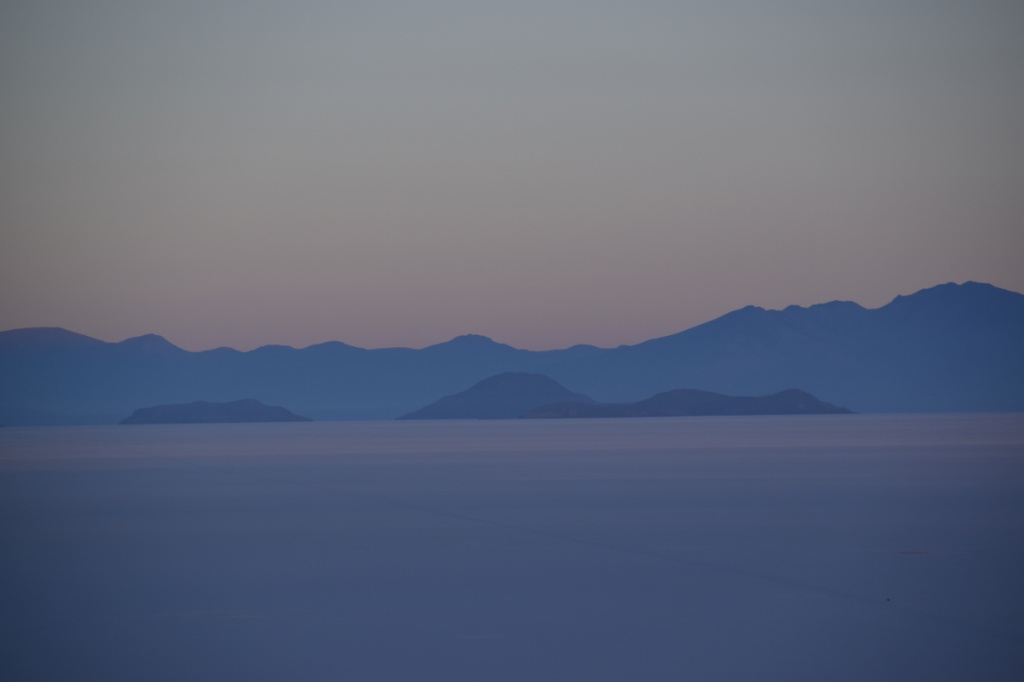
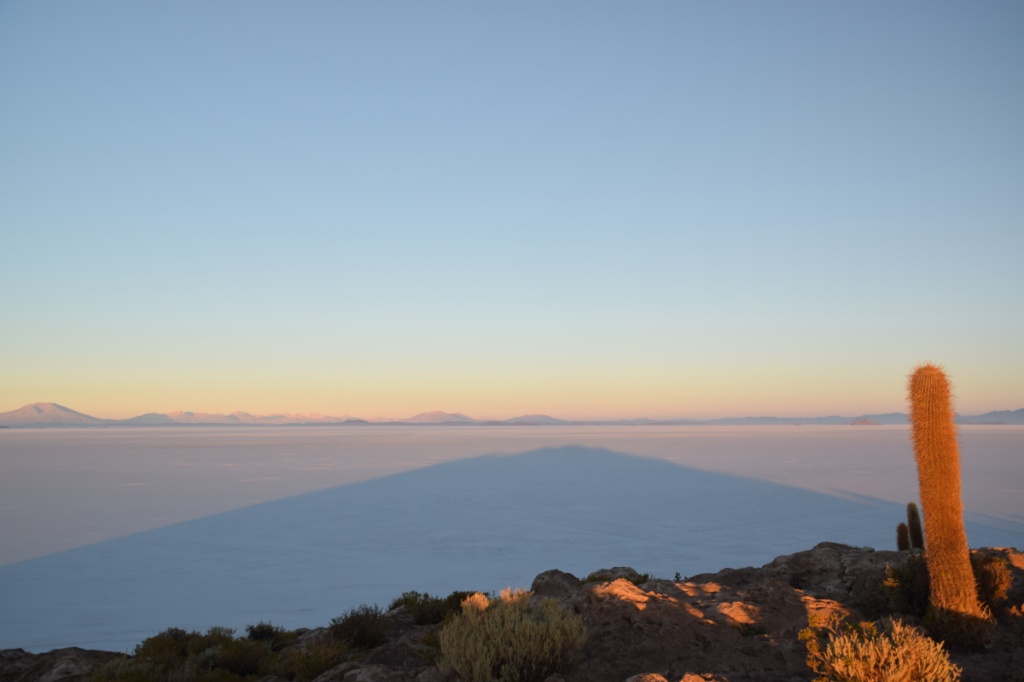
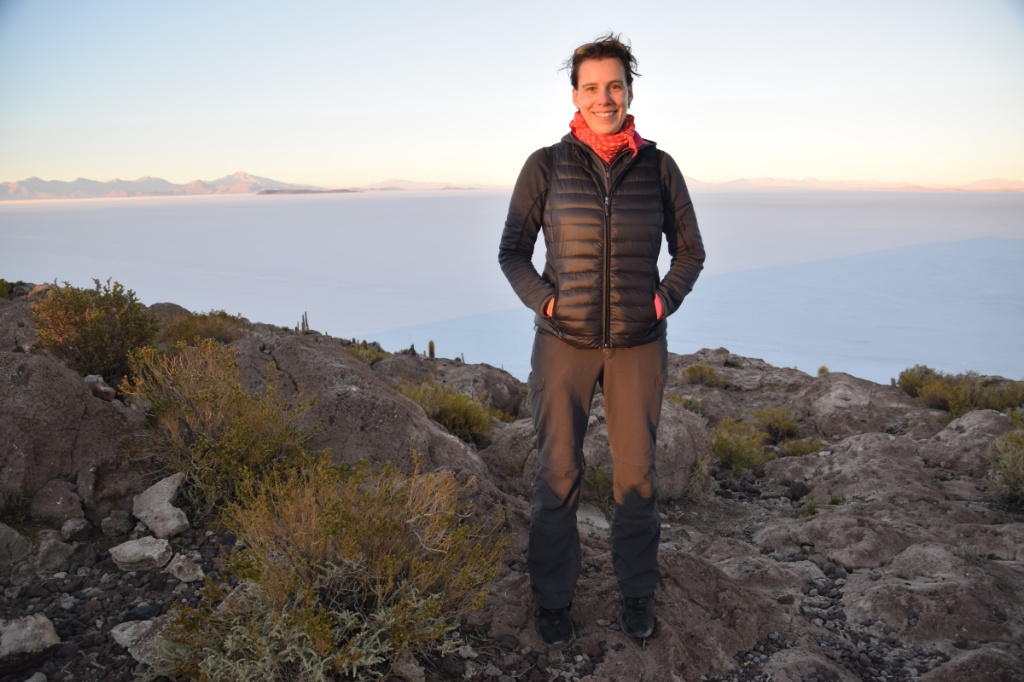
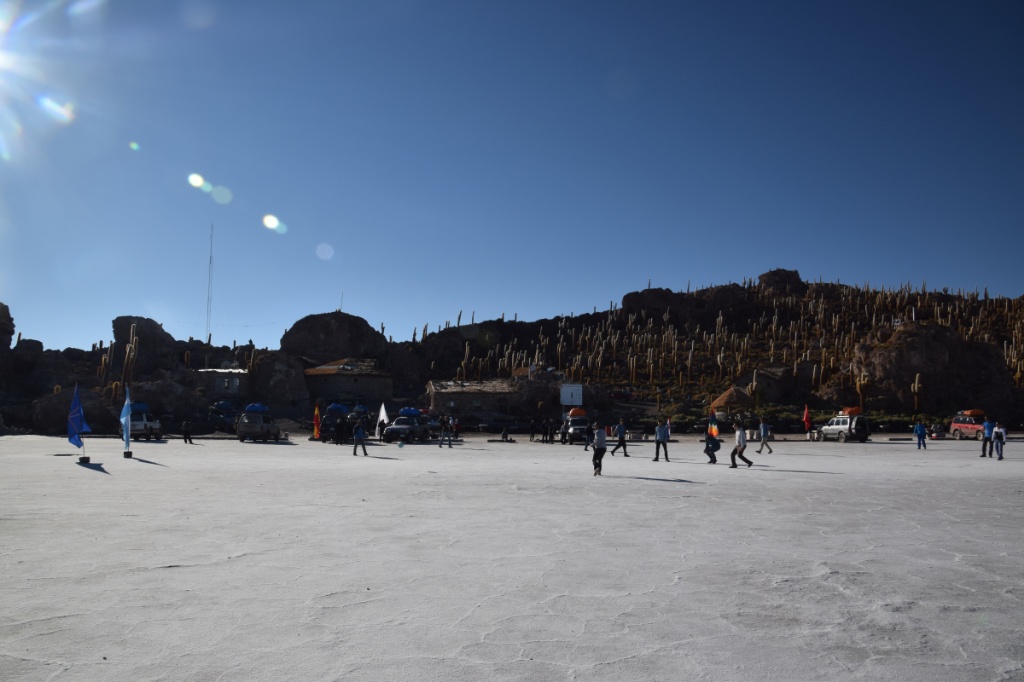
After breakfast activity : football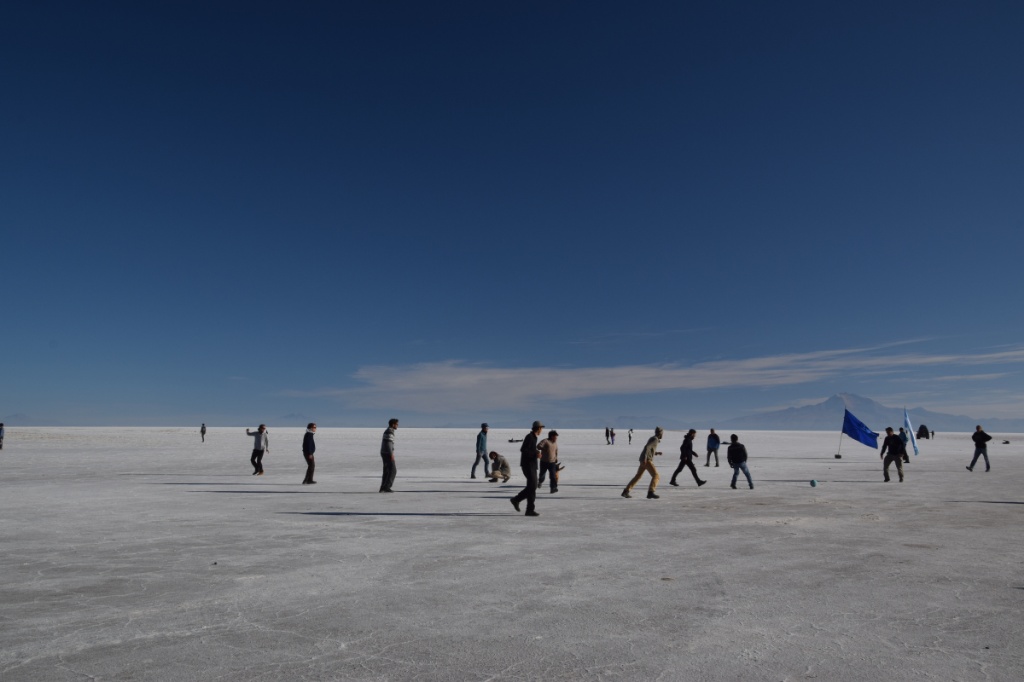
Making of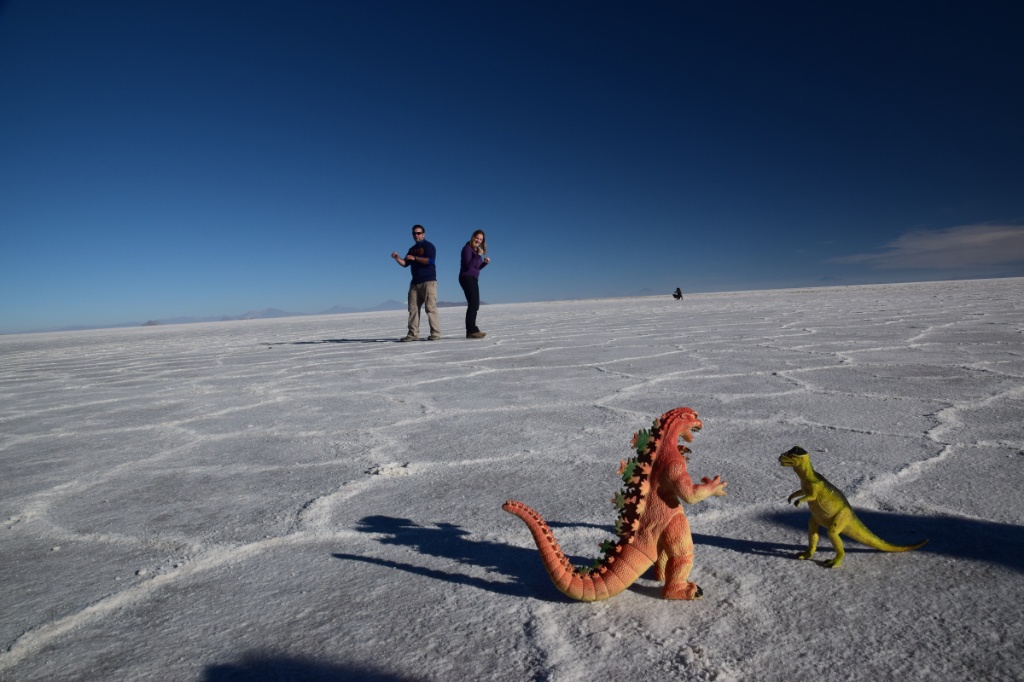
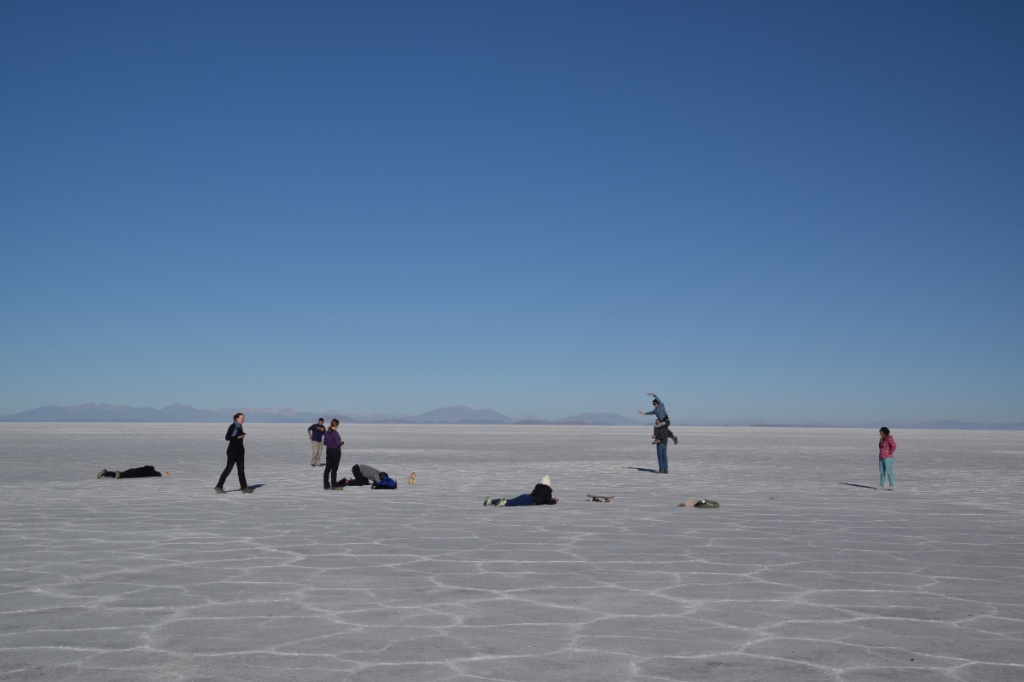
In the middle of the Salar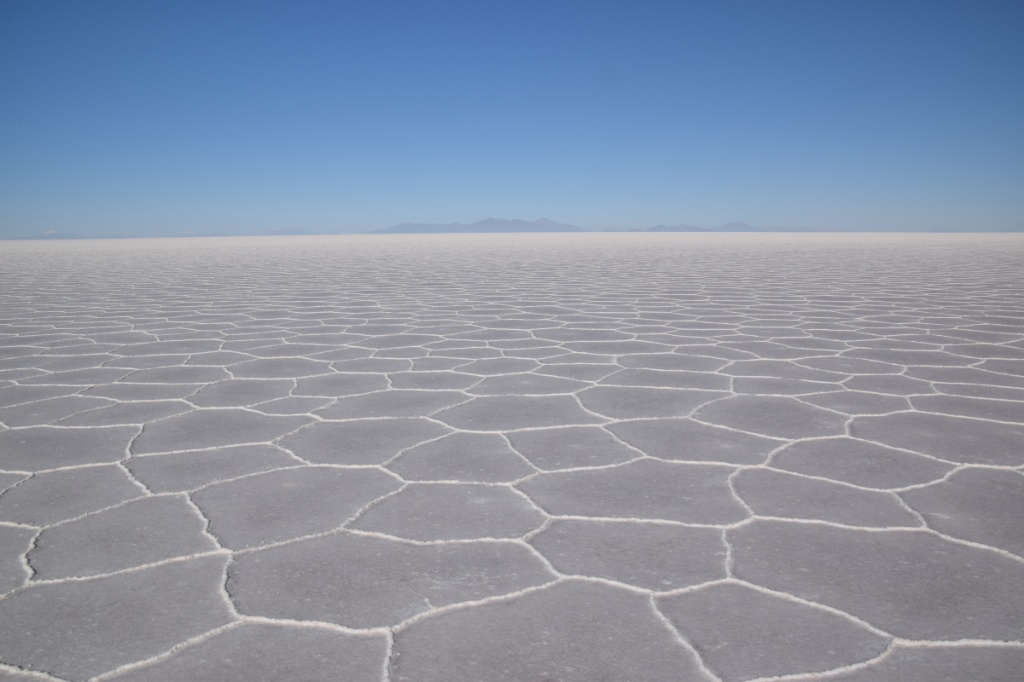


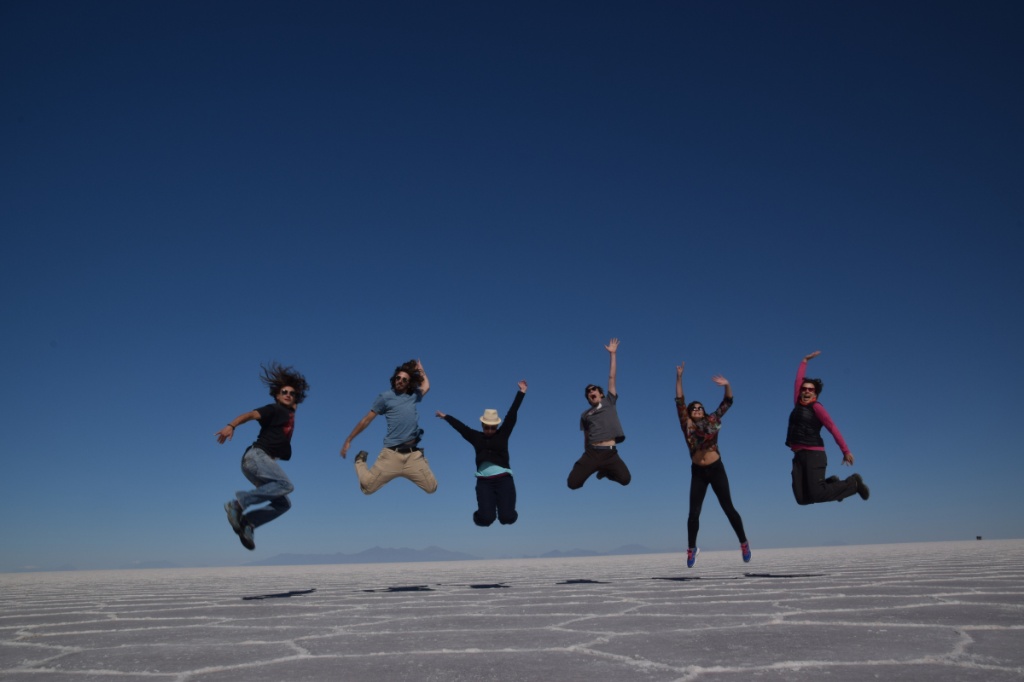
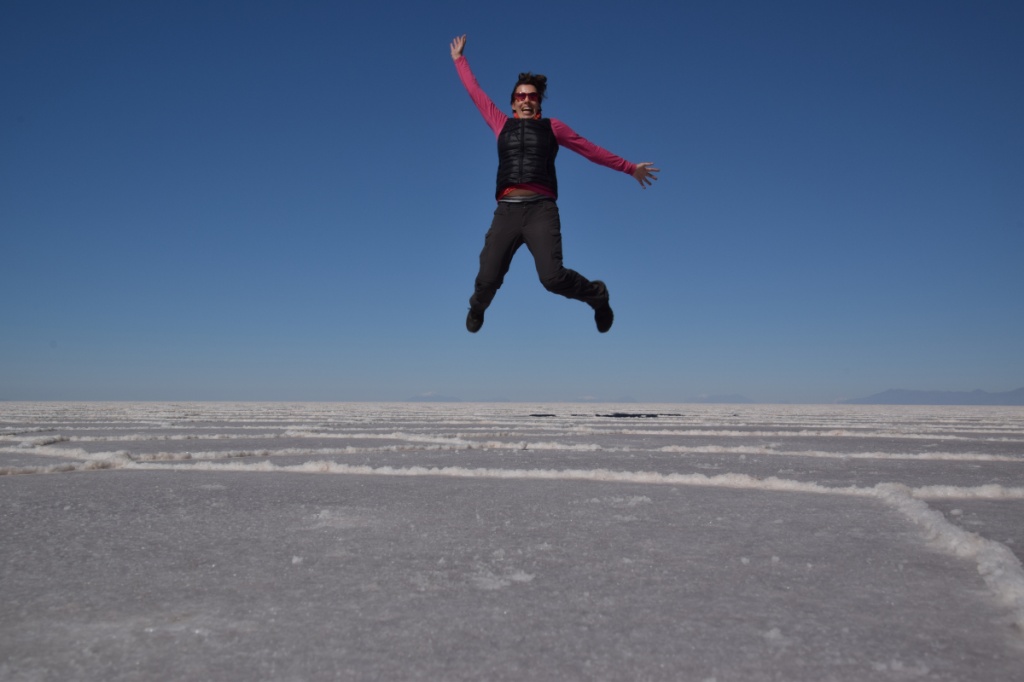
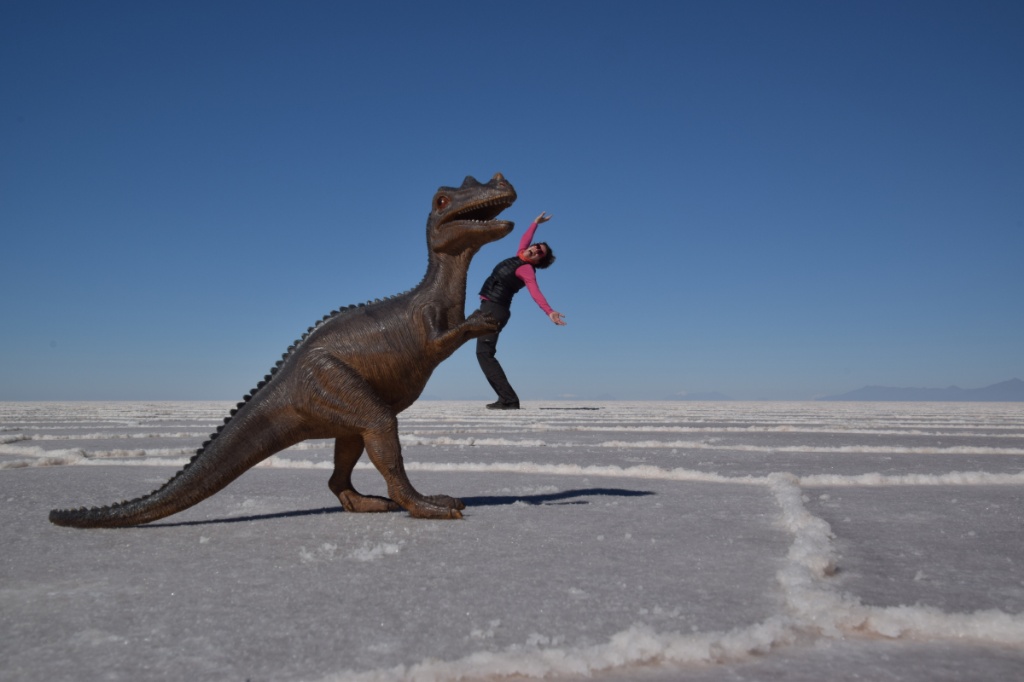


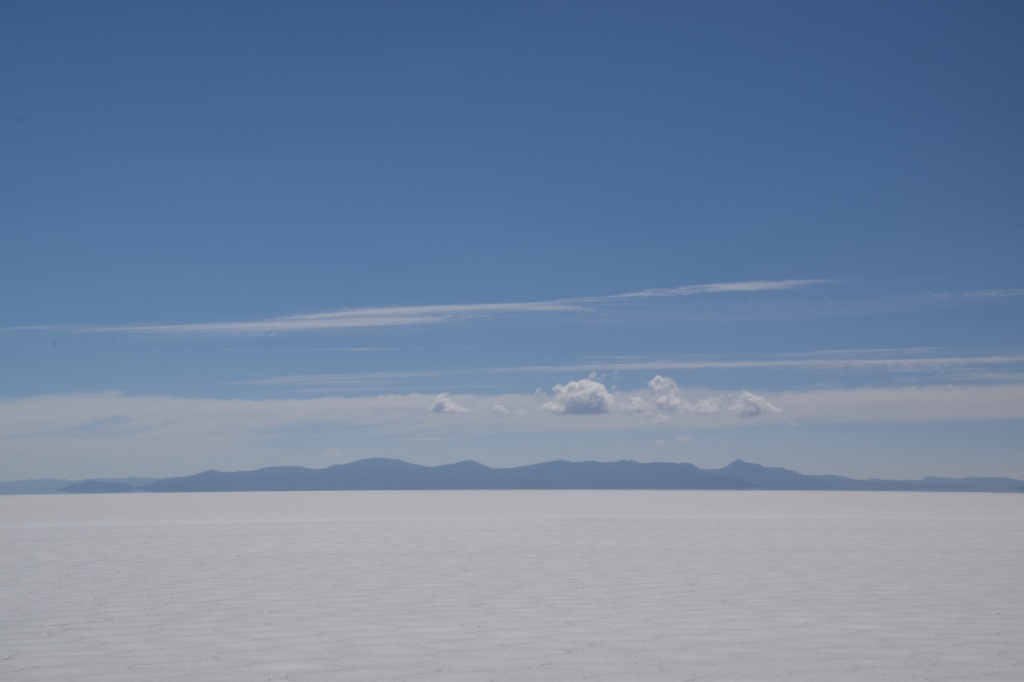
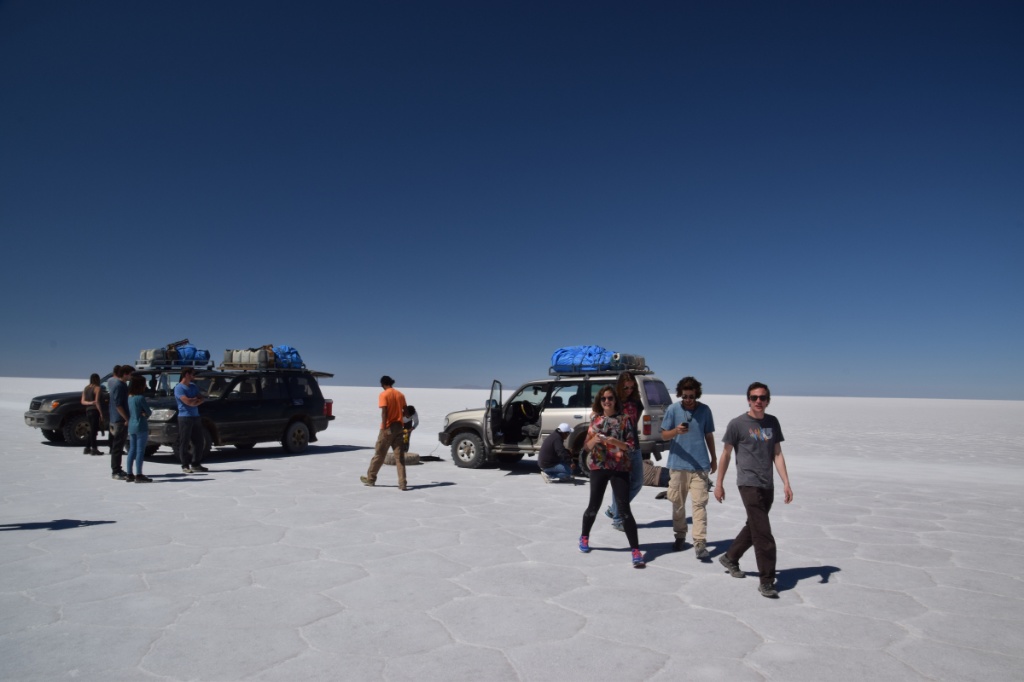
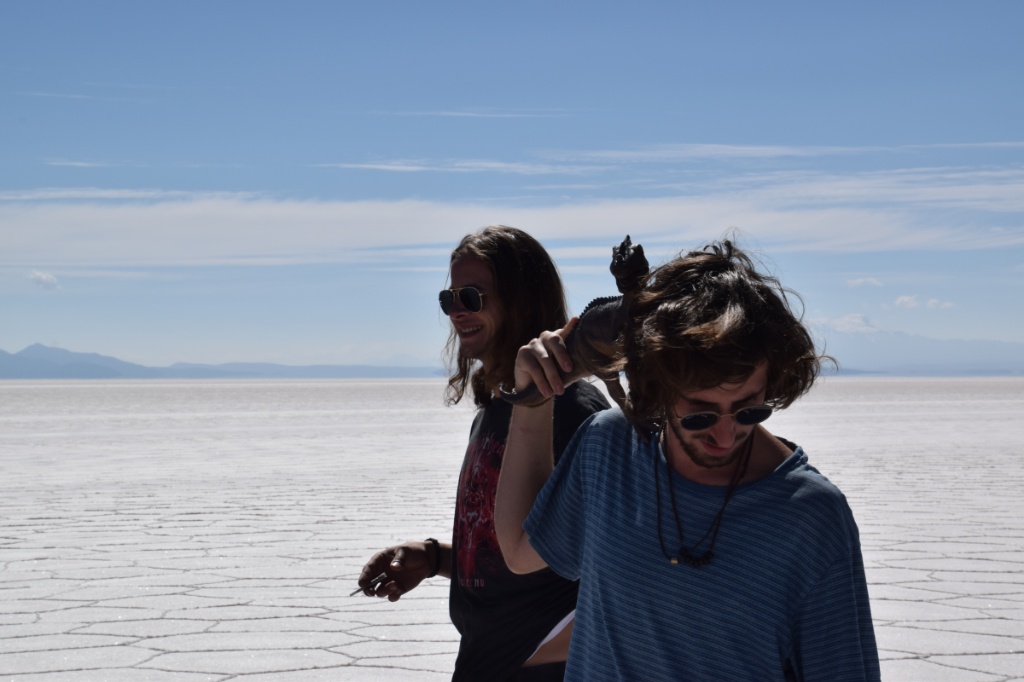
Salar covered by 3 cm of water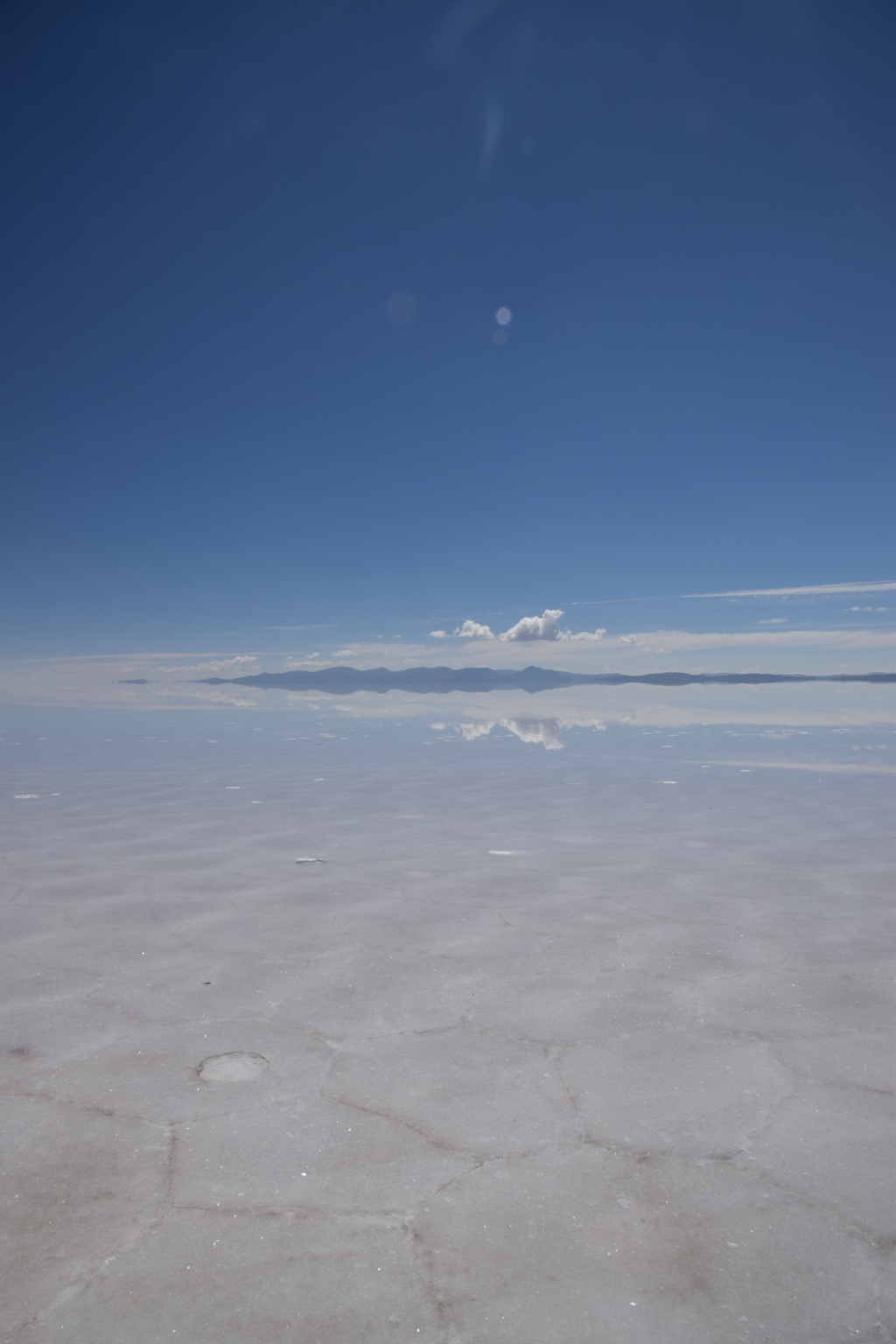
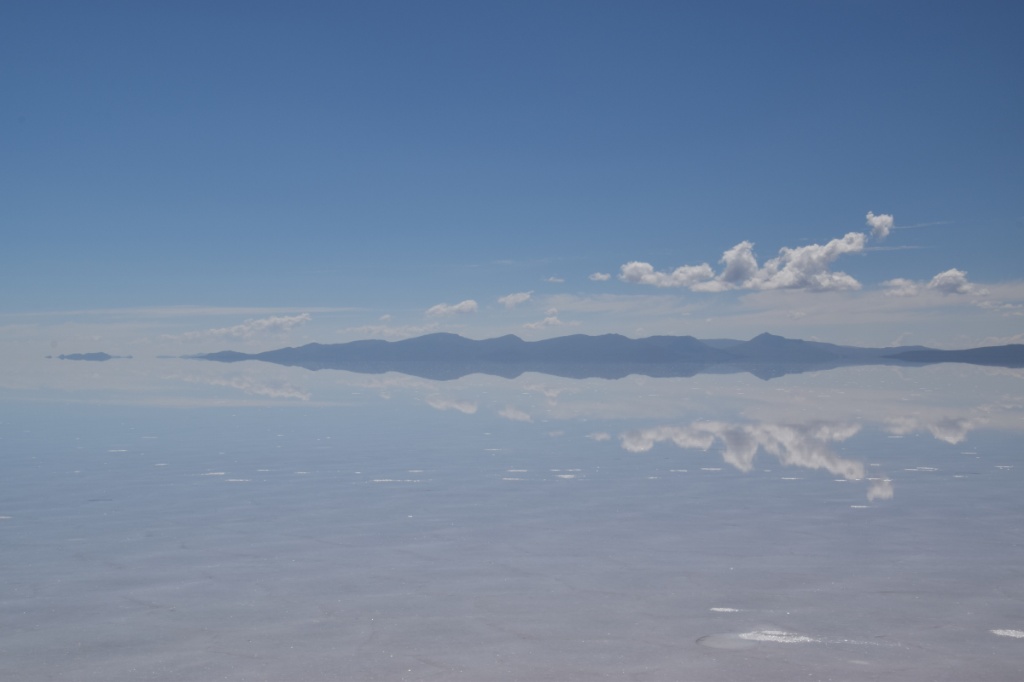
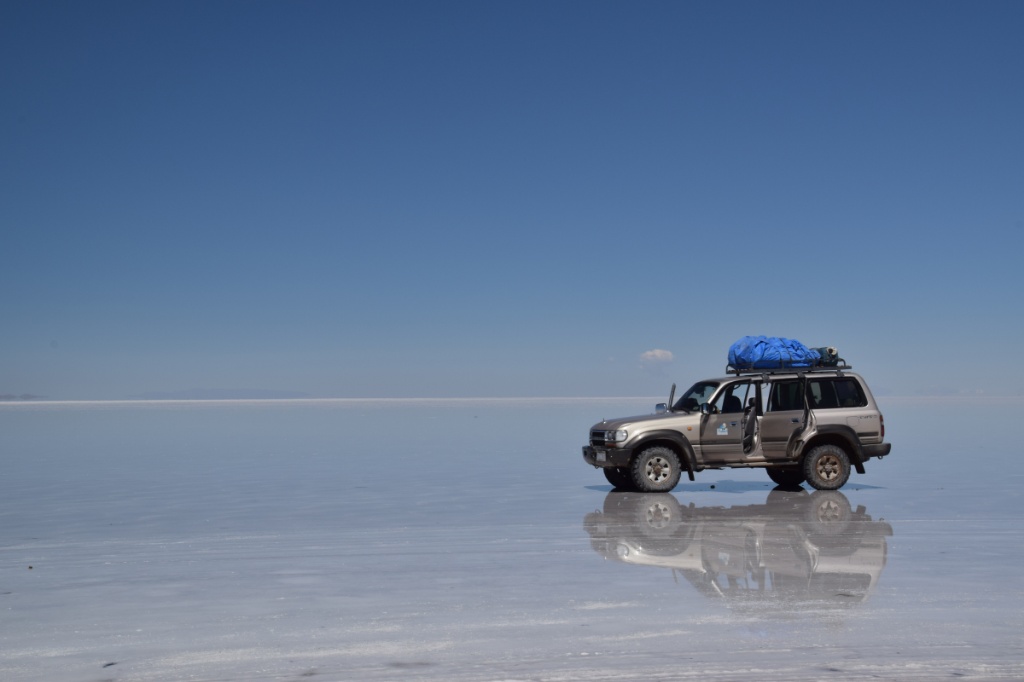

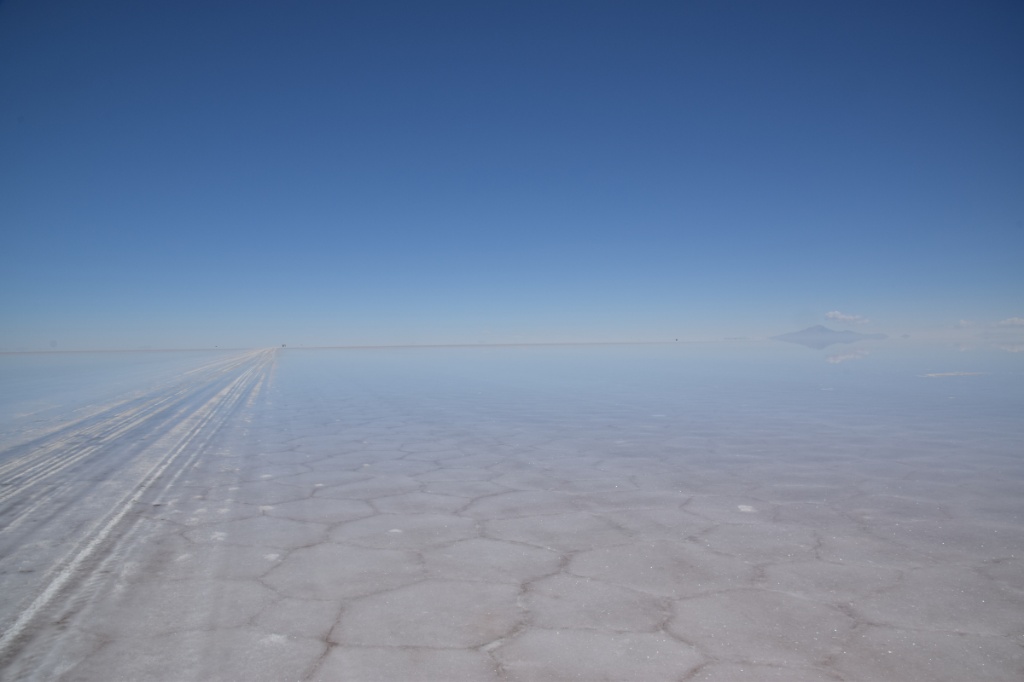
…it was a truly marvellous adventure!

It took me 23 hours to get from Pisco Elqui to San Pedro de Atacama in the north of Chile. That is because I had to change buses twice and because of the delay caused by the road conditions around Copiapó and Antofagasta. A terrible flood had hit this arid region shortly before, as a result of unseasonal heavy rains. Rivers swelled and poured water and thick mud all over the area. To make it worse, the mud that now covers the towns, is contaminated as the water ran through this regions many mines before reaching the cities.
I was lucky that the roads were open again and when I peaked out of the window of my bus at 2 am I saw a ghost city covered in mud where bulldozers were busy cleaning up the streets.
Thankfully, the region’s main tourism spot, the area around San Pedro de Atacama , had not been hit by the floods and the blackout caused by these had been fixed when I got there. San Pedro de Atacama is a pleasant little tourist town
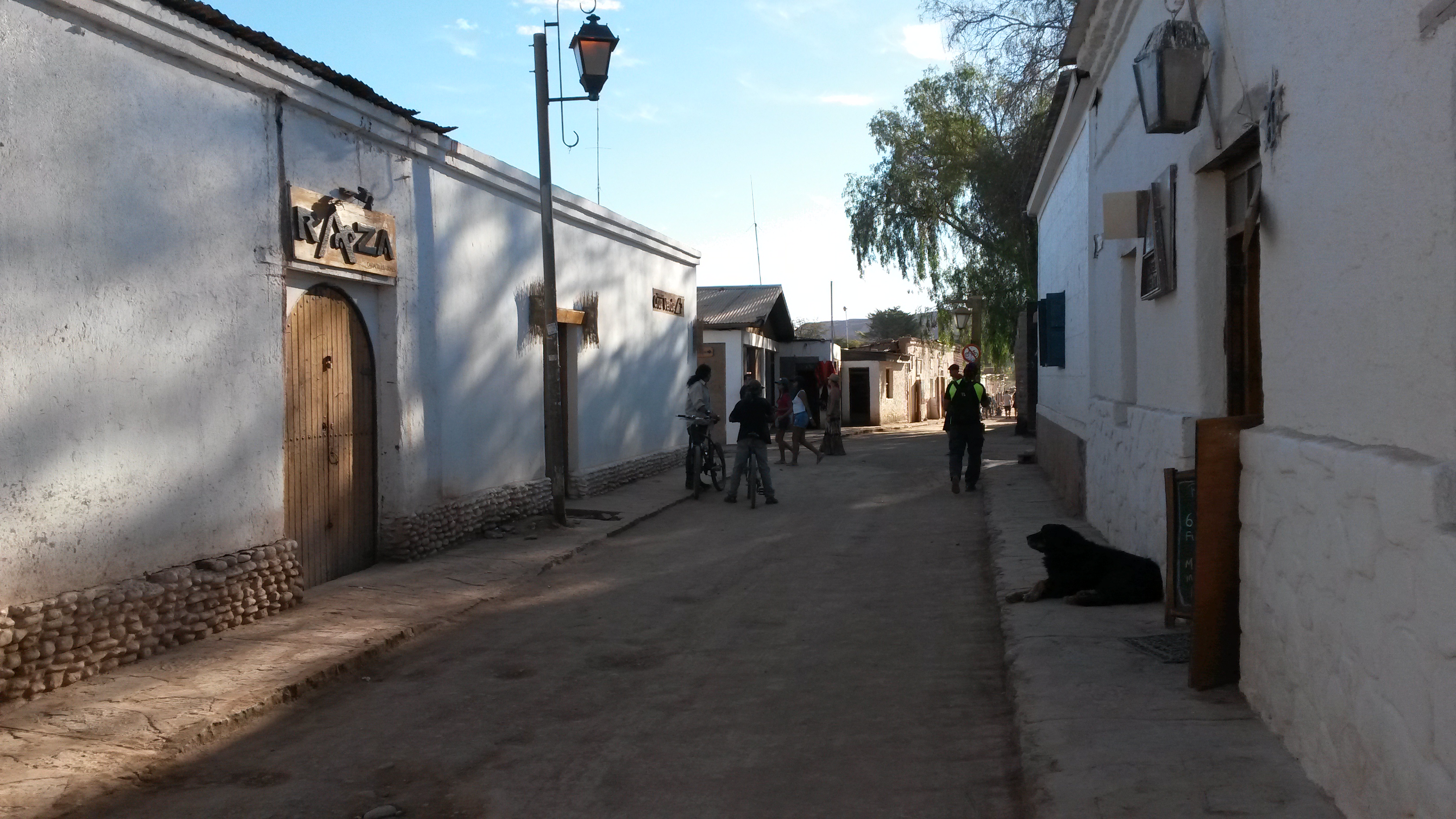 and the gateway to the Atacama desert and tours into Bolivia and its famous Salar de Uyuni.
The Atacama desert is said to be the driest place in the world. You can feel the aridness of this desert region with every pore of your body. Everything instantly becomes dry, your sinuses, your hair, your skin.
Hoewever, the area is stunning:
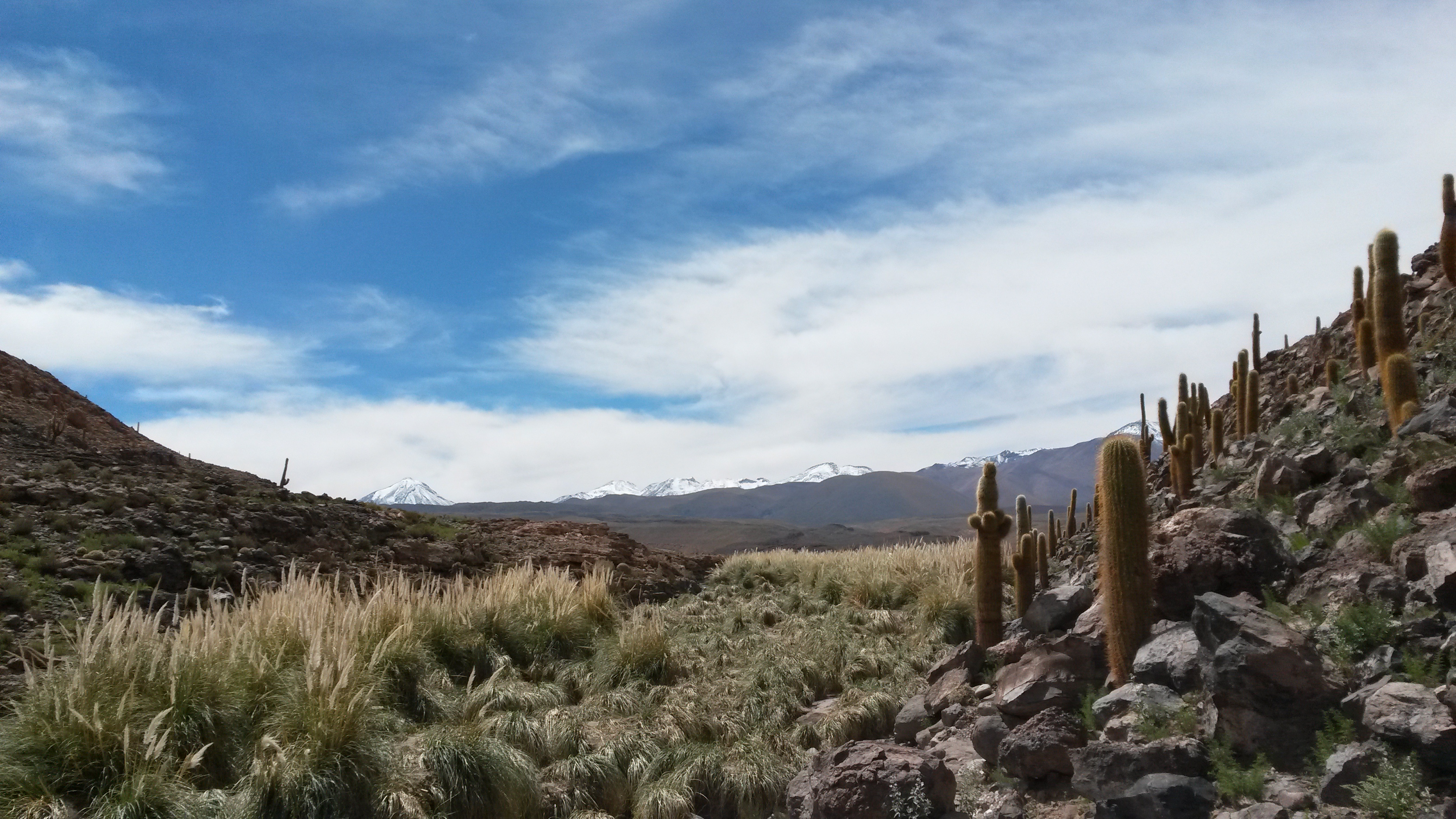
Guatin, aka the Valley of the cactus, is a beautiful valley that boasts the regions biggest cactuses – because they may not be removed here. Many of them are around 100 years old. 

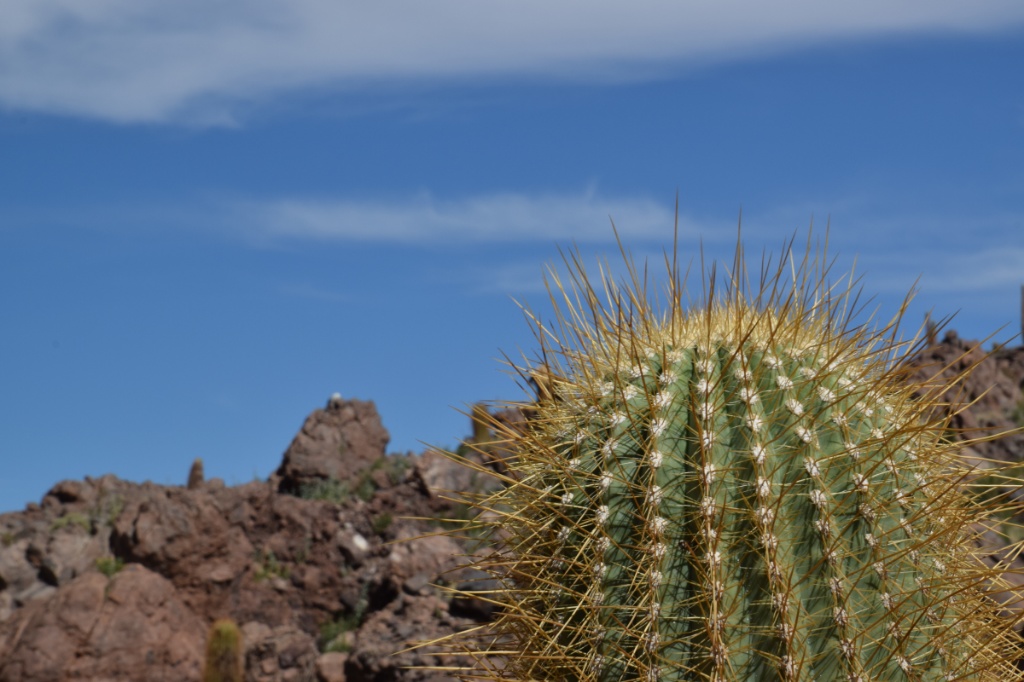
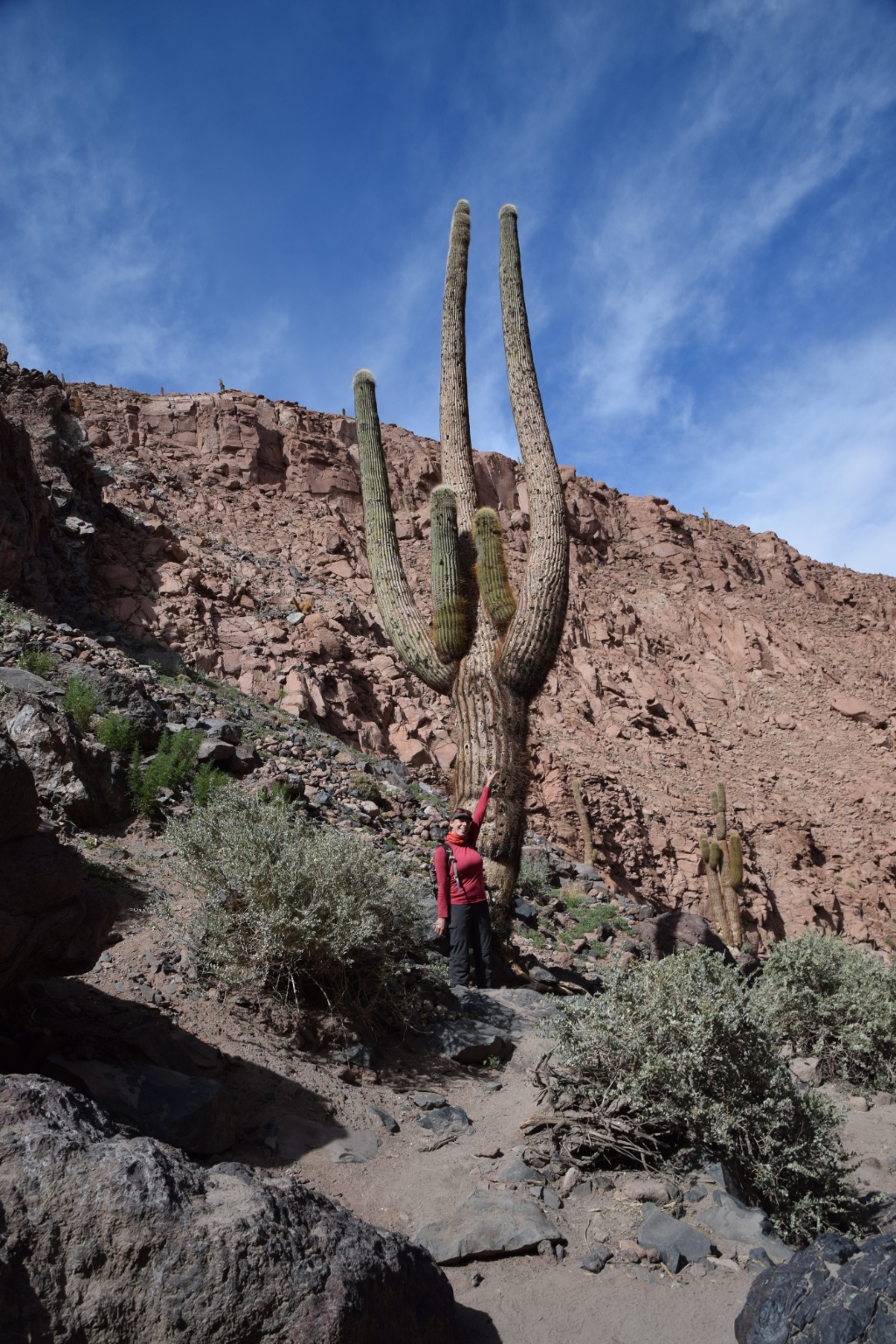


Surprisingly, the inside of a cactus contains very solid and thus valuable wood. This one is worth around 800 USD!

The cactus fruit was a little harder to find as it was not the right season, but we finally got to try some. You’ve got to sqeeze it and you can eat the gluey green mass that is inside. It looks gross, but it’s said to be very healthy and tastes a bit like a sour kiwi.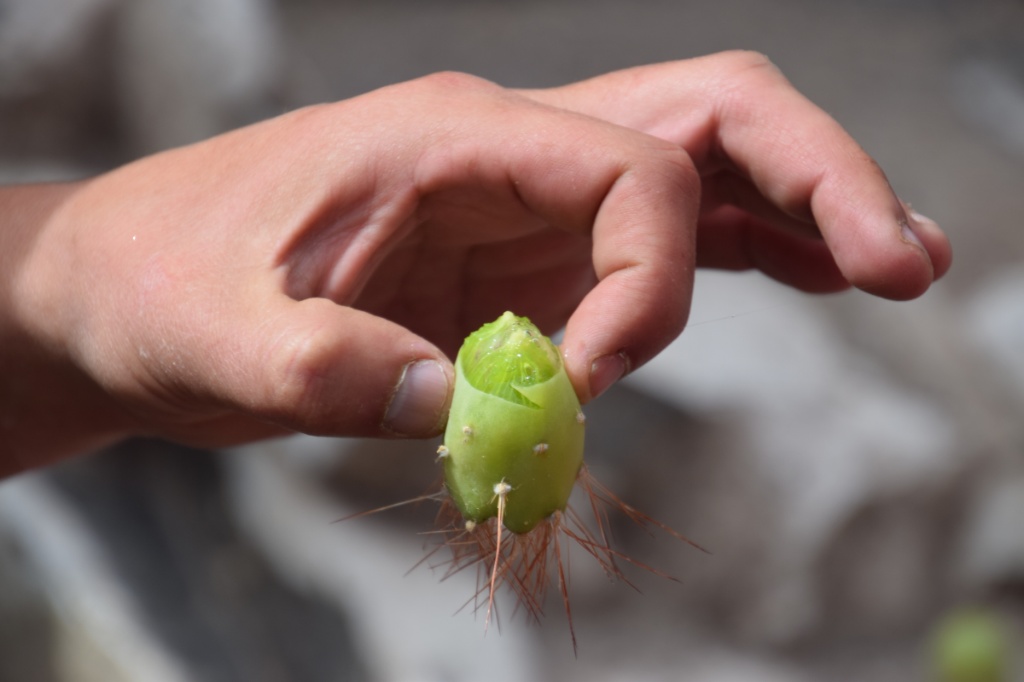
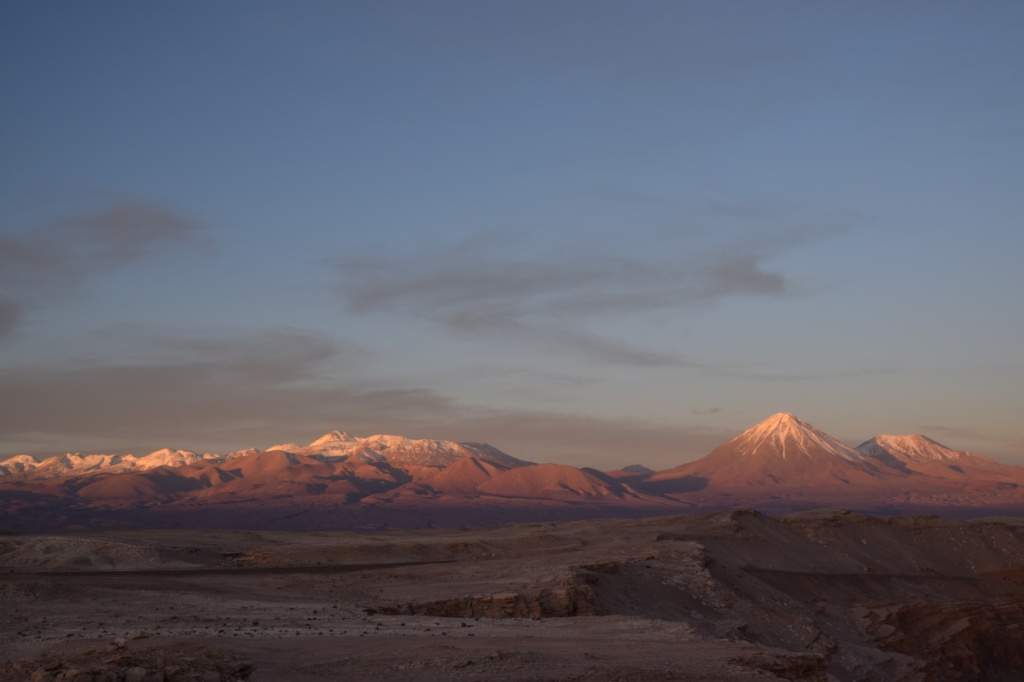
From the upper entrance to the valley, just like from San Pedro and around, you can see the majestic snowcapped volcanoes on the border to Bolivia. 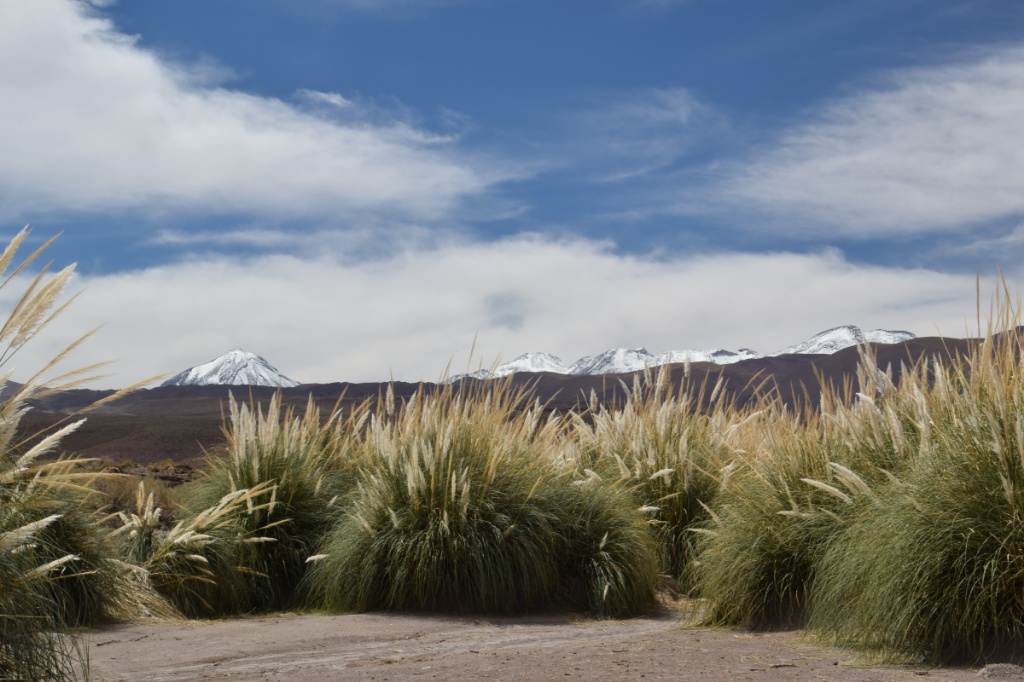
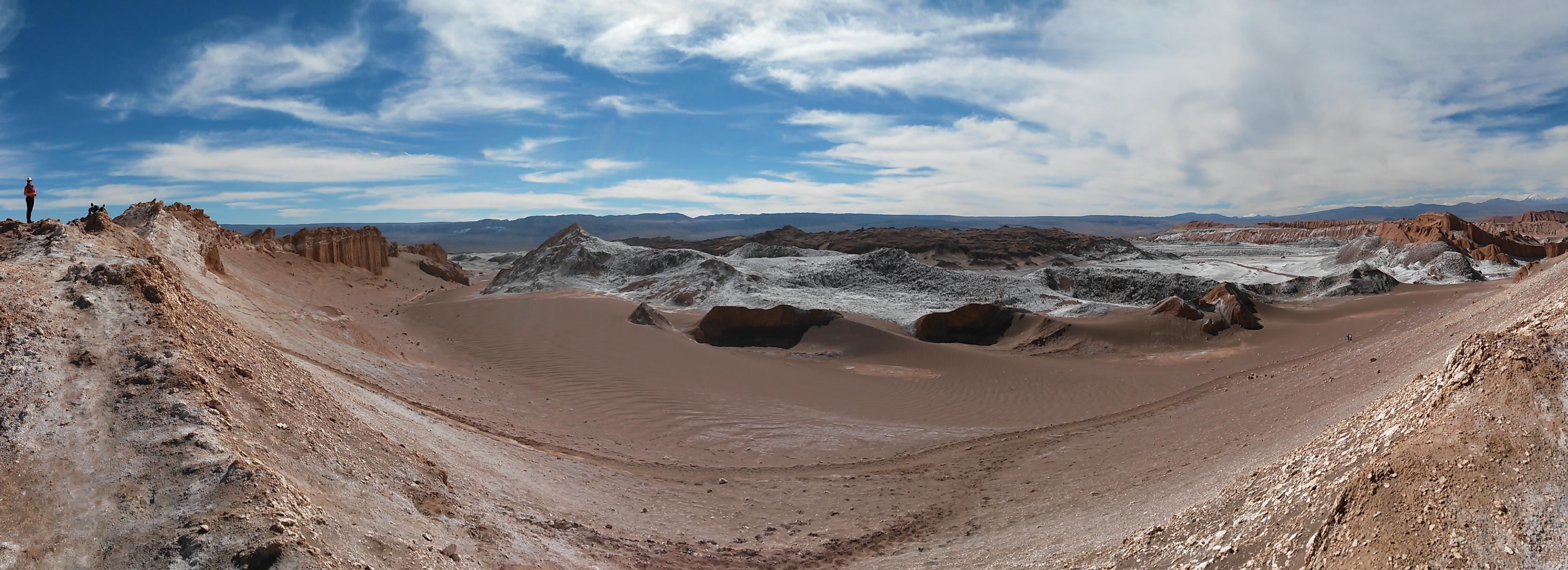
The Valle de la Luna and Valle de la Muerte are two of the most fascinating landscapes around SPdA…:


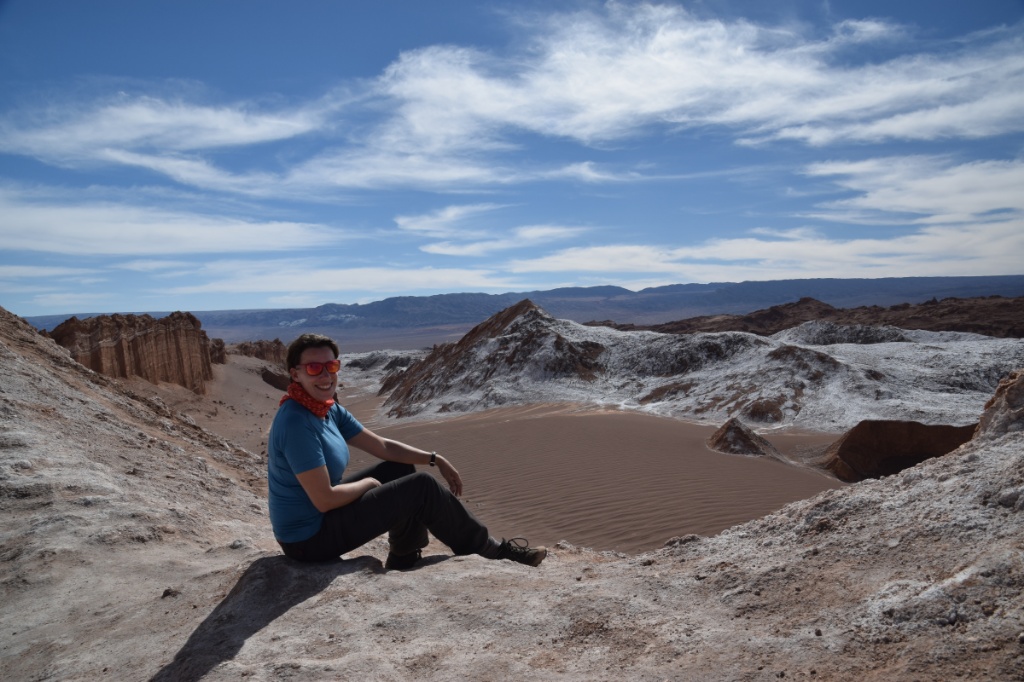
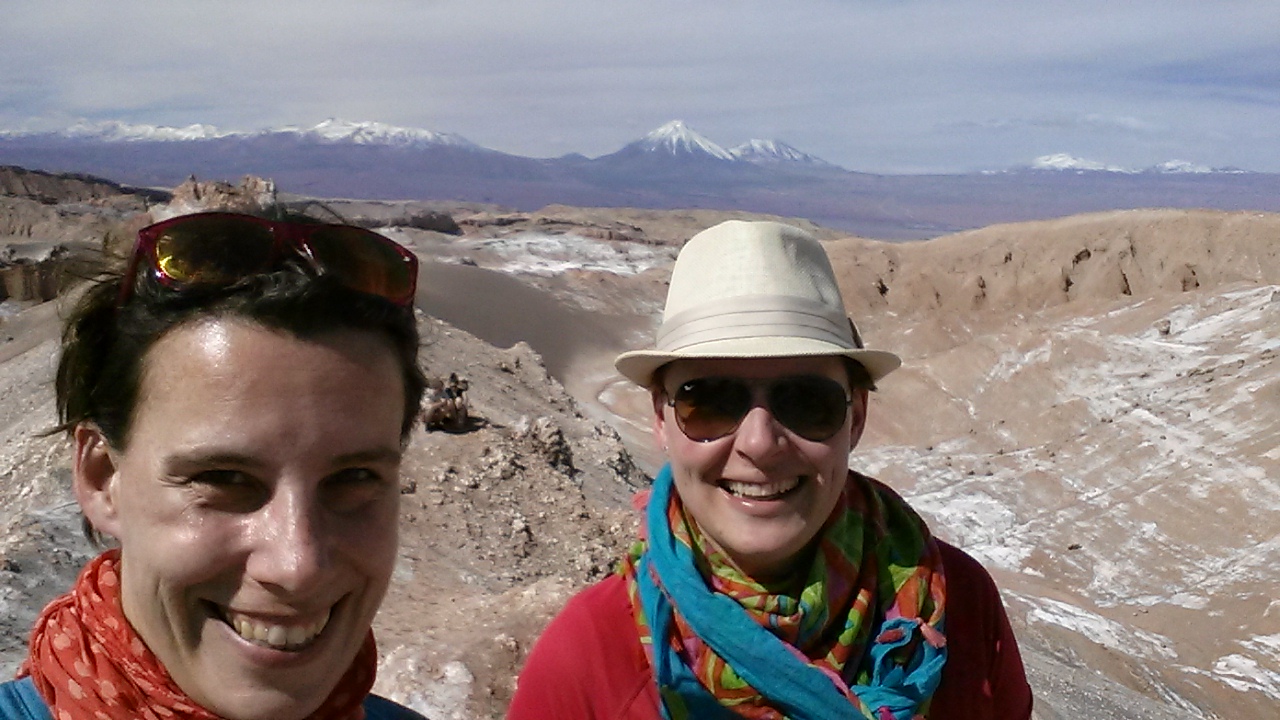 With my roommate and soon to be travelmate Laura. I am glad you convinced me to leave a day earlier to the “Tour de Uyuni” :-)! Can’t imagine it without you!
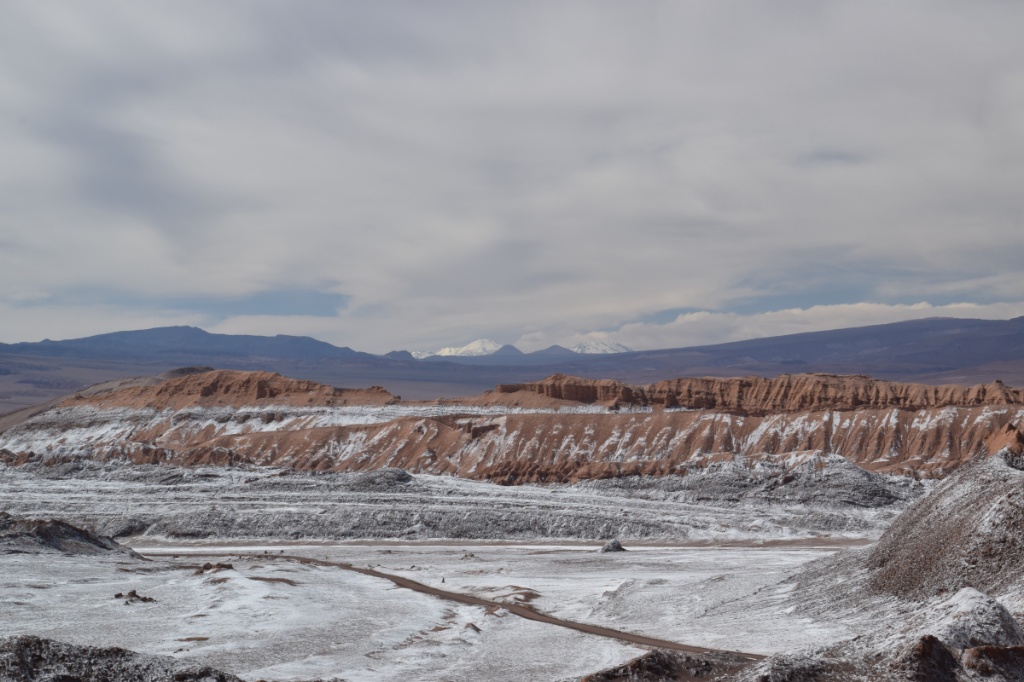


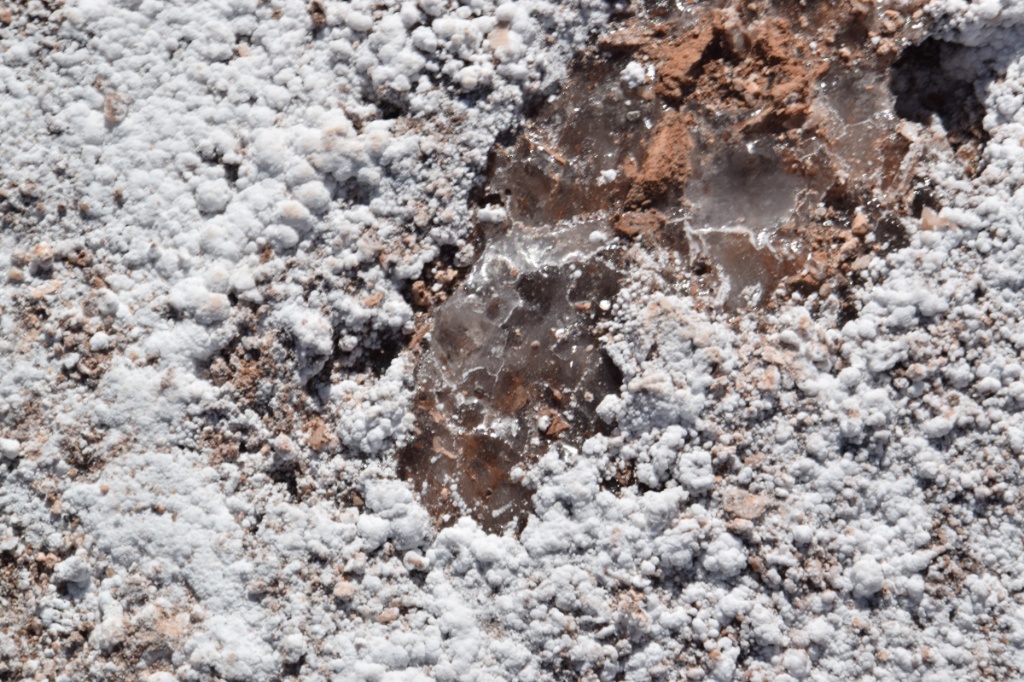
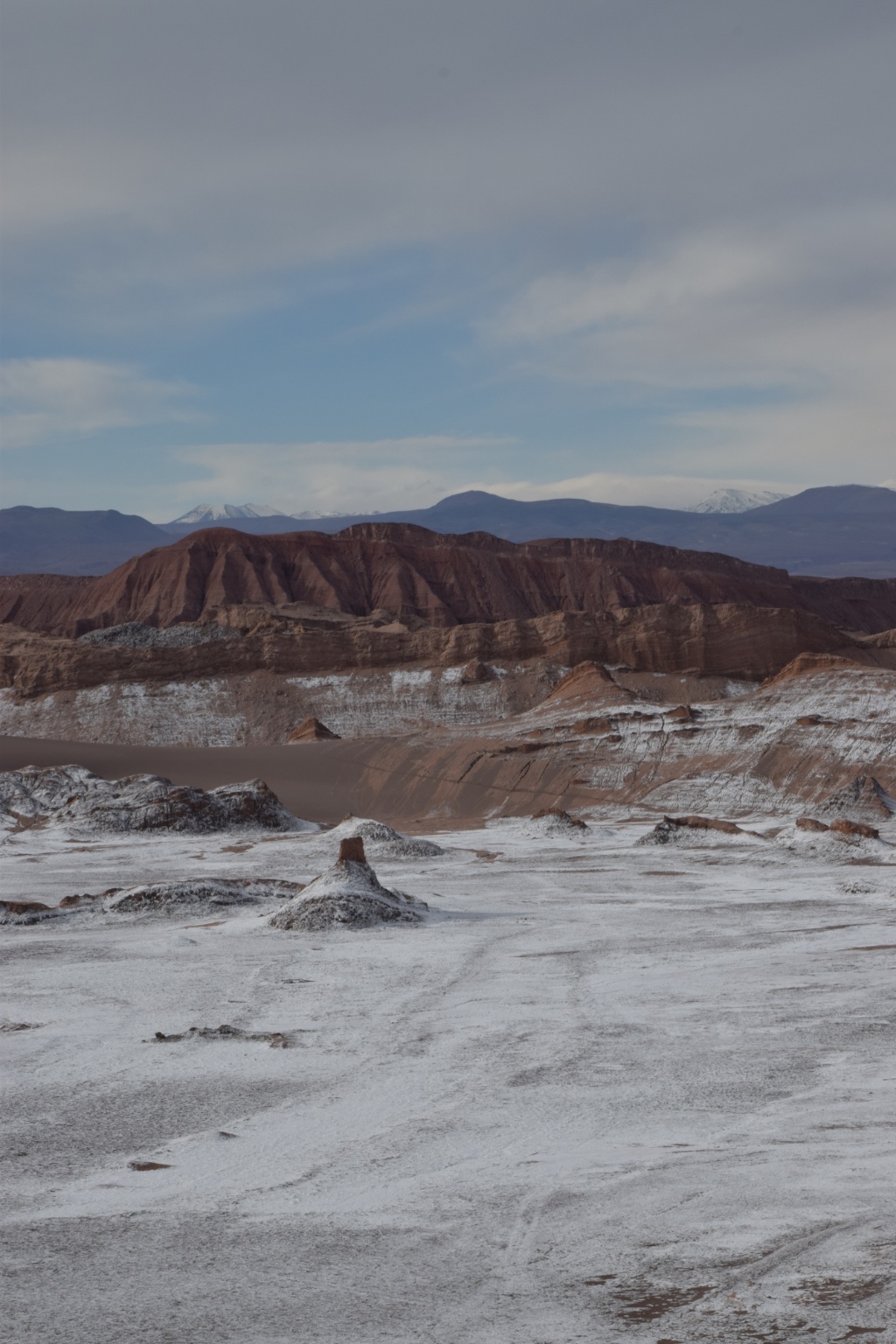 Thanks to the recent rain there were more salt deposits at the surface and the landscape was whiter than usual.

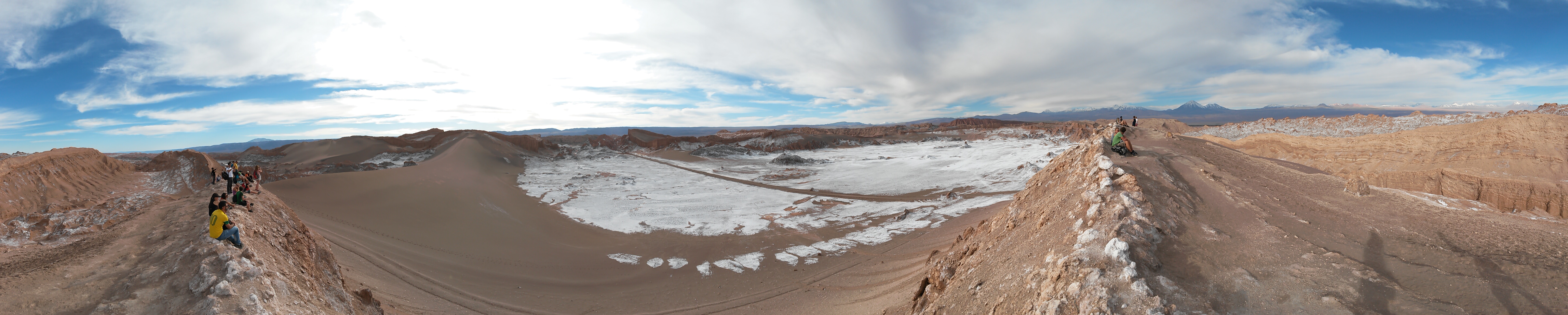

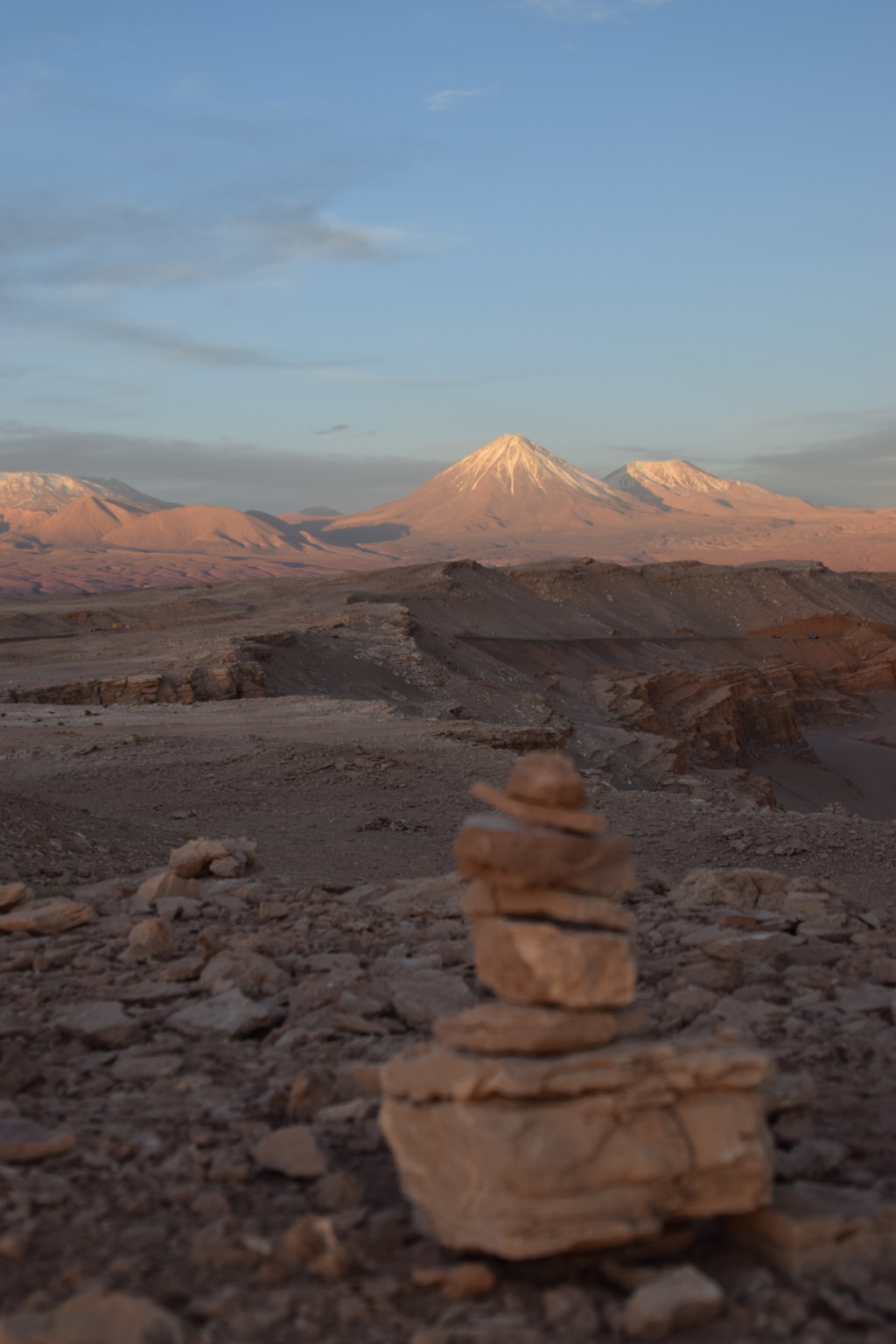
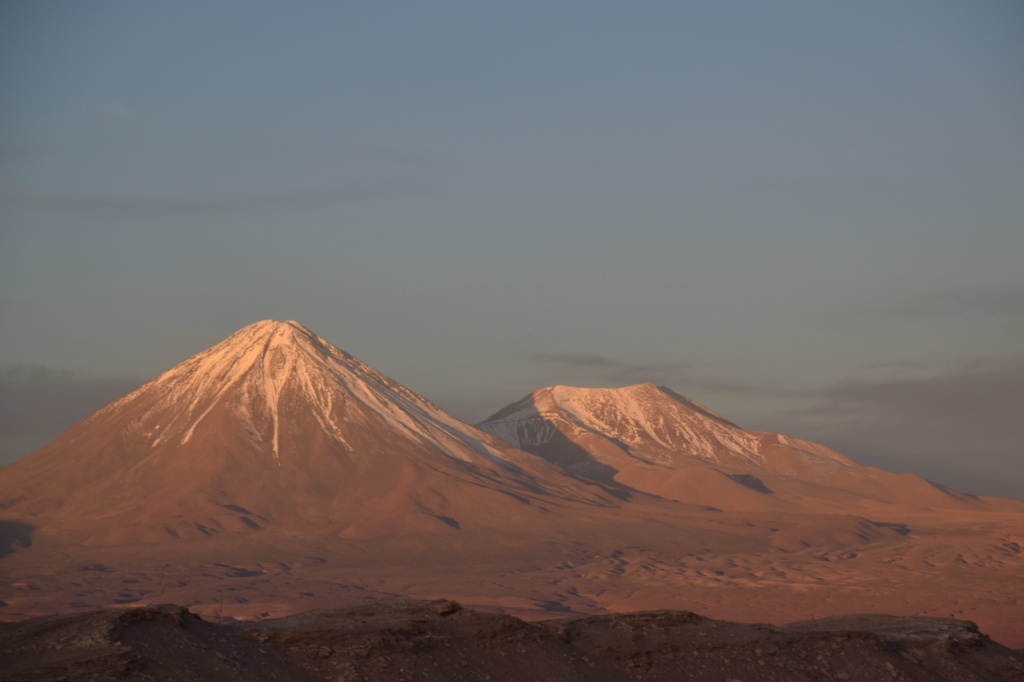 This most striking Volcano is called Licancabur. Doesn’t it look just like Mt. Ngauruhoe, aka Mt. Doom?

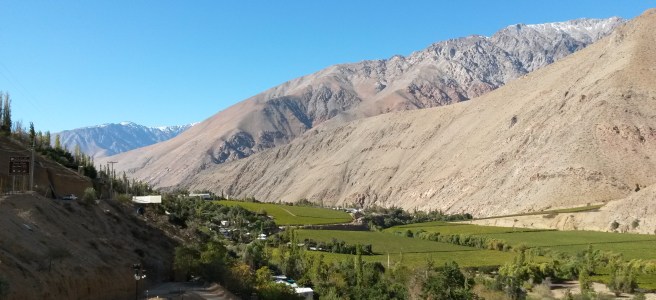
Heading further north I opted for a stopover in the Elqui Valley.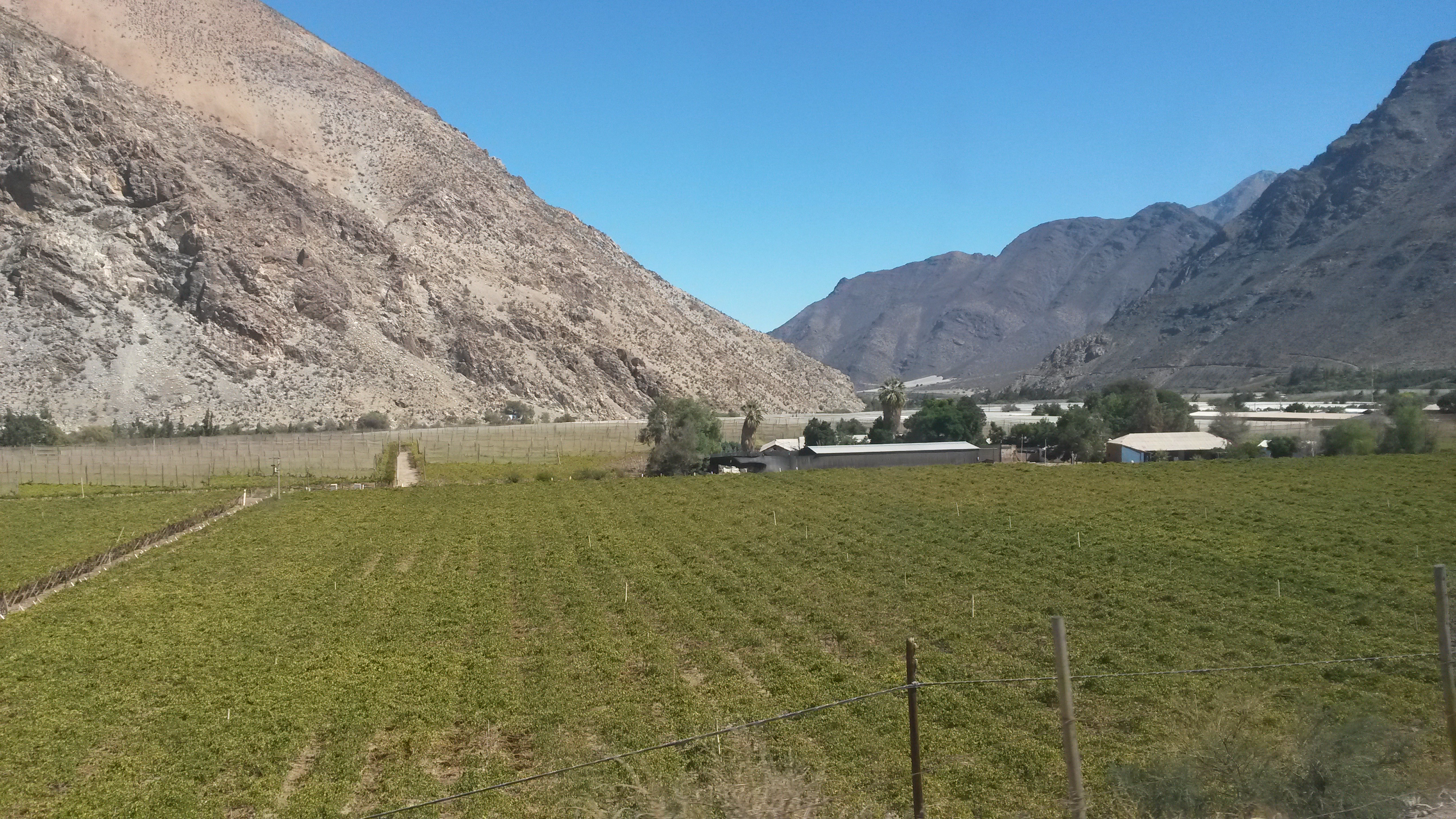 I had a very relaxing three days at “El Tesoro de Elqui” (http://www.tesoro-elqui.cl/eng) in Pisco Elqui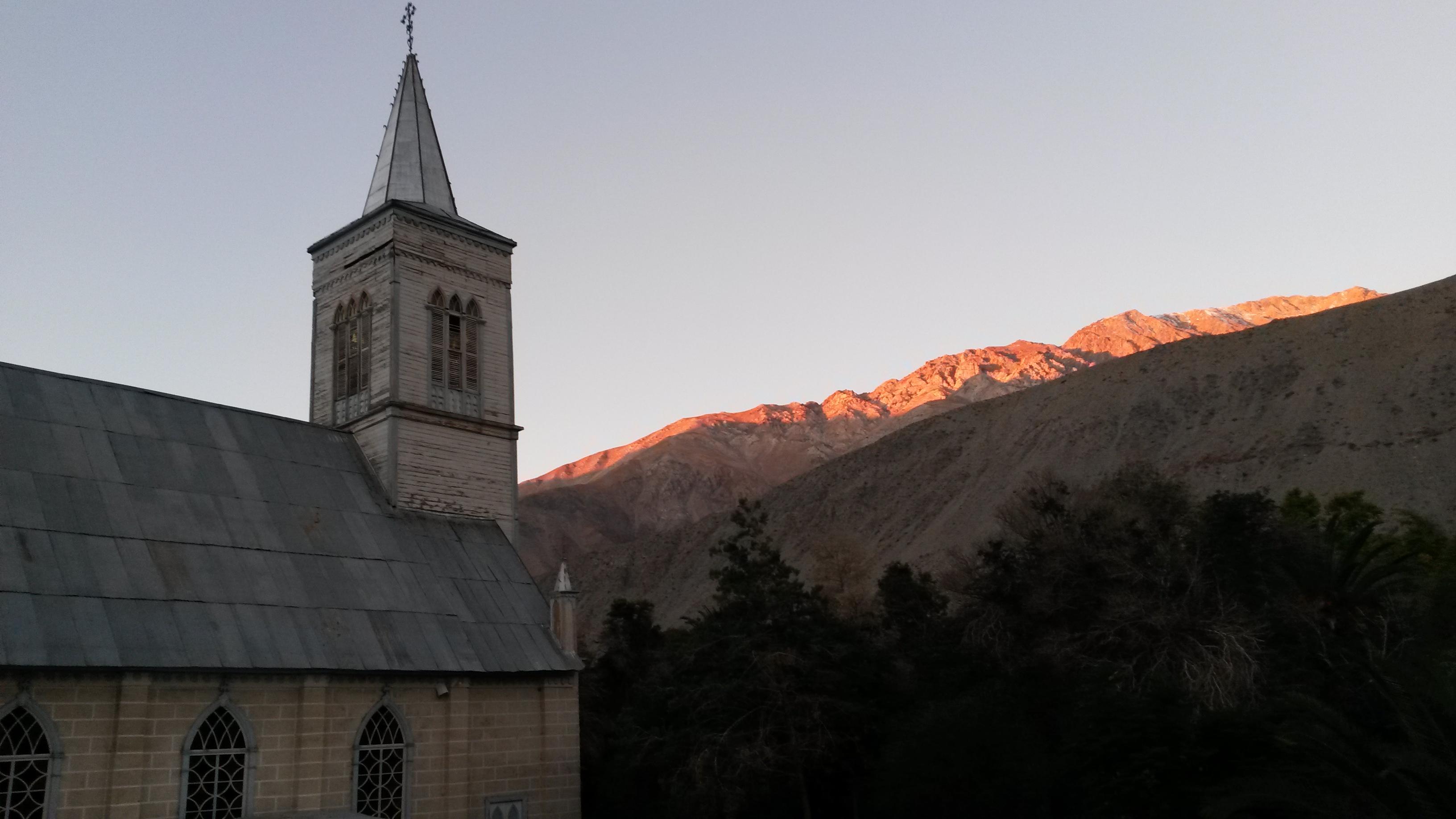
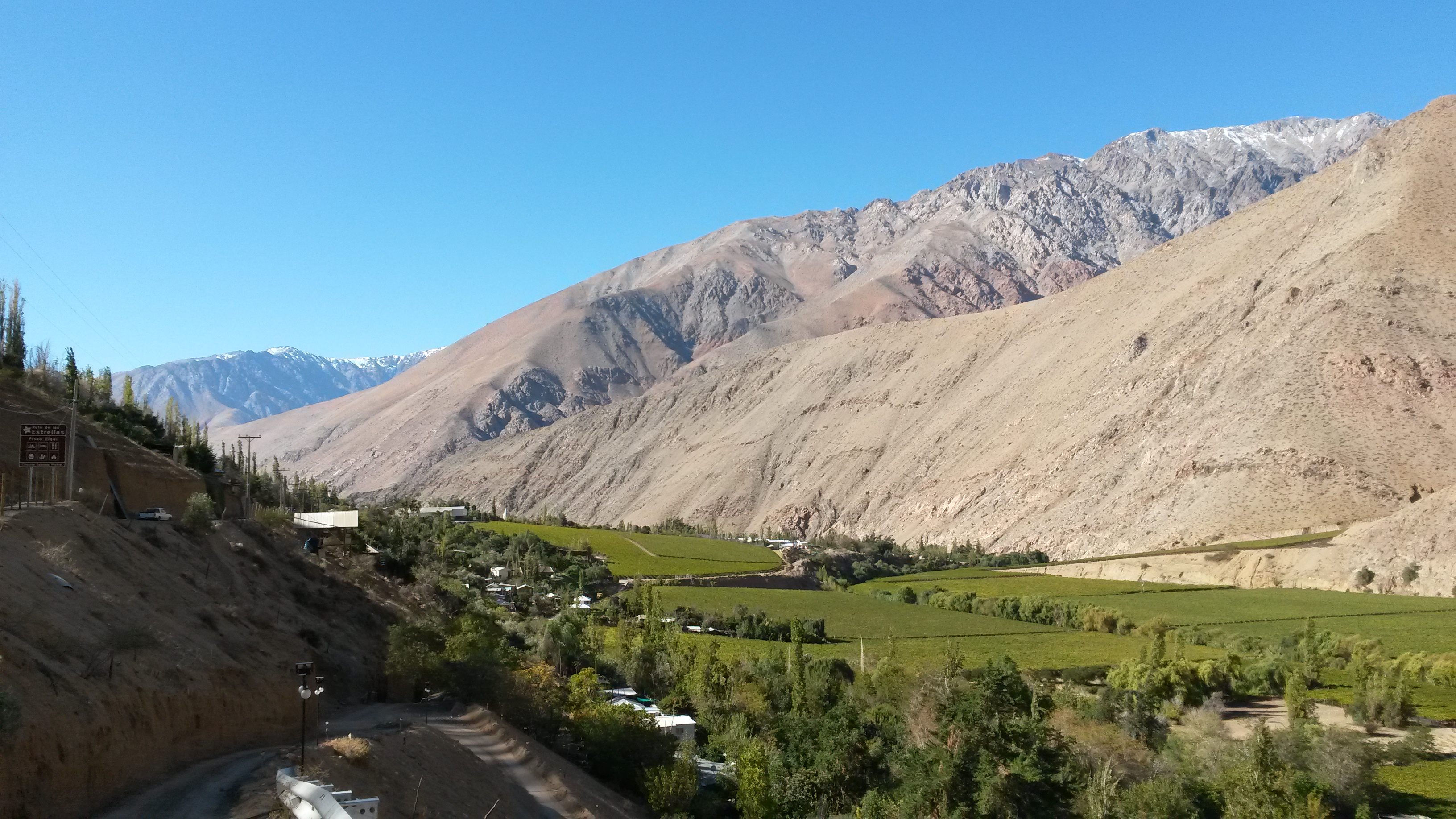 – thanks to my brother, who knew about this heavenly place because he’d partied with the two german proprietresses ages ago in Braunschweig, Germany.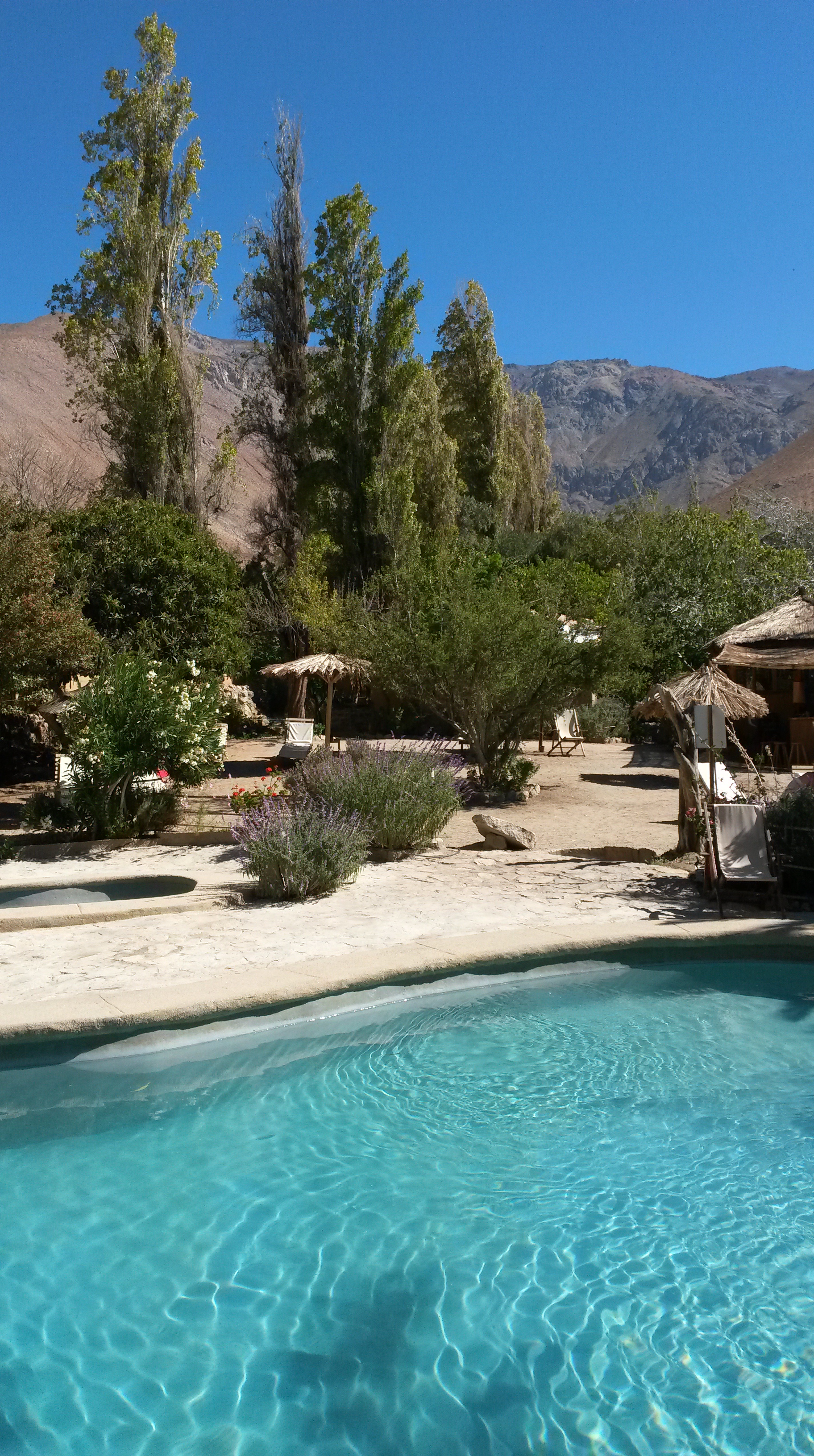

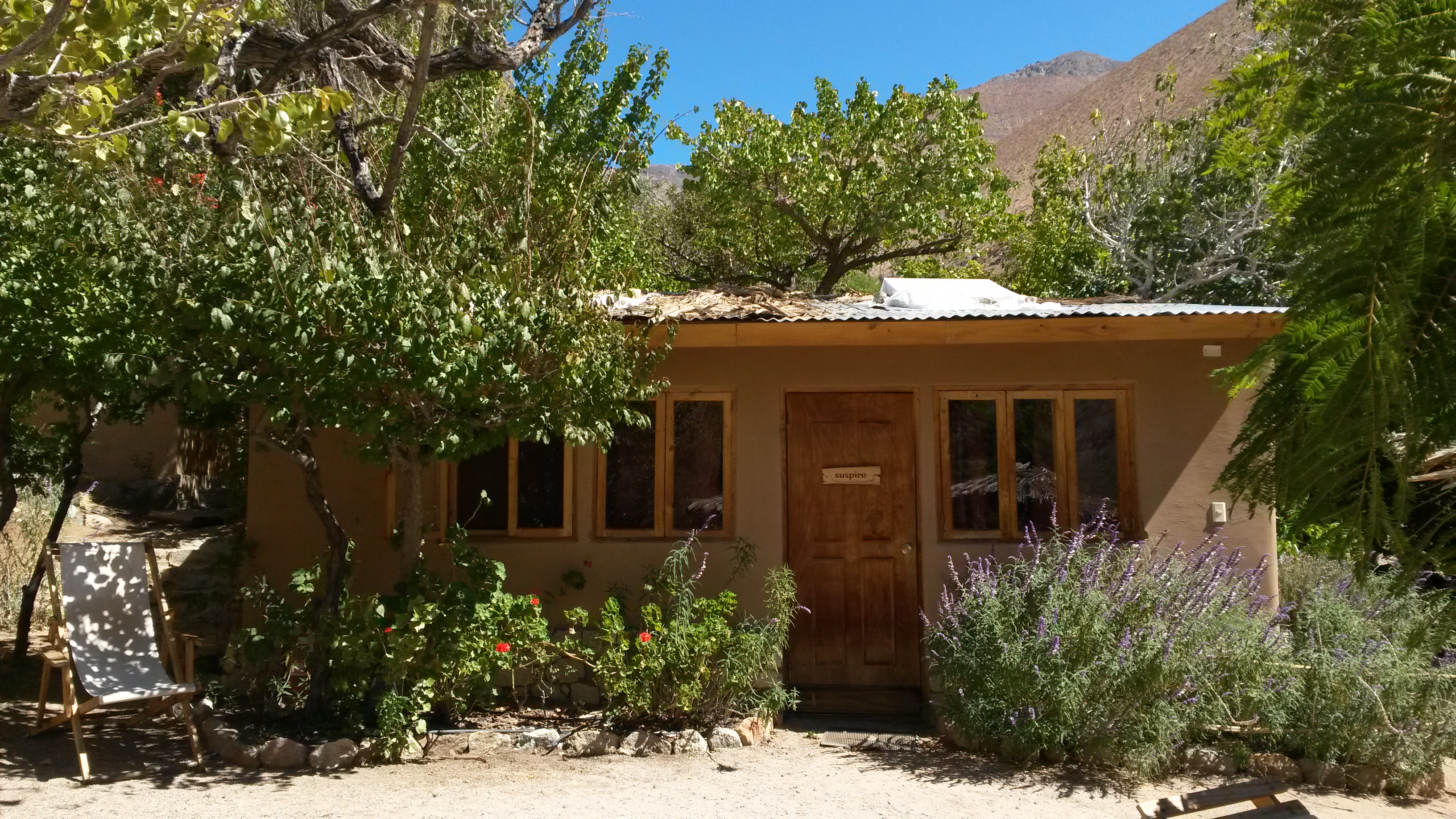
It was about time for a vacation, i.e. a break from travelling. Which is why I mostly dozed on a sunbed at the pool, ate, drank and slept.
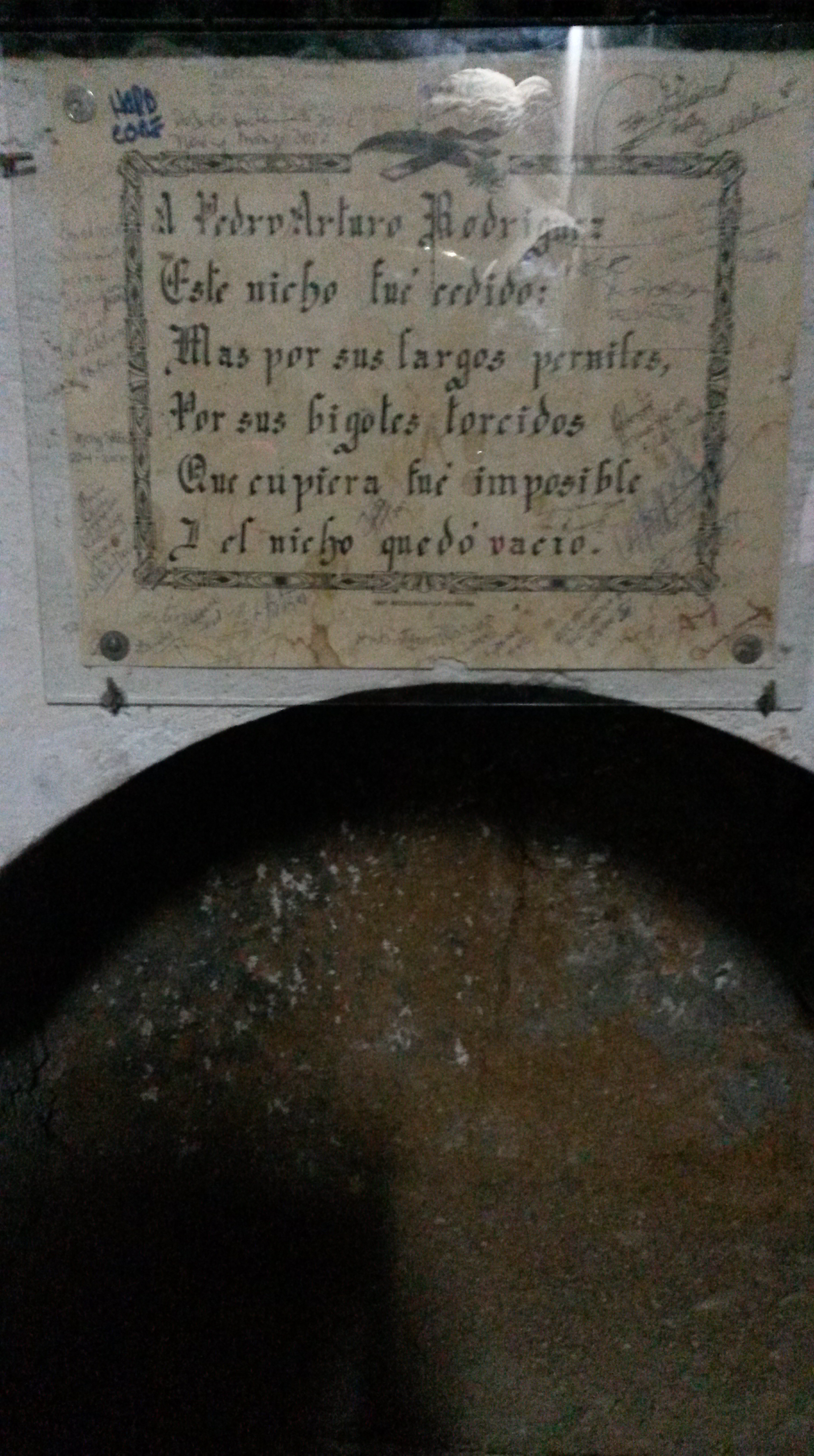
My only exercise was a 4 km bike ride to the oldest Pisco distillery in Chile: “Los Nichos”. After all, I had to finally figure out how Pisco is made! Unfortunately I was too late for the last tour, but fortunately three girls from Viña del Mar turned up at the same time and they were just as diappointed as I was. After a free Pisco tasting the guy behind the counter showed compassion with us and simply gave us a free private tour (in spanish, that is, …)!

And here is why it is called Los Nichos: in the cellar the owner enjoyed drinking in the company of his friends. This cellar has several niches where the pisco bottles were stored to age and each friend was allocated a niche as a tomb, a place for his ghost to rest after death. One niche, however, remains empty. If I understood it correctly the man was simply too big for his niche…


I really enjoyed travelling through Chile – also because of the Chilean food and drinks.
Here are some of my favourite dishes:
1) Ceviche (raw fish, occasianally mixed with other seafood): definitely one of my favourites, although some people (including Chileans) say that Peruvian Ceviche is better – I have yet to try and compare that.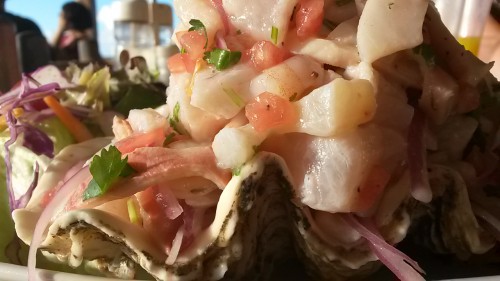
2) Ice Cream: it really surprised me to find such amazing ice cream in Chile. My favourite stores are Mikafé in Hanga Roa, Easter Island, and Emporio la Rosa in Santiago. Favourite flavours: chocolate with toffee, dulce de leche, frambuesa menta, lúcuma and mango.
 Oh and not to forget that fantastic avocado (yes, avocado) ice cream at Vinilo in Valparaiso.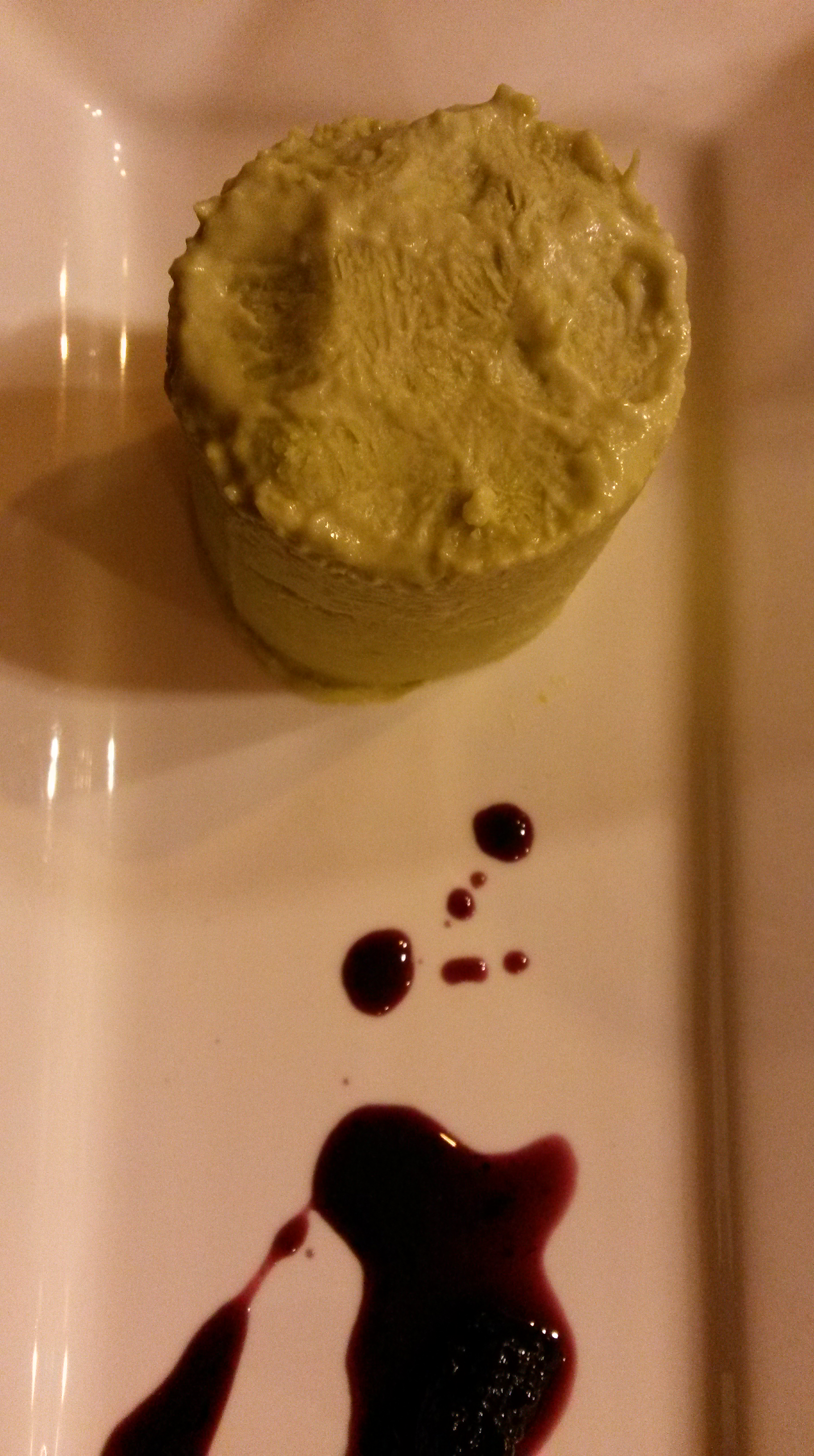
3) Empanadas: particularly those filled with fresh tuna and seafood (Easter Island).
4) Lomo a lo pobre: loin cut of beef on a mountain of french fries and fried onions topped with a fried egg.
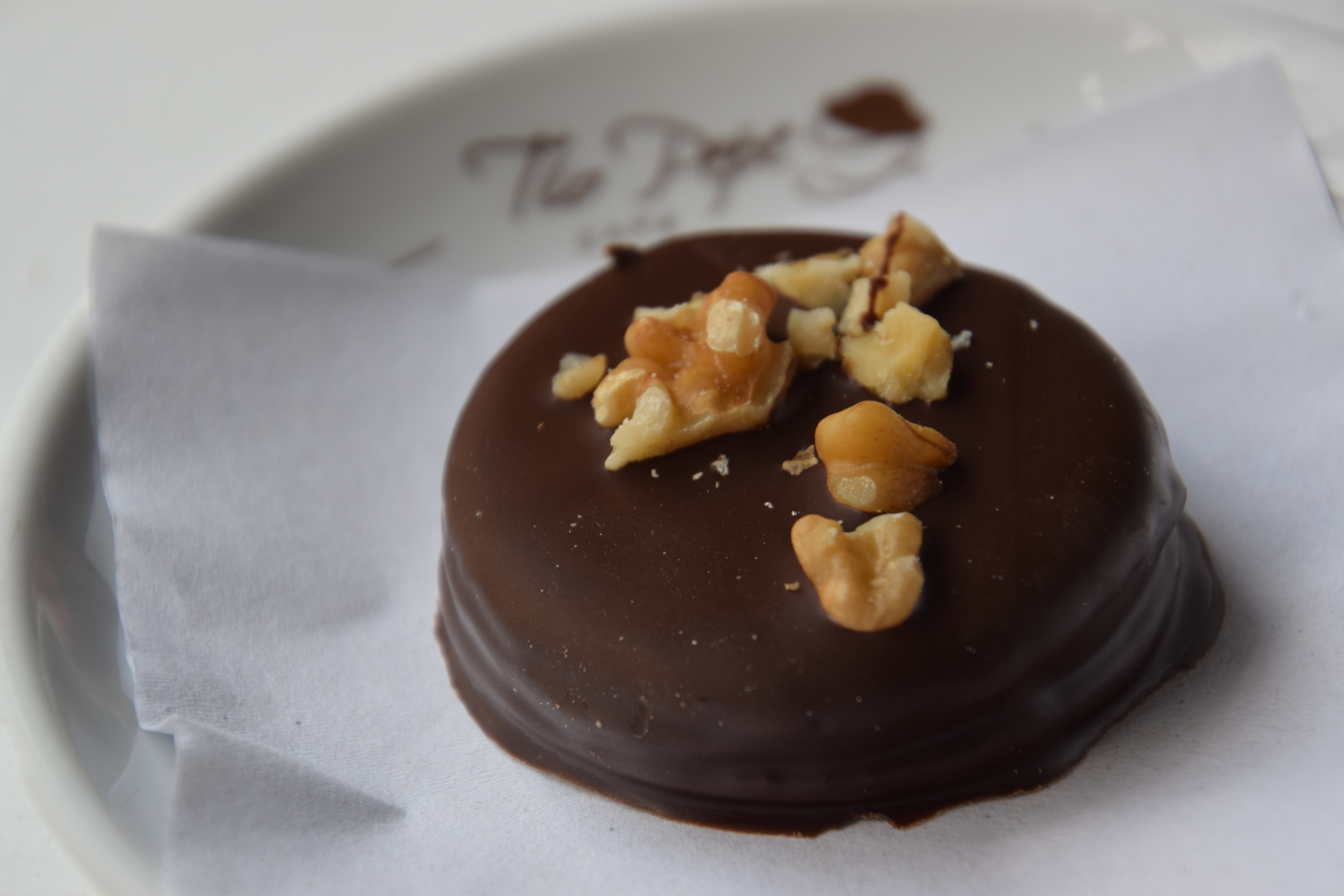
5) Alfajores: two round cookies with a sweet filling, usually dulce de leche, covered in glaced sugar, chocolate or coco.
6) Completo Italiano: a hot dog with tomatoes, mashed avocado and mayonnaise.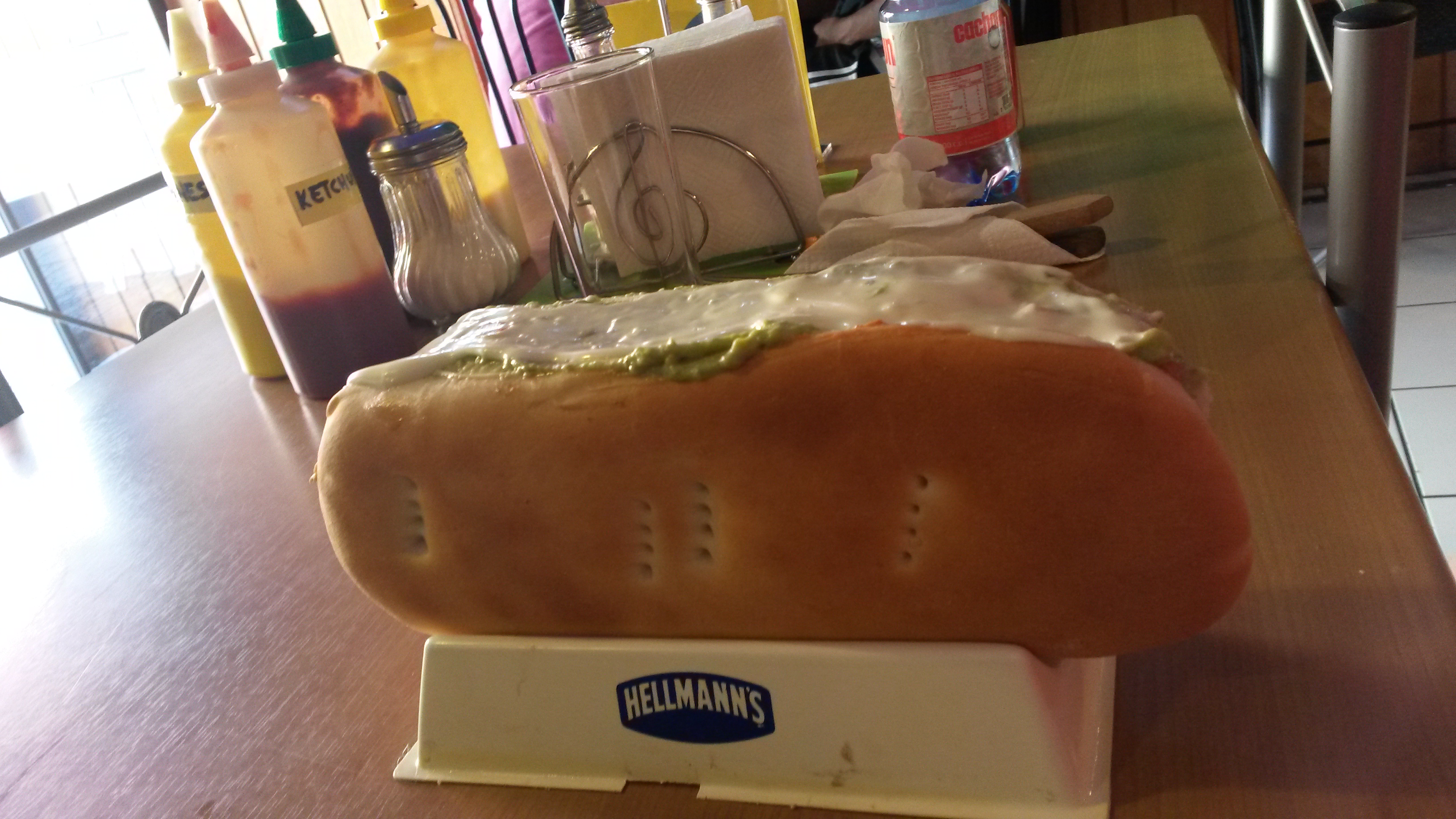
7) Lomito Completo: Sandwich/ Burger with sliced cooked sirloin steak, mayonnaise, mustard, ketchup, tomato and loads of sauerkraut. Try this at Fuente Alemana in Santiago! 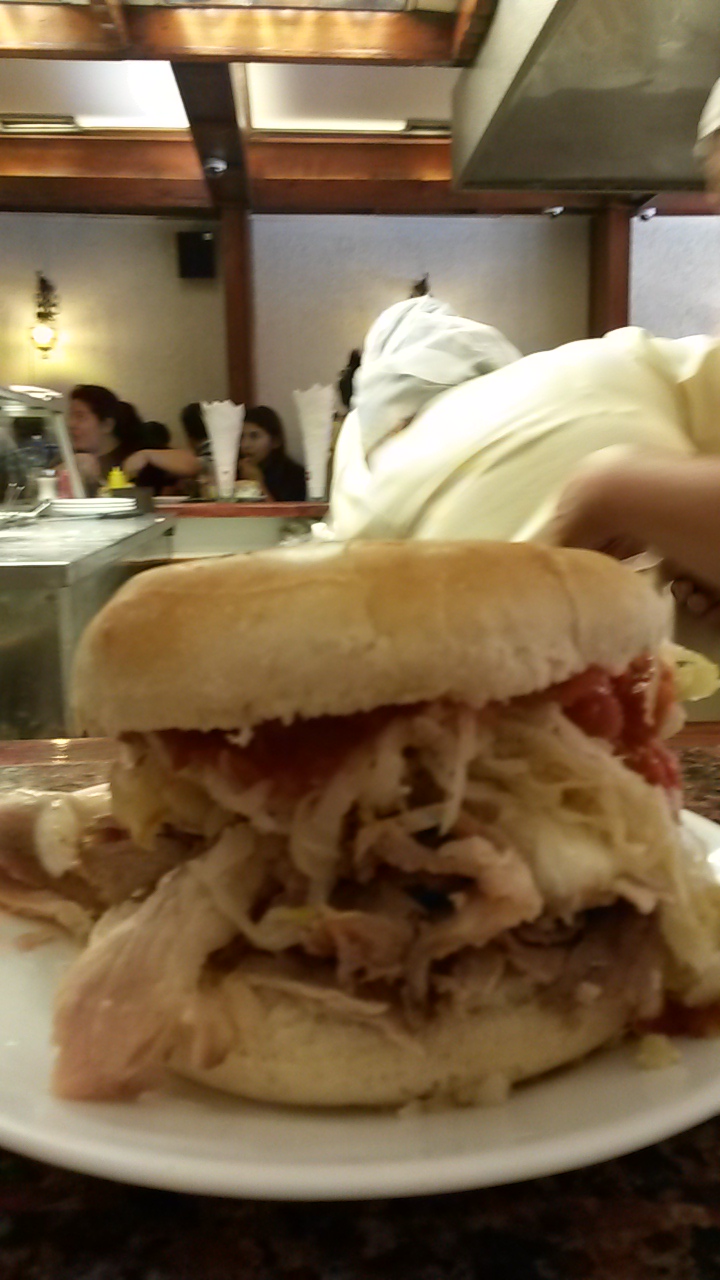
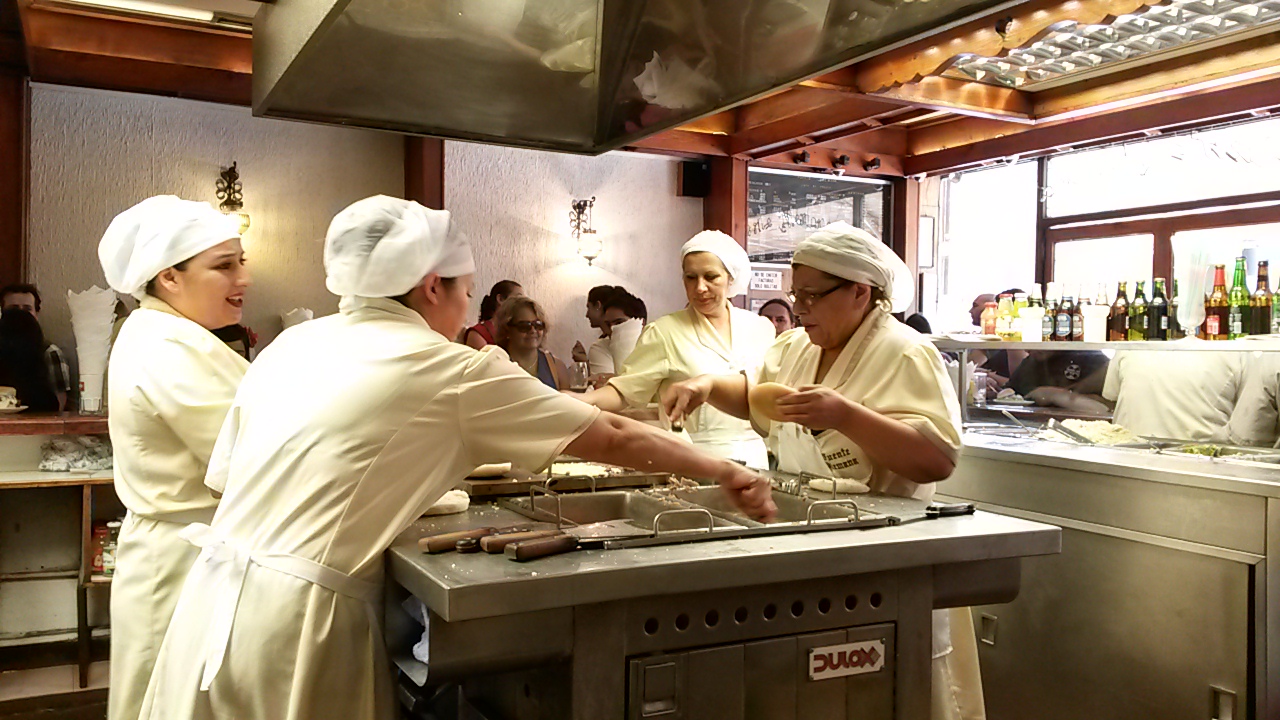
8) Machas con Parmesano: 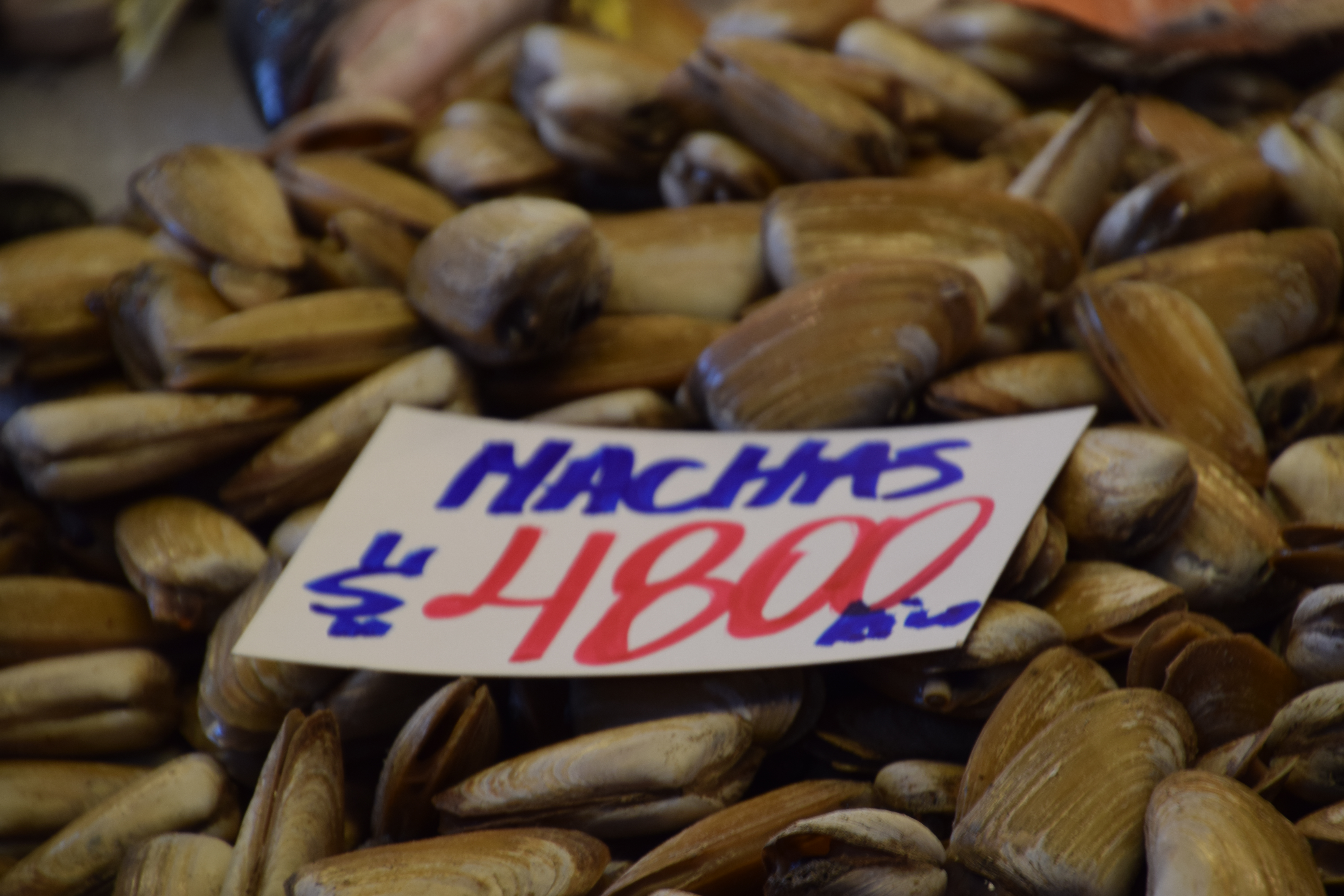

Favourite Drinks:
1) Jugos Naturales: freshly made fruit juices, e.g. pineapple!
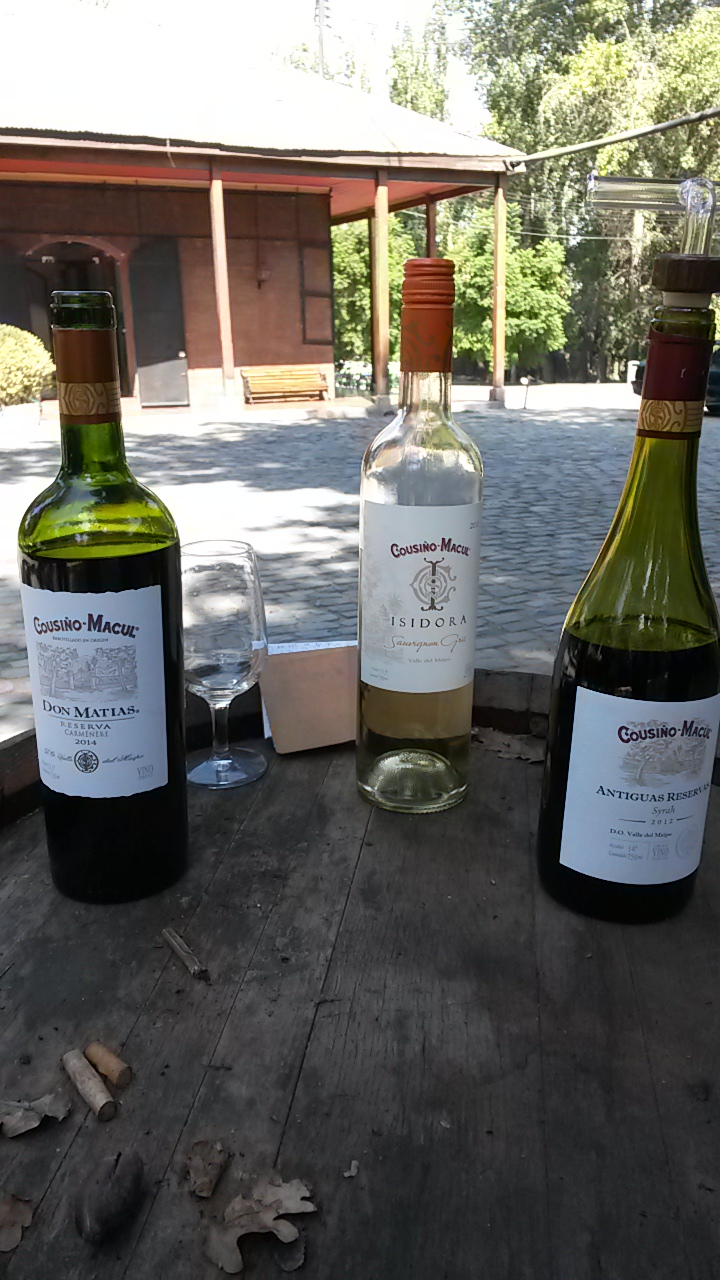
2) Beer and Wine (try the Carmenere as you will hardly find it anywhere else in the world)!
3) Pisco Sour: Pisco is a clear brandy that is destilled from white muscat grapes. A Pisco Sour is a Cocktail with Pisco, sugar, lime, one eggwhite and crushed ice. 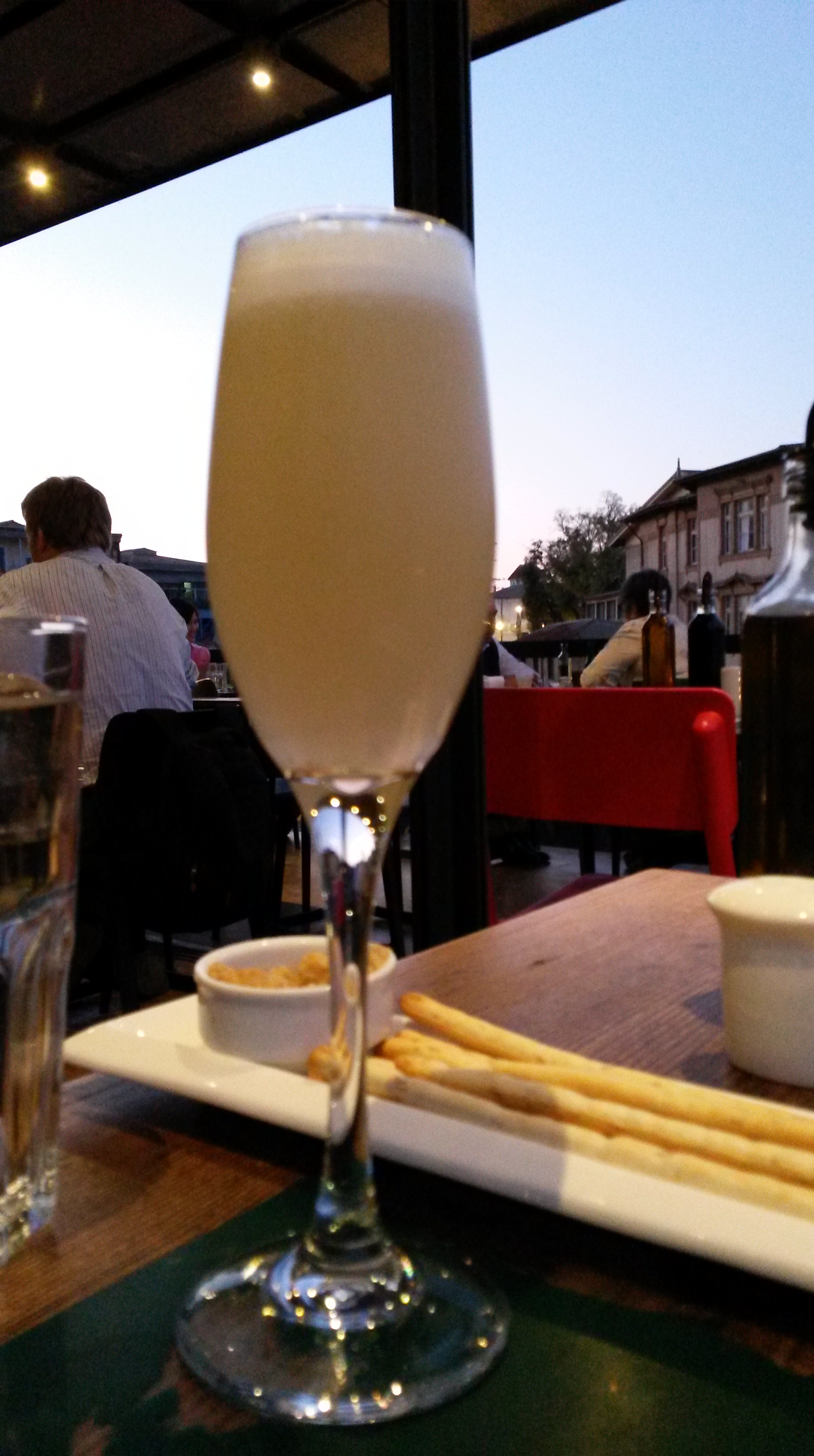
4) Terremoto (earthquake): young white wine, Pisco, sugar, pineapple ice cream…
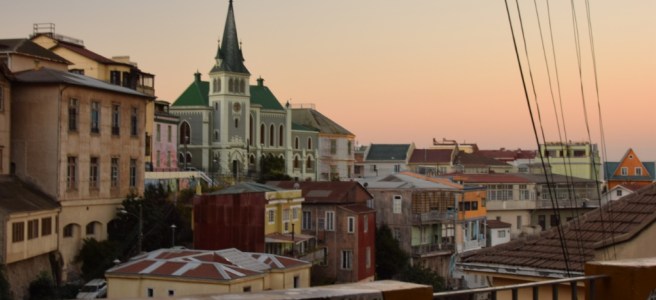
After two days in Santiago I had enough of the big city life and made my way to Valparaiso, which is only a two hour busride away at the coast. I instantly fell in love with this city because of
its colorful houses 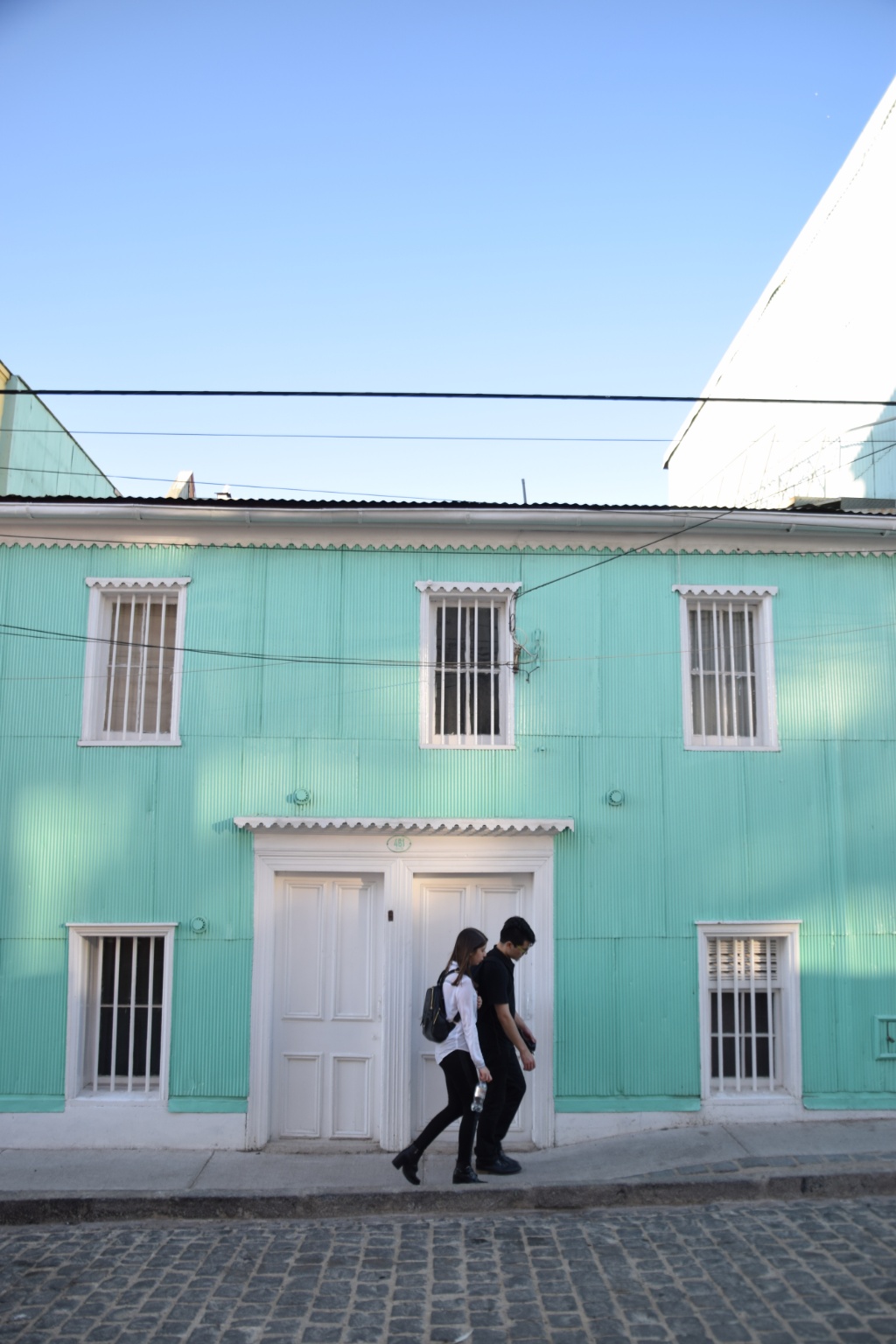
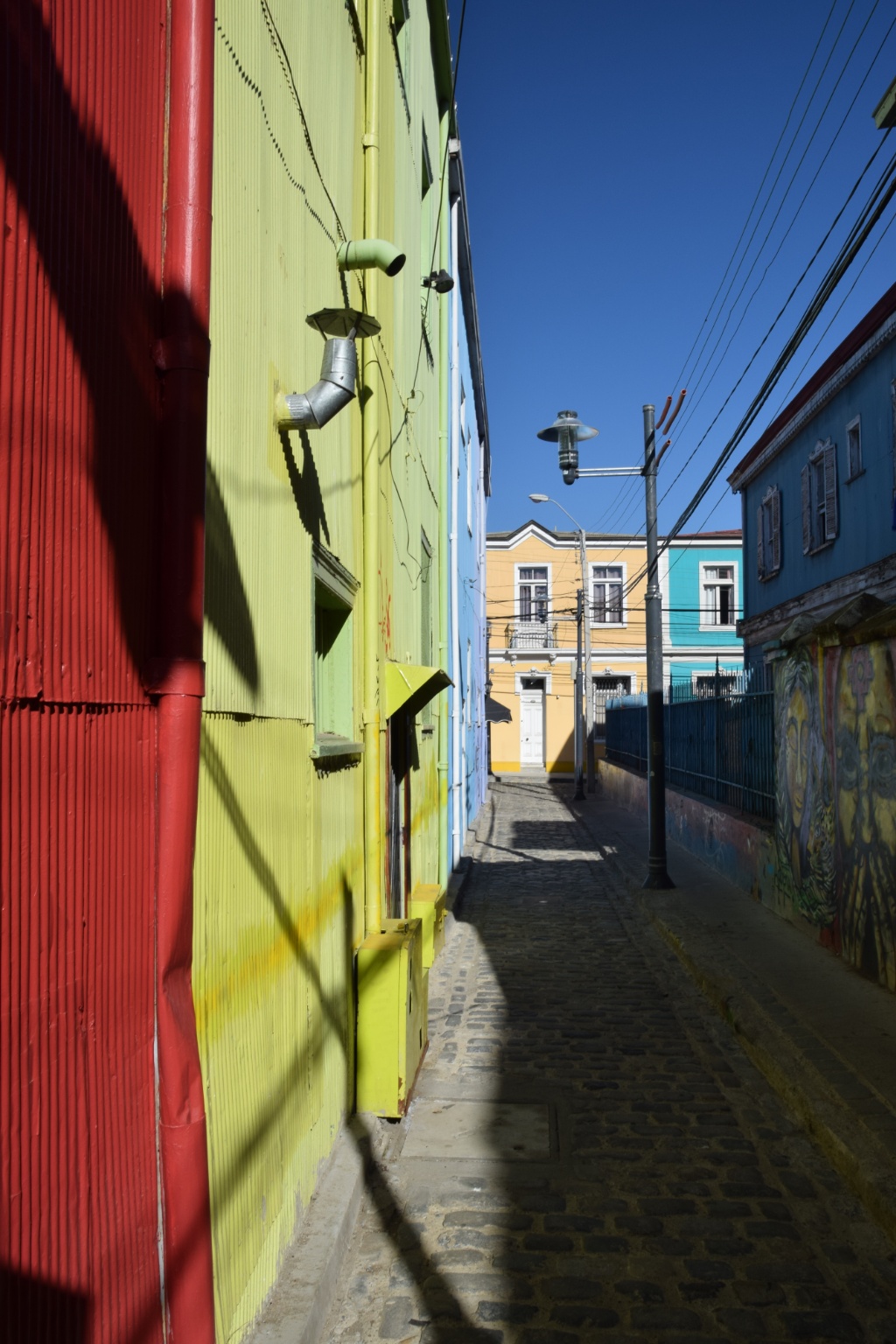

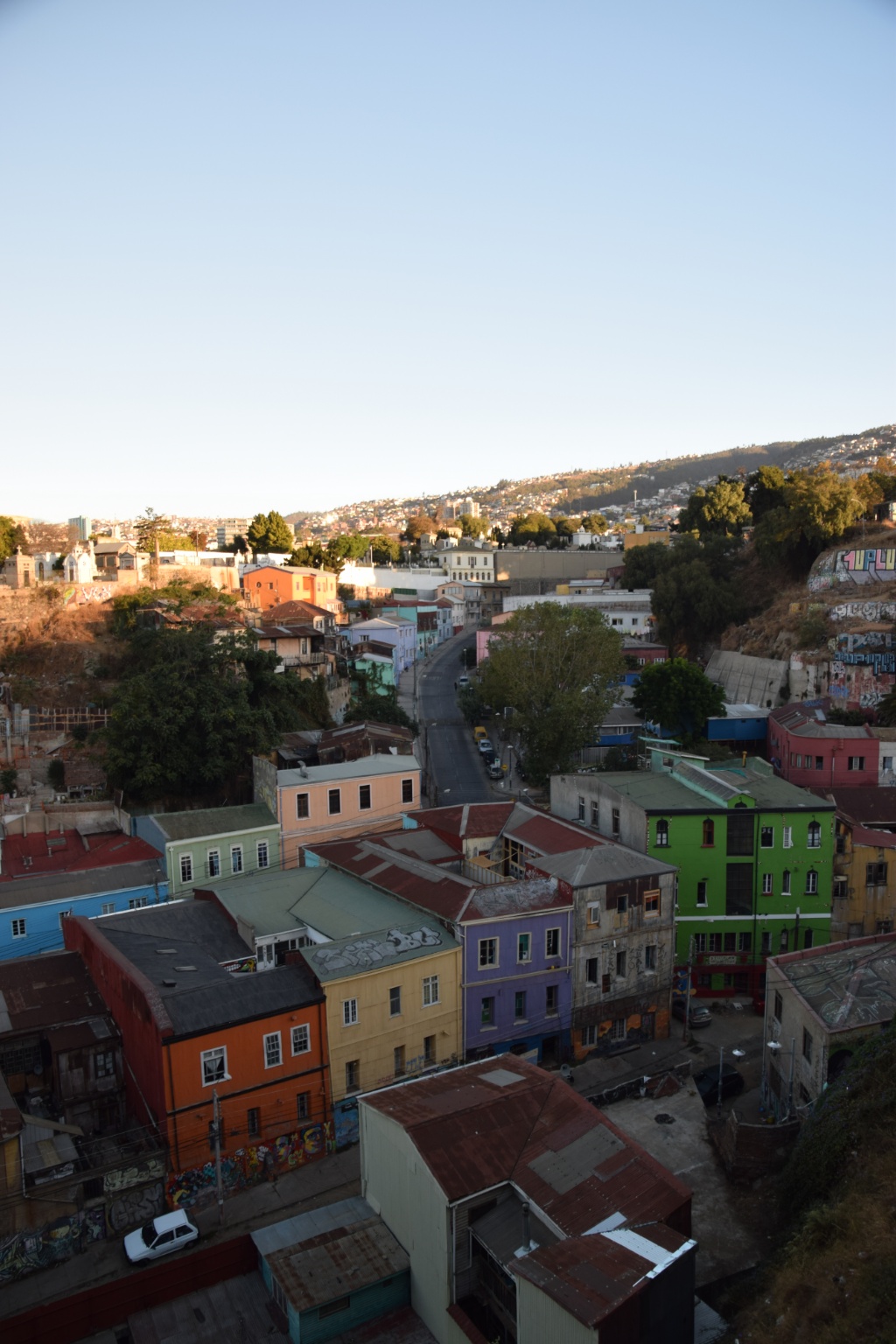

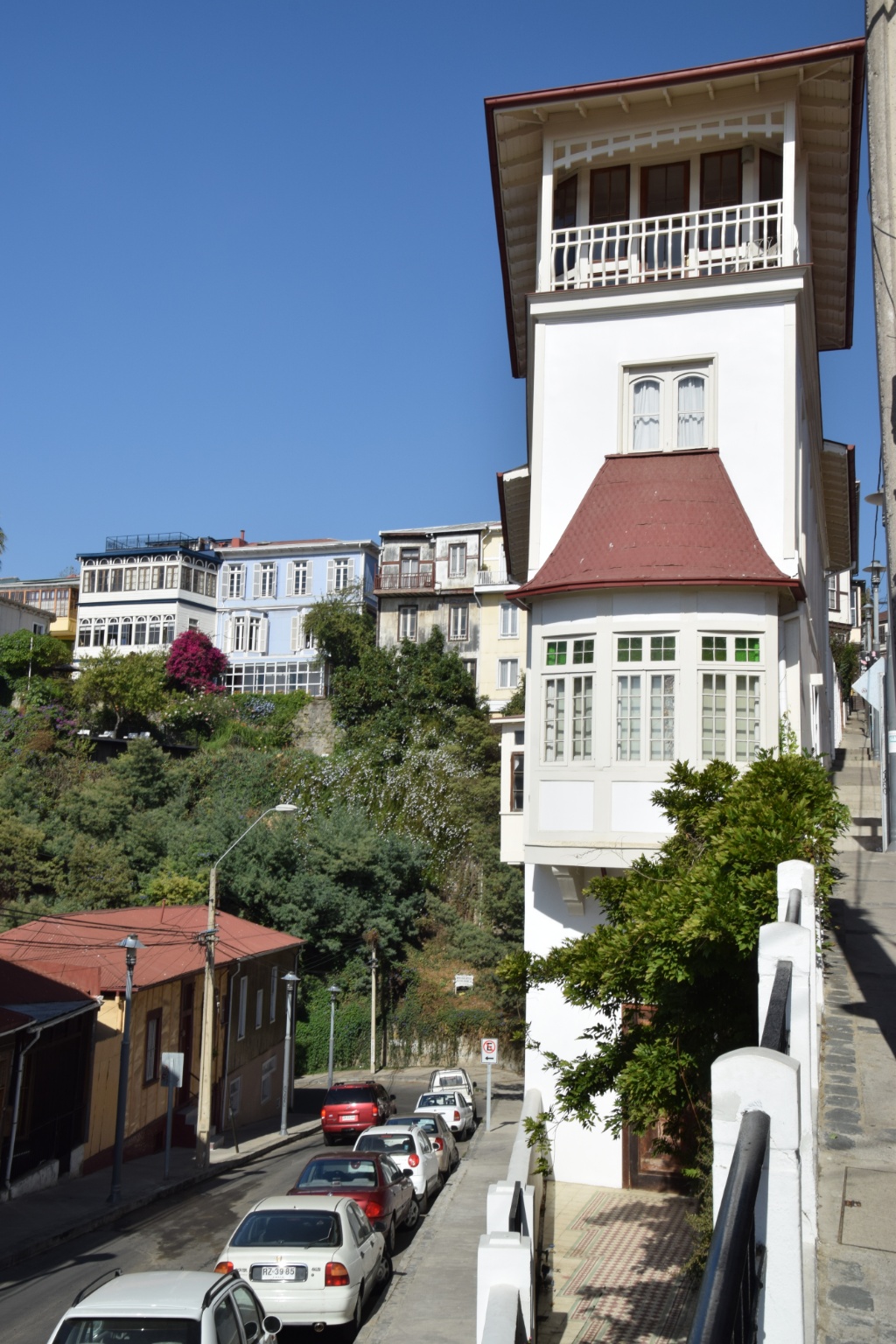
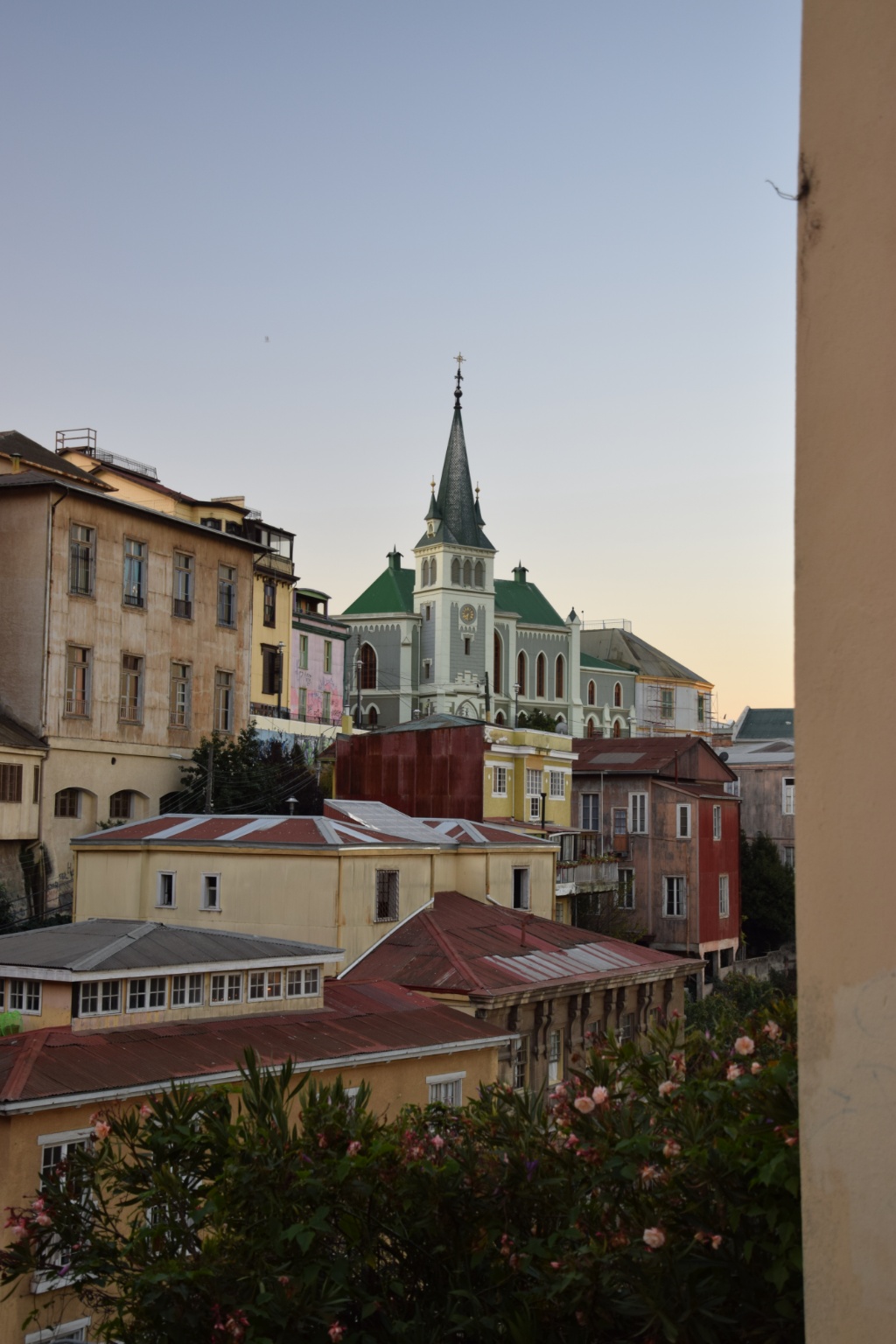
,
the harbour,
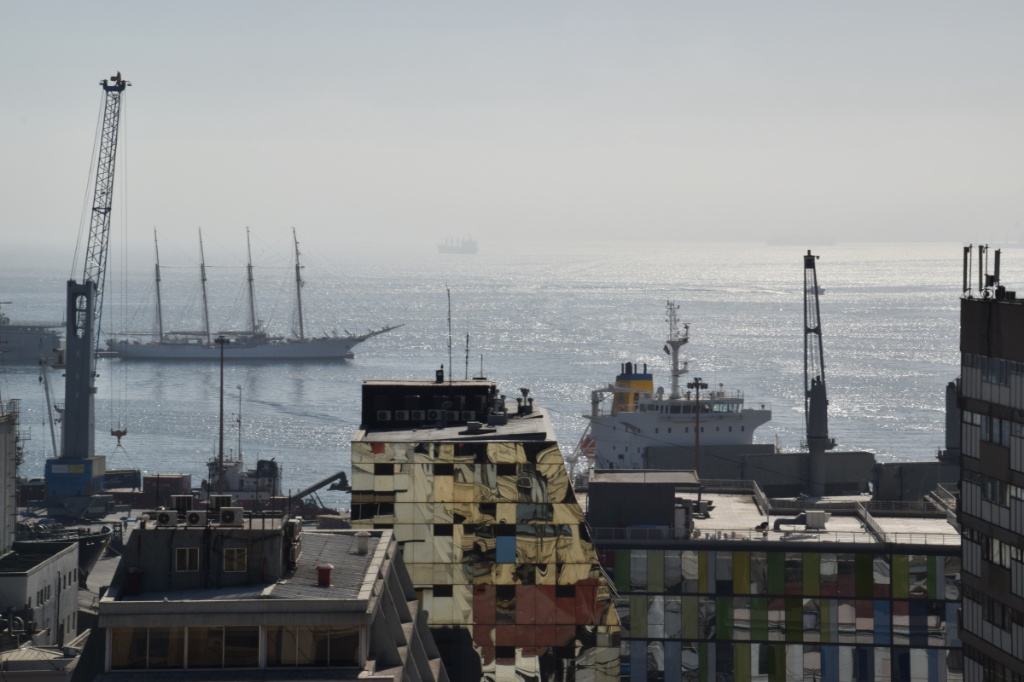
the incredible graffiti paintings,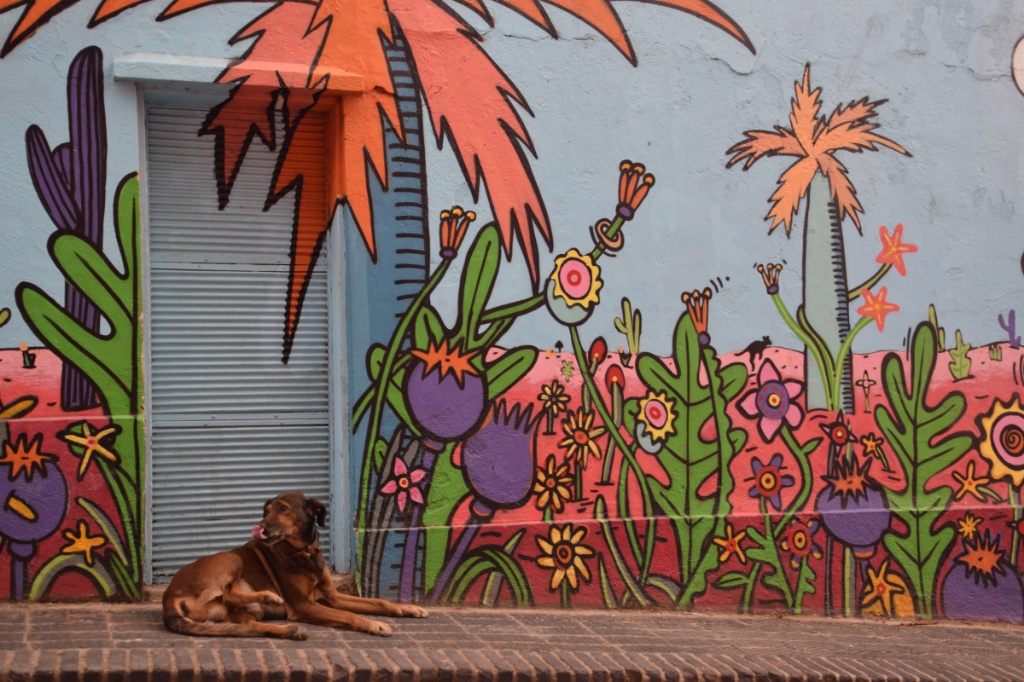
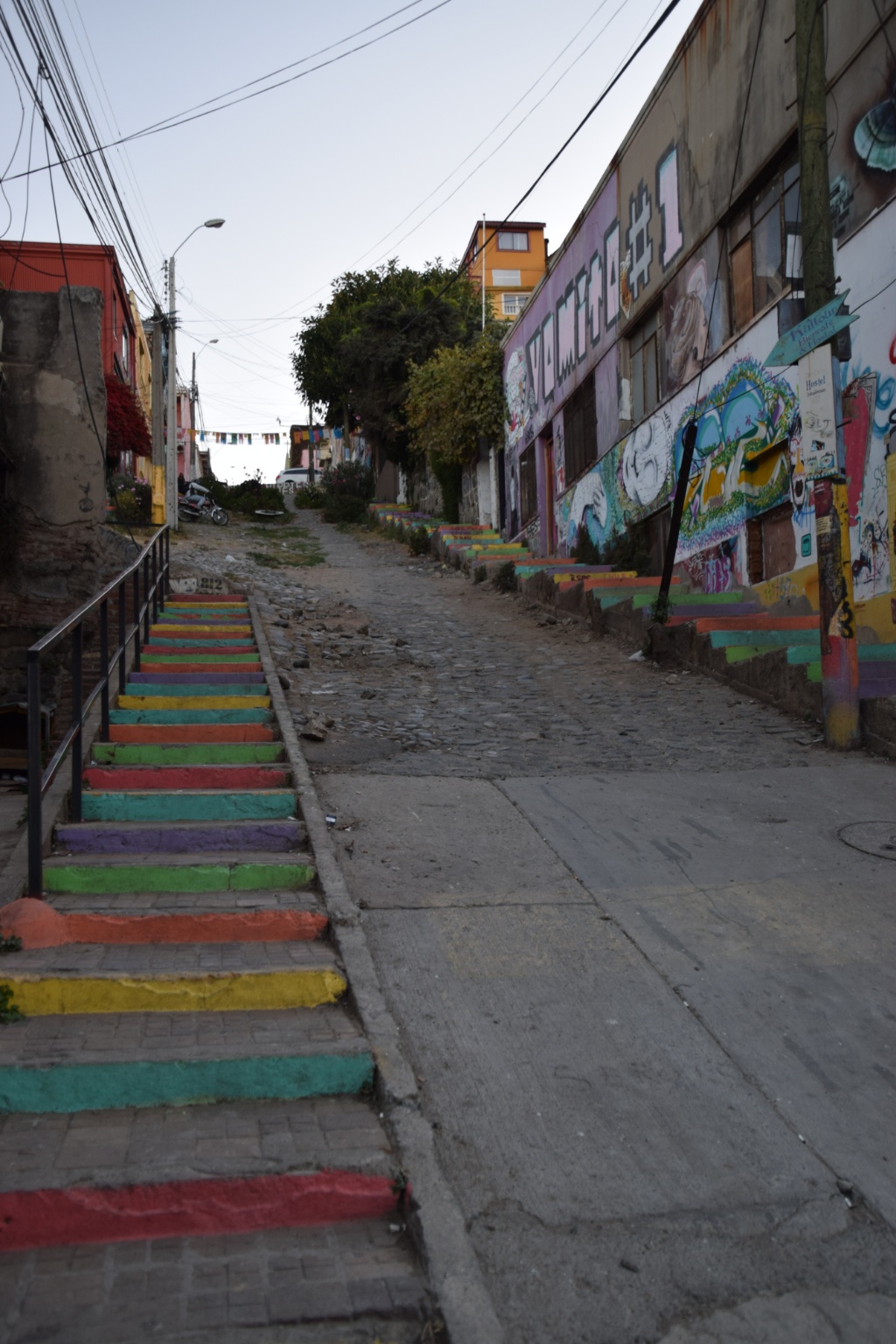
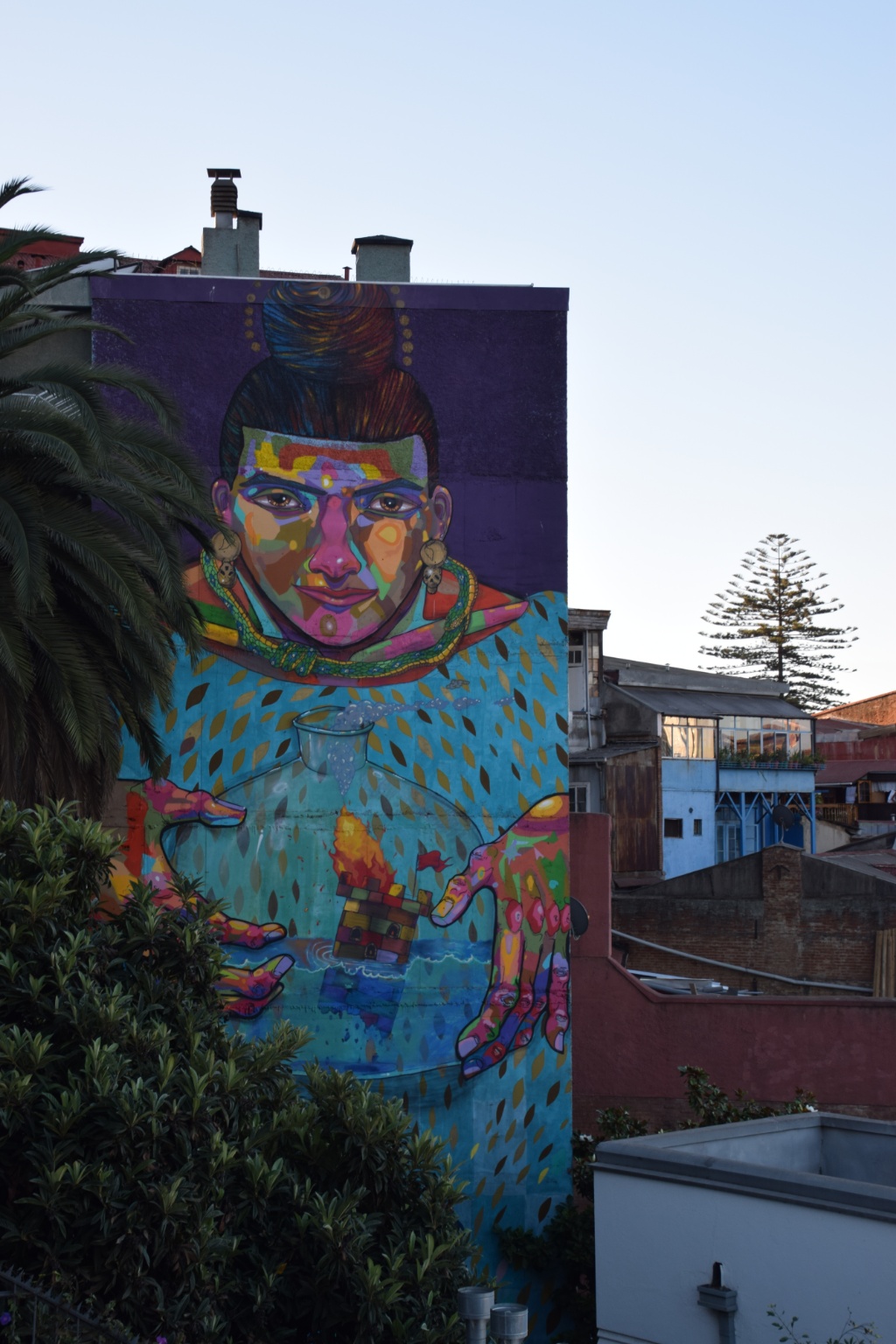
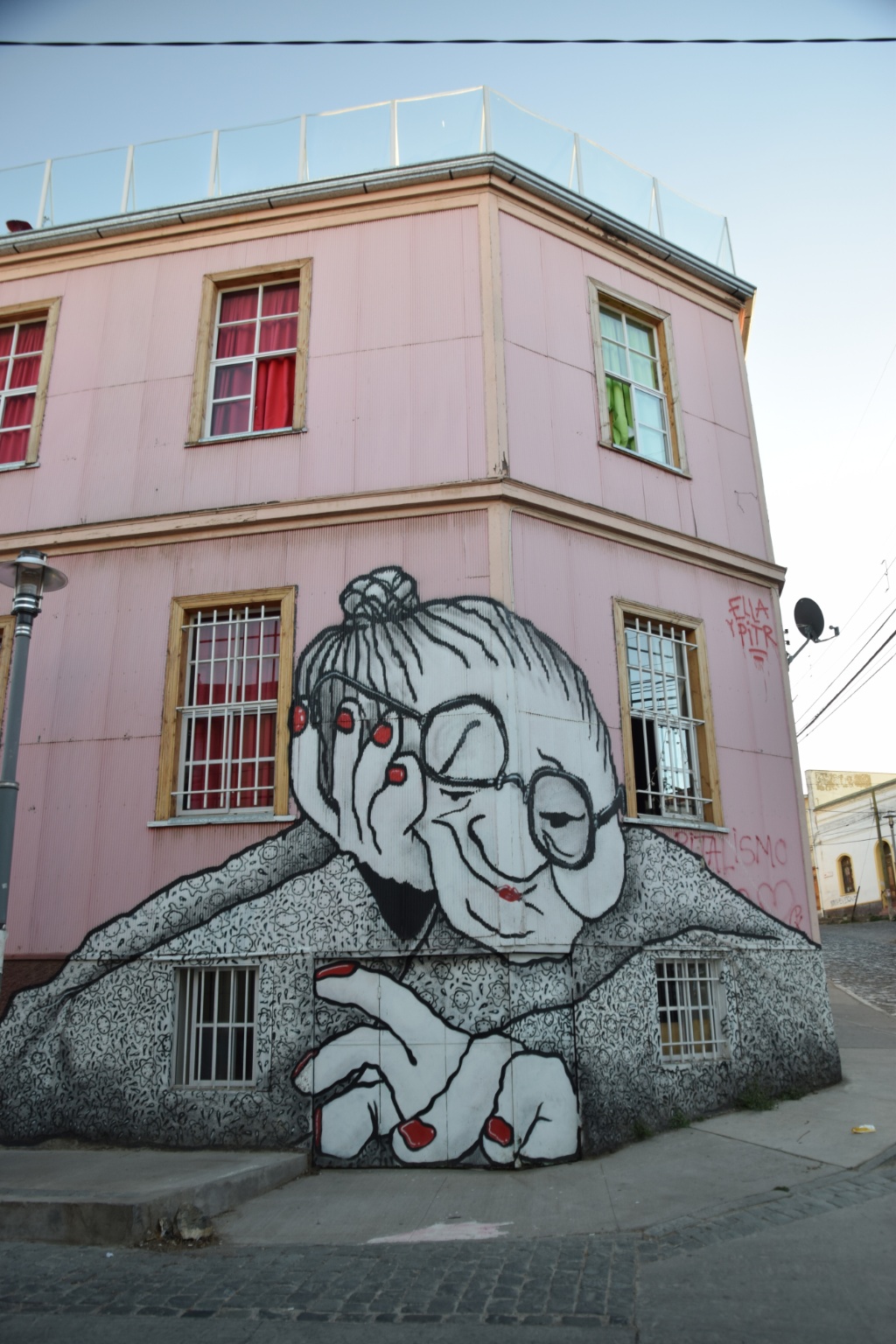
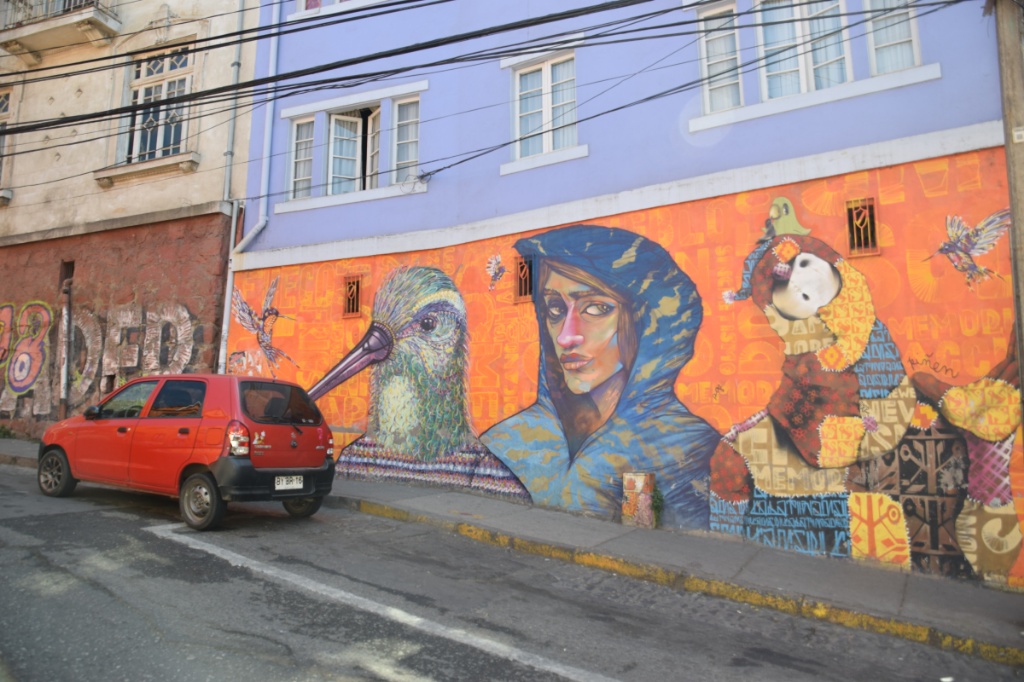

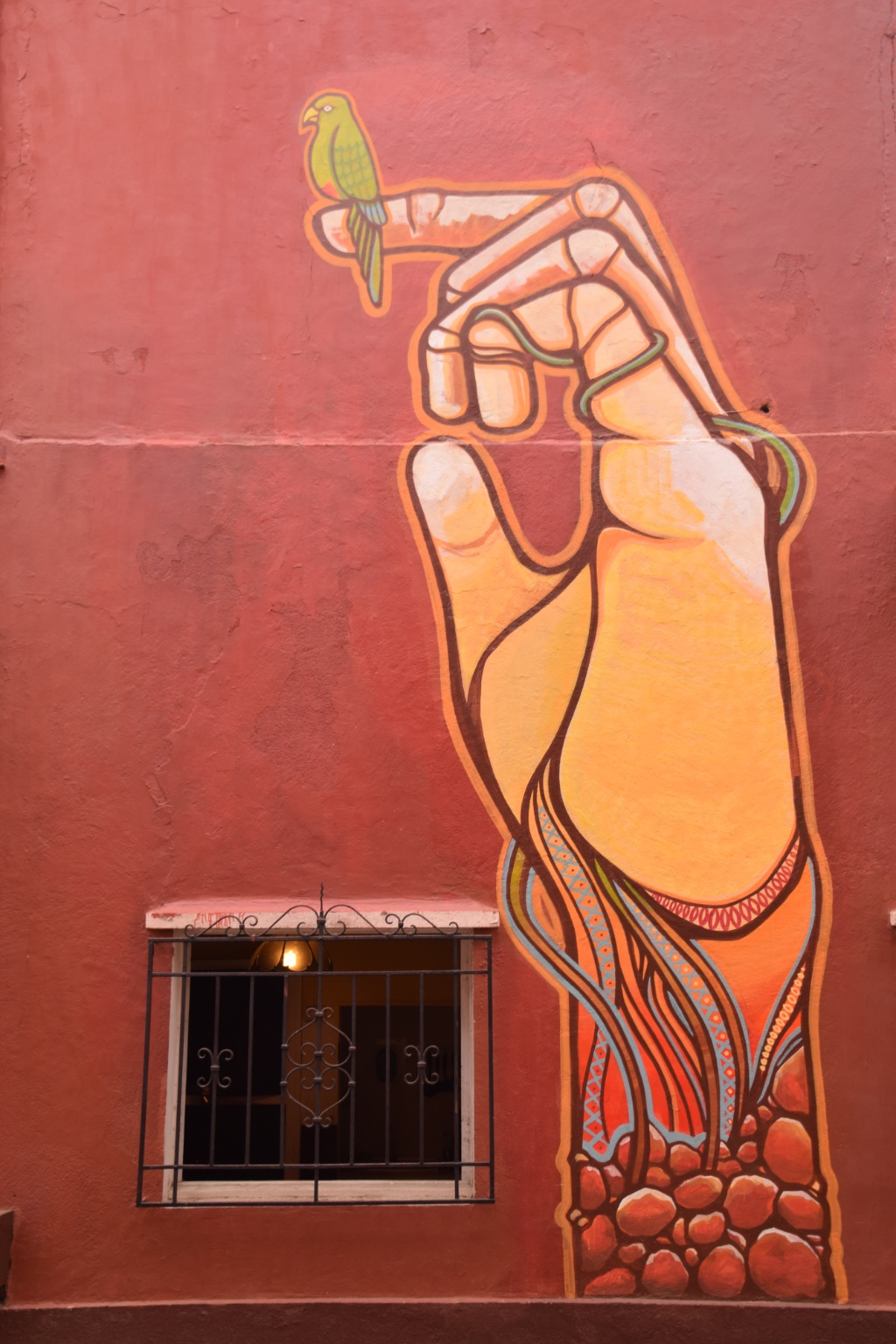
the magnificent views 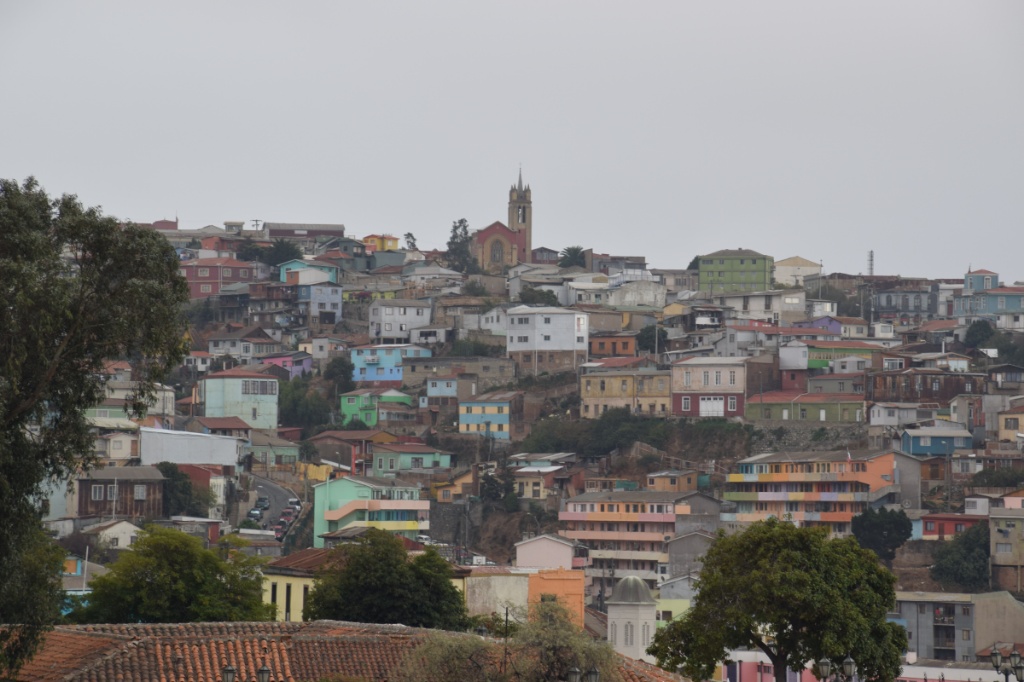
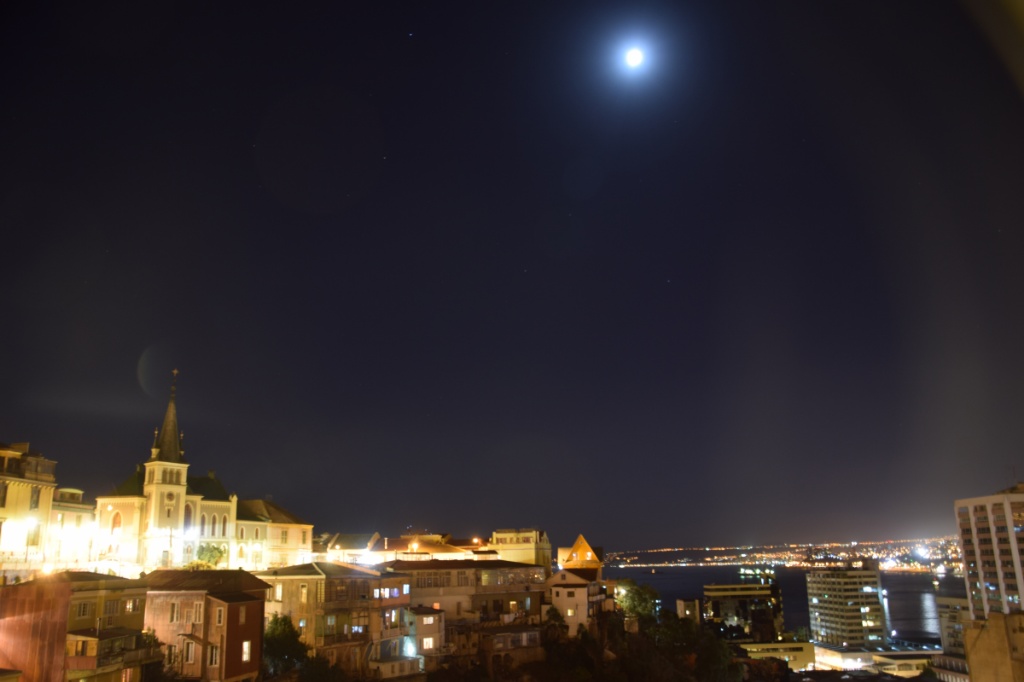

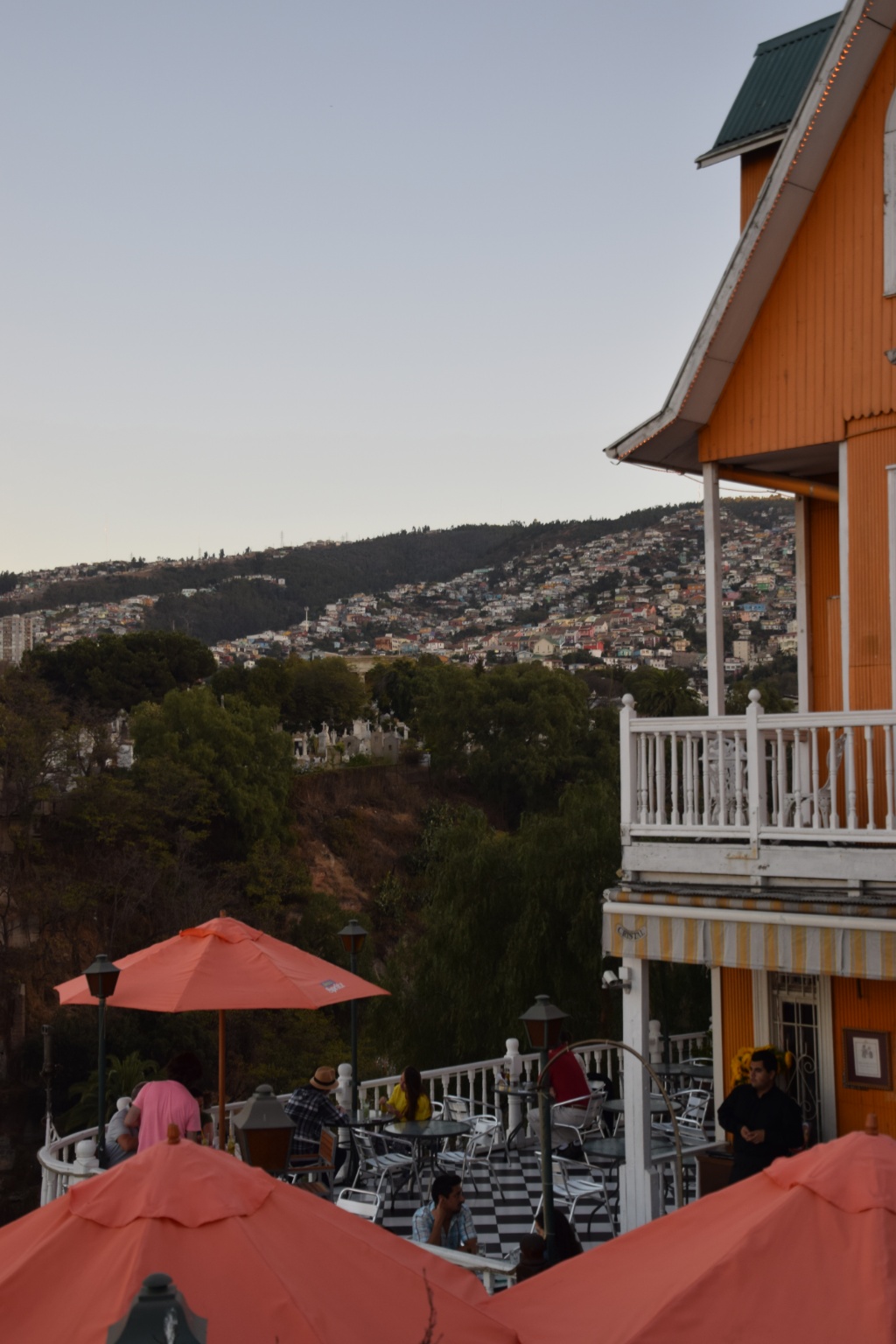
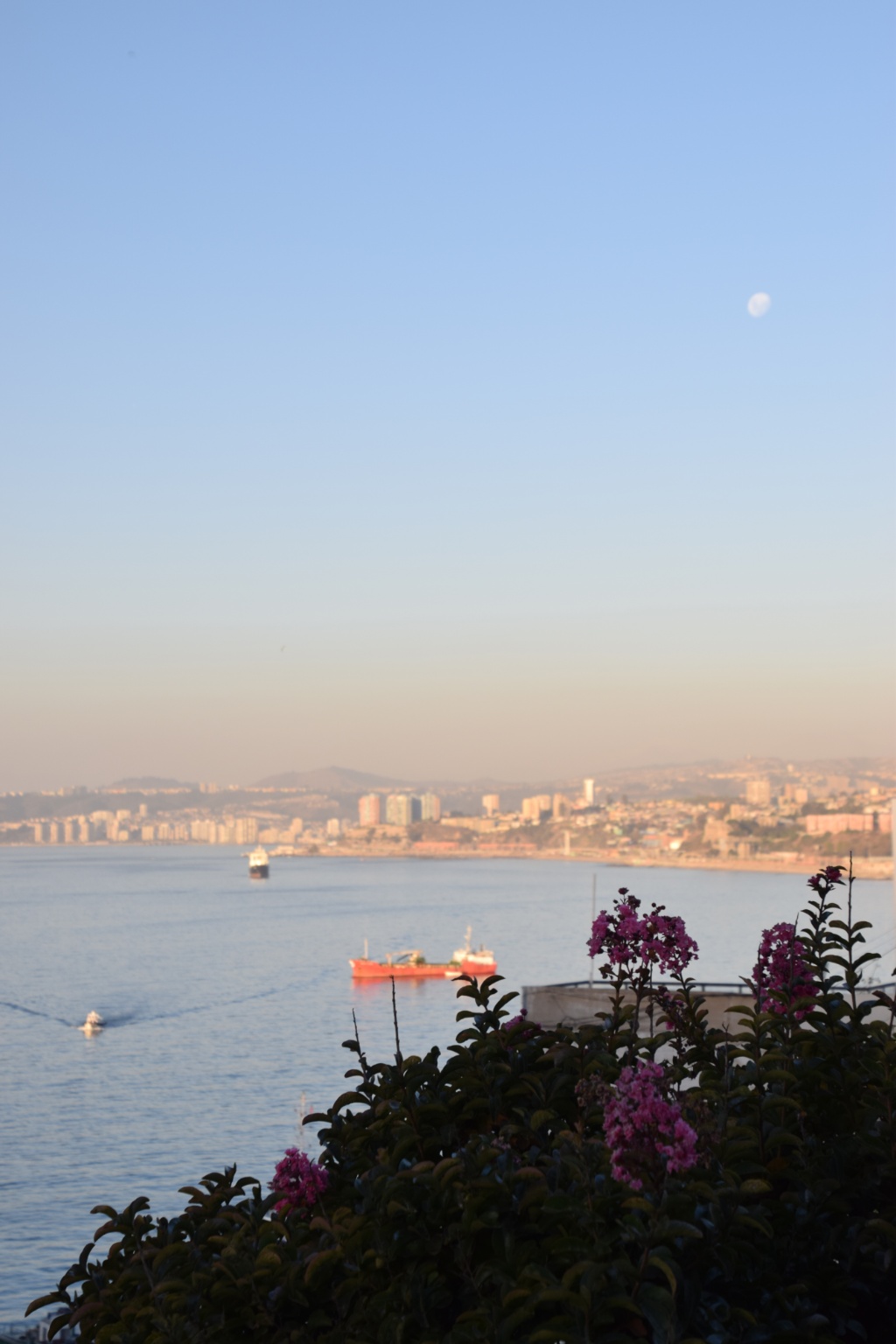
and its relaxed vibe.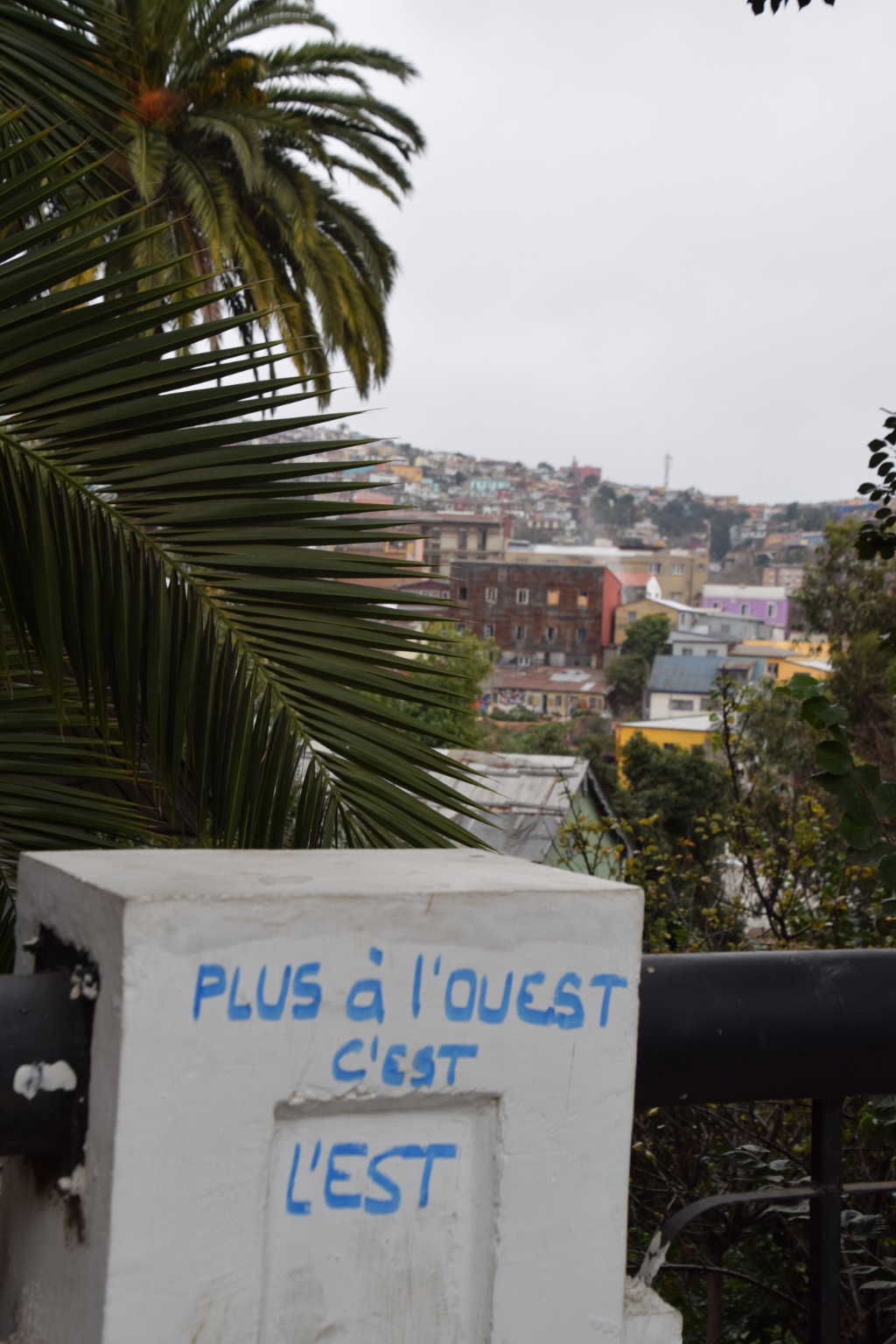


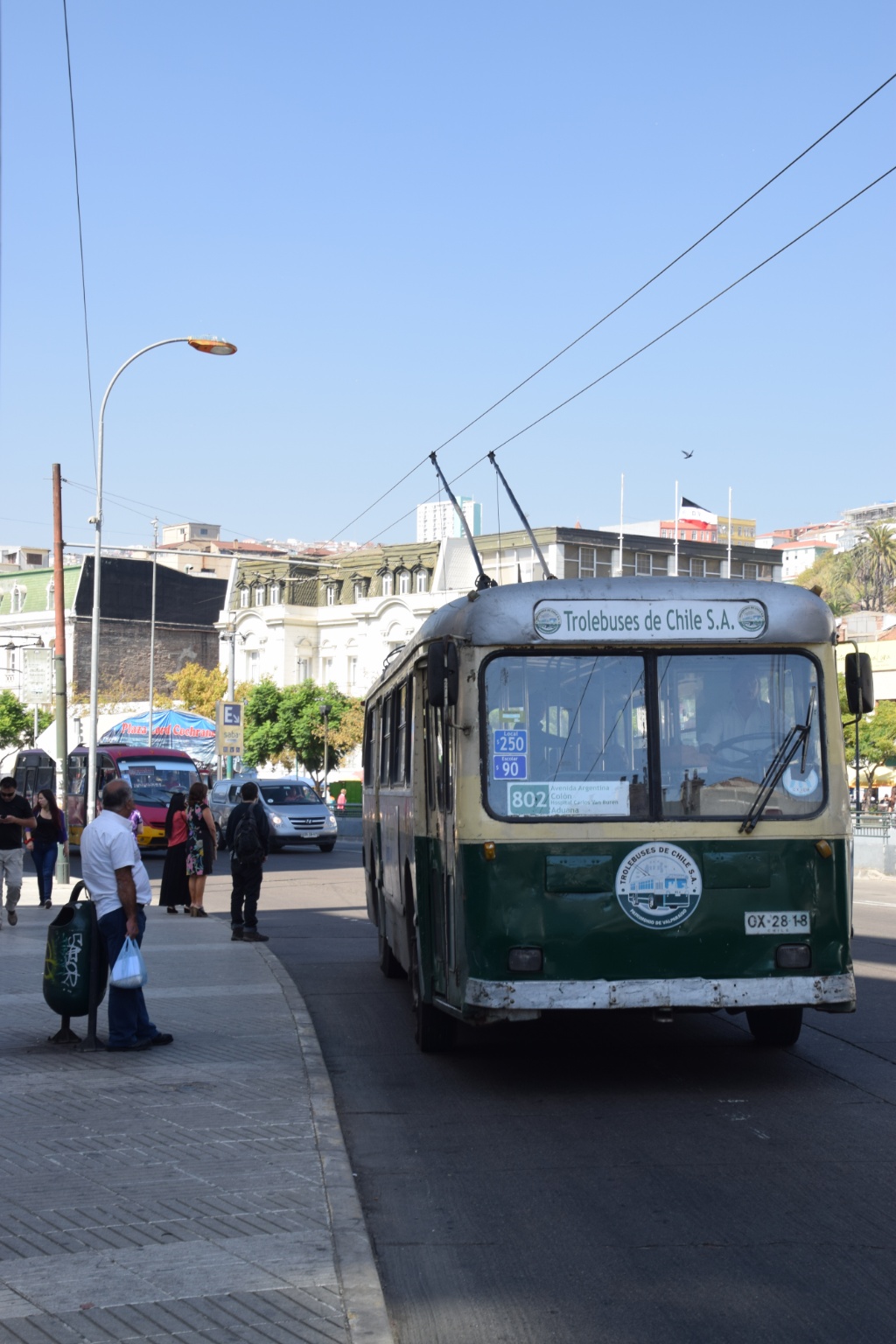



While it’s easy to explore the town on foot I again recommend to do the free walking tour (tour for tips), simply because you get loads of information about the city, its inhabitants, the graffiti and places to eat and drink – all from a “Porteño” (a person from Valparaiso). While some parts of the city are considered unsafe, it is very safe to walk around Cerro Allegre and Cerro Conception, where almost all hostels are located.
For a delicious meal with a great view go to “Fauna”, their roof terrace is amazing and there are lots of locals, too. Another great spot for dinner is “Vinilo”. For coffee and cake in a cute little garden go to “Café Flora”. (All on Cerro Conception)

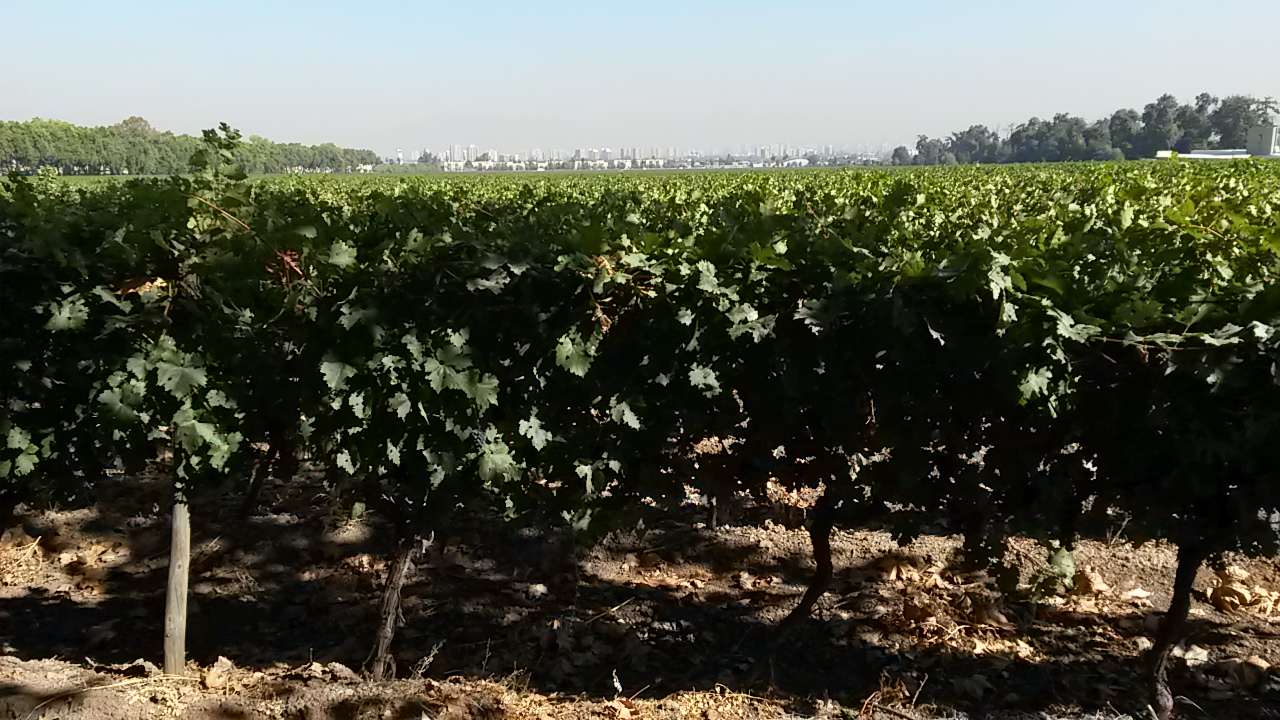
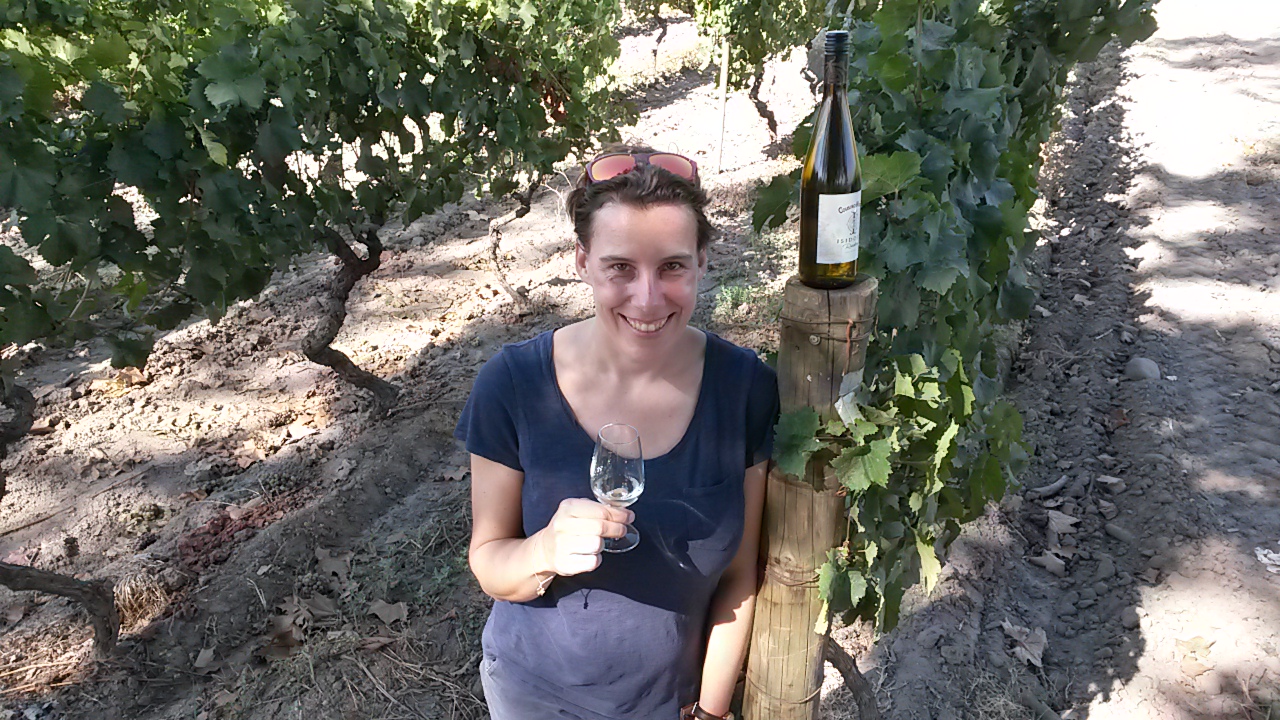
Santiago hit me big time as I hadn’t been in a large city ever since Buenos Aires, which was over a month ago. It is amazing to see the snowcapped Andes from the city. For some reason I hadn’t expected Santiago to be this close to the mountains. It made me realize how narrow this country is. Because Santiago is surrounded by mountains and hills, the city is almost always covered by a cloud of smog. That, the amount traffic and the many people was just too much to handle and thus I escaped the city on my first day for a bike and wine tour at Cousiño Macul on the outskirts of the city. Highly recommended! It does not involve a lot of cycling, just a short ride to the vineyards. But it includes a wine tasting and an interesting tour around this old winery.

Plus, you have to get there, which is part of the fun if you take the metro – it is a great place to people watch. I don’t think I have ever seen this many women breastfeeding their babies on public transport!!! It made me realize how conservative we are in Europe. Here it just seems very normal. One three or four year old kid, however, sat on his mothers lap and simply got out the breast himself… I would imagine that being rather unusual, but who knows?!
Pablo Neruda’s house was a highlight in Santiago , as was the view from San Christóbal, the city’s biggest hill.
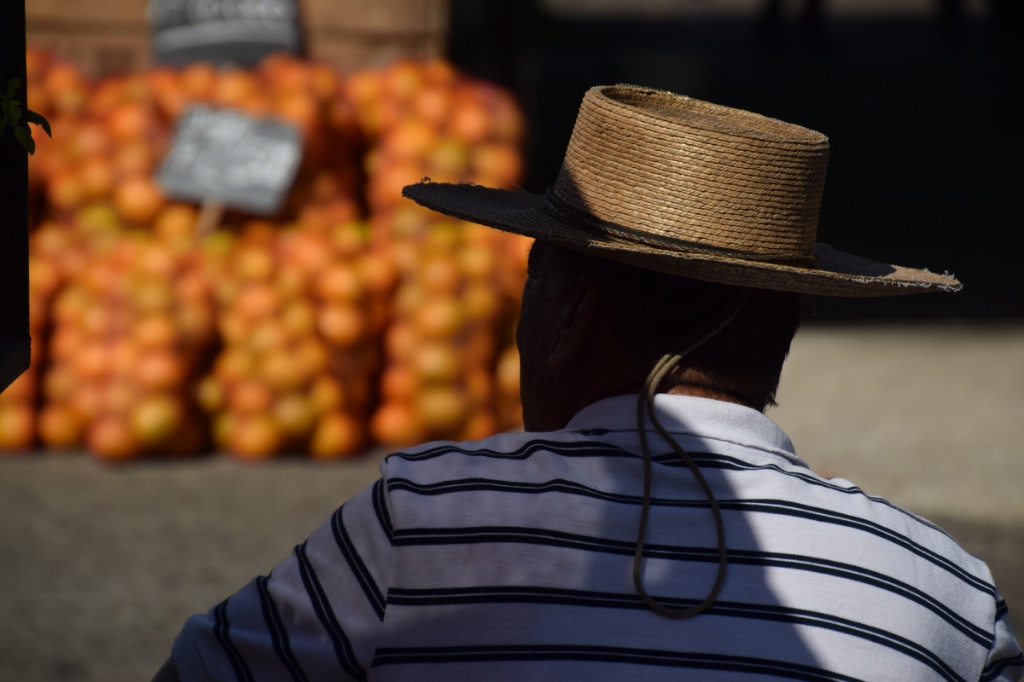
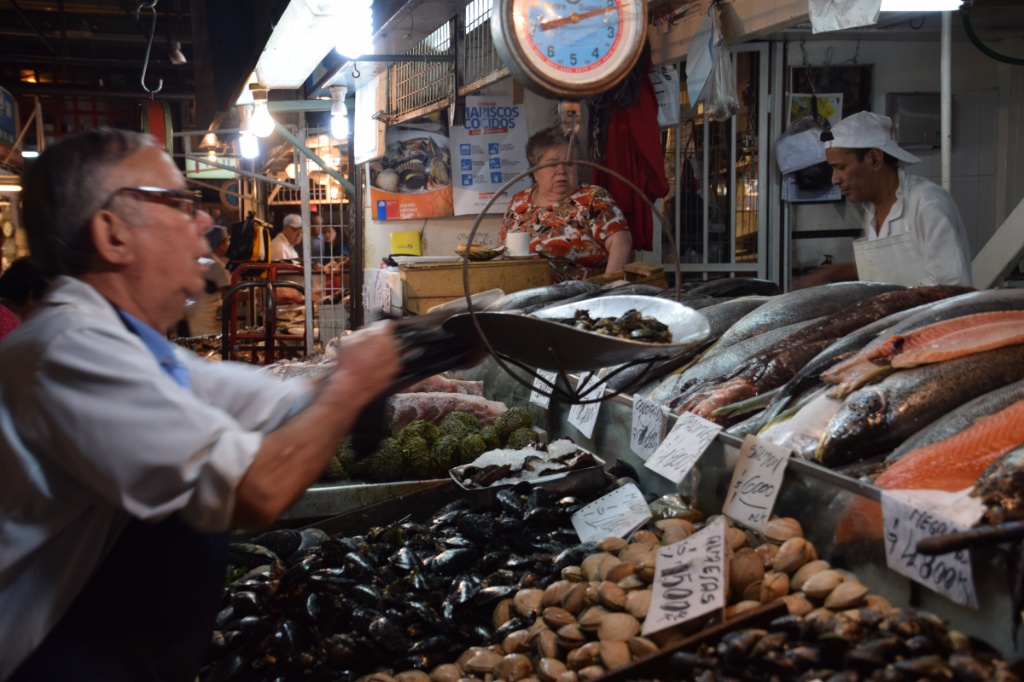
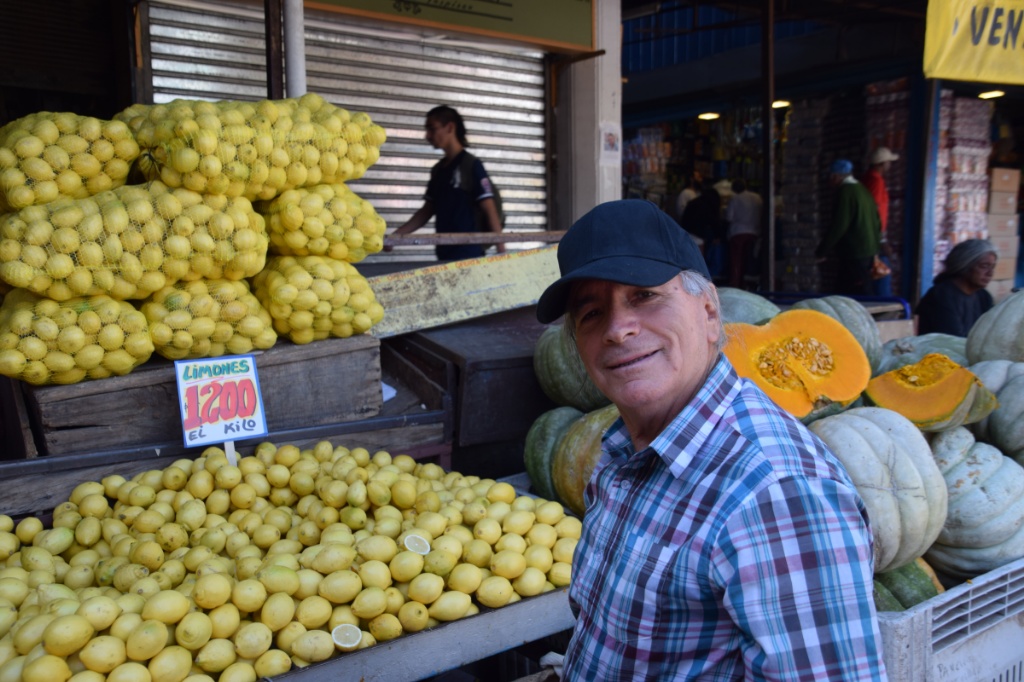
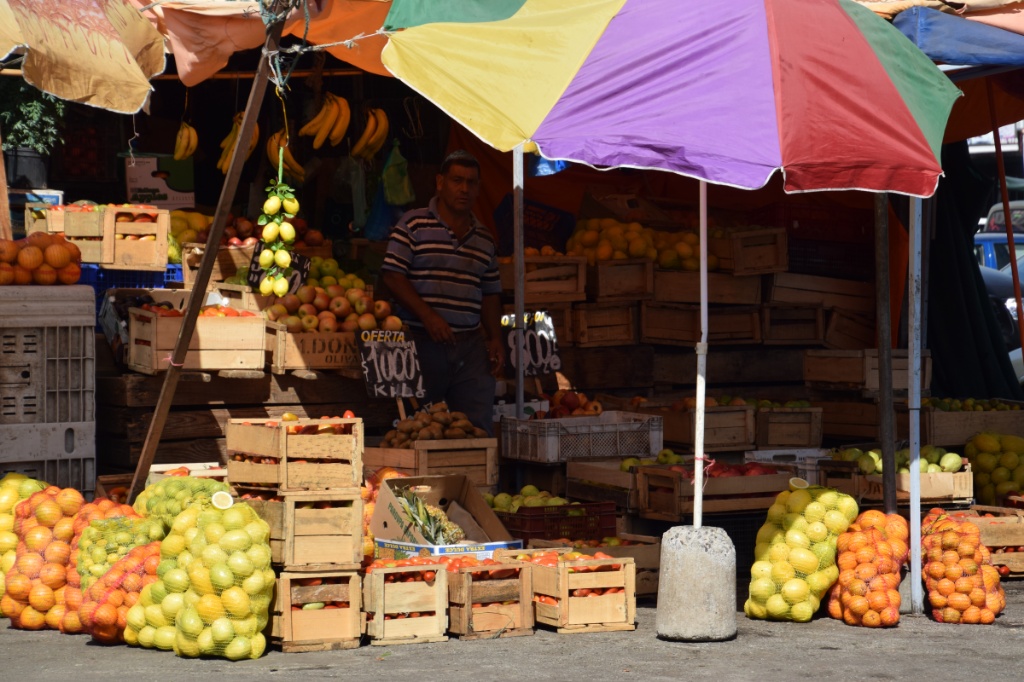
On day two I took the free walking tour (tour for tips), which had been recommended to me by numerous people and I, too, highly recommend it! I especially enjoyed the markets, a Santiago institution, where you can also go for a great meal.

The large cemeterio was nothing like any other cemetery I’ve seen before. It is so big that a sceen at the entrance lists the funerals and their location. 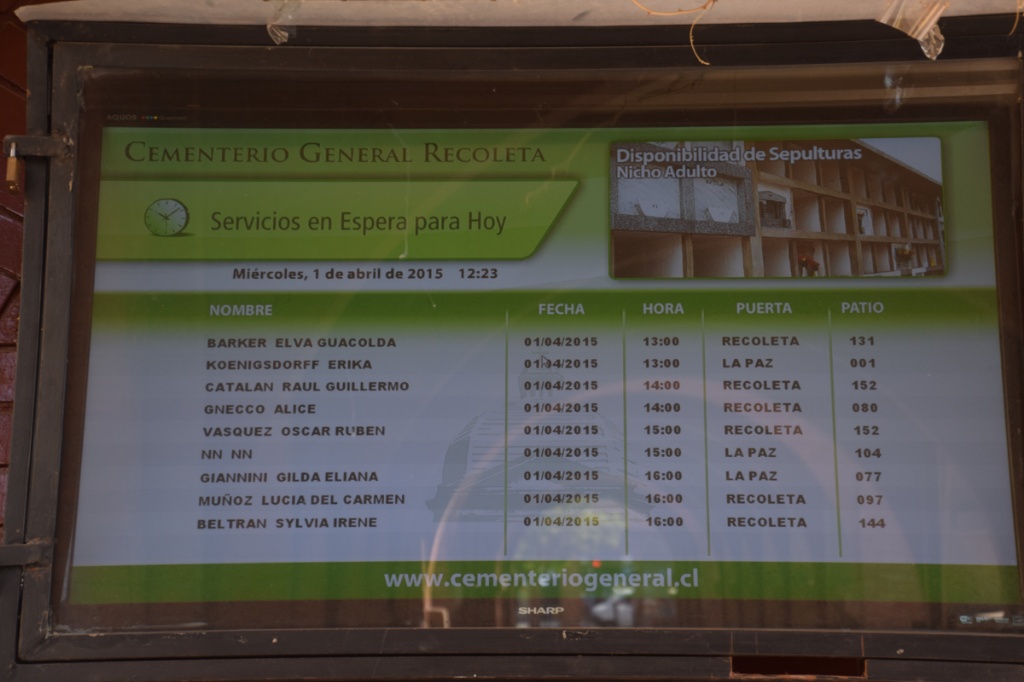 Apart from the usual graves
  there are large buildings, e.g. one designed like an italian shopping mall
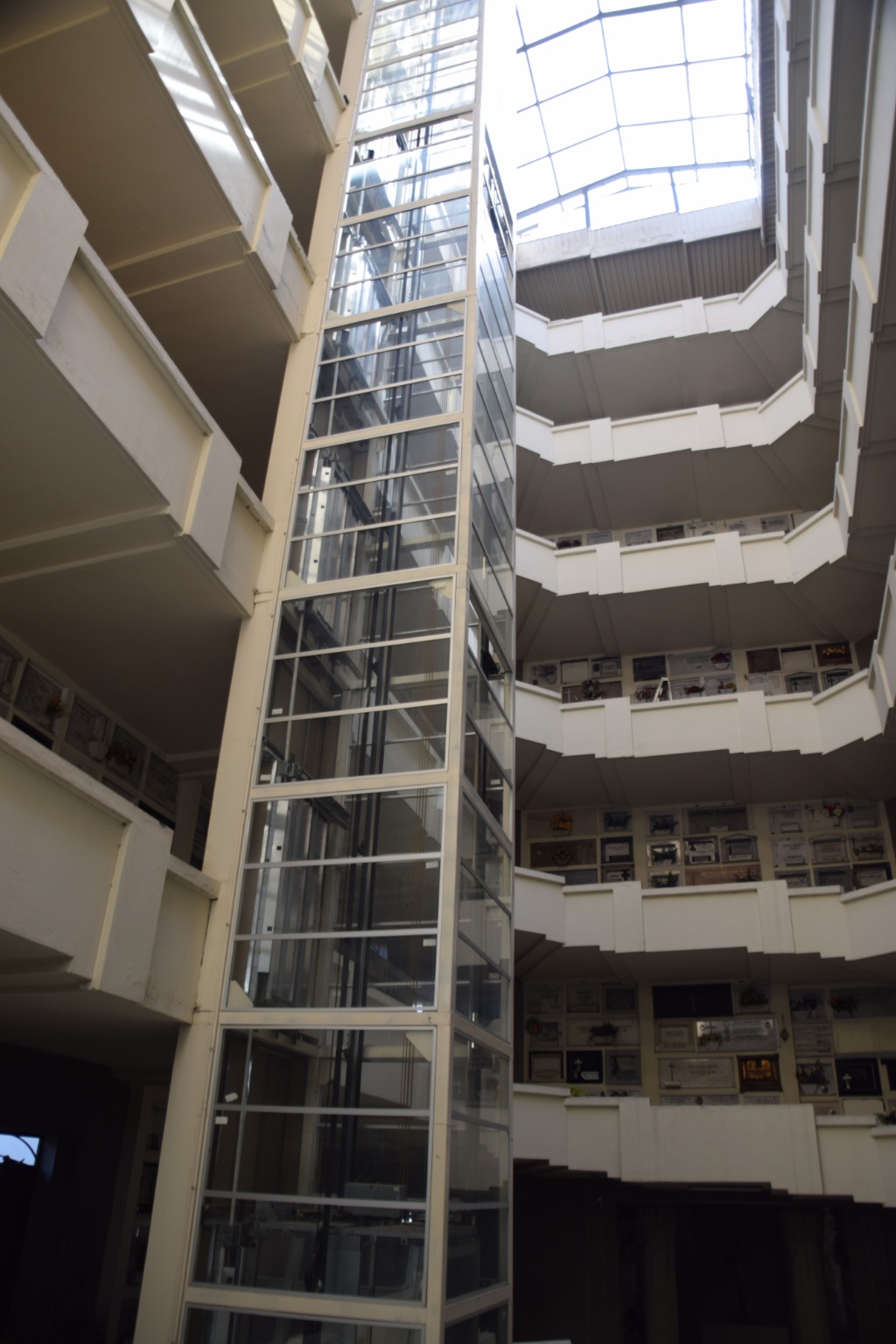 , including an elevator, some enormous mausoleums
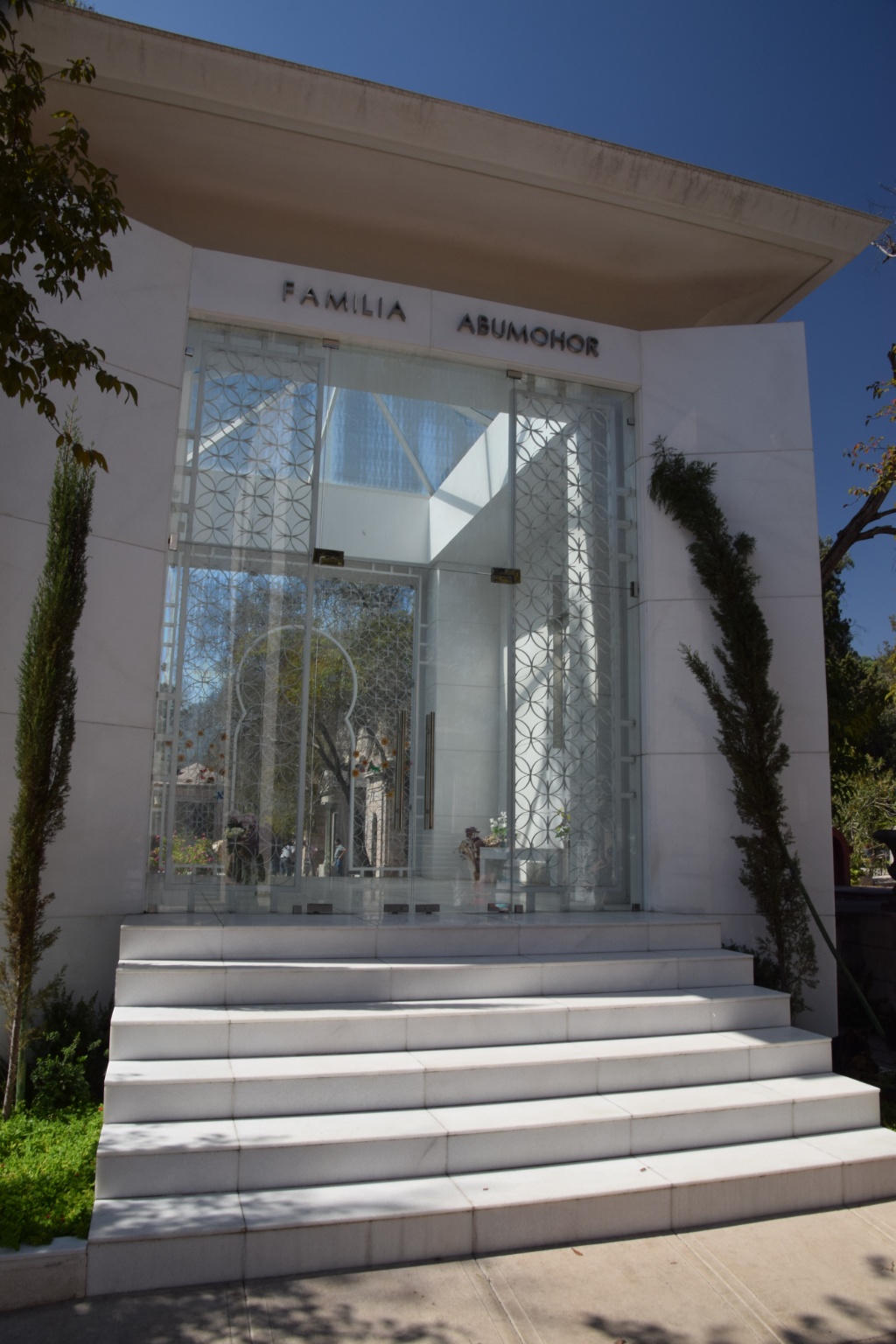 and the presidents buried here all have very special graves, too.
This was the point when I finally learned a lot more details about chilean history, i.e. the presidency of Salvador Allende in the early seventies, the 15 year long dictatorship under Pinochet and the turn to democracy in 1989. Chile’s constitution established that at the 1988 plebiscite the voters could accept or reject Pinochet and to Pinochet’s surprise he was rejected by 54,4% – which also shows that the country was basically split into half! Most importantly our sympathetic chilean guide explained to us that the Pinochet era, after 25 years, still divides the country. That is because some people benefited while lots of others suffered, disappeared or were killed. This topic might even split families into half, resulting it to be a tabu at family reunions!
 Sattelt die Hühner...
You must be logged in to post a comment.